Follow Me On Pinterest!
Savory 30-Minute Stir-Fry Recipe

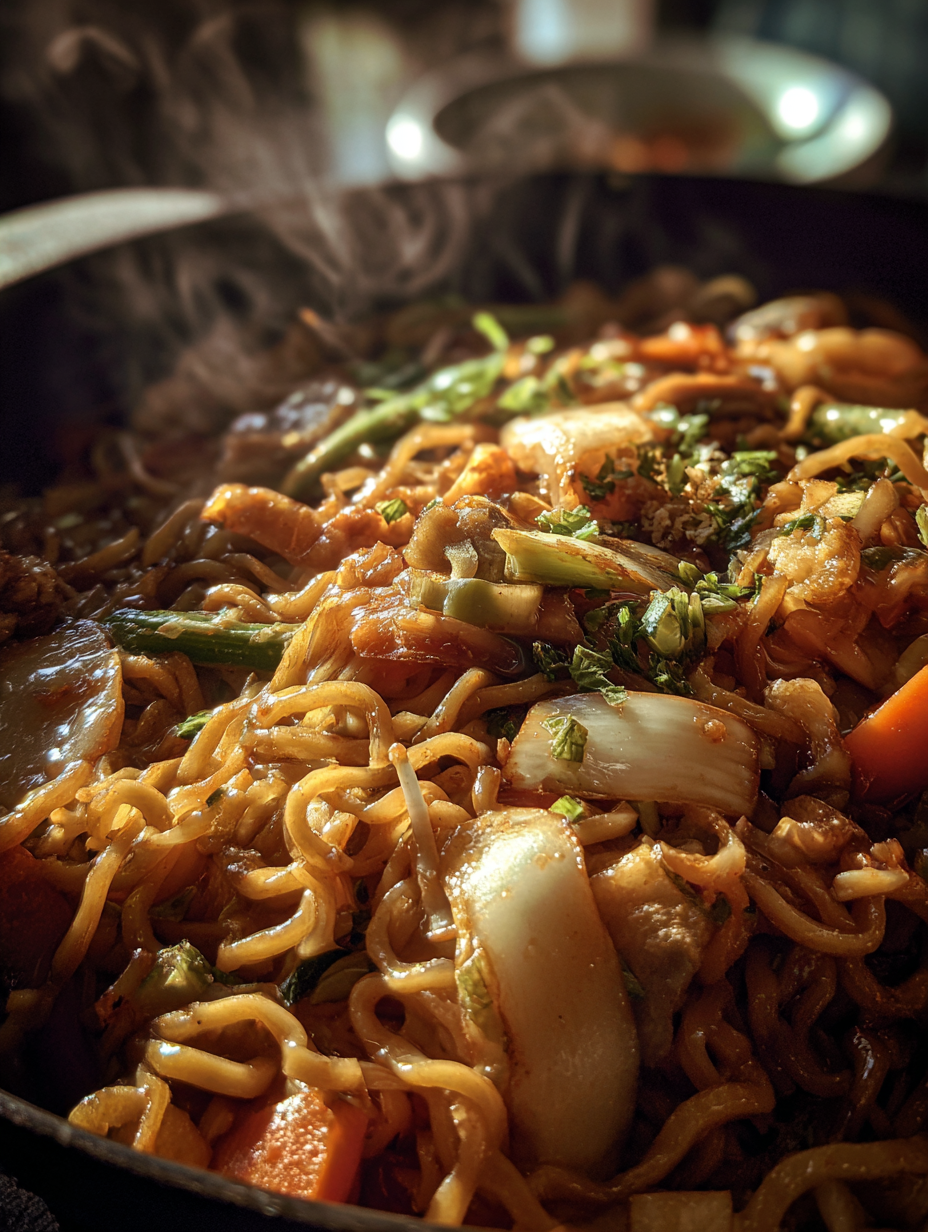
A Quick and Flavor-Packed Meal for Busy Days
—
Introduction
There’s something magical about the sizzle of vegetables hitting a hot pan that transports me back to my childhood kitchen. I can vividly recall those bustling summer evenings when my mom would whip up a quick stir-fry. The air would fill with the aroma of garlic and ginger, a tempting prelude to what was to come. As a little chef-in-training, I would watch in awe as she tossed vibrant bell peppers, crisp snap peas, and tender chicken in a glossy sauce, the colors playing a vibrant symphony against the backdrop of our cozy kitchen.
I remember the way the pan crackled and popped, a soundtrack to the joy of cooking together. Each bite was a delightful blend of flavors, the sweetness of the vegetables dancing with the savory sauce. It wasn’t just a meal; it was a bonding experience, a way to bring the family together after busy days. That warm, welcoming dish soon became a staple in our household, a reliable go-to for evenings when time was short, and appetites were high.
Fast forward to today, as I find myself juggling work, family commitments, and the never-ending quest for something satisfying yet quick. This Savory 30-Minute Stir-Fry Recipe is an homage to those cherished memories, a nod to the simplicity and joy of cooking. It captures the essence of those summer evenings while fitting seamlessly into your busy life. You’ll appreciate the ease of throwing everything together and the explosive flavors that burst from each bite. Let’s dive into how you can whip up this delightful stir-fry in just thirty minutes, bringing a taste of nostalgia to your table.
—
Why This Recipe Works
The science of stir-frying lies in its simplicity and the harmony of flavors. At its core, this recipe brings together a few key elements that elevate it from ordinary to extraordinary.
1. Flavor Combinations: The base of this stir-fry features soy sauce, sesame oil, and a splash of rice vinegar. These ingredients create a balance of umami, nuttiness, and acidity, enhancing the natural flavors of the vegetables and protein. The interplay of salty and sweet is what makes every bite irresistible.
2. Texture Contrasts: One of the joys of stir-frying is the variety of textures you can achieve. The secret lies in the cooking temperatures and timing. You’ll want to ensure your pan is hot enough so that the vegetables remain crisp-tender, while proteins like chicken or tofu develop a lovely caramelized exterior. This contrast keeps each bite exciting and satisfying.
3. Ingredient Roles: Each ingredient serves a specific purpose in this dish. For instance, broccoli florets provide a hearty crunch, while carrots add sweetness and vibrant color. The choice of protein, whether chicken, shrimp, or tofu, contributes not only to flavor but also to the overall substance of the meal.
What sets this version apart from more generic stir-fry recipes is the thoughtful balance of flavors and the careful preparation of each component. Rather than tossing everything in at once, you’ll learn the importance of layering flavors and cooking times, leading to a more nuanced and satisfying dish.
—
What Makes It Special
This Savory 30-Minute Stir-Fry Recipe isn’t just another weeknight dinner; it has several unique qualities that elevate it above typical restaurant or store-bought versions.
– Freshness: When you make this stir-fry at home, you have the luxury of using fresh, seasonal vegetables, ensuring maximum flavor and nutrition. There’s something satisfying about selecting your produce and knowing exactly what’s going into your meal.
– Cost-Effectiveness: Eating out for a stir-fry can quickly add up, especially when you consider those little extras like rice or noodles. By preparing this dish at home, you save money without sacrificing taste.
– Customization: One of the best parts about this recipe is its versatility. You can easily swap in your favorite vegetables or protein. Craving a meatless option? Go for chickpeas or tempeh. Want to jazz it up? Toss in some pineapple for a sweet twist.
– Surprising Elements: A unique addition to this stir-fry is the use of cashews. They add a delightful crunch and creaminess that contrasts beautifully with the crisp vegetables. Additionally, a sprinkle of fresh herbs like cilantro or basil at the end brightens the dish and adds a fresh burst of flavor.
This recipe is not just about convenience; it’s a celebration of flavors and textures that come together effortlessly in your kitchen.
—
Ingredient Breakdown
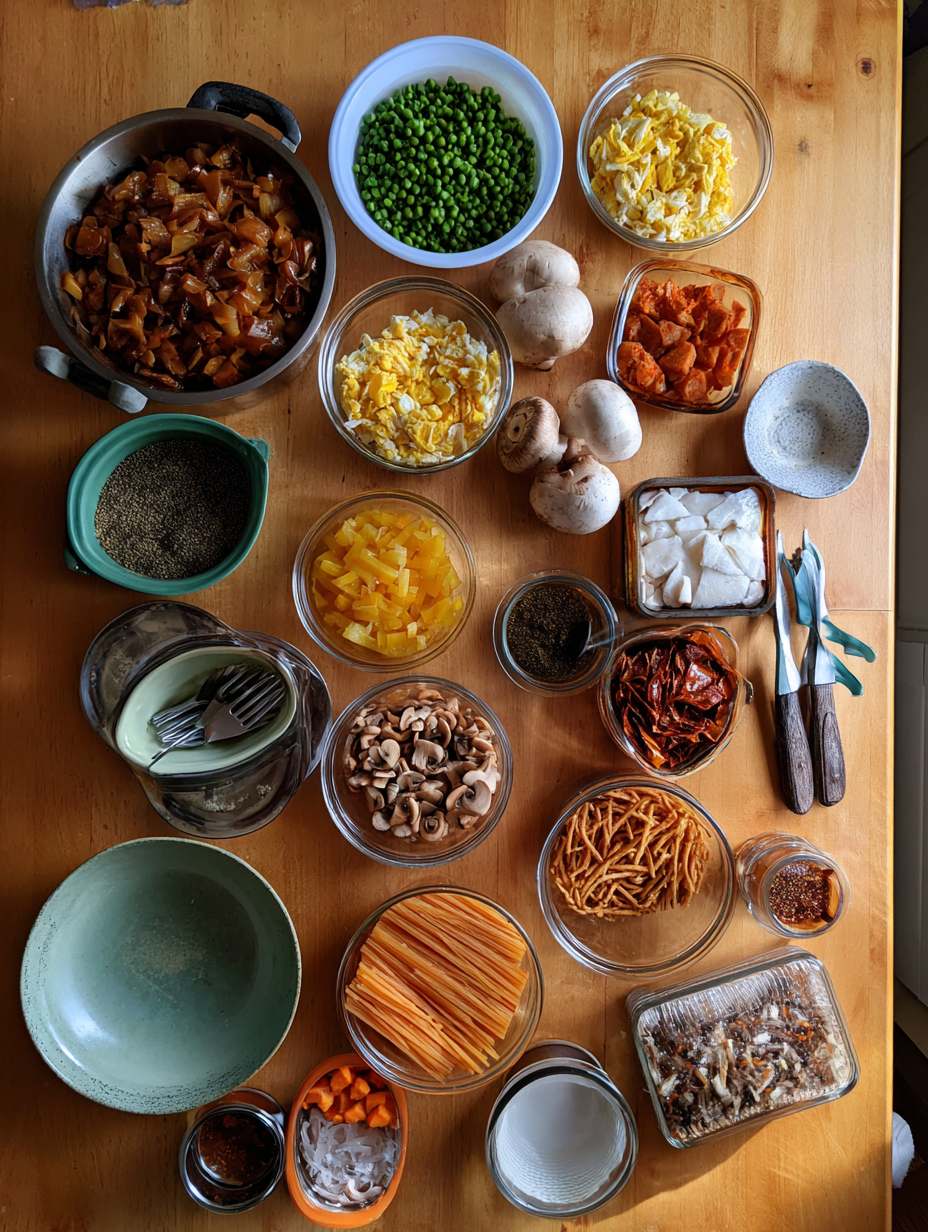
To create your Savory 30-Minute Stir-Fry, you’ll need a selection of fresh ingredients that come together to deliver a vibrant explosion of flavor. Here’s a detailed breakdown of each component:
1. Protein:
– Choose between chicken, shrimp, or tofu. For this recipe, I recommend using chicken breast cut into thin strips for quick cooking. Each serving should be about 6 ounces. If opting for tofu, use firm or extra-firm tofu pressed and cubed.
2. Vegetables:
– Bell Peppers (1 cup, sliced): Their sweetness and crunch provide a colorful contrast. Feel free to mix colors for visual appeal.
– Broccoli Florets (1 cup): Adds a hearty bite and is packed with nutrients.
– Carrots (1 medium, julienned): Their natural sweetness complements the savory sauce.
– Snap Peas (1 cup): A delightful crunch that cooks quickly, adding freshness.
3. Aromatics:
– Garlic (2 cloves, minced): Essential for depth of flavor.
– Ginger (1 tablespoon, minced): Adds a warm, spicy undertone that brightens the dish.
4. Sauce:
– Soy Sauce (¼ cup): The backbone of flavor, providing that essential umami.
– Sesame Oil (2 tablespoons): Adds a nutty richness.
– Rice Vinegar (1 tablespoon): A splash of acidity to balance the flavors.
5. Nuts:
– Cashews (¼ cup, toasted): For a crunchy texture and creamy flavor, enhancing the dish’s overall richness.
6. Fresh Herbs:
– Cilantro or Basil (for garnish): A handful, chopped, to finish the dish with a burst of freshness.
Substitutions:
– Dairy-Free: This recipe is naturally dairy-free.
– Gluten-Free: Use tamari instead of soy sauce.
– Vegan: Substitute chicken with tofu or tempeh and ensure the sauce is gluten-free.
Specialty Ingredients:
Most of the ingredients can be found at your local grocery store. However, if you’re looking for sesame oil or rice vinegar, you might have better luck at an Asian market or specialty food store.
—
Equipment Needed
To bring your Savory 30-Minute Stir-Fry to life, you’ll need a few essential tools that will make your cooking experience smooth and enjoyable:
1. Wok or Large Skillet: A wok is ideal for stir-frying because its high sides allow you to toss the ingredients easily and cook them evenly. If you don’t have a wok, a large skillet will work just fine.
2. Sharp Chef’s Knife: Ensure you have a sharp knife for quick and efficient chopping of your vegetables and protein. A dull knife can lead to uneven cuts and a frustrating experience.
3. Cutting Board: A sturdy cutting board is essential for prepping your ingredients safely and efficiently.
4. Spatula or Wooden Spoon: You’ll need a spatula or wooden spoon to stir and toss your ingredients around in the pan.
5. Measuring Cups and Spoons: Accurate measurements are crucial for balancing flavors, especially for the sauce ingredients.
Optional Tools:
– Mandoline Slicer: For perfectly uniform vegetable slices, a mandoline can be a handy tool, though not essential.
– Steamer Basket: If you choose to steam your broccoli separately for added tenderness, a steamer basket can be useful.
With these tools at your disposal, you’re ready to create a stir-fry that not only satisfies your taste buds but also takes you on a nostalgic journey through flavors and aromas.
Step-by-Step Instructions
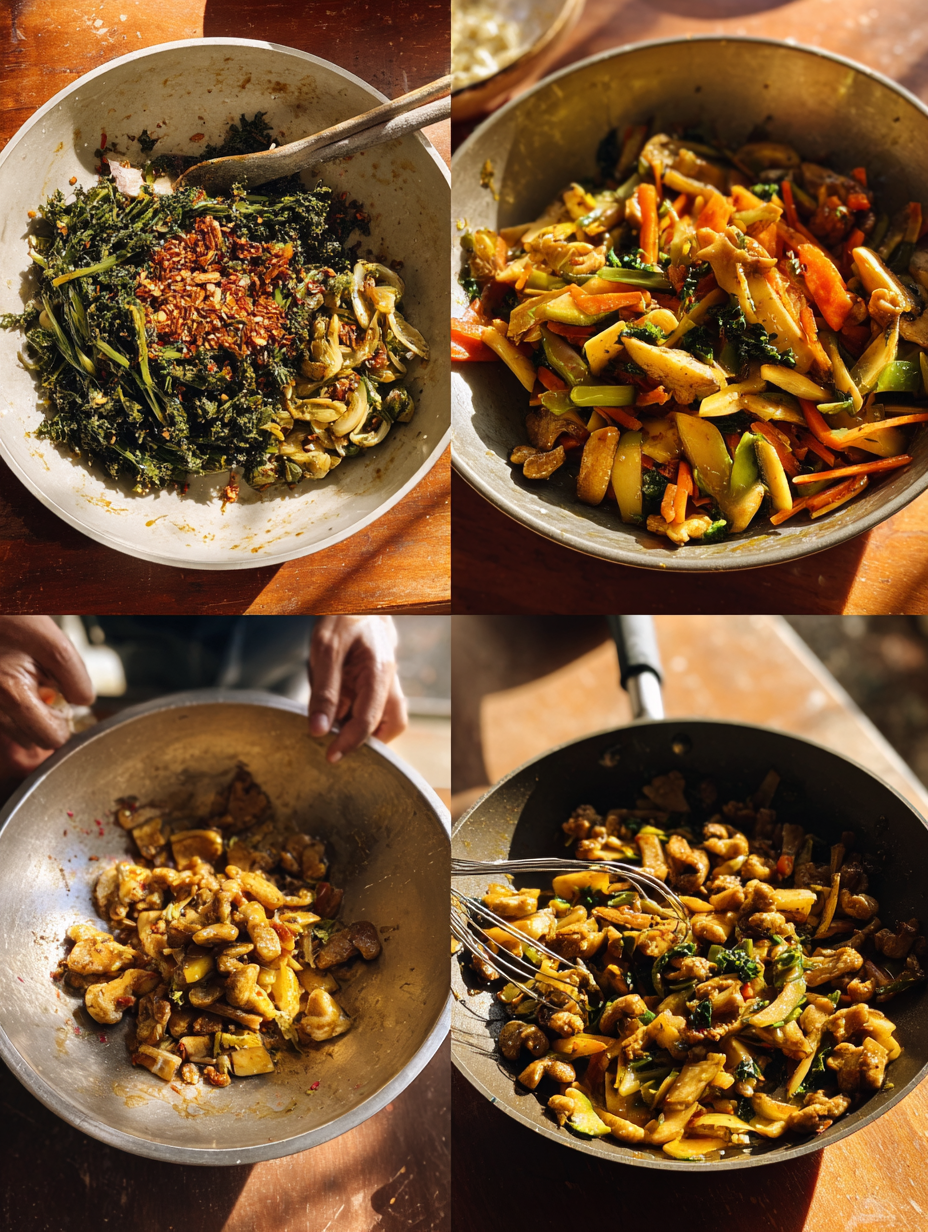
1. Prepare the Ingredients
Start by gathering all of your ingredients and chopping them into uniform pieces for even cooking. Slice your protein—be it chicken, beef, or tofu—into thin strips, about 1/2 inch thick. For the vegetables, aim for bite-sized pieces; bell peppers should be cut into strips, broccoli florets should be trimmed to about an inch, and carrots can be sliced into thin rounds. Chef’s Note: Uniform pieces ensure everything cooks at the same rate. You should smell the freshness of your veggies as you chop!
2. Heat the Wok or Skillet
Place your wok or a large skillet over high heat. Allow it to preheat for about 2-3 minutes until it becomes hot, shimmering, and slightly smoking. You want to hear a faint sizzle when you add the oil. Add about 2 tablespoons of high smoke point oil such as canola or peanut oil. Chef’s Note: A hot pan is essential to achieving that coveted sear on your protein, which locks in moisture and flavor.
3. Sear the Protein
When the oil is shimmering, add your protein in a single layer, ensuring not to overcrowd the pan. Let it cook undisturbed for about 1-2 minutes until it develops a golden-brown crust. Stir occasionally to ensure even cooking and to prevent sticking. Chef’s Note: Resist the urge to move the protein too much; it needs time to sear properly. If you notice it sticking, it needs more time to brown.
4. Add Aromatics
Once your protein is cooked through, remove it from the pan and set it aside. In the same pan, add minced garlic and ginger (about 1 tablespoon each) and stir-fry for 30 seconds. Listen for the sound of sizzling and watch for the garlic to turn golden. The aroma should be fragrant and slightly sweet, filling your kitchen with a delightful scent. Chef’s Note: Be careful not to burn the garlic, as it can turn bitter. If it starts to darken too much, lower the heat.
5. Incorporate the Vegetables
Immediately add your chopped vegetables into the pan. Stir-fry them for 3-4 minutes, tossing frequently. You want them to maintain a bit of crunch while still becoming vibrant in color. Look for bright greens and tender-crisp textures. If your vegetables begin to soften too quickly, reduce the heat slightly. Chef’s Note: Adding the vegetables in stages based on cooking times can also help achieve the best texture.
6. Combine Everything
Return the protein to the pan and pour in your sauce mixture, typically made from soy sauce, a dash of sesame oil, and perhaps a spoonful of honey or sugar for balance. Stir everything together and let it cook for an additional 1-2 minutes, ensuring the sauce coats all the ingredients. You should hear a gentle bubbling sound and see the sauce thickening slightly. Chef’s Note: To enhance the flavor, feel free to add a splash of rice vinegar or lime juice at this stage for acidity.
7. Serve Immediately
Once everything is well combined and heated through, remove the stir-fry from heat immediately. Serve it over a bed of fluffy rice or noodles, garnished with sesame seeds or sliced green onions. The bright colors and inviting aroma should entice anyone nearby! Chef’s Note: Stir-fries are best enjoyed fresh, as they tend to lose their texture if left to sit too long.
Pro Tips for the Best Results
1. Prep Ahead
Prepare all ingredients before you start cooking. Stir-frying happens quickly, and having everything ready ensures you won’t overcook anything while scrambling to chop vegetables or measure sauces.
2. Temperature Control
Maintain high heat throughout the cooking process for that perfect sear. If the heat drops too low, your ingredients will steam instead of fry, resulting in a less flavorful dish with poor texture.
3. Use a Wide Surface
A wok is ideal, but if you don’t have one, a large skillet works too. The wider the surface area, the more room your ingredients have to cook evenly. Overcrowding can lead to steaming as moisture collects.
4. Experiment with Sauces
Don’t hesitate to get creative with your sauce base. Adding a tablespoon of oyster sauce or a splash of chili paste can elevate the flavor profile significantly. Taste your sauce before adding it to the stir-fry to adjust flavors to your liking.
5. Don’t Skip the Marinade
If you have time, marinate your protein for at least 15-30 minutes in soy sauce, garlic, and ginger. This not only infuses flavor but also tenderizes the meat, making it more succulent.
6. Batch Cooking
If you often make stir-fries, consider cooking larger portions of rice or noodles to have on hand. This way, your meals become even quicker—just reheat the base while you whip up your stir-fry.
7. Customize for Texture
Remember that fresh vegetables will have different cooking times. If using tougher vegetables like carrots or bell peppers, cut them smaller or add them to the pan first, ensuring a balanced texture throughout your dish.
Common Mistakes to Avoid
1. Overcrowding the Pan
This leads to steaming instead of searing. Instead, cook in smaller batches to ensure that each piece gets the heat it needs to develop flavor.
2. Cutting Ingredients Unevenly
If your ingredients aren’t cut uniformly, some will end up overcooked while others remain raw. Focus on consistent sizes to achieve even cooking results.
3. Not Using Enough Oil
Insufficient oil can cause sticking and uneven cooking. Use enough oil to coat the bottom of your pan, enabling proper frying and flavor release from the ingredients.
4. Ignoring Aromatics
Adding garlic, ginger, or onions too late in the process can rob your dish of depth. Ensure these are added early enough to infuse their flavors into the oil before the main ingredients.
5. Cooking at Too Low of a Temperature
Low heat leads to a soggy texture. High heat is crucial for a proper stir-fry, allowing for quick cooking and a delightful crunch.
6. Not Tasting the Sauce
Failing to taste your sauce before adding it to the stir-fry can result in a dish that’s too salty or bland. Always check for balance in flavors—sweet, salty, and spicy.
7. Letting Stir-Fry Sit Too Long
Stir-fries are best served immediately. Allowing them to sit can lead to loss of texture and flavor, so have your serving platter ready!
Creative Variations
1. Seasonal Variation
Embrace the flavors of the season by incorporating squash in the fall or asparagus in the spring. Simply swap out your standard vegetables for those that are in-season, allowing their freshness to shine through your dish.
2. Dietary-Friendly Version
For a vegan stir-fry, substitute the protein for tempeh or chickpeas. Replace soy sauce with tamari for a gluten-free option, and use agave syrup instead of honey to keep it plant-based. These swaps ensure that everyone can enjoy this delicious meal.
3. Gourmet Elevated Version
Upgrade your stir-fry by using grass-fed beef or free-range chicken, and add filet mignon or lobster for a luxurious touch. Include gourmet veggies like shiitake mushrooms and baby bok choy, and finish with a drizzle of truffle oil before serving.
4. Quick 15-Minute Version
Simplify your stir-fry by using pre-chopped frozen vegetables and pre-cooked shrimp or chicken. This cuts down on prep time significantly. Just heat your oil, toss everything in, and cook for about 5-7 minutes for a delicious meal in record time.
5. Kid-Friendly Version
For picky eaters, try a kid-friendly stir-fry using chicken, broccoli, and carrots with a mild honey-soy sauce. Serve it alongside rice and let kids help with the sauce to make it fun. They might even enjoy the cooking process!
6. International Twist
Take inspiration from Thai cuisine by adding a splash of coconut milk and a tablespoon of red curry paste to your sauce. Toss in bell peppers, snap peas, and basil for a fragrant and flavorful twist that transports your taste buds to the tropics.
Serving Ideas
When it comes to plating your Savory 30-Minute Stir-Fry, you want to make it as visually appealing as it is delicious. Here are some delightful ways to serve this dish:
1. Colorful Bowl Presentation: Layer your stir-fry in a deep bowl, allowing the vibrant colors of the vegetables to shine through. Use a mix of red bell peppers, green broccoli, and golden carrots to create an inviting spectrum. Top it with a sprinkle of sesame seeds and a few chopped green onions for a fresh finish.
2. Elegant Platter Style: For a more sophisticated touch, use a large, white serving platter. Arrange the stir-fry in the center, then create a border with steamed jasmine rice or quinoa. Add a drizzle of soy sauce or teriyaki glaze around the edge for an artsy flair.
3. Individual Serving Bowls: Serve in small, rustic bowls for a cozy feel. Garnish with cilantro or basil leaves for a pop of green and a refreshing aroma. Consider adding a lime wedge on the side for an extra zing.
4. Layered Jars: For a fun, on-the-go option, layer the stir-fry in a mason jar. Start with rice at the bottom, followed by the stir-fry, and finish with crunchy toppings like peanuts or chopped cashews on top. This not only looks appealing but also keeps everything fresh until you’re ready to eat.
5. Family-Style Serving: Place the stir-fry in a large bowl at the center of your dining table. Surround it with small bowls of extra sauces (like sweet chili or soy) and toppings (like crushed red pepper or lime wedges) so everyone can customize their servings. This communal style encourages sharing and conversation.
When you plate your stir-fry, remember that portion sizes should be generous yet mindful — about 1 to 1.5 cups per serving makes for a satisfying meal without overindulging.
What to Serve With
To elevate your Savory 30-Minute Stir-Fry, consider these delicious pairings that complement its flavors and textures:
1. Crispy Spring Rolls: These delightful bites add a crunchy texture that contrasts beautifully with the tender stir-fry. The fresh vegetables inside the rolls will echo the stir-fry’s vibrant flavors, making each bite harmonious.
2. Miso Soup: A warm bowl of miso soup offers a comforting contrast to the bold flavors of your stir-fry. The umami-rich broth enhances the meal’s depth and provides a light, soothing element to your dining experience.
3. Chilled Sake or Green Tea: For beverages, a chilled glass of sake pairs wonderfully with Asian-inspired dishes, enhancing the overall experience. Alternatively, a steaming cup of green tea cleanses your palate and adds a refreshing touch.
4. Steamed Edamame: Lightly salted edamame pods provide a fun, finger-food element to your meal. They are rich in protein and fiber, making them a nutritious addition that balances the stir-fry’s flavors.
5. Mango Sticky Rice: For dessert, consider this sweet treat. The creamy coconut and fragrant mango provide a beautiful contrast to the savory stir-fry, rounding out your meal with a tropical flair.
6. Pickled Vegetables: Adding a small serving of pickled carrots or daikon radish on the side introduces a tangy, bright note that cuts through the richness of the stir-fry.
These pairings not only complement the stir-fry but also create a well-rounded meal that engages all your senses.
Storage Guide
To ensure your Savory 30-Minute Stir-Fry stays fresh and delicious, proper storage is key. Here’s how to do it:
– Container Type: Use an airtight glass container to store leftovers. This helps maintain the dish’s moisture while preventing any unwanted odors from seeping in.
– Refrigerator Temperature: Store your stir-fry in the fridge at a temperature of 32°F to 40°F (0°C to 4°C).
– Duration: It will keep well for about 3 to 4 days in the refrigerator.
– Signs of Spoilage: Before digging in, check for signs of spoilage such as an off smell, discoloration, or a slimy texture. If any of these occur, it’s best to discard the dish.
– Refreshing Before Serving Again: To restore freshness, heat the stir-fry in a skillet over medium heat. Add a splash of vegetable broth or a drizzle of water to rehydrate the ingredients. Stir continuously until heated through, which helps revive the vibrant flavors and textures.
By following these storage guidelines, you can enjoy your stir-fry multiple times without compromising on flavor or quality.
Freezing Tips
Yes, your Savory 30-Minute Stir-Fry does freeze well, making it a fantastic option for meal prep! Here’s how to freeze it:
– Portioning: Divide your stir-fry into individual servings. This makes it easy to thaw only what you need later.
– Wrapping Method: Place the portions in freezer-safe zip-top bags or airtight containers. Ensure to squeeze out as much air as possible before sealing to prevent freezer burn.
– Labeling: Don’t forget to label each bag or container with the date and contents. This will help you keep track of what you have on hand.
– Duration: Your stir-fry can last up to 3 months in the freezer without losing its quality.
– Quality Changes: You may notice slight changes in texture after thawing, as vegetables can become a bit softer. However, the flavors should remain intact.
– Best Thawing Method: For the best results, thaw your stir-fry overnight in the refrigerator. If you’re short on time, you can also use the microwave’s defrost setting for a quicker option.
Freezing your stir-fry not only saves time but also helps you enjoy a homemade meal whenever you crave it.
Reheating Guide
When it comes to reheating your Savory 30-Minute Stir-Fry, here are specific methods to ensure it tastes just as good as when it was first made:
– Microwave: Place your stir-fry in a microwave-safe dish. Cover it with a damp paper towel to keep it moist. Heat on medium power for about 2-3 minutes, stirring halfway through to promote even heating.
– Oven: Preheat your oven to 350°F (175°C). Place the stir-fry in an oven-safe dish and cover it with aluminum foil to retain moisture. Heat for about 10-15 minutes, or until warmed through.
– Stovetop: Heat a non-stick skillet over medium heat. Add your stir-fry along with a tablespoon of water or broth to help refresh the flavors and texture. Stir continuously for about 5-7 minutes until it’s heated evenly.
– Restoring Texture: To restore the original texture, avoid overheating. Adding a little liquid while reheating can help maintain moisture and prevent any of the vegetables from becoming mushy.
With these reheating methods, you can enjoy your stir-fry as if it was just made.
Nutrition Overview
Your Savory 30-Minute Stir-Fry is not only a quick meal but also packed with nutrition. Here’s a general breakdown of the approximate nutritional values per serving:
– Calories: 350
– Protein: 20g
– Carbohydrates: 45g
– Fat: 10g
– Fiber: 5g
– Sugar: 6g
Key ingredients like broccoli and bell peppers offer plenty of vitamins and antioxidants, making this dish a healthful choice. Broccoli, for instance, is known for its cancer-fighting properties and high vitamin C content, while bell peppers provide a good dose of vitamin A, supporting eye health. Including lean protein, like chicken or tofu, also contributes to muscle maintenance and overall well-being.
This stir-fry is not just about convenience; it’s a nourishing option that prioritizes your health!
Frequently Asked Questions
Q: Can I substitute vegetables in this stir-fry?
A: Absolutely! One of the joys of stir-fry is its versatility. Feel free to swap in your favorite veggies such as snap peas, zucchini, or bok choy. Just keep the cooking times in mind, as different vegetables have varying levels of tenderness.
Q: Is this recipe suitable for a vegan diet?
A: Yes, you can easily adapt this stir-fry to be vegan. Simply use tofu or tempeh as your protein source and ensure your sauces are free of animal products.
Q: How long does it take to prepare and cook the stir-fry?
A: The entire process should take about 30 minutes. This includes chopping your veggies and proteins and the actual cooking time. Having everything prepped in advance will make it even quicker!
Q: Can I make this stir-fry gluten-free?
A: Definitely! Use gluten-free soy sauce or tamari in place of regular soy sauce, and ensure that any additional sauces or condiments are also gluten-free.
Q: What’s the best way to cut the vegetables?
A: For even cooking, aim to cut your vegetables into uniform sizes, about 1-inch pieces. This helps them cook evenly and ensures a consistent texture in every bite.
Q: Can I use frozen vegetables instead of fresh?
A: Yes, frozen vegetables can be a convenient alternative. They’re often flash-frozen at peak freshness, but be aware that they may release more moisture during cooking, so adjust your sauce accordingly.
Q: How do I prevent my stir-fry from becoming soggy?
A: To keep your stir-fry crisp, make sure not to overcrowd the pan. Cook in batches if necessary, and don’t forget to keep the heat high enough to sear rather than steam the ingredients.
Q: What equipment do I need to make this stir-fry?
A: A large wok or a non-stick skillet is ideal for stir-frying. A good-quality spatula will help you toss the ingredients evenly, ensuring everything cooks perfectly.
Final Thoughts
As you dive into making your Savory 30-Minute Stir-Fry, remember the importance of keeping your vegetables crisp and vibrant. Cooking at high heat and not overcrowding the pan is key to achieving that delightful texture. This dish is not only a time-saver but also a fantastic way to enjoy a colorful medley of veggies and proteins, all in one bowl.
I can’t express enough how satisfying it is to whip up this stir-fry in just half an hour. I hope you feel inspired to make it your own and play with different flavors and textures. Whether you’re serving it for a family dinner or a quick weeknight meal, it’s bound to impress.
Go ahead and make this dish tonight — you won’t regret it!