Follow Me On Pinterest!
Quick and Easy Chicken Stir-Fry

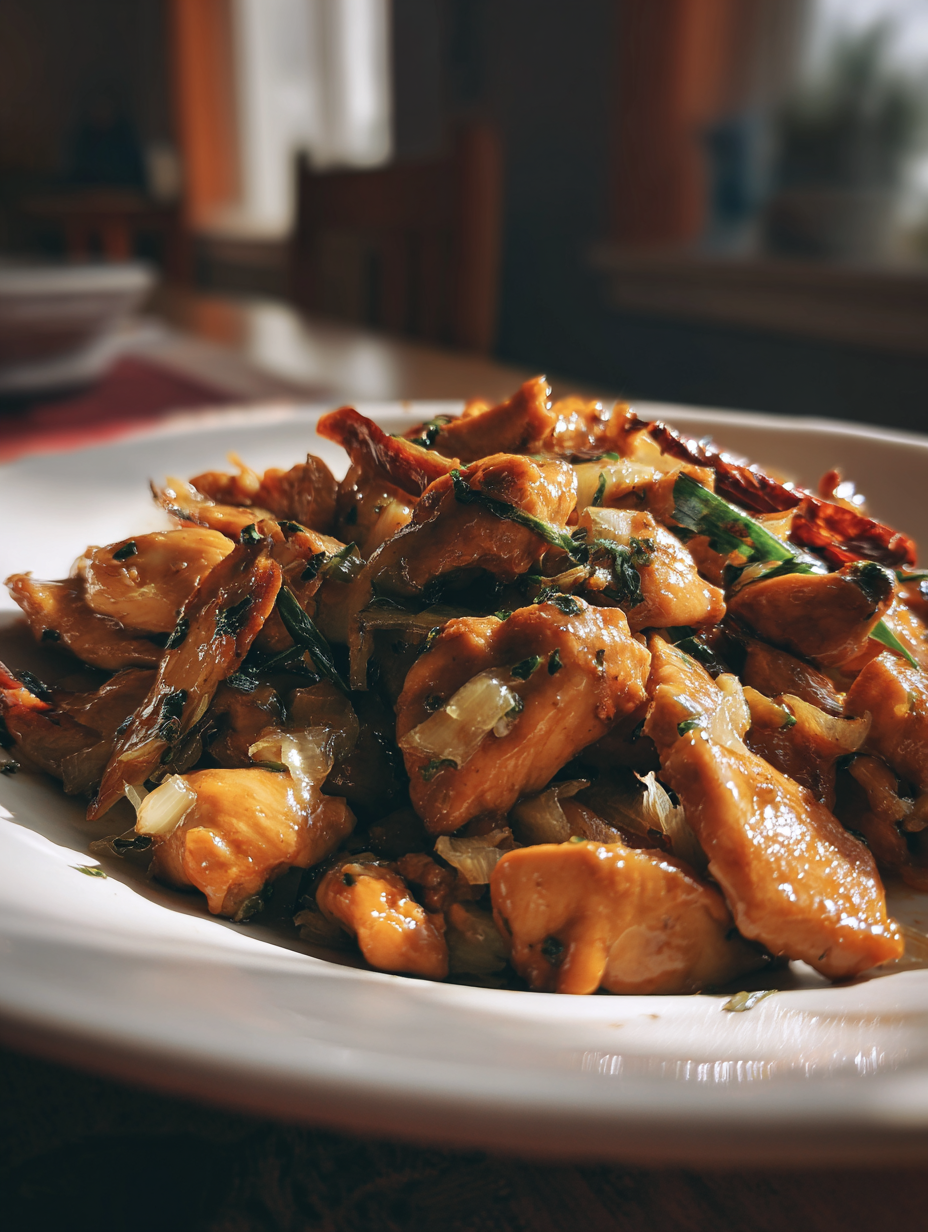
Quick and Easy Chicken Stir-Fry: Your Go-To Weeknight Meal in Under 30 Minutes
—
Introduction
There’s something magical about the aroma of a sizzling stir-fry wafting through your kitchen. It takes me back to those busy weeknights when I would rush home from school, eager to dive into a warm, comforting meal. I remember the excitement as I’d step inside, greeted not just by the familiar sounds of my mom chopping vegetables but also by the tantalizing scent of soy sauce mingling with ginger and garlic. The vibrant colors of fresh bell peppers and broccoli, contrasting against the tender pieces of chicken, always caught my eye. The clatter of the wok, the sizzle of the chicken hitting the hot oil—it was a symphony of cooking that promised a delicious reward.
As a child, I was always fascinated by how such simple ingredients could come together to create something so satisfying. It was quick, it was easy, and it was always a family favorite. This dish became a staple in our household because it was not only delicious but also a wonderful way to clear out the fridge. Each stir-fry was a canvas for whatever fresh vegetables we had on hand, and I loved how every meal felt a bit different yet always comforting.
Now, as an adult, I find myself recreating that same magic in my own kitchen. This Quick and Easy Chicken Stir-Fry has become my go-to recipe for those hectic evenings when you need something fast but still crave flavor and nourishment. It’s the perfect balance of protein, veggies, and bold flavors, all coming together in less than half an hour. The best part? You can customize it to fit your taste. Let’s dive into how you can whip up this delightful dish in no time!
—
Why This Recipe Works
The beauty of this Quick and Easy Chicken Stir-Fry lies not just in its speed but also in the thoughtful combination of flavors and textures that make each bite a joy. When you combine chicken with fresh vegetables like bell peppers, broccoli, and snap peas, you’re not just adding color; you’re also creating a delightful contrast. The juicy, tender chicken provides a satisfying bite, while the crisp, vibrant veggies add crunch. This contrast keeps your palate engaged, making each mouthful an exciting experience.
One of the key elements in a successful stir-fry is the high heat cooking method. By using a hot wok or skillet, you achieve that coveted sear on the chicken, locking in juices and flavor. This method also helps the vegetables retain their bright colors and crispness. The quick cooking time means they remain slightly tender yet still vibrant, resulting in a dish that looks as good as it tastes.
The flavor combinations are equally important. The umami from soy sauce paired with the warmth of ginger and garlic creates a deeply satisfying base. Adding a splash of sesame oil not only enhances the flavor but also brings a nutty aroma that lingers beautifully. You can’t underestimate the importance of these key ingredients—they work together harmoniously to elevate what could be a simple dish into something truly special.
What truly sets this stir-fry apart from generic versions is its adaptability and freshness. Unlike many takeout options, which can often be heavy-handed with sauces or lacking in fresh vegetables, this recipe allows you to control every aspect. You get to choose the vegetables, the protein, and the level of seasoning. Plus, making it at home means you can enjoy it just the way you like it, without the excess sodium or preservatives often found in restaurant or packaged versions.
—
What Makes It Special
This Quick and Easy Chicken Stir-Fry stands out for several reasons that bring a touch of restaurant-quality dining to your home kitchen.
– Freshness: The ingredients are as fresh as you want them to be. You can use whatever vegetables you have on hand, ensuring that each stir-fry is packed with the nutrients your body craves. Unlike store-bought or takeout options, which may use frozen or pre-packaged ingredients, this dish celebrates vibrant, seasonal produce.
– Customization: One of the most delightful aspects of making your stir-fry is the ability to customize it. Want a kick of heat? Add some sliced chili peppers or a dash of sriracha. Prefer it a bit sweeter? Drizzle in some honey or toss in pineapple chunks. This means your stir-fry can evolve with your tastes or dietary needs, making it a dish you can return to time and again without it ever feeling stale.
– Speed: In today’s fast-paced world, you need meals that can be prepared quickly without sacrificing flavor or quality. This recipe can be on your table in under 30 minutes, making it ideal for busy weeknights or impromptu gatherings.
– Elevated Flavors: The inclusion of unexpected ingredients like ginger and a touch of sesame oil adds depth and complexity. These elements transform a basic stir-fry into something you’d expect from your favorite Asian bistro, giving you the satisfaction of gourmet dining at home.
—
Ingredient Breakdown
1. Chicken Breast: The star of this dish, chicken breast provides lean protein that cooks quickly and absorbs flavors beautifully. For this recipe, you’ll need about 1 pound, sliced thinly against the grain to ensure tenderness. If you’re looking for a substitute, boneless chicken thighs can also work well—just adjust the cooking time slightly.
2. Bell Peppers: Using a mix of colors (red, yellow, and green) not only adds visual appeal but also a variety of flavors. Each pepper brings its own sweetness and crunch, creating a vibrant medley. Aim for about 2 cups, sliced.
3. Broccoli: This cruciferous vegetable adds a satisfying crunch and is packed with nutrients. Using small florets ensures they cook quickly and evenly. About 1 cup is ideal for a balanced dish.
4. Snap Peas: For that delightful snap and a touch of sweetness, include about 1 cup of snap peas. They cook very quickly, so toss them in towards the end of cooking to keep their texture intact.
5. Garlic: Freshly minced garlic (about 2-3 cloves) adds a pungent aroma and depth of flavor. You can substitute with garlic powder in a pinch, but fresh is always best.
6. Ginger: A small knob of fresh ginger (about 1 tablespoon, minced) contributes a warm, spicy note that brightens the dish. If unavailable, ground ginger can be used, though the flavor will be less vibrant.
7. Soy Sauce: This essential ingredient provides the salty umami base. Use about ¼ cup for seasoning. If you’re aiming for a gluten-free version, opt for tamari or coconut aminos.
8. Sesame Oil: Just a drizzle (about 1 tablespoon) at the end of cooking enhances the overall flavor with its nutty richness. If you’re avoiding sesame, you can substitute with olive oil, but the flavor will differ.
9. Cornstarch: A tablespoon mixed with water helps to thicken the sauce slightly, giving it a glossy finish. If you’re looking for a gluten-free option, arrowroot powder works well as a substitute.
10. Optional Toppings: Consider adding sesame seeds, chopped green onions, or crushed peanuts for a finishing touch that adds texture and flavor.
Whether you’re cooking for yourself, your family, or hosting friends, this ingredient breakdown ensures you know the role of each component and how to make substitutions that fit your dietary needs. Freshness is key, so venture to your local market for the best produce available!
—
Equipment Needed
1. Wok or Large Skillet: A well-seasoned wok is the ideal tool for achieving high heat and quick cooking, allowing for that perfect sear on your chicken. If you don’t have a wok, a large non-stick skillet works just fine.
2. Chef’s Knife: A sharp knife makes a world of difference when it comes to slicing your chicken and vegetables quickly and safely. A good quality chef’s knife will be your best friend in the kitchen.
3. Cutting Board: Opt for a sturdy cutting board that can handle both meat and vegetables. This keeps your workspace organized and clean.
4. Spatula or Tongs: Use a spatula for stirring or a pair of tongs for flipping the chicken. This will help you maintain even cooking and prevent sticking.
5. Measuring Cups and Spoons: Accurate measurements ensure your flavors are balanced. Invest in a set of measuring cups and spoons for ease.
6. Small Bowl: For mixing your cornstarch slurry, a small bowl is essential. This simple step helps thicken your sauce for that glossy finish.
7. Optional: A lid can be handy for steaming your vegetables briefly, although it’s not essential. If you have one, keep it nearby!
These tools will help you create a stunning stir-fry that’s not only quick but also bursting with flavor. Each piece of equipment plays a crucial role in streamlining your cooking process, making it enjoyable and efficient.
Step-by-Step Instructions
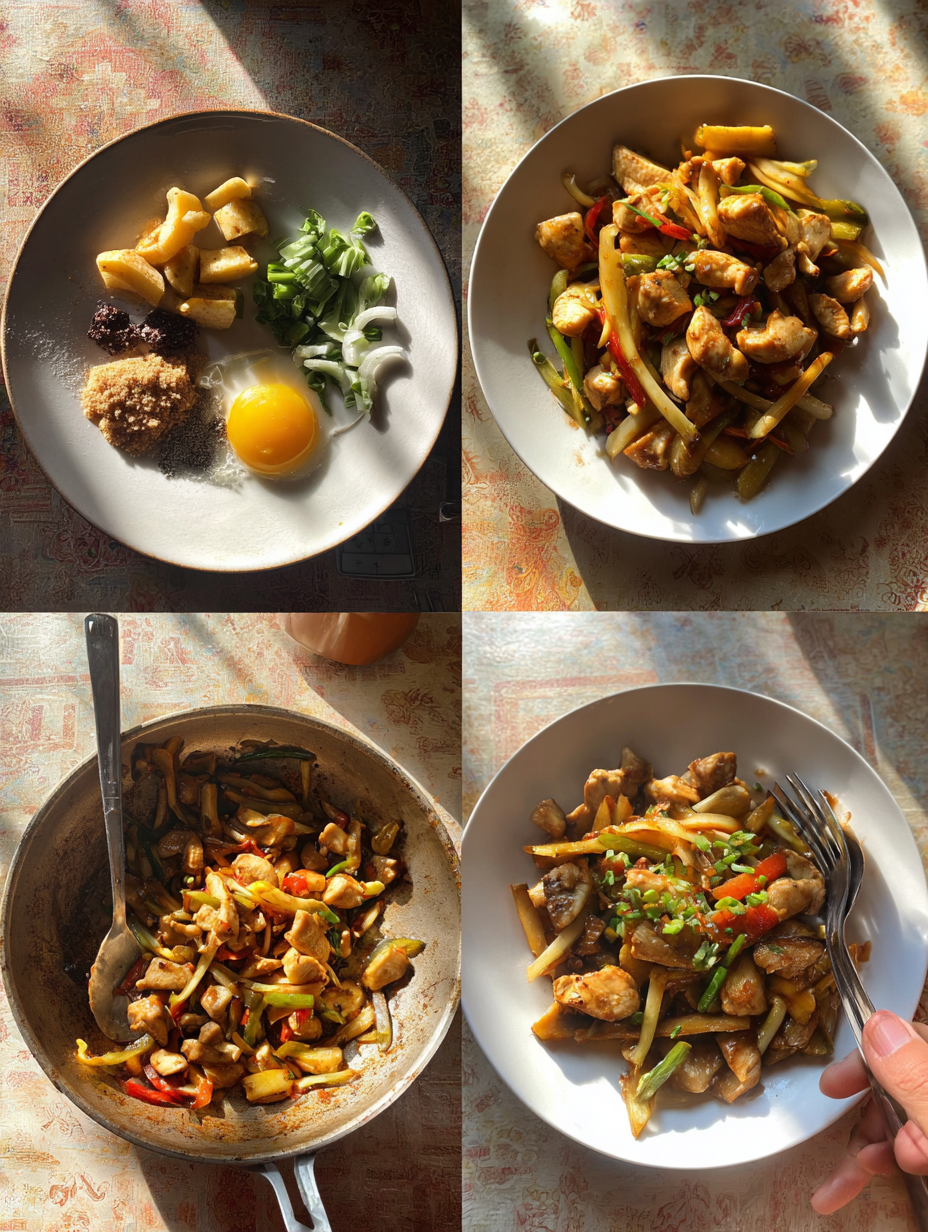
1. Prepare Your Ingredients: Begin by gathering all your ingredients. You’ll need boneless, skinless chicken breasts, a mix of colorful vegetables (like bell peppers, broccoli, and snap peas), soy sauce, garlic, ginger, and oil. Chop the chicken into bite-sized pieces (about 1-inch cubes) and slice the vegetables into uniform shapes for even cooking. Look for vibrant colors to ensure freshness, and you should smell the natural sweetness of the veggies as you chop.
2. Heat the Pan: Place a large skillet or wok over medium-high heat. Add 2 tablespoons of neutral oil, like canola or avocado, and let it heat until the oil shimmers. You should hear a soft sizzle as you add the chicken. This indicates that the pan is hot enough to give your chicken a nice sear. Chef’s Note: A hot pan ensures that the chicken browns properly, creating that delicious, slightly crispy texture outside.
3. Cook the Chicken: Once the oil is hot, add the chicken pieces to the pan in a single layer. Do not overcrowd the pan; you want to allow the chicken to sear rather than steam. Cook for about 5-7 minutes, turning occasionally with tongs. You’ll know it’s ready to flip when it releases easily from the pan and has a lovely golden-brown color. Listen for a sizzling sound; if it’s too quiet, your pan may not be hot enough.
4. Add Aromatics: Once the chicken is cooked through and no longer pink in the middle, push it to one side of the pan. On the empty side, add 2 minced garlic cloves and 1 tablespoon of grated ginger. Sauté for about 30 seconds until fragrant, stirring constantly to prevent burning. You want to smell the aromatic, sweet scent of garlic and ginger wafting through your kitchen. Chef’s Note: Adding garlic and ginger at this stage allows their flavors to infuse the oil and chicken.
5. Incorporate Vegetables: Next, toss in your prepared vegetables—about 4 cups total. Stir them into the pan with the chicken and aromatics. Cook for another 3-4 minutes, stirring frequently. You’re looking for the vegetables to become tender yet still vibrant and slightly crisp. This is when you’ll notice a medley of colors and a fresh, earthy aroma filling the air. Chef’s Note: To maintain a bright color and crunch, don’t overcook the vegetables.
6. Add Sauce and Serve: Now it’s time to flavor your stir-fry! Pour in about 1/4 cup of soy sauce and stir everything together, coating all the ingredients evenly. Allow it to cook for 1-2 minutes, letting the sauce thicken slightly. You’ll know it’s done when the sauce clings to the chicken and vegetables. The smell should be sweet, salty, and absolutely mouthwatering. Remove from heat immediately to prevent the veggies from wilting further. Serve hot over rice or noodles.
Pro Tips for the Best Results
1. Use High Heat: Cooking your stir-fry over high heat is crucial. It helps to achieve that delicious sear on the chicken and keeps the vegetables crisp. If your pan isn’t hot enough, you’ll end up with steamed rather than stir-fried ingredients.
2. Cut Uniformly: Ensure your chicken and vegetables are cut into uniform sizes. This guarantees even cooking and avoids any pieces being undercooked or overcooked. Think about bite-sized pieces that will cook through in the same time.
3. Prep Ahead: To streamline your cooking process, prep all your ingredients before you start cooking. This “mise en place” method ensures that everything is ready to go, which is especially important in stir-frying where timing is key.
4. Choose the Right Pan: A wok is ideal for stir-fries due to its high sides and ability to retain heat. If you don’t have one, a large, heavy skillet will work. Just be cautious not to overcrowd it, as this will lead to uneven cooking.
5. Don’t Skip the Marinade: For added flavor, consider marinating your chicken in soy sauce, ginger, and garlic for 30 minutes before cooking. This step infuses the chicken with flavor and enhances the overall dish.
6. Use Fresh Ingredients: Fresh, seasonal vegetables will make your stir-fry more vibrant and flavorful. Look for crisp, colorful produce at the market. Frozen vegetables can work in a pinch but may lack the same texture and taste.
7. Finish with a Touch of Oil: For extra flavor and sheen, drizzle a teaspoon of sesame oil over your stir-fry just before serving. It adds a nutty aroma that elevates the dish and makes it restaurant-worthy.
Common Mistakes to Avoid
1. Overcrowding the Pan: When you add too much food to the pan at once, it lowers the temperature and creates steam instead of sear. Always cook in batches if necessary to maintain that essential high heat.
2. Cutting Ingredients Unevenly: If your chicken and vegetables are not cut uniformly, they will cook at different rates. This can lead to undercooked or mushy pieces. Always aim for consistent sizes.
3. Using Cold Ingredients: Adding cold chicken or vegetables to a hot pan can drastically lower the temperature and result in uneven cooking. Let your ingredients come to room temperature for best results.
4. Ignoring Aroma: If you skip sautéing garlic and ginger until fragrant, you miss out on layers of flavor. Always cook these aromatics first to unlock their full potential in the dish.
5. Overcooking the Vegetables: Cooking your vegetables for too long will turn them mushy and dull. Aim for a crisp-tender texture to keep the color and nutrients intact.
6. Not Tasting for Balance: Failing to taste your stir-fry before serving means you might miss out on adjusting flavors to your liking. Always taste and adjust seasoning before plating.
7. Skipping the Sauce: Neglecting to add a final touch of sauce after cooking can leave your stir-fry bland. Ensure you toss it in at the end to enhance flavors and achieve that glossy finish.
Creative Variations
1. Seasonal Variation: For a Spring Chicken Stir-Fry, use asparagus and snap peas. These vibrant veggies are at their peak in spring and add a fresh crunch. Simply swap them in, cooking them for the last few minutes, so they retain their bright color.
2. Dietary-Friendly Version: Create a Vegan Tofu Stir-Fry by replacing chicken with firm tofu. Cut the tofu into cubes and pan-fry until golden before adding vegetables. Toss everything in soy sauce and a splash of maple syrup for depth.
3. Gourmet Elevated Version: Upgrade to a Lemon Herb Chicken Stir-Fry by using thinly sliced chicken thighs and adding fresh herbs like basil and parsley at the end. The combination of citrus and aromatic herbs will elevate the dish to gourmet status.
4. Quick 15-Minute Version: For a Quick Chicken Stir-Fry, use pre-cut stir-fry vegetables and rotisserie chicken. Sauté the veggies and toss in the chicken just to heat through with your sauce. This variation is perfect for those hectic weeknights.
5. Kid-Friendly Version: Make a Sweet Teriyaki Chicken Stir-Fry by using a sweet teriyaki sauce instead of soy sauce. Add sliced carrots and pineapple chunks to make it fun and appealing for kids. The sweetness will entice even the pickiest eaters.
6. International Twist: Try a Thai Basil Chicken Stir-Fry by incorporating Thai basil leaves and a hint of fish sauce. Serve it with jasmine rice and a squeeze of lime for an aromatic, flavorful dish reminiscent of Thai street food.
Serving Ideas
Plating your Quick and Easy Chicken Stir-Fry can turn a simple meal into a visual feast. Here are some delightful ways to serve this dish:
1. Colorful Bowl: Use a deep, wide bowl to showcase the vibrant colors of your stir-fry. Start by layering a base of fluffy jasmine rice or quinoa, then gently mound the stir-fried chicken and vegetables on one side. Finish with a sprinkle of sesame seeds and a few fresh green onions for a pop of green.
2. Elegant Platter: For a family-style serving, use a large, white rectangular platter. Arrange the stir-fry artfully in the center, allowing the colors to shine. Garnish with sliced red bell peppers and a handful of cilantro leaves for freshness. Serve with small bowls of soy sauce or chili paste on the side for a personal touch.
3. Individual Plates: For a more formal dinner setting, serve the stir-fry on wide, shallow plates. Place the chicken and vegetables in the center, creating a small well. Drizzle a homemade ginger-soy dressing around the perimeter of the plate for a gourmet look. Top with a few microgreens for an upscale finish.
4. Lunch Meal Prep: Pack your stir-fry in clear, compartmentalized glass containers. Place the rice in one section, the stir-fry in another, and a small container of sriracha for a kick. This not only looks appealing but also makes it easy to grab and go.
5. Rustic Touch: Serve in a cast-iron skillet for a rustic presentation. Your guests will love the warm, homey feel. Garnish with toasted cashews on top and a wedge of lime on the side for a zesty garnish.
By keeping portions reasonable—around 1 to 1.5 cups per serving—you ensure that everyone leaves the table satisfied, but not overstuffed. Each of these presentation ideas will elevate your stir-fry, making it not just a meal, but an experience to savor.
What to Serve With
Pairing your Quick and Easy Chicken Stir-Fry with complementary dishes enhances the overall dining experience. Here are several delightful options:
1. Cucumber Salad: A crunchy cucumber salad tossed in rice vinegar and sesame oil offers a refreshing contrast to the warm, savory stir-fry. The crispness balances the tender chicken, while the acidity cuts through the richness.
2. Mango Sticky Rice: For a touch of sweetness, serve mango sticky rice as a dessert. The creamy coconut milk and sweet mango create a delightful juxtaposition with the umami flavors of your stir-fry, making for a satisfying end to the meal.
3. Chilled Green Tea: A glass of chilled green tea complements the dish beautifully. Its slight bitterness and earthy notes contrast the sweetness of the stir-fry, cleansing your palate between bites.
4. Spring Rolls: Fresh spring rolls filled with crisp veggies and shrimp or tofu add a delightful texture to your meal. Their lightness enhances the stir-fry without overwhelming it, making for a balanced plate.
5. Roasted Bok Choy: The slightly charred, tender leaves of roasted bok choy provide a wonderful texture and earthiness that pairs perfectly with the bright flavors of the stir-fry. Drizzle with a little soy sauce for an extra umami boost.
6. Peanut Butter Cookies: For a sweet ending, serve homemade peanut butter cookies. Their nutty flavor echoes the roasted peanuts in your stir-fry, tying the meal together in a scrumptious way.
These pairings will not only complement the flavors of your chicken stir-fry but also create a well-rounded dining experience that excites the palate.
Storage Guide
Storing leftovers from your Quick and Easy Chicken Stir-Fry properly will ensure that you can enjoy this dish later without sacrificing flavor or health. Here’s how to do it:
– Containers: Use airtight glass containers for storage. Glass containers are ideal because they don’t retain odors and can be safely reheated in the oven or microwave.
– Temperature: Store your stir-fry in the refrigerator at a consistent temperature of 40°F (4°C) or below. This will help prevent bacteria growth.
– Shelf Life: Leftovers should be consumed within 3 to 4 days. After this period, the quality and freshness may deteriorate.
– Signs of Spoilage: Before consuming, check for any off smells, unusual textures, or discoloration, as these are indicators that the food has gone bad.
– Restoring Freshness: When you’re ready to enjoy the leftovers, add a splash of water or broth to the stir-fry before reheating. This will help restore moisture and prevent the chicken and vegetables from drying out, ensuring they taste nearly as good as when they were first made.
With these tips, you can savor the flavors of your stir-fry again and again, minimizing waste and maximizing deliciousness.
Freezing Tips
Your Quick and Easy Chicken Stir-Fry can indeed be frozen for later enjoyment! Here are the steps to do it effectively:
– Freezing Compatibility: This recipe freezes well, allowing you to store leftovers for future meals.
– Portioning: Divide the stir-fry into individual portions before freezing. This makes it easy to thaw only what you need later.
– Wrapping Method: Use freezer-safe airtight containers or heavy-duty freezer bags. If using bags, remove as much air as possible to prevent freezer burn.
– Labeling: Clearly label each container with the date and contents. This helps you keep track of what you have and ensures you use the oldest items first.
– Shelf Life: Your stir-fry will keep in the freezer for up to 3 months. Beyond this, the quality may decline.
– Quality Changes: While the flavors will remain intact, the texture of the vegetables may soften slightly after thawing.
– Thawing Method: The best way to thaw is to move your container from the freezer to the refrigerator for a few hours or overnight. This gentle method helps maintain the dish’s quality.
With these freezing tips, you can enjoy your stir-fry even on those busy nights when cooking from scratch isn’t possible.
Reheating Guide
When it comes to reheating your Quick and Easy Chicken Stir-Fry, the goal is to restore its original texture and flavor without drying it out. Here’s how to do it:
– Microwave: Place your stir-fry in a microwave-safe container and cover it loosely with a microwave-safe lid or a damp paper towel. Heat on medium power for 2-3 minutes, stirring halfway through. Adding a tablespoon of water can help steam and keep it moist.
– Oven: Preheat your oven to 350°F (175°C). Spread the stir-fry in an even layer on a baking sheet and cover with aluminum foil. Heat for about 15-20 minutes, or until warmed through, checking occasionally to avoid overcooking.
– Stovetop: In a non-stick skillet, heat over medium-low heat. Add the stir-fry and a splash of water or broth to create steam. Stir occasionally and heat for about 5-7 minutes, ensuring everything is heated evenly.
– Texture and Flavor Restoration: To maintain the dish’s freshness, consider adding a splash of soy sauce or a squeeze of lime juice just before serving to brighten the flavors.
With these reheating methods, you can enjoy your stir-fry as if it were freshly made.
Nutrition Overview
Your Quick and Easy Chicken Stir-Fry is not only delicious but also packed with nutrition! Here’s a quick overview of its approximate nutritional values per serving:
– Calories: 350
– Protein: 30g
– Carbohydrates: 40g
– Fat: 10g
– Fiber: 4g
– Sugar: 5g
This dish is particularly beneficial due to its inclusion of chicken and vegetables. Chicken is an excellent source of lean protein, which is vital for muscle repair and growth. The colorful vegetables not only provide essential vitamins and minerals but are also rich in fiber, supporting digestive health. For instance, bell peppers and broccoli are loaded with antioxidants, which help combat oxidative stress in your body.
With this nutritious profile, your stir-fry offers a balanced meal that satisfies both your taste buds and your health goals.
Frequently Asked Questions
Q: Can I substitute the chicken with tofu or shrimp?
A: Absolutely! Tofu is a great vegetarian option that absorbs flavors well, while shrimp cooks quickly and adds a lovely sweetness. Just adjust the cooking time accordingly—shrimp will take about 3-5 minutes to cook through.
Q: What vegetables can I use in my stir-fry?
A: You can use a variety of vegetables! Bell peppers, snap peas, carrots, broccoli, and bok choy all work beautifully. The key is to choose a mix of colors and textures for the best flavor and nutrition.
Q: How can I make this dish gluten-free?
A: To make your stir-fry gluten-free, use tamari instead of soy sauce. There are also gluten-free noodles available if you want to add a carb component without gluten.
Q: How can I make this dish spicier?
A: For a spicy kick, add sriracha or red pepper flakes while cooking. You could also serve with a side of chili paste for those who enjoy a more intense heat.
Q: How long does it take to prepare this dish?
A: This stir-fry is quick and easy, taking about 30 minutes from start to finish. Prep your ingredients ahead of time to streamline the cooking process.
Q: Can I prepare this stir-fry in advance?
A: While it’s best enjoyed fresh, you can prep your ingredients a day in advance. Store chopped vegetables and marinated chicken in airtight containers in the fridge, making the actual cooking a breeze.
Q: What equipment do I need to make this dish?
A: A large skillet or wok is essential for stir-frying. A sharp knife and cutting board for prepping your ingredients will also help ensure everything cooks evenly.
Q: Can I use frozen vegetables for this stir-fry?
A: Yes, frozen vegetables work well in stir-fries. They’re pre-washed and chopped, making them a convenient option. Just be sure to thaw them slightly and drain any excess water before cooking.
Final Thoughts
As you prepare to indulge in your Quick and Easy Chicken Stir-Fry, remember that the secret to a truly delicious dish lies in the fresh ingredients and the love you put into it. A quick tip: don’t be afraid to get creative with your vegetables and seasonings to make the meal your own!
This recipe is not just a meal but also a canvas for your culinary creativity. I genuinely hope you enjoy making and savoring this dish as much as I do. I invite you to share your results and any personalized twists you add to the recipe with your friends and family. Now, gather your ingredients and let’s get cooking!