Follow Me On Pinterest!
30-Minute Chicken Fettuccine Alfredo

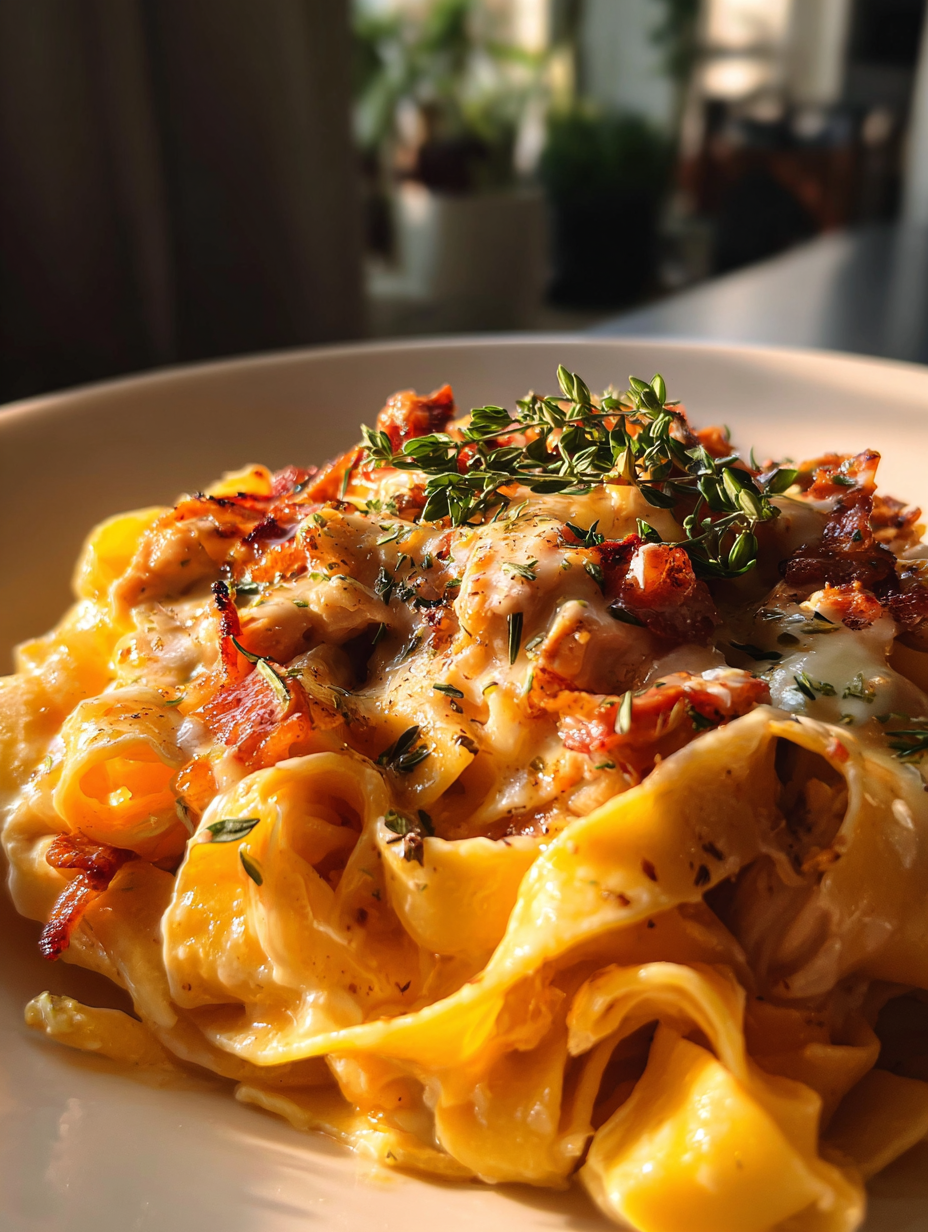
Quick, Creamy Indulgence: A Comfort Food Classic in Half an Hour
—
Introduction
Picture this: it’s a chilly Friday evening, the kind that makes you crave something warm and indulgent. You step into your kitchen, and the rich aroma of garlic starts to dance in the air as you sauté it in butter. The sound of water bubbling in a pot fills the room, and as you drop in strands of fettuccine, you can almost hear the noodles sighing with delight. This is the moment when the world outside fades away, and you find yourself wrapped in the comforting embrace of home-cooked goodness.
As a child, I often watched my grandmother whip up her legendary Chicken Fettuccine Alfredo—a dish that somehow felt both luxurious and simple at the same time. I remember the way the cream shimmered in the pan, mingling with freshly grated Parmesan cheese to form a velvety sauce that clung to each noodle like a cozy blanket. The vibrant green of chopped parsley added a burst of color, while the chicken sizzled away, filling the kitchen with its savory allure.
This recipe became a family favorite for its ease and ability to bring everyone to the table, but also for its magical capacity to elevate an ordinary weeknight into a delightful occasion. In just 30 minutes, you can create a restaurant-worthy meal that’s rich, satisfying, and brimming with flavor. The best part? You can customize it to your heart’s content. So, whether you’re stirring in some sautéed mushrooms or a handful of spinach, you’ll always feel in control of your culinary destiny. Let’s dive into how you can recreate this comforting classic in your own kitchen!
—
Why This Recipe Works
Creating a delicious Chicken Fettuccine Alfredo in just 30 minutes hinges on a few critical techniques and flavors that blend seamlessly. First and foremost, the combination of butter, cream, and Parmesan cheese creates that iconic, creamy sauce that makes this dish so irresistible. Butter not only provides a rich base but also enhances the flavor of the garlic, while the cream adds a luxurious texture that envelopes the pasta beautifully.
The key to achieving a perfect balance of flavors is to season the chicken well before cooking it. Salt and pepper elevate the natural taste of the chicken, allowing it to shine through the creaminess of the sauce. Moreover, cooking the chicken in the same pan as the garlic means you capture all those flavorful bits left behind, known as fond, which meld into the sauce and add depth.
Texture contrast plays a crucial role as well. The tender strips of chicken juxtapose the silky pasta, while the slight bite from the fettuccine creates an enjoyable mouthfeel. To achieve this, it’s essential to cook the pasta al dente—firm to the bite, yet tender enough to soak up the sauce.
What sets this recipe apart from generic versions often served at restaurants or found in frozen dinners is its freshness and speed. Many store-bought options rely on preservatives and artificial flavors, while this homemade version brings you the essence of authentic Italian cooking, made from scratch with love. You’ll find that the simplicity of the ingredients enhances the dish rather than overwhelms it, allowing you to enjoy every last bite without a hint of regret.
—
What Makes It Special
What makes this 30-Minute Chicken Fettuccine Alfredo stand out from typical restaurant or store-bought varieties? Here are a few unique qualities:
– Freshness: You control the quality of every ingredient. Using fresh herbs, real cheese, and high-quality chicken makes a world of difference in flavor compared to pre-packaged meals.
– Customization: This recipe is easily adaptable. Want to toss in some sautéed broccoli or swap out chicken for shrimp? Go for it! Making it at home means you can cater to your cravings and dietary needs.
– Speed: In just half an hour, you can serve a restaurant-quality dish that keeps your weeknight cooking stress-free. It’s quick enough for busy evenings yet impressive enough for entertaining guests.
– Surprising Elements: The addition of a pinch of nutmeg may seem unusual, but it elevates the cream sauce and adds a warm, aromatic layer of complexity that you won’t want to skip.
—
Ingredient Breakdown
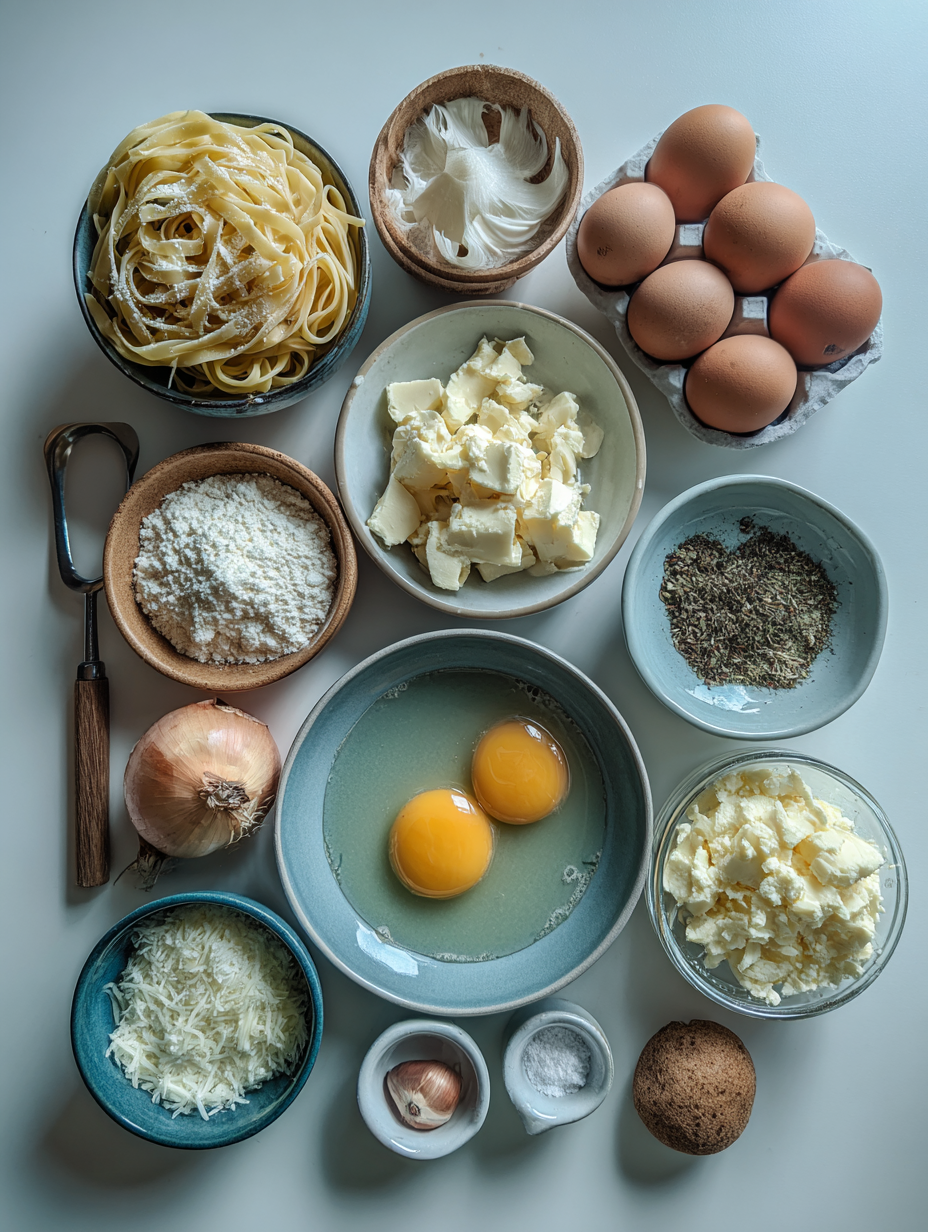
– Fettuccine Pasta: The heart of this dish. Opt for fresh if you can find it, as it cooks faster and has a delightful texture. Dried fettuccine is perfectly acceptable, but be sure to follow the cooking time on the package to achieve the best bite.
– Chicken Breast: Boneless, skinless chicken breasts are ideal—quick to cook, lean, and tender. Slice them into strips for even cooking. If you’re looking for alternatives, you can easily substitute with grilled chicken or even tofu for a vegetarian option.
– Unsalted Butter: This is your base fat for sautéing garlic and chicken, contributing to the rich flavor of the sauce. Unsalted allows you to control the saltiness of the dish better.
– Garlic: Freshly minced garlic adds a pungent, savory element that enhances the overall aroma and flavor of the Alfredo sauce. You can also use garlic powder in a pinch, but fresh garlic is always superior.
– Heavy Cream: This is what gives the sauce its luxurious, creamy texture. If you’re looking for a lighter option, you can substitute with half-and-half, though it may not be as rich.
– Parmesan Cheese: Use freshly grated cheese for the best flavor and texture. Pre-grated versions often contain anti-caking agents that can affect the sauce’s creaminess. If you’re vegan, look for nutritional yeast as a substitute for cheesy flavor.
– Fresh Parsley: This not only adds a pop of color but also a hint of freshness that balances the richness of the sauce. If you’re out of parsley, you can use basil or even a sprinkle of Italian seasoning.
– Salt & Pepper: Essential for seasoning your dish, enhancing the flavors of the chicken and the sauce. Make sure to taste as you go to achieve the perfect balance.
For those with dietary restrictions, gluten-free pasta varieties are widely available, and many supermarkets now offer dairy-free substitutes for cream and cheese, allowing you to adapt this recipe to fit your needs.
—
Equipment Needed
To whip up this delicious 30-Minute Chicken Fettuccine Alfredo, you’ll need a few essential tools:
– Large Pot: For boiling the fettuccine. A big pot allows for even cooking and prevents the pasta from sticking. If you don’t have a large one, just work in batches.
– Skillet or Frying Pan: A large skillet works best for sautéing the chicken and making the sauce all in one pan. It saves on cleanup and keeps all the flavors concentrated. A non-stick option can help with easy release and cleanup.
– Wooden Spoon: You’ll want a sturdy spoon for stirring—the wood is gentle on your non-stick pans and can handle the thickness of the sauce.
– Measuring Cups and Spoons: Precision is key, especially for the cream and cheese. A set of measuring spoons will help you get the seasoning just right.
– Colander: Essential for draining the pasta after cooking. If you don’t have one, you can carefully use the pot lid to drain the water, but be cautious!
– Cheese Grater: A microplane or box grater is perfect for grating fresh Parmesan. Pre-grated cheese won’t melt into the sauce as smoothly.
Optional tools include a pasta fork for serving and a kitchen timer to keep track of cooking times. While these can enhance your experience, they are not strictly necessary.
By gathering these tools beforehand, you’ll set yourself up for a smooth cooking process, allowing you to focus on the joy of creating this comforting dish.
Step-by-Step Instructions
1. Cook the Pasta
Start by bringing a large pot of salted water to a rolling boil over high heat. The water should taste like the ocean, which will enhance the flavor of your pasta. Add 12 ounces of fettuccine and stir gently to prevent sticking. Cook according to package directions, usually about 8-10 minutes, until al dente. You want the pasta to have a slight bite to it, so taste it a minute or two before the suggested cooking time is up. Once done, reserve 1 cup of the pasta water and then drain the rest. Set the pasta aside, but keep it warm.
2. Prepare the Chicken
While the pasta cooks, season 2 boneless, skinless chicken breasts with salt and pepper on both sides. In a large skillet, heat 2 tablespoons of olive oil over medium-high heat. Once the oil shimmers, place the chicken in the skillet. Sear for about 5-7 minutes on each side, or until the internal temperature reaches 165°F (use a meat thermometer for accuracy). Look for a golden-brown crust to form—this adds flavor. Chef’s Note: If your chicken is thick, consider slicing it in half horizontally to ensure even cooking.
3. Make the Alfredo Sauce
Once the chicken is cooked, transfer it to a plate and cover it with foil to keep warm. In the same skillet, reduce the heat to medium and add 4 tablespoons of unsalted butter. As it melts, add 3 cloves of minced garlic and sauté for about 1 minute, just until fragrant but not browned; you should smell a rich aroma—don’t let it burn! Next, pour in 1 cup of heavy cream, stirring continuously. Allow the mixture to simmer for 2-3 minutes until it slightly thickens. You want it to coat the back of a spoon.
4. Incorporate the Cheese
Remove the skillet from heat and gradually add 1 cup of freshly grated Parmesan cheese, stirring constantly until it melts and the sauce becomes creamy. This should take about 1-2 minutes. Chef’s Note: Avoid pre-grated cheese if possible, as it often contains anti-caking agents that prevent a smooth melt. You want a velvety texture here—if it seems too thick, gradually whisk in some reserved pasta water until desired consistency is reached.
5. Combine Pasta and Sauce
Add the drained fettuccine to the skillet containing the Alfredo sauce. Toss gently using tongs or a fork to coat the pasta in the creamy goodness. If the sauce is too thick, add more of that reserved pasta water, a little at a time, until you reach the desired creaminess. You should hear a slight sloshing sound as the pasta mingles with the sauce, creating a beautiful blend. Chef’s Note: Don’t be afraid to get your hands in there; feel the texture of the pasta and sauce together.
6. Slice the Chicken and Serve
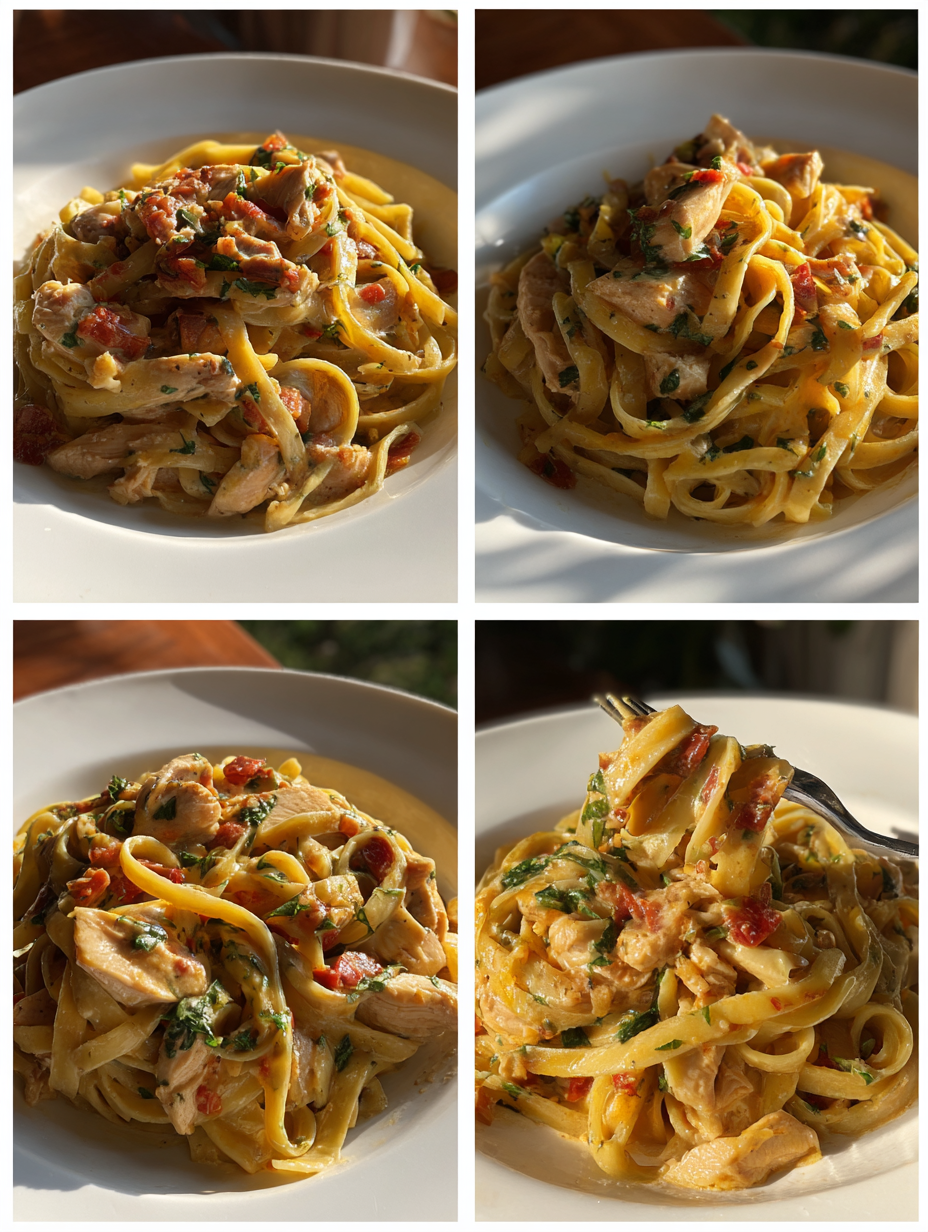
While mixing the pasta, slice the warm chicken into strips. Arrange the fettuccine on plates, and top with the sliced chicken. For an extra touch, sprinkle with freshly cracked black pepper and fresh parsley if you like. You want to see that luscious sauce clinging to the pasta, inviting you to dig in. This step should take just a minute or two—serve immediately for the best experience!
Pro Tips for the Best Results
1. Use Fresh Ingredients
Always opt for fresh garlic and high-quality cheese. Fresh garlic has a more robust flavor, and fresh Parmesan melts beautifully, creating a creamy sauce. Pre-packaged cheeses might not melt as well and can affect the final texture.
2. Timing is Key
Keep an eye on your cooking times for both the pasta and chicken. Start the pasta first, so everything can come together seamlessly. Overcooking either can lead to mushy pasta or dry chicken, which will detract from the overall dish.
3. Taste as You Go
Don’t skip tasting your dish multiple times as you cook. Each component should be seasoned well. Adjust the salt and pepper to your preference, especially after adding cheese to the sauce, as it can be salty.
4. Reserve Pasta Water
Always save a cup of pasta water before draining. This starchy water is a secret weapon in creating the perfect sauce consistency. It helps emulsify the sauce and allows for a creamier finish that clings beautifully to the pasta.
5. Heat Control
Pay attention to heat levels, especially when making the sauce. Too high a temperature can cause the cream to separate, leading to a greasy sauce rather than a glossy finish. Medium to medium-low is usually perfect for a smooth Alfredo.
6. Finishing Touches
For an extra layer of flavor, consider adding a pinch of nutmeg to the sauce. It brings out the creaminess and adds a warm, aromatic note that complements the dish beautifully.
7. Keep Everything Warm
Since this dish is best served fresh, keep your pasta and sauce warm while you prepare the chicken. If needed, you can cover the pasta with a clean kitchen towel or place it in a warm oven (about 200°F) to prevent it from cooling too quickly.
8. Garnish Creatively
Don’t underestimate the power of garnishes. Fresh herbs like parsley or basil not only add color but also a fresh flavor that cuts through the richness of the Alfredo sauce. A sprinkle of freshly grated Parmesan on top just before serving can make all the difference.
Common Mistakes to Avoid
1. Overcooking the Pasta
Many beginners leave the pasta in water too long, leading to mushy fettuccine. The key is to cook it al dente. It should have a slight firmness when biting into it, which will hold up better in the sauce.
2. Not Seasoning Properly
Skipping seasoning or not salting the pasta water can lead to bland fettuccine. Always remember that the water should be salty enough to season the pasta itself, and don’t hesitate to season the sauce generously as well.
3. Using Pre-Grated Cheese
Opting for pre-grated cheese is a common pitfall. These often contain anti-caking agents that prevent a smooth melt, resulting in a grainy sauce. Always grate your cheese fresh for the best texture and flavor.
4. Using Too Much Heat for the Sauce
Cooking the sauce over too high a heat can cause the cream to curdle. It’s important to keep the heat medium to medium-low while mixing in the cheese so that you achieve a creamy, smooth consistency without any separation.
5. Ignoring the Chicken’s Temperature
Many people forget to check the internal temperature of their chicken. It should reach 165°F to ensure it’s fully cooked. Using a meat thermometer can take the guesswork out of this and prevent undercooking or overcooking.
6. Not Adding Enough Sauce
A common mistake is skimping on the sauce, leading to dry pasta. Make sure you have a generous amount of sauce to coat the fettuccine well. If you find it too thick, don’t hesitate to use the reserved pasta water to loosen it up.
7. Neglecting to Toss the Pasta
Failing to toss the pasta in the sauce can leave you with uncoated strands. Use tongs to mix the pasta and sauce together thoroughly; this ensures every bite is creamy and flavorful.
Creative Variations
1. Seasonal Variation
For a Seasonal Variation, try adding fresh asparagus or peas during the last few minutes of pasta cooking. Their vibrant colors and crisp textures will elevate your dish while adding a touch of spring.
2. Dietary-Friendly Version
For a Dietary-Friendly Version, swap the fettuccine for zucchini noodles (zoodles) and replace the heavy cream with a cashew cream made by blending soaked cashews with almond milk. This creates a creamy, satisfying dish that is both vegan and gluten-free.
3. Gourmet Elevated Version
For a Gourmet Elevated Version, consider adding sautéed wild mushrooms and truffle oil to your sauce. Use a high-quality Parmigiano-Reggiano for the best flavor, and finish with a drizzle of truffle oil just before serving for an indulgent touch.
4. Quick 15-Minute Version
To make a Quick 15-Minute Version, use pre-cooked rotisserie chicken and store-bought Alfredo sauce. Simply heat the sauce, toss in the chicken, and add cooked fettuccine. This way, you can whip up a satisfying meal in no time.
5. Kid-Friendly Version
For a Kid-Friendly Version, make it fun by adding steamed broccoli florets and using a fun-shaped pasta instead of fettuccine. You can also mix in a little cream cheese into the Alfredo for a creamier texture that kids often love.
6. International Twist
For an International Twist, incorporate some spicy Italian sausage and a sprinkle of crushed red pepper flakes into your Alfredo sauce. This adds a delightful kick and transforms the dish into a hearty, comforting meal with a little heat.
Serving Ideas
Plating your 30-Minute Chicken Fettuccine Alfredo can elevate this dish from a quick meal to a restaurant-worthy presentation. Here are some beautiful ideas to consider:
1. Twisted Fettuccine Nest: Use a fork to twist a serving of fettuccine into a nest shape on the plate. This adds height and visual interest. Drizzle the Alfredo sauce generously over the top and sprinkle freshly chopped parsley for a vibrant pop of color.
2. Garnished Platter: Serve the fettuccine on a large, shallow platter. Create a bed of arugula or spinach underneath the pasta for a fresh, peppery contrast. Finish with a sprinkle of shaved Parmesan and a few whole basil leaves for added freshness.
3. Individual Dishes: For a more intimate setting, serve each portion in a shallow bowl. Top each serving with pine nuts for a crunchy texture and a drizzle of high-quality olive oil. This rustic approach captures the essence of Italian dining.
4. Citrus Zest Accents: Brighten the dish by grating some fresh lemon zest over the top just before serving. The citrus aroma will tantalize your guests and complement the rich Alfredo sauce beautifully.
5. Cheese Crust Finish: For a truly decadent touch, layer grated mozzarella or provolone on top and broil for a few minutes until bubbly and golden. Serve in a deep dish with a sprig of rosemary on the side to add a touch of elegance.
All of these options not only enhance the aesthetic appeal but also invite your guests to dig in with excitement. Aim for generous portions—about 1.5 cups per serving—so everyone leaves the table satisfied.
What to Serve With
Complementing your creamy chicken fettuccine Alfredo with the right dishes can make your meal feel complete. Here are some pairing suggestions that work beautifully:
1. Garlic Bread: A classic side, warm, buttery garlic bread provides a crunchy texture that contrasts with the silky pasta. The garlic flavor amplifies the dish’s richness.
2. Caesar Salad: The crisp romaine and tangy dressing of a Caesar salad balance the richness of the Alfredo. The crunch of croutons adds texture, while the Parmesan ties in with the fettuccine.
3. Roasted Broccoli: The slight bitterness of roasted broccoli offers a perfect counterpoint to the creaminess of the sauce. The vibrant green color also brightens your plate, making it visually appealing.
4. Pinot Grigio: A chilled glass of Pinot Grigio complements the dish with its light, fruity notes. The acidity cuts through the richness, refreshing your palate between bites.
5. Chocolate Mousse: For dessert, consider a light chocolate mousse. Its airy texture offers a delightful contrast to the heavy fettuccine, while the chocolate makes for a satisfying finish.
6. Lemon Sorbet: If you prefer something lighter, serve lemon sorbet as a palate cleanser. This refreshing treat leaves a bright, citrusy note that perfectly contrasts with the creamy pasta.
These pairings not only enhance your meal but also create a delightful dining experience that will impress your family and friends.
Storage Guide
To keep your 30-Minute Chicken Fettuccine Alfredo fresh for later enjoyment, proper storage is key. Here’s how to do it right:
– Containers: Use airtight glass containers for best results. They help prevent moisture loss and keep flavors intact.
– Temperature: Store your leftovers in the refrigerator at 40°F (4°C) or lower. This is crucial in maintaining food safety.
– Shelf Life: When stored correctly, your fettuccine Alfredo will keep for about 3–4 days. After that, the quality may decline.
– Signs of Spoilage: Look for any sour smell, discoloration, or mold. If the sauce has separated significantly or the pasta appears excessively dry, it’s time to toss it.
– Reviving Leftovers: To refresh your fettuccine before serving, add a splash of cream or milk when reheating to restore the creamy texture. Stir in some freshly grated Parmesan for an extra boost of flavor, and gently heat until warmed through.
By following these steps, you can make the most of your delicious dinner and enjoy it again without losing quality.
Freezing Tips
If you want to save your 30-Minute Chicken Fettuccine Alfredo for a rainy day, freezing is an option, but there are some important considerations:
– Freezing Suitability: While the dish can be frozen, it’s best enjoyed fresh due to the cream sauce, which may separate upon thawing.
– Portioning: Divide the fettuccine into individual servings before freezing. This makes reheating easier and prevents you from thawing more than you need.
– Wrapping Method: Wrap each portion tightly in plastic wrap and then place it in a freezer-safe bag or container. Be sure to remove as much air as possible to prevent freezer burn.
– Labeling: Write the date on each bag or container. It can last in the freezer for about 2–3 months.
– Quality Changes: Expect some change in texture after thawing, as the cream sauce may not be as smooth as before.
– Thawing Method: For the best results, thaw your fettuccine overnight in the refrigerator. This slow process helps maintain the integrity of the sauce.
By taking these steps, you can enjoy your delicious chicken fettuccine Alfredo even after the initial meal is over.
Reheating Guide
When it comes to reheating your 30-Minute Chicken Fettuccine Alfredo while keeping it creamy and delicious, here are the best methods:
– Microwave: Place your portion in a microwave-safe bowl. Heat at 50% power for 2–3 minutes, stirring every minute to ensure even heating. To prevent drying out, add a splash of milk or cream before microwaving.
– Oven: Preheat your oven to 350°F (175°C). Place the fettuccine in an oven-safe dish and cover it with foil. Heat for about 15–20 minutes, or until warmed through. This method helps maintain moisture.
– Stovetop: In a skillet, heat on medium-low and add a splash of milk or cream. Stir gently for about 5–7 minutes until heated through. This method allows you to control the consistency of the sauce, ensuring it stays creamy.
– Restoring Texture: Whichever method you choose, the key to restoring the original texture and flavor is to add a bit of liquid. This will help rehydrate the pasta and revive the sauce’s creaminess.
With these reheating tips, your leftovers can taste just as delightful as when they were first served.
Nutrition Overview
Your 30-Minute Chicken Fettuccine Alfredo is not just indulgent; it also packs some nutritional benefits. Here’s a rough breakdown per serving:
– Calories: Approximately 600 kcal
– Protein: Around 30 grams, mainly from the chicken and cheese, making it a satisfying meal that supports muscle health.
– Carbohydrates: Roughly 70 grams, which provides a good source of energy.
– Fat: About 30 grams, with healthy fats coming from the cream and cheese, which aids in nutrient absorption.
– Fiber: Minimal, around 2 grams, depending on any vegetables served alongside.
– Sugar: Approximately 2 grams, mostly from the cream.
Key Ingredients’ Benefits:
– Chicken: A lean protein source that helps in muscle repair and keeps you feeling full.
– Whole Grain Pasta: If you choose whole grain fettuccine, you’ll benefit from additional fiber, which aids digestion and promotes satiety.
– Garlic: Not only adds flavor, but also has anti-inflammatory properties and supports heart health.
Remember, moderation is key, and enjoying this dish as part of a balanced diet can be a delightful experience.
Frequently Asked Questions
Q: Can I substitute heavy cream for a lighter option?
A: Yes, you can use half-and-half or whole milk, but keep in mind that the sauce may be less rich and creamy. If you choose milk, consider adding a bit of flour or cornstarch to thicken it.
Q: Is there a vegetarian version of this recipe?
A: Absolutely! You can swap the chicken for sautéed mushrooms, zucchini, or spinach. Use vegetable broth instead of chicken broth for the sauce and perhaps add some nutritional yeast for a cheesy flavor.
Q: How can I make this dish gluten-free?
A: Use gluten-free fettuccine made from brown rice or quinoa. The Alfredo sauce can be made with cornstarch or gluten-free flour to thicken without sacrificing flavor.
Q: How long does it take to cook the chicken?
A: Typically, boneless chicken breasts will take about 6–7 minutes per side to cook through. Make sure to check that the internal temperature reaches 165°F (74°C) for safety.
Q: Can I prepare the sauce ahead of time?
A: Yes, you can prepare the Alfredo sauce in advance. Store it in the refrigerator for up to 3 days. Just reheat gently and add a splash of milk if it thickens too much.
Q: What kitchen equipment do I need to make this dish?
A: You’ll need a large pot for boiling the pasta, a skillet for cooking the chicken, and a mixing bowl for preparing the sauce. A whisk and a wooden spoon will also be handy for mixing.
Q: How do I prevent the fettuccine from sticking together?
A: Make sure to stir the pasta in the boiling water during the first few minutes. Also, coating it lightly with olive oil after draining can help prevent sticking.
Q: Can I use other types of cheese in the sauce?
A: Yes! While Parmesan is traditional, feel free to experiment with Pecorino Romano, Asiago, or Gruyère for different flavor profiles. Just keep the ratios similar to maintain creaminess.
Final Thoughts
As you prepare your 30-Minute Chicken Fettuccine Alfredo, remember that the most important elements are timing and the love you put into it. This dish is a beautiful blend of creamy, savory, and comforting flavors that can turn any weeknight dinner into a special occasion. I hope you feel inspired to make this recipe your own, perhaps by adding your favorite veggies or experimenting with different cheeses.
I genuinely believe you’ll enjoy every bite and want to share it with friends and family. Don’t forget to snap a photo of your masterpiece and share it with those you love. Get ready to indulge in something truly satisfying—your kitchen awaits!