Follow Me On Pinterest!
30-Minute Family-Friendly Pasta Dish

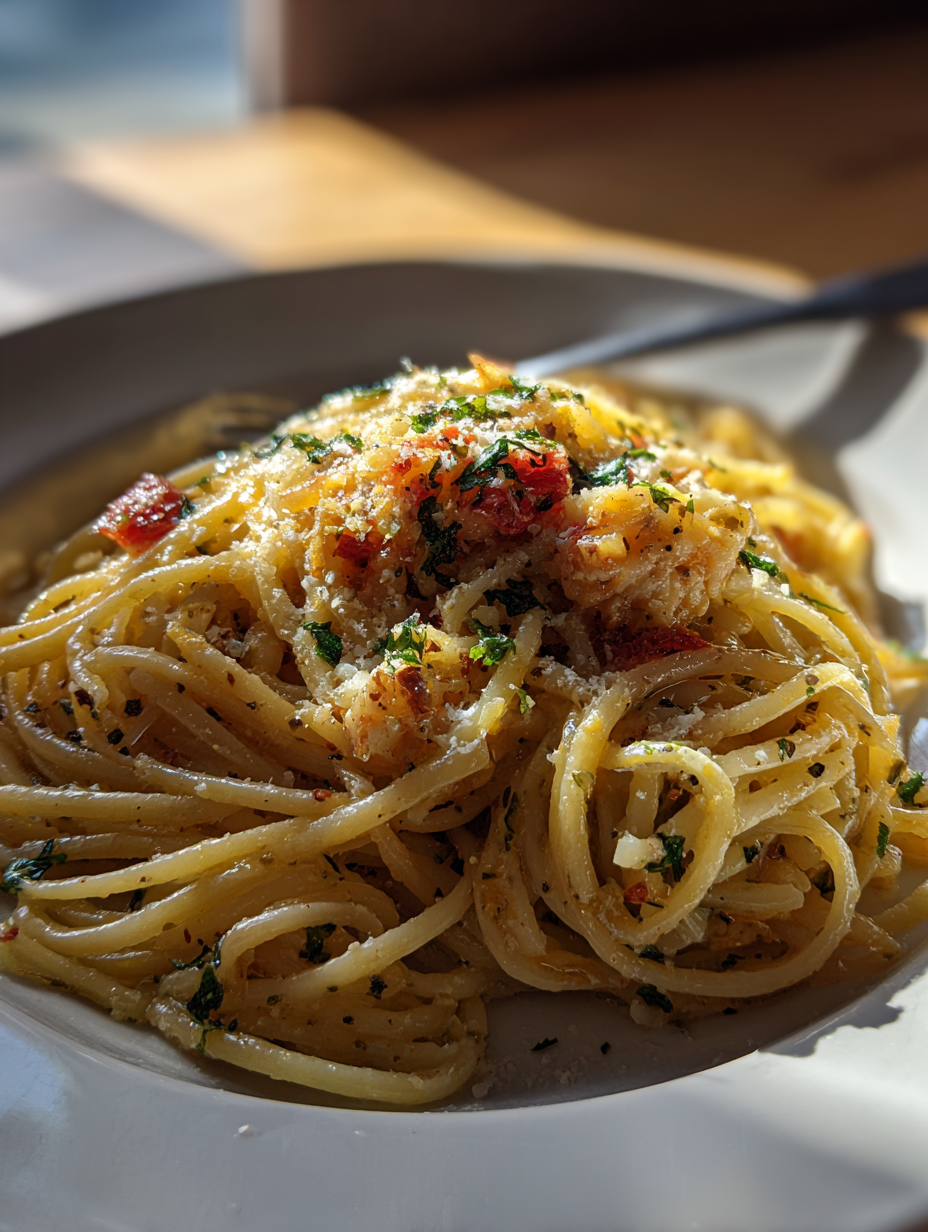
A Quick, Wholesome Meal That Brings Everyone to the Table
—
Introduction
The kitchen was alive with laughter and the fragrant aroma of garlic and fresh basil as I stood at the stove, stirring a bubbling pot of pasta. It was a Saturday evening, the sun setting in a fiery blaze of orange, casting a warm glow across the room. My family crowded around the kitchen island, a medley of voices and the clinking of forks filled the air. This was the moment I realized that simple meals hold extraordinary power.
I remember the first time I made this dish. The colors of the fresh tomatoes and vibrant green spinach danced together in the skillet, while the rich sound of the simmering sauce was almost musical. As I plated the pasta, the steam wafted up, enveloping me in a comforting hug of familiar scents that felt like home. My children, eyes sparkling with anticipation, eagerly waited to dive into the meal. In that moment, I knew I had created a family classic — a dish that was not just delicious but also a catalyst for connection.
30-Minute Family-Friendly Pasta Dish has since become a staple in our household, a go-to recipe that fits seamlessly into our busy weeknights. Its charm lies in its simplicity and speed, allowing you to bring everyone together without spending hours in the kitchen. With a few fresh ingredients and a sprinkle of love, you can create a meal that is not only nourishing but also packed with flavor.
Let’s dive into the details of this delightful dish, uncovering the secrets that make it a family favorite and a culinary triumph in just half an hour.
—
Why This Recipe Works
What makes this 30-Minute Family-Friendly Pasta Dish shine is the harmony of flavors and textures that come together effortlessly. The secret lies in carefully chosen ingredients combined with smart cooking techniques.
1. Key Flavor Combinations: The sweetness of cherry tomatoes meets the earthiness of sautéed garlic, creating a vibrant, fresh sauce that feels alive. The addition of fresh basil offers a fragrant lift, while a sprinkle of Parmesan cheese ties everything together with its nutty richness.
2. Texture Contrasts: In this dish, you’ll experience the delightful interplay between the al dente pasta and the tender vegetables. Cooking the pasta just right ensures it holds its shape, while the lightly sautéed spinach wilts to a silky consistency, adding depth to each bite.
3. Role of Each Major Ingredient: Each ingredient plays a pivotal role. The pasta serves as the base, while the tomatoes provide a juicy burst, the spinach adds a pop of color and nutrition, and the Parmesan brings a creamy finish. Together, they create a well-rounded dish that excites the palate.
4. What Separates This Version: Unlike generic versions that often rely on heavy sauces or processed ingredients, this recipe celebrates freshness and balance. You get to control the quality and quantity of your ingredients, ensuring a wholesome meal that doesn’t compromise on taste.
—
What Makes It Special
This 30-Minute Family-Friendly Pasta Dish stands out for several unique qualities that elevate it above restaurant or store-bought alternatives:
– Freshness and Flavor: Unlike takeout, this dish is made with fresh ingredients, bursting with flavor. You control exactly what goes into it, so you can adjust for taste preferences, dietary needs, or whatever seasonal produce you have on hand.
– Cost-Effective: Making this dish at home is significantly more economical than frequenting restaurants. You get to enjoy a gourmet experience without the hefty price tag, and the ingredients can be easily sourced from your local grocery store.
– Customization: One of the beauties of this recipe is its flexibility. Want to add some protein? Toss in grilled chicken or sautéed shrimp. Prefer a vegan twist? Omit the cheese and add a splash of lemon juice for brightness.
– Surprising Elements: A hint of red pepper flakes can awaken your taste buds, giving the dish a gentle kick. Furthermore, adding a splash of white wine while sautéing the garlic can deepen the sauce’s flavor profile, taking it from simple to spectacular.
—
Ingredient Breakdown
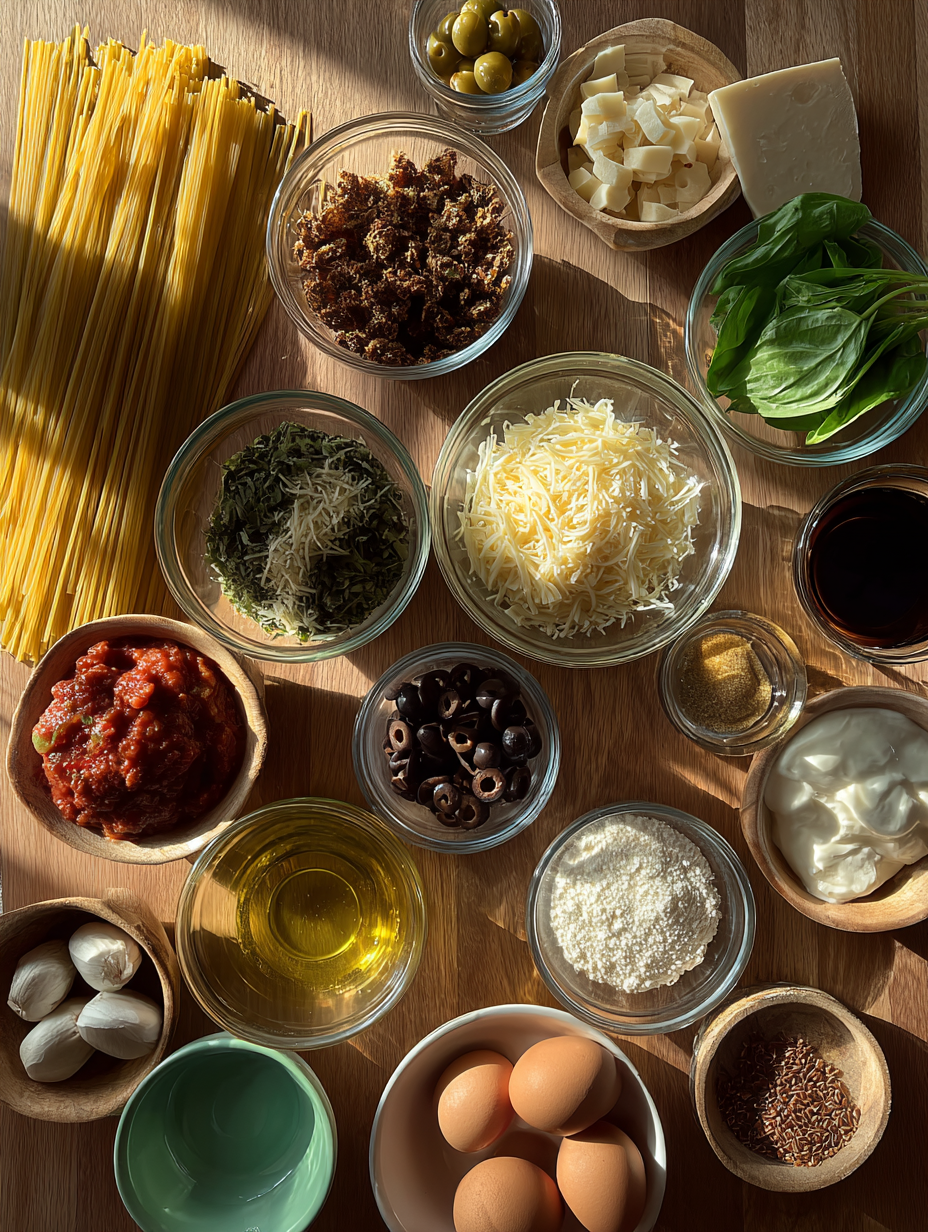
1. Pasta: The heart of the dish, you can use any shape you like — whether it’s spaghetti, penne, or farfalle. 8 ounces is the perfect amount for four servings. Choose whole grain or gluten-free options to cater to dietary preferences.
2. Cherry Tomatoes: These juicy gems are a flavor powerhouse, providing sweetness and acidity. You’ll need 2 cups, and their vibrant red color brightens the dish visually and nutritionally.
3. Fresh Spinach: Use about 4 cups of fresh spinach for a burst of greenery and health benefits. It wilts beautifully, adding a silky texture without overpowering the other flavors.
4. Garlic: You’ll want 3 cloves of minced garlic to create that irresistible aroma. Garlic not only enhances the flavor but also offers numerous health benefits.
5. Olive Oil: A couple of tablespoons of good-quality olive oil is crucial for sautéing the vegetables and adding richness to the dish.
6. Parmesan Cheese: About ½ cup of freshly grated Parmesan cheese rounds out the meal with its creamy texture and umami flavor. For a dairy-free option, consider using nutritional yeast for a cheesy flavor without the dairy.
7. Red Pepper Flakes: Just a pinch for some heat! Adjust according to your spice tolerance.
8. Salt and Pepper: Essential for seasoning, start with ½ teaspoon of each and adjust to taste as you combine the ingredients.
Substitution Options: For a gluten-free dish, use gluten-free pasta. If you follow a vegan diet, simply omit the Parmesan cheese or replace it with a vegan cheese alternative.
For any specialty ingredients, you can find them at most grocery stores or local farmers’ markets, ensuring freshness and quality.
—
Equipment Needed
1. Large Pot: Essential for boiling the pasta. Make sure it’s big enough to hold plenty of water for even cooking. A stockpot works great, but any large pot will do.
2. Skillet: You’ll need a large skillet or sauté pan for making the sauce. A non-stick option makes it easier to cook without sticking, but cast iron can add a lovely depth of flavor.
3. Colander: For draining the pasta. If you don’t have one, you can use a slotted spoon, but a colander ensures quick and easy drainage.
4. Wooden Spoon or Spatula: For stirring the sauce and pasta gently. A sturdy wooden spoon is great for scraping up any bits from the bottom of the pan.
5. Measuring Cups and Spoons: To ensure that you’re using the right quantities for each ingredient. This helps in achieving the best flavor balance.
6. Chef’s Knife: A sharp knife is key for chopping garlic and slicing the tomatoes. A good quality knife will make prep work quicker and safer.
While some equipment is essential, others, like a pasta timer, are optional if you’re familiar with cooking pasta. If you’re looking for affordable alternatives, check local thrift shops or online marketplaces for second-hand kitchen tools.
Step-by-Step Instructions

1. Boil the Pasta
Start by bringing a large pot of salted water to a rolling boil over high heat. Add about 1-2 tablespoons of salt; this helps season the pasta while it cooks. Once the water is boiling, add 12 ounces of your favorite pasta (like penne or fusilli). Stir occasionally to prevent sticking. Cook according to the package instructions until al dente, usually around 8-10 minutes. You’ll know it’s ready when it’s tender but has a slight bite to it. Chef’s Note: Save about a cup of pasta cooking water before draining, as it can help adjust the sauce later.
2. Cook the Protein
While the pasta cooks, heat 2 tablespoons of olive oil in a large skillet over medium heat. Add 1 pound of diced chicken breast or your choice of protein (like shrimp or tofu). Cook for about 5-7 minutes, stirring occasionally, until the protein is golden brown and cooked through. You should hear a satisfying sizzle and see a nice crust forming. Chef’s Note: If using shrimp, look for them to turn pink and opaque, which indicates they’re done.
3. Sauté the Vegetables
Add 1 cup of chopped bell peppers, 1 cup of sliced zucchini, and 1 cup of cherry tomatoes to the skillet. Sauté for another 4-5 minutes until the vegetables are slightly softened but still vibrant. You want to see them glistening and hear them sizzling—you should smell the fragrant aroma of the sautéing veggies. Chef’s Note: If you like a bit of crunch, reduce the cooking time slightly.
4. Create the Sauce
Lower the heat to medium-low and add 3 cloves of minced garlic to the skillet. Sauté for about 1 minute until fragrant, being careful not to let it burn, as burnt garlic can become bitter. Then, pour in 1 cup of chicken or vegetable broth and 1 cup of heavy cream. Stir everything together and bring the mixture to a gentle simmer. You’ll know it’s ready when small bubbles start to form around the edges.
5. Combine Pasta and Sauce
Once the pasta is cooked and drained, add it directly to the skillet with the sauce. Toss everything together gently so the pasta is well-coated. If the sauce seems too thick, slowly add some of that reserved pasta water, a little at a time, until you reach your desired consistency. The pasta should look creamy and well-blended, and you should hear a soft slurping sound as you toss it. Chef’s Note: Use a pair of tongs to help with the tossing, making it easier to mix without breaking the pasta.
6. Season and Serve
Finally, season with salt, pepper, and a generous sprinkle of grated Parmesan cheese, stirring until the cheese melts and blends into the sauce. Serve immediately while it’s hot, garnished with fresh basil or parsley if desired. You’ll know it’s ready to serve when the dish is vibrant, aromatic, and the cheese is melted into the sauce. Chef’s Note: Add a touch of red pepper flakes for an extra kick if your family enjoys a bit of heat.
Pro Tips for the Best Results
1. Use Fresh Ingredients: Fresh vegetables and a good-quality protein can elevate the flavor of your pasta dish significantly. Fresh ingredients often have more vibrant flavors, enhancing the overall taste of your meal.
2. Don’t Skip the Salt: Salting your pasta water is crucial. It’s your first opportunity to season the pasta itself, and it makes a noticeable difference in flavor. Without it, your pasta may taste bland and underwhelming.
3. Timing is Key: Start cooking the protein and vegetables while the pasta is boiling to save time. This multitasking will ensure everything comes together seamlessly, allowing you to have a hot meal ready in just 30 minutes.
4. Reserve Pasta Water: That starchy pasta cooking water is liquid gold. It not only helps to adjust the sauce consistency but also helps the sauce adhere to the pasta better, creating a silkier texture.
5. Adjust Seasoning Last: Always taste and adjust seasoning at the end. As flavors meld during cooking, you may find you need more salt, pepper, or even an acid like lemon juice to brighten the dish.
6. Use a Large Skillet: A spacious skillet gives you room to toss and mix ingredients without making a mess. It also allows for even cooking, ensuring all your veggies and protein get that lovely sear.
7. Garnish for Flavor and Presentation: Adding fresh herbs or a sprinkle of cheese right before serving not only enhances the visual appeal but also adds a fresh burst of flavor. A sprinkle of freshness can elevate even a simple dish.
Common Mistakes to Avoid
1. Overcooking the Pasta: Cooking pasta longer than the recommended time leads to a mushy texture. Always test it a minute or two before the timer goes off; it should be al dente, firm to the bite.
2. Using Cold Ingredients: Adding cold ingredients directly into a hot skillet can lower the temperature and affect the cooking process. Always bring proteins and vegetables to room temperature before cooking to ensure they sear properly.
3. Not Tasting Along the Way: Failing to taste while cooking can lead to an unbalanced dish. Always sample your sauce and adjust seasoning as needed, especially before serving, to ensure everything is just right.
4. Skipping the Starch in the Sauce: Not using reserved pasta water can leave your sauce too thick and clingy. Incorporate small amounts to achieve that perfect creamy consistency that clings to your pasta beautifully.
5. Crowding the Pan: Overcrowding your pan with too many ingredients can cause steaming instead of searing. Cook in batches if necessary to ensure each ingredient gets the proper caramelization and flavor.
6. Neglecting to Let the Garlic Cook Properly: Garlic can burn quickly, turning bitter. Cook it gently and monitor closely, adding it later in the cooking process to avoid burning while still releasing its aromatic flavor.
7. Ignoring Leftovers: Leaving leftovers in the skillet can lead to sogginess or spoilage. Transfer any leftovers into an airtight container immediately after serving to maintain freshness for the next day.
Creative Variations
1. Seasonal Variation: Spring Vegetable Pasta — Swap in fresh asparagus, peas, and spinach in place of the bell peppers and zucchini. Add these veggies during the last few minutes of cooking to retain their crispness and vibrant color, celebrating the flavors of spring.
2. Dietary-Friendly Version: Vegan Creamy Pasta — Substitute the chicken with chickpeas or your choice of plant-based protein and replace heavy cream with a can of full-fat coconut milk. Add nutritional yeast for a cheesy flavor, ensuring everyone can enjoy a creamy pasta dish.
3. Gourmet Elevated Version: Truffle Mushroom Pasta — Use wild mushrooms such as chanterelles or morels, and finish with a drizzle of truffle oil just before serving. Enhance the flavor with a sprinkle of fresh thyme and a touch of grated Pecorino Romano for a luxurious twist.
4. Quick 15-Minute Version: One-Pot Garlic Shrimp Pasta — Use pre-cooked shrimp and quick-cooking pasta like angel hair. Sauté garlic and cherry tomatoes, then toss in the shrimp and pasta with broth, cooking just until heated through for a lightning-fast meal.
5. Kid-Friendly Version: Mac & Cheese Style — Use small pasta shapes like elbow macaroni and add a cheese sauce made from cheddar and cream instead of the broth and cream mixture. Mix in some hidden veggies like pureed carrots or cauliflower for added nutrition.
6. International Twist: Mediterranean Pasta — Incorporate black olives, sun-dried tomatoes, and feta cheese. Use olive oil and lemon juice to create a bright dressing, and add fresh oregano for a dish that transports you to the sunny coast.
Serving Ideas
When it comes to plating your 30-Minute Family-Friendly Pasta Dish, presentation can elevate your meal from everyday to extraordinary. Here are some inspiring ideas to make your dish truly shine:
1. Colorful Bowl Presentation: Serve the pasta in wide, shallow bowls to showcase the vibrant colors of the ingredients. Top with freshly chopped basil and a sprinkle of grated Parmesan cheese for a pop of green and white that enhances visual appeal.
2. Layered Elegance: Create layers by placing the pasta at the bottom, followed by a generous scoop of sauce or veggies, and finish with a drizzle of olive oil and a dusting of red pepper flakes for a touch of heat. This not only looks stunning but also allows the flavors to meld beautifully.
3. Rustic Platter: For a family-style meal, serve the pasta on a large wooden or ceramic platter. Scatter cherry tomatoes and extra greens around the edges for a rustic look that invites everyone to dig in. Use a pair of tongs for easy serving, ensuring everyone can enjoy ample portions.
4. Individual Portions: For a more formal touch, serve the pasta in individual ramekins. Bake them with a layer of mozzarella cheese on top for a delightful, bubbly finish. Top with a sprig of fresh parsley for a cheerful garnish.
5. Creative Garnishes: Experiment with garnishes like toasted pine nuts or crushed croutons for extra texture. Drizzle a balsamic reduction around the plate for a visually striking contrast that also adds a touch of sweetness.
Aim for portions that are satisfying yet not overwhelming — about 1 to 1.5 cups of pasta per serving is ideal. With these plating ideas, you’ll have a feast for the eyes that your family will be eager to enjoy!
What to Serve With
To round out your 30-Minute Family-Friendly Pasta Dish, consider these complementary options that will delight your taste buds and create a balanced meal:
1. Garlic Bread: The buttery, garlicky flavor of toasted bread pairs perfectly with pasta, soaking up that delicious sauce. The crispy texture contrasts beautifully with the softness of the pasta.
2. Caesar Salad: Crisp romaine, creamy dressing, and crunchy croutons deliver a refreshing palate cleanser. The tanginess of the dressing and the crunch of the lettuce will create a delightful textural balance alongside your pasta.
3. Roasted Vegetables: Seasonal vegetables like zucchini, bell peppers, and carrots roasted to perfection add a caramelized sweetness that complements the savory pasta. Their vibrant colors also enhance the overall meal presentation.
4. Sparkling Lemonade: This bubbly drink is a refreshing contrast to the richness of the pasta. The citrus notes cut through the dish’s creaminess, making each bite feel lighter.
5. Chocolate Mousse: For dessert, a rich and airy chocolate mousse provides a luxurious finish. Its silky texture and chocolate flavor create a satisfying end to a delicious meal.
6. Caprese Skewers: Mini skewers featuring fresh mozzarella, basil, and cherry tomatoes are a light starter. The freshness of the ingredients brightens the meal and entices the appetite.
Each of these dishes complements your pasta dish, enhancing the overall dining experience with a variety of flavors and textures.
Storage Guide
Storing leftovers properly ensures that your 30-Minute Family-Friendly Pasta Dish remains delicious for days to come. Here’s how to do it:
– Container Type: Use airtight glass containers for the best results. Glass helps to prevent moisture absorption and keeps the flavors intact.
– Temperature: Store the pasta in the fridge at a temperature of 40°F (4°C) or lower to maintain freshness and safety.
– Shelf Life: Your pasta dish will keep well in the refrigerator for 3 to 4 days. After this time, the ingredients may begin to lose their quality.
– Signs of Spoilage: If you notice a sour smell, discoloration, or mold, it’s time to discard the leftovers. Always trust your senses!
– Refreshing Before Serving: To revive the flavors, add a splash of olive oil and a sprinkle of fresh herbs before reheating. This little touch restores moisture and freshness, making the dish feel vibrant again.
By following these guidelines, you can enjoy your delightful pasta dish even after the initial meal!
Freezing Tips
Your 30-Minute Family-Friendly Pasta Dish does freeze well, making it a perfect option for meal prep. Here’s how to properly freeze and store it:
– Portioning: Divide the pasta into single-serving portions before freezing. This allows for easy thawing and reheating later.
– Wrapping Method: Wrap each portion tightly in plastic wrap, then place it in a ziplock freezer bag to prevent freezer burn. Remove as much air as possible to maintain quality.
– Labeling: Don’t forget to label each bag with the date and contents. This way, you’ll know exactly what’s inside and when it was made.
– Freezer Life: Properly frozen, your pasta dish can last for up to 3 months without losing its taste.
– Quality Expectations: While the flavors will still be excellent upon thawing, some textures may change slightly, particularly if you used fresh veggies.
– Best Thawing Method: For best results, thaw the pasta overnight in the fridge or use the microwave’s defrost setting. This gradual thawing helps maintain the dish’s integrity.
Following these tips will ensure your pasta is ready for a wholesome, quick meal whenever you need it!
Reheating Guide
When it’s time to enjoy your leftovers, here are several methods to reheat your 30-Minute Family-Friendly Pasta Dish while retaining its deliciousness:
– Microwave: Place a serving in a microwave-safe bowl. Cover it with a damp paper towel to prevent drying out. Heat on medium power for 2-3 minutes, stirring halfway through until heated evenly. Add a splash of water or broth to restore moisture if needed.
– Oven: Preheat your oven to 350°F (175°C). Transfer the pasta to an oven-safe dish, cover with foil to retain moisture, and reheat for about 15-20 minutes. Remove the foil for the last 5 minutes to crisp up the top, if desired.
– Stovetop: In a skillet over medium heat, add the pasta along with a tablespoon of water or broth. Stir constantly for about 5-7 minutes until warmed through. This method helps to revive the original texture.
– Texture and Flavor Tips: To restore the dish’s freshness, consider adding a sprinkle of fresh herbs or a drizzle of olive oil just before serving. This little enhancement will brighten up the flavors and make it feel freshly made again.
With these reheating techniques, you can enjoy a meal that tastes just as good as when it was first prepared!
Nutrition Overview
The 30-Minute Family-Friendly Pasta Dish is not only quick to prepare but also nutritious. Here’s a breakdown of the approximate nutritional values per serving:
– Calories: 450
– Protein: 15g
– Carbohydrates: 60g
– Fat: 18g
– Fiber: 5g
– Sugar: 3g
This dish is rich in whole grains (if using whole wheat pasta), which provides essential fiber that supports digestive health. The inclusion of fresh vegetables adds vitamins and minerals, enhancing the meal’s nutritional profile. Additionally, the olive oil used contributes healthy fats that are beneficial for heart health.
Enjoying this pasta dish means you’re not only treating your family to a comforting meal but also supporting their well-being with wholesome ingredients.
Frequently Asked Questions
Q: Can I substitute regular pasta with gluten-free pasta?
A: Yes, you can easily substitute regular pasta with gluten-free options like brown rice or chickpea pasta. Just be mindful of cooking times, as gluten-free pasta may require different cooking durations.
Q: What if I don’t have fresh herbs on hand?
A: Dried herbs can be a great alternative when fresh herbs aren’t available. Use about one-third of the amount of dried herbs compared to fresh. Just add them earlier in the cooking process to allow their flavors to develop.
Q: Is this recipe suitable for meal prep?
A: Absolutely! This pasta dish is perfect for meal prep. Just store portions in airtight containers in the refrigerator or freezer to enjoy throughout the week.
Q: Can I add protein to this dish?
A: Certainly! You can add cooked chicken, shrimp, or even plant-based proteins like chickpeas or lentils. Just stir them in during the last few minutes of cooking to warm them through.
Q: How can I make this dish vegan?
A: To make this pasta dish vegan, simply omit any cheese and use a plant-based alternative. You can also enrich the sauce with pureed cashews or nutritional yeast for added creaminess and flavor.
Q: Can I adjust the spice level?
A: Yes! If you prefer a milder dish, reduce or omit any red pepper flakes. For a spicier version, add more flakes or a dash of hot sauce to taste.
Q: What kitchen equipment do I need for this recipe?
A: You’ll need a large pot for boiling the pasta, a skillet for sautéing, and measuring cups for the ingredients. A wooden spoon or spatula will also come in handy for stirring!
Q: How do I prevent the pasta from sticking together?
A: To prevent sticking, make sure to stir the pasta during the first few minutes of cooking and use a generous amount of water in the pot. Adding a drizzle of olive oil to the cooked pasta can also help keep it separate.
Final Thoughts
As you prepare your 30-Minute Family-Friendly Pasta Dish, remember to savor the process and enjoy the time spent with your loved ones. The key to a successful pasta dish lies in using fresh ingredients and not skimping on the seasonings.
I’m genuinely excited for you to try this recipe. It not only delivers on flavor but also brings the family together at the table. Once you’ve made it, share your creation with friends and family, and watch as they’re drawn to the delicious aromas wafting from your kitchen.
Now, let’s get cooking — bring out those ingredients and whip up a delightful meal tonight!