Follow Me On Pinterest!
Savory 30-Minute Stir-Fry Recipe

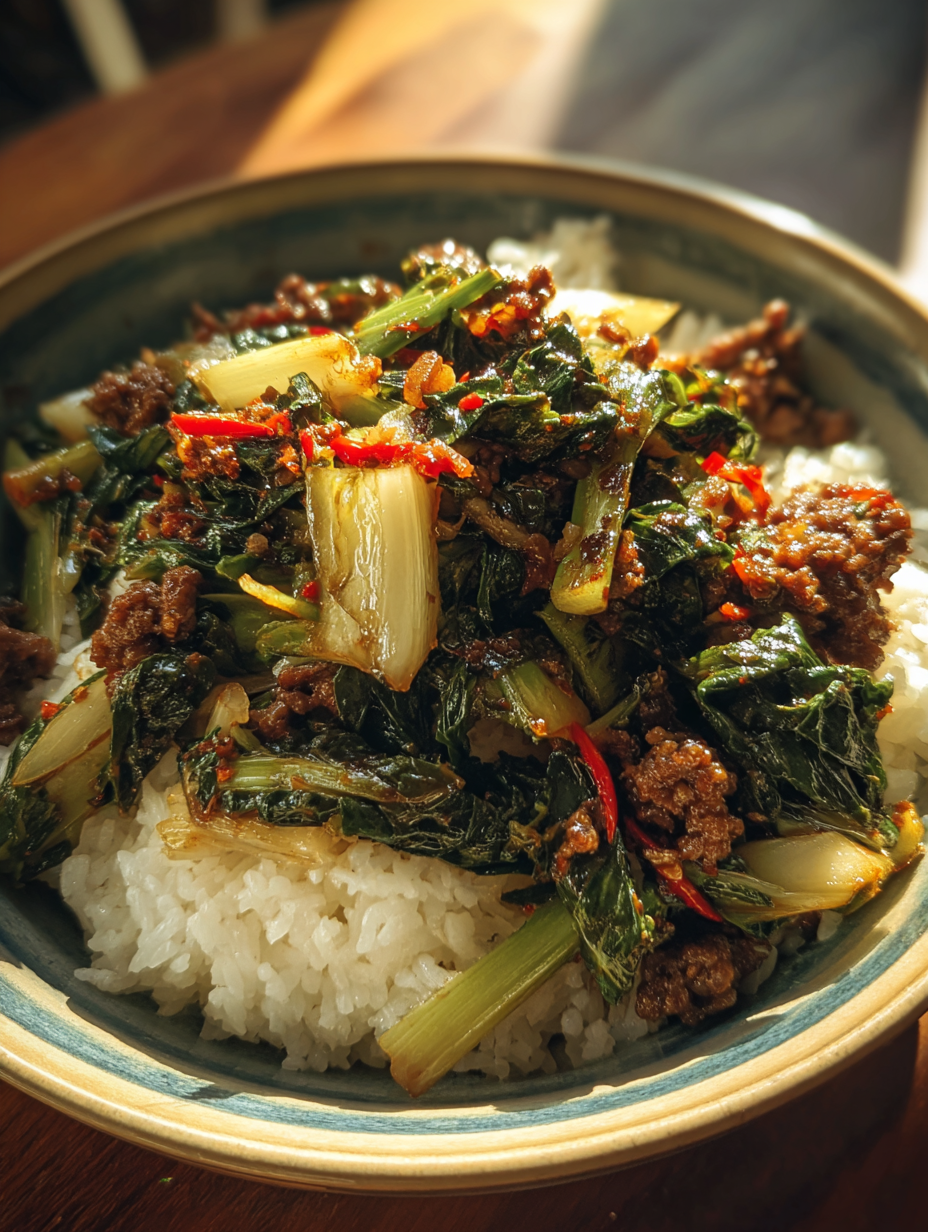
A Quick, Flavorful Journey to Your Dinner Table
—
Introduction
I still remember the first time I walked into my grandmother’s kitchen after school, the air heavy with the tantalizing scent of sizzling garlic and soy sauce. It was a Wednesday, and like every Wednesday, I could count on her to whip up a stir-fry that made my mouth water in anticipation. The vibrant colors of bell peppers, snap peas, and glistening chicken created a canvas that was almost too beautiful to eat. As I sat at the wooden table, the sound of the wok crackling added to the symphony of scents that danced around me. Each bite was a harmony of flavors—savory, slightly sweet, and just a hint of heat from the ginger.
Years later, I’ve adapted her classic recipe into a 30-minute stir-fry that fits easily into my busy schedule while still evoking those cherished memories. It has become a staple in my home, a dish that you can throw together on a weeknight without sacrificing taste for convenience. The sheer joy of cooking this dish fills my kitchen with nostalgia, while the quick prep and cooking time mean I can savor a delicious meal without a long wait.
Whether you’re looking to impress your family or simply craving a comforting bowl of stir-fried goodness, this recipe has you covered. Let’s dive into the heart of this savory masterpiece that can transform your weeknight dinners into a flavorful escape.
—
Why This Recipe Works
The beauty of this 30-minute stir-fry lies not just in its speed but in its balance of flavors and textures. The key flavor combinations—soy sauce, ginger, and garlic—work together to create a depth that elevates the dish from mundane to exceptional. The umami from the soy sauce pairs beautifully with the zest of ginger, while the garlic adds a warm, aromatic kick that makes your taste buds dance.
Texture is another crucial element; you want that satisfying crunch from fresh vegetables, perfectly cooked protein, and the tender yet slightly chewy noodles or rice. By cooking your protein and vegetables separately, then combining them at the end, you preserve that contrast. For instance, the crisp snap of snap peas and the tender chew of chicken breast create a delightful balance.
In this version, using a high-heat oil like canola or peanut oil helps achieve that smoky char that makes restaurant stir-fries so irresistible. Additionally, incorporating a splash of sesame oil right at the end brings a nutty aroma that lingers in the air long after you’ve served the dish. This isn’t just another quick stir-fry; it’s a carefully crafted meal that marries convenience with culinary finesse.
—
What Makes It Special
This Savory 30-Minute Stir-Fry stands out for several reasons. First, unlike many restaurant or store-bought versions, you can customize every aspect of this dish. Whether you prefer tofu, shrimp, or chicken, the choice is yours. This recipe invites you to play with flavors and textures according to your palate.
Second, making it at home means you control the freshness of your ingredients, ensuring maximum flavor and nutrition. You can choose seasonal vegetables, vibrant spices, and high-quality sauces, leaving those processed options behind.
Lastly, there are a couple of surprising elements in this recipe that elevate it: a splash of rice vinegar for brightness and a sprinkle of sesame seeds for crunch at the end. These small touches transform a simple stir-fry into a dish worthy of any dinner table.
—
Ingredient Breakdown
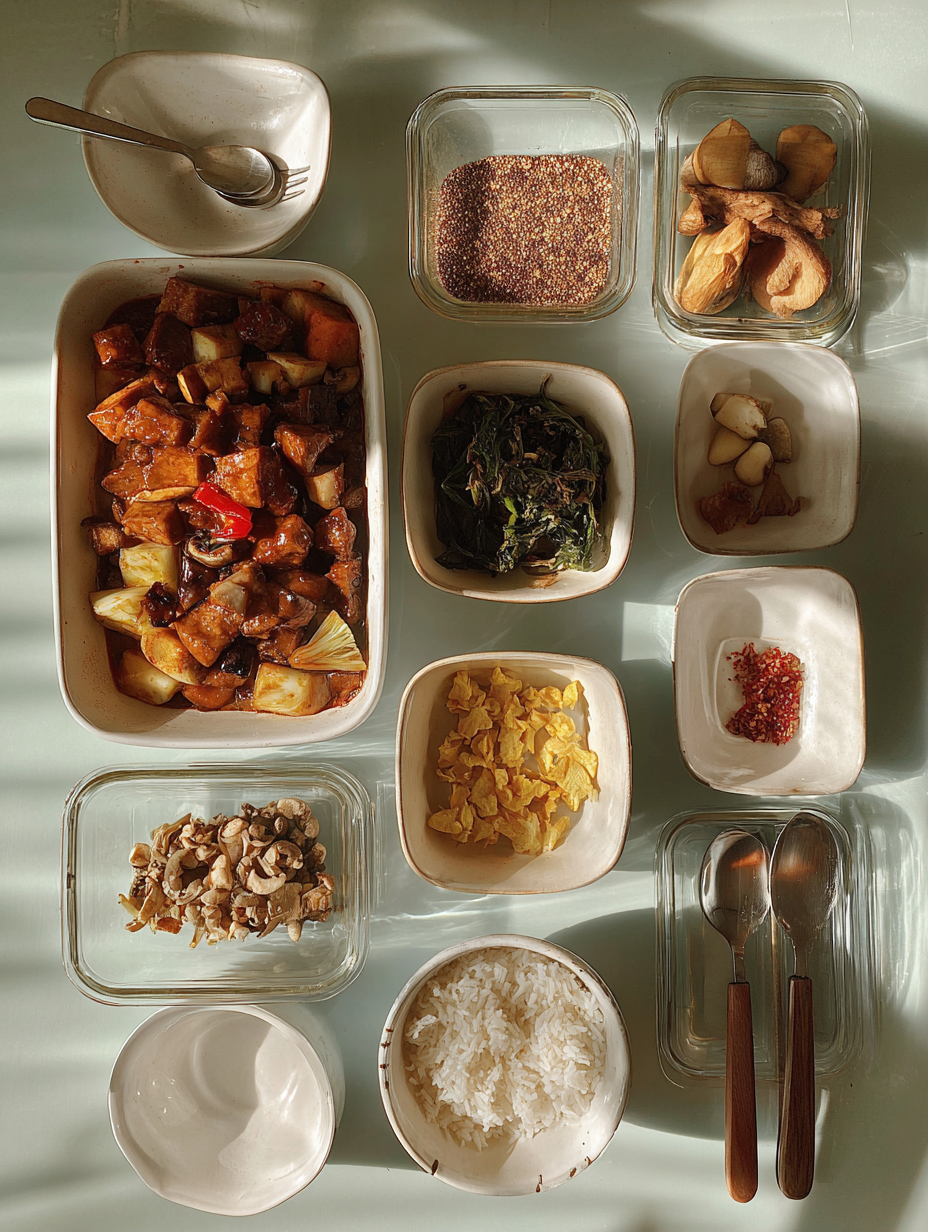
1. **Protein**:
– Chicken breast (or tofu/shrimp): The main source of protein. Chicken breast is lean, and when sliced thinly, it cooks quickly and absorbs flavor beautifully. Aim for about 1 pound, sliced against the grain for tenderness.
2. **Vegetables**:
– Bell peppers (any color): They add sweetness and a beautiful pop of color. Use 1-2 cups of sliced bell peppers for a satisfying crunch.
– Snap peas: Slightly sweet and crisp, they add both color and texture. A cup of these will make your stir-fry vibrant.
– Carrots: Thinly sliced or julienned, they bring a touch of sweetness and a satisfying crunch. Use 1 medium carrot for balance.
– Onion: A half sliced onion adds a savory depth. Use yellow or red for a hint of sweetness.
3. **Aromatics**:
– Garlic: Freshly minced garlic (about 2-3 cloves) brings warmth and richness.
– Ginger: A teaspoon of freshly grated ginger adds a zing that brightens the dish.
4. **Sauces**:
– Soy sauce: The backbone of the flavor profile, use 3-4 tablespoons. For gluten-free, opt for tamari.
– Sesame oil: Just a teaspoon at the end for a nutty finish elevates the flavor.
– Rice vinegar: A splash enhances brightness and balances the dish.
5. **Noodles or Rice**:
– Cooked rice or noodles: Serve as a base; about 2 cups is ideal. Brown rice or rice noodles can offer a healthier alternative.
Substitutions:
– Dairy-Free: All ingredients are dairy-free.
– Gluten-Free: Use tamari instead of soy sauce and choose gluten-free noodles.
– Vegan: Substitute chicken with tofu and use vegetable broth for extra flavor.
Specialty Ingredients:
If you’re unsure where to find items like rice vinegar or sesame oil, check the international aisle of your local grocery store or visit an Asian market for a wider selection.
—
Equipment Needed
To whip up your Savory 30-Minute Stir-Fry, you’ll need a few essential tools that help streamline the process:
1. Wok or Large Skillet: An essential for high-heat cooking, a wok allows for quick stir-frying and even heat distribution. If you don’t have a wok, a large, deep skillet can work just as well.
2. Chef’s Knife: A sharp knife is crucial for quickly and safely chopping your vegetables and protein.
3. Cutting Board: An ample space to prep your ingredients ensures a smooth cooking process.
4. Measuring Cups and Spoons: For accuracy in seasoning and sauces, these are a must.
5. Spatula or Wooden Spoon: To stir and toss your ingredients effectively without scratching your wok or skillet.
Optional tools include a mandoline for slicing veggies thinly and a steamer basket if you prefer to steam some of your vegetables before adding them to the stir-fry.
If you’re on a budget, many of these tools can be found affordably at discount stores or online. The key is to ensure you have a good knife and a large pan to facilitate the quick cooking process that defines stir-frying.
Step-by-Step Instructions
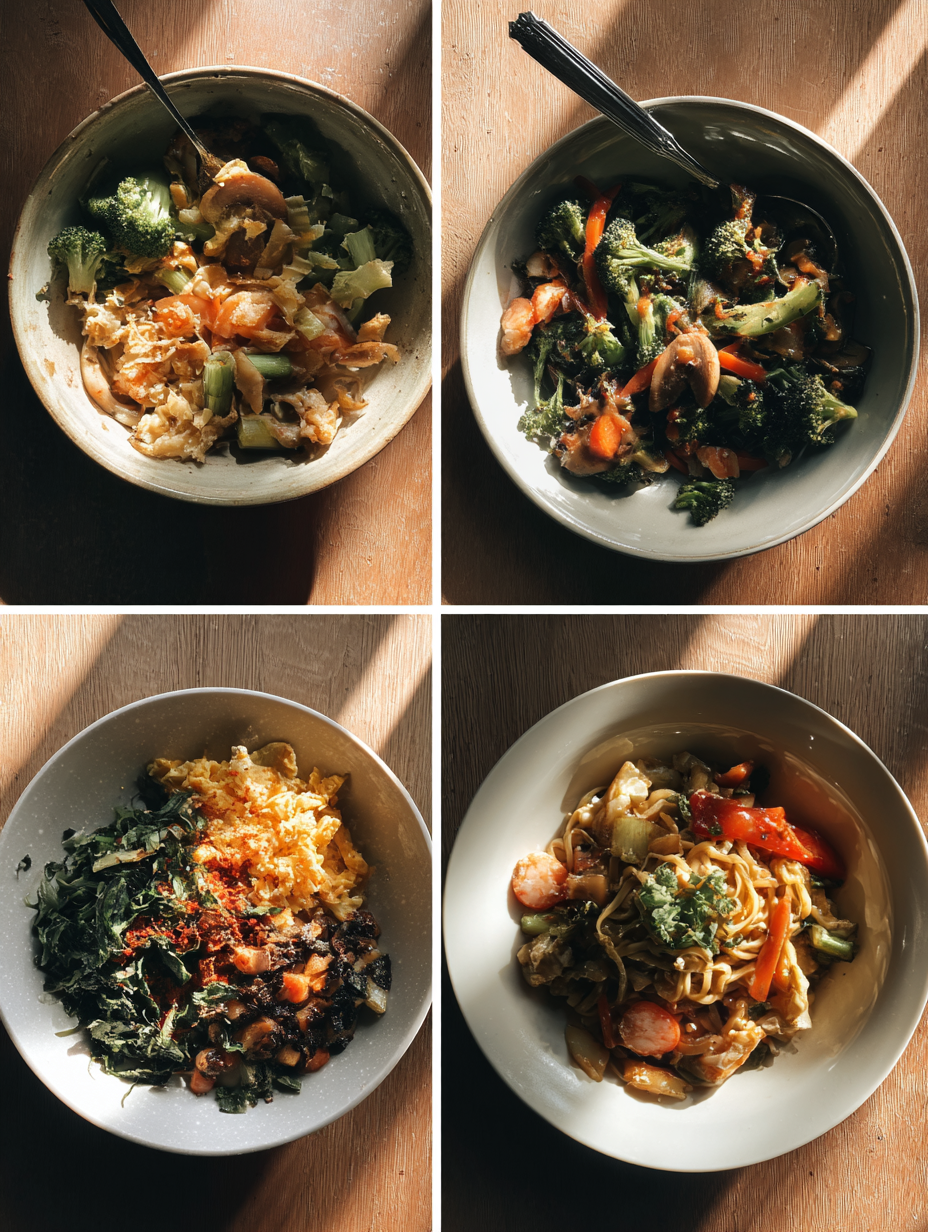
1. Prepare Your Ingredients: Start by washing and chopping your vegetables. Aim for uniform pieces, about 1-inch in size, so they cook evenly. You might choose bell peppers, broccoli, snap peas, or carrots—whatever you have on hand. As you chop, breathe in the fresh, earthy aroma of the vegetables. This is a crucial step because having everything prepped allows for a smooth cooking process. Chef’s Note: If you’re using tougher vegetables like carrots, cut them thinner to ensure they cook through in the time you’ll be stir-frying.
2. Marinate Your Protein: If you’re using chicken, beef, or tofu, now’s the time to marinate. In a bowl, mix 2 tablespoons of soy sauce, 1 tablespoon of sesame oil, and a pinch of black pepper. Toss your protein in the marinade and let it sit for about 10 minutes. This adds depth of flavor and makes your protein more tender. When you’re ready to stir-fry, the protein should smell fragrant and savory.
3. Heat the Pan: While your protein is marinating, place a large skillet or wok over medium-high heat. Add 2 tablespoons of vegetable oil and let it heat until shimmering, which should take about 2 minutes. You’ll know it’s ready when the oil glistens and starts to ripple. This initial heat is crucial for achieving that perfect sear on your protein. Chef’s Note: If the oil starts to smoke, reduce the heat slightly; burnt oil can impart a bitter flavor.
4. Cook the Protein: Once your oil is ready, carefully add the marinated protein to the pan in a single layer. Avoid crowding the pan; you want to hear a satisfying sizzle as the protein hits the hot oil. Cook for about 4-5 minutes without stirring to develop a nice brown crust. After the underside is browned, stir occasionally until cooked through, about another 2-3 minutes. The protein should be golden and firm to the touch.
5. Add Aromatics and Vegetables: Push the cooked protein to one side of the pan, and add an additional tablespoon of oil if needed. Toss in minced garlic (2-3 cloves) and ginger (1 tablespoon) and sauté for about 30 seconds until fragrant. The aroma should fill your kitchen—this is where the magic happens! Next, add your chopped vegetables and stir-fry for 3-4 minutes until they are vibrant and slightly tender but still crisp. Look for bright colors and a fresh smell.
6. Combine and Finish: Add the cooked protein back to the pan along with another splash of soy sauce (1 tablespoon) and a teaspoon of sesame seeds for crunch. Stir everything together for about a minute to ensure the flavors meld. The dish should look glossy and inviting. Remove from heat immediately once the vegetables are cooked to your liking; they should be tender but still crisp. Serve hot over rice or noodles and relish the vibrant colors and enticing aroma.
Pro Tips for the Best Results
1. Use High Heat: Stir-frying relies on high heat to quickly sear ingredients while retaining their moisture. Wok hei (the breath of the wok) is a real phenomenon; the higher the heat, the better the sear and flavor. Make sure your pan is hot enough before adding any ingredients.
2. Prep Ahead for Speed: To truly keep to that 30-minute timeframe, take the time to prep everything beforehand. Cut your vegetables and protein, and even have your sauces measured out. This way, you can focus entirely on cooking when you start, avoiding any slowdowns.
3. Invest in a Good Wok: If you frequently stir-fry, consider investing in a heavy, non-stick wok. A good wok retains heat efficiently and allows for higher cooking temperatures, giving you that perfect char while preventing sticking.
4. Don’t Overcrowd the Pan: If you overload your wok or pan, the temperature will drop, and your ingredients will steam rather than stir-fry. If you’re making a larger batch, stir-fry in batches to maintain high heat and crispness.
5. Choose the Right Oil: Opt for oils with high smoke points like peanut or canola oil. They can withstand high temperatures without burning, ensuring your stir-fry remains flavorful and not bitter.
6. Limit the Sauces: While it can be tempting to add multiple sauces for flavor, stick to one or two key sauces for balance. Too many sauces can make the dish overly salty or cloyingly sweet, masking the fresh flavors of your ingredients.
7. Finish with Fresh Herbs: Adding fresh herbs like cilantro or green onions at the end of cooking can elevate your dish significantly. Their aroma and flavor will brighten the overall profile, making each bite pop.
Common Mistakes to Avoid
1. Skipping Ingredient Prep: Many beginners try to chop vegetables while cooking, which leads to uneven cooking and burnt ingredients. Correct Approach: Prep all your ingredients before starting to cook, ensuring everything is ready to go when you need it.
2. Overcooking the Vegetables: Soft, mushy vegetables ruin the texture of a stir-fry. Correct Approach: Stir-fry vegetables just until they are tender-crisp—look for bright colors and a slight snap when you bite into them.
3. Using Cold Ingredients: Adding cold protein or vegetables straight from the fridge can lower the pan’s temperature. Correct Approach: Let your ingredients sit out for about 10-15 minutes before cooking to achieve better searing and cooking.
4. Neglecting the Marinade Time: Skipping or rushing the marinating process can lead to bland protein. Correct Approach: Allow your protein to marinate long enough to soak up flavors—10-15 minutes will make a significant difference.
5. Cooking on Low Heat: Many home cooks think lower heat equals more control, but this can lead to steaming rather than frying. Correct Approach: Always use high heat for a proper stir-fry, allowing for a quick cook that locks in flavors and textures.
6. Using the Wrong Pan: A non-stick skillet may seem convenient, but it’s not ideal for high-heat cooking. Correct Approach: Use a wok or a high-sided stainless-steel pan to allow for proper heat distribution and searing.
7. Forgetting to Season at the End: If you only season during cooking, the dish can taste flat. Correct Approach: Season with a splash of soy sauce or a sprinkle of salt at the end to enhance the flavors just before serving.
Creative Variations
1. Seasonal Variation: Autumn Harvest Stir-Fry — Incorporate seasonal ingredients like butternut squash, Brussels sprouts, and kale. Roast the squash beforehand to caramelize its natural sugars and add it to the stir-fry towards the end for a warm, comforting flavor.
2. Dietary-Friendly Version: Vegan Tofu Stir-Fry — Replace animal protein with marinated tofu and use a soy sauce alternative like tamari for a gluten-free option. Add edamame and a variety of colorful vegetables for added nutrition and texture.
3. Gourmet Elevated Version: Beef and Asparagus with Truffle Oil — Upgrade your stir-fry by using filet mignon and adding fresh asparagus and shiitake mushrooms. Finish with a drizzle of truffle oil for an earthy, luxurious touch that will impress guests.
4. Quick 15-Minute Version: Speedy Chicken and Broccoli — Use pre-cooked rotisserie chicken and frozen broccoli to cut down cooking time. Simply sauté garlic and ginger, toss in the chicken and broccoli, and add a quick sauce of soy sauce and honey for a fast meal.
5. Kid-Friendly Version: Sweet and Sour Chicken Stir-Fry — Make a mild sauce using ketchup, pineapple juice, and a touch of brown sugar. Use bell peppers and pineapple chunks for a sweet, colorful dish that kids will love.
6. International Twist: Thai Basil Stir-Fry — Incorporate Thai basil, bell peppers, and a splash of fish sauce for a fragrant, spicy kick. Serve with jasmine rice and add crushed peanuts on top for an extra crunch that complements the dish beautifully.
Serving Ideas
When it comes to plating your Savory 30-Minute Stir-Fry, presentation matters just as much as taste. Here are some beautiful and specific ideas to elevate your dish:
1. Colorful Layering: Use a large, shallow bowl to showcase the vibrant colors of the stir-fry. Start with a bed of fluffy jasmine rice or quinoa, then artfully pile your stir-fried vegetables and protein in the center. The contrast of the white rice against the colorful veggies will be visually stunning.
2. Garnish with Fresh Herbs: Top your stir-fry with a sprinkle of chopped cilantro or green onions. These fresh herbs not only add a pop of green but also enhance the dish’s aroma. You might even consider adding a squeeze of lime or a few lime wedges on the side for a zesty touch.
3. Serve in Individual Bowls: For an intimate dinner setting, serve the stir-fry in individual bowls, garnished with toasted sesame seeds and thinly sliced chili peppers. This not only makes the dish look appealing but also allows everyone to enjoy their own portion.
4. Add a Pop of Crunch: For texture, consider placing a small mound of crispy fried onions or crushed peanuts on top just before serving. This will add an inviting crunch and contrast beautifully with the tender vegetables.
5. Use Attractive Serving Dishes: Opt for dark-colored plates or bowls to make the colors of your stir-fry pop. A bright red or deep blue plate can turn a simple meal into an artful presentation. Aim for portions that are generous yet balanced—about one to two cups of stir-fry per person works well.
What to Serve With
Pairing your Savory 30-Minute Stir-Fry with complementary dishes can elevate your meal experience. Here are some delightful suggestions:
1. Chilled Sake: The light and slightly sweet notes of chilled sake will beautifully contrast with the savory flavors of your stir-fry, enhancing the overall dining experience.
2. Miso Soup: This warm, umami-rich soup adds a comforting element to your meal. The salty, rich flavor of miso balances the fresh vegetables in the stir-fry, making for a satisfying combination.
3. Spring Rolls: Crispy vegetable spring rolls with a sweet chili dipping sauce provide a delightful crunch and a burst of flavor. Their lightness complements the stir-fry’s heartiness without overwhelming your palate.
4. Cucumber Salad: A refreshing cucumber salad dressed with rice vinegar and sesame oil offers a cool, crisp contrast to the warm stir-fry. The lightness of the salad helps cleanse the palate between bites.
5. Chocolate Mousse: For dessert, a rich chocolate mousse will satisfy your sweet tooth while providing a creamy counterpoint to the savory stir-fry. Its decadence makes it a perfect ending to a flavorful meal.
Storage Guide
To properly store your leftovers from the Savory 30-Minute Stir-Fry, follow these steps for maximum freshness:
1. Use Airtight Containers: Opt for glass airtight containers to keep your stir-fry fresh. Glass is non-reactive and won’t absorb any odors, ensuring your food stays tasty.
2. Refrigerate Immediately: Place the containers in the fridge at a temperature of 40°F (4°C) or lower. This helps slow the growth of bacteria.
3. Keep for Up to 3 Days: Properly stored, your stir-fry will keep for about 3 days. After this period, it’s best to check for signs of spoilage.
4. Signs of Spoilage: If you notice any off smells, a change in color, or texture that seems slimy, it’s time to toss the leftovers.
5. Refresh Before Serving: When you’re ready to enjoy your leftovers, add a splash of soy sauce or a bit of broth while reheating to restore moisture and flavor. A quick stir-fry in a hot pan can also revive the dish’s original texture.
Freezing Tips
Your Savory 30-Minute Stir-Fry can indeed be frozen for later enjoyment, ensuring you have a quick meal ready to go. Here’s how to do it right:
1. Portioning: Divide the stir-fry into individual servings to make thawing easier. Use freezer-safe plastic containers or zip-top bags for storage.
2. Wrapping Method: If using bags, remove as much air as possible before sealing. This helps prevent freezer burn, which can affect the taste and texture.
3. Labeling: Clearly label each bag or container with the date and contents. This ensures you know what you have on hand.
4. Freezer Duration: Your stir-fry can be frozen for up to 3 months without significant loss of quality.
5. Quality Changes: Expect some texture changes upon thawing, especially in the vegetables; they may become a bit softer.
6. Best Thawing Method: The best way to thaw is overnight in the refrigerator. If you’re in a hurry, you can use the microwave’s defrost setting, but avoid cooking it in the microwave as it may alter the texture further.
Reheating Guide
Reheating your Savory 30-Minute Stir-Fry is simple and can be done in several ways to maintain its delicious flavors. Here’s how:
– Microwave: Place your stir-fry in a microwave-safe dish. Cover it with a damp paper towel to prevent drying out. Heat on medium power for about 2-3 minutes, stirring halfway through for even warming.
– Oven: Preheat your oven to 350°F (175°C). Place the stir-fry in an oven-safe dish and cover with foil. Heat for about 15-20 minutes, or until hot throughout.
– Stovetop: Pour the stir-fry into a skillet over medium heat. Add a splash of water or soy sauce to help restore moisture. Stir frequently for about 5-7 minutes until heated through.
– Texture Restoration Tips: To restore the original texture and flavor, consider adding a splash of fresh soy sauce or a sprinkle of sesame oil during reheating to boost flavor.
Nutrition Overview
Your Savory 30-Minute Stir-Fry is not only quick and satisfying but also packed with nutrition. Here’s a quick overview of the approximate nutritional values per serving:
– Calories: 350
– Protein: 25g
– Carbohydrates: 45g
– Fat: 10g
– Fiber: 5g
– Sugar: 4g
This dish is loaded with vegetables, providing essential vitamins and minerals, particularly from bell peppers and broccoli. Protein from chicken or tofu helps keep you full and supports muscle health, while the fiber from the vegetables aids in digestion. Eating colorful stir-fries like this one can boost your overall nutrient intake and keep your meals exciting.
Frequently Asked Questions
Q: Can I use frozen vegetables for this stir-fry?
A: Yes! Frozen vegetables are a great time-saver and can work well in a stir-fry. Just remember to thaw them slightly and pat them dry before adding them to the pan to avoid excess moisture.
Q: What can I substitute for chicken in this recipe?
A: You can easily swap chicken for tofu, shrimp, or tempeh to make the dish vegetarian or pescatarian. Just be sure to adjust cooking times accordingly, as these proteins can cook faster or require different handling.
Q: How can I make this dish gluten-free?
A: To make your stir-fry gluten-free, use tamari instead of regular soy sauce, and ensure that any additional sauces or condiments are labeled gluten-free.
Q: How long does it take to prepare the ingredients?
A: Preparing the ingredients can take about 10-15 minutes, depending on how quickly you chop vegetables and proteins. To save time, consider prepping them while your rice is cooking.
Q: Can I make this stir-fry ahead of time?
A: While it’s best enjoyed fresh, you can prepare the sauce and chop the vegetables in advance, storing them separately in the fridge. Just stir-fry them when you’re ready to eat.
Q: What tools do I need for this recipe?
A: A sharp knife, a cutting board, and a large wok or skillet are essential for this recipe. A spatula or wooden spoon will help you toss the ingredients evenly.
Q: How do I prevent my stir-fry from becoming soggy?
A: To avoid sogginess, make sure your pan is hot enough before adding the ingredients. Stir-frying at high heat allows the vegetables to cook quickly while retaining their crispness.
Q: Can I add more vegetables to this recipe?
A: Absolutely! Feel free to get creative with your vegetable choices. Snap peas, bok choy, or even carrots can add extra flavor and nutrition. Just be mindful of cooking times to maintain a good texture.
Final Thoughts
As you dive into making your Savory 30-Minute Stir-Fry, remember that the key to a successful dish lies in the freshness of your ingredients and the heat of your pan. The vibrant colors and bold flavors will not only satisfy your hunger but also bring joy to your dining table. I’m genuinely excited for you to try this recipe; it’s a delightful way to explore your culinary skills while creating a wholesome meal. Don’t forget to snap a photo of your creation to share with friends and family — they’ll be inspired to whip up their version, too! Grab your wok and let’s get cooking!