Follow Me On Pinterest!
Savory 30-Minute Stir-Fry Recipe

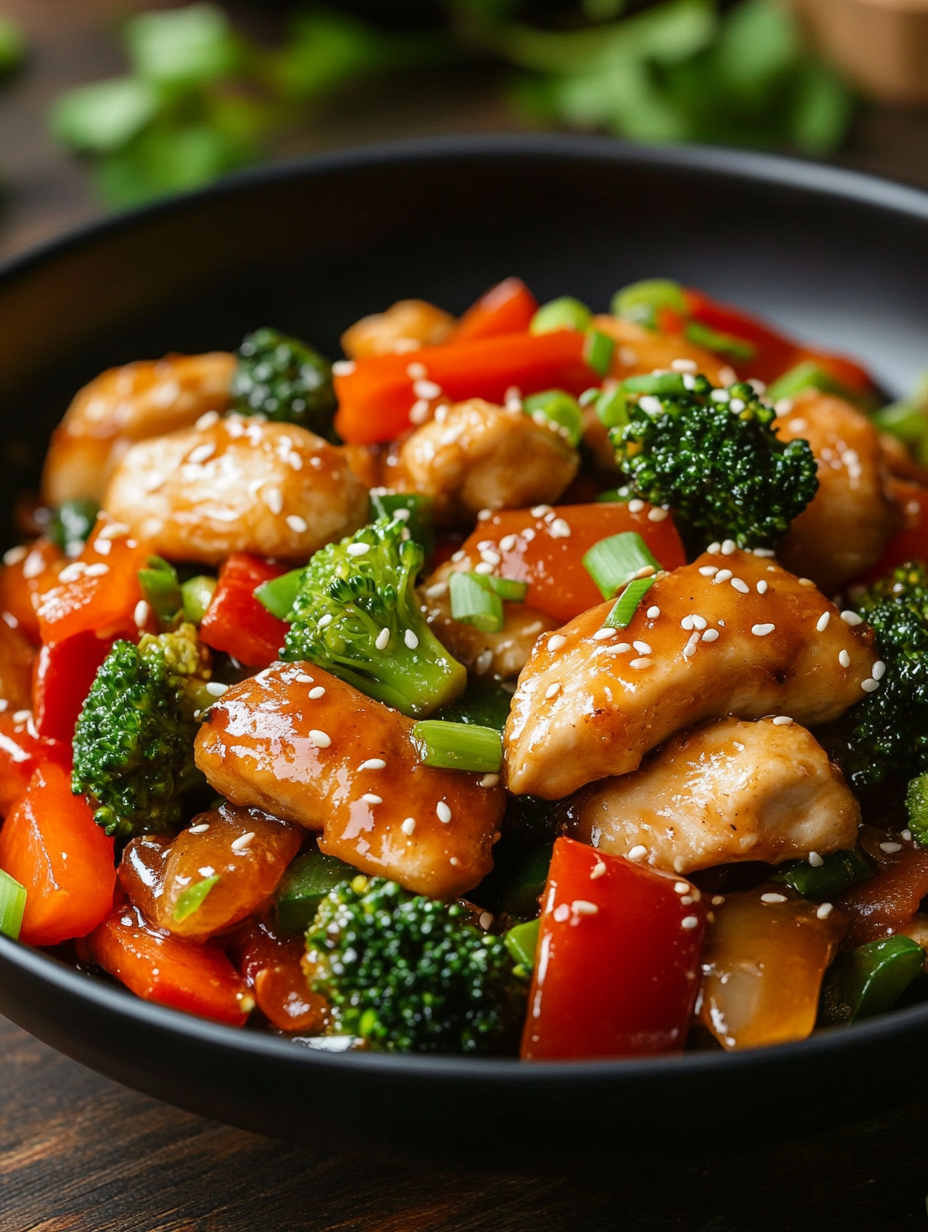
Savory 30-Minute Stir-Fry Recipe: Quick, Flavorful, and Perfect for Busy Nights!
Introduction
Picture this: it’s a bustling weeknight, and your to-do list seems never-ending. You’ve just returned from work, and the last thing you want to do is spend hours in the kitchen. This is where stir-fry saves the day. I still remember the first time I made this Savory 30-Minute Stir-Fry. It was a chilly autumn evening, and I craved something warm and comforting that wouldn’t take up my entire night. As I tossed vibrant vegetables and tender chicken into my skillet, the sizzling sound filled my kitchen, instantly lifting my spirits. The aroma of ginger and garlic wafted through the air, mingling with the earthy scent of sautéed veggies, creating a symphony of flavors that hinted at the deliciousness to come.
This dish quickly became a staple in my weeknight repertoire, and it’s easy to see why. Not only does it come together in under 30 minutes, but it also bursts with fresh colors and flavors that awaken your taste buds. The crunch of snap peas and the vibrant hues of bell peppers make it a feast for the eyes, while the umami richness of hoisin sauce adds depth that rivals any takeout meal. With this stir-fry, you’ll find yourself not only savoring a quick dinner but also creating cherished memories around your dinner table.
Why This Recipe Works
What sets this Savory 30-Minute Stir-Fry apart is its simplicity coupled with a well-balanced flavor profile. At its core, the technique of stir-frying is all about high heat and quick cooking times, which helps to lock in the nutrients and flavors of your ingredients. The key to achieving that perfect stir-fry lies in a few essential steps.
1. Marinating the Chicken: The first step of marinating the chicken in soy sauce and cornstarch not only infuses it with flavor but also helps to tenderize the meat. The cornstarch creates a slight coating that caramelizes beautifully, giving the chicken a delightful texture.
2. Cooking Technique: Using a large skillet or wok allows for even distribution of heat. Stir-frying at a high temperature means your vegetables will retain their crispness while the chicken cooks through quickly, preventing it from drying out.
3. Layering Flavors: Adding garlic and ginger at the right moment—just after the chicken—ensures that their flavors are vibrant and not burnt. The addition of hoisin sauce at the end adds a sweet and savory glaze that ties all the ingredients together beautifully.
This recipe’s reliability comes from understanding how each ingredient interacts during the cooking process. With just a few minutes of preparation and a bit of stirring, you’ll have a dish that’s not only quick to make but also packed with nutrients and flavors that will leave everyone at the table satisfied.
What Makes It Special
This Savory 30-Minute Stir-Fry stands head and shoulders above your average weeknight meal for several reasons:
– Fresh and Colorful Ingredients: Unlike many takeout options that can often rely on heavier sauces and lack of fresh produce, this stir-fry is a celebration of vibrant vegetables. Broccoli, snap peas, and bell peppers not only add color but also vitamins and minerals, making your plate as nutritious as it is tasty.
– Quick and Convenient: In just 30 minutes, you can have a complete meal on the table. This makes it an ideal choice for busy weeknights when you want something satisfying yet easy to prepare.
– Customizable: One of the best features of this recipe is its flexibility. You can easily swap out vegetables based on what you have on hand or your family’s preferences, making it a versatile dish that can change from week to week.
– Homemade Flavor: This recipe allows you to replicate the flavors of your favorite restaurant, but without the added preservatives and sodium often found in takeout. When you cook at home, you have complete control over the ingredients, ensuring every bite is fresh and healthy.
Ingredient Breakdown

In this Savory 30-Minute Stir-Fry, each ingredient plays a crucial role, contributing not just taste, but also texture and nutrition. Let’s break down the components:
– Chicken Breast: The star of the dish, boneless, skinless chicken breast offers a lean protein source that’s quick to cook. For a lighter option, feel free to substitute with tofu or shrimp; both will absorb the flavors beautifully.
– Soy Sauce: This adds a savory depth to the chicken while enhancing the overall umami flavor of the dish. If you’re looking for a lower-sodium option, consider using low-sodium soy sauce or even tamari for a gluten-free version.
– Cornstarch: This ingredient is essential for creating a light coating on the chicken, helping it achieve that crispy exterior when cooked. If you need a substitute, arrowroot powder or even potato starch can work in a pinch.
– Vegetable Oil: A high smoke point oil, like vegetable oil, is ideal for stir-frying. If you prefer, you can use canola oil or peanut oil for an added flavor twist.
– Broccoli, Bell Pepper, Carrot, and Snap Peas: These colorful veggies not only bring a variety of textures but also a slew of vitamins. Feel free to swap them out for seasonal vegetables like zucchini, asparagus, or mushrooms depending on what’s fresh and available.
– Garlic and Ginger: These aromatics are key to bringing warmth and depth to the dish. Fresh is best, but in a hurry, you can use garlic powder and ground ginger as substitutes.
– Hoisin Sauce: A sweet and savory condiment that ties all the flavors together, hoisin sauce adds a glossy finish. If you can’t find it, a mix of soy sauce and a bit of brown sugar will work as an alternative.
– Green Onions: Used as a garnish, these add a fresh crunch and a mild onion flavor. You can also use chives if you have them on hand.
By understanding the role of each ingredient, you can make informed choices when cooking, ensuring your stir-fry is not only delicious but also tailored to your tastes and dietary needs.
Equipment Needed
To create this delightful stir-fry, you’ll need a few essential tools:
– Large Skillet or Wok: A heavy-bottomed skillet or a wok is crucial for an even cooking temperature. A wok allows for better heat distribution, which is perfect for high-heat stir-frying. If you don’t have a wok, a large non-stick skillet can work just as well.
– Cutting Board and Sharp Knife: Having a good quality knife and cutting board makes prep work effortless, allowing you to chop your vegetables and chicken quickly. A chef’s knife is ideal, but a smaller paring knife can be handy for peeling ginger and garlic.
– Spatula or Wooden Spoon: You’ll need a sturdy spatula or wooden spoon for stirring and tossing your ingredients as they cook. This helps ensure that everything cooks evenly without sticking.
– Measuring Spoons and Cups: Accurate measurements are key to achieving the perfect balance of flavors, so having measuring spoons and cups on hand is important—especially for the soy and hoisin sauces.
– Grater or Microplane: For the ginger, a grater or microplane is a great tool to extract maximum flavor, ensuring that it disperses evenly throughout the dish.
These tools will not only make your cooking experience smoother but also enhance the final results, making your stir-fry a hit in your home!
Step-by-Step Instructions
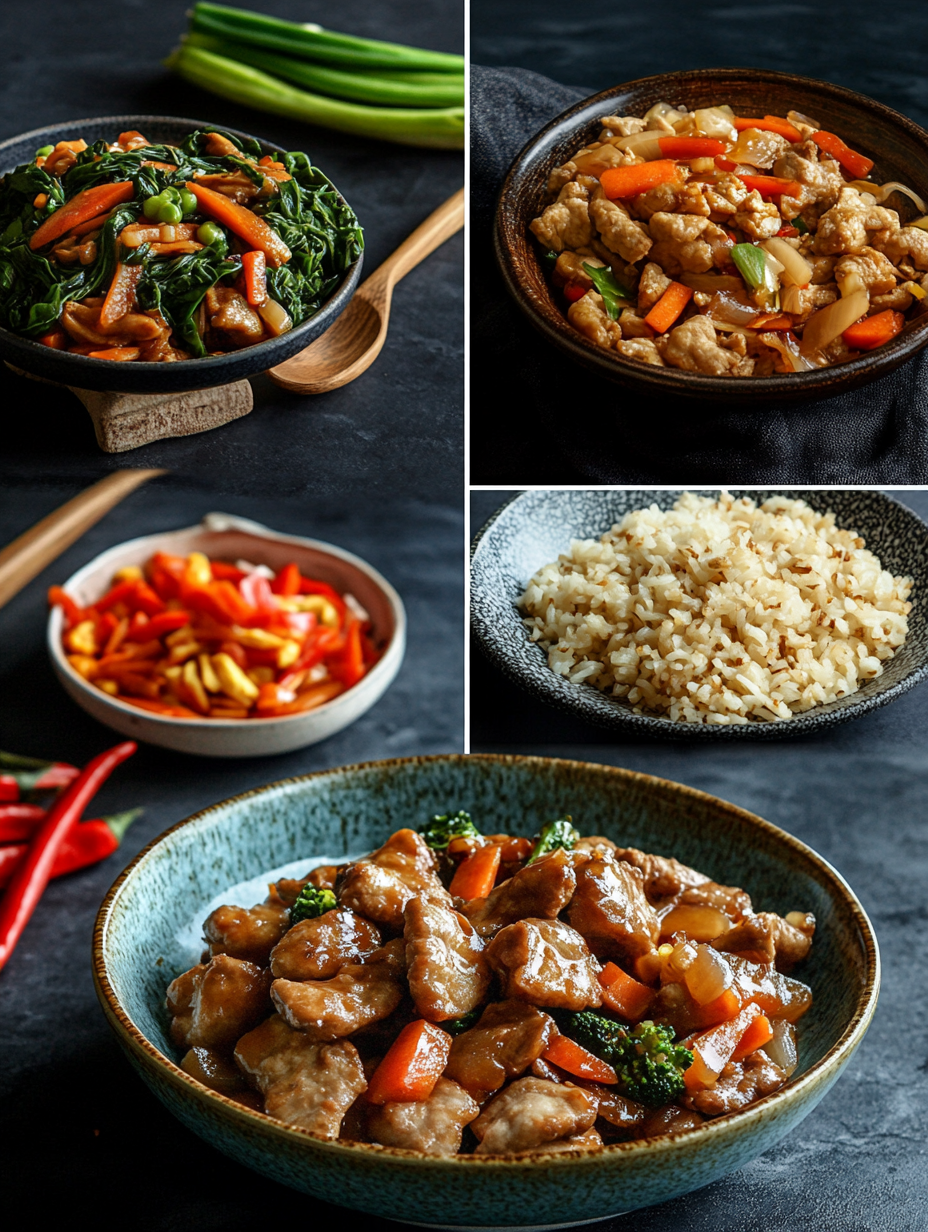
1. Marinate the Chicken
What: In a medium bowl, combine sliced chicken, soy sauce, and cornstarch.
How: Use a spatula or your hands to mix the ingredients thoroughly, ensuring the chicken is well coated.
Look/Smell/Hear: You should see the chicken pieces glistening with the soy sauce, and the cornstarch will start to stick to the chicken, giving it a slightly tacky feel. The aroma of the soy sauce will begin to emerge, adding an umami foundation to your stir-fry.
2. Heat the Skillet
What: Heat vegetable oil in a large skillet or wok over medium-high heat.
How: Pour the oil into the hot skillet and allow it to heat for a couple of minutes until it shimmers.
Look/Smell/Hear: The oil should look glossy and be emitting a faint haze. You’ll hear a soft sizzle when you add the chicken, indicating that the pan is hot enough for a good sear.
3. Cook the Chicken
What: Add the marinated chicken to the skillet.
How: Toss the chicken pieces in the hot oil, spreading them out for even cooking. Stir-fry for about 5-7 minutes until browned and cooked through.
Look/Smell/Hear: Watch for the chicken to turn golden brown. The smell of sizzling chicken and soy sauce will fill the air, enticing your senses. You’ll hear a satisfying sizzle as the chicken cooks, which means it’s caramelizing beautifully.
4. Add Aromatics
What: Incorporate minced garlic and grated ginger into the skillet.
How: Quickly add the garlic and ginger without letting them burn; stir constantly for about 1 minute.
Look/Smell/Hear: The garlic will start to turn golden, releasing a savory aroma that mingles with the chicken. The sound should shift to a sizzling pop, indicating that the aromatics are infusing the oil.
5. Stir-Fry the Vegetables
What: Toss in the broccoli, bell pepper, carrot, and snap peas.
How: Stir-fry these vibrant vegetables for another 5-7 minutes until they are tender-crisp.
Look/Smell/Hear: The vegetables should be bright and colorful, a visual treat! You’ll notice a fresh, earthy scent as they cook, and the sound of crunching vegetables adds to the excitement.
6. Finish with Sauce
What: Pour in the hoisin sauce, stirring to coat all ingredients evenly.
How: Mix well to ensure every piece of chicken and vegetable is bathed in the sauce, cooking for an additional 2 minutes.
Look/Smell/Hear: The dish will start to take on a glossy texture, with a rich, sweet aroma from the hoisin sauce. The sizzling sound should become a bit softer as the sauce thickens and clings to the ingredients.
7. Garnish and Serve
What: Remove from heat and garnish with sliced green onions before serving.
How: Sprinkle the green onions over the stir-fry and give it a gentle toss to incorporate.
Look/Smell/Hear: The green onions will add a pop of color and a fresh scent. You’ll hear the sound of utensils clinking as you serve this delightful dish, ready to be enjoyed!
Chef’s Note: Always have your ingredients prepped and ready to go before starting to cook. Stir-fries happen quickly, and having everything within reach will ensure you don’t miss a beat!
Pro Tips for the Best Results
– Use High Heat: Stir-frying is all about quick cooking over high heat. Ensure your skillet or wok is really hot before adding any ingredients; this will help achieve that coveted char and crispness.
– Cut Uniformly: For even cooking, cut your vegetables and chicken into uniform pieces. While the chicken should be thinly sliced, the vegetables should be cut in similar sizes to ensure they cook at the same rate.
– Don’t Crow the Pan: If you’re preparing a larger batch, it’s better to stir-fry in batches. Crowding the pan lowers the temperature and leads to steaming rather than frying, which can make your dish soggy.
– Prep Your Aromatics: Have your garlic and ginger minced and ready before you begin cooking. They’ll cook quickly and need your undivided attention to avoid burning.
– Adjust Sauce Levels: Feel free to adjust the amount of hoisin sauce based on your taste preferences. If you love a sweeter stir-fry, add a little more!
– Experiment with Oils: While vegetable oil is great for high heat, you can also use peanut or sesame oil for added flavor. Just be careful with the smoke point!
– Add Nuts or Seeds: For an added crunch, consider tossing in some toasted sesame seeds or cashews just before serving. They will enhance both the flavor and texture!
– Pair with Rice or Noodles: This stir-fry is fantastic on its own but even better served over steamed rice or tossed with noodles for a more filling meal.
Common Mistakes to Avoid
1. Skipping the Marinade: Not marinating the chicken can lead to a bland stir-fry. The marinade not only adds flavor but also tenderizes the chicken, making every bite juicy and delicious.
2. Overcooking the Vegetables: Allowing vegetables to cook too long can result in mushy, unappetizing pieces. Aim for a tender-crisp texture—this keeps their vibrant colors and nutrients intact.
3. Using Cold Ingredients: Cooking straight from the fridge can lower the temperature of your pan, leading to uneven cooking. Always let your ingredients sit at room temperature for about 10-15 minutes before cooking.
4. Not Using Enough Oil: Stir-frying requires oil to prevent sticking and to help achieve that signature sear. A lack of oil can lead to a dry, unappealing stir-fry.
5. Neglecting the Resting Time: After cooking, it’s tempting to serve immediately. Allowing your stir-fry to rest for a moment will help the flavors meld together, making for a more harmonious dish.
6. Skipping the Garnish: A simple garnish like sliced green onions or sesame seeds adds not just visual appeal but also layers of flavor. Don’t skip this step; it elevates your dish!
7. Using Low-Quality Sauce: Hoisin sauce can vary greatly in quality. Investing in a good brand will enhance the overall flavor of your stir-fry. Avoid generic brands that may contain fillers and preservatives.
Creative Variations
1. Seasonal Stir-Fry:
Take advantage of seasonal produce! In the summer, add zucchini and corn, while in the fall, consider using butternut squash and kale. Seasonal vegetables not only enhance the flavor but also create a colorful and nutritious dish.
2. Dietary-Friendly Option:
For a gluten-free version, swap soy sauce for tamari and ensure your hoisin sauce is gluten-free. You can also use tofu instead of chicken, marinating it similarly for a protein-rich, plant-based meal.
3. Gourmet Elevated:
Elevate this dish by adding shiitake mushrooms or bok choy for a gourmet twist. Finish it with a drizzle of sesame oil and a sprinkle of fried shallots for an elegant finish.
4. Quick 15-Minute Stir-Fry:
If you’re short on time, use pre-cut vegetables from the grocery store and skip the marination step. Just season the chicken right before cooking, and you can have dinner ready in a flash.
5. Kid-Friendly Variation:
For a kid-friendly version, incorporate sweet bell peppers and replace hoisin with a mild teriyaki sauce. Cut the vegetables into fun shapes to make it visually appealing for little ones.
6. International Twist:
Try a Thai-inspired stir-fry by adding coconut milk and Thai basil, or go for a Chinese-style stir-fry with sesame oil, bok choy, and a splash of rice vinegar for a tangy kick. Each variation brings a new flavor profile, keeping your meals exciting!
With these variations and tips, you’ll be able to tailor this savory stir-fry to suit any palate or occasion. Happy cooking!
Serving Ideas
When it comes to presenting your savory stir-fry, let your creativity shine! Here are a few plating ideas to impress your family or guests:
1. Bowl it Up: Serve the stir-fry in a deep bowl, allowing the colorful veggies and chicken to really pop. You can garnish with a sprinkle of sesame seeds for an extra touch.
2. Over Rice: A classic option is to serve the stir-fry over a bed of fluffy jasmine or brown rice. This not only adds to the dish’s heartiness but also soaks up the delicious hoisin sauce.
3. Noodle Nest: For a twist, serve your stir-fry over a mound of cooked noodles—think rice noodles or even soba. This will give your dish a satisfying texture and make it even more filling.
4. Lettuce Wraps: For a fun, low-carb option, use large lettuce leaves to create wraps. Spoon the stir-fry mix into the center of the leaf, fold it like a taco, and enjoy!
5. Garnish Generously: Finish your dish with fresh herbs like cilantro or basil, and a squeeze of lime for brightness. This adds a refreshing layer of flavor that will elevate your meal.
What to Serve With
Pairing your savory stir-fry with complementary dishes enhances the meal experience. Here are some delightful pairings to consider:
1. Steamed Rice: A staple in many Asian cuisines, steamed rice absorbs the flavors of the stir-fry perfectly. It also provides a neutral base that balances the dish’s savory elements.
2. Quinoa: Looking to up your protein intake? Quinoa is an excellent alternative to rice, adding a nutty flavor and extra nutrients while keeping the dish light and healthy.
3. Asian Slaw: A crunchy slaw made with cabbage, carrots, and a light sesame dressing provides a refreshing crunch that contrasts beautifully with the stir-fry’s tenderness.
4. Egg Rolls or Spring Rolls: These crispy treats add texture and flavor to your meal. The fillings can vary, but they typically pair wonderfully with stir-fry due to their savory nature.
5. Miso Soup: A warm bowl of miso soup offers a comforting start to your meal, cleansing your palate and preparing your taste buds for the robust flavors of the stir-fry.
6. Pickled Vegetables: A side of pickled veggies adds a tangy contrast that brightens the meal. The acidity cuts through the richness of the stir-fry, enhancing every bite.
Storage Guide
To store your savory stir-fry, you’ll want to use an air-tight container to keep it fresh. Here’s how to do it right:
– Temperature: Allow the stir-fry to cool completely before refrigerating. This helps avoid condensation, which can lead to sogginess.
– Keeping Time: Properly stored, your stir-fry will last in the fridge for 3-4 days.
– Signs Gone Bad: If you notice any off smells or mold developing, it’s best to discard the dish. A change in color can also indicate spoilage.
– Refreshing: To refresh leftovers, consider adding a splash of soy sauce or broth when reheating. This will help restore moisture and flavor.
Freezing Tips
If you want to save some of that delicious stir-fry for later, you’re in luck! Here’s how to freeze it properly:
– Freezing Well: This stir-fry freezes well, especially without the rice or noodles mixed in. This keeps the textures intact.
– Portioning: Divide the stir-fry into portions, placing each in a freezer-safe container or resealable freezer bag. This allows you to thaw only what you need.
– Freezing Duration: Aim to consume within 2-3 months for the best flavor and texture.
– Thawing Method: When you’re ready to enjoy, thaw in the fridge overnight for a gradual defrost. If you’re short on time, you can microwave it on the defrost setting.
Reheating Guide
When it comes to enjoying your leftovers, reheating methods can vary. Here’s how to do it right:
1. Microwave: Place your stir-fry in a microwave-safe dish, covering it with a microwave-safe lid or wrap. Heat for about 2-3 minutes, stirring halfway through, until heated through.
2. Oven: Preheat your oven to 350°F (175°C). Spread the stir-fry on a baking sheet and cover it with foil. Heat for about 10-15 minutes, or until warmed to your liking.
3. Stovetop: For the best results, reheat in a skillet over medium heat. Add a splash of water or broth to prevent sticking and heat for about 5-7 minutes, stirring occasionally until hot.
Nutrition Overview
A single serving of this savory stir-fry is not only satisfying but also packed with nutrition. Here’s a quick breakdown:
– Calories: Approximately 400 calories per serving.
– Macros: Each serving contains around 30g of protein, 10g of carbohydrates, and 20g of fat. This balance provides a great source of energy and muscle support.
– Health Benefits: Key ingredients like broccoli and carrots are rich in vitamins A and C, which promote healthy skin and immune function. Additionally, ginger is known for its anti-inflammatory properties that aid digestion.
Frequently Asked Questions
Q: Can I use tofu instead of chicken?
A: Absolutely! Tofu is a fantastic plant-based alternative. Make sure to press it to remove excess moisture and follow the same marinating process for flavor.
Q: How can I make this recipe gluten-free?
A: Substitute soy sauce with gluten-free tamari and ensure your hoisin sauce is also gluten-free. Many brands offer gluten-free options.
Q: Can I use frozen vegetables?
A: Yes, frozen vegetables can work well in this stir-fry. However, be aware that they may release more moisture, so adjust cooking time accordingly.
Q: What other vegetables can I add?
A: Feel free to get creative! Mushrooms, zucchini, bell peppers, or even bok choy can be great additions, just ensure they cook evenly with the other ingredients.
Q: How spicy is this dish?
A: This stir-fry is not inherently spicy. If you like it hot, consider adding red pepper flakes or a dash of sriracha for some heat.
Q: Can I meal prep this stir-fry?
A: Definitely! This dish is perfect for meal prep. Store in individual containers for easy grab-and-go lunches throughout the week.
Q: How do I avoid soggy vegetables in stir-fry?
A: Make sure to cook the vegetables on high heat and avoid overcrowding the pan. This will help them stay crisp and vibrant.
Q: What’s the best way to cut chicken for stir-fry?
A: Slice the chicken thinly against the grain. This ensures tenderness and allows for even cooking.
Final Thoughts
As you whip up this savory stir-fry, remember that the beauty of cooking comes from experimentation. Feel free to swap ingredients based on what you have on hand and your personal preferences. One key tip: always ensure your pan is hot before adding the chicken—this will help achieve that delightful sear and keep everything juicy.
I hope this quick and delicious recipe brings joy to your weeknight dinners! It’s not just about the food; it’s about creating moments around the table with your loved ones.