Follow Me On Pinterest!
Quick and Easy Chicken Stir-Fry

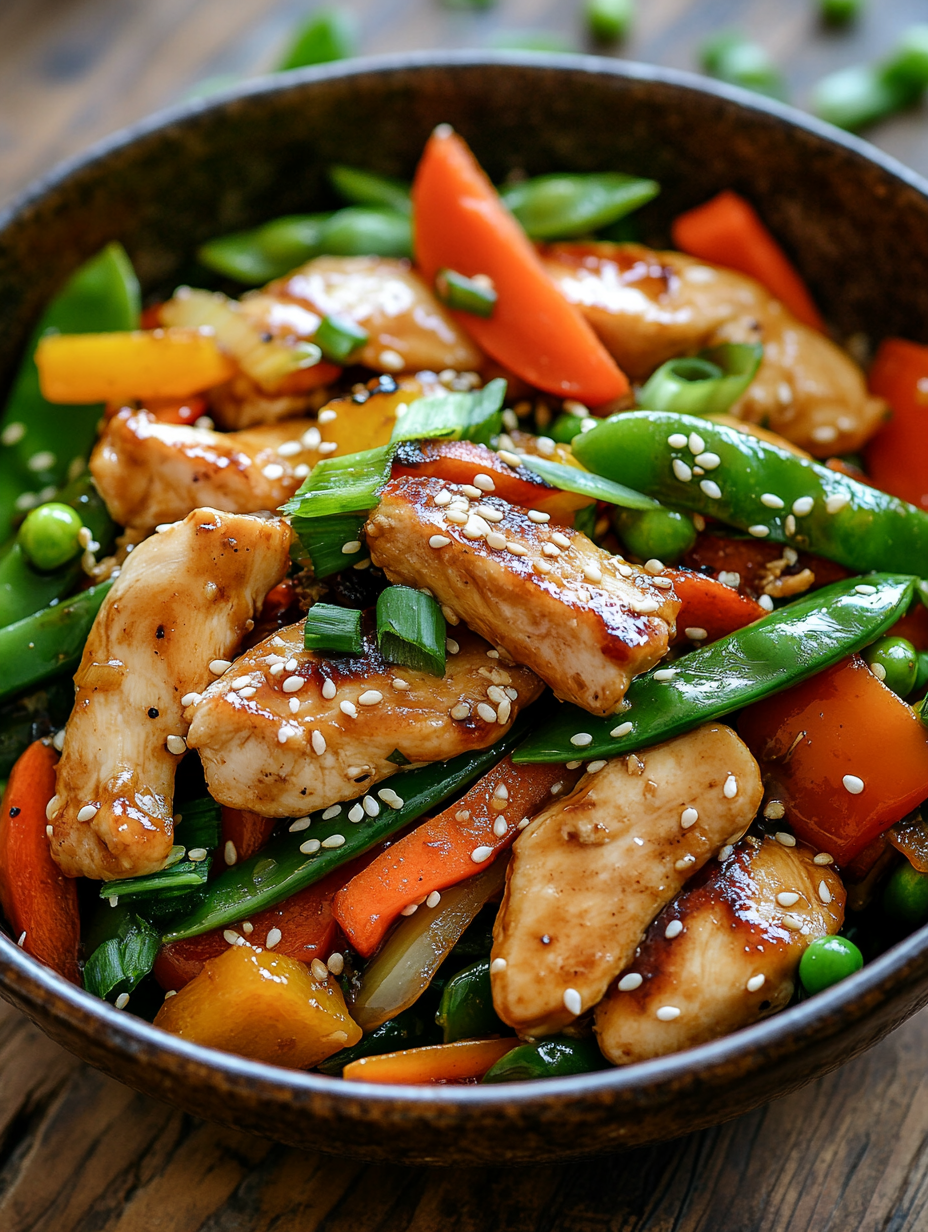
Quick and Easy Chicken Stir-Fry: A 30-Minute Meal That Packs a Flavor Punch
Introduction
There’s something incredibly comforting about a sizzling stir-fry, isn’t there? Growing up, my mom would whip up a vibrant chicken stir-fry on busy weeknights, the aroma of garlic and ginger wafting through our home like a warm embrace. As a child, I would hover around the stove, captivated by the vibrant colors of the broccoli and bell peppers mingling with tender bits of chicken. Those evenings, filled with laughter and the clattering of chopsticks against bowls, are some of my fondest memories.
I remember one particular night—my mom had just returned from the local farmer’s market, her arms loaded with fresh vegetables. She had a knack for choosing the ripest bell peppers, the greenest broccoli, and the crunchiest carrots. As she tossed them into the wok, the kitchen transformed into a mini Asian bistro, each ingredient coming together in a symphony of flavors. The best part? It took less than 30 minutes to prepare! Fast forward to today, and I still find myself turning to this quick and easy chicken stir-fry when I need a meal that’s both satisfying and uncomplicated. Each bite is a delightful reminder of those cherished family dinners, and I hope this recipe brings the same joy to your table.
Why This Recipe Works
This Quick and Easy Chicken Stir-Fry is not just a meal; it’s a reliable method for creating a delicious dish in no time. Let’s break down why this recipe is a go-to for busy cooks like yourself.
First and foremost, the technique of stir-frying allows for rapid cooking at high heat, which seals in the moisture and flavors of the chicken while giving vegetables a delightful crunch. This method can be achieved in a matter of minutes, making it perfect for those hectic weeknights when time is of the essence.
Next, the balance of flavors is what truly elevates this dish. The combination of soy sauce and hoisin sauce provides a rich umami flavor that enhances the chicken, while fresh ginger and garlic add aromatic qualities that awaken your taste buds. This balance is crucial in creating a stir-fry that feels complex yet achievable.
Additionally, this recipe celebrates versatility. You can easily swap out the vegetables based on what you have on hand or prefer. Want to add snap peas or mushrooms? Go for it! The flexibility means you can customize the dish to suit your family’s tastes, making it a reliable staple in your cooking repertoire.
What Makes It Special
What sets this chicken stir-fry apart from takeout or store-bought versions? Here are a few unique qualities that make this recipe truly special:
– Fresh Ingredients: Unlike takeout that may use preservatives or frozen components, this recipe emphasizes fresh, whole ingredients. You’ll be using vibrant veggies and fresh garlic and ginger, which not only taste better but are also more nutritious.
– Quick Cooking Time: In under 30 minutes, you can create a meal that rivals your favorite Chinese restaurant. This is perfect for those evenings when you want something homemade but don’t have the luxury of time.
– Customizable Flavors: The base of this stir-fry is incredibly adaptable. You can adjust the amount of soy sauce for a saltier profile, add more hoisin for sweetness, or even toss in some chili flakes to spice things up. You have full control over the flavor profile, unlike the often one-note taste of takeout.
– Healthier Option: By making this stir-fry at home, you can control the amount of oil and sodium, making it a healthier alternative to restaurant versions. Plus, you can load up on your favorite vegetables, ensuring you’re fueling your body with nutrients.
Ingredient Breakdown
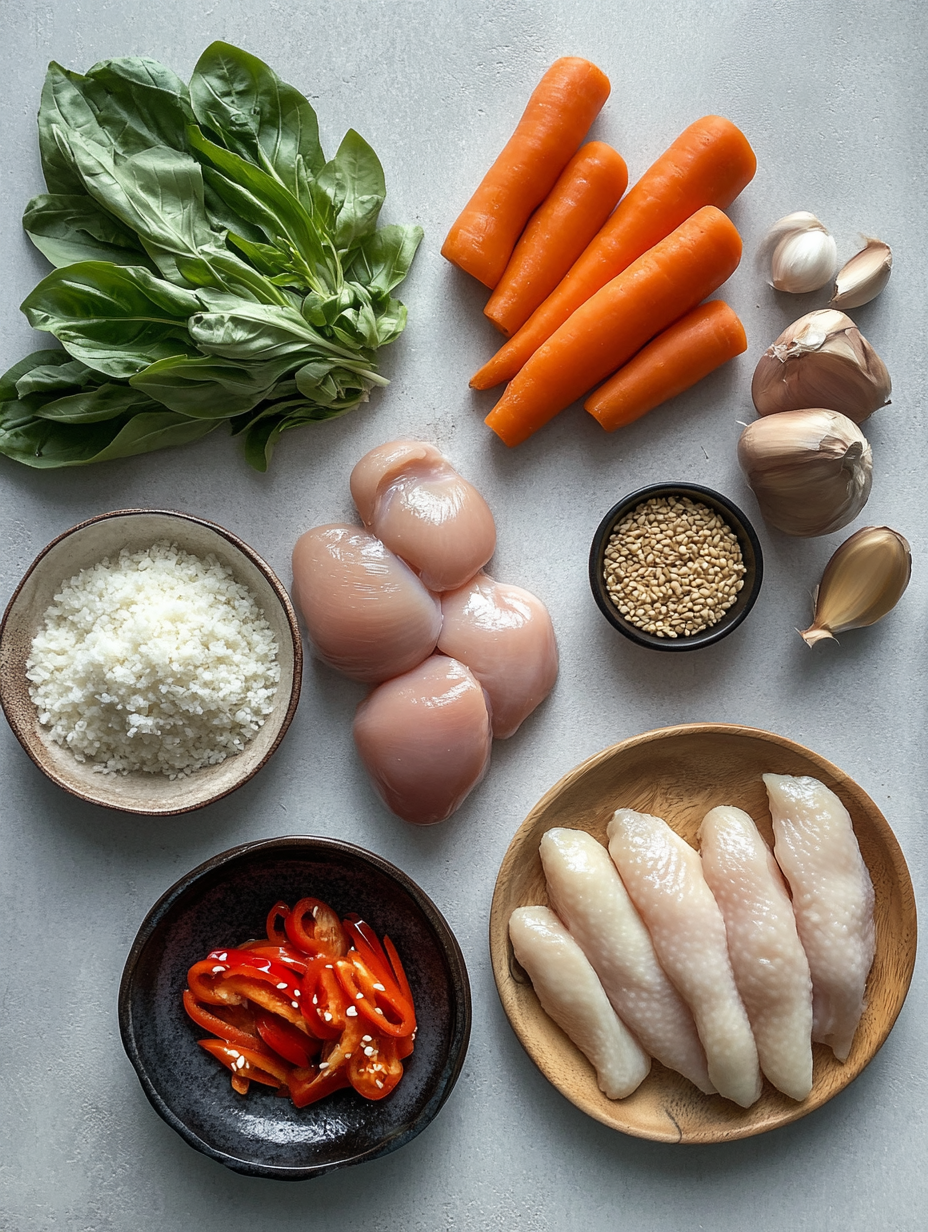
When it comes to making a great stir-fry, each ingredient plays a vital role. Here’s a detailed look at each component of this recipe and some suggestions for substitutions based on dietary needs or preferences.
1. Chicken Breast: The star of the dish, boneless, skinless chicken breast is lean and cooks quickly. If you’re looking for a lower-fat option, turkey breast can work well too. Alternatively, tofu or tempeh can be excellent plant-based substitutes for a vegetarian or vegan option.
2. Soy Sauce: This staple brings a rich, savory flavor to the dish. For a gluten-free alternative, you can use tamari. If you’re watching your sodium intake, there are low-sodium soy sauce options available.
3. Cornstarch: Used to marinate the chicken, cornstarch helps create a light coating that locks in moisture and tenderness. If you prefer a gluten-free option, arrowroot powder can be a great substitute.
4. Vegetable Oil: Essential for stir-frying, vegetable oil has a high smoke point perfect for high-heat cooking. Feel free to use canola or sunflower oil, or even sesame oil for a nutty flavor.
5. Broccoli Florets: Full of vitamins and minerals, broccoli adds both color and texture. You can substitute it with green beans or snap peas if you prefer a different vegetable.
6. Bell Pepper: The red bell pepper adds sweetness and vibrant color. Any bell pepper color works well, or you can use sliced bok choy for a twist.
7. Carrot: A great source of beta-carotene, the carrot adds a nice crunch. If you’re looking for more variety, zucchini or snow peas are also fantastic choices.
8. Garlic: Fresh garlic provides an aromatic base that brings depth to the dish. Garlic powder can be used in a pinch, though fresh garlic is always recommended for the best flavor.
9. Ginger: Fresh ginger adds a warm spiciness that is essential for authentic flavor. Ground ginger can be used as a substitute but keep in mind that fresh provides a more vibrant taste.
10. Hoisin Sauce: This thick, sweet sauce adds an entirely new dimension to your stir-fry. If you’re looking for a lower-sugar option, you can make a homemade version using soy sauce, peanut butter, and honey.
11. Green Onions: Used as a garnish, green onions add a fresh, crisp bite. You can replace them with chives or omit them if they’re not your preference.
12. Sesame Seeds: These tiny seeds add a lovely crunch and nutty flavor. If you’re allergic to sesame, sunflower seeds can be a good alternative.
Equipment Needed
To create your delicious stir-fry, you’ll need a few essential kitchen tools that make the process seamless and enjoyable:
– Wok or Large Skillet: A wok is ideal for stir-frying due to its shape and surface area, allowing for even heat distribution. If you don’t have a wok, a large skillet will work just as well. Look for one with a non-stick surface for easy cooking and cleaning.
– Sharp Knife: A good chef’s knife is vital for precise chopping and slicing of your ingredients. Dull knives can be dangerous and make cooking less enjoyable, so invest in a quality knife that feels comfortable in your hand.
– Cutting Board: A sturdy cutting board protects your countertops and provides a stable surface for chopping. Wooden or bamboo boards are great options, but make sure to have a separate one for raw chicken to avoid cross-contamination.
– Spatula or Wooden Spoon: You’ll need a sturdy spatula or wooden spoon to stir and toss your ingredients in the hot skillet or wok. A silicone spatula is a good option as it won’t scratch your cookware.
– Measuring Cups and Spoons: Precise measurements can make a significant difference in flavor, so keep a set of measuring cups and spoons handy for accuracy.
– Mixing Bowl: A medium-sized mixing bowl is ideal for marinating your chicken. Choose one that’s large enough to toss the chicken with the marinade easily.
With these tools at your disposal, you’re well on your way to whipping up a mouthwatering chicken stir-fry in no time!
Step-by-Step Instructions
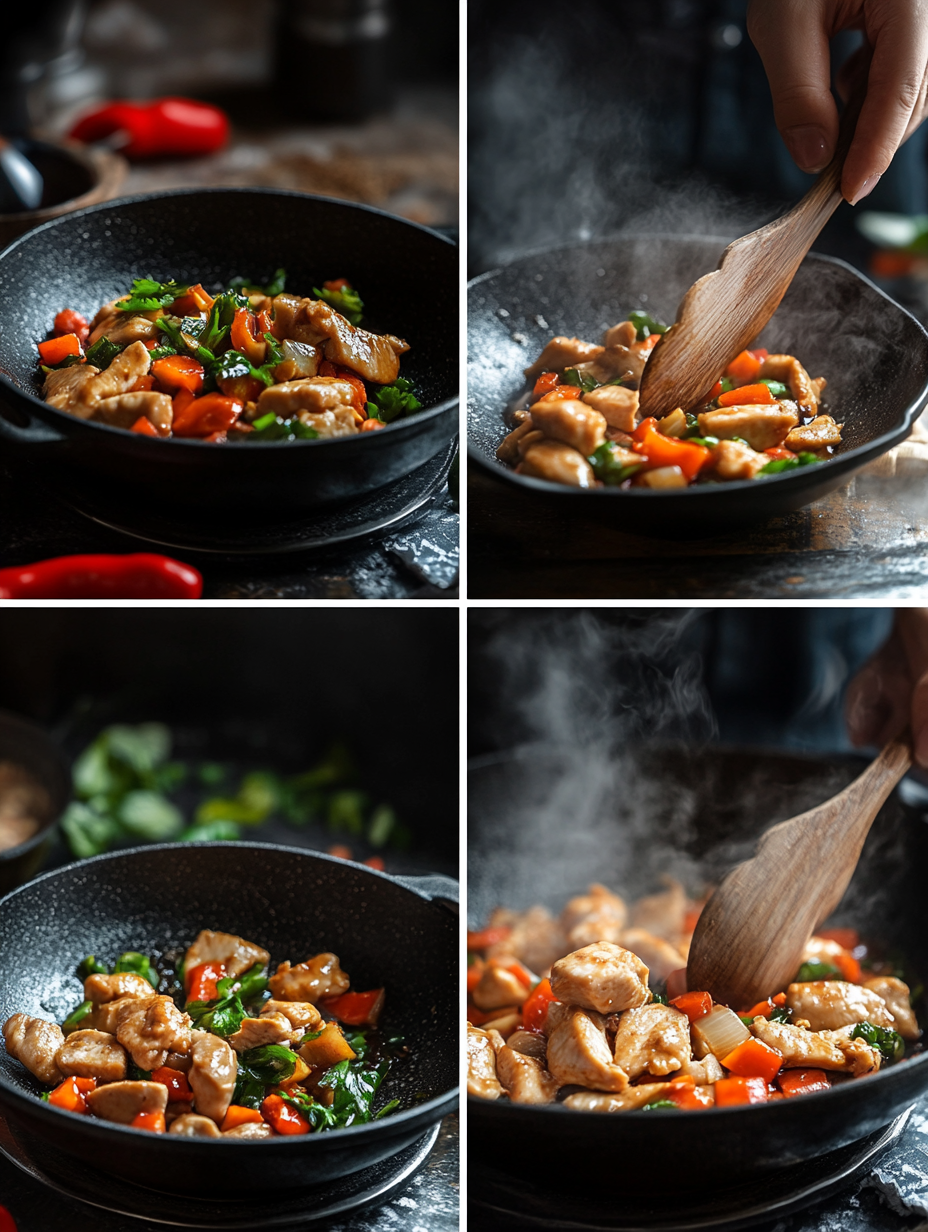
1. Marinate Your Chicken
Begin by slicing your boneless, skinless chicken breast into thin strips. In a medium bowl, combine the chicken with soy sauce and cornstarch. Mix well to ensure the chicken is fully coated. Let the chicken marinate for about 5 minutes. During this time, you’ll notice the chicken absorbing the flavors of the soy sauce, while the cornstarch helps to tenderize the meat and create a slight crust during cooking. You should hear the slight sound of the sauce sloshing around as you mix.
2. Heat the Skillet
Grab a large skillet or wok and add 1 tablespoon of vegetable oil. Heat it over medium-high heat until the oil shimmers—this is a sign that it’s hot enough for the chicken. You’ll want to listen for a slight sizzle as the oil heats up. If it’s too low, the chicken will stick; if it’s too high, it will burn quickly.
3. Cook the Chicken
Carefully add the marinated chicken to the heated skillet. Stir-fry the chicken for about 5-7 minutes, stirring constantly. You want to hear the satisfying sizzle that tells you the chicken is cooking properly. As it cooks, it should turn a lovely golden brown color. Once it’s no longer pink in the center, remove the chicken from the skillet and set it aside. This step is critical for achieving a well-cooked chicken that retains moisture.
4. Sauté the Vegetables
In the same skillet, add the remaining tablespoon of vegetable oil. Once it’s hot, toss in the broccoli florets, sliced bell pepper, and sliced carrot. Stir-fry for about 3-4 minutes until the veggies are tender-crisp. You should see vibrant colors and hear a satisfying crunch as they cook. This is where you bring life to your dish—don’t overcook the veggies; they should still have a slight bite to them.
5. Add Aromatics
With the vegetables tender but still crunchy, it’s time to add the garlic and ginger. Cook for an additional 1-2 minutes, stirring frequently until they become fragrant. The smell will be heavenly! You want to keep an eye on them; burnt garlic can ruin the dish and give it a bitter taste.
6. Combine Everything
Now it’s time to bring it all together. Return the cooked chicken to the skillet with the veggies, and pour in the hoisin sauce. Stir everything together, ensuring the chicken and vegetables are well coated in the sauce. Cook for another minute until everything is heated through, and the hoisin sauce has thickened slightly. You’ll know it’s ready when the mixture is bubbly and everything is glistening.
7. Garnish and Serve
Finally, serve your stir-fry hot, garnished with sliced green onions and a sprinkle of sesame seeds. The sesame seeds will add a nice crunch and visual appeal, while the green onions bring a fresh brightness. Enjoy the delightful aroma wafting through your kitchen as you dish it out!
Chef’s Note: Remember, timing is key to keep your vegetables vibrant and crisp while ensuring your chicken is perfectly cooked.
Pro Tips for the Best Results
– Use High Heat: Cooking on high heat is crucial for a stir-fry. It helps to sear the chicken quickly and keeps the veggies from getting soggy. Always preheat your oil until it shimmers before adding ingredients.
– Don’t Crowd the Pan: If you have too much chicken or vegetables in the skillet at once, they will steam instead of fry. Cook in batches if necessary to achieve that beautiful browning and texture.
– Prep Ahead: Measure and chop all your ingredients before you start cooking. Stir-frying is a quick process, and having everything ready will help you work efficiently.
– Experiment with Sauces: While hoisin sauce adds a sweet, tangy flavor, feel free to mix it up with oyster sauce or teriyaki for different flavor profiles.
– Add Nuts for Crunch: For an added texture, consider tossing in some cashews or almonds during the last minute of cooking. This adds an unexpected crunch that balances the tender chicken and crisp veggies.
– Adjust for Spice: If you like heat, add some red pepper flakes or a dash of sriracha to your stir-fry. This is a simple way to elevate the dish and cater to your palate.
– Fresh Herbs are Key: Fresh herbs like cilantro or basil can take this dish to another level. Add them right before serving for a burst of fresh flavor.
Common Mistakes to Avoid
1. Not Marinating Long Enough: A quick marination of just 5 minutes might not be enough for some. If possible, let it sit for 30 minutes to absorb even more flavor. Skipping this can lead to bland chicken.
2. Overcooking the Vegetables: If you leave the vegetables in the pan too long, they’ll lose their bright color and crunch. Aim for tender-crisp veggies, which enhance both the texture and visual appeal.
3. Using Cold Ingredients: Cold chicken or veggies will lower the skillet’s temperature, leading to steaming rather than frying. Ensure everything is at room temperature before you start cooking.
4. Skipping the Cornstarch: Omitting cornstarch in the marinade can result in a less tender chicken and a lack of that delightful coating. Cornstarch helps create a lovely crust while locking in moisture.
5. Cooking Too Long on High Heat: While high heat is important, too long can lead to burnt chicken or vegetables. Listen for the sizzle and keep stirring to prevent burning.
6. Not Tasting Before Serving: Always taste your dish before serving to adjust seasoning. You might need a pinch of salt or a dash of soy sauce to balance the flavors.
7. Using Low-Quality Ingredients: Fresh, high-quality ingredients make all the difference in a stir-fry. Utilize the freshest produce and good-quality sauces for the best flavor outcome.
Creative Variations
1. Seasonal Stir-Fry: Embrace the changing seasons by incorporating seasonal vegetables. In spring, add asparagus and snap peas; in fall, try butternut squash and Brussels sprouts. This keeps your dish fresh and exciting.
2. Dietary-Friendly Options: For a gluten-free version, substitute soy sauce with tamari or coconut aminos. If you’re following a keto diet, replace the hoisin sauce with a sugar-free alternative and add zucchini noodles instead of rice.
3. Gourmet Elevated: Elevate the classic stir-fry by using marinated tofu or shredded duck instead of chicken. Add a splash of rice wine or a drizzle of truffle oil just before serving for a decadent twist.
4. Quick 15-Minute Stir-Fry: For an ultra-quick meal, use pre-cut frozen stir-fry vegetables and pre-cooked rotisserie chicken. Just toss everything in a hot pan with the sauce and reheat for a speedy meal.
5. Kid-Friendly Stir-Fry: Customize for younger palates by using sweet vegetables like peas and corn. Serve it over plain rice or noodles with a side of soy sauce for dipping, making it more appealing to kids.
6. International Twist: For an Asian fusion, incorporate elements like Thai basil or curry paste for a unique flavor. Alternatively, for a Mexican twist, add bell peppers and serve with tortillas to create a stir-fry fajita!
7. One-Pan Wonders: Reduce cleanup by adding pre-cooked quinoa or rice directly to the skillet in the last few minutes of cooking. This allows the grains to soak up all the delicious flavors from the chicken and veggies!
Serving Ideas
When it comes to serving your Quick and Easy Chicken Stir-Fry, presentation can elevate your dish from simple to spectacular. Here are a few plating ideas to consider:
1. Family-Style Platter: Serve the stir-fry in a large, colorful bowl, allowing everyone to help themselves. Scatter the sesame seeds and green onions on top for an inviting appearance.
2. Individual Bowls: For a more personal touch, plate the stir-fry in individual bowls. This allows you to control portion sizes and mix in a scoop of rice or noodles at the bottom if desired.
3. On a Bed of Greens: For a light and refreshing twist, serve the stir-fry atop a bed of fresh spinach or mixed greens. The warmth of the stir-fry will slightly wilt the greens for a delightful texture contrast.
4. With Rice Noodles: If you’re feeling adventurous, toss some cooked rice noodles into the stir-fry just before serving. This not only adds a lovely texture but also makes the dish more filling.
5. Garnishing: Elevate your dish with a sprinkle of red pepper flakes for a hint of spice or a drizzle of sesame oil for added flavor. Fresh cilantro or basil can also be a fragrant and colorful addition.
What to Serve With
Pairing your chicken stir-fry with complementary dishes makes for a complete meal. Here are some ideal accompaniments:
1. Jasmine Rice: The fluffy texture and subtle fragrance of jasmine rice pair wonderfully with stir-fry. It absorbs the sauce beautifully, making each bite flavorful.
2. Brown Rice: For a healthier option, brown rice adds fiber and a nutty taste, enhancing the overall nutrition of your meal.
3. Fried Rice: Spice things up by serving your stir-fry alongside fried rice. The combination of flavors and textures will delight your palate.
4. Spring Rolls: A side of fresh or fried spring rolls adds a crispy element to your meal. The contrast between the crunch of the rolls and the tender stir-fry is delightful.
5. Miso Soup: A warm bowl of miso soup complements the flavors of the stir-fry and adds warmth to the meal, making it perfect for cozy nights.
6. Sautéed Greens: Consider sautéed bok choy or spinach seasoned with garlic. The greens not only add a pop of color but also provide additional nutrients.
Storage Guide
To ensure your Quick and Easy Chicken Stir-Fry remains fresh for future meals, proper storage is essential. Here’s what you need to know:
– Container Type: Use airtight glass or plastic containers for storing your stir-fry. Glass containers are preferable as they won’t absorb odors and are microwave-safe.
– Temperature: Allow the stir-fry to cool to room temperature before transferring it to the fridge. Store it in the refrigerator at or below 40°F (4°C).
– Days it Keeps: Properly stored, your stir-fry will last for up to 3-4 days in the refrigerator without losing its flavor and texture.
– Signs Gone Bad: If you notice any off smells, discoloration, or a slimy texture, it’s best to discard the stir-fry to avoid foodborne illness.
– How to Refresh: When you’re ready to enjoy leftovers, you can refresh the stir-fry by reheating it in a skillet with a splash of water or broth to restore moisture.
Freezing Tips
Yes, your Chicken Stir-Fry freezes well, making it a fantastic option for meal prep. Here’s how to get the best results:
– Portioning: Divide the stir-fry into individual servings before freezing. This allows you to thaw only what you need without wasting any food.
– How Long: When stored in airtight freezer bags or containers, your stir-fry can last for up to 3 months. Be sure to label and date your containers for reference.
– Thawing Method: For best results, thaw the stir-fry in the refrigerator overnight. If you’re short on time, you can use the microwave on the defrost setting, stirring occasionally until fully thawed.
Reheating Guide
Reheating your chicken stir-fry correctly is crucial for maintaining its delicious flavor and texture. Here are three methods to get it just right:
– Microwave: Place your stir-fry in a microwave-safe bowl, cover it with a damp paper towel, and heat on high for 1-2 minutes. Stir halfway through to ensure even heating.
– Oven: Preheat your oven to 350°F (175°C). Spread the stir-fry on a baking sheet and cover it with aluminum foil. Heat for about 10-15 minutes, or until warmed through.
– Stovetop: Heat a tablespoon of oil in a skillet over medium heat. Add the stir-fry, and stir frequently until heated through, about 5-7 minutes. This method retains the crispness of the vegetables.
Nutrition Overview
Your Quick and Easy Chicken Stir-Fry not only satisfies your taste buds but also packs a nutritious punch. Here’s what you need to know:
– Calories: Each serving (approximately 1/4 of the total recipe) contains about 300-350 calories, making it a relatively low-calorie option for a satisfying meal.
– Macros: Each serving typically includes around 25 grams of protein, 15 grams of carbohydrates, and 15 grams of fat, depending on the specific ingredients and cooking methods used.
– Health Benefits: Key ingredients like broccoli and carrots are rich in vitamins and antioxidants, promoting overall health. Ginger can aid in digestion and reduce inflammation, while chicken provides a great source of lean protein, essential for muscle repair and growth.
Frequently Asked Questions
Q: Can I use frozen chicken for this stir-fry?
A: Yes, you can use frozen chicken, but it’s best to thaw it completely before marinating and cooking. This ensures even cooking and better texture.
Q: What can I substitute for hoisin sauce?
A: If you don’t have hoisin sauce, you can substitute it with a mixture of soy sauce, honey, and a splash of vinegar for a similar sweet and savory flavor.
Q: Can I add more vegetables to the stir-fry?
A: Absolutely! Feel free to customize your stir-fry with additional vegetables like snap peas, zucchini, or mushrooms. Just make sure to adjust the cooking time accordingly.
Q: Is this recipe gluten-free?
A: To make the stir-fry gluten-free, use tamari instead of soy sauce. Always check your hoisin sauce label as some brands may contain gluten.
Q: Can I make this dish vegetarian?
A: Yes! Substitute the chicken with tofu or tempeh, and use vegetable broth instead of chicken broth if you opt for a sauce base.
Q: How spicy is this stir-fry?
A: The recipe as written is not spicy, but you can easily adjust the heat by adding red pepper flakes or fresh chili peppers to suit your taste.
Q: What’s the best way to cut chicken for stir-fry?
A: For tender pieces, slice the chicken against the grain into thin strips. This helps to keep the meat juicy and reduces cooking time.
Q: How do I know when the chicken is fully cooked?
A: Chicken should reach an internal temperature of 165°F (75°C). You can cut into a piece to check for any pinkness or use a meat thermometer for accuracy.
Final Thoughts
Creating your Quick and Easy Chicken Stir-Fry can be a delightful experience that brings vibrant flavors to your dinner table in just 30 minutes. Here’s a key tip: don’t be afraid to experiment with different vegetables and sauces to make the dish your own. Remember, cooking is about joy and creativity, so have fun with it! Your family and friends will appreciate the love and care you put into each meal. Enjoy this delicious stir-fry as a quick weeknight dinner or a delicious meal prep option.