Follow Me On Pinterest!
One Pan Teriyaki Salmon and Veggies

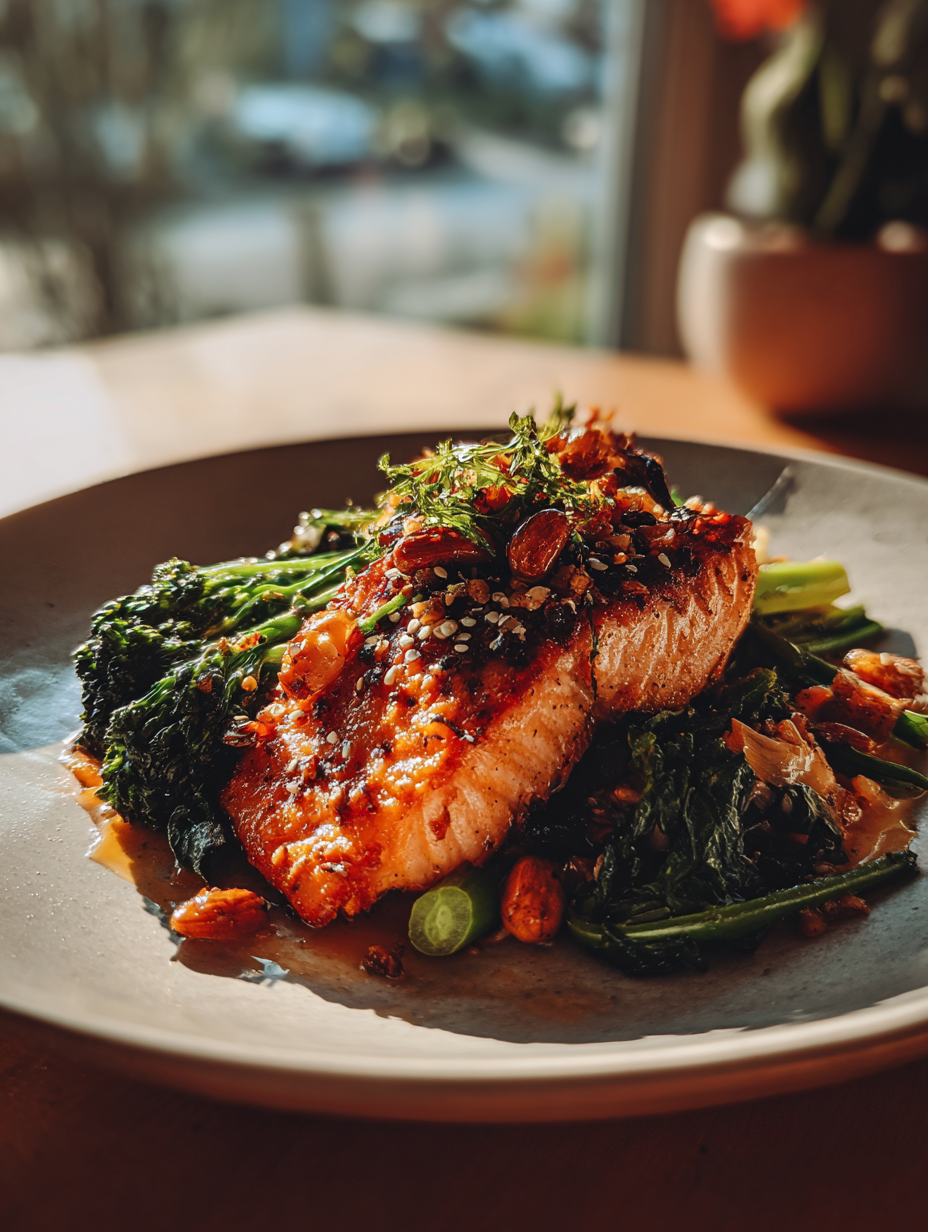
A Symphony of Flavors: Quick, Healthy, and Effortlessly Delicious
—
Introduction
There’s something magical about the first whiff of a homemade dish that instantly transports you back in time. For me, that dish is One Pan Teriyaki Salmon and Veggies. I remember vividly the evening my best friend and I decided to host a cozy dinner for our families. It was a crisp autumn night; the air was filled with the scent of fallen leaves and the distant sound of laughter from children playing outside. As we gathered in my kitchen, the sizzle of the salmon meeting the hot pan played a delightful melody, blending seamlessly with the laughter and chatter around us.
The vibrant colors of the vegetables—bright green broccoli, fiery red bell peppers, and deep orange carrots—danced together in the pan, adding a visual feast to the auditory symphony. As the sweet and tangy aroma of teriyaki sauce enveloped the room, I felt a warmth that came not just from the oven but from sharing good food with loved ones. When we finally sat down to enjoy the meal, each tender bite of salmon paired perfectly with the crispy yet succulent veggies, creating a harmony of flavors that made each mouthful unforgettable.
This recipe quickly became a favorite in my home, celebrated not just for its delectable taste but for the effortless way it brings everyone together. With just one pan, it simplifies clean-up, making it ideal for busy weeknights or gatherings. You’ll find that this dish is not only easy to prepare but also incredibly satisfying to eat. So, let’s dive into how you can whip up your own One Pan Teriyaki Salmon and Veggies, and create memories just like mine.
—
Why This Recipe Works
What makes One Pan Teriyaki Salmon and Veggies such a standout dish is the harmony of flavors and textures that come together effortlessly. At the heart of this recipe is the teriyaki sauce, a magical blend of soy sauce, sugar, and mirin, which brings a sweet yet savory depth to the salmon. This sauce not only coats the fish but also infuses the vegetables with a delightful umami punch, ensuring that every bite explodes with flavor.
The salmon itself plays a crucial role in this dish—its natural richness is beautifully complemented by the crunchy, colorful veggies. When you place the salmon on the pan, the skin crisps up just right, creating a contrast to the tender, flaky fish beneath. The choice of vegetables is equally important; by using a mix of broccoli, bell peppers, and carrots, you achieve a satisfying crunch that balances the softness of the salmon.
Another key aspect is the cooking technique. By using a single pan, you foster an environment where the salmon’s juices intermingle with the veggies, resulting in a cohesive dish that’s bursting with flavor. Unlike generic versions you might find in stores, this homemade recipe allows you to control the quality of ingredients, ensuring freshness and taste that is simply unmatched.
This dish is not just about feeding your hunger; it’s about creating a nourishing experience. You’ll find that the balance of textures and flavors will make it a go-to recipe in your kitchen.
—
What Makes It Special
This One Pan Teriyaki Salmon and Veggies recipe stands out for several reasons.
– Freshness Over Processed: Unlike many store-bought teriyaki meals that can be loaded with preservatives and artificial flavors, you’re working with fresh, whole ingredients here. When you make this dish at home, you control the quality and enjoy every bite knowing that it’s wholesome.
– Cost-Effective: Eating out or buying pre-packaged meals can quickly add up. With this recipe, you’re not just saving money but also getting more value for your dollar by using ingredients that you can purchase in bulk and use in multiple meals.
– Customization: Perhaps you have a favorite vegetable or a dietary preference? This recipe is incredibly versatile. You can swap out the veggies based on what you have on hand or your personal preferences, making it a flexible option for any dinner table.
– Surprising Depth of Flavor: The addition of a splash of sesame oil at the end of cooking elevates the dish, adding a nutty richness that complements the sweetness of the teriyaki sauce beautifully. This little twist sets your homemade version apart from typical recipes.
With these qualities, it’s no wonder this dish quickly becomes a cherished staple in your culinary repertoire.
—
Ingredient Breakdown
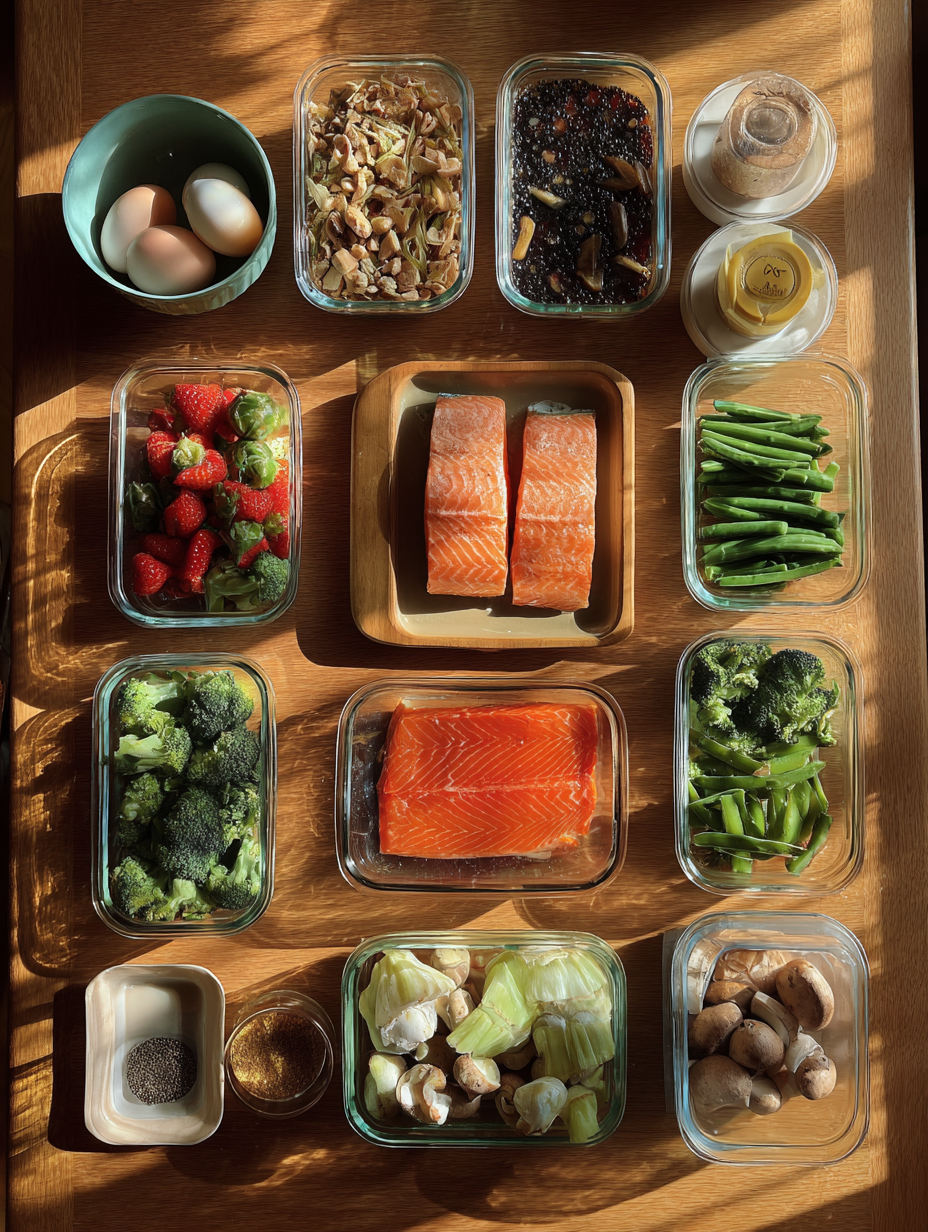
To craft your One Pan Teriyaki Salmon and Veggies, you’ll need the following ingredients, each playing a pivotal role in creating a well-rounded dish:
1. Salmon Fillets: The star of your meal, salmon is rich in omega-3 fatty acids and has a buttery texture that melts in your mouth. Aim for about 6 ounces per serving to ensure a satisfying portion. Fresh is best, but you can also use frozen fillets; just make sure to thaw them properly before cooking.
2. Broccoli Florets: These crunchy bites add not only color but also essential vitamins. About 1-2 cups will do, depending on how veggie-heavy you want your meal. They should remain slightly crisp after cooking for the best texture.
3. Bell Peppers: The sweet crunch of red or yellow bell peppers adds a burst of color and flavor. Use 1-2 cups, sliced into strips. They cook quickly and will absorb the savory teriyaki sauce beautifully.
4. Carrots: These add a subtle sweetness and vibrant orange that brightens the dish. Slice or julienne about 1-2 cups, ensuring they are uniform in size for even cooking.
5. Teriyaki Sauce: You can use store-bought or homemade. If you’re making it from scratch, combine equal parts soy sauce, mirin, and sugar, simmering until thickened. You’ll need about ½ cup for the recipe.
6. Sesame Oil: A drizzle at the end provides a nutty flavor that enhances the dish. Use about 1-2 tablespoons.
7. Garlic: Minced garlic (2-3 cloves) adds a pungent kick that complements the sweetness of the teriyaki sauce.
8. Ginger: Freshly grated ginger (1 tablespoon) contributes warmth and a hint of spice, balancing the flavors beautifully.
Substitution Options
– Dairy-Free: This recipe is naturally dairy-free, so you don’t need to worry about replacing any components.
– Gluten-Free: Substitute regular soy sauce with tamari or a gluten-free soy sauce to keep this dish gluten-free.
– Vegan: For a vegan version, replace the salmon with tofu or tempeh, marinating it in the teriyaki sauce for added flavor.
Specialty Ingredients
You can find most of these ingredients at your local grocery store, but for the best quality, consider visiting an Asian market for authentic teriyaki sauce, mirin, and sesame oil.
—
Equipment Needed
To make your One Pan Teriyaki Salmon and Veggies, you’ll need a few essential tools to ensure a smooth cooking experience:
1. Large Skillet or Frying Pan: This is your main cooking vessel. A good, heavy-bottomed skillet ensures even heat distribution, which is key for achieving that perfect sear on your salmon.
2. Spatula: A sturdy spatula is essential for flipping the salmon without breaking it apart, as well as for stirring the veggies. A silicone or wooden spatula is preferable to prevent scratching your pan.
3. Measuring Cups and Spoons: Accurate measurements are crucial for the teriyaki sauce and other ingredients, helping you achieve the perfect balance of flavors.
4. Cutting Board and Knife: A sharp knife and a sturdy cutting board will make slicing and dicing your vegetables a breeze.
Optional Tools
– Instant-read Thermometer: If you’re concerned about cooking your salmon perfectly, an instant-read thermometer can help you achieve that ideal internal temperature of 145°F.
– Lid for the Skillet: While not essential, having a lid can help steam the veggies if you prefer them softer.
Affordable Alternatives
If you don’t have a large skillet, you can use a baking sheet to roast the salmon and veggies in the oven, though this will require more than one dish. However, investing in a good skillet will pay off in the long run when it comes to versatility in cooking.
Step-by-Step Instructions

1. Preheat Your Oven
Begin by setting your oven to 425°F (220°C). This high temperature is crucial for roasting the salmon and veggies quickly, ensuring they retain their moisture and flavors. You’ll know it’s ready when you can feel a gentle heat radiating from the oven. This step is essential as a properly preheated oven promotes even cooking.
2. Prepare the Teriyaki Sauce
In a small bowl, whisk together 1/4 cup of soy sauce, 2 tablespoons of honey, 1 tablespoon of rice vinegar, and 1 teaspoon of sesame oil until fully combined. You want the mixture to be smooth with a slightly sticky consistency. Chef’s Note: You can taste the sauce at this point; it should be a balanced blend of salty and sweet. If you prefer a thicker sauce, consider simmering it over medium heat on the stove for a few minutes until it reduces slightly.
3. Choose and Cut Your Veggies
Chop your chosen vegetables into uniform pieces, aiming for about 1-inch chunks for even cooking. Good options are bell peppers, broccoli florets, and snap peas. Pay attention to the colors—using a mix of vibrant vegetables not only enhances the dish visually but also adds a variety of nutrients. As you cut, listen for the satisfying crunch of fresh vegetables, which indicates their crispness.
4. Arrange the Ingredients on the Pan
On a large baking sheet lined with parchment paper, place your chopped veggies on one side, ensuring they are in a single layer for even roasting. On the other side, carefully place the salmon fillets skin-side down, spacing them apart. Drizzle the teriyaki sauce generously over both the salmon and vegetables. Chef’s Note: If you have a brush, use it to evenly coat the salmon for maximum flavor. You should see the shiny glaze of the sauce covering the surface of the salmon and veggies.
5. Roast in the Oven
Slide the baking sheet into your preheated oven and roast for about 15-20 minutes. The salmon should be opaque and flake easily with a fork, while the veggies will be tender but still vibrant in color. Keep an eye on them; you may hear a gentle sizzling sound as they cook, which is a great sign. Chef’s Note: For a touch of char, consider broiling the pan for the last 2-3 minutes of cooking, but watch closely to avoid burning.
6. Garnish and Serve
Once the salmon and veggies are done, carefully remove the baking sheet from the oven. Let it rest for a couple of minutes. You’ll notice the aroma of teriyaki wafting through your kitchen—this is your cue that it’s time to eat! Finally, garnish with chopped green onions or sesame seeds for an added crunch and pop of flavor. Chef’s Note: Serve the dish with steamed rice or quinoa to soak up the delicious sauce and complete the meal.
Pro Tips for the Best Results
1. Use Fresh Ingredients
Fresh salmon and seasonal vegetables will elevate your dish significantly. Fresh ingredients not only taste better but also provide more nutrients and vibrant colors. Always choose salmon that has a bright, moist appearance, and vegetables that are firm and crisp.
2. Adjust the Sauce to Your Taste
Feel free to tweak the teriyaki sauce to your preference by adjusting the ratio of honey to soy sauce. If you want a sweeter sauce, add more honey. For a saltier kick, increase the soy sauce. This flexibility allows you to create a flavor profile that best suits your palate.
3. Invest in a Good Baking Sheet
A heavy-duty baking sheet conducts heat better and distributes it evenly, ensuring your salmon and veggies cook uniformly. If your sheet is flimsy, you risk uneven cooking and soggy vegetables. Look for one made from stainless steel or aluminum.
4. Don’t Overcrowd the Pan
If you crowd the pan with too many ingredients, they will steam instead of roast, resulting in a soggy texture. Make sure there’s space between the pieces—this allows for better caramelization and that coveted roasted flavor.
5. Let the Salmon Rest
Allowing the salmon to rest for a few minutes after it’s out of the oven helps the juices redistribute, making for a more succulent bite. If you skip this step, the juices will run out when you cut into it, leaving you with a drier piece of fish.
6. Experiment with Veggie Combinations
Don’t feel confined to just one type of vegetable. Mix and match based on what you have on hand or what’s in season. Carrots, zucchini, and asparagus are great alternatives that can add different textures and flavors.
7. Make a Double Batch
If you’re going through the effort of making this dish, consider making a double batch. You can enjoy leftovers the next day, either cold in a salad or reheated for a quick meal. Just be sure to store it in an airtight container to maintain freshness.
Common Mistakes to Avoid
1. Using Frozen Salmon
Mistake: Cooking with frozen salmon can lead to uneven cooking and a rubbery texture.
Correct Approach: Always use fresh or properly thawed salmon for the best results. If using frozen, thaw it in the refrigerator overnight or under cold running water before cooking.
2. Not Preheating the Oven
Mistake: Skipping the preheating step can cause uneven cooking and extended cooking times.
Correct Approach: Always preheat your oven to the specified temperature, ensuring that your dish cooks evenly and develops the right texture.
3. Overcooking the Salmon
Mistake: Cooking salmon too long makes it dry and unappetizing.
Correct Approach: Aim for an internal temperature of 145°F (63°C). It should be opaque and flake easily with a fork. Use a meat thermometer for precision.
4. Ignoring Vegetable Size
Mistake: Cutting vegetables into uneven sizes leads to inconsistent cooking times.
Correct Approach: Chop your veggies into similar-sized pieces (about 1-inch) to ensure they roast evenly and all reach tenderness simultaneously.
5. Skipping the Sauce
Mistake: Neglecting the teriyaki sauce can result in bland salmon and veggies.
Correct Approach: Generously drizzle or brush the teriyaki sauce over both the salmon and veggies to infuse them with flavor. Reserve some sauce for serving if desired.
6. Not Using Parchment Paper
Mistake: Cooking directly on the baking sheet can lead to sticking and uneven browning.
Correct Approach: Use parchment paper or a silicone mat to prevent sticking and make cleanup a breeze. This also helps the vegetables caramelize better.
7. Forgetting to Garnish
Mistake: Serving without a garnish can make the dish look unpolished.
Correct Approach: Adding fresh herbs, sesame seeds, or sliced green onions not only enhances the presentation but also adds an extra layer of flavor and texture.
Creative Variations
1. Seasonal Variation
For a Seasonal Variation, use roasted butternut squash and Brussels sprouts in place of the typical veggies. These ingredients will bring a sweet, earthy flavor that complements the teriyaki sauce beautifully during the fall and winter months.
2. Dietary-Friendly Version
Try a Vegan Teriyaki Tofu and Veggies version by substituting salmon with firm tofu. Press the tofu to remove excess moisture, then marinate it in the teriyaki sauce before roasting. This will give you a hearty, plant-based alternative that’s equally delicious.
3. Gourmet Elevated Version
For a Gourmet Elevated Version, use miso-marinated black cod instead of salmon and add shiitake mushrooms and baby bok choy as veggies. This version will give your dish a rich umami flavor and a touch of elegance, perfect for impressing dinner guests.
4. Quick 15-Minute Version
When you’re pressed for time, make a Quick 15-Minute Version using pre-marinated salmon fillets and pre-cut stir-fry vegetables. Simply toss everything on a sheet pan and roast for about 10-12 minutes. This will save you time without compromising on flavor.
5. Kid-Friendly Version
For a Kid-Friendly Version, use mild fish like tilapia or cod and include sweet bell peppers and snap peas. You can also reduce the amount of soy sauce in the teriyaki to make it less salty. Kids will love the colorful veggies and the sweet sauce!
6. International Twist
Give your dish an International Twist by replacing the teriyaki sauce with a homemade chimichurri sauce. Use cilantro, parsley, garlic, and olive oil to create a fresh, vibrant topping for the salmon and veggies, bringing a South American flair to your meal.
Serving Ideas
When it comes to serving your One Pan Teriyaki Salmon and Veggies, presentation can elevate your dish from ordinary to extraordinary. Here are some beautiful ways to plate and serve it:
1. Layered Presentation: Start with a base of fluffy jasmine rice, creating a bed for the salmon and veggies. Place the salmon fillet at an angle, allowing the vibrant veggies, like bright green snap peas and glossy red bell peppers, to cascade over the side. Drizzle with extra teriyaki sauce before serving for a glossy finish.
2. Bowl Style: For a more rustic, cozy approach, serve the salmon and veggies in individual bowls. Add a sprinkle of sesame seeds and a few slices of green onion on top for a pop of color and texture. This format invites your guests to dive in and enjoy every bite.
3. Garnished Platter: Arrange your salmon and veggies on a large platter. Scatter fresh cilantro or parsley leaves on top for a fragrant touch. Add lemon wedges on the side for a zesty burst, encouraging guests to squeeze fresh juice over their servings.
4. Color Contrast: Mix your presentation by incorporating contrasting colors. Serve bright orange salmon alongside deep green broccoli and vibrant purple cabbage. A dash of chili flakes can also add a pop of color, as well as a hint of heat, making the dish visually exciting.
5. Portion Control: For a more refined dining experience, serve smaller portions of salmon with a medley of veggies artfully arranged on the plate. Use a ring mold for the rice to create a clean shape, and finish with a drizzle of teriyaki sauce in a decorative swirl around the plate. This approach is perfect for entertaining and feels special.
What to Serve With
Pairing your One Pan Teriyaki Salmon and Veggies with complementary dishes can enhance the meal experience. Here are some delightful options:
1. Miso Soup: A warm bowl of miso soup serves as a comforting start. The umami flavors of the miso contrast perfectly with the sweet teriyaki sauce, and the delicate seaweed adds a lovely texture.
2. Cucumber Salad: A refreshing cucumber salad, dressed with rice vinegar and sesame oil, offers a crisp contrast to the richness of the salmon. The acidity cuts through the dish’s sweetness, balancing flavors beautifully.
3. Sake or Green Tea: Pair your dinner with chilled Junmai Ginjo sake or a hot cup of green tea. Both beverages have subtle flavors that complement the teriyaki sauce without overpowering it, providing a harmonious dining experience.
4. Steamed Jasmine Rice: While the recipe may already include rice, serving it separately allows guests to enjoy it on its own or add as much as they desire. The fluffy texture absorbs the teriyaki sauce and balances the dish’s richness.
5. Chocolate Mochi: For dessert, consider serving chocolate mochi. The chewy texture and sweet chocolate filling create a delightful contrast to the savory main course, leaving a satisfying note to end the meal.
6. Sesame Seed Broccoli: Lightly steamed broccoli tossed with sesame seeds is not only visually appealing but also mimics the flavors in the salmon dish. Its bright green color adds vibrancy to your plate while providing a nutritious side.
Storage Guide
To store your One Pan Teriyaki Salmon and Veggies properly, follow these steps for maximum freshness and safety:
– Containers: Use airtight containers made of glass or high-quality plastic. Ensure the lids seal tightly to prevent moisture and odors from seeping in.
– Temperature: Store leftovers in the refrigerator at or below 40°F (4°C). This temperature helps inhibit bacterial growth, keeping your food safe to eat.
– Duration: Your leftovers will keep well for 3-4 days when stored correctly. Be sure to check your fridge temperature regularly to maintain optimal conditions.
– Signs of Spoilage: Before consuming leftovers, check for any off odors, an unusual texture, or discoloration, especially in the veggies. If anything appears questionable, it’s best to err on the side of caution and discard it.
– Refresh Before Serving: To bring your dish back to life, consider reheating it gently. Add a splash of water or broth to help restore moisture, covering it to steam slightly while warming it up. This method will help retain the vibrant flavors and textures.
Freezing Tips
Your One Pan Teriyaki Salmon and Veggies can be frozen, but there are a few key points to keep in mind:
– Freezing Suitability: The salmon and veggies freeze well, although the texture of the veggies may change slightly after thawing.
– Portioning: Divide the dish into individual portions to make thawing and reheating convenient. Use freezer-safe containers or heavy-duty freezer bags, ensuring you remove as much air as possible.
– Labeling: Don’t forget to label each container with the date and contents, so you can easily track freshness.
– Storage Duration: When stored properly, your dish will be good in the freezer for up to 3 months for optimal quality.
– Thawing Method: For best results, thaw in the refrigerator overnight before reheating. This gradual thawing helps maintain texture. If you’re in a hurry, you can use the defrost setting on the microwave but be cautious to avoid cooking the salmon.
Reheating Guide
Reheating your One Pan Teriyaki Salmon and Veggies can be done in several ways, each ensuring that the flavors and textures are well-preserved:
– Microwave: Place your portion in a microwave-safe bowl, cover it with a damp paper towel to avoid drying out. Heat on medium power for 1-2 minutes, checking and stirring halfway through to encourage even heating.
– Oven: Preheat your oven to 350°F (175°C). Place the salmon and veggies in an oven-safe dish, cover with foil to prevent drying, and heat for about 15-20 minutes, or until warmed through.
– Stovetop: For stovetop reheating, add a splash of water or broth to a skillet over medium heat. Once bubbling, add the salmon and veggies, stirring gently for about 5-7 minutes, making sure to heat through without overcooking.
– Restoration Tips: To restore freshness, consider adding a drizzle of teriyaki sauce or a squeeze of fresh lemon juice just before serving, enhancing the flavors and moisture.
Nutrition Overview
Each serving of your One Pan Teriyaki Salmon and Veggies is not only delicious but also packed with nutritional benefits. Here’s a breakdown of approximate values per serving:
– Calories: 450
– Protein: 30g
– Carbohydrates: 40g
– Fat: 20g
– Fiber: 5g
– Sugar: 6g
Key ingredients like salmon offer a rich source of Omega-3 fatty acids, which are vital for heart health and brain function. The colorful veggies not only contribute to the dish’s vibrant appearance but also provide essential vitamins and minerals. For example, bell peppers are rich in Vitamin C, while broccoli offers fiber and antioxidants, all supporting a balanced diet.
Frequently Asked Questions
Q: Can I use a different type of fish instead of salmon?
A: Absolutely! You can substitute salmon with other fatty fish like trout or mackerel, or leaner options like cod or tilapia. Just keep in mind that cooking times may vary based on the thickness of the fish.
Q: How can I make this dish gluten-free?
A: To make this dish gluten-free, use gluten-free soy sauce or tamari instead of regular soy sauce. This simple substitution ensures you can still enjoy the rich flavors without compromising dietary needs.
Q: Are there any vegetarian alternatives?
A: Yes! For a vegetarian version, swap the salmon for tofu or tempeh. Marinate the tofu in teriyaki sauce before cooking for a similar flavor profile. You can also add more veggies to enhance the dish.
Q: How long does it take to prepare this meal?
A: From start to finish, you can expect the preparation and cooking time to be around 30-40 minutes. This includes chopping the vegetables, marinating the salmon, and the cooking process.
Q: Can I use frozen vegetables for this recipe?
A: Yes, frozen vegetables can be a practical alternative! Just be sure to thaw and drain excess water before adding them to the pan to prevent excess moisture in the dish.
Q: What equipment do I need for this recipe?
A: You’ll need a large baking sheet or a sheet pan for roasting, a mixing bowl for marinating, and basic kitchen tools like a knife and cutting board. A spatula or tongs will also come in handy.
Q: Can I double the recipe?
A: Doubling the recipe is definitely possible! Just ensure your baking sheet has enough space for even cooking or consider using two sheets. Adjust cooking time slightly as needed.
Q: How do I know when the salmon is done cooking?
A: Salmon is perfectly cooked when it flakes easily with a fork and reaches an internal temperature of 145°F (63°C). If you have a meat thermometer, it’s a great tool to ensure it’s cooked to perfection.
Final Thoughts
As you prepare your One Pan Teriyaki Salmon and Veggies, remember that the key to a successful dish lies in the quality of your ingredients and the balance of flavors. Don’t hesitate to experiment with different vegetables or sauces to make it your own. I’m genuinely excited for you to try this recipe and share your culinary creations with friends and family.
So go ahead, gather your ingredients, and let the delightful aromas fill your kitchen. You’ll not only nourish your body but also create a meal that brings joy to your table. Cook it, savor it, and enjoy every bite!