Follow Me On Pinterest!
One Pan Teriyaki Salmon and Veggies

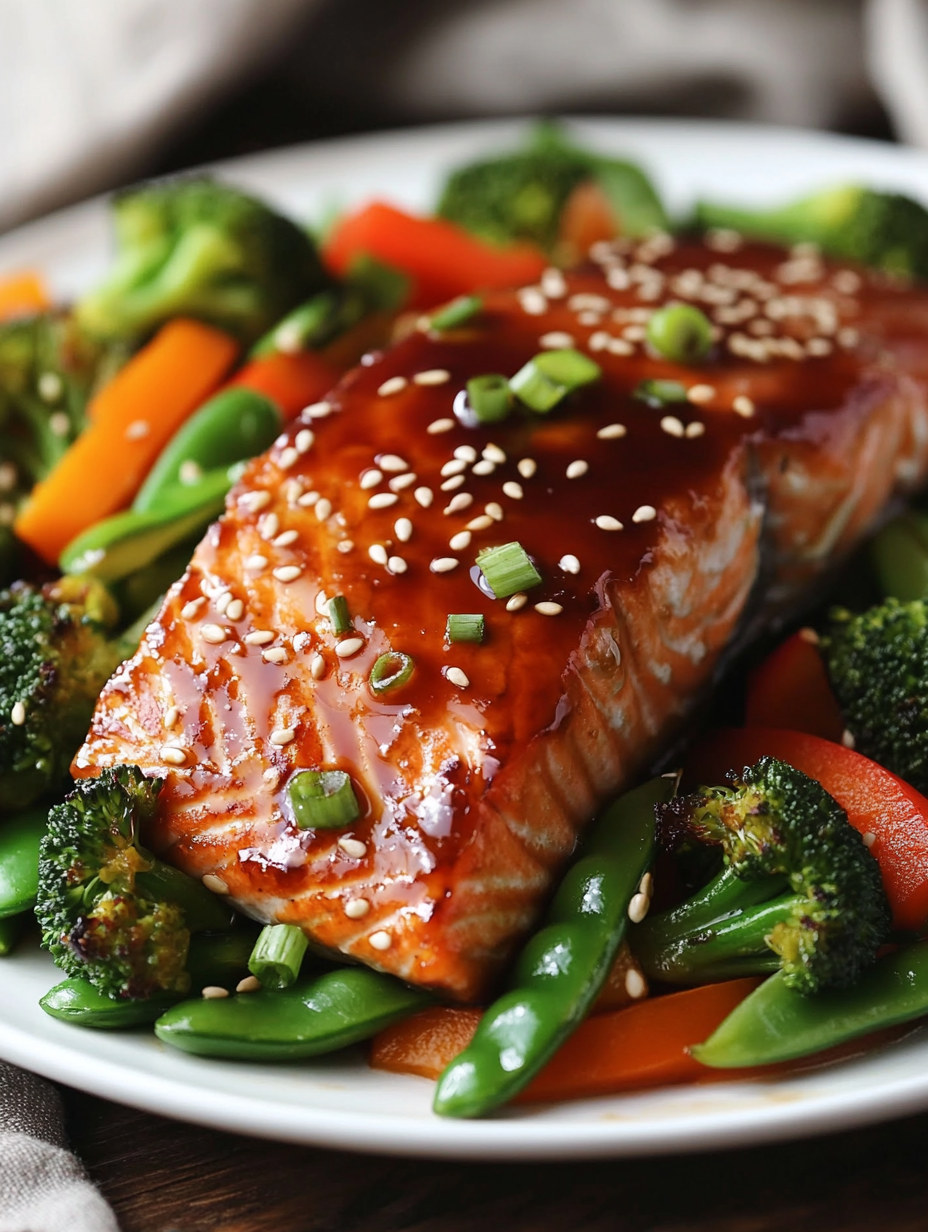
One Pan Teriyaki Salmon and Veggies: A Quick, Flavor-Packed Dinner Solution
Introduction
There’s a certain magic that happens with one-pan meals; they epitomize convenience without sacrificing flavor. I fondly remember the first time I discovered the joy of cooking a complete dinner on a single sheet pan. It was a busy weeknight, and after a long day at work, the thought of dirtying multiple pots and pans felt overwhelming. The aroma of teriyaki sauce wafting through my kitchen was enough to transport me back to my favorite sushi restaurant, where I first savored the sweet and savory delight of teriyaki salmon.
As I tossed fresh vegetables with a drizzle of olive oil and seasoned them with a pinch of salt, I could feel the stress of the day melting away. I vividly recall the vibrant colors of the broccoli, carrots, and red bell pepper brightening my kitchen, creating a feast for the eyes before it even hit the table. Once the salmon was nestled among the veggies, I felt a wave of satisfaction—the promise of a healthy, balanced meal that required minimal effort was almost too good to be true.
After only 20 minutes in the oven, the salmon emerged perfectly cooked, flaky and tender, coated in a luscious teriyaki glaze that perfectly complemented the colorful medley of vegetables. Each bite was a reminder that simple ingredients can create extraordinary meals, and it quickly became a staple in my weeknight rotation. Whether you’re cooking for a family or just for yourself, this one-pan teriyaki salmon and veggies recipe is sure to become a beloved favorite in your household as well.
Why This Recipe Works
The beauty of One Pan Teriyaki Salmon and Veggies lies in its simplicity, yet the technique is what makes it truly reliable. By roasting both the salmon and vegetables together, you allow the flavors to meld beautifully while ensuring that everything cooks evenly. The high temperature of 400°F (200°C) is crucial; it caramelizes the natural sugars in the vegetables and enhances their natural flavors, while also allowing the salmon to cook thoroughly without drying out.
From a culinary perspective, the teriyaki sauce acts as both a marinade and a glaze. It consists of soy sauce, sugar, and often rice vinegar, which together create a balance of sweetness, saltiness, and a hint of umami. This not only elevates the salmon but also infuses the vegetables with a depth of flavor that makes each bite delightful.
In just 20 minutes, you’ll have a nutritious meal that’s not only satisfying but also visually appealing. Each component—salmon and veggies—benefits from the roasting process, as it draws out their inherent flavors and produces a deliciously tender texture. This recipe is perfect for busy evenings when you want something healthy, fast, and incredibly tasty. Plus, the cleanup is a breeze!
What Makes It Special
What sets this one-pan teriyaki salmon and veggies apart from typical restaurant or store-bought versions is the freshness and customizability it offers. Here are a few unique qualities you’ll appreciate:
– Fresh Ingredients: Unlike pre-packaged meals, this recipe allows you to select fresh, seasonal vegetables, ensuring that you’re getting the best quality and flavor. The vibrant colors not only make for an appetizing presentation but also mean you’re packing in nutrients.
– Control Over Flavors: Making teriyaki sauce at home (or selecting your favorite store-bought option) lets you control the sweetness and saltiness. You can adjust it according to your taste preference, which is often lacking in restaurant dishes.
– Effortless Customization: This recipe is highly adaptable. Whether you prefer asparagus, zucchini, or even mushrooms, you can swap out the veggies based on what you have on hand or your family’s preferences, allowing for endless variations.
– Quick and Easy: The one-pan method not only saves you time but also minimizes cleanup, making it a practical choice for weeknight dinners—perfect for busy lifestyles.
With these qualities combined, you’ll find that this dish rivals any restaurant’s offerings, all while being made in the comfort of your own home.
Ingredient Breakdown
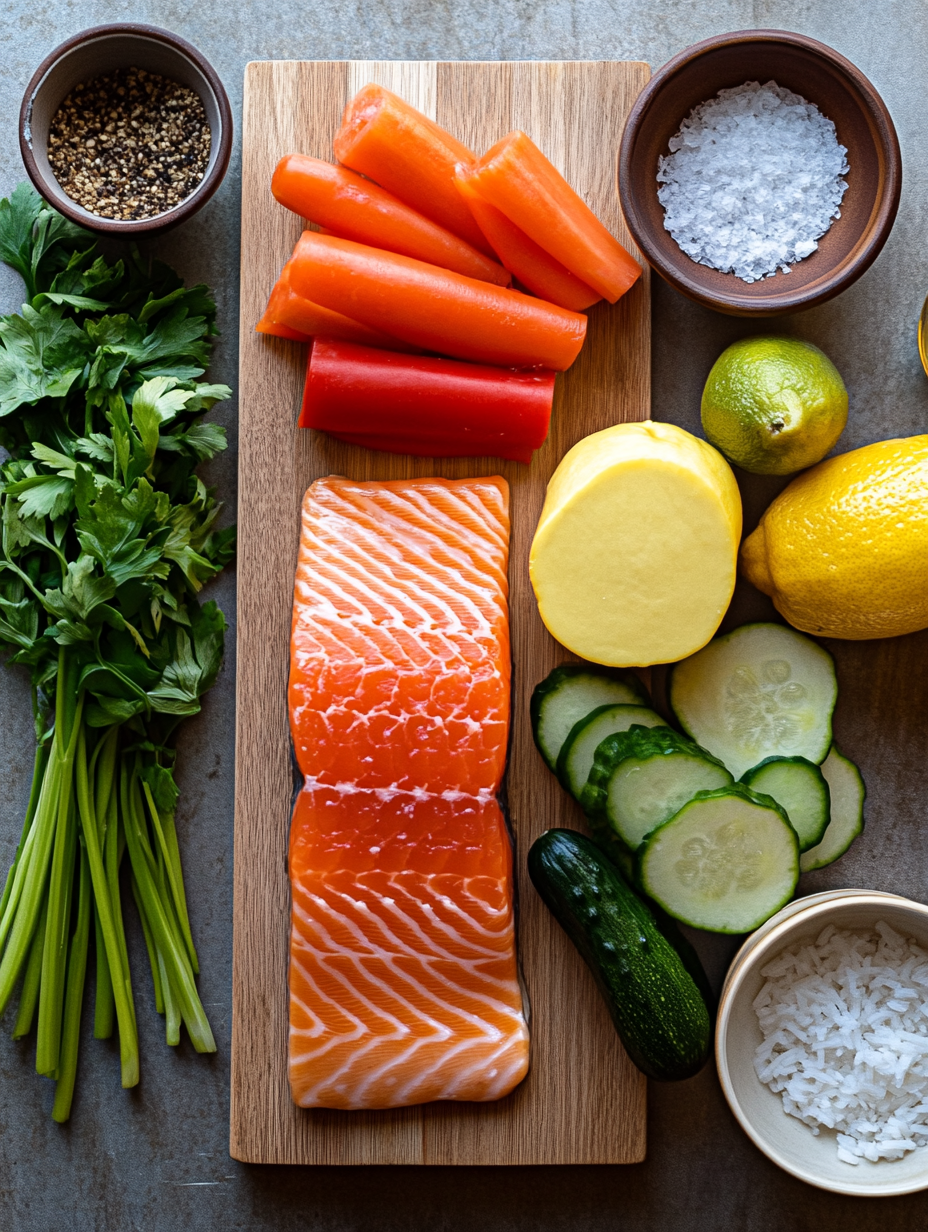
When it comes to a satisfying meal, the ingredients you choose make all the difference. Here’s a closer look at the components of the One Pan Teriyaki Salmon and Veggies recipe, including their roles and potential substitutions for dietary needs:
1. Salmon Fillets: The star of this dish, salmon is rich in omega-3 fatty acids and high-quality protein. Choose wild-caught salmon for its superior flavor and sustainability. If you’re looking for a substitution, you can use skinless chicken breasts or tofu for a vegetarian option.
2. Broccoli Florets: Broccoli adds a delightful crunch and is packed with vitamins C and K. If broccoli isn’t your favorite, you can easily replace it with cauliflower or green beans.
3. Carrots: These provide a natural sweetness and lovely color contrast. You can also use baby carrots for convenience, or swap them out for zucchini for a different flavor profile.
4. Red Bell Pepper: The sweetness of red bell pepper complements the teriyaki sauce beautifully. If red is not available, consider using yellow or orange bell peppers for a similar taste.
5. Snap Peas: These provide a satisfying snap and are a great source of fiber. Green beans or sugar snap peas are excellent substitutes if you don’t have snap peas on hand.
6. Teriyaki Sauce: A key flavor ingredient, you can make your own or choose a store-bought version. For a lower-sodium option, look for reduced-sodium soy sauce or coconut aminos.
7. Olive Oil: This helps to roast the veggies and adds a depth of flavor. If you’re looking for alternatives, avocado oil or grape seed oil can work well.
8. Sesame Seeds: These are optional but add a delightful crunch and nutty flavor. You could also use chopped peanuts or omit them entirely if you have nut allergies.
By understanding the role of each ingredient, you can tailor this recipe to fit your preferences while still enjoying a delicious and nutritious meal.
Equipment Needed
To create your One Pan Teriyaki Salmon and Veggies, you’ll need a few simple tools that make the process smooth and efficient:
1. Large Baking Sheet: A sturdy baking sheet is essential for even cooking. If you don’t have a rimmed sheet, any large baking dish will work.
2. Parchment Paper: Lining your baking sheet with parchment paper prevents sticking and makes cleanup a breeze. If you don’t have parchment, a silicone baking mat is a great reusable alternative.
3. Mixing Bowl: A large bowl is necessary for tossing the veggies with olive oil and seasoning. Choosing a bowl with a non-slip base can make mixing easier.
4. Spatula or Tongs: These tools will help you arrange the vegetables and salmon on the baking sheet without making a mess. Consider using silicone tongs to avoid scratching your baking sheet.
5. Measuring Cups and Spoons: Precision in measuring your ingredients can make a significant difference, especially with the teriyaki sauce. If you lack measuring tools, a simple kitchen scale can also work for measuring ingredients by weight.
Each of these tools is affordable, often found in any kitchen, and elevates your cooking experience. Investing in these essentials will make meal prep easier and more enjoyable!
Step-by-Step Instructions
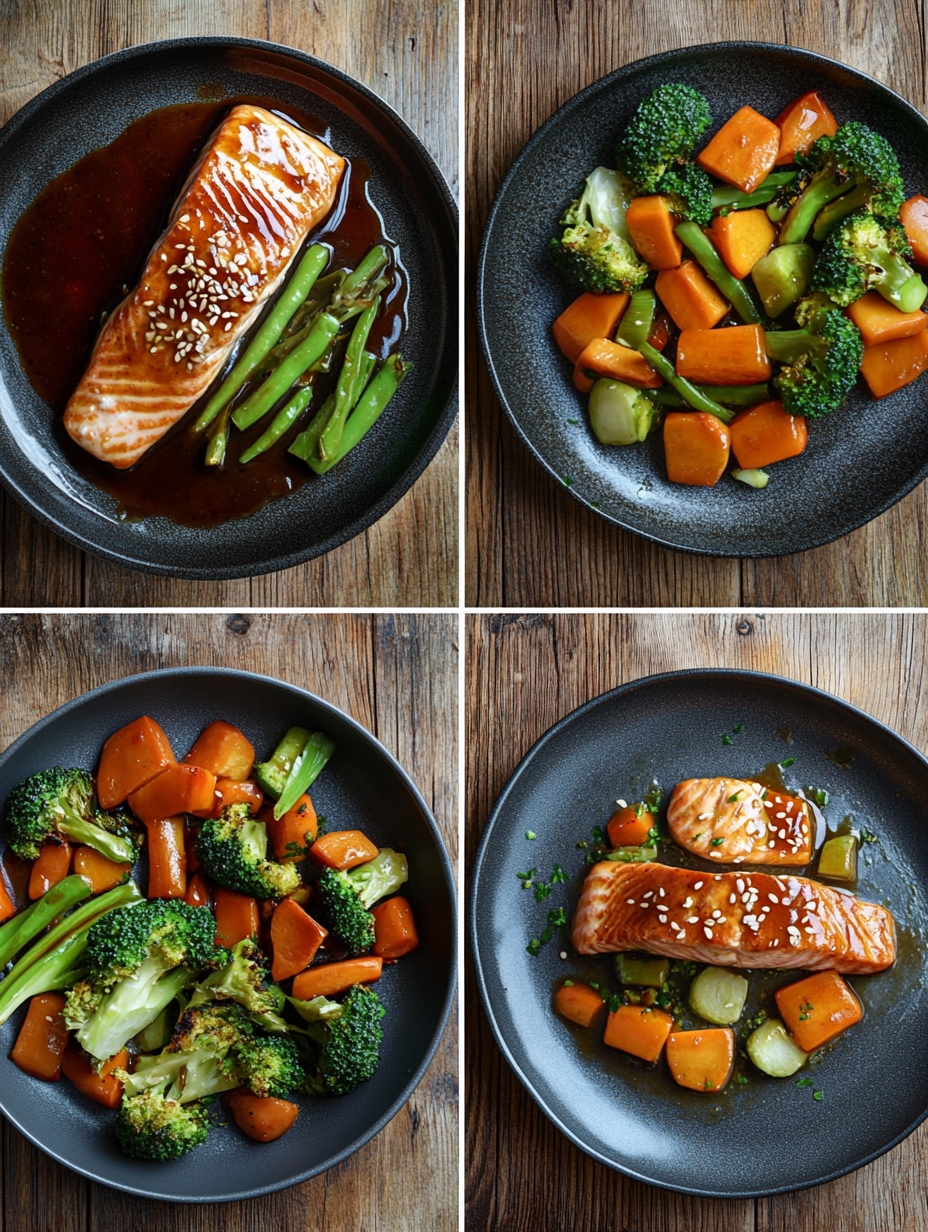
1. Preheat the oven: Start by preheating your oven to 400°F (200°C). This temperature is perfect for cooking the salmon and veggies evenly, resulting in a tender, flaky fish and perfectly roasted vegetables. While the oven heats up, you can begin preparing your ingredients. You should hear the gentle hum of your oven warming up, and the anticipation of the delicious meal to come will fill the air.
2. Prepare your vegetables: In a large bowl, combine 2 cups of broccoli florets, 1 cup of sliced carrots, 1 chopped red bell pepper, and 1 cup of snap peas. Drizzle with 1 tablespoon of olive oil and toss them gently to coat. This step is crucial as the olive oil will not only enhance the flavor but also help the vegetables caramelize beautifully. As you toss, you’ll hear the crunch of the fresh veggies, and the vibrant colors will brighten your day.
3. Arrange the veggies on the baking sheet: Spread the seasoned vegetables evenly on the lined baking sheet. Season with salt and pepper to taste. This step ensures each bite of veggies is flavorful. You should be able to see the glisten of the oil on the vegetables, promising a delicious outcome. The aroma of the fresh vegetables will start to envelop your kitchen.
4. Prepare the salmon: Carefully place 4 salmon fillets on top of the arranged veggies, skin-side down if applicable. This allows the fish to cook evenly while the juices seep down into the vegetables. At this point, the salmon should look vibrant and fresh, with its pinkish-orange hue contrasting beautifully against the greens.
5. Add the teriyaki sauce: Drizzle ½ cup of teriyaki sauce evenly over the salmon and veggies. This sauce will not only infuse the dish with a sweet and savory flavor but will also create a delightful glaze. The sound of the sauce hitting the salmon and veggies is almost musical, promising a delicious blend of flavors.
6. Bake: Now, it’s time to bake your creation! Place the baking sheet in the preheated oven and bake for 15-20 minutes or until the salmon is cooked through and flakes easily with a fork. Keep an eye on the oven; you’ll know it’s time when you see the salmon turning opaque and the veggies becoming tender and slightly caramelized. The aromas wafting from the oven will leave you eagerly awaiting the meal.
7. Garnish and serve: Once the timer goes off, carefully remove the baking sheet from the oven. Sprinkle with sesame seeds for a touch of elegance and added crunch. Serving this dish immediately while it’s still warm will enhance the flavors and textures, making it a meal to remember.
Chef’s Note: If you prefer your salmon a bit more caramelized, you can broil it for the last 2-3 minutes. Just keep an eye on it to prevent burning!
Pro Tips for the Best Results
– Choose Fresh Salmon: Opt for wild-caught salmon whenever possible. It has a rich flavor and firmer texture than farmed salmon.
– Cut Veggies Evenly: Make sure your vegetables are cut into similar sizes for even cooking. This prevents some from being overcooked while others remain crunchy.
– Don’t Overcrowd the Baking Sheet: If you have too many veggies or salmon, use two baking sheets. Overcrowding can lead to steaming rather than roasting, compromising the flavor.
– Marinate Ahead of Time: For deeper flavors, consider marinating your salmon in teriyaki sauce for at least 30 minutes before cooking. This enhances the savory notes and adds layers of flavor.
– Use a Meat Thermometer: To ensure perfectly cooked salmon, use a meat thermometer. The ideal internal temperature should be 145°F (63°C).
– Experiment with Garnishes: Fresh herbs like cilantro or green onions can elevate your dish. Consider adding them just before serving for an extra burst of flavor.
– Pair with Rice or Quinoa: Serving this dish with steamed rice or quinoa can turn it into a complete meal, soaking up the delicious teriyaki sauce.
– Don’t Forget the Sides: A simple cucumber salad or miso soup can complement this dish beautifully, adding a refreshing contrast.
Common Mistakes to Avoid
1. Using Frozen Salmon: While convenient, thawed frozen salmon can result in a watery texture. Always try to use fresh salmon for the best flavor and texture.
2. Overcooking the Salmon: Salmon can dry out quickly if overcooked. Watch it closely, and remove it from the oven when it’s just opaque and flakes easily.
3. Neglecting to Season the Veggies: Skipping the salt and pepper can leave your vegetables bland. These seasonings are essential for enhancing their natural flavors.
4. Ignoring the Thickness of Salmon Fillets: Not all salmon fillets are created equal. Thicker pieces may require a longer cooking time than thinner ones. Adjust your baking time accordingly.
5. Not Preheating the Oven: Baking in a cold oven can lead to uneven cooking. Always allow your oven to preheat fully before placing the dish inside.
6. Using Low-Quality Teriyaki Sauce: The flavor of your dish relies heavily on the sauce. Opt for a good-quality teriyaki sauce for the best results, or make your own!
7. Skipping the Parchment Paper: Baking directly on the sheet can lead to sticking and messy clean-up. Always line it with parchment paper for easy removal and cleanup.
Creative Variations
1. Seasonal: Adapt this dish based on the seasons. In autumn, add roasted Brussels sprouts or squash. In summer, consider zucchini and asparagus for a lighter touch. This not only keeps the dish fresh but also maximizes the use of seasonal produce.
2. Dietary-Friendly: If you’re following a gluten-free diet, check that your teriyaki sauce is gluten-free. This dish can also be made with tofu instead of salmon for a plant-based option, absorbing the teriyaki sauce beautifully.
3. Gourmet Elevated: To take this dish up a notch, use wild-caught salmon, and add a drizzle of homemade ginger-sesame sauce right before serving. You can also incorporate finely chopped scallions and fresh herbs for an upscale touch.
4. Quick 15-Minute: For those busy nights, use pre-cut veggies and salmon fillets. You can also broil instead of baking to cut down on time. Just keep an eye on it, as broiling can cook things quickly!
5. Kid-Friendly: Make the dish more appealing to children by using colorful veggies and cutting them into fun shapes. Serve with a side of rice and let the kids dip their salmon in extra teriyaki sauce.
6. International Twist: Give your dish an Asian fusion flair by adding a sprinkle of chili flakes or lime zest to the teriyaki sauce. You could even swap out the vegetables for kimchi and daikon radish for a Korean-inspired twist.
7. Breakfast Variation: Use leftovers to create a savory breakfast bowl. Flake the salmon and mix it with scrambled eggs, spinach, and a splash of soy sauce for a delicious morning treat.
With these variations and tips, you’re well on your way to mastering this delightful one-pan teriyaki salmon and veggies recipe. Enjoy exploring and making it your own!
Serving Ideas
When it comes to serving your One Pan Teriyaki Salmon and Veggies, presentation is key! Here are some delightful ways to plate this dish:
1. Family Style: Serve the salmon and vegetables right on the baking sheet for a casual dining experience. Let everyone help themselves, creating a warm, communal atmosphere.
2. Individual Plates: For a more refined approach, portion the salmon and veggies onto individual plates. Place the salmon in the center and artfully arrange the vegetables around it, drizzling a bit of extra teriyaki sauce on top for that glossy finish.
3. Rice Bed: Serve your salmon and veggies over a bed of steamed jasmine or brown rice. This not only adds some carbs to your meal but also makes for a hearty base that soaks up the teriyaki sauce beautifully.
4. Garnish with Fresh Herbs: Enhance the visual appeal by garnishing with freshly chopped cilantro or green onions. These herbs add a pop of color and an extra layer of flavor that complements the teriyaki sauce.
5. Lemon Wedges: Placing lemon wedges on the side not only brightens up the plate but also offers a zesty contrast to the sweet teriyaki flavor. A quick squeeze of lemon before eating can elevate the dish even more.
What to Serve With
Pairing your One Pan Teriyaki Salmon and Veggies with the right sides can elevate your meal to new heights. Here are some great options:
1. Steamed Rice: A classic pairing, steamed rice acts as a neutral base that balances the sweet and savory flavors of the teriyaki sauce.
2. Quinoa: For a healthier alternative, quinoa adds a nutty flavor and is packed with protein. It’s an excellent choice if you’re looking to boost the nutritional value of your meal.
3. Cauliflower Rice: Lower in carbs, cauliflower rice provides a light and fluffy texture that soaks up the teriyaki sauce beautifully, making it a fantastic low-carb side.
4. Miso Soup: The umami-rich flavors of miso soup complement the teriyaki salmon perfectly. This warm, comforting soup can also help cleanse your palate between bites.
5. Asian Slaw: A crunchy slaw made with cabbage, carrots, and a sesame dressing adds a refreshing contrast to the soft salmon and veggies, enhancing the overall texture of your meal.
6. Pickled Vegetables: Adding a small side of pickled vegetables can introduce a tangy brightness that cuts through the richness of the salmon, creating a delightful balance.
Storage Guide
To keep your One Pan Teriyaki Salmon and Veggies fresh, follow these storage tips:
– Container Type: Use an airtight container made of glass or BPA-free plastic. This prevents moisture and keeps the flavors intact.
– Temperature: Allow the dish to cool completely before sealing it in the container. Store it in the refrigerator at a temperature below 40°F (4°C).
– Days It Keeps: Properly stored, your meal will stay fresh for up to 3 days.
– Signs Gone Bad: Look for any off odors, discoloration, or changes in texture. If the salmon appears slimy or the veggies look wilted, it’s best to discard them.
– How to Refresh: When you’re ready to enjoy your leftovers, add a splash of teriyaki sauce or a squeeze of fresh lemon juice to revive the flavors. Reheat gently to avoid overcooking the salmon.
Freezing Tips
If you want to extend the life of your One Pan Teriyaki Salmon and Veggies, freezing is a viable option:
– Whether It Freezes Well: While cooked salmon freezes fine, keep in mind that the texture may slightly change upon thawing. The vegetables may become softer, but the flavors will remain intact.
– Portioning: Divide the meal into individual servings before freezing to make reheating easier. Use freezer-safe containers or heavy-duty freezer bags.
– How Long: Your salmon and veggies can be frozen for up to 3 months for optimal flavor and texture.
– Thawing Method: The best way to thaw is to place the container in the refrigerator overnight. If you’re short on time, you can use the microwave’s defrost setting, but be cautious to avoid cooking the salmon.
Reheating Guide
When it’s time to enjoy your leftover One Pan Teriyaki Salmon and Veggies, you have a few options:
– Microwave: Place the salmon and veggies in a microwave-safe dish, cover it with a damp paper towel, and heat on medium power for 1-2 minutes. Check for doneness and heat in additional 30-second intervals if needed.
– Oven: Preheat your oven to 350°F (175°C). Place the salmon and veggies on a baking sheet and cover with foil. Heat for about 10-15 minutes, or until warmed through.
– Stovetop: For a quick reheating method, add the salmon and veggies to a skillet over low heat. Stir gently until warmed through, and add a splash of teriyaki sauce if desired to enhance the flavors.
Nutrition Overview
Enjoying One Pan Teriyaki Salmon and Veggies not only delights your taste buds but also supports your health:
– Calories: Each serving contains approximately 350-400 calories, making it a balanced meal option.
– Macros: You can expect about 25-30g of protein, 15-20g of healthy fats, and 30g of carbohydrates, depending on the portion sizes and specific ingredients used.
– Health Benefits: Salmon is rich in omega-3 fatty acids, which are great for heart health. Broccoli provides a good source of vitamins K and C, while snap peas offer fiber and antioxidants, helping to support your overall well-being.
Frequently Asked Questions
Q: Can I use frozen salmon for this recipe?
A: Yes, you can use frozen salmon! Just ensure that it is fully thawed before cooking for even cooking results.
Q: What can I substitute for teriyaki sauce?
A: If you don’t have teriyaki sauce, you can use soy sauce mixed with a bit of honey or maple syrup for sweetness, along with ginger and garlic for flavor.
Q: Can I add other vegetables to this dish?
A: Absolutely! Feel free to include other vegetables like zucchini, asparagus, or bell peppers. Just keep in mind that cooking times may vary slightly based on the vegetable used.
Q: How can I make this dish gluten-free?
A: To make it gluten-free, simply use a gluten-free teriyaki sauce or soy sauce. Many brands offer a gluten-free option that tastes just as delicious.
Q: Is this dish suitable for meal prep?
A: Yes! This one-pan meal is perfect for meal prepping. Just store individual portions in airtight containers for easy grab-and-go lunches.
Q: Can I use chicken instead of salmon?
A: Yes, you can substitute chicken breast for salmon. Just ensure that the chicken is cooked thoroughly to an internal temperature of 165°F (74°C).
Q: How spicy is this dish?
A: The dish is not spicy, but you can add red pepper flakes or sriracha for a kick if you enjoy some heat.
Q: What if I don’t have a baking sheet?
A: If you don’t have a baking sheet, you can use a large roasting pan or even a cast-iron skillet. Just make sure it’s large enough to hold all the ingredients comfortably.
Final Thoughts
Your One Pan Teriyaki Salmon and Veggies is not just a meal; it’s a delightful experience that brings vibrant flavors to your table. Remember to play with the vegetables based on seasonal availability or your personal taste preferences. A little creativity can go a long way in the kitchen!
So roll up your sleeves, gather your ingredients, and indulge in this easy, healthful dish. You’ll be amazed at how a single pan can yield such a flavorful and satisfying meal. Enjoy every bite and share this joy with friends and family—