Follow Me On Pinterest!
One Pan Shrimp and Asparagus

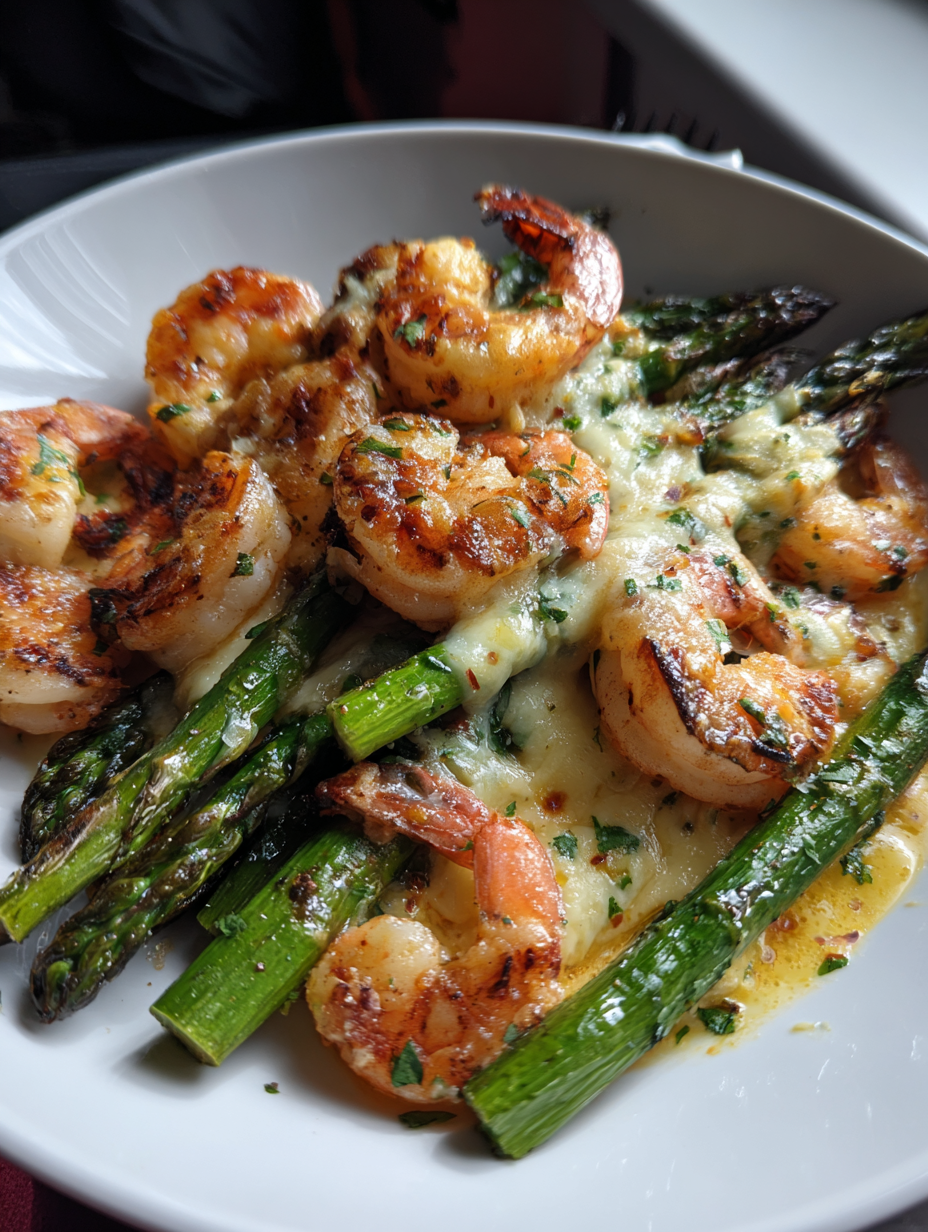
One Pan Shrimp and Asparagus: Simple Elegance that Delightfully Comes Together in Minutes
—
Introduction
There’s a special place in your heart for meals that evoke memories, and for me, One Pan Shrimp and Asparagus is more than just a dish; it’s a culinary time capsule. I can still picture that balmy summer evening when I first whipped it up for my closest friends. The sun was dipping below the horizon, casting a golden hue over my kitchen, and as I sautéed the shrimp, the aroma of garlic and lemon mingled with the faint whispers of the ocean that lingered in my mind from our beach trip.
The bright green of the asparagus, glistening with olive oil, contrasted beautifully against the pink of the shrimp. You could hear the gentle hiss of the shrimp hitting the pan, a sound that promised a delicious feast. I remember the delighted laughter of my friends as they gathered around the table, the clinking of wine glasses punctuating the air, and the way the dish seemed to shimmer with promise.
What makes this recipe a favorite in my home is its simplicity; it marries vibrant vegetables with succulent seafood all in one pan, making cleanup a breeze and allowing you to savor every moment with your loved ones. Each bite brings a burst of flavor, a reminder of those summer nights when life felt carefree and full of possibility.
As you embark on your culinary journey with this dish, prepare to indulge in the delightful union of flavors and textures, all while keeping things uncomplicated and enjoyable. Let’s dive into the recipe, where you’ll find that cooking can be just as joyful as sharing a meal.
—
Why This Recipe Works
At the core of this One Pan Shrimp and Asparagus dish lies a harmonious blend of flavors and textures that effortlessly come together to create a symphony on your palate. The technique behind this recipe is deceptively simple yet profoundly effective: you’ll be sautéing, searing, and infusing each ingredient with complementary flavors that enhance one another.
1. Flavor Combinations: The zesty brightness of lemon perfectly balances the rich, slightly briny taste of shrimp. Meanwhile, garlic adds a savory depth that elevates the dish to something extraordinary. Together, these ingredients create a delightful contrast, allowing each bite to pop with freshness.
2. Texture Contrasts: The key to a satisfying bite lies in the textural interplay. The shrimp should be tender yet slightly firm, while the asparagus retains a crisp bite that adds a delightful crunch. This contrast keeps things interesting and engages your senses with every forkful.
3. Ingredient Roles: Each ingredient serves a purpose:
– Shrimp not only provides protein but brings a luxurious flavor that pairs beautifully with the other components.
– Asparagus offers a fresh, earthy note while providing essential nutrients.
– Olive oil serves as the cooking medium, enhancing flavors while keeping everything moist.
What truly sets this version apart from generic stir-fry or shrimp dishes is the one-pan technique, which allows the ingredients to mingle and share their flavors, creating a cohesive dish that sings with simplicity and freshness.
—
What Makes It Special
This One Pan Shrimp and Asparagus recipe stands out for several reasons that elevate it above the usual restaurant fare or store-bought alternatives.
– Freshness: When you make this dish at home, you have control over the freshness of your ingredients. There’s something magical about using vibrant, seasonal asparagus and plump shrimp, which you simply can’t replicate with pre-packaged versions.
– Cost-Effective: Making this dish at home is not only more economical but also allows you to enjoy a gourmet experience without the premium price tag of dining out.
– Customization: You can easily adapt this recipe to suit your dietary preferences. Want to make it gluten-free? Simple! Swap out the soy sauce for a gluten-free alternative. Prefer more spice? Add a pinch of red pepper flakes for an exciting kick.
– Surprising Elements: The addition of a sprinkle of fresh herbs at the end—think parsley or basil—adds an unexpected layer of flavor that brightens up the dish, transforming a simple meal into something memorable.
These unique qualities make this recipe not just another weeknight dinner option, but an opportunity to create something truly special in your kitchen.
—
Ingredient Breakdown

– Shrimp (1 pound): The star of this dish, shrimp provides a succulent protein that cooks quickly and absorbs flavors beautifully. Opt for large, shell-on shrimp for the best flavor, but peeled and deveined shrimp work just as well. If you’re aiming for convenience, look for frozen shrimp to keep on hand.
– Asparagus (1 bunch): Fresh asparagus brings a vibrant green color and a satisfying crunch. Choose bright green spears with firm tips for the best quality. If you can’t find fresh, frozen asparagus can be a suitable substitute, but fresh is always preferred for this recipe.
– Garlic (4 cloves): Minced garlic adds depth and aroma. You can’t go wrong with fresh garlic, but in a pinch, garlic powder can also work. Just remember to use less, as it’s more concentrated.
– Olive Oil (2 tablespoons): This serves as the cooking fat, enhancing flavors and helping to achieve a lovely sear on the shrimp. Use high-quality extra virgin olive oil for the best results, as it adds a rich taste.
– Lemon (1, zested and juiced): Fresh lemon juice brightens the dish, while the zest offers a concentrated burst of citrus aroma. If fresh lemons are out of season, bottled lemon juice can suffice, though it won’t have the same vibrant flavor.
– Salt and Pepper: Essential seasonings to taste, these elevate all the flavors. Use kosher salt for even distribution, and freshly cracked black pepper for a more robust flavor.
Substitution Options:
– For a dairy-free version, this recipe is naturally dairy-free as written.
– To make it gluten-free, ensure that any sauces you use (like soy sauce) are labeled gluten-free.
– For a vegan option, replace shrimp with marinated tofu or chickpeas and adjust cooking times accordingly.
When shopping, look for local farmers’ markets or seafood markets for the freshest ingredients. Your taste buds will thank you!
—
Equipment Needed
1. Large Skillet or Frying Pan: This is your main cooking tool. A wide, heavy-bottom skillet allows for even heat distribution, ensuring that your shrimp sear nicely without steaming. A non-stick surface is ideal for easy cleanup.
2. Spatula or Tongs: You’ll need a sturdy spatula or tongs to flip the shrimp and toss the asparagus. Tongs are especially useful for keeping everything moving without breaking the shrimp.
3. Cutting Board and Knife: A solid cutting board and a sharp knife are essential for mincing garlic and prepping your vegetables. Consider a plastic cutting board for easy cleanup, especially when working with raw shrimp.
4. Measuring Spoons: Accurate measurements ensure that flavors are balanced. A set of measuring spoons is helpful for oil and seasoning.
5. Zester (Optional): If you don’t have a zester, a microplane or even a fine grater can work for getting that fresh lemon zest.
6. Serving Platter: While not essential, having a nice platter to present your dish elevates the whole dining experience. It’s all about making it feel special!
By gathering these tools, you’ll be all set to create a delightful meal that not only satisfies your taste buds but also makes you feel like a culinary rockstar!
Step-by-Step Instructions
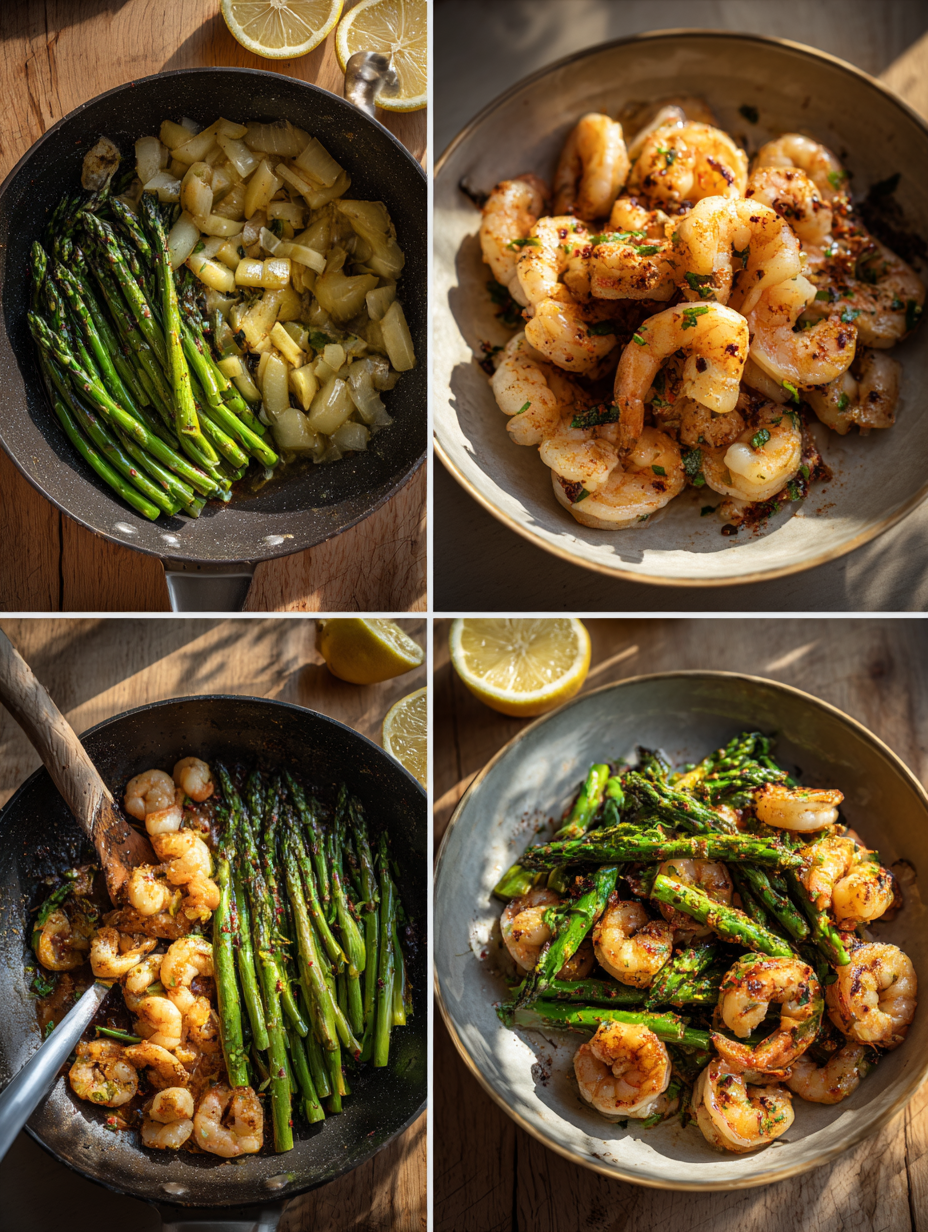
1. Prepare the Ingredients
Start by gathering all your ingredients: fresh shrimp (peeled and deveined), asparagus (trimmed), garlic (minced), olive oil, lemon juice, salt, and pepper. Rinse the shrimp under cold water, patting them dry with paper towels. The shrimp should feel slightly moist but not wet, which helps them sear nicely later. For the asparagus, snap off the woody ends by gently bending each spear until it naturally breaks. This ensures that you’re discarding the tough part.
2. Preheat the Pan
Heat a large skillet over medium-high heat. Add 2 tablespoons of olive oil and let it warm for about 2 minutes. You’ll know the oil is ready when it shimmers and flows easily across the pan. This is crucial, as a well-heated pan creates a beautiful sear on the shrimp, intensifying their flavor.
3. Sauté the Asparagus
Once the oil is hot, add the trimmed asparagus to the skillet. Sauté them for about 3-4 minutes, stirring occasionally, until they turn bright green and start to soften but still retain some crunch. You’re looking for a vibrant color; the asparagus should be tender but not mushy. The aroma should be fresh and earthy, indicating they are cooking perfectly.
4. Add the Garlic
With the asparagus still in the pan, add 3 cloves of minced garlic. Stir continuously for about 30 seconds. This is your opportunity to infuse the dish with flavor. Pay close attention to the smell; the garlic should become fragrant and slightly golden without burning. If it begins to brown too quickly, reduce the heat slightly.
5. Cook the Shrimp
Now, it’s time to incorporate your shrimp. Add the shrimp to the skillet, ensuring they’re in a single layer. Cook them for 2-3 minutes per side. You’ll know they are ready when they turn a lovely pink color and have opaque centers. Avoid overcrowding the pan; if necessary, cook them in batches. Overcrowding traps steam and prevents that beautiful sear.
6. Finish with Lemon and Seasoning
Once the shrimp are cooked, squeeze the juice of one lemon over the mixture and sprinkle with salt and pepper to taste. Stir gently to combine everything. The bright acidity of the lemon will enhance the flavors and bring balance to the dish. Cook for an additional 1 minute to let the flavors meld. You should hear a satisfying sizzle as the lemon juice hits the hot pan.
7. Serve Immediately
Remove the skillet from heat and transfer everything onto a serving platter. You can garnish with additional lemon wedges and freshly chopped parsley if desired. The colors should be vibrant — the pink shrimp against the bright green asparagus, creating an appealing presentation. Serve this dish hot, as the flavors are at their peak right after cooking.
Chef’s Note: If you want a bit of heat, consider adding a pinch of red pepper flakes when you add the garlic. This will provide a nice kick without overpowering the dish.
Pro Tips for the Best Results
1. Choose the Right Shrimp
Opt for wild-caught shrimp whenever possible. They tend to have a firmer texture and richer flavor compared to farmed shrimp. If you can’t find wild shrimp, look for shrimp labeled as “Gulf” or “U.S. caught.”
2. Don’t Overcrowd the Pan
Cooking too many shrimp at once can cause them to steam rather than sear. This leads to a rubbery texture instead of a tender bite. If necessary, cook them in batches for the best results.
3. Use Fresh Garlic
Freshly minced garlic delivers a much more intense flavor than pre-minced or powdered garlic. The aroma released when it hits the pan is simply irresistible!
4. Perfectly Cooked Asparagus
To achieve that delightful crunch in your asparagus, don’t overcook it. The bright green color should be a visual cue that tells you it’s just right. Remember, you can always add a splash of water and cover the pan for a minute if you prefer softer asparagus.
5. Temp Check for Shrimp
If in doubt, use a food thermometer. Shrimp is perfectly cooked at an internal temperature of 120°F (49°C). This ensures they are juicy and tender rather than chewy.
6. Let It Rest
Allow the shrimp to rest off the heat for a minute before serving. This helps redistribute the juices throughout the shrimp, keeping them moist and flavorful when you serve.
7. Serve with a Side
This dish pairs beautifully with a side of rice, quinoa, or a simple salad. Adding a starch can help soak up the delicious lemony sauce, making the meal even more satisfying.
Common Mistakes to Avoid
1. Using Frozen Shrimp without Thawing
Mistake: Cooking shrimp straight from the freezer leads to uneven cooking and a rubbery texture.
Correct Approach: Always thaw shrimp completely by placing them in the refrigerator overnight or submerging them in cold water for about 15-20 minutes before cooking.
2. Not Prepping Your Ingredients
Mistake: Skipping the prep work and chopping ingredients as you cook can lead to overcooked shrimp and undercooked asparagus.
Correct Approach: Always measure and prepare all ingredients before starting to cook, ensuring everything is ready to go.
3. Overcooking the Shrimp
Mistake: Shrimp cooks quickly, and overcooking turns it rubbery and tough.
Correct Approach: Watch for the color change and remove them from heat as soon as they are opaque and pink throughout.
4. Ignoring Seasoning
Mistake: Skipping or skimping on salt and pepper can lead to a bland dish.
Correct Approach: Season each layer of your dish — the asparagus, garlic, and shrimp — to build a complex flavor profile.
5. Cooking at Too Low a Temperature
Mistake: Cooking on too low a heat prevents the shrimp and asparagus from searing properly.
Correct Approach: Ensure your skillet is hot enough to create that golden crust and vibrant color, which enhances both texture and flavor.
6. Using Dried Garlic or Onion Powder
Mistake: Substituting fresh garlic with dried versions can diminish the dish’s aromatic qualities.
Correct Approach: Always use fresh garlic for a brighter, more robust flavor that enhances the overall dish.
7. Skipping the Lemon
Mistake: Omitting fresh lemon juice can make the dish taste flat and unbalanced.
Correct Approach: Always finish with a squeeze of lemon, as its acidity brightens the flavors and elevates the dish to new heights.
Creative Variations
1. Seasonal Variation: Spring Pea Pesto Shrimp and Asparagus
For a fresh spring twist, blend fresh peas with basil, parmesan, and olive oil to create a vibrant pesto. Toss this with the shrimp at the end for a burst of color and flavor that celebrates the season.
2. Dietary-Friendly Version: Keto Shrimp and Asparagus
To make this dish keto-friendly, simply replace olive oil with avocado oil and omit the lemon juice. Instead, add a tablespoon of coconut aminos for a hint of sweetness without the carbs, and serve over zucchini noodles instead of rice.
3. Gourmet Elevated Version: Garlic Butter Shrimp and Asparagus
Elevate your dish by using unsalted butter alongside the olive oil. Add white wine after cooking the shrimp, letting it reduce to create a rich sauce. Finish with fresh herbs like thyme or tarragon for a restaurant-quality touch.
4. Quick 15-Minute Version: One-Pot Shrimp and Asparagus Pasta
For a quick weeknight meal, add cooked pasta to the skillet right before adding the shrimp. Toss everything together with a splash of pasta cooking water to create a creamy sauce in under 15 minutes.
5. Kid-Friendly Version: Shrimp and Asparagus Tacos
For a fun twist that appeals to kids, fill soft corn tortillas with the shrimp and asparagus mixture. Top with mild salsa or guacamole for extra flavor without the spice.
6. International Twist: Mediterranean Shrimp and Asparagus
Add a Mediterranean flair by mixing in cherry tomatoes, kalamata olives, and feta cheese. Season with oregano and a drizzle of balsamic glaze to transport your taste buds to the sunny shores of the Mediterranean.
Serving Ideas
When presenting your One Pan Shrimp and Asparagus, think about creating an inviting and vibrant dish that will delight the senses. Here are a few beautiful plating ideas:
1. Layered Design: Begin by placing a generous scoop of the shrimp and asparagus mixture in the center of a white plate. This contrast allows the colors of the shrimp and green asparagus to pop. Garnish with a sprinkle of chopped fresh parsley or basil for a touch of green that enhances visual appeal.
2. Rustic Bowl: Serve the dish in a shallow, rustic bowl. Add a few lemon wedges on the side for a burst of citrus color. Drizzle with a bit of extra virgin olive oil right before serving for a glossy finish that beckons to be enjoyed.
3. Skewered Presentation: For a fun twist, skewer shrimp and asparagus pieces on small bamboo skewers, arranging them artistically on a wooden board. This makes for a delightful presentation that encourages communal dining. Serve with a dipping sauce on the side, perhaps a garlic aioli or spicy sriracha mayo.
4. Minimalist Platter: Use a large, rectangular platter to lay out the shrimp and asparagus in a single layer, ensuring each piece is visible. A sprinkle of toasted sesame seeds or crushed red pepper flakes can add a pop of texture and color. Surround the platter with lemon slices or fresh herbs for an aromatic touch.
For portion sizes, aim for about 1 ½ cups of shrimp and asparagus per serving. This ensures everyone gets a satisfying amount while still leaving room for sides or a refreshing salad.
What to Serve With
To elevate your One Pan Shrimp and Asparagus, consider these complementary dishes:
1. Garlic Bread: The buttery, garlicky flavors of freshly baked garlic bread pair beautifully with the savory shrimp. The crunch of the bread contrasts with the tender shrimp, making each bite a delightful experience.
2. Citrus Arugula Salad: A salad tossed with fresh arugula, orange segments, and a light vinaigrette provides a bright, peppery bite that balances the richness of the shrimp. The citrus notes in the salad echo the lemon used in the main dish, enhancing the overall flavor profile.
3. Chilled White Wine: A crisp Sauvignon Blanc or a light Pinot Grigio complements the shrimp without overpowering it. The acidity in these wines cuts through any richness while accentuating the seafood’s natural sweetness.
4. Roasted Baby Potatoes: Golden, crispy baby potatoes seasoned with rosemary and garlic provide a hearty side that contrasts nicely with the lighter shrimp. Their crispy exterior and fluffy interior create a satisfying textural balance.
5. Lemon Sorbet: For dessert, a refreshing lemon sorbet acts as a palate cleanser. The zesty flavor ties back to the dish while providing a light end to the meal.
6. Grilled Corn on the Cob: Sweet, charred corn on the cob brings a fun, summer feel to your table. The sweetness and slight crunch of the corn complement the dish’s savory notes while adding a splash of color.
Storage Guide
To properly store any leftovers of your One Pan Shrimp and Asparagus, follow these steps for optimal freshness:
– Container Type: Use an airtight glass or plastic container to keep your meal fresh. Glass containers are ideal for maintaining flavor and preventing odor absorption.
– Temperature: Store your leftovers in the refrigerator at 40°F (4°C) or below.
– Shelf Life: Enjoy your leftovers within 3 days for the best taste and texture. After this, the shrimp may begin to lose its quality.
– Signs of Spoilage: If you notice a sour smell, a slimy texture on the shrimp, or off colors, it’s best to discard the dish.
– Refreshing Before Serving: To restore freshness, consider adding a splash of lemon juice and a drizzle of olive oil when reheating. This will brighten the flavors and keep everything moist.
Freezing Tips
Yes, your One Pan Shrimp and Asparagus does freeze well, making it a great option for meal prep. Here’s how to do it effectively:
– Portioning: Divide the dish into single-serving sizes for easier thawing. Use freezer-safe containers or heavy-duty freezer bags.
– Wrapping Method: If using bags, press out as much air as possible before sealing to prevent freezer burn.
– Labeling: Clearly label each container with the date and contents for easy identification later.
– Freezer Life: It can stay frozen for up to 3 months without a significant loss of quality.
– Quality Changes: Expect slight changes in texture; shrimp may become a bit firmer after thawing.
– Best Thawing Method: For the best results, thaw in the refrigerator overnight. If in a hurry, you can use a microwave on the defrost setting, but be careful not to start cooking the shrimp.
Reheating Guide
When it’s time to enjoy your leftovers, here are some reheating methods to maintain the best texture and flavor:
– Microwave: Place your shrimp and asparagus in a microwave-safe dish. Cover it with a damp paper towel to retain moisture and heat on medium power for 1-2 minutes, checking frequently to avoid overcooking.
– Oven: Preheat your oven to 350°F (175°C). Spread the mixture in a single layer on a baking sheet and cover with aluminum foil. Heat for about 10-15 minutes, or until warmed through.
– Stovetop: In a skillet over medium heat, add a splash of broth or water to the pan. Add the shrimp and asparagus, cooking for about 5-7 minutes, stirring occasionally until heated through.
To restore original texture and flavor, consider adding a bit of fresh lemon juice or herbs while reheating. This can help rejuvenate the dish’s freshness.
Nutrition Overview
Your One Pan Shrimp and Asparagus is not just delicious; it’s also packed with nutrition. Here’s a quick overview:
– Approximate Nutritional Values per Serving:
– Calories: 300
– Protein: 25g
– Carbohydrates: 10g
– Fat: 15g
– Fiber: 4g
– Sugar: 2g
This dish is particularly beneficial due to the shrimp, which is an excellent source of lean protein and omega-3 fatty acids, promoting heart health. The asparagus adds dietary fiber, which aids digestion, and is rich in vitamins A, C, K, and folate. Additionally, the inclusion of olive oil provides healthy fats that can support skin health and reduce inflammation.
Frequently Asked Questions
Q: Can I use frozen shrimp for this recipe?
A: Yes, frozen shrimp is a convenient option! Just make sure to thaw them properly before cooking to ensure even cooking. You can thaw shrimp in the refrigerator overnight or under cold running water for quicker results.
Q: What can I substitute for asparagus?
A: If you’re not a fan of asparagus, you can use green beans, zucchini, or broccoli. Each of these vegetables offers a unique flavor and texture, and they all pair well with shrimp.
Q: Is there a way to make this dish gluten-free?
A: This recipe is naturally gluten-free, as it contains no wheat products. However, ensure that any sauces or seasonings you use are certified gluten-free to maintain this quality.
Q: How can I make this dish spicier?
A: For a kick of heat, add some red pepper flakes, a splash of hot sauce, or use spicy shrimp seasoning. You can also sauté minced garlic with a bit of diced jalapeño before adding the shrimp for a flavorful punch.
Q: Can I make this dish ahead of time?
A: Yes, you can prepare the shrimp and asparagus mixture ahead of time and store it in the fridge for up to a day. Just be sure to cook it fresh before serving for the best texture.
Q: What equipment do I need for this recipe?
A: You’ll need a large skillet for cooking, a cutting board, and a sharp knife for prepping the ingredients. Optional but helpful are measuring spoons and a spatula for mixing.
Q: How long does it take to cook shrimp?
A: Shrimp cooks quickly! They usually only take about 3-5 minutes to become opaque and firm. Be careful not to overcook them, as they can become tough.
Q: What’s the best way to tell if shrimp are cooked?
A: Cooked shrimp will turn a lovely pink color and curl into a C shape. A quick test is to cut one open; it should be opaque in the center.
Final Thoughts
As you prepare your One Pan Shrimp and Asparagus, remember that the secret to a delicious dish lies in the freshness of your ingredients. Using seasonal produce will not only enhance the flavors but also make your meal more enjoyable. I’m genuinely excited for you to experience this vibrant dish that brings together the delightful flavors of shrimp and crisp asparagus in a simple, elegant way. Don’t hesitate to make this your own with your favorite herbs and spices.
So grab your skillet, and let the aromas fill your kitchen! Once you’ve created your masterpiece, I’d love to see how it turns out — snap a photo and share it with your friends.