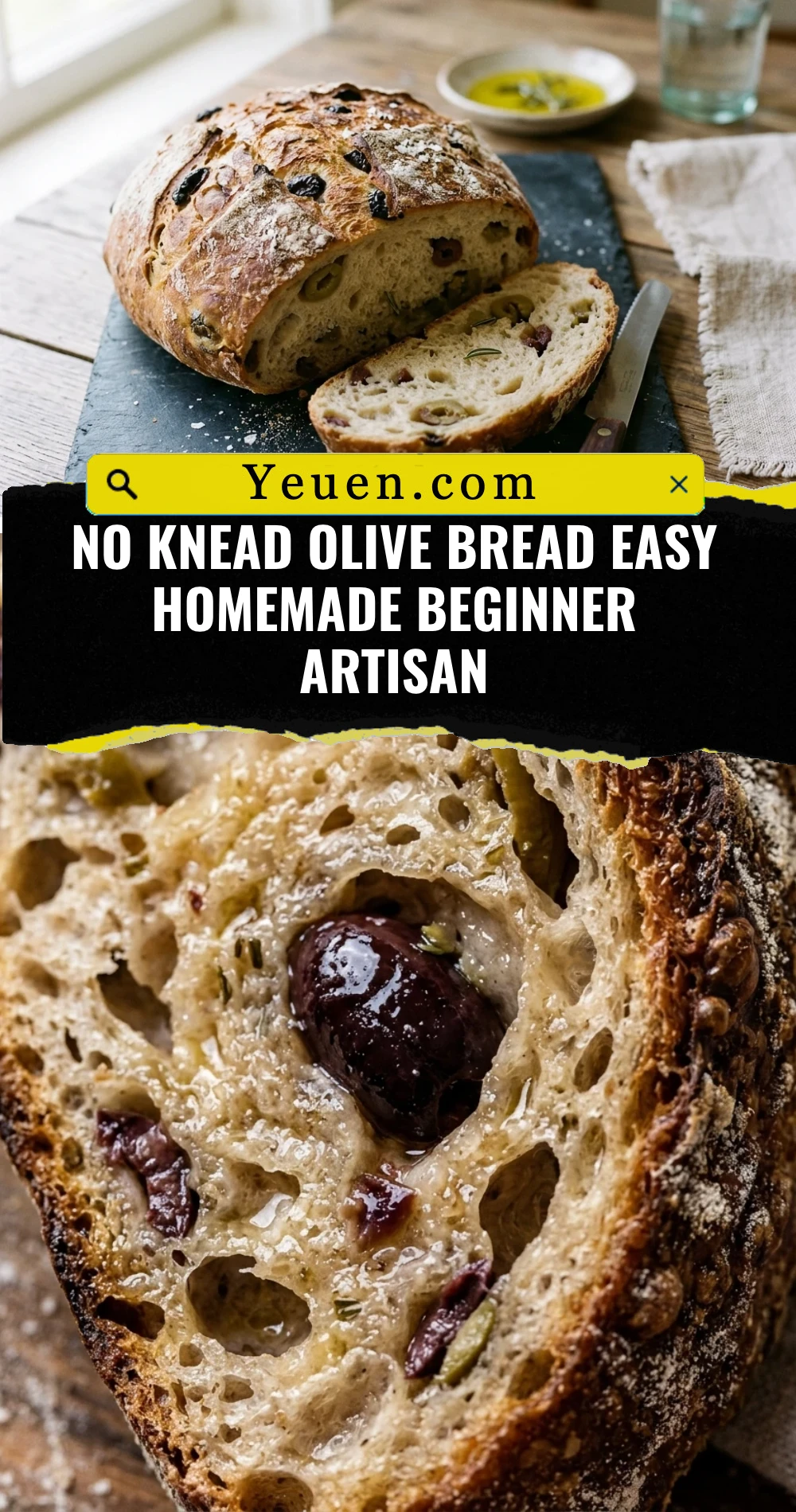
No Knead Olive Bread Easy Homemade Beginner Artisan
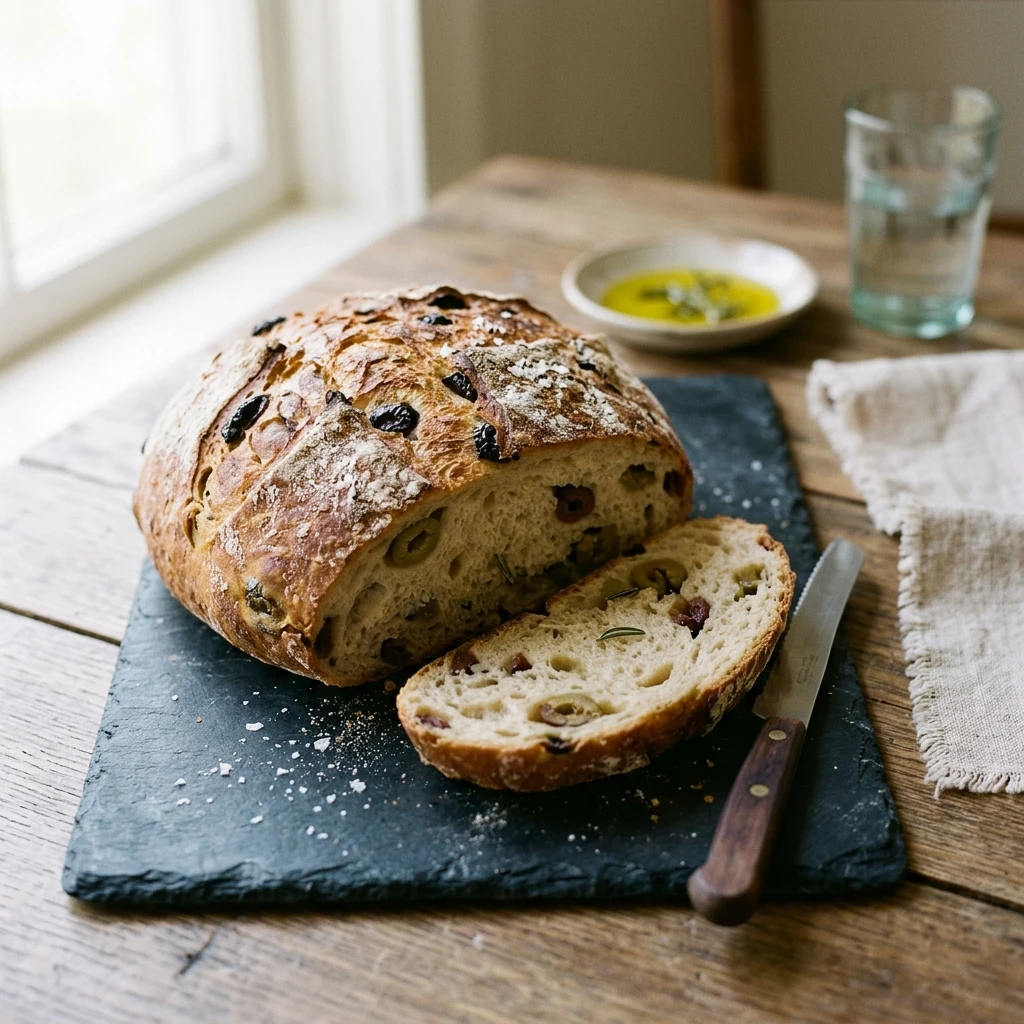
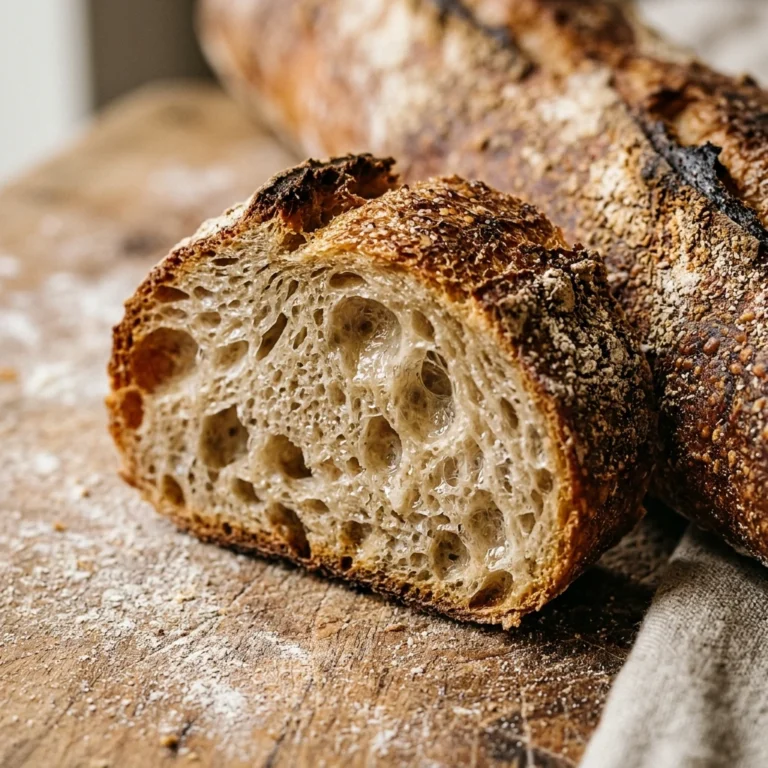
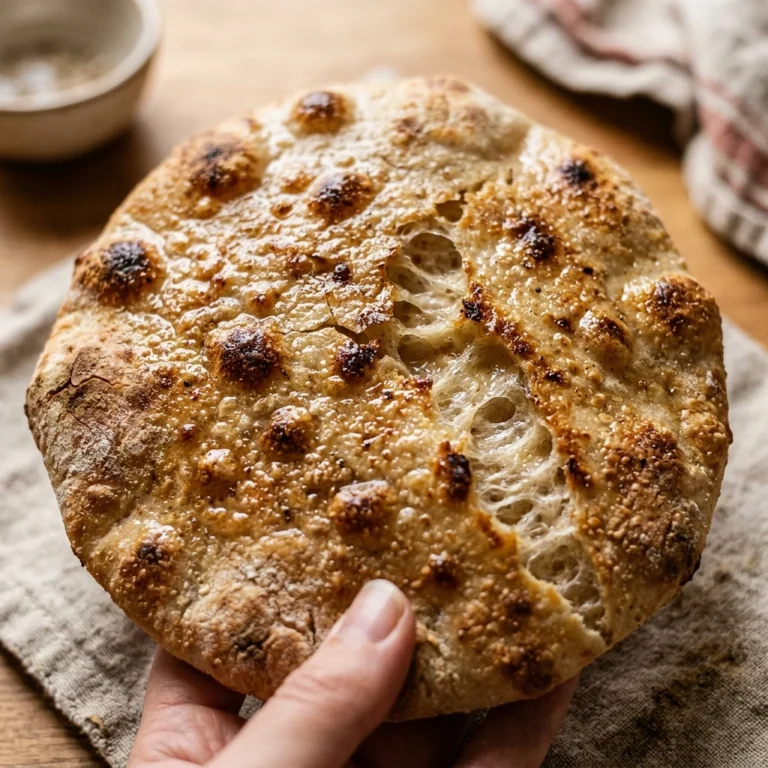
Imagine the smell of freshly baked bread wafting through your kitchen without the physical workout of traditional kneading. This no-knead olive bread is the ultimate “cheat code” for beginner bakers. It features a crackly, golden crust and a soft, airy interior studded with salty, briny olives. You do not need a stand mixer or professional skills—just a bowl, a spoon, and a little patience. This recipe transforms simple pantry staples into a gourmet artisan loaf that looks like it came straight from a high-end bakery. Whether you are hosting a dinner party or just want the perfect vessel for dipping in olive oil, this bread delivers incredible flavor with minimal effort.
Why Make This No Knead Olive Bread Easy Homemade Beginner Artisan
This recipe is perfect for anyone who feels intimidated by traditional bread making. Because it uses a long fermentation process, the yeast does all the heavy lifting for you, developing complex flavors and a perfect texture without any kneading. It is incredibly cost-effective compared to buying artisan loaves at the store. Plus, the addition of olives adds a sophisticated, salty punch that pairs perfectly with pasta, soups, or charcuterie boards. It is virtually foolproof and yields a professional-looking crust every single time.
Ingredients
3 cups All-purpose flour or Bread flour
1 ½ cups Warm water (about 100°F)
1 teaspoon Active dry yeast or Instant yeast
1 ½ teaspoons Sea salt
1 cup Pitted Kalamata or Green olives, roughly chopped and patted dry
1 teaspoon Dried rosemary or thyme (optional)
Extra flour for dusting
Directions
Step 1: Mixing the Dough
In a large mixing bowl, whisk together the flour, salt, and yeast. If you are using dried herbs, add them now. Pour in the warm water and use a sturdy spoon or a spatula to stir until a shaggy, sticky ball forms. Fold in the chopped olives until they are evenly distributed throughout the dough. Ensure there are no dry streaks of flour left at the bottom of the bowl.
Step 2: The Long Rise
Cover the bowl tightly with plastic wrap or a damp kitchen towel. Place the bowl in a warm, draft-free spot and let it sit for at least 12 hours, though 18 hours is even better for flavor development. During this time, the dough will double in size and become dotted with little bubbles on the surface. This slow fermentation is the secret to the artisan texture.
Step 3: Shaping and Preheating
Place a heavy Dutch oven (with the lid) into your oven and preheat it to 450°F (230°C). While the oven heats, turn the sticky dough out onto a well-floured surface. Gently fold the edges toward the center to form a round loaf. Place the dough onto a piece of parchment paper, cover it lightly, and let it rest for about 30 minutes while the pot gets screaming hot.
Step 4: Baking
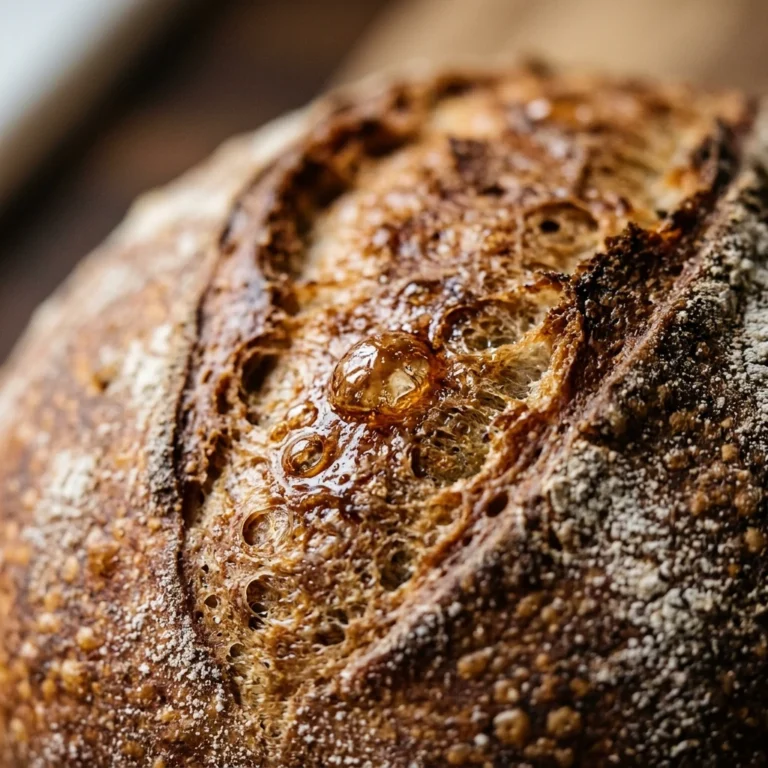
Carefully remove the hot Dutch oven from the oven. Lift the parchment paper with the dough and lower it into the pot. Cover with the lid and bake for 30 minutes. After 30 minutes, remove the lid and bake for an additional 12-15 minutes until the crust is deep golden brown and sounds hollow when tapped. Transfer to a wire rack and let it cool for at least 30 minutes before slicing.
Expert Tips for Perfect No Knead Olive Bread Easy Homemade Beginner Artisan
Always pat your olives dry with a paper towel before adding them to the dough. Excess moisture from the olive brine can make the dough too sticky and affect the rise. If you want an even crispier crust, toss a couple of ice cubes into the bottom of the oven (not the pot) right after you put the bread in to create extra steam. Finally, resist the urge to cut the bread while it is hot; letting it cool allows the internal structure to set properly.
Delicious Variations
Lemon & Herb: Add the zest of one lemon and a tablespoon of fresh rosemary for a Mediterranean flair.
Cheesy Olive: Fold in half a cup of cubed sharp cheddar or grated parmesan cheese along with the olives.
Spicy Olive: Add a teaspoon of red pepper flakes and use stuffed jalapeño olives for a spicy kick.
Garlic Lover’s: Mix in four cloves of roasted garlic or a teaspoon of garlic powder to the dry ingredients.
Frequently Asked Questions
Can I use whole wheat flour for this recipe? Yes, you can substitute up to 50% of the white flour with whole wheat flour. Note that the loaf will be denser and may require a tablespoon or two of extra water.
Do I have to use a Dutch oven? A Dutch oven is best because it traps steam, which creates the artisan crust. If you don’t have one, you can use a heavy oven-safe pot with a lid, or a baking stone with a pan of water on the rack below to create steam.
What kind of olives are best? Kalamata olives are the classic choice for their rich flavor, but Castelvetrano olives offer a buttery, mild alternative. Just ensure they are pitted and well-drained.
Can I make the dough faster? If you are in a rush, use warm water and 2 teaspoons of yeast. Let it rise in a very warm spot for 2-3 hours. The flavor won’t be as deep, but it still works!
How do I store this bread? Store the bread in a paper bag at room temperature for up to 2 days. For longer storage, slice the bread and freeze it in a freezer-safe bag. Toast the slices directly from the freezer.
Conclusion
Making artisan bread at home does not have to be a daunting task. This no-knead olive bread proves that with just four main ingredients and a little time, anyone can achieve bakery-quality results. The salty olives and the chewy, bubbly crumb make this loaf a standout addition to any meal. Give this recipe a try, and you will never want to go back to store-bought bread again. Happy baking!