Follow Me On Pinterest!
Easy 30-Minute Veggie Stir-Fry

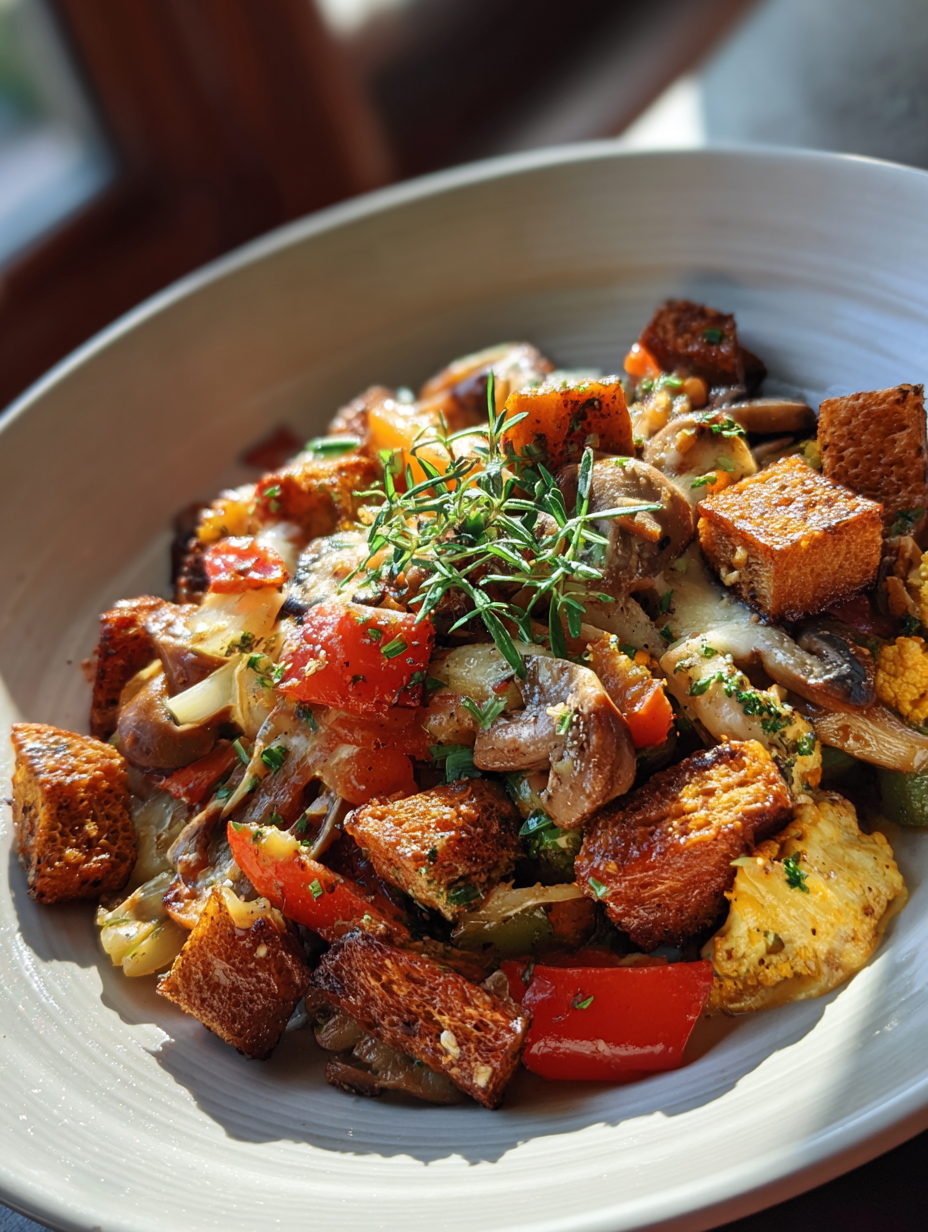
Quick, Colorful, and Bursting with Flavor: A Wholesome Dish You Can Make in No Time
—
Introduction
Sitting in my tiny kitchen, I can still recall the first time I whipped up Easy 30-Minute Veggie Stir-Fry. The sun was setting, casting a warm golden hue over everything, and the air was thick with the enticing aroma of garlic and ginger sizzling in the pan. I was home from college, back in my childhood kitchen, and my mom had just handed me a vibrant array of fresh vegetables: crisp bell peppers, bright green broccoli, and tender snap peas. The colors of the veggies were so vivid that they seemed to dance under the kitchen lights, each one a promise of something delicious.
As I chopped and stirred, the sound of the vegetables hitting the hot oil was like music to my ears — a satisfying sizzle that made my mouth water. The textures were a delight, too. The crunch of each vegetable contrasted beautifully with the silky smoothness of the sauce I was preparing. I remember how the kitchen filled with laughter as my family gathered around the table, the vibrant stir-fry becoming the centerpiece of our meal.
This dish quickly became a family favorite, not just for its deliciousness but also for its simplicity. With just a few ingredients and a little love, you can create something that feels both wholesome and indulgent. It’s a recipe that fits snugly into any weeknight routine, providing a nourishing option that’s quick enough for any busy day. So, let’s dive into the details of this Easy 30-Minute Veggie Stir-Fry, and I’ll show you just how effortless it can be to bring a taste of home into your kitchen.
—
Why This Recipe Works
At its core, a stir-fry is all about balance — balancing flavors, textures, and cooking techniques. The Easy 30-Minute Veggie Stir-Fry perfectly embodies this principle. You start with a hot pan, which allows you to sear the vegetables quickly, ensuring they retain their vibrant colors and crisp textures. This technique also locks in flavors, creating that irresistible caramelization that you want.
Now, let’s talk about the flavor combinations at play. The aromatic duo of garlic and ginger serves as the foundation of this dish. Their warm, spicy notes provide depth, while soy sauce introduces a savory umami that brings everything together. Adding a splash of sesame oil at the end elevates the dish, imparting a nutty richness that lingers on the palate. The tang of a splash of lime or rice vinegar adds a punch of acidity, brightening the overall flavor profile.
The texture contrasts are another hallmark of this stir-fry. The crispy crunch of fresh vegetables like bell peppers and carrots balances beautifully with the tender snap peas and the slightly chewy texture of the tofu (if you choose to include it). This interplay keeps each bite interesting, making you want to go back for more.
What sets this stir-fry apart from generic versions is its emphasis on fresh, whole ingredients that you can customize based on your preferences. Unlike takeout options that can often feel greasy or overly sauced, this recipe allows you to control the amount of oil and seasoning, ensuring a dish that’s not just quick but also truly nourishing.
—
What Makes It Special
There are a few unique qualities that elevate this Easy 30-Minute Veggie Stir-Fry beyond your average stir-fry.
– Freshness: Made at home, every ingredient speaks of vibrant, fresh flavors that you simply can’t find in store-bought or takeout versions. You can use whatever vegetables are in season or available in your fridge, ensuring a dish that is both personal and uniquely yours.
– Cost-Effective: Stir-fries are a fantastic way to stretch your grocery budget. Using seasonal vegetables and pantry staples, you can create a hearty meal for a fraction of the price of dining out.
– Customization: You have the freedom to modify this recipe based on dietary preferences or what you have on hand. Want it vegan? Skip the tofu or add a different protein like chickpeas. Craving a little heat? Toss in some red pepper flakes or a dash of sriracha.
– Surprising Elements: One of the best-kept secrets of this recipe is the addition of peanuts or cashews for a delightful crunch and a boost of protein. Adding these nuts not only enhances the texture but also introduces a creamy, rich flavor that rounds out the entire dish beautifully.
—
Ingredient Breakdown
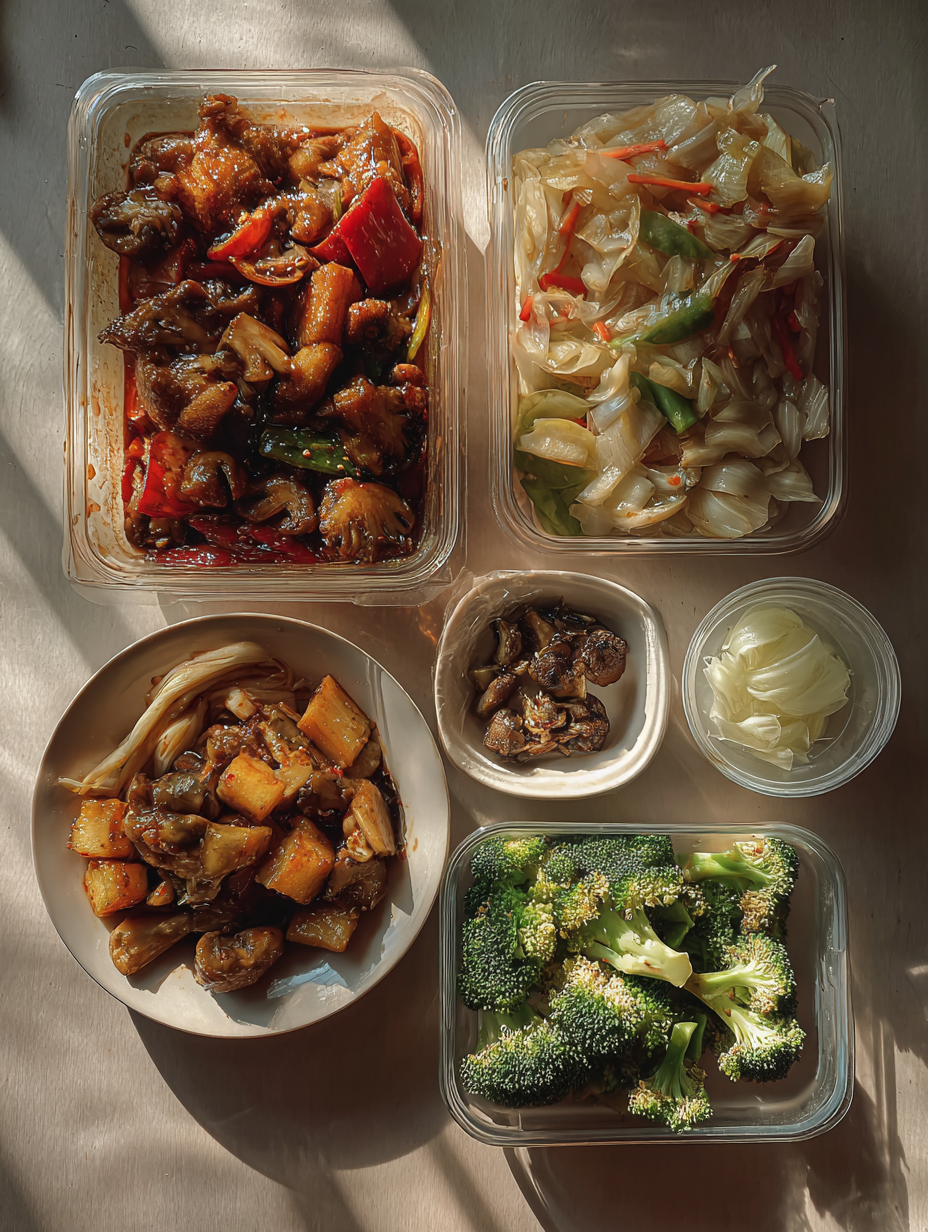
– Vegetables: The star players in your stir-fry. You can use staples like bell peppers, broccoli, and carrots, or mix in seasonal veggies like zucchini or snow peas. The colors not only make it visually appealing but also ensure a variety of nutrients.
– Soy Sauce: This umami-packed liquid is what ties all the flavors together. Using low-sodium soy sauce allows you to enjoy the rich flavor without overwhelming the dish with saltiness. You can substitute with tamari for a gluten-free option.
– Garlic and Ginger: Freshly minced garlic and ginger provide depth and warmth. Their robust flavors are essential for that classic stir-fry taste. You can substitute with powdered versions in a pinch, but fresh is always best for maximum impact.
– Sesame Oil: This oil adds a nutty richness that elevates the flavor. It’s best used as a finishing oil; just a drizzle at the end makes all the difference. If you need a substitute, light olive oil can work, but you’ll lose that signature flavor.
– Protein (optional): Tofu is a popular choice, providing a great texture and soaking up the surrounding flavors. Firm tofu works best, but for a non-soy option, consider chickpeas or grilled chicken. If you’re vegan, ensure your protein selection aligns with your dietary needs.
– Rice or Noodles (optional): Serve your stir-fry over steamed rice or toss it with some noodles for a heartier meal. Brown rice or whole grain noodles add an extra nutritional boost.
—
Equipment Needed
To whip up this Easy 30-Minute Veggie Stir-Fry, you’ll need a few essential pieces of equipment to ensure everything goes smoothly:
– Wok or Large Skillet: A wok is the traditional choice, designed for high-heat cooking, allowing you to stir and toss the vegetables effectively. If you don’t have a wok, a large skillet works just fine. The key is to have a spacious cooking surface to avoid overcrowding.
– Spatula: A sturdy spatula is crucial for flipping and stirring the vegetables without breaking them apart. A wooden or silicone spatula is ideal as they won’t scratch your cookware.
– Cutting Board and Knife: A sharp knife and a reliable cutting board are essential for prepping your vegetables. Make sure to have your veggies chopped and ready to go before you start cooking to keep everything quick and efficient.
– Measuring Spoons: For perfecting your sauce, precise measurements are helpful. If you don’t have measuring spoons, just use an ordinary tablespoon and adjust to taste.
– Serving Bowl: Once your stir-fry is done, you’ll want a lovely bowl to serve it in. A large, shallow bowl allows everyone to appreciate the beautiful colors of your dish.
With these tools in hand, you’ll be well-prepared to create a delicious stir-fry in just 30 minutes!
Step-by-Step Instructions

1. Prepare Your Ingredients: Start by washing and chopping your vegetables. Aim for a variety of colors—bell peppers, broccoli, carrots, and snap peas work beautifully together. Cut the bell peppers into thin strips, the broccoli into small florets, and the carrots into matchsticks. You want uniform pieces to ensure even cooking. Chef’s Note: Keep your knife skills sharp; the smaller and more uniform the pieces, the quicker they will cook, and the more visually appealing your stir-fry will be.
2. Heat the Wok or Skillet: Place your wok or large skillet on the stove over high heat. Allow it to heat up for about 2-3 minutes until it’s sizzling hot. You’ll know it’s ready when the surface shimmers and a drop of water dances on it, evaporating almost immediately. Chef’s Note: A properly heated pan helps with searing the vegetables, locking in their natural flavors and adding a slight char.
3. Add Oil: Once your pan is hot, add about 2 tablespoons of high smoke point oil, such as canola or peanut oil. Swirl the oil around to coat the surface evenly. You should hear a satisfying sizzle as it hits the pan. If you notice the oil smoking excessively, reduce the heat slightly. Chef’s Note: Using a high smoke point oil prevents burning and allows for that perfect stir-fried texture.
4. Stir-Fry the Aromatics: Toss in 2-3 minced garlic cloves and a 1-inch piece of ginger, grated or finely chopped. Stir them quickly for about 30 seconds until fragrant—be careful not to let them burn, which can impart a bitter taste. You should smell the aromatic scent wafting up as they cook. Chef’s Note: This step builds the foundation of flavor; don’t rush it!
5. Add the Harder Vegetables First: Start with the carrots and broccoli, cooking them for about 2-3 minutes. Stir frequently to ensure they cook evenly. You want them to be vibrant and slightly tender but still crisp. Listen for that gentle sizzling sound; if it becomes too loud, lower the heat. Chef’s Note: Adding harder vegetables first ensures everything cooks evenly, as softer ones will cook more quickly.
6. Incorporate Softer Vegetables: Next, add the bell peppers and snap peas to the mix. Stir-fry everything together for an additional 2-3 minutes. The bell peppers should be bright and slightly wilted, while the snap peas remain crisp and vibrant green. You might notice a delightful medley of colors in your pan. Chef’s Note: Toss gently to maintain the integrity of the vegetables; you want them to hold their shape.
7. Season and Serve: Drizzle in 2-3 tablespoons of soy sauce (or tamari for a gluten-free option), and toss everything together for about a minute. You want to ensure all vegetables are coated. This is when the flavors come together, and you’ll hear that satisfying sound of sizzling as the sauce reduces slightly. Chef’s Note: Adjust the soy sauce and add a pinch of sesame oil at the end for extra depth; remove from heat immediately to avoid overcooking.
Pro Tips for the Best Results
1. Prep Before You Start: Have all your ingredients prepped and ready to go before you turn on the heat. Stir-frying happens quickly, and having everything at hand will prevent overcooking.
2. Use a Wok for Best Results: If you have a wok, use it! Its shape allows for hotter temperatures and better heat distribution. If you don’t have one, a heavy skillet will suffice, but a wok can enhance the stir-frying experience.
3. Don’t Crowd the Pan: If you have too many vegetables in the pan at once, they will steam instead of stir-fry. Work in batches if necessary to ensure each piece gets that coveted sear.
4. High Heat is Key: Always maintain high heat while stir-frying. This helps to lock in the flavors and gives the vegetables that beautiful char. If using a non-stick pan, keep an eye on the temperature to avoid damaging the surface.
5. Experiment with Different Oils: While canola or peanut oil works well for most stir-fries, consider experimenting with other oils like sesame or avocado oil for a unique flavor profile.
6. Taste as You Go: Don’t be afraid to taste your dish during cooking. This allows you to adjust the seasoning and ensure everything is cooked to your liking.
7. Finish with Fresh Herbs: A sprinkle of fresh herbs like cilantro or scallions can elevate your stir-fry. Add them right before serving for a burst of freshness.
Common Mistakes to Avoid
1. Not Prepping Ingredients: Failing to prep your vegetables beforehand can lead to uneven cooking. Why it ruins the dish: You’ll likely overcook some ingredients while undercooking others. Correct approach: Always chop and measure everything before starting to cook.
2. Using Low Heat: Stir-frying on low heat can turn your vegetables soggy and dull. Why it ruins the dish: You miss out on the beautiful sear and flavor. Correct approach: Always crank the heat to high for that perfect stir-fry.
3. Overcrowding the Pan: Putting too many veggies in the pan at once will steam them instead of stir-frying. Why it ruins the dish: This leads to a lackluster texture and flavor. Correct approach: Cook in smaller batches for an even sauté.
4. Ignoring Timing: Cooking all vegetables for the same amount of time can lead to mushiness. Why it ruins the dish: Different vegetables have different cooking times. Correct approach: Add hard veggies first and softer ones later.
5. Skipping the Aromatics: Neglecting to add garlic or ginger at the beginning can lead to a bland dish. Why it ruins the dish: You lose essential flavor that builds the base of the stir-fry. Correct approach: Always start with aromatics to enhance the overall taste.
6. Not Tasting Seasoning: Failing to taste and adjust seasoning can lead to a bland or overly salty dish. Why it ruins the dish: You miss the chance to balance flavors. Correct approach: Taste as you go, adjusting the soy sauce or adding spices as needed.
7. Using Cold Ingredients: Adding cold vegetables straight from the fridge can shock the cooking process. Why it ruins the dish: Cold veggies drop the pan temperature, resulting in steaming rather than frying. Correct approach: Let your veggies sit at room temperature for about 15 minutes before cooking.
Creative Variations
1. Seasonal Variation: In the spring, switch up your veggies to include asparagus and peas. These tender greens cook quickly and provide a fresh crunch. Simply chop them into bite-sized pieces and add them after the carrots for a delightful seasonal twist.
2. Dietary-Friendly Version: For a vegan adaptation, replace soy sauce with tamari for gluten-free or coconut aminos for a less salty option, and ensure no animal-derived ingredients are included. Add cubed tofu for protein, frying it first until golden before adding your vegetables.
3. Gourmet Elevated Version: Upgrade your stir-fry by using premium ingredients like shiitake mushrooms, baby bok choy, and sesame oil. Sauté these luxurious vegetables with a splash of rice wine vinegar for acidity and finish with toasted sesame seeds for a gourmet touch.
4. Quick 15-Minute Version: For a super speedy dinner, use pre-cut frozen stir-fry vegetable mixes. Skip the chopping, and simply stir-fry them from frozen in your hot wok, adding soy sauce and a splash of water to help steam them quickly. You’ll have a delicious meal in no time!
5. Kid-Friendly Version: To make this dish appealing to children, use sweeter vegetables like bell peppers and carrots, and add a touch of honey or maple syrup to the soy sauce. Serve it over rice or noodles, and consider cutting the veggies into fun shapes for a playful twist.
6. International Twist: For a Thai-inspired stir-fry, add Thai basil and a splash of fish sauce. Include colorful bell peppers and snap peas, and finish with a sprinkle of crushed peanuts for that authentic crunch. Serve it over jasmine rice for a complete meal.
Serving Ideas
When it comes to presenting your Easy 30-Minute Veggie Stir-Fry, let your creativity shine! Here are a few inspiring plating ideas that will make your dish pop on any table:
1. Colorful Contrast: Use a bright white plate to let the vibrant colors of your stir-fry stand out. Arrange the veggies in a circular pattern, creating a rainbow effect. Finish with a sprinkle of sesame seeds for a nutty contrast and crunch.
2. Layered Delight: For a more rustic look, serve your stir-fry in a shallow wooden bowl. Layer the stir-fry with a base of fluffy quinoa or brown rice, and top it with a generous handful of fresh cilantro or green onions for an aromatic finish.
3. Elegant Garnish: Add gourmet flair by drizzling a balsamic reduction around the plate. Place the stir-fry artfully to one side and top it with microgreens for a sophisticated touch. A sprinkle of crushed red pepper flakes can also add a pop of color and heat.
4. Family-Style Serving: For a casual dinner, present the stir-fry in a large serving bowl at the center of the table. Accompany it with small bowls of soy sauce, sriracha, or peanut sauce for dipping. This encourages sharing and creates a warm, inviting atmosphere.
5. Bento Box Presentation: For a fun and appealing way to serve this dish, use a bento box. Fill the compartments with the stir-fry, a side of pickled vegetables, and some sliced fruit like mandarin oranges. This not only looks beautiful but also offers a variety of tastes and textures.
What to Serve With
To elevate your Easy 30-Minute Veggie Stir-Fry, consider these complementary dishes:
1. Crispy Spring Rolls: The crunchiness of spring rolls contrasts beautifully with the tender veggies in your stir-fry. Their lightness makes them a perfect starter that doesn’t overshadow the main dish.
2. Mango Lassi: This sweet and creamy yogurt drink offers a refreshing balance to the stir-fry’s savory flavors. The natural sweetness of mango complements the slight heat in the dish, creating a harmonious dining experience.
3. Garlic Naan: Soft, pillowy naan is a delightful accompaniment. Its chewy texture contrasts with the crisp veggies and provides a nice vehicle for scooping up the stir-fry. Plus, the garlic flavor enhances the overall meal.
4. Coconut Rice: The subtle sweetness of coconut rice pairs wonderfully with the umami of your stir-fry. Its creamy texture adds a luscious mouthfeel that balances the dish’s crunchiness.
5. Sesame-Crusted Tofu: If you want to add protein, serve alongside sesame-crusted tofu. Its nutty flavor and crispy exterior provide a satisfying bite that complements the stir-fry’s vegetable medley.
6. Chocolate Avocado Mousse: For dessert, indulge in a rich chocolate avocado mousse. Its creamy texture and deep chocolate flavor allow for a perfect sweet finish after the savory stir-fry, creating a delightful contrast that keeps your meal exciting.
Storage Guide
To store your leftovers from the Easy 30-Minute Veggie Stir-Fry properly, follow these guidelines:
– Use an airtight glass container for optimal freshness. Glass is non-reactive and won’t retain odors.
– Ensure your refrigerator is set to below 40°F (4°C) to keep the stir-fry safe and tasty.
– Properly stored, your stir-fry will last for 3–4 days in the fridge.
Look out for signs of spoilage, such as an off smell, discoloration, or slimy textures. If you notice any of these, it’s best to err on the side of caution and discard the dish.
To refresh the stir-fry before serving again, add a splash of soy sauce or a drizzle of sesame oil. This will help revive the flavors and moisture. You can also toss in some fresh veggies or herbs to brighten it up.
Freezing Tips
Yes, your Easy 30-Minute Veggie Stir-Fry does freeze well! Here’s how to ensure it retains its flavor and texture:
1. Portion Out: Divide the stir-fry into single-serving portions. This makes it easier to thaw only what you need.
2. Wrap Properly: Place each portion in a freezer-safe bag or container. Squeeze out as much air as possible to avoid freezer burn, and label each bag with the date.
3. Freezing Duration: It will keep well in the freezer for up to 3 months.
Expect slight quality changes after thawing, such as softer vegetables. The best thawing method is to let it sit in the refrigerator overnight. This helps preserve the texture and flavor better than a quick microwave thaw.
Reheating Guide
Reheating your Easy 30-Minute Veggie Stir-Fry can be done in several ways:
– Microwave: Place your stir-fry in a microwave-safe bowl. Heat on medium power for 2-3 minutes, stirring halfway through to ensure even heating. Add a splash of water or oil to help prevent drying out.
– Oven: Preheat your oven to 350°F (175°C). Spread the stir-fry in a single layer on a baking sheet and cover it with aluminum foil to retain moisture. Heat for about 10-15 minutes, or until warmed through.
– Stovetop: Heat a skillet over medium heat and add a tablespoon of oil. Toss in the stir-fry and add a bit of water or broth to steam it. Cook for 5-7 minutes, stirring occasionally until heated through.
To restore the original texture and flavor, you might want to add a little fresh sauce or a splash of citrus just before serving.
Nutrition Overview
Your Easy 30-Minute Veggie Stir-Fry is not just a delightful dish; it’s also packed with nutrients. Here’s a rough breakdown of its nutritional values per serving:
– Calories: 200
– Protein: 5g
– Carbohydrates: 30g
– Fat: 8g
– Fiber: 6g
– Sugar: 4g
Key ingredients like bell peppers and broccoli are rich in vitamins A and C, which are essential for immune health. Carrots add a boost of beta-carotene, supporting eye health. This stir-fry is a delicious way to incorporate a variety of vegetables into your diet, ensuring you get plenty of fiber and nutrients.
Frequently Asked Questions
Q: Can I use frozen vegetables instead of fresh ones?
A: Absolutely! Frozen vegetables can be a great time-saver and will work perfectly in your stir-fry. Just be sure to thaw them and pat them dry before adding them to the pan to avoid excess moisture.
Q: How can I make this stir-fry gluten-free?
A: To make your stir-fry gluten-free, simply use gluten-free soy sauce or tamari instead of regular soy sauce. Check the labels on any sauces you add to ensure they are gluten-free as well.
Q: What can I substitute for tofu?
A: If you’re looking for a protein alternative to tofu, try using chickpeas or edamame. Both add a hearty texture and protein to your dish without the need for tofu.
Q: Can I add meat to this stir-fry?
A: Yes, you can! If you prefer a meat version, chicken, shrimp, or beef can be added. Just make sure to cook the meat fully before adding the vegetables to the pan.
Q: How do I prevent my stir-fry from getting soggy?
A: To avoid a soggy stir-fry, make sure not to overcrowd the pan. Cook the vegetables in batches if necessary, and keep the heat high to ensure they sauté rather than steam.
Q: What type of pan is best for stir-frying?
A: A wok is the traditional choice for stir-frying due to its high sides and ability to distribute heat evenly. However, a large skillet works just as well if you don’t have a wok.
Q: How long does it take to prepare the ingredients?
A: Preparation can take about 10-15 minutes, especially if you are chopping vegetables. To save time, consider buying pre-cut veggies or using a mandoline for quicker slicing.
Q: Can I make this stir-fry ahead of time?
A: Yes, you can prepare the vegetables and sauce ahead of time and store them in the fridge. Just stir-fry them fresh when you’re ready to eat. This keeps everything crisp and flavorful.
Final Thoughts
As you dive into making your Easy 30-Minute Veggie Stir-Fry, remember that the key to a fantastic dish lies in the fresh ingredients and your creativity in presentation. Don’t hesitate to mix and match your favorite vegetables or even try new sauces to make this recipe your own. I genuinely hope you enjoy every bite of this vibrant, wholesome dish.
I invite you to try this recipe for yourself and share your own twist on it! Let the colors and flavors inspire you in your kitchen — who knows, this might just become your go-to meal for busy nights!