Follow Me On Pinterest!
Easy 30-Minute Veggie Stir-Fry

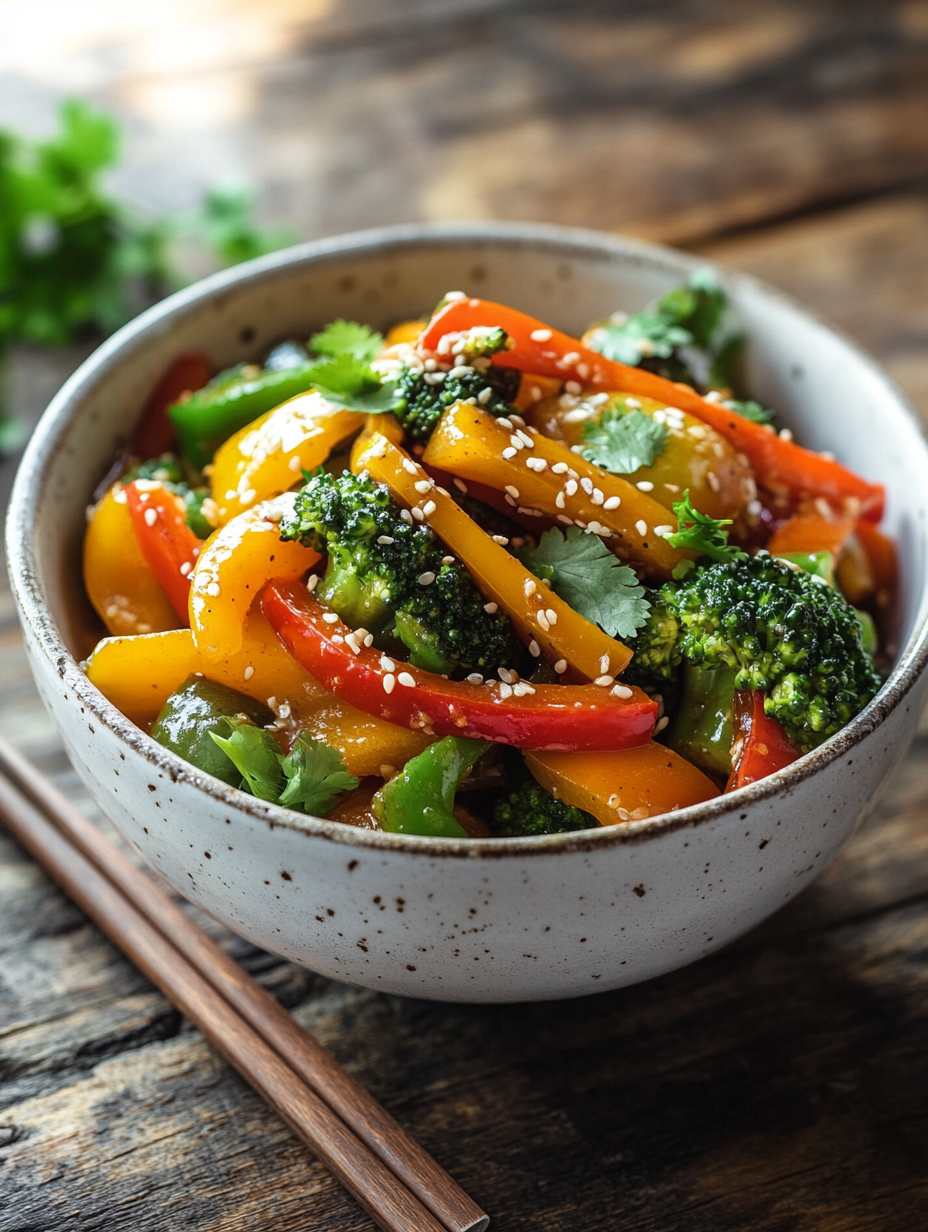
Easy 30-Minute Veggie Stir-Fry: Quick, Colorful, and Satisfying
Introduction
Picture a bustling kitchen filled with the rich aroma of sautéed garlic and ginger, the vibrant colors of fresh vegetables dancing in a hot skillet. This is the heart of my home, where meals come alive, and memories are made. One evening, after a long day of work, I found myself staring at a crisper drawer full of wilting vegetables. Rather than letting them go to waste, I decided to whip up a quick stir-fry. As I chopped and tossed the veggies, nostalgia swept over me, reminding me of my grandmother’s kitchen where we would gather around a sizzling wok, eagerly awaiting our dinner.
The simplicity of a stir-fry became clear to me that night; it was not just a meal but a canvas for creativity and nourishment. Each bite was a burst of flavor, a reminder of how easy it is to enjoy a healthy dish that is also incredibly satisfying. With my family gathered around the table, we shared laughter and stories, savoring the colorful medley of crisp veggies and a sauce that tied it all together. This quick, nutritious dish soon became a staple in my kitchen, a go-to meal for busy weeknights that still brings my loved ones together.
Now, I’m excited to share with you this Easy 30-Minute Veggie Stir-Fry recipe, which is not only quick to prepare but also bursting with freshness and flavor. Whether you’re a seasoned cook or just starting your culinary journey, this dish is sure to become a cherished favorite in your home.
Why This Recipe Works
This Easy 30-Minute Veggie Stir-Fry is designed to deliver maximum flavor and nutrition with minimal effort. The secret lies in the cooking technique: high heat and quick cooking times. Stir-frying allows you to seal in the flavors and nutrients of the vegetables while ensuring they remain crisp and vibrant. The method involves a large skillet or wok, which heats quickly and distributes heat evenly, making it perfect for cooking a variety of vegetables at once.
The key flavors in this dish come from the combination of ginger and garlic, which not only enhance the taste but also offer numerous health benefits. Ginger adds a zesty warmth while garlic brings a savory depth, creating a harmonious base for the stir-fry. The addition of soy sauce introduces a rich umami punch, while the sesame oil contributes a delightful nuttiness that elevates the overall flavor profile.
Furthermore, using a mix of colorful vegetables—like broccoli, bell peppers, carrots, snap peas, and mushrooms—not only captivates the eye but also ensures a range of nutrients, vitamins, and minerals in every bite. The versatility of this stir-fry allows you to customize it based on your favorite vegetables or what you have on hand, making it a reliable and adaptable recipe for any occasion.
What Makes It Special
What sets this Easy 30-Minute Veggie Stir-Fry apart from takeout or store-bought versions is its freshness and the ability to tailor it to your preferences. Here are a few unique qualities that make this dish a standout:
– Freshness: Unlike restaurant versions that may use frozen or pre-packaged vegetables, this stir-fry utilizes fresh, seasonal produce, which means you get the best flavor and texture.
– Customization: You have the freedom to experiment with different vegetables, sauces, and proteins. Whether you’re a vegetarian or looking to add a protein like chicken or tofu, this recipe easily adapts to your dietary needs.
– Health-Focused: By preparing this dish at home, you control the ingredients, making it a healthier option. You can reduce sodium by using low-sodium soy sauce or omit it entirely, relying on herbs and spices to enhance flavor.
– Speedy Cooking: The entire process takes just 30 minutes, making it perfect for busy weeknights when you still want to enjoy a homemade meal without spending hours in the kitchen.
Ingredient Breakdown
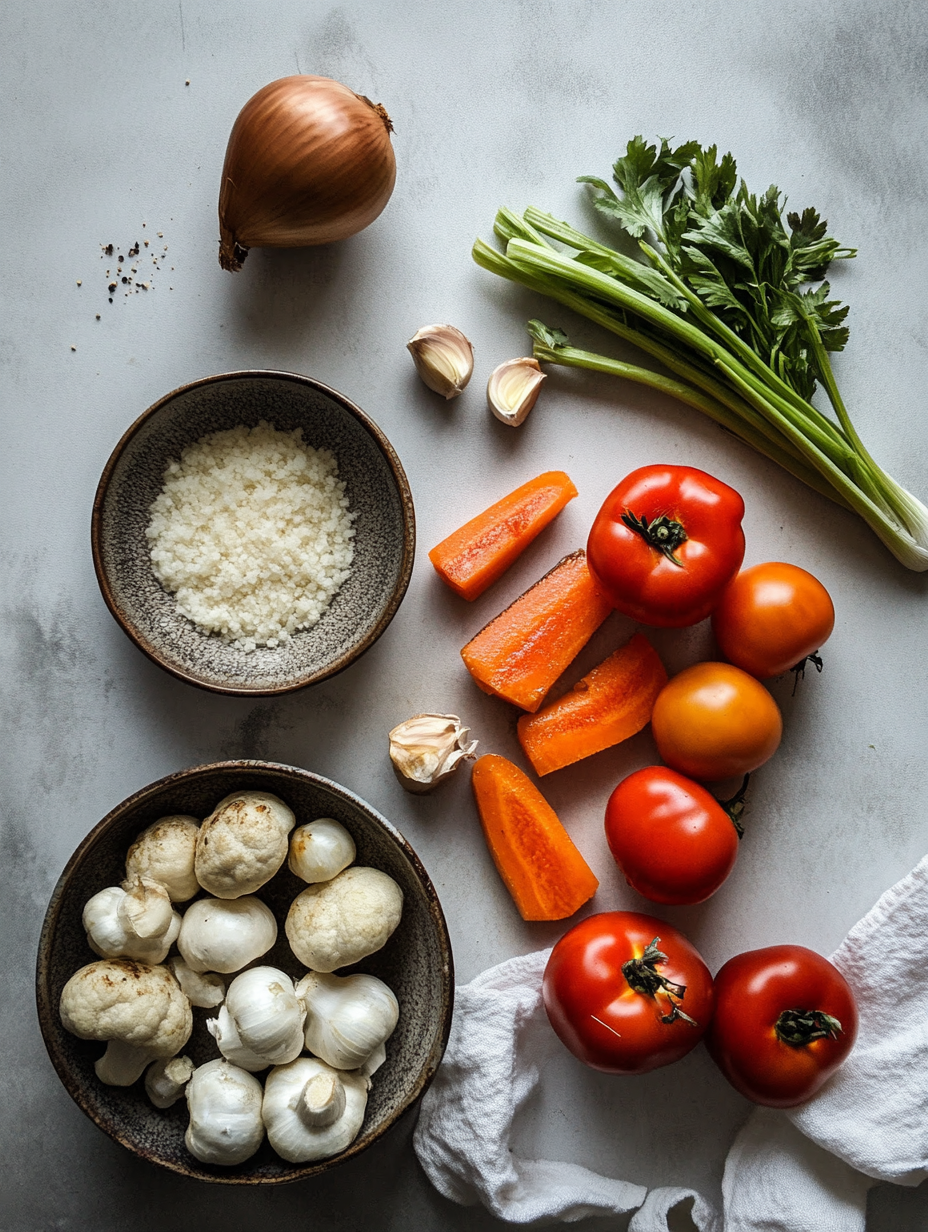
Understanding the role of each ingredient in this stir-fry not only enhances your culinary skills but also empowers you to make informed substitutions if necessary.
– Broccoli Florets: Packed with vitamins C and K, broccoli adds a satisfying crunch and vibrant color. You can substitute with cauliflower for a similar texture or even Brussels sprouts if you prefer.
– Bell Pepper: With their sweet, juicy flavor, bell peppers add a pop of color and crunch. Feel free to use any color—red, yellow, or green—or swap in zucchini for a different taste and texture.
– Carrots: These provide a touch of sweetness and a lovely orange hue. If you’re looking for a different root vegetable, you could use parsnips or even sweet potatoes, just ensure they are cut into thin matchsticks for even cooking.
– Snap Peas: Crisp and slightly sweet, snap peas are a great way to add freshness. If unavailable, you can substitute with green beans or snow peas.
– Mushrooms: Their earthy flavor adds depth to the dish. Use shiitake for a robust taste or white button mushrooms for a milder flavor. If mushrooms aren’t your favorite, consider adding eggplant or even tofu for added protein.
– Soy Sauce: This adds a savory umami note. For a gluten-free option, opt for tamari or coconut aminos.
– Sesame Oil: A small amount goes a long way in delivering a nutty flavor. If you don’t have sesame oil, use olive oil or peanut oil, although you may miss some of that unique taste.
– Ginger: Fresh ginger is a key player in this dish, adding warmth and zest. If fresh ginger isn’t on hand, ground ginger can work in a pinch, but reduce the amount since the flavor is more concentrated.
– Garlic: A staple in many cuisines, garlic brings its signature pungent and savory taste. Don’t skip it! If you’re allergic, consider using shallots or leeks for a milder flavor.
– Cornstarch: This is essential for thickening the sauce, giving it a luscious texture. If you need a substitute, arrowroot powder can work similarly.
– Cooked Rice: Serving your stir-fry over a bed of rice creates a complete meal. Use brown rice for added fiber, cauliflower rice for a low-carb option, or even quinoa for a protein boost.
Equipment Needed
To create your Easy 30-Minute Veggie Stir-Fry, you’ll need a few essential tools that make the cooking process efficient and enjoyable:
– Large Skillet or Wok: A heavy-bottomed skillet or a wok is crucial for achieving that high, consistent heat that stir-frying requires. A non-stick surface is ideal for easy cleanup, but if you don’t have one, a well-seasoned cast iron skillet will do the trick.
– Spatula or Wooden Spoon: A sturdy spatula or wooden spoon is essential for stirring and tossing your vegetables. Choose one that can withstand high heat and won’t scratch your cookware.
– Knife and Cutting Board: A sharp knife and a solid cutting board are necessary for prepping your ingredients. Investing in a good chef’s knife will make chopping vegetables a breeze.
– Measuring Cups and Spoons: Accurate measurements ensure that your sauce is perfectly balanced. A set of dry measuring cups and spoons, along with liquid measuring cups, will help you follow the recipe with ease.
– Mixing Bowl: A small mixing bowl is handy for whisking together your sauce ingredients. If you don’t have one, you can simply use a mug or a larger bowl, just be cautious with the amount.
Each piece of equipment plays a vital role in creating a delicious stir-fry with minimal fuss. If budget constraints are a concern, look for affordable alternatives, like second-hand stores for cookware or even borrowing from friends until you build your collection.
Step-by-Step Instructions
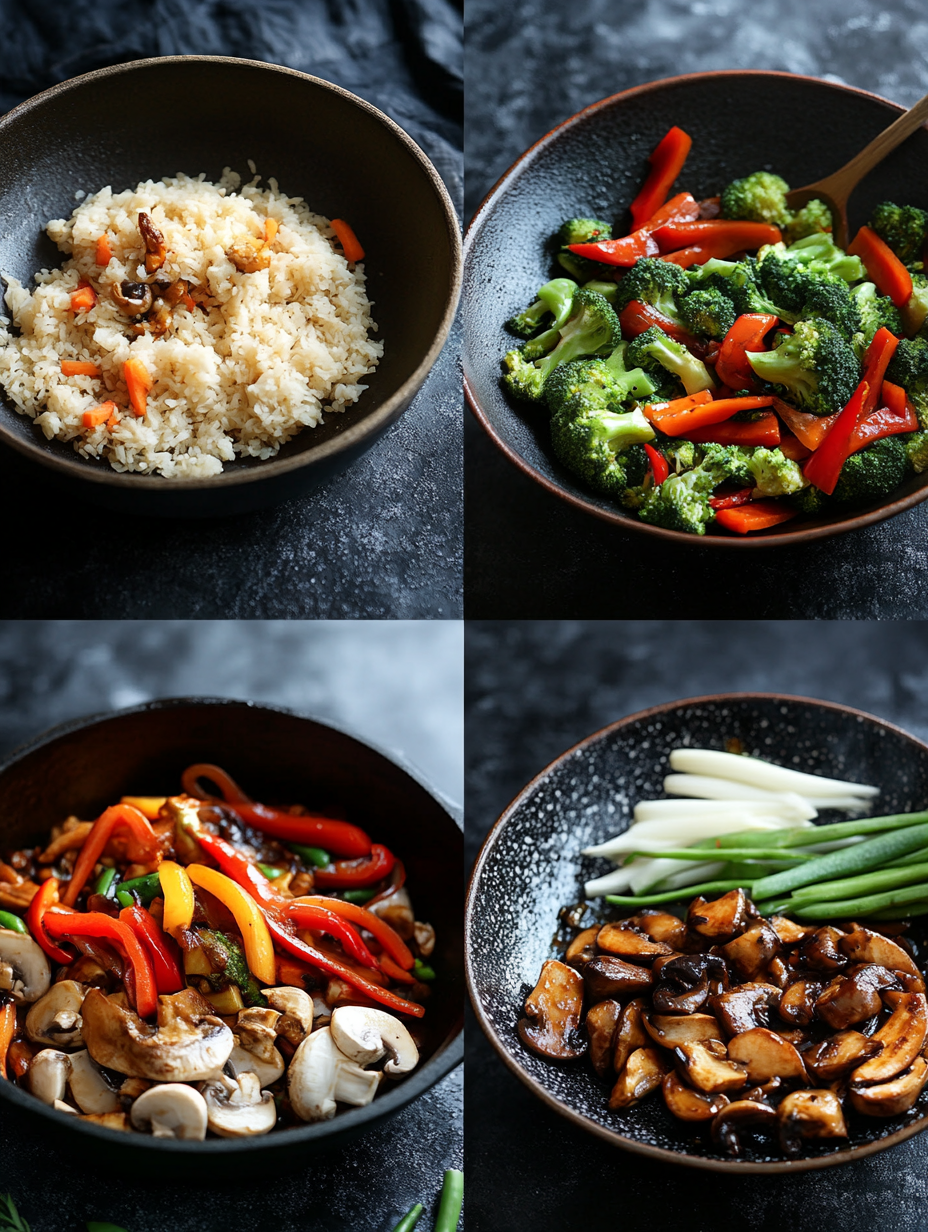
1. Heat the Skillet
Start by placing a large skillet or wok on the stove over medium-high heat. Add 2 tablespoons of sesame oil. You’ll know the oil is ready when it shimmers slightly and you can smell its nutty aroma. This will serve as the flavor base for your stir-fry.
2. Sauté Aromatics
Once the oil is hot, add 2 cloves of minced garlic and 1 tablespoon of freshly grated ginger. Stir them quickly for about 30 seconds. Listen for the sizzle as they hit the pan and watch for the garlic turning golden. The scent should be heavenly—this is where the magic begins!
3. Add the Vegetables
Next, toss in 2 cups of broccoli florets, 1 cup of bell pepper (sliced), 1 cup of carrots (julienned), 1 cup of snap peas, and 1 cup of mushrooms (sliced). Stir frequently to coat the veggies in the fragrant oil. You’ll want to hear that satisfying crunch as they cook. Aim for 5-7 minutes, keeping them on the heat until they’re tender-crisp, vibrant in color, and still have a slight snap when bitten into.
4. Prepare the Sauce
While the veggies are cooking, grab a small bowl. Combine 2 tablespoons of soy sauce, 0.5 cup of water, and 1 teaspoon of cornstarch. Whisk it together until the cornstarch is fully dissolved. You’re looking for a smooth consistency that will create a glossy coating for your vegetables.
5. Add the Sauce
Pour the sauce mixture over the sautéed vegetables in the skillet. Stir well to ensure everything is coated. You’ll notice the liquid bubbling and thickening as it cooks. Let it simmer for an additional 2-3 minutes. The sound of a gentle simmer and the aroma of soy sauce filling the air will assure you that you’re on the right path.
6. Serve it Up
Finally, serve your colorful stir-fry over 2 cups of cooked rice. The heat from the stir-fry will warm the rice perfectly. Enjoy the vibrant colors and the delightful smell—this dish is as pleasing to the eyes as it is to the palate!
Chef’s Note: For a bit of heat, feel free to add a pinch of red pepper flakes when sautéing the garlic and ginger. This will elevate the flavor profile without overwhelming the dish.
Pro Tips for the Best Results
– Prep Ahead: Before you start cooking, chop all your vegetables and have them ready to go. Stir-frying is quick, so having everything prepped beforehand will help you avoid overcooking the vegetables.
– Use Fresh Veggies: Opt for fresh, seasonal vegetables for the best flavor and texture. Frozen vegetables can work in a pinch, but they often contain added water that can lead to a soggy stir-fry.
– Don’t Overcrowd the Pan: If you’re making a large batch, consider cooking in two batches rather than overcrowding the skillet. Overcrowding can lead to steaming instead of sautéing, preventing that desired crunchy texture.
– High Heat is Key: Keep your skillet at medium-high heat throughout the cooking process. This ensures that the vegetables cook quickly while retaining their crunch and bright color.
– Adjust the Sauce: Feel free to adjust the amount of soy sauce or add a splash of rice vinegar for a tangy kick. Test the sauce before adding it to the veggies to suit your taste preferences.
– Garnish Thoughtfully: Finish with a sprinkle of sesame seeds or chopped green onions for extra flavor and a beautiful presentation.
– Experiment with Texture: To add more crunch, consider tossing in some raw nuts (like cashews or almonds) right before serving.
Common Mistakes to Avoid
1. Not Prepping Ingredients: Failing to chop and prepare vegetables beforehand leads to a chaotic cooking process, risking overcooked veggies. Always prep ahead.
2. Using Low Heat: Cooking on too low a heat results in steamed vegetables instead of stir-fried ones. Always maintain medium-high heat for a proper stir-fry.
3. Overcooking the Veggies: Cooking too long makes vegetables mushy and dull. Aim for tender-crisp to retain their natural flavors and vibrant colors.
4. Ignoring Sauce Ratios: Not balancing the soy sauce and water can make the dish too salty or watery. Stick to the recommended amounts and adjust based on taste.
5. Using Old Vegetables: Using wilted or old vegetables leads to a lackluster dish. Always choose the freshest produce for optimal flavor and nutrition.
6. Not Tasting as You Go: Skipping the tasting phase may leave the dish unseasoned or bland. Always taste the sauce and adjust seasoning as needed before serving.
Creative Variations
1. Seasonal Stir-Fry: Adapt your veggie stir-fry based on what’s in season. In spring, add asparagus and peas; during fall, think about incorporating Brussels sprouts and squash.
2. Dietary-Friendly: For a gluten-free version, swap out soy sauce for tamari. If you’re vegan, ensure your rice is made without any animal-based broth or ingredients.
3. Gourmet Elevated: Add a splash of white wine or a sprinkle of truffle oil at the end for a gourmet twist. You can also toss in some exotic mushrooms like shiitake or oyster for an earthy flavor.
4. Quick 15-Minute: Use pre-cut frozen vegetables or a store-bought stir-fry mix to shave off prep time. Just sauté them with garlic and ginger, and it’s ready in a flash!
5. Kid-Friendly: Make it more appealing for kids by adding sweet ingredients like pineapple chunks or using colorful bell peppers. You can also serve it with fun-shaped rice.
6. International Twist: Experiment with flavors from around the globe. Try adding Thai curry paste for a Thai-inspired twist or a splash of soy sauce and ginger for a Japanese flavor profile.
By making these adjustments and experimenting with flavors, your veggie stir-fry can easily become a staple in your weekly meal rotation. Enjoy the process and let your creativity shine!
Serving Ideas
When it comes to serving your Easy 30-Minute Veggie Stir-Fry, presentation matters. Here are some delightful plating ideas:
1. Bowl Style: Serve the stir-fry over a generous scoop of cooked rice or quinoa in a wide bowl. This allows for an appealing layered look where the colorful veggies pop against the base.
2. Platter Presentation: Arrange the stir-fry on a large platter, creating a vibrant centerpiece for family meals. You can garnish it with toasted sesame seeds and fresh cilantro for an added touch of elegance.
3. Lettuce Wraps: For a fun twist, serve the stir-fry in crisp lettuce leaves. This creates a fresh, crunchy wrap that’s perfect for casual dining or entertaining.
4. Topped with Avocado: Slice up some ripe avocado and place it on top of your stir-fry. The creamy texture pairs beautifully with the crisp veggies and adds a rich flavor.
5. Garnished with Green Onions: Sprinkle chopped green onions or chives over the stir-fry just before serving. This not only enhances the visual appeal but also adds a mild onion flavor that brightens the dish.
What to Serve With
Pairing your veggie stir-fry with complementary dishes can elevate your meal to new heights. Here are some perfect pairings:
1. Steamed Dumplings: The soft, chewy texture of dumplings contrasts beautifully with the crunch of the stir-fried vegetables, creating a balanced mouthfeel.
2. Miso Soup: A warm bowl of miso soup adds a comforting, umami-rich component to your meal. The light broth is a perfect accompaniment, especially on cooler evenings.
3. Spring Rolls: Fresh or fried spring rolls filled with shrimp or vegetables provide a delightful crunch and extra flavor, making for an appealing appetizer.
4. Noodle Salad: A cold noodle salad with a sesame or peanut dressing can provide a refreshing contrast to the hot stir-fry, allowing the flavors to meld beautifully in your mouth.
5. Grilled Tofu or Chicken: For a protein boost, consider serving your stir-fry alongside grilled tofu or chicken. The savory components will harmonize well with the sweetness of the veggies.
6. Fried Rice: If you want to keep it all-in-one, serve your stir-fry with fried rice. The seasoned rice complements the flavors of the stir-fried veggies and makes for a filling meal.
Storage Guide
To keep your veggie stir-fry fresh and delicious, proper storage is key. Here’s how to store it effectively:
– Container Type: Use airtight containers made of glass or BPA-free plastic to minimize air exposure and retain freshness.
– Temperature: Store your leftovers in the refrigerator at or below 40°F (4°C) to prevent bacterial growth.
– Duration: Your stir-fry will stay fresh for up to 3-4 days in the refrigerator.
– Signs of Spoilage: Look out for any off odors, changes in color, or a slimy texture on the vegetables, which indicate that it’s time to discard the dish.
– Refreshing: To refresh your stir-fry before serving, you can reheat it gently on the stovetop with a splash of water or broth to revive the flavors and moisture.
Freezing Tips
If you want to enjoy your veggie stir-fry later, freezing is a great option! Here’s how to do it:
– Freezing Well: This stir-fry freezes well, but it’s best to leave out any rice or noodles before freezing to maintain texture.
– Portioning: Consider dividing the stir-fry into single-serving portions in airtight freezer bags or containers. This makes it convenient for quick meals later.
– Duration: You can freeze your stir-fry for up to 2-3 months without significant loss of flavor or texture.
– Thawing Method: When you’re ready to eat, thaw the stir-fry overnight in the refrigerator. If you’re short on time, you can also use the microwave’s defrost setting to speed up the process.
Reheating Guide
Reheating your stir-fry properly ensures that it retains its delicious flavor and texture. Here are three methods:
1. Microwave: Place your stir-fry in a microwave-safe dish. Cover it with a damp paper towel to maintain moisture and heat on high for about 2-3 minutes, stirring halfway through.
2. Oven: Preheat your oven to 350°F (175°C). Spread the stir-fry on a baking sheet and reheat for about 10-15 minutes, stirring halfway to ensure even heating.
3. Stovetop: Heat a skillet over medium heat and add a splash of water or oil. Add the stir-fry and sauté for about 5 minutes, stirring frequently until heated through.
Nutrition Overview
Each serving of this Easy 30-Minute Veggie Stir-Fry is not only delicious but also nutritious. Here’s a quick breakdown:
– Calories: Approximately 250-300 calories per serving, depending on the rice or grain used.
– Macros: Each serving contains about 10g of protein, 8g of fat, and 40g of carbohydrates.
Health Benefits:
– Broccoli is packed with vitamins C and K, which support immune function and bone health.
– Carrots are rich in beta-carotene, which is great for eye health.
– Snap peas provide fiber, which aids digestion and promotes a feeling of fullness.
Frequently Asked Questions
Q: Can I use frozen vegetables for this stir-fry?
A: Yes, you can use frozen vegetables, but be aware that they might release more moisture during cooking, which could affect the texture of the final dish.
Q: Is this stir-fry gluten-free?
A: To make it gluten-free, you can substitute soy sauce with a gluten-free soy sauce or tamari, ensuring a similar flavor without the gluten.
Q: Can I add protein to this stir-fry?
A: Absolutely! Tofu, tempeh, or cooked chicken can be added to increase the protein content. Just sauté them separately before adding the vegetables.
Q: What if I don’t have sesame oil?
A: If you don’t have sesame oil, you can substitute it with another neutral oil, such as olive oil or vegetable oil, though the flavor will differ slightly.
Q: How can I make this stir-fry spicier?
A: To add some heat, consider incorporating red pepper flakes, sriracha, or a diced jalapeño while cooking the garlic and ginger.
Q: Can I use different vegetables?
A: Yes! Feel free to swap in your favorite vegetables like zucchini, asparagus, or bell peppers. Just adjust the cooking time based on their tenderness.
Q: How do I store leftovers properly?
A: Place leftovers in airtight containers and store them in the refrigerator for up to 3-4 days. Be sure to check for signs of spoilage before consuming.
Q: Can I serve this dish cold?
A: Yes! This stir-fry can be enjoyed cold as part of a salad or as a refreshing side dish, making it versatile for various meals.
Final Thoughts
Creating a flavorful and colorful veggie stir-fry in just 30 minutes is not only easy but also an exciting way to explore different vegetables and flavors. Remember, the key to a successful stir-fry is to have all your ingredients prepped and ready to go before you start cooking—this makes the process seamless and enjoyable.
Don’t hesitate to experiment with different vegetables and sauces to make this dish your own. Whether you’re looking for a quick weeknight dinner or a vibrant dish to impress guests, this stir-fry is your go-to recipe.