Follow Me On Pinterest!
Easy 30-Minute Vegetable Curry


Quick, Flavor-Packed Delight: A Wholesome Dinner in Just Half an Hour
—
Introduction
There’s something enchanting about the aroma of curry spices wafting through the kitchen—it transports you to a cozy corner of a bustling Indian market, where vibrant colors and lively chatter fill the air. I remember the first time I made this Easy 30-Minute Vegetable Curry. It was a rainy Sunday afternoon, and the rhythmic patter of raindrops against my kitchen window provided the perfect soundtrack. I had a medley of fresh vegetables lingering in my fridge, and the thought of transforming them into a warm, comforting dish was irresistible.
I can still recall the moment I sautéed the onions—the sweet, caramelizing scent mingling with the earthy notes of cumin and coriander. Then came the bright, sun-kissed hues of bell peppers, carrots, and spinach, all dancing together in the pan, creating a visual feast that made my heart flutter. The sizzle accompanied by the gentle bubbling sound as the coconut milk enveloped the vegetables was music to my ears.
This curry quickly became a staple in my household. Not only is it a vibrant explosion of flavors and textures, but it also represents the beauty of simplicity in cooking. You can throw in whatever vegetables you have on hand, and the result is always delightful. Plus, knowing that you can whip up a satisfying meal in just thirty minutes is a true game changer in our busy lives.
So, if you’re ready to channel your inner chef and warm up your kitchen with the enticing scent of spices, let’s dive right into this quick and easy recipe that promises comfort, health, and a burst of flavor in every bite.
—
Why This Recipe Works
At the heart of what makes this Easy 30-Minute Vegetable Curry a success lies the synergy of flavors and textures. The combination of warm spices like cumin, coriander, and turmeric creates a foundation that uplifts the natural sweetness of your vegetables. These spices not only add depth to the curry but also offer numerous health benefits, thanks to their anti-inflammatory properties.
The contrast of textures is another essential aspect of this dish. The crunch of fresh bell peppers and carrots beautifully complements the tender, creamy bites of cauliflower and zucchini. Achieving this balance is simple—just ensure you cut your vegetables into uniform sizes to promote even cooking, and add them to the pan in order of cooking time. Denser vegetables like carrots need a head start, while softer ones like spinach can be stirred in towards the end.
Each ingredient in this curry plays a vital role. For instance, the coconut milk not only provides a luxurious creaminess but also helps to mellow the spices, creating a harmonious flavor profile. In contrast to generic curry recipes that may rely on premade sauces, this version celebrates fresh ingredients, allowing you to adjust the spice level and vegetable selection to suit your preferences.
By making this curry at home, you’re not just saving money; you’re also gaining control over what goes into your dish, ensuring it’s as nutritious as it is delicious. Now, let’s explore what makes this recipe truly unique.
—
What Makes It Special
This Easy 30-Minute Vegetable Curry stands out for several reasons:
– Freshness Over Convenience: Unlike store-bought curry sauces that can be loaded with preservatives and excess sodium, making this dish at home allows you to harness the vibrant flavors of fresh vegetables. You have the freedom to mix and match based on what’s in season or what you have on hand.
– Customization: You can easily modify this recipe to cater to different dietary needs or personal tastes. Whether you prefer a spicier kick with extra chili or a creamier base by adding more coconut milk, this curry is adaptable to your liking.
– Nutritious and Wholesome: Packed with a variety of vegetables, this curry is not just a comfort food; it’s also a health booster. Each bite is loaded with vitamins, minerals, and fiber, making it a fantastic option for a balanced meal.
– Surprising Elements: One delightful twist in this recipe is the addition of a splash of lime juice at the end, which elevates the dish, cutting through the richness of the coconut milk and adding a refreshing brightness. A sprinkle of fresh herbs like cilantro or basil just before serving introduces an aromatic finish that truly makes this curry shine.
—
Ingredient Breakdown
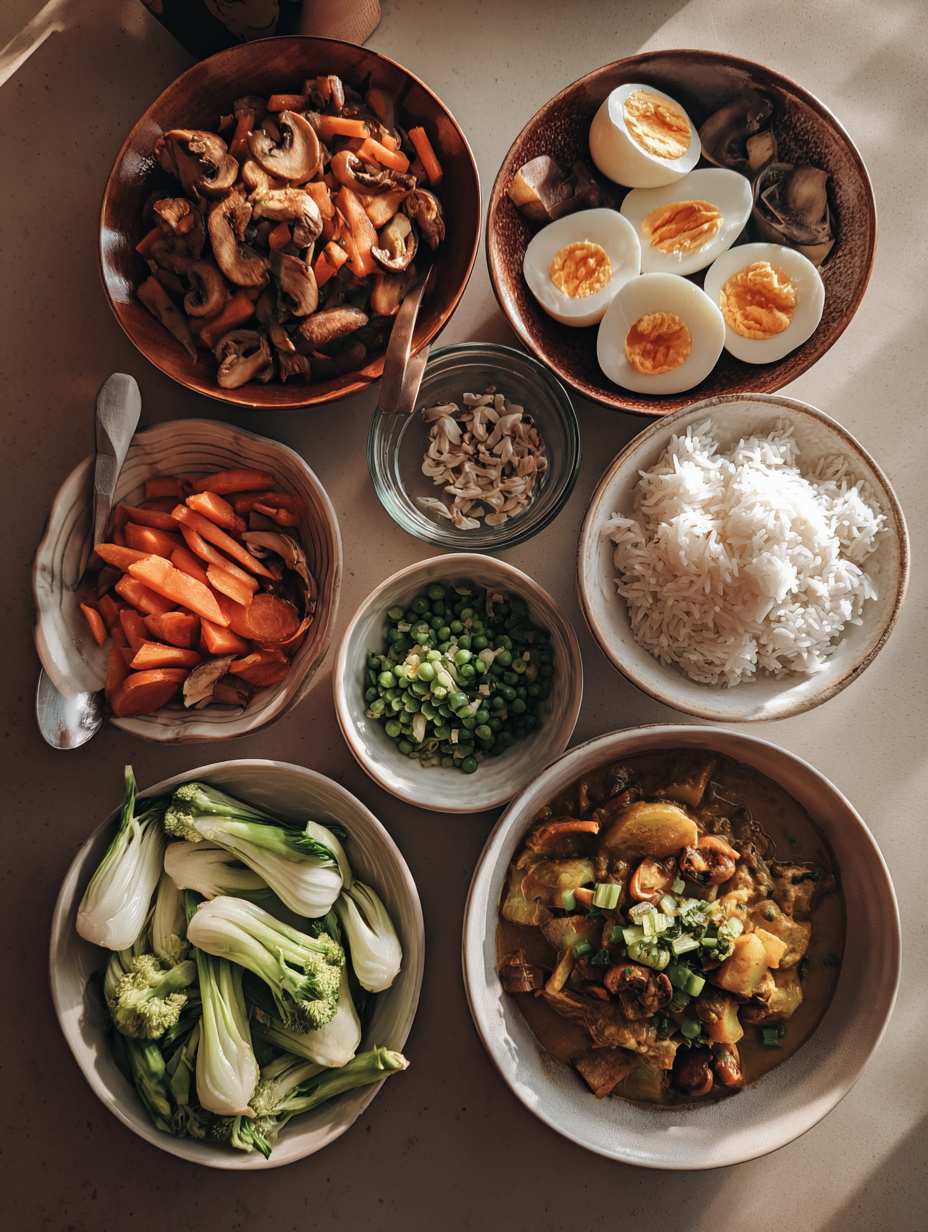
To create your Easy 30-Minute Vegetable Curry, you’ll need the following ingredients, each contributing to the delightful medley of flavors and textures:
1. Coconut Milk (1 can): This adds a rich, creamy texture and balances the spices beautifully. Feel free to use light coconut milk if you want to cut back on calories without losing flavor.
2. Vegetable Broth (1 cup): A flavorful base that enhances the overall taste of the curry. You can substitute with water, but broth brings more depth.
3. Onion (1 medium, diced): When sautéed, the onion provides a sweet foundation for the curry, building layers of flavor.
4. Garlic (3 cloves, minced): Fresh garlic adds a sharp, aromatic punch that elevates your dish.
5. Ginger (1-inch piece, grated): The warmth and slight spiciness of ginger complement the other flavors, providing a well-rounded taste.
6. Bell Peppers (1 red, 1 yellow, diced): Their vibrant colors and crunch add both visual appeal and texture.
7. Carrots (2 medium, sliced): Sweet and hearty, they bring a satisfying bite to the curry.
8. Cauliflower (1 small head, cut into florets): This veggie soaks up the flavors beautifully while providing a soft contrast to the crunchier vegetables.
9. Zucchini (1 medium, diced): Quick-cooking and mild in flavor, zucchini blends seamlessly into the curry.
10. Spinach (2 cups, fresh or frozen): A nutrient powerhouse that wilts down, adding a lovely green hue and additional vitamins.
11. Spices (1 tsp each of cumin, coriander, turmeric, and chili powder): These spices form the essence of your curry, bringing warmth, depth, and a touch of heat. Adjust according to your spice tolerance.
12. Lime Juice (1 tbsp): This brightens the flavors and adds a refreshing contrast to the creamy coconut milk.
13. Fresh Cilantro (for garnish): An aromatic herb that adds a burst of freshness when sprinkled on top before serving.
Substitution Options
– For a dairy-free version, this recipe is already compliant due to the use of coconut milk.
– If you need a gluten-free option, ensure the vegetable broth is certified gluten-free.
– For a vegan adaptation, this recipe is fully plant-based as is.
You can find specialty ingredients, such as coconut milk and specific spices, at local grocery stores or health food markets. Alternatively, online retailers often have a wide selection of organic options.
—
Equipment Needed
To prepare your Easy 30-Minute Vegetable Curry, you’ll need a few essential tools:
1. Large Skillet or Wok: This is where all the magic happens. A wide surface area allows for even cooking and helps to sauté the vegetables quickly. If you don’t have a wok, a large non-stick skillet will work perfectly too.
2. Cutting Board and Sharp Knife: A sturdy cutting board paired with a sharp knife is crucial for chopping your vegetables efficiently and safely.
3. Measuring Cups and Spoons: Precision is key when it comes to spices and liquids, so having these tools on hand will make your cooking process smoother.
4. Wooden Spoon or Spatula: You’ll need this to stir the ingredients in the skillet, ensuring everything cooks evenly and doesn’t stick.
5. Ladle: For serving the curry into bowls, a ladle will help you scoop out the perfect portion without making a mess.
These tools are all quite affordable, and if you’re just starting out, you can often find budget-friendly options at local stores or online. While all items are essential for the best experience, a ladle can be considered optional if you’re careful with pouring from the skillet.
—
With these ingredients and tools at your disposal, you’re well on your way to whipping up a delightful vegetable curry that’s not only quick but also brimming with flavor and nutrition!
Step-by-Step Instructions
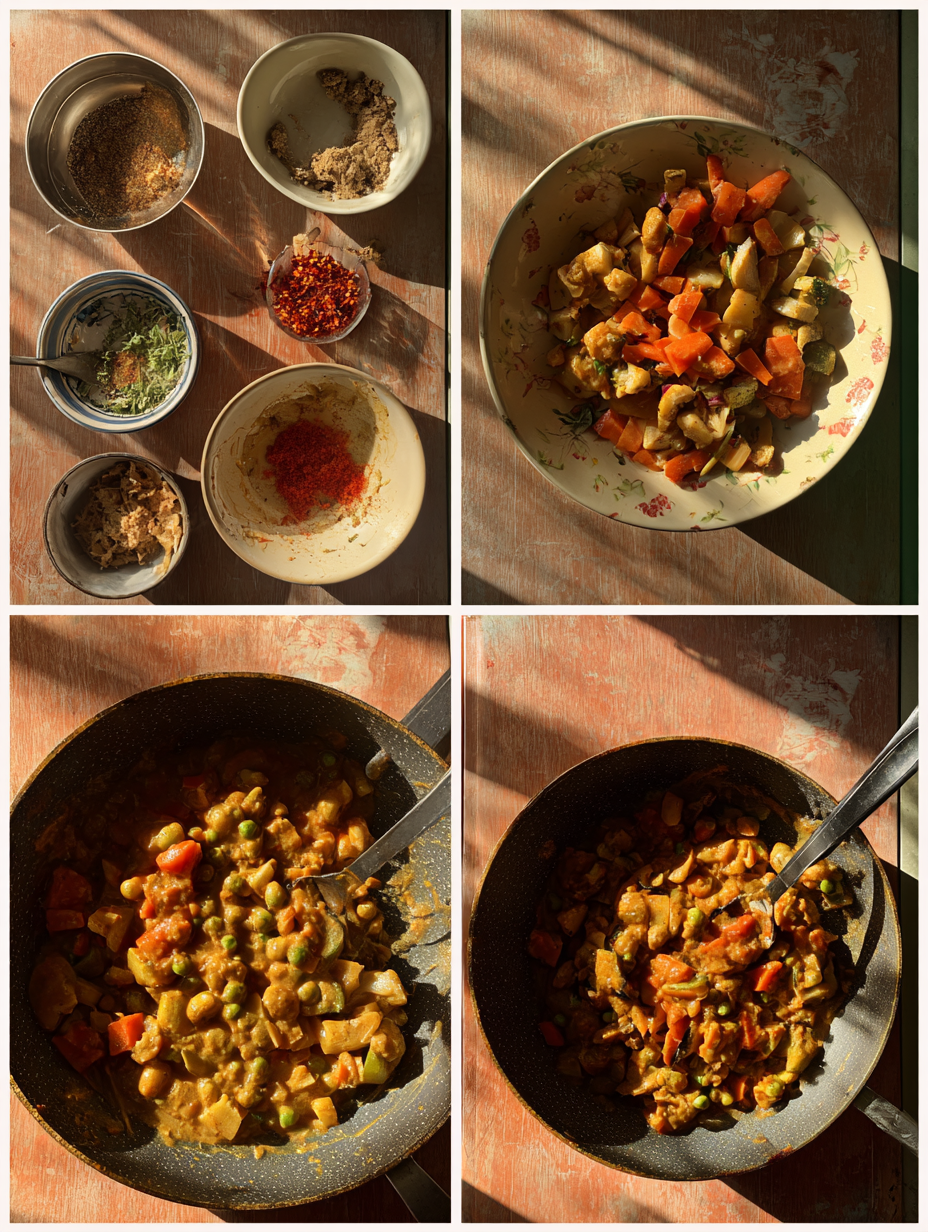
1. Prep Your Ingredients: Begin by washing and chopping your vegetables. You’ll want to gather about 4 cups of mixed vegetables—think bell peppers, zucchini, carrots, and broccoli. Aim for uniform pieces, roughly 1-inch in size, so they cook evenly. Chef’s Note: If you have vegetables that cook at different rates, chop them accordingly. For instance, carrots may need to be sliced thinner than bell peppers.
2. Sauté the Aromatics: Heat 2 tablespoons of oil in a large skillet or wok over medium heat. Once the oil shimmers, add 1 minced onion, 2 minced garlic cloves, and a thumb-sized piece of ginger, grated. Stir them for about 3-4 minutes until the onion turns translucent. You’ll know they’re ready when you can smell the fragrant aroma of the garlic and ginger filling your kitchen.
3. Add the Spices: Sprinkle in your spices—1 tablespoon of curry powder, 1 teaspoon of cumin, and a pinch of chili flakes. Stir them into the onion mixture for about 1 minute. This step is crucial as toasting the spices releases their essential oils and enhances their flavors. You’ll notice a warm, inviting scent as the spices bloom.
4. Incorporate the Vegetables: Carefully add your chopped vegetables to the skillet. Stir everything together, ensuring the veggies are coated with the aromatic mixture. Sauté them for about 5-6 minutes. Look for them to take on a vibrant color and tenderize slightly without losing their crunch. Chef’s Note: Don’t rush this step; the vegetables should be cooked just enough to stay bright and fresh.
5. Pour in the Coconut Milk: Once your vegetables are slightly tender, it’s time to add 1 can (about 400 ml) of coconut milk. Gently stir it in and bring the mixture to a simmer. You’ll know it’s ready when you see small bubbles forming around the edges of the skillet. Simmer for about 5 minutes. At this point, the curry will start to thicken, and the creamy coconut aroma will envelop you—pure bliss!
6. Season and Finish: Taste your curry and add salt to your liking, typically around ½ teaspoon to start. If you desire more heat, add additional chili flakes. Turn off the heat and stir in a handful of fresh spinach or kale until wilted—this should take just a minute. You want the greens bright and vibrant, which adds nutritional benefits as well as visual appeal.
7. Serve and Garnish: Your Easy 30-Minute Vegetable Curry is ready! Spoon it over cooked rice, quinoa, or your favorite grain. For a finishing touch, consider garnishing with fresh cilantro or a squeeze of lime juice. This adds a bright, zesty note to the dish that elevates the flavors beautifully. Enjoy the comforting warmth of this delightful curry!
Pro Tips for the Best Results
1. Use Fresh Spices: Old spices can lose their potency. For the best flavor, ensure your spices are fresh, and if possible, buy whole spices and grind them just before using. This will amplify the aromatic properties of your curry.
2. Don’t Overcrowd the Pan: If you’re making a larger batch, cook the vegetables in batches rather than all at once. Overcrowding can cause the vegetables to steam instead of sauté, resulting in a less appealing texture.
3. Adjust the Thickness: If you prefer a thicker curry, let it simmer uncovered for a few extra minutes to reduce the liquid. If it gets too thick, add a splash of vegetable broth or water to reach your desired consistency.
4. Experiment with Heat: If you like your curry spicy, consider adding a finely chopped fresh chili along with the onion, or increasing the chili flakes. Conversely, to tone down the heat, add a bit more coconut milk or serve the curry with cooling yogurt.
5. Use Varied Textures: Incorporate a mix of vegetables that offer different textures—such as crunchy bell peppers and tender zucchini—to keep each bite interesting. Think about seasonal vegetables for added variety and freshness.
6. Enhance with Acidity: Brighten your curry with a splash of lime or lemon juice just before serving. The acidity will balance the richness of the coconut milk and enhance all the flavors.
7. Garnish Creatively: Experiment with garnishes like toasted nuts, seeds, or a drizzle of good-quality olive oil or ghee. These add both texture and a depth of flavor that really elevates the dish.
Common Mistakes to Avoid
1. Using Old Spices: If your spices are stale, they won’t impart the necessary flavor to your curry. Always check the expiration date or do a sniff test; fresh spices should smell vibrant and aromatic. Invest in small quantities to ensure freshness.
2. Chopping Vegetables Unevenly: Inconsistent vegetable sizes can lead to uneven cooking. Some pieces will be overcooked while others are still raw. Aim for uniformity; about 1-inch pieces work well for quick cooking.
3. Not Tasting as You Go: Failing to taste your curry while cooking can lead to an unbalanced flavor. Season gradually, adding salt and spices a little at a time and tasting at each step. Adjusting flavors early on will save you from a bland dish.
4. Overcooking the Vegetables: Cooking the vegetables for too long can turn them mushy and unappetizing. Pay attention to visual cues—the vegetables should be tender but still retain a bit of crunch and color.
5. Skipping the Aromatic Step: If you skip sautéing the onions, garlic, and ginger, your curry will lack depth. These aromatics are the foundation of flavor, so take the time to sauté them until they’re fragrant and golden.
6. Ignoring Coconut Milk Quality: Not all coconut milk is created equal. Opt for full-fat coconut milk for a rich, creamy texture rather than light versions, which may dilute the flavor and creaminess of your curry.
7. Rushing the Cooking Process: Cooking on high heat can lead to uneven cooking and burnt spices. Maintain a moderate heat to allow flavors to develop fully. Patience is key to achieving the best results.
Creative Variations
1. Seasonal Variation: For a Seasonal Variation, swap in seasonal vegetables like butternut squash in the fall or asparagus in spring. Simply adjust the cooking times to ensure tender, vibrant veggies that highlight the season’s bounty.
2. Dietary-Friendly Version: Create a Vegan Version by substituting coconut milk with homemade cashew cream. Just soak cashews in water, blend until smooth, and stir in during the last few minutes of cooking. This adds richness without the coconut flavor.
3. Gourmet Elevated Version: For a Gourmet Elevated Version, consider adding sautéed mushrooms and some diced heirloom tomatoes for a touch of luxury. Finish the dish with a drizzle of truffle oil just before serving for an upscale twist.
4. Quick 15-Minute Version: In a Quick 15-Minute Version, use frozen mixed vegetables and pre-made curry paste instead of fresh veggies and spices. This drastically cuts down on prep time while still delivering great flavor; just sauté briefly and follow through with the coconut milk!
5. Kid-Friendly Version: For a Kid-Friendly Version, omit any spicy elements and add a tablespoon of peanut butter for a creamy, nutty flavor. You can even include familiar vegetables like peas and corn for a colorful and appealing dish.
6. International Twist: Give it an International Twist by incorporating Thai flavors. Add lemongrass and lime leaves while simmering, and serve your curry with jasmine rice for an authentic Thai experience that’s aromatic and refreshing.
Serving Ideas
To elevate your 30-Minute Vegetable Curry and create a feast for the eyes as well as the palate, consider these beautiful plating ideas:
1. Bowl It Up: Serve your curry in deep, wide bowls for a cozy presentation. Ladle the vibrant curry into the bowls, allowing the colorful vegetables to shine through. A sprinkle of fresh cilantro or parsley on top adds a burst of green and a fresh aroma.
2. Layered on Rice: Place a mound of fluffy basmati rice in the center of a flat plate, letting the curry cascade around the sides. Garnish the rice with a few slices of lime and a sprinkle of toasted coconut flakes for added texture.
3. With Naan: If you’re serving with warm naan bread, artfully arrange a few pieces next to the curry. You can brush the naan with garlic butter or herb oil for extra flavor, and place a small bowl of mango chutney on the side for dipping.
4. Colorful Garnishes: Enhance your curry with toppings like sliced red chili, chopped green onions, or toasted sesame seeds. These not only add a pop of color but also introduce different textures and flavors.
5. Portion Control: Serve individual portions of about 1.5 cups of curry, accompanied by a quarter cup of rice or naan. This helps balance the meal and keeps guests feeling satisfied without being overwhelmed.
Make sure to capture the beauty of your dish with a few photos before digging in. Your guests will be inspired by the vibrant colors and enticing aromas wafting from the table!
What to Serve With
Pairing your vegetable curry with complementary dishes can enhance the overall dining experience. Here are some delightful suggestions:
1. Mango Lassi: This sweet and creamy yogurt-based drink contrasts beautifully with the spices in your curry, providing a cooling effect that balances the heat.
2. Cucumber Raita: A side of this refreshing yogurt sauce, mixed with diced cucumber and mint, works wonders to calm the palate and adds a crisp texture to the meal.
3. Spicy Lentil Soup: Starting your meal with a small bowl of lentil soup can set the tone. Its earthy flavors complement the vibrant curry while adding an additional layer of protein.
4. Chickpea Salad: A simple salad made with chickpeas, tomatoes, red onion, and a lemon vinaigrette can provide a zesty contrast to the creamy curry, making each bite a delightful experience.
5. Coconut Rice: This fragrant rice dish, made with coconut milk and a sprinkle of lime zest, harmonizes beautifully with the curry, enhancing its flavors without overpowering them.
6. Mango Sorbet: For dessert, a refreshing mango sorbet can cleanse your palate and provide a sweet ending to the meal, echoing the tropical flavors in your curry.
Each pairing not only complements the curry but also introduces exciting textures and flavors that will make your dining experience memorable.
Storage Guide
To store leftovers from your 30-Minute Vegetable Curry properly, follow these steps:
– Container Type: Use glass or BPA-free plastic airtight containers. Glass containers are preferred, as they help maintain flavor and are microwave-safe.
– Temperature: Store your curry in the refrigerator at 40°F (4°C) or lower to ensure freshness.
– Storage Duration: Your curry will last for about 3 to 4 days in the refrigerator.
– Signs of Spoilage: If you notice an off smell, changes in color, or the growth of mold, it’s best to discard the curry.
– Refreshing Leftovers: Instead of simply reheating, consider enhancing the flavor after storage. Add a splash of coconut milk or a squeeze of lime juice to refresh the taste before warming it back up. Heat it gently on the stovetop, stirring until warmed through.
By following these storage tips, you can enjoy your delicious curry for days to come!
Freezing Tips
Your 30-Minute Vegetable Curry does indeed freeze well, making it a convenient option for meal prep. Here’s how to freeze it effectively:
– Portioning: Divide the curry into individual servings for easy reheating later. This prevents thawing more than you need.
– Wrapping Method: Use freezer-safe, airtight containers or heavy-duty freezer bags. If using bags, remove as much air as possible before sealing to prevent freezer burn.
– Labeling: Clearly label each container or bag with the date and contents. This will help you keep track of what you have on hand.
– Storage Duration: Your vegetable curry can be frozen for up to 3 months without losing quality.
– Quality Changes: Expect some minor changes in texture after thawing, particularly with the vegetables. However, the flavors should remain intact.
– Best Thawing Method: For the best results, thaw the curry overnight in the refrigerator. If you’re short on time, you can also use the microwave’s defrost setting.
With these freezing tips, you can enjoy your delicious curry anytime you crave it!
Reheating Guide
To enjoy your 30-Minute Vegetable Curry at its best, follow these reheating instructions:
– Microwave: Place a serving of curry in a microwave-safe bowl. Cover it with a microwave-safe lid or a damp paper towel to retain moisture. Heat on medium power for about 2 to 3 minutes, stirring halfway to ensure even heating.
– Oven: Preheat your oven to 350°F (175°C). Transfer the curry to an oven-safe dish and cover it with foil to prevent drying out. Heat for about 15 to 20 minutes, or until warmed through.
– Stovetop: Pour the curry into a saucepan over medium heat. Add a splash of water or coconut milk to maintain creaminess. Stir occasionally and heat for about 5 to 7 minutes until it reaches your desired temperature.
– Restoring Texture: If the curry seems thick after storage, adding a splash of coconut milk or vegetable broth while reheating can help restore its original texture and flavor.
These methods will ensure that each bowl of curry is just as delightful as when you first made it!
Nutrition Overview
Your 30-Minute Vegetable Curry not only delights the palate but also offers a wealth of nutrition. Here’s a breakdown of the approximate nutritional values per serving:
– Calories: 250
– Protein: 7g
– Carbohydrates: 35g
– Fat: 10g
– Fiber: 6g
– Sugar: 4g
This dish is rich in vegetables, which provide essential vitamins and minerals, while the use of coconut milk contributes healthy fats. The chickpeas not only boost protein content but also provide fiber, aiding in digestion and helping you feel full longer. This curry is a fantastic way to enjoy a balanced meal without sacrificing flavor.
Frequently Asked Questions
Q: Can I substitute coconut milk for another type of milk?
A: Yes, you can use almond milk or soy milk as alternatives, but keep in mind that the flavor and creaminess will differ. Coconut milk adds a unique richness that complements the spices beautifully.
Q: What vegetables work best in this curry?
A: You can use a variety of vegetables such as carrots, bell peppers, green beans, and sweet potatoes. Feel free to switch based on what you have on hand or your preferences!
Q: Can I make this curry vegan?
A: This recipe is already vegan, as it uses vegetable broth and coconut milk. Always check your spice blends to ensure they are free from animal products.
Q: How can I make the curry spicier?
A: To add more heat, include chopped jalapeños or Thai chilies when sautéing the onions. Alternatively, you can sprinkle in some cayenne pepper or add a dash of hot sauce before serving.
Q: How long does it take to make the curry from scratch?
A: This recipe is designed to be quick and can be prepared in about 30 minutes from start to finish, making it perfect for busy weeknights or last-minute dinners.
Q: What equipment do I need to make this curry?
A: You will need a large skillet or saucepan, a cutting board, and a knife for chopping vegetables. Optional tools like a garlic press can make prep easier.
Q: Can I use frozen vegetables?
A: Absolutely! Frozen vegetables work well in this curry and can save you time. Just add them directly to the skillet without thawing.
Q: How do I store the curry if I have leftovers?
A: Store leftovers in airtight containers in the refrigerator at 40°F (4°C) or lower for up to 3 to 4 days. For longer storage, freeze portions in airtight containers for up to 3 months.
Final Thoughts
As you embark on making your 30-Minute Vegetable Curry, remember that one of the most important tips is to taste as you go — adjusting the spices and flavors to suit your palate will truly elevate the dish. The vibrant colors and bold flavors will not only nourish your body but also warm your soul. I genuinely hope you find joy in crafting this delightful meal, whether for a busy weeknight or a leisurely weekend gathering. Make it your own and don’t hesitate to share your culinary creations with friends and family.
Now, gather those fresh ingredients and let the aromatic journey begin!