Follow Me On Pinterest!
Easy 30-Minute Vegetable Curry

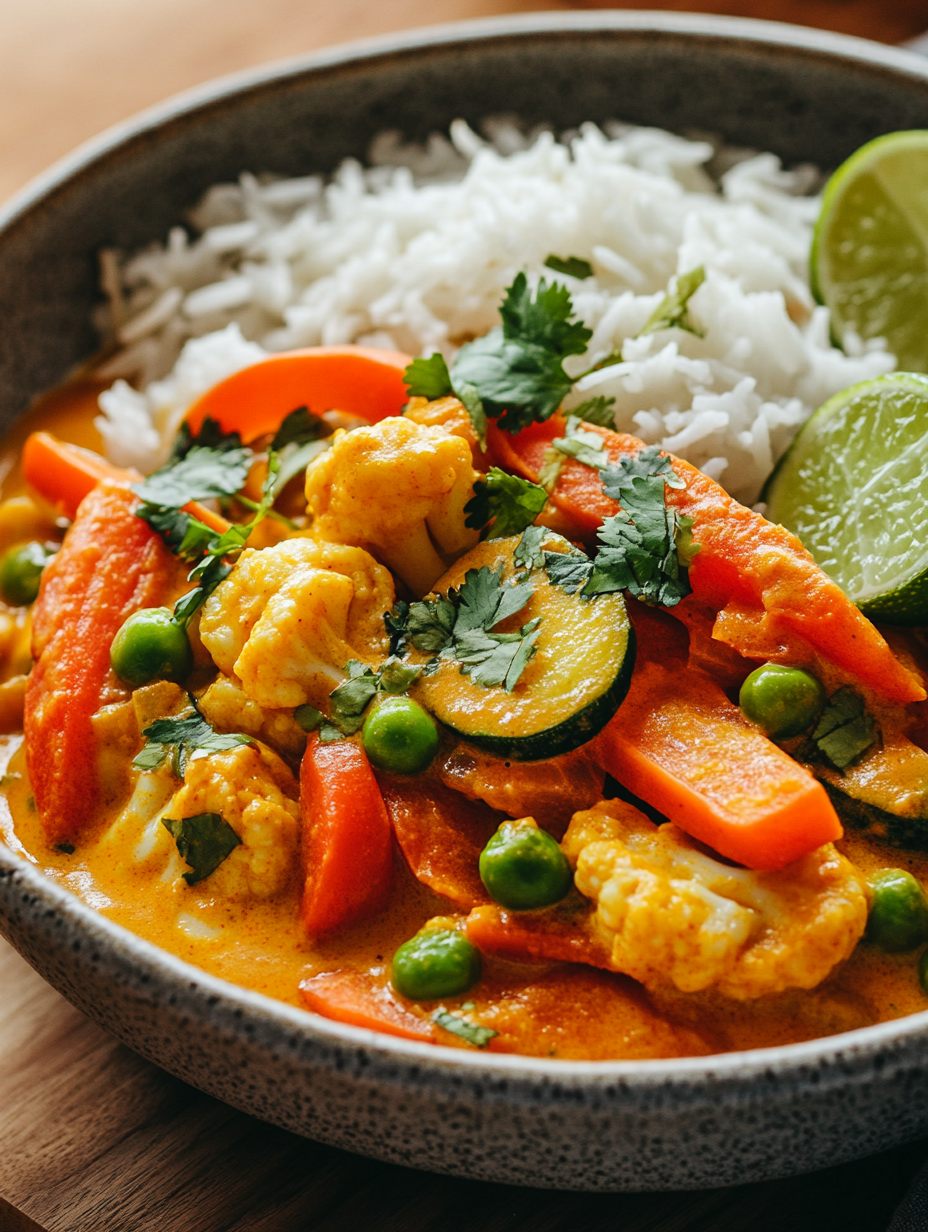
Easy 30-Minute Vegetable Curry: A Flavorful Escape in Half an Hour
Introduction
There’s something intoxicating about the aroma of spices wafting through your kitchen, isn’t there? I still remember the first time I made a curry from scratch. It was a chilly evening, the kind that makes you reach for your coziest sweater and curl up with a warm bowl of comfort. My kitchen was filled with the earthy scent of curry powder, the zing of ginger, and the unmistakable sweetness of coconut milk. This delightful blend of aromas transported me to far-off lands, and I felt a sense of accomplishment boiling in that pot.
As I stood by the stovetop, stirring the vibrant, bubbling concoction, I couldn’t help but feel like a culinary artist crafting a masterpiece. The colorful medley of mixed vegetables danced in the sauce, each adding its unique flavor and texture. It was a dish that reminded me of family gatherings, where my grandmother would whip up her famous curry, bustling around the kitchen, her laughter mixing with the sizzling sounds of cooking.
Fast forward to today, and I’ve perfected my own version of that cherished dish—an Easy 30-Minute Vegetable Curry. Whether it’s a busy weeknight dinner or a spontaneous gathering with friends, this recipe has become my go-to. It’s quick, it’s nourishing, and most importantly, it captures the essence of those cherished memories in every bite. So, let’s dive into this delightful recipe that will warm your heart and fill your belly, all in just half an hour.
Why This Recipe Works
What makes this Easy 30-Minute Vegetable Curry a reliable choice for your weeknight dinners? It’s all in the technique and the careful selection of ingredients. This dish showcases the magical transformative power of heat applied to spices. By sautéing your onions, garlic, and ginger in the beginning, you create a flavor base that infuses the entire curry with a depth that is hard to achieve in less than an hour.
The choice of curry powder is crucial; it acts as the backbone of this dish, imparting warmth and complexity. The one-minute sautéing enhances its flavors, making sure every spoonful is packed with a punch. When you add the coconut milk, not only do you create a luscious, creamy sauce, but you also balance the spices with a hint of sweetness, making the dish more appealing to a wider audience.
Let’s not forget the mixed vegetables and chickpeas. They are not only a source of vibrant colors but also provide a variety of textures and nutrients. The quick cooking time ensures that the veggies remain slightly crisp, offering delightful bites alongside the smooth curry sauce. And with the addition of soy sauce, you introduce a savory umami note that elevates the profile of the dish even further.
In just 30 minutes, you have a flavorful, wholesome meal that is as nourishing as it is satisfying—perfect for those busy evenings when you need something quick yet delicious.
What Makes It Special
While there are countless vegetable curries available in restaurants and frozen aisles, this Easy 30-Minute Vegetable Curry stands out for several reasons:
– Speed and Simplicity: In just 30 minutes, you can create a dish that rivals those found in your favorite Indian restaurant. No need for elaborate preparation or extensive cooking times, making it perfect for busy weeknights.
– Fresh Ingredients: Unlike many store-bought versions that may contain preservatives or artificial flavors, this recipe uses fresh vegetables and coconut milk. You control the quality and can customize the ingredients based on what you have on hand or what’s in season.
– Customizable: This curry is incredibly versatile. You can swap out the mixed vegetables for whatever you have available—think bell peppers, spinach, or zucchini. Additionally, you can adjust the level of spice to suit your palate, making this a dish everyone can enjoy.
– Nutrient-Packed: Filled with a variety of vegetables and chickpeas, this curry is not only delicious but also packed with fiber and protein, providing a well-rounded meal that keeps you satisfied for hours.
With these unique qualities, it’s no surprise that this vegetable curry has become a beloved staple in kitchens everywhere, including yours!
Ingredient Breakdown

Let’s take a closer look at the ingredients that make this Easy 30-Minute Vegetable Curry such a delightful dish. Each component serves a specific purpose, contributing to both flavor and nutrition.
1. Olive Oil: This healthy fat is used for sautéing the onions, garlic, and ginger. It not only prevents sticking but also enhances the flavors of the spices. If you prefer, you can substitute it with coconut oil for a more tropical flavor.
2. Onion: A staple in many cuisines, the onion serves as the foundational flavor in this dish. When sautéed, it becomes sweet and caramelized, adding depth to the curry. You can use yellow, white, or even red onions based on your preference.
3. Garlic: This aromatic bulb adds a pungent kick that complements the spices beautifully. Fresh garlic is best, but if you’re in a pinch, you can use garlic powder (1/4 teaspoon per clove) as a substitute.
4. Ginger: Fresh ginger provides warmth and a bit of spice to the curry. If you don’t have fresh ginger, you can use ground ginger, but the flavor won’t be as vibrant.
5. Curry Powder: This blend of spices is the heart of the dish. It typically includes turmeric, coriander, cumin, and chili powder, among others. If you prefer to experiment, feel free to create your own blend or opt for a specific type of curry powder, such as Madras or Thai.
6. Coconut Milk: This creamy ingredient not only adds richness but also balances the spices’ heat. It’s essential for achieving that luscious consistency. If you want a lighter version, you can use light coconut milk or even almond milk, though the flavor will differ.
7. Mixed Vegetables: You can use fresh, frozen, or even canned vegetables. The key is to ensure they’re cut into uniform pieces for even cooking. Feel free to get creative and incorporate your favorites!
8. Chickpeas: These legumes add protein and fiber, making the dish more filling. Canned chickpeas are convenient, but if you prefer dried ones, be sure to soak and cook them ahead of time.
9. Soy Sauce: This ingredient adds a savory umami flavor that enhances the overall taste of the curry. For a gluten-free option, tamari works beautifully as a substitute.
10. Salt and Black Pepper: Essential for seasoning, these ingredients help bring out the flavors of the other components. Adjust the amounts to your taste preference.
11. Fresh Cilantro: This herb not only adds a pop of color but also a refreshing brightness to the finished dish. If you’re not a fan of cilantro, fresh parsley or green onions can be used as alternatives.
By understanding the role of each ingredient, you can confidently adapt this recipe to suit your dietary needs and personal tastes. Now that you have a good grasp on the components, let’s talk about the necessary equipment to make this delicious vegetable curry!
Equipment Needed
Creating your Easy 30-Minute Vegetable Curry doesn’t require an arsenal of fancy kitchen tools. Here’s what you’ll need to whip up this delightful dish:
– Large Skillet or Frying Pan: A wide skillet allows for even cooking and prevents overcrowding, ensuring your vegetables sauté beautifully. If you don’t have a large skillet, a regular frying pan will work as well.
– Cutting Board and Knife: A sharp knife paired with a sturdy cutting board is essential for chopping onions, garlic, ginger, and your choice of vegetables. Look for a knife that feels comfortable in your hand for ease of cutting.
– Measuring Spoons and Cups: Accurate measurements are crucial for achieving the right flavor profile. Invest in a good set of measuring spoons and cups for consistency.
– Wooden Spoon or Spatula: A sturdy wooden spoon or spatula is perfect for stirring the curry and preventing scratching on your cookware.
– Can Opener: If you’re using canned coconut milk and chickpeas, a reliable can opener is a must-have in your kitchen toolkit.
– Grater or Microplane: For grating fresh ginger, a microplane or box grater will make the process effortless, allowing you to extract maximum flavor.
Each of these tools is not only affordable but also essential for creating a variety of dishes beyond this curry. With the right equipment in hand, you’re all set to embark on your flavorful culinary journey!
Step-by-Step Instructions

1. Heat the oil: Begin by heating 1 tablespoon of olive oil in a large skillet over medium heat. You’ll know it’s ready when the oil starts to shimmer and gives off a light aroma. This step is crucial as it creates the flavor foundation for your curry.
2. Sauté the onion: Next, add the chopped onion to the skillet. Sauté for about 3 minutes until the onions turn translucent and begin to soften. You’ll hear a gentle sizzle as they cook, and the sweet smell of caramelizing onion will fill your kitchen. This step helps to develop the savory base of your dish.
3. Incorporate garlic and ginger: Once your onions are ready, stir in 2 minced cloves of garlic and 1 inch of grated ginger. Cook this aromatic mixture for an additional minute. You should notice a fragrant aroma wafting up, indicating that the garlic is becoming golden and fragrant, which will enhance the overall flavor of your curry.
4. Add curry powder: It’s time to sprinkle in 1 tablespoon of curry powder. Stir well to ensure the onions, garlic, and ginger are fully coated. Cook this for another minute, allowing the spices to bloom. The heat will release the spices’ essential oils, creating a rich, inviting aroma that signals the start of something delicious.
5. Pour in coconut milk: Now, pour in 1 can of coconut milk and bring the mixture to a gentle simmer. You’ll notice the color transforming into a creamy beige, and you may hear a soft bubbling sound as it heats up. This step adds creaminess and depth to your curry, balancing the spices beautifully.
6. Add vegetables and chickpeas: After your coconut milk is simmering, add 2 cups of mixed vegetables and 1 cup of chickpeas. Stir well to combine all ingredients. Cook for about 10 minutes, stirring occasionally. You want to hear the gentle bubbling and see the vegetables begin to soften but still retain some firmness. This ensures they’ll be tender without losing their vibrant color and nutrients.
7. Season the curry: After the vegetables are tender, season with 1 tablespoon of soy sauce, 1 teaspoon of salt, and 1 teaspoon of black pepper. Give it a good stir and let it cook for another 2 minutes. At this point, you should smell a wonderful medley of flavors. Taste and adjust seasoning if necessary. This final seasoning step is vital to balance the flavors.
8. Garnish and serve: Remove the skillet from heat and garnish with 2 tablespoons of fresh cilantro before serving. The vibrant green color and fresh aroma of cilantro will elevate your dish. Serve hot over rice or with naan for a delightful meal.
Pro Tips for the Best Results
– Choose the right vegetables: Go for vegetables that cook quickly, like bell peppers, zucchini, and peas. You can also use frozen mixed vegetables for added convenience—just make sure to thaw them first.
– Fresh herbs are key: While dried herbs can work in a pinch, using fresh cilantro as a garnish adds a burst of flavor that brings everything together. If you’re not a fan of cilantro, try parsley or basil for a different twist.
– Adjust the curry powder: Not all curry powders are created equal. If you prefer a spicier kick, consider using a hot curry powder or adding a pinch of cayenne pepper. Start with a small amount—you can always add more!
– Don’t skip the simmer: Allowing the curry to simmer for the recommended time ensures that all flavors meld beautifully. This step also allows the vegetables to soften without becoming mushy.
– Experiment with coconut milk: For a lighter version, you can use lite coconut milk or even substitute half of it with vegetable broth. This will reduce the richness while still keeping the flavors intact.
– Make it your own: Feel free to add your favorite protein! Tofu, chicken, or shrimp can be added along with the vegetables. Adjust cooking times accordingly to ensure everything is cooked through.
– Serve with sides: A side of naan bread or basmati rice will complement your curry perfectly. The bread is great for scooping, while rice will soak up the delicious sauce.
Common Mistakes to Avoid
1. Using old spices: Old or expired curry powder can dull the flavor of your dish. Always check the freshness of your spices before starting. Fresh spices are more potent and aromatic.
2. Overcooking the vegetables: Cooking vegetables for too long can lead to mushiness. Aim for tender yet crisp vegetables that retain their vibrancy. Keep a close eye on them during the cooking process.
3. Skipping the aromatics: Omitting garlic or ginger will leave your curry flavorless. These ingredients are essential for building a rich flavor base. Always include them for the best results.
4. Not tasting as you go: Failing to taste your curry at various stages can result in an unbalanced dish. Always check for seasoning and adjust if necessary. A little salt or soy sauce can make all the difference.
5. Rushing the simmer: Skipping the simmering step can prevent flavors from blending well. Patience is key here; let it simmer to develop depth and complexity in the dish.
6. Ignoring the garnish: Neglecting to garnish with fresh herbs can leave your dish looking dull and unappetizing. Fresh herbs not only enhance the presentation but also elevate the flavor profile.
7. Using too much liquid: Adding too much coconut milk or broth can make your curry watery. Stick to the recipe measurements for the perfect creamy consistency. If it’s too thin, let it simmer uncovered to reduce.
Creative Variations
1. Seasonal: Embrace the flavors of the season by incorporating seasonal vegetables. For instance, use butternut squash and kale in the fall, or zucchini and cherry tomatoes in the summer. Adjust cooking times based on the vegetables you choose.
2. Dietary-Friendly: Make this dish vegan by ensuring your curry powder and soy sauce are free from animal products. You can also swap chickpeas for lentils or add more beans for protein.
3. Gourmet Elevated: For a gourmet twist, add a splash of lime juice and a sprinkle of zest just before serving. You could also experiment with gourmet mushrooms like shiitake or oyster mushrooms for added umami flavor.
4. Quick 15-Minute: Short on time? Use pre-cut vegetables and canned chickpeas. You can skip the simmering step and simply heat everything until hot, ideally in a pressure cooker to cook the vegetables quickly.
5. Kid-Friendly: To make it more appealing to children, use sweeter vegetables like carrots and sweet corn, and decrease the spice level. Serve it with a side of rice or soft pita for dipping.
6. International Twist: Give your curry an international flair by adding ingredients like Thai red curry paste or Indian garam masala instead of curry powder. You can also incorporate lime leaves or lemongrass for a fresh, zesty flavor.
7. Leftovers Reinvented: Transform leftover vegetable curry into a hearty soup by adding vegetable broth and more liquid. Serve it in a bowl with crusty bread for a comforting meal.
By adapting this easy vegetable curry recipe, you can explore a world of flavors while keeping meal prep simple and enjoyable!
Serving Ideas
When it comes to serving your Easy 30-Minute Vegetable Curry, presentation can elevate the experience. Here are some delightful plating ideas:
1. Bowl it Up: Serve the curry in deep, rustic bowls. This not only looks inviting but also allows for easy scooping with a spoon or naan.
2. Rice Bed: Create a bed of fluffy jasmine or basmati rice in a shallow dish. Pour the curry over the rice for a beautiful contrast and comforting meal.
3. Naan Wrap: For a fun twist, serve the curry with warm naan bread on the side. Guests can scoop or wrap the curry in the naan for a hands-on dining experience.
4. Top it Off: Don’t forget the garnishes! A sprinkle of fresh cilantro adds a vibrant green touch, while a few slices of red chili can bring a pop of color and heat.
5. Family Style: For a cozy gathering, serve the curry straight from the skillet on a wooden board, paired with a large serving spoon. This encourages sharing and a relaxed atmosphere.
What to Serve With
Pairing your vegetable curry with complementary sides can enhance the overall meal. Here are some great options:
1. Basmati Rice: The light, fluffy texture of basmati rice perfectly absorbs the flavors of the curry, providing a neutral base that balances the dish.
2. Naan Bread: This soft, pillowy bread is ideal for scooping up curry. Its slight chewiness contrasts wonderfully with the creamy texture of the dish.
3. Quinoa: If you’re looking for a gluten-free option, quinoa is a fantastic choice. Its nutty flavor adds depth, and it’s packed with protein.
4. Cucumber Raita: A cooling yogurt sauce with cucumber and mint can be a great palate cleanser alongside the spices of the curry.
5. Mixed Green Salad: A simple salad with a light vinaigrette can provide a refreshing crunch that balances the richness of the curry.
6. Roasted Vegetables: For extra veggies, consider serving a side of roasted seasonal vegetables. Their caramelized sweetness will complement the curry’s flavors beautifully.
Storage Guide
To keep your Easy 30-Minute Vegetable Curry fresh, proper storage is key. Use airtight containers to store leftovers. If you plan to keep it in the fridge, make sure the temperature is set below 40°F (4°C). Under these conditions, your curry will last for 3 to 4 days.
Watch out for signs that it has gone bad, such as off smells, changes in color, or a slimy texture. If your curry looks or smells questionable, it’s best to err on the side of caution and toss it.
To refresh your curry before serving it again, simply reheat it on the stove over low heat, adding a splash of water or coconut milk to restore its creamy consistency.
Freezing Tips
Good news! Your Easy 30-Minute Vegetable Curry freezes quite well. To maintain the best texture and flavor, portion the curry into individual servings in freezer-safe containers. Make sure to leave a little space at the top, as the curry will expand while freezing.
It can be frozen for up to 3 months. When you’re ready to enjoy it again, transfer the container to the refrigerator to thaw overnight, or place it in a bowl of cold water for a quicker option.
Reheating Guide
To enjoy your leftover curry, you have a few reheating options:
– Microwave: Transfer your curry to a microwave-safe bowl. Cover it with a microwave-safe lid or plate to prevent splattering. Heat on medium power for 1-2 minutes, stirring halfway through, until heated through.
– Oven: Preheat your oven to 350°F (175°C). Place the curry in an oven-safe dish, cover with foil, and heat for about 15-20 minutes, or until warmed throughout.
– Stovetop: Pour the curry into a saucepan and heat over low to medium heat, stirring occasionally. This method allows you to control the heat better and can help restore its creamy texture.
Nutrition Overview
Each serving of your Easy 30-Minute Vegetable Curry contains approximately 350-400 calories, depending on the vegetables used and portion sizes.
In terms of macros, you’ll find about 15g of protein, 20g of carbohydrates, and 25g of fats thanks to the coconut milk.
Key ingredients like chickpeas not only add protein but also provide fiber, which is fantastic for digestion. Coconut milk is rich in healthy fats that can keep you satiated, while mixed vegetables offer a variety of vitamins and minerals to support your overall health.
Frequently Asked Questions
Q: Can I use frozen vegetables for this curry?
A: Yes! Frozen vegetables can be a convenient option and will work well in this recipe. Just add them directly into the curry without thawing, and they will cook through as the curry simmers.
Q: Is this curry spicy?
A: The spice level largely depends on the curry powder you use. Most store-bought curry powders are mild, but if you prefer a kick, feel free to add in some chili flakes or fresh chilies.
Q: Can I make this curry vegan?
A: The recipe is already vegan-friendly as it uses coconut milk and does not include any animal products. It’s an excellent option for plant-based diets!
Q: How can I make this curry creamier?
A: If you’d like a creamier texture, consider adding more coconut milk or a dollop of nut butter, such as almond or cashew, for a richer flavor.
Q: What vegetables work best in this curry?
A: You can use any vegetables you prefer! Bell peppers, carrots, peas, cauliflower, and spinach all work wonderfully. Just ensure that they have similar cooking times for even tenderness.
Q: Can I add protein to this curry?
A: Absolutely! You can boost the protein content by adding tofu, tempeh, or even additional chickpeas. Just make sure to adjust the cooking time accordingly.
Q: How do I adjust the recipe for more servings?
A: Simply multiply the ingredients by the number of servings you desire. Just be cautious about the size of your skillet or pot to ensure even cooking.
Q: Can I skip the soy sauce?
A: Yes, if you prefer a gluten-free option, you can substitute soy sauce with tamari or coconut aminos. You can also just omit it or use a splash of lime juice for a tangy twist.
Final Thoughts
Your Easy 30-Minute Vegetable Curry is not just a quick meal; it’s a delightful journey of flavors! Remember, the beauty of this dish lies in its versatility—feel free to experiment with different vegetables or spices based on what you have on hand.
My key tip? Don’t skip the garnishes; a sprinkle of cilantro can make all the difference in flavor and presentation. With its vibrant colors and rich taste, this curry is sure to become a weeknight favorite in your kitchen. Embrace the joy of cooking, and enjoy every spoonful!