Follow Me On Pinterest!
Easy 30-Minute Ratatouille

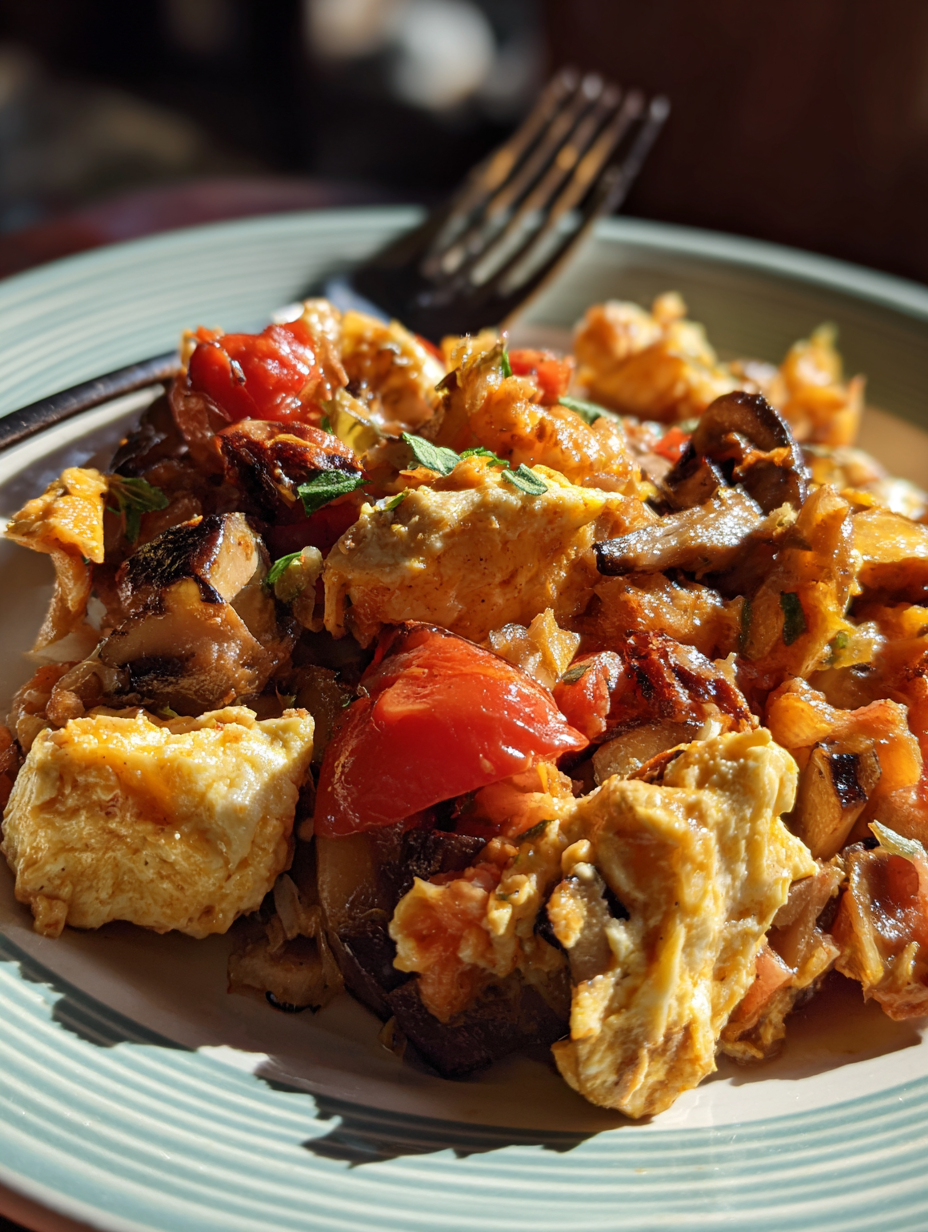
A Vibrant Taste of Summer in Just Half an Hour
—
Introduction
I still remember the first time I tasted ratatouille—the way the vibrant colors danced on the plate, a mosaic of summer vegetables that felt like a celebration. It was a sun-soaked afternoon in my grandmother’s kitchen, where the air was heavy with the mingling aromas of fresh basil, bubbling tomatoes, and sautéing onions. As I sat on the cool tile floor, I could hear the sizzle of zucchini and eggplant hitting the hot pan, their skins glistening under the soft glow of the kitchen light.
My grandmother, with her gentle hands, expertly diced the vegetables, her movements a beautiful choreography honed over decades. I can still picture her apron, splattered with a rainbow of ingredients, and the laughter that filled the air as we chatted about everything from the weather to my latest school crush. Each bite of her ratatouille was a burst of flavor—lush, warm, and comforting.
This dish became a favorite of mine not just for its incredible taste, but also for the warmth it brought to our family gatherings. The way it could turn a simple weeknight dinner into a feast filled with stories and memories made it special. Now, I find joy in recreating that moment in my own kitchen, especially with this Easy 30-Minute Ratatouille. It’s a perfect way to bring the essence of summer into your home, no matter the season. With just half an hour, you can whip up a dish that’s not only delicious but also a feast for the eyes and soul.
—
Why This Recipe Works
This Easy 30-Minute Ratatouille is more than just a quick alternative to traditional recipes; it’s a carefully curated approach to achieving the perfect balance of flavors and textures. The beauty of ratatouille lies in its key flavor combinations—the sweetness of bell peppers, the earthiness of eggplant, the tang of tomatoes, and the aromatic notes of garlic and herbs. Each ingredient plays a vital role, complementing and enhancing the others. For instance, the acidity of the tomatoes cuts through the richness of the eggplant, while the basil adds a fresh, fragrant lift.
Texture is equally important. The key is to sauté the vegetables in a specific order, allowing them to retain their individual textures while blending harmoniously. You want the zucchini to be tender yet slightly crisp, the peppers to have a little bite, and the eggplant to be creamy. By cooking them separately before combining, you ensure that each ingredient shines through without becoming mushy, which can often happen in generic versions of this dish.
What sets this recipe apart is its simplicity and speed. Instead of laboriously layering vegetables in a slow-cooked manner, you get all the flavors in a fraction of the time. The quick sautéing technique locks in the natural sweetness and allows the vegetables to caramelize, creating that depth of flavor we all crave without the long wait. It’s a dish that respects the integrity of its ingredients, allowing them to shine in just 30 minutes.
—
What Makes It Special
This Easy 30-Minute Ratatouille has several qualities that elevate it above typical restaurant or store-bought versions.
– Freshness: When you make ratatouille at home, you have complete control over the quality of your ingredients. Fresh vegetables bring an unparalleled brightness to the dish that you simply can’t find in pre-packaged versions.
– Cost-effective: Seasonal vegetables can often be found at a lower cost at local markets or even in your own garden. This recipe allows you to enjoy gourmet flavors without breaking the bank.
– Customization: You can tailor this ratatouille to your taste preferences or dietary needs. Feel free to add in your favorite summer veggies or omit those you’re not fond of. Love a little heat? Toss in some red pepper flakes; prefer a more herbaceous flavor? Extra thyme or rosemary can work wonders.
– Surprising Elevation: A splash of balsamic vinegar at the end adds an unexpected tang that elevates the entire dish. It’s a small detail that transforms the flavors, making each bite more complex and delicious.
By making this ratatouille at home, you embrace the joy of cooking, turning a simple meal into a vibrant experience that nourishes both body and spirit.
—
Ingredient Breakdown

Creating the best Easy 30-Minute Ratatouille starts with selecting the right ingredients. Here’s a detailed breakdown:
1. Eggplant (1 medium) – This is the heart of your ratatouille, adding a rich, creamy texture. Use a medium-sized eggplant, which typically weighs about 1 pound. If you prefer a milder flavor, opt for Japanese or Chinese eggplant, which are thinner and less bitter.
2. Zucchini (1 medium) – This vegetable brings a fresh, slightly sweet flavor and a tender bite. A medium zucchini will suffice, but feel free to use yellow squash for a pop of color.
3. Bell Peppers (1 red, 1 yellow) – These add sweetness and crunch. Red and yellow peppers are sweeter than green ones, enhancing the overall flavor profile. If you’re looking for more spice, try using a poblano or a serrano pepper.
4. Tomatoes (2 medium) – Fresh tomatoes contribute acidity and brightness. Roma tomatoes are great for cooking, but you can also use vine-ripened tomatoes for a sweeter flavor. In a pinch, canned diced tomatoes work well too.
5. Garlic (3 cloves) – Garlic infuses the dish with warmth and depth. Feel free to adjust the amount according to your taste; more garlic will give your ratatouille a robust flavor.
6. Onion (1 medium) – A yellow onion adds sweetness and aromatic depth. Cooking it until soft and slightly caramelized will enhance the overall dish.
7. Fresh Basil (a handful) – Basil is the quintessential herb for ratatouille, brightening up the dish with its fragrant notes. You can substitute with dried basil, but use about a third of the amount since dried herbs are more potent.
8. Olive Oil (2 tablespoons) – This adds richness and helps with sautéing. A good quality extra virgin olive oil will enhance the dish’s flavor.
9. Salt and Pepper – Essential for seasoning and bringing out the natural flavors of your ingredients. Don’t skimp on these; they’re crucial for balance.
Substitution Options
– Dairy-free: This recipe is already dairy-free, but if you want to add creaminess, consider using cashew cream as a substitute for cheese.
– Gluten-free: This recipe is naturally gluten-free.
– Vegan: It’s completely vegan, but if you want to add a touch of richness, consider topping it with nutritional yeast.
Specialty Ingredients
Most of these ingredients can be found at your local grocery store. For fresh herbs, visit a farmer’s market or consider growing your own. If you’re looking for specialty varieties of eggplant or peppers, check out Asian markets or local farms.
—
Equipment Needed
To make your Easy 30-Minute Ratatouille, you’ll need a few essential tools:
1. Chef’s Knife – A sharp chef’s knife is crucial for slicing your vegetables evenly. This allows for uniform cooking and ensures all ingredients meld beautifully.
2. Cutting Board – A sturdy cutting board provides a safe and easy workspace for chopping your veggies.
3. Large Skillet or Sauté Pan – An essential piece for this recipe, a large skillet allows you to sauté multiple vegetables at once without overcrowding. A non-stick or cast-iron pan works best.
4. Wooden Spoon or Spatula – Use this to stir and combine your vegetables as they cook. A wooden spoon is ideal as it won’t scratch your pan.
5. Lid (optional) – If you want to speed up the cooking process for certain vegetables, a lid can help trap heat and moisture.
Affordable Alternatives
If you don’t have a chef’s knife, a paring knife or even a serrated knife can work in a pinch, although they may require a bit more effort. A basic frying pan can also substitute for a sauté pan, just make sure it has high enough sides to contain the ingredients.
Optional Tools
While the lid is optional, having a lid can help you control the cooking process better, especially if you’re trying to steam certain vegetables quickly.
Step-by-Step Instructions
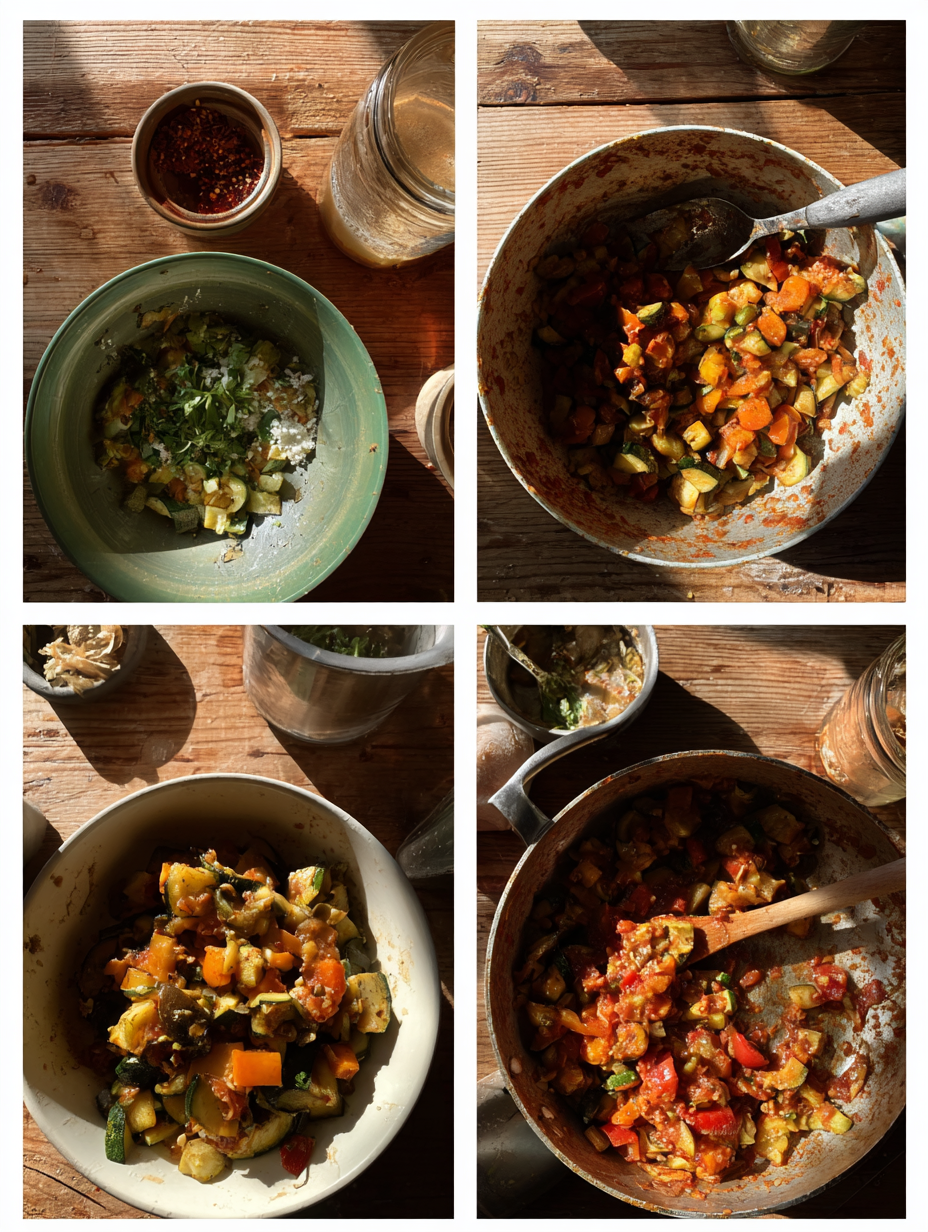
1. Prepare Your Veggies
Start by washing your vegetables thoroughly. You’ll need 1 medium eggplant, 1 zucchini, 1 bell pepper, 1 medium onion, and 2 cloves of garlic. Cut the eggplant and zucchini into 1-inch cubes and dice the onion and bell pepper into small pieces. Mince the garlic finely. As you chop, take a moment to enjoy the fresh, earthy aroma of the vegetables. This step should take about 10 minutes.
2. Sauté the Aromatics
In a large skillet, heat 2 tablespoons of olive oil over medium heat. Add the diced onion and bell pepper to the pan. Sauté them for about 3-4 minutes, stirring occasionally, until they become translucent. You’ll want to hear a gentle sizzle, which indicates the vegetables are cooking properly. If the onions start to brown too quickly, lower the heat slightly. Chef’s Note: The goal here is to soften the onions and bell peppers to build a flavorful base.
3. Add the Garlic
Once the onions and bell peppers are softened, add the minced garlic to the skillet. Cook for another 1-2 minutes, stirring frequently to prevent the garlic from burning. You’ll notice a wonderful, fragrant aroma filling your kitchen, which is a sign that the garlic is ready. Remove from heat immediately if it starts to brown, as burnt garlic can turn bitter.
4. Incorporate Eggplant and Zucchini
Now, add the cubed eggplant and zucchini to the skillet. Stir everything together well, ensuring the vegetables are evenly coated with the olive oil and the aromatic mixture. Sauté for 5-7 minutes, or until the eggplant starts to soften. You want to hear a gentle bubbling sound, which indicates the veggies are cooking through. Chef’s Note: If your eggplant starts to absorb too much oil, you can add a splash of vegetable broth or water to help steam it.
5. Season the Ratatouille
Next, add 1 can (14 oz) of diced tomatoes (with their juice), 1 teaspoon of dried basil, 1 teaspoon of dried oregano, and salt and pepper to taste. Stir everything together and let it simmer for about 5-10 minutes. You should see the tomatoes breaking down and the mixture thickening. The aroma will be rich and tomatoey, inviting you to dig in. Chef’s Note: Adjust the seasoning as you go; taste the mixture to ensure the flavors are balanced.
6. Final Touches and Serve
Once the vegetables are tender and the flavors melded beautifully, remove the skillet from heat. Allow the ratatouille to cool for a couple of minutes before serving. This dish can be served warm or at room temperature and pairs wonderfully with crusty bread or over a bed of rice. Garnish with fresh basil if desired. The colors should be vibrant and inviting, and the mixture should look saucy yet not overly runny.
Pro Tips for the Best Results
1. Use Fresh Ingredients
Fresh vegetables make a world of difference in flavor. Try to choose organic or local produce when possible, as they tend to have more intense flavors. The quality of your ingredients will shine through in this simple dish.
2. Don’t Skip the Garlic
Garlic is essential in this recipe — it adds depth and complexity. For a sweeter flavor, you can use roasted garlic instead. Just pop a few cloves in the oven until caramelized and mash them into the mix for a truly gourmet touch.
3. Control the Heat
Cooking on medium heat is crucial to allow your vegetables to soften without burning. If you notice any browning, simply lower the heat. You want a gentle simmer for even cooking — not a violent boil.
4. Timing is Key
Ensure that you add the garlic after the onions and bell peppers have softened. This prevents the garlic from burning and keeps its flavor profile bright and fresh.
5. Texture Matters
Aim for a tender texture in your vegetables without turning them to mush. The eggplant should be creamy but not disintegrating. Keep an eye on them, and taste occasionally to judge their doneness.
6. Leftovers are Gold
Ratatouille often tastes better the next day, once the flavors have melded. Make a larger batch and store it in an airtight container in the fridge for up to 3 days. Reheat gently on the stovetop or in the microwave.
7. Experiment with Herbs
While basil and oregano are traditional, feel free to experiment with other herbs such as thyme or rosemary. Fresh herbs can elevate the dish; add them at the end of cooking for a burst of flavor.
Common Mistakes to Avoid
1. Using Old or Stale Vegetables
Mistake: Using vegetables that are past their prime can lead to a lackluster ratatouille.
Solution: Always choose fresh, firm vegetables for the best flavor and texture. This dish is all about celebrating the produce.
2. Chopping Vegetables Unevenly
Mistake: Cutting vegetables into varying sizes can lead to uneven cooking.
Solution: Make sure all pieces are uniform, ideally about 1-inch cubes. This ensures they cook evenly and provide a delightful bite.
3. Skipping the Sauté Stage
Mistake: Not sautéing your onions and peppers properly can lead to a bland base.
Solution: Take your time with this step; cook until they’re translucent and fragrant. The aromatics are the foundation of your flavor.
4. Overcooking the Garlic
Mistake: Adding garlic too early or cooking it too long can result in a bitter taste.
Solution: Add minced garlic only after the onions and peppers are softened, and watch it carefully to avoid burning.
5. Not Tasting Along the Way
Mistake: Failing to taste as you cook can leave your dish under-seasoned.
Solution: Regularly taste your preparation and adjust the seasoning as you go to ensure a balanced flavor profile.
6. Ignoring the Cooking Temperature
Mistake: Cooking on too high heat can lead to burnt veggies and uneven cooking.
Solution: Maintain a steady medium heat throughout the cooking process. This allows for a nice simmer without burning.
7. Serving Too Soon
Mistake: Serving ratatouille immediately after cooking can miss the full flavor potential.
Solution: Allow it to rest for a few minutes or even refrigerate it overnight for an even richer taste. The flavors will deepen as they meld.
Creative Variations
1. Seasonal Variation
For a Seasonal Variation, consider adding butternut squash and fresh tomatoes in the summer. Cut the squash into small cubes and follow the same cooking method, allowing it to simmer until tender for a heartier dish that celebrates the season.
2. Dietary-Friendly Version
To create a Dietary-Friendly Version, make it vegan by ensuring no cheese is added and opting for gluten-free bread if serving alongside. You can also incorporate chickpeas for added protein and texture, making it satisfying for everyone at the table.
3. Gourmet Elevated Version
For a Gourmet Elevated Version, drizzle a high-quality extra virgin olive oil and sprinkle fleur de sel just before serving. You can also add a splash of balsamic reduction for an unexpected tang that enhances the dish’s depth.
4. Quick 15-Minute Version
In a Quick 15-Minute Version, use pre-chopped frozen vegetables and skip the sautéing step by microwaving them briefly before adding them to the sauce. This reduces prep time significantly, allowing you to enjoy this dish on a busy weeknight.
5. Kid-Friendly Version
For a Kid-Friendly Version, try roasting the vegetables instead of sautéing them. Toss them with a bit of honey to sweeten the flavor. Kids may find roasted veggies sweeter and more appealing. Serve it over pasta or with cheese melted on top for a comforting meal.
6. International Twist
For an International Twist, add a few teaspoons of curry powder or cumin to the skillet when cooking the onions and peppers. This will infuse the ratatouille with a warm, spicy flavor that is reminiscent of Mediterranean and Middle Eastern cuisines, creating a unique fusion dish.
Serving Ideas
Serving your Easy 30-Minute Ratatouille is an opportunity to showcase the vibrant colors and textures of your dish. Here are a few delightful ways to plate it:
1. Rustic Bowl: Serve the ratatouille in a shallow, rustic bowl. A sprinkle of fresh basil or parsley on top adds a pop of green. Pair this with a slice of crusty baguette on the side, perfect for scooping up the delicious vegetables.
2. Layered Stack: Use a ring mold to create a layered stack of ratatouille. Alternate between layers of eggplant, zucchini, and bell peppers, garnishing the top with a drizzle of balsamic reduction and a few microgreens for elegance. This presentation highlights the dish’s beautiful colors.
3. Mediterranean Platter: Arrange the ratatouille in the center of a large platter, surrounded by bowls of feta cheese, black olives, and toasted pine nuts. This makes for a stunning centerpiece and invites your guests to serve themselves family-style.
4. Individual Portions: For a more formal setting, serve the ratatouille in individual ramekins. Top each with a slice of mozzarella cheese and a few cherry tomatoes before broiling until bubbly. The contrast of the melted cheese against the colorful ratatouille will definitely impress.
5. Over Polenta or Couscous: Plate the ratatouille over a bed of creamy polenta or fluffy couscous. Drizzle with a little extra virgin olive oil and finish with a sprinkle of sea salt. This will not only add a beautiful contrast in texture but also make the dish more filling.
What to Serve With
Pairing your Easy 30-Minute Ratatouille with complementary dishes can elevate your meal experience. Here are some delightful suggestions:
1. Grilled Lemon Herb Chicken: The zesty, herbaceous flavors of the chicken contrast beautifully with the sweetness of the ratatouille, creating a hearty yet refreshing meal.
2. Quinoa Salad with Feta and Olives: The nutty flavor and chewy texture of quinoa provide a wonderful balance to the soft vegetables in the ratatouille. The feta adds a salty kick that enhances the overall flavor.
3. Classic French Baguette: Serve slices of warm baguette alongside for an authentic touch. The crusty exterior and soft interior make it perfect for scooping up the ratatouille.
4. Simple Arugula Salad: A light salad dressed with lemon vinaigrette adds brightness and a peppery finish that cuts through the richness of the ratatouille, making for a well-rounded meal.
5. Tart Tatin for Dessert: For a sweet finish, a warm Tart Tatin offers a delightful contrast to the savory ratatouille. The caramelized apples will leave a pleasant sweetness lingering on your palate.
6. Sangria or Herbal Iced Tea: Opt for a glass of fruity sangria or refreshing herbal iced tea to cleanse your palate between bites. The fruity notes will balance the savory flavors of the dish beautifully.
Storage Guide
Properly storing leftovers from your Easy 30-Minute Ratatouille can extend its life and keep it tasting fresh. Here’s how to do it:
– Container Type: Use an airtight glass container for storing your ratatouille. Glass is preferable as it won’t absorb odors and it’s easy to heat in the microwave.
– Refrigeration Temperature: Store your ratatouille in the refrigerator at a temperature of 40°F (4°C) or lower. This ensures that it remains safe to eat.
– Shelf Life: Your ratatouille will keep well for about 3 to 4 days in the refrigerator.
– Signs of Spoilage: Check for any off smells, discoloration, or mold growth. If you notice any of these signs, it’s best to discard the leftovers.
– Refreshing Before Serving: To refresh your ratatouille before serving, gently reheat it on the stovetop over low heat. Stir in a splash of vegetable broth or a drizzle of olive oil to restore moisture and enhance the flavors, ensuring it tastes as good as when it was freshly made.
Freezing Tips
This Easy 30-Minute Ratatouille freezes quite well, making it a great option for meal prep. Here’s how to properly freeze it:
– Portioning: Divide the ratatouille into single-serving portions using freezer-safe containers or resealable freezer bags.
– Wrapping Method: If using bags, make sure to remove as much air as possible before sealing. This helps prevent freezer burn.
– Labeling: Clearly label each container with the date and contents. This will help you keep track of how long it’s been in the freezer.
– Freezer Life: The ratatouille can be stored in the freezer for up to 3 months without significant loss of quality.
– Quality Changes After Thawing: You may notice slight changes in texture upon thawing, but the flavors will still be delightful.
– Best Thawing Method: When ready to use, thaw the ratatouille in the refrigerator overnight for best results. This allows it to rehydrate slowly and evenly.
Reheating Guide
Reheating your Easy 30-Minute Ratatouille can be done effectively through various methods:
– Microwave: Place a serving in a microwave-safe dish, cover with a microwave-safe lid or a damp paper towel, and heat on medium power for about 2-3 minutes, stirring halfway through to ensure even heating. This helps prevent drying out.
– Oven: Preheat your oven to 350°F (175°C). Place the ratatouille in an oven-safe dish, cover with foil, and heat for about 15-20 minutes, or until warmed through. Covering helps retain moisture.
– Stovetop: Heat a skillet over medium-low heat. Add the ratatouille along with a splash of water or broth and cook for 5-7 minutes, stirring occasionally, until heated through. This method helps restore its original texture.
– Texture and Flavor Tips: To restore the original flavors, consider adding a bit of fresh herbs, like basil or thyme, as it heats. This will invigorate the dish and enhance its aroma.
Nutrition Overview
Each serving of your Easy 30-Minute Ratatouille is approximately:
– Calories: 120
– Protein: 3g
– Carbohydrates: 18g
– Fat: 5g
– Fiber: 4g
– Sugar: 4g
This dish is packed with nutritional benefits, particularly from the eggplant and zucchini. Eggplant is a great source of dietary fiber and antioxidants, which can help improve heart health. Zucchini is low in calories but high in vitamins A and C, supporting your immune system and skin health. Enjoying this ratatouille not only satisfies your cravings but nourishes your body.
Frequently Asked Questions
Q: Can I substitute the vegetables in the ratatouille?
A: Absolutely! Feel free to swap in any seasonal vegetables you have on hand, such as bell peppers, carrots, or even mushrooms. The key is to maintain a variety of colors and textures for a well-rounded dish.
Q: Is this dish vegan-friendly?
A: Yes! Your Easy 30-Minute Ratatouille is naturally vegan. It’s packed with vegetables and contains no animal products, making it a great option for plant-based diets.
Q: How long does it take to cook the ratatouille?
A: The entire process takes just about 30 minutes from start to finish, making it a perfect weeknight meal. You’ll be enjoying this delicious dish in no time.
Q: Can I make ratatouille ahead of time?
A: Yes! You can prepare the ratatouille a day in advance. Simply store it in the refrigerator and reheat it when you’re ready to serve. The flavors will meld beautifully overnight.
Q: What type of cookware is best for making ratatouille?
A: A large skillet or a Dutch oven works best for this dish. Both provide ample space for sautéing the vegetables evenly and allow for easy stirring.
Q: Can I use canned or frozen vegetables?
A: While fresh vegetables yield the best flavor and texture, you can use canned or frozen vegetables in a pinch. Just be sure to drain canned options well and adjust cooking times as needed for frozen veggies.
Q: How can I make this dish more filling?
A: To make your ratatouille more substantial, consider serving it over a grain like quinoa, rice, or pasta. This will add extra carbohydrates and protein to the meal.
Q: Can I add meat or cheese to the ratatouille?
A: Yes! If you’d like to add a protein element, consider including chicken, sausage, or even cheese like goat cheese or Parmesan for extra flavor. Just remember to adjust cooking times accordingly.
Final Thoughts
As you embark on making your Easy 30-Minute Ratatouille, remember to focus on the freshness of your ingredients. Using seasonal vegetables will elevate the flavors and make your dish truly shine. I’m genuinely excited for you to try this recipe; it’s a wonderful way to celebrate the bounty of vegetables while enjoying a dish that’s as comforting as it is healthy. Take a moment to plate it beautifully, and don’t forget to snap a picture to share your creation. Now, gather your ingredients, turn on your stove, and let the cooking begin!