Follow Me On Pinterest!
Easy 30-Minute Ratatouille

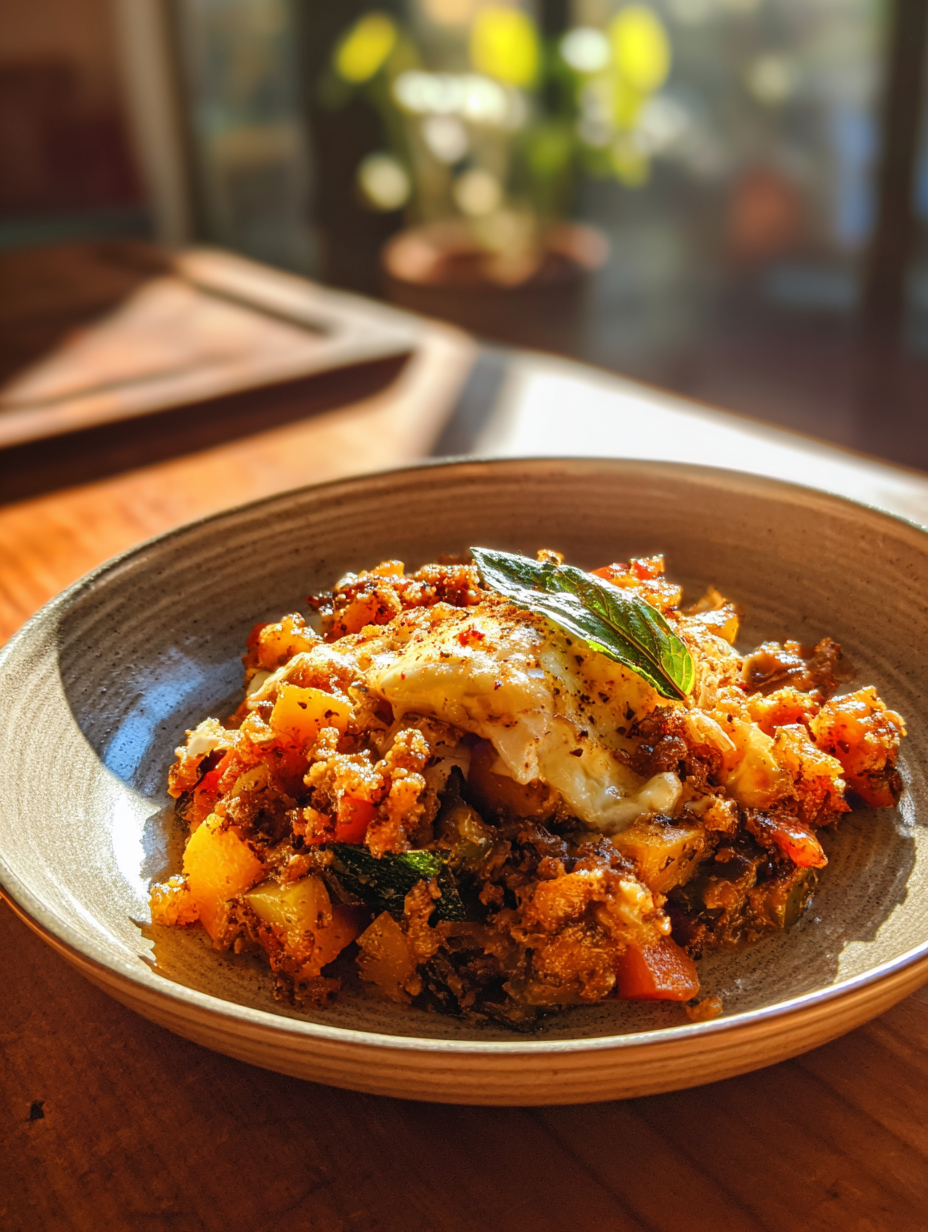
A Flavor-Packed, Colorful Dish That Brings the Essence of Provence to Your Table in No Time
—
Introduction
The first time you catch a whiff of ratatouille bubbling away on the stove, you’re transported to sun-drenched markets in the south of France. I remember standing in my grandmother’s kitchen, the summer air thick with warmth and the scent of fresh herbs. She would gather the ripest zucchini, eggplant, and bell peppers, their vibrant colors a feast for the eyes. I can still hear the gentle sizzle as the vegetables hit the hot olive oil, the sound mingling with her soft hum of a French tune.
As she sliced the vegetables, the crisp snap of fresh produce filled the air, and I was mesmerized by the symphony of colors—deep purples, sunny yellows, and earthy greens. Each ingredient had its own story, a connection to the land and the season, and I eagerly watched as she layered them into the pot. The essence of her ratatouille was more than just a recipe; it was a heartfelt expression of love and tradition.
Fast forward to my own kitchen, where I find myself craving that same comforting dish but often lacking the time to prepare it. That’s when I developed this Easy 30-Minute Ratatouille. It’s a recipe that captures all those beloved flavors and aromas from my childhood, but with a modern twist that fits into your busy life. With only thirty minutes from start to finish, you can create a dish that not only nourishes the body but warms the soul, much like my grandmother’s did.
—
Why This Recipe Works
Ratatouille is a dish that thrives on simplicity, and this recipe embraces that ethos while ensuring a burst of flavors that dance on your palate. The key to its deliciousness lies in the layering of flavors and the harmony between the vegetables. You’ll find that zucchini, eggplant, bell peppers, onions, and tomatoes form a perfect symphony, each contributing its unique notes.
The zucchini and eggplant provide a tender, creamy texture, while the bell peppers add a sweet crunch. The onions offer a savory depth, and the tomatoes, especially when you use canned San Marzano, deliver a rich acidity that ties everything together. It’s this balance of textures that elevates your ratatouille from ordinary to extraordinary.
In this version, cooking everything in a single pan allows the vegetables to mingle and infuse their flavors more deeply and quickly. The high heat caramelizes the edges of the veggies, creating a mix of sweet and savory that brings out their natural sugars. It’s a technique that ensures your ratatouille is never bland, a common pitfall in more traditional methods that can take hours.
What sets this recipe apart from more generic versions is the quick sauté method that reduces cooking time dramatically without sacrificing flavor. You’ll still get that rustic, comforting feel of traditional ratatouille, but with the efficiency that modern cooks appreciate.
—
What Makes It Special
This Easy 30-Minute Ratatouille boasts several unique qualities that make it shine compared to restaurant or store-bought versions. First, the freshness of the ingredients is unparalleled. When you make it at home, you can choose the ripest, most vibrant vegetables, ensuring every bite bursts with flavor and nutrition.
Another benefit is cost-efficiency. By making ratatouille yourself, you save money while enjoying a gourmet experience. Store-bought versions often lack the depth of flavor and freshness of homemade, plus they can be surprisingly costly.
Customization is yet another bonus. You have complete control over the ingredients, allowing you to adjust for dietary preferences—whether you want to go vegan, swap out certain vegetables or add your favorite herbs.
Lastly, one surprising element that elevates this recipe is the use of fresh basil or thyme at the end of cooking. This last-minute addition enhances the aroma and flavor profile, making it feel like a dish straight from a fine dining restaurant while remaining simple enough for a weeknight dinner.
—
Ingredient Breakdown
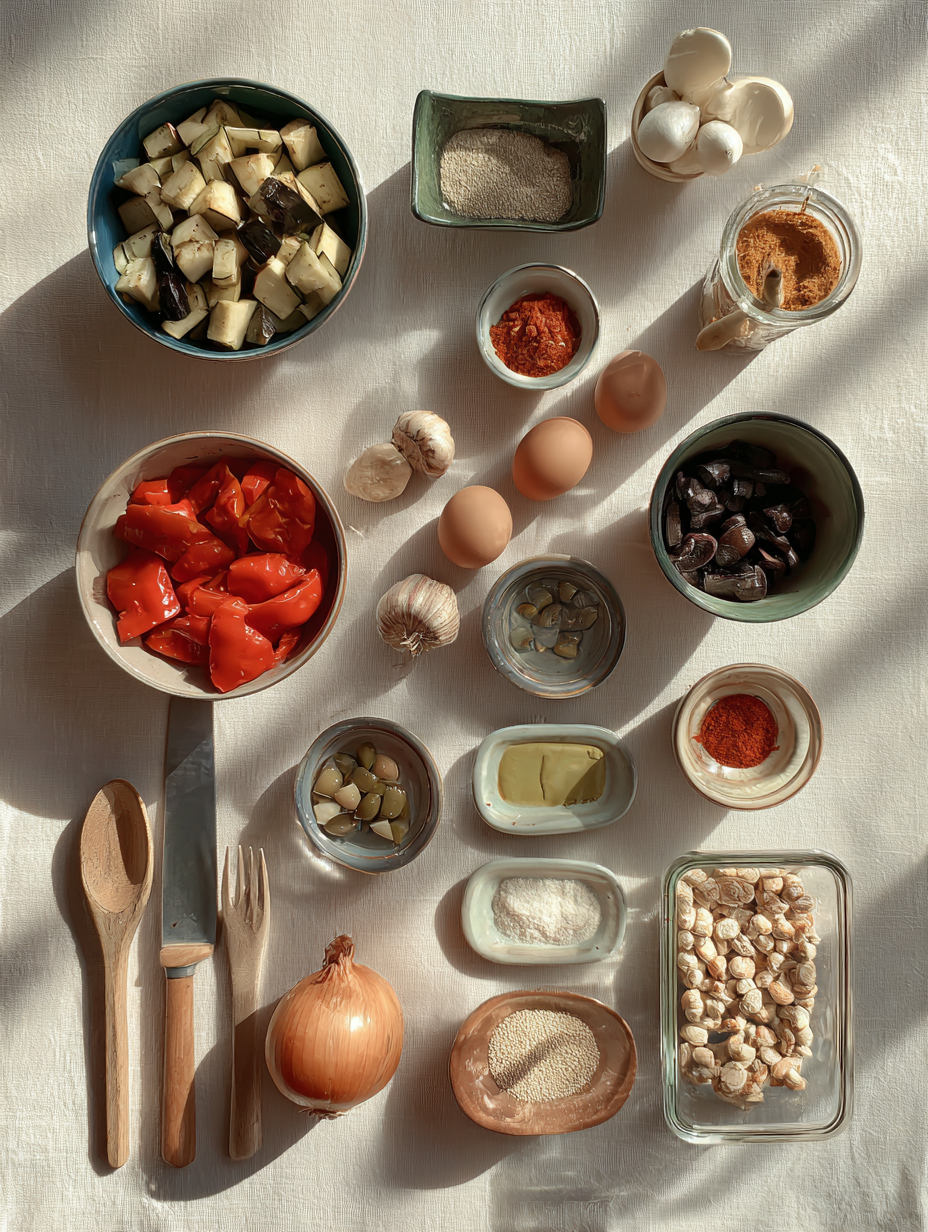
1. Zucchini (1 medium): A cornerstone of ratatouille; it provides a tender texture and absorbs the flavors of the dish beautifully. Look for firm, vibrant green zucchinis. If you want to substitute, yellow squash works equally well.
2. Eggplant (1 medium): Adds a creamy consistency and earthy flavor. It’s essential to salt the eggplant before cooking to draw out excess moisture and bitterness. If you prefer a different option, try portobello mushrooms for a similar texture.
3. Bell Peppers (1 red, 1 yellow): Offering a sweet crunch, these peppers add color and flavor depth. Feel free to mix it up with green peppers for a more robust taste or use only one color if that’s what you prefer.
4. Onion (1 medium): This provides a savory base, caramelizing beautifully as it cooks. Shallots can be used instead for a milder flavor.
5. Garlic (3 cloves): An aromatic powerhouse that enhances the dish’s flavor profile. You can use garlic powder in a pinch, but nothing beats the fresh stuff!
6. Canned Diced Tomatoes (1 can, 14 oz): Using high-quality canned tomatoes, like San Marzano, ensures your ratatouille has a rich, robust flavor. If you’re looking for a fresher taste, you can substitute with 2 cups of fresh, diced tomatoes during peak season.
7. Olive Oil (2 tablespoons): Essential for sautéing and adds richness. If you’re looking for a lighter option, you can use avocado oil instead.
8. Fresh Basil (a handful): Adds a fragrant, herbal note that brightens the dish. You can also substitute with thyme or oregano if basil isn’t available.
9. Salt and Pepper (to taste): These are crucial for bringing all the flavors together. Don’t be shy with seasoning—taste as you go!
10. Optional: Red Pepper Flakes (a pinch): If you enjoy a bit of heat, sprinkle in some red pepper flakes to elevate the flavors.
For those with dietary restrictions, this recipe can easily be made dairy-free, gluten-free, and vegan. Ensure that the canned tomatoes you use do not contain any additives if you are avoiding gluten. Fresh vegetables are typically safe for all diets, making this a versatile dish. If you need specialty ingredients, your local farmer’s market or organic grocery store is likely to have everything you need.
—
Equipment Needed
1. Large Skillet or Sauté Pan: A must-have for this recipe, it allows for even cooking and easy stirring. Opt for a non-stick skillet for easy cleanup. If you don’t have one, a regular stainless-steel pan will work—just make sure to watch for sticking.
2. Cutting Board and Knife: Essential for chopping your vegetables. A sharp chef’s knife makes the task faster and safer. If you don’t have a chef’s knife, a paring knife can substitute, though it may take longer.
3. Wooden Spoon or Spatula: Perfect for stirring the ingredients and ensuring everything cooks evenly. A silicone spatula is a great alternative if you want something that won’t scratch your pan.
4. Measuring Cups and Spoons: Accurate measurements yield the best results. If you don’t have these, you can estimate with common kitchen glasses and spoons, though it may not be as precise.
5. Lid for the Skillet: While optional, covering your skillet towards the end of cooking can help steam the vegetables, making them even more tender. If you don’t have a lid, a large plate can work in a pinch.
6. Serving Dish: To present your ratatouille beautifully. Any large bowl or platter will suffice.
By gathering these tools ahead of time, you’ll ensure a smooth cooking experience, allowing you to focus on creating a delightful dish that honors the tradition of this classic French recipe.
Step-by-Step Instructions
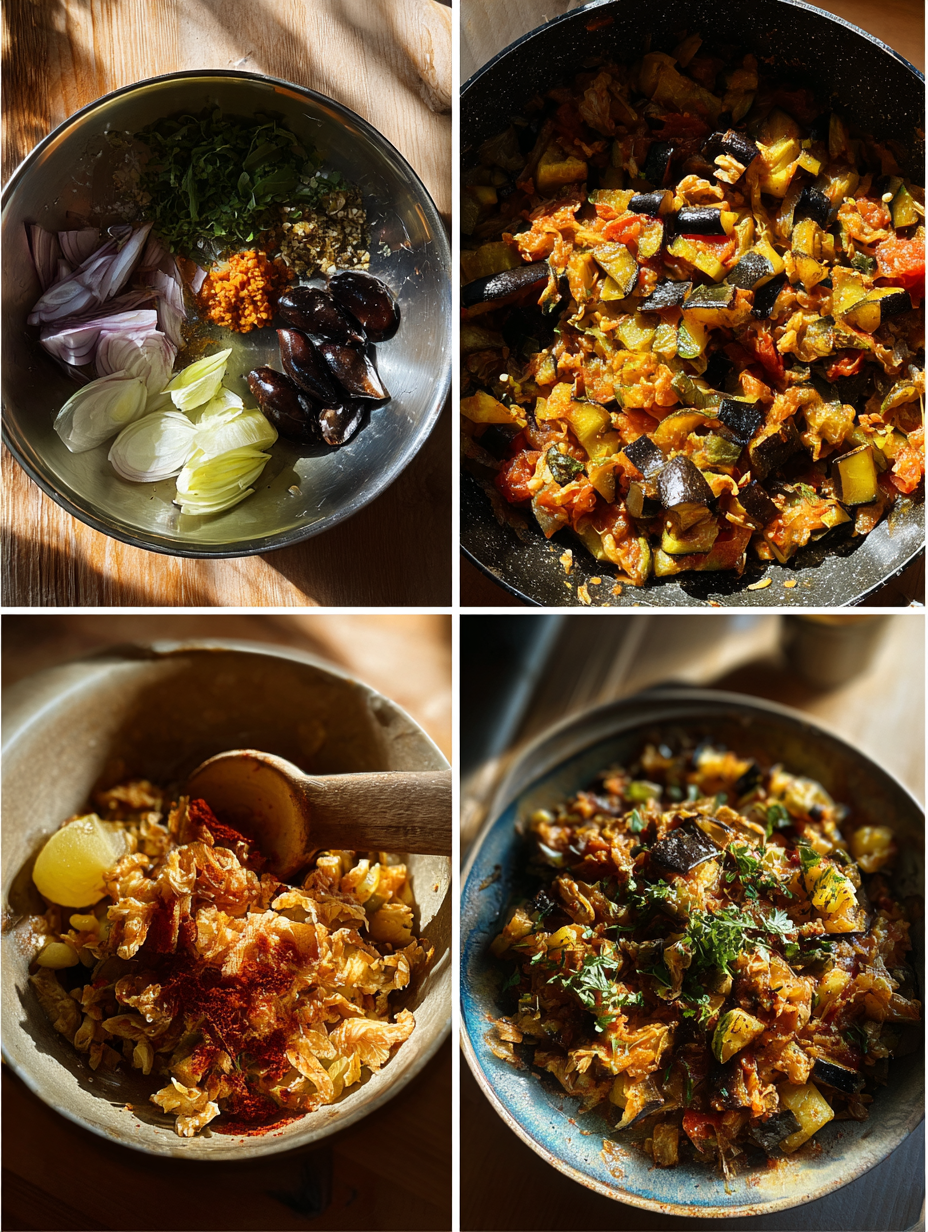
1. Prepare Your Vegetables: Begin by washing your zucchini, eggplant, and bell peppers thoroughly under cool water. Pat them dry with a clean kitchen towel. Next, dice the zucchini and eggplant into ½-inch cubes, then slice the bell peppers into strips or chunks. You want uniform sizes to ensure even cooking. As you chop, you’ll notice the fresh, earthy aroma of the vegetables beginning to fill your kitchen.
2. Sauté the Aromatics: In a large skillet or Dutch oven, heat 2 tablespoons of olive oil over medium heat. Once the oil shimmers, add 1 chopped onion and 3 cloves of minced garlic. Stir gently and sauté for about 3-4 minutes, until the onion becomes translucent and fragrant. You should hear a gentle sizzle. This step is essential for building a flavor base, so take your time here!
Chef’s Note: To avoid burning the garlic, keep a close eye on it. As soon as it starts to turn golden, it’s time to move on to the next step.
3. Add the Vegetables: Now, increase the heat slightly and add your diced zucchini, eggplant, and bell peppers to the skillet. Stir well to coat the vegetables in the aromatic oil. Sauté for 5-7 minutes, stirring occasionally, until they begin to soften but still retain some structure. Look for a bright, colorful mix of vegetables that are just starting to glisten.
4. Incorporate Herbs and Seasoning: As the vegetables soften, sprinkle in 1 teaspoon of dried thyme, 1 teaspoon of dried oregano, and a pinch of salt and pepper to taste. Stir well to combine, allowing the herbs to release their essential oils into the mix. Cook for an additional 2-3 minutes until the vegetables are fragrant and well-seasoned. You’ll notice a warm, herbaceous aroma wafting through your kitchen, inviting you to take a bite.
5. Add the Tomatoes: Pour in 1 can (14 ounces) of diced tomatoes (with their juices) or use 2 cups of fresh, diced tomatoes if you prefer. Stir everything together, ensuring that the tomatoes are evenly distributed throughout the vegetables. Allow the mixture to simmer for about 10 minutes over medium-low heat. You’ll want to keep an eye on it, stirring occasionally. Look for the sauce to thicken and the flavors to meld together, which should create a delightful, saucy texture.
6. Finish with Fresh Basil: Once the ratatouille is cooked and the sauce has thickened to your liking, remove the skillet from the heat. Fold in a generous handful of fresh basil leaves, torn into pieces. This adds a fresh, aromatic finish to the dish. Taste and adjust seasoning with salt and pepper if needed. The vibrant green of the basil against the colorful vegetables will not only look appealing but will also infuse your ratatouille with a burst of freshness.
Pro Tips for the Best Results
1. Choose the Right Vegetables: Opt for fresh, seasonal vegetables for the best flavor and texture. Vegetables that are in season are often sweeter and more flavorful, making your ratatouille truly shine.
2. Don’t Rush the Sauté: When sautéing your onions and garlic, take your time to develop a sweet, caramelized flavor. This base is crucial; rushing could lead to burning and bitterness, ruining the overall taste.
3. Size Matters: Cut your vegetables into uniform sizes to ensure they cook evenly. If some pieces are larger than others, you may end up with mushy bits and crunchy pieces, which can throw off the dish’s texture.
4. Simmering is Key: Allow your ratatouille to simmer for longer if you can. The longer it cooks, the more the flavors meld together. If you have the time, simmer for up to 30 minutes for a richer taste.
5. Use Quality Olive Oil: Don’t skimp on the olive oil; it not only adds flavor but also aids in the cooking process. A high-quality extra virgin olive oil will elevate your dish significantly.
6. Taste as You Go: Always taste your ratatouille as it cooks. Adjust the seasoning with salt, pepper, or additional herbs to ensure that the flavors are balanced to your preference.
7. Serve it Right: Ratatouille can be served warm, at room temperature, or even chilled. For the best flavor, let it rest for a few minutes after cooking, as this allows the flavors to develop further.
Common Mistakes to Avoid
1. Using Overripe Vegetables: Using vegetables that are overly ripe or past their prime can lead to mushiness and an unappetizing texture. Always choose fresh, firm vegetables for a delightful dish.
2. Skipping the Sautéing Step: Sautéing your onion and garlic is often overlooked, but it’s essential for building flavor. If you skip this step, your ratatouille may lack depth and richness.
3. Overcrowding the Pan: Trying to cook too many vegetables at once can cause steaming instead of sautéing. If you crowd the pan, you’ll end up with soggy ratatouille. Consider cooking in batches if necessary.
4. Not Letting it Simmer: If you rush the simmering process, the flavors won’t meld together properly. Allow at least 10 minutes of simmering to develop a rich, cohesive flavor.
5. Neglecting Fresh Herbs: Skipping fresh herbs in favor of more dried herbs can lead to a less vibrant flavor. Fresh basil added at the end elevates the dish and adds necessary brightness.
6. Failing to Adjust Seasoning: Tasting your dish at the end and not adjusting seasoning can result in a bland meal. Always taste before serving and adjust with salt, pepper, or additional herbs as needed.
Creative Variations
1. Seasonal Variation: For a seasonal twist, consider adding butternut squash in the fall or asparagus in the spring. Just chop them into similar sizes as the other vegetables and add them in step 3. This allows you to take advantage of seasonal produce while keeping the dish fresh and exciting.
2. Dietary-Friendly Version: For a vegan version, simply ensure all your ingredients are plant-based and use vegetable broth instead of oil for sautéing if you want a lighter option. You can also add chickpeas for protein to make it more filling.
3. Gourmet Elevated Version: To create a gourmet ratatouille, add saffron threads and black truffle oil just before serving. This addition brings a luxurious twist to the classic dish and elevates the flavors to a sophisticated level.
4. Quick 15-Minute Version: If you’re short on time, use frozen mixed vegetables to make a quick 15-minute ratatouille. Simply sauté the vegetables in olive oil, add canned tomatoes and herbs, and cook for a quick 10 minutes. It’s a perfect solution for weeknight dinners!
5. Kid-Friendly Version: For a kid-friendly ratatouille, add carrots and sweet corn while reducing the amount of eggplant. The natural sweetness of these vegetables makes the dish more appealing to younger palates.
6. International Twist: For a Mediterranean twist, add feta cheese and kalamata olives before serving. This adds a salty, briny contrast that complements the sweetness of the ratatouille beautifully, transporting your taste buds to sunny Greece.
Serving Ideas
When it comes to serving your Easy 30-Minute Ratatouille, presentation is everything. Here are a few delightful ways to plate this vibrant dish:
1. Rustic Bowl: Serve the ratatouille in a shallow, rustic bowl with a generous drizzle of high-quality olive oil. Garnish with freshly torn basil and a sprinkle of flaky sea salt to enhance those beautiful, fresh flavors.
2. Layered Elegance: For a more refined touch, layer the ratatouille in a clear glass dish. Alternate layers of ratatouille with dollops of creamy burrata, letting the cheese peek through for a stunning visual contrast. Finish with a scattering of microgreens on top for a touch of color.
3. Plate with Charm: Use a wide, shallow white plate and create a circular “nest” of ratatouille, placing a vibrant grilled vegetable skewer standing upright in the center. Garnish with a lemon twist for brightness, and you’ll have a dish that’s not only flavorful but also a conversation starter.
4. Creative Crostini: Spoon small portions of ratatouille onto toasted baguette slices for an appetizer-style serving. You can top each piece with a dollop of herbed crème fraîche and a sprinkle of chives, beautifully presented on a wooden board.
5. Mediterranean Platter: For a larger gathering, create a Mediterranean feast by serving the ratatouille alongside rustic bread, olives, and a selection of cheeses. Use colorful serving bowls to make the table inviting, and add sprigs of rosemary or thyme as a fragrant garnish.
By incorporating these ideas, you’ll transform your ratatouille into a feast for the eyes as well as the palate, creating an inviting atmosphere for your guests to enjoy.
What to Serve With
Pairing your Easy 30-Minute Ratatouille with complementary dishes can elevate your meal. Here are some delightful options:
1. Herbed Quinoa Salad: This light, nutty salad provides a wonderful textural contrast to the soft, tender veggies in the ratatouille. The bright herbs will enhance the flavors of the dish.
2. Grilled Lemon-Herb Chicken: The juicy, zesty chicken offers a perfect balance of protein and citrusy brightness, creating a delightful contrast with the rich, savory ratatouille.
3. Crispy Polenta Cakes: The crispy texture of polenta cakes paired with the soft, stewed veggies adds an exciting crunch, while the mild flavor complements the dish beautifully.
4. Garlic Butter Shrimp: The sweetness of the shrimp, sautéed in garlic and butter, will beautifully contrast the earthiness of the ratatouille, creating a well-rounded meal.
5. Chilled Rosé: A glass of chilled rosé wine, with its fruity notes and refreshing acidity, pairs perfectly with the dish, highlighting the freshness of the vegetables and the olive oil.
6. Lemon Tart: For dessert, a zesty lemon tart provides a bright, tangy finish to your meal, balancing the rich flavors of the ratatouille with its uplifting sweetness.
These pairings not only complement the flavors of your ratatouille but also create a visually stunning and well-rounded dining experience.
Storage Guide
To keep your Easy 30-Minute Ratatouille fresh for later enjoyment, proper storage is key. Follow these guidelines:
– Container: Use an airtight glass container to store your leftovers. Glass not only preserves the flavor but also avoids any potential leaching of chemicals from plastic.
– Temperature: Refrigerate your ratatouille at a consistent temperature of below 40°F (4°C) to ensure optimal freshness.
– Shelf Life: It will keep well in the fridge for 3 to 4 days.
– Signs of Spoilage: Look for changes in color or texture, off smells, or any signs of mold before consuming.
– Refreshing Before Serving: To restore the freshness of your ratatouille, gently reheat it in a pan with a splash of water or broth to bring back moisture. Stir occasionally to ensure even heating and to prevent sticking, and add a drizzle of olive oil just before serving for an extra touch of richness.
By following these steps, you can enjoy your ratatouille throughout the week without sacrificing flavor or quality.
Freezing Tips
Your Easy 30-Minute Ratatouille can be a fantastic candidate for freezing, making it perfect for meal prep:
– Freezing: Yes, this recipe freezes well! To freeze, portion the ratatouille into airtight freezer bags or containers, ensuring to leave some space for expansion.
– Wrapping Method: If using bags, squeeze out as much air as possible before sealing to prevent freezer burn.
– Labeling: Don’t forget to label your containers with the date and contents for easy identification later.
– Freezer Life: It can last in the freezer for up to 3 months without significant quality loss.
– Quality Changes: Expect minor changes in texture upon thawing, as some vegetables may become slightly softer.
– Best Thawing Method: The best way to thaw is overnight in the fridge. If you’re short on time, you can also use the microwave on the defrost setting, stirring frequently.
With these tips, you can enjoy your ratatouille any time, with minimal effort!
Reheating Guide
When it’s time to enjoy your Easy 30-Minute Ratatouille again, here are specific reheating methods:
– Microwave: Place your portion in a microwave-safe dish, cover it with a damp paper towel to prevent drying out, and heat on medium power for about 2-3 minutes, stirring halfway through.
– Oven: Preheat your oven to 350°F (175°C). Place the ratatouille in an oven-safe dish, cover with foil, and heat for about 15-20 minutes, checking for warmth throughout.
– Stovetop: Heat a bit of olive oil in a skillet over medium heat. Add your ratatouille and stir occasionally, cooking for about 5-10 minutes. If it seems dry, add a splash of vegetable broth or water to restore moisture.
– Texture Restoration Tip: Adding a touch of fresh herbs or a squeeze of lemon just before serving can revitalize the flavors and bring back that fresh taste, making it feel like a newly made dish!
These methods will ensure your ratatouille remains delicious and satisfying, no matter when you decide to enjoy it again.
Nutrition Overview
Each serving of your Easy 30-Minute Ratatouille is packed with health benefits. Here’s a rough nutritional breakdown:
– Calories: Approximately 150-200 calories
– Protein: About 4 grams
– Carbohydrates: Roughly 15-20 grams
– Fat: Around 10 grams
– Fiber: Approximately 5 grams
– Sugar: About 5 grams
This ratatouille is a fantastic source of vitamins A and C from the colorful vegetables, which are essential for immune function and skin health. The olive oil provides healthy fats that support heart health, while the fiber from the vegetables aids in digestion. Enjoying this dish not only satisfies your taste buds but also nourishes your body!
Frequently Asked Questions
Q: Can I substitute vegetables in the ratatouille?
A: Absolutely! Feel free to swap in seasonal vegetables like squash, zucchini, or bell peppers. Just keep in mind that different vegetables may have varying cook times, so adjust accordingly.
Q: Is this ratatouille suitable for vegans?
A: Yes! This recipe is completely plant-based, making it a perfect option for vegans and vegetarians alike.
Q: How can I make this dish spicier?
A: To add some heat, include chopped fresh chili peppers or a pinch of red pepper flakes during cooking. Just start with a small amount and adjust to your taste preference.
Q: Can I make this ratatouille ahead of time?
A: Yes, you can prepare it a day in advance. Simply store it in the refrigerator and reheat when ready to serve for optimal flavor.
Q: What equipment do I need to make ratatouille?
A: A large skillet or sauté pan is ideal for this recipe, along with a sharp knife for chopping. If you prefer a smoother texture, you might also want a blender for puréeing leftovers!
Q: Can I use canned tomatoes instead of fresh?
A: Yes, canned tomatoes can be a great substitute! Opt for whole peeled tomatoes or diced tomatoes for the best flavor, and adjust the cooking time as needed.
Q: How do I prevent the vegetables from getting mushy?
A: To retain a bit more texture, cook your vegetables separately before combining them. This helps you control the doneness of each type of vegetable, ensuring they maintain some bite.
Q: What is the best way to serve ratatouille?
A: Ratatouille can be served warm, at room temperature, or even cold. It’s delicious on its own, over grains, or as a side dish to proteins. Get creative with your presentation to make it visually appealing!
Final Thoughts
As you dive into making your Easy 30-Minute Ratatouille, remember that the key is in the freshness of your ingredients and allowing the flavors to meld beautifully. Cooking should be a joyful experience, so don’t stress about perfection — focus on enjoying the vibrant colors and aromas as you prepare it.
I genuinely hope you find as much joy in this dish as I do. It’s a wonderful way to celebrate the bounty of vegetables, and it’s incredibly versatile, making it perfect for any table. I invite you to make this ratatouille, savor every bite, and share your creation with friends and family. Now, grab your favorite ingredients and start cooking — your taste buds are in for a treat!