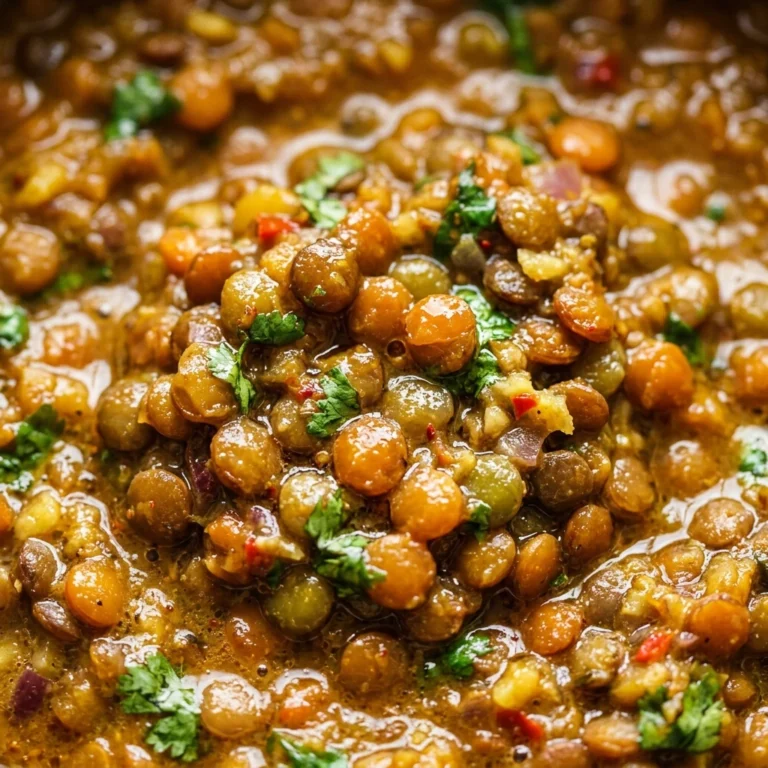
Follow Me On Pinterest!
Easy 30-Minute Vegetable Curry


A Flavorful Journey in Just Half an Hour: Discover the Joy of Quick, Homemade Comfort
—
Introduction
There’s something magical about the aroma of spices wafting through your kitchen, isn’t there? I still vividly remember the first time I made vegetable curry in my cozy little apartment, the sun setting low outside my window, painting the walls in warm hues of orange and gold. I had just come back from a bustling farmer’s market, arms laden with fresh produce—vibrant bell peppers, crisp green beans, and a head of cauliflower that practically begged to be transformed into something warm and comforting.
As I stood by the stove, the sizzle of diced onions hitting the pan filled the air, mingling with the earthy scent of cumin and the sharpness of ginger. You could almost hear the spices coming to life, each popping and crackling like a cheerful chorus. The colors danced before me—sunny yellows from turmeric, deep greens from leafy kale, and the bright reds of juicy tomatoes. It was a feast for the senses that seemed to promise a world of flavors packed into one bowl.
This dish quickly became my go-to when I needed something quick, nutritious, and utterly satisfying. As I swirled the coconut milk into the simmering pot, I was reminded that good food doesn’t always take hours of preparation. In just thirty minutes, I had created a vegetable curry that was not only rich and creamy but also bursting with textures and tastes that left me wanting more. And as I sat down to savor each spoonful, I knew this was a recipe I’d cherish forever—a simple way to embrace the beauty of wholesome ingredients while enjoying a moment of tranquility.
Now, I can’t wait to share this recipe with you, so you too can experience the joy of creating your own easy 30-minute vegetable curry. Let’s dive into the details!
—
Why This Recipe Works
When it comes to making a vegetable curry that’s both delicious and efficient, the magic lies in the harmony of flavors and textures that come together in a symphony of taste. The backbone of this recipe is a combination of aromatics, spices, and fresh vegetables that not only work well together but also complement each other’s natural flavors.
1. Key Flavor Combinations: The balance of spices like coriander, cumin, and curry powder provides a warm, earthy base that enhances the sweetness of the vegetables. Adding a splash of coconut milk not only adds creaminess but softens the spices, allowing them to envelop the veggies without overpowering their individual tastes.
2. Texture Contrasts: Achieving the right balance of textures is crucial. The crunch of fresh vegetables like bell peppers and carrots contrasts beautifully with the soft, creamy base created by simmering them in coconut milk. This interplay keeps each bite interesting, making you crave another spoonful.
3. Ingredient Roles: Every ingredient in this curry serves a purpose. For example, onions caramelize to provide depth, while ginger and garlic add a zesty kick that elevates the dish. Each vegetable you choose contributes to the overall flavor profile, and their freshness ensures a vibrant, appealing dish.
4. What Sets This Apart: Unlike many generic curries that rely heavily on pre-packaged sauces, this recipe is made from scratch, allowing you complete control over the ingredients. You can customize the heat level by adjusting the amount of chili, and the fresh produce ensures you’re getting the most nutrients possible without any preservatives.
By understanding these elements, you’ll realize that creating a scrumptious 30-minute vegetable curry isn’t just about following a recipe; it’s about crafting a delightful experience that brings comfort and satisfaction to your table.
—
What Makes It Special
This easy 30-minute vegetable curry isn’t just another dish; it’s a culinary gem that stands out for several reasons:
– Freshness Over Processed: While many restaurant or store-bought curries can be convenient, they often come laden with preservatives and artificial flavors. Making this curry at home means you’re using fresh, seasonal vegetables that not only taste better but are also packed with nutrients.
– Cost-Effective and Customizable: Preparing your curry gives you the freedom to choose what goes in it. You can adapt the recipe to fit your budget or what’s in season, making it an economical choice as well. Whether you want to throw in leftover veggies from the fridge or use a specific favorite, the possibilities are endless!
– Surprising Elements: One of the standout features of this recipe is the addition of coconut milk, which not only enriches the curry but also provides a unique flavor profile that you won’t find in every vegetable dish. Additionally, a squeeze of lime at the end brightens everything up and adds a refreshing zing that elevates the entire experience.
– Quick and Satisfying: In a world where time is often a luxury, this recipe shines by delivering a wholesome meal in just thirty minutes. It’s perfect for busy weeknights when you crave something delicious but don’t want to spend hours in the kitchen.
With these unique qualities, you’ll find that this vegetable curry is not just a meal; it’s an experience that nourishes both body and soul.
—
Ingredient Breakdown

Creating a flavorful 30-minute vegetable curry starts with a thoughtful selection of ingredients. Here’s a closer look at each component and why it matters:
1. Onions (1 medium): Onions are the foundation of your curry. Diced and sautéed until translucent, they add sweetness and depth of flavor. You can substitute with shallots for a milder taste.
2. Garlic (3 cloves): Fresh garlic infuses the dish with its pungent, aromatic quality. If you’re short on fresh garlic, garlic powder can work in a pinch, but fresh is always best.
3. Ginger (1 tablespoon, grated): This adds a zesty warmth that brightens the dish. If fresh isn’t available, you can use ground ginger, though the flavor will differ slightly.
4. Bell Peppers (1 cup, chopped): Their sweetness and crunch add a lovely texture. Feel free to mix colors—red, yellow, and green— for a vibrant presentation. If you’re looking for a substitute, zucchini works well too.
5. Cauliflower (1 cup, chopped): Cauliflower is fantastic for its ability to absorb flavors while adding a satisfying bite. You can replace it with broccoli or even chickpeas for a protein boost.
6. Carrots (1 medium, sliced): Carrots add sweetness and a pop of color. They can be swapped for sweet potatoes for a different flavor profile.
7. Coconut Milk (1 can, full fat): This is the creamy base of your curry, lending richness and a subtle sweetness. If you prefer a lighter version, use light coconut milk or almond milk, though the texture will be less creamy.
8. Curry Powder (2 tablespoons): This spice blend creates the signature flavor of your curry. If you don’t have curry powder, a mix of turmeric, cumin, and coriander can be used as a substitute.
9. Salt (to taste): Enhances the flavors of all the ingredients. If you’re watching sodium intake, consider using a low-sodium option or leaving it out entirely until the end.
10. Lime Juice (for garnish): A squeeze of lime at the end adds brightness and balances the richness of the coconut milk. You can use lemon juice if limes aren’t available.
11. Fresh Cilantro (for garnish): This herb adds freshness and a beautiful green contrast to the curry. If you’re not a fan of cilantro, parsley is a great alternative.
12. Chili Powder (optional): If you like a bit of heat, add chili powder to taste. You can substitute this with fresh chopped chilies for an extra kick.
For those with dietary restrictions, this recipe is naturally vegan and gluten-free. You can easily find all ingredients in your local grocery store, but for specialty items like high-quality coconut milk or unique spices, a visit to your local health food store or international market may yield better results.
—
Equipment Needed
To whip up this easy 30-minute vegetable curry, you’ll need a few essential tools that will make the process smooth and efficient:
– Large Skillet or Dutch Oven: This is your primary cooking vessel. A wide skillet allows for even cooking and better evaporation, while a Dutch oven retains heat well. If you don’t have either, any large pot will work fine.
– Cutting Board: A sturdy cutting board is essential for chopping your veggies. Opt for a large one to provide ample space, especially if you’re prepping multiple ingredients.
– Chef’s Knife: A sharp chef’s knife will make quick work of chopping onions, garlic, and vegetables, ensuring your prep time is minimal.
– Wooden Spoon or Spatula: You’ll need this for stirring and sautéing, ensuring that your ingredients mix well and nothing sticks to the bottom of the pan.
– Measuring Cups and Spoons: Accurate measurements are key, especially for spices. If you don’t have measuring spoons, you can use standard kitchen utensils, but keep in mind that precision matters for flavor balance.
Optional tools that can enhance your experience include:
– Microplane or Grater: If you prefer freshly grated ginger and garlic, a microplane makes this task effortless.
– Ladle: Great for serving up your curry, but any large spoon will do if you’re in a pinch.
With this equipment at hand, you’ll be ready to dive into the delightful world of homemade vegetable curry!
Step-by-Step Instructions
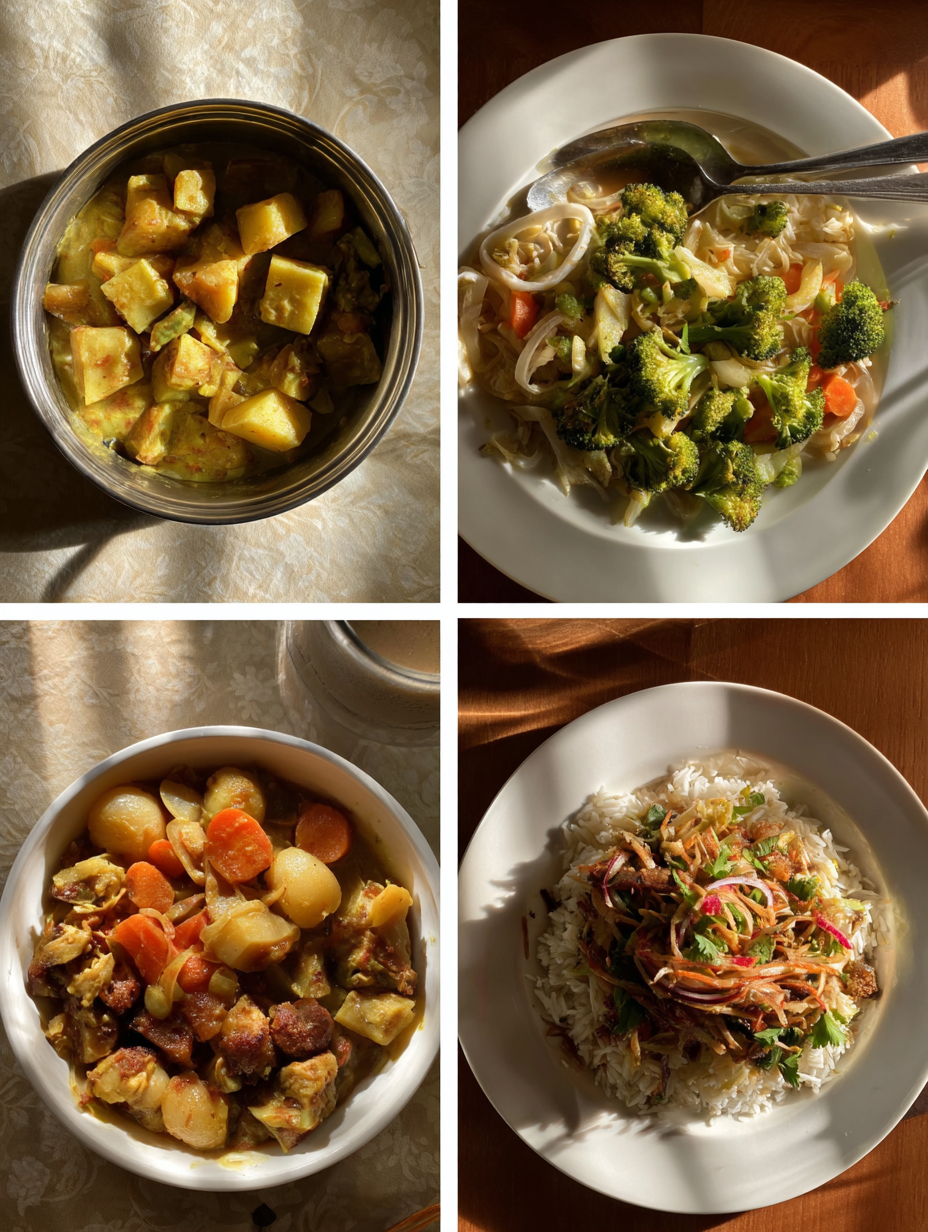
1. Prep Your Ingredients
Start by gathering all your ingredients: fresh vegetables, coconut milk, curry paste, and any other extras you plan to use. Chop your vegetables into uniform pieces (about 1-inch chunks works well) to ensure even cooking. You want to smell the freshness of the vegetables and have a colorful array on your cutting board, which is a good sign that you’re starting off right!
2. Heat the Oil
In a large skillet or wok, heat 2 tablespoons of vegetable oil over medium-high heat. As the oil heats, you should hear a faint sizzle when you add the vegetables — this means the oil is hot enough. Chef’s Note: Use a neutral oil like canola or sunflower to allow the flavors of the curry to shine.
3. Sauté the Aromatics
Once the oil is shimmering, add 1 diced onion, 2 minced garlic cloves, and 1 tablespoon of grated ginger. Stir these aromatics for about 3-4 minutes until they become fragrant and the onion turns translucent. You want to listen for a gentle hiss and smell the wonderful savory aroma wafting through your kitchen. This is where the foundation of flavor begins to develop.
4. Add the Curry Paste
Add 2 tablespoons of your favorite curry paste (red or green, depending on your preference) into the pan. Stir it in with the aromatics for about 1-2 minutes. You should see the oil start to take on a vibrant color, and the paste will release its essential oils and spices. This step is crucial for unlocking the full depth of flavor in your curry.
5. Incorporate the Vegetables
Now it’s time to add your chopped vegetables. Toss in 2 cups of diced vegetables (like bell peppers, carrots, and zucchini) and stir well to coat them in the curry mixture. Cook for 5-7 minutes, stirring occasionally. You’ll want to see the vegetables start to soften slightly but still maintain their shape. The smell should be enticing, with a rich spiced aroma filling the air.
6. Add Coconut Milk and Simmer
Pour in 1 can (13.5 oz) of coconut milk and stir everything to combine. Bring it to a gentle simmer and let it cook for about 10 minutes, allowing the flavors to meld together beautifully. You should see small bubbles forming at the surface, and the curry will thicken slightly. Taste at this point and adjust the seasoning if necessary — perhaps a pinch of salt or a squeeze of lime juice.
7. Finish and Serve
Once the vegetables are tender and the curry is fragrant, remove the pan from heat immediately. Serve your Easy 30-Minute Vegetable Curry over a bed of fluffy rice or with warm naan. Garnish with fresh cilantro or a squeeze of lime for a zesty touch. The final product should look vibrant and inviting, with a glossy texture that promises delightful flavors.
Pro Tips for the Best Results
1. Choose the Right Vegetables
Opt for a mix of sturdy and tender vegetables. Sturdy ones like carrots and potatoes hold their shape, while tender ones like zucchini and bell peppers will soften and meld with the curry. This combination ensures a balanced texture throughout the dish.
2. Adjust the Heat
If you prefer it spicier, add more curry paste or a diced chili pepper when you sauté the aromatics. This allows for the heat to permeate the oil, evenly distributing throughout the curry. Always taste as you go — you can always add more, but it’s hard to tone it down!
3. Use Fresh Herbs
Fresh cilantro or basil can elevate the dish significantly. Add them just before serving for a pop of freshness that contrasts beautifully with the rich curry. Dried herbs won’t give you the same bright flavor.
4. Let It Rest
Allow your curry to sit covered for a few minutes after cooking. This resting time helps the flavors to deepen and meld together even more. It’s a simple step that can make a noticeable difference in taste!
5. Experiment with Coconut Milk
For a lighter version, you can use coconut milk light or even a blend of coconut milk and vegetable broth. This reduces the richness without sacrificing flavor, perfect for those watching their calorie intake.
6. Don’t Skip the Lime
A squeeze of fresh lime juice right before serving brightens the flavors and adds a touch of acidity that balances the creaminess of the coconut milk. It’s a small detail that makes a big impact!
7. Batch Cooking
This curry is an excellent candidate for batch cooking. Make a larger portion, and freeze the leftovers. When you reheat, add a splash of coconut milk to bring back its creamy texture. It’s like having a homemade meal on demand!
Common Mistakes to Avoid
1. Using Frozen Vegetables
Mistake: Using frozen instead of fresh vegetables can make the curry watery and less flavorful.
Correct Approach: Fresh vegetables not only provide better texture but also a brighter flavor. If you must use frozen, thaw and drain them well before adding.
2. Skipping the Aromatics
Mistake: Skipping the sautéing of onions, garlic, and ginger.
Correct Approach: These ingredients build the base flavor of the dish. Always take the time to sauté them properly until fragrant and softened.
3. Overcooking the Vegetables
Mistake: Cooking the vegetables too long can lead to mushiness.
Correct Approach: Aim for a tender-crisp texture. You want them to be fork-tender but still holding their shape; this keeps your curry vibrant and appealing.
4. Not Tasting While Cooking
Mistake: Forgetting to taste as you go can lead to a poorly seasoned dish.
Correct Approach: Regularly taste your curry and adjust the seasoning as needed. It’s your best tool for achieving the perfect flavor balance.
5. Using Too Much Coconut Milk
Mistake: Adding more coconut milk than necessary can make the dish overly rich and dilute the flavors.
Correct Approach: Stick to the recommended amount and balance it with spices and vegetables. You can always add a little more if you prefer a creamier texture.
6. Neglecting Garnishes
Mistake: Serving without a garnish can make a dish look bland and uninviting.
Correct Approach: Fresh herbs or a drizzle of lime juice not only enhance the flavor but also add visual appeal. Never underestimate the power of a simple garnish!
Creative Variations
1. Seasonal Variation
Try using butternut squash and kale in the fall for a seasonal twist. The sweetness of the squash pairs beautifully with the spices, while the kale adds a nutritious green element. Simply substitute these veggies in the original recipe and enjoy the seasonal flavors.
2. Dietary-Friendly Version
For a vegan and gluten-free adaptation, ensure your curry paste is gluten-free (most are, but always check) and use vegetable broth instead of coconut milk if you want a lighter dish. Add some chickpeas for protein and extra heartiness without losing that satisfying creaminess.
3. Gourmet Elevated Version
For a restaurant-quality upgrade, use Thai basil and top with toasted cashews for crunch. You can also use a high-quality coconut cream for a richer flavor. Serve with jasmine rice and consider a side of pickled vegetables for an elevated dining experience.
4. Quick 15-Minute Version
For a simplified version for busy weeknights, use pre-chopped vegetables (available at most grocery stores) and a jarred curry sauce instead of paste. This will cut down on prep time significantly while still delivering a fulfilling meal — just heat it all together and serve!
5. Kid-Friendly Version
To make it kid-friendly, use milder vegetables like peas and sweet corn and reduce the amount of curry paste. You might also consider adding a touch of honey to balance the spices and serve it with warm pita bread for dipping.
6. International Twist
For an international twist, turn your curry into a Thai green curry by using green curry paste and adding in bamboo shoots and Thai eggplant. Serve it with jasmine rice and a side of fresh spring rolls for a complete meal that transports you straight to Thailand.
Serving Ideas
When you’re ready to plate your Easy 30-Minute Vegetable Curry, think about how to make it visually captivating. Start with a generous scoop of curry in the center of a shallow, wide bowl. Layer in some cooked basmati rice or quinoa on one side, allowing a bit of the grain to peek out.
1. Garnish with Fresh Herbs: Sprinkle finely chopped cilantro or fresh mint on top for a pop of green and a burst of flavor.
2. Coconut Cream Drizzle: Add a swirl of coconut cream or yogurt around the edge of the bowl for a creamy contrast.
3. Lime Wedges: Place a couple of lime wedges on the side for a zesty finish that invites guests to squeeze a bit over their serving.
4. Chili Flakes or Fresh Chilis: For those who enjoy heat, a few thinly sliced red chilies or a sprinkle of chili flakes can add vibrant color and a spicy kick.
As for portion sizes, aim for about 1.5 cups of curry with a cup of rice or grain. This balance ensures a hearty meal without overwhelming the senses. The presentation can be elevated with a colorful array of vegetables visible in the curry, and a sprinkle of sesame seeds can provide an extra layer of texture.
What to Serve With
To create a well-rounded dining experience, consider these complementary dishes that pair beautifully with your curry:
1. Naan Bread: Soft, warm naan is perfect for scooping up the curry. Its subtle flavor and chewy texture contrast nicely with the curry’s richness.
2. Cucumber Raita: This cooling yogurt-based side balances the spiciness of the curry with its refreshing cucumber flavors and creamy texture.
3. Mango Lassi: A sweet and tangy mango lassi complements the spices in your curry, providing a luscious drink that enhances the meal.
4. Roasted Cauliflower Salad: With its nutty flavors and crunchy textures, roasted cauliflower adds a delightful contrast and a healthy touch to your plate.
5. Cardamom Rice Pudding: For dessert, a warm cardamom-infused rice pudding pairs perfectly, echoing the curry’s spices while providing a soothing finish.
Each of these items brings something unique to the table, whether it’s warmth, cooling relief, or additional textures, making your meal not just satisfying but symphonic.
Storage Guide
To keep your vegetable curry fresh and delicious for later, proper storage is key. Use airtight glass containers to prevent any odors from permeating your curry and to maintain its taste.
– Store your leftovers in the refrigerator at 34°F to 40°F.
– The curry will keep well for up to 3 to 4 days.
– Always check for signs of spoilage before consuming: look for off smells, discoloration, or any mold.
When you’re ready to enjoy your leftover curry, don’t just reheat it; to really restore freshness, add a splash of coconut milk or vegetable broth while warming it up. This addition will reinvigorate the flavors and moisture that may have been lost during storage.
Freezing Tips
Your Easy 30-Minute Vegetable Curry freezes beautifully, making it a fantastic option for meal prep. Here’s how to do it right:
– Portion the curry into individual servings in airtight containers or freezer bags. Remove as much air as possible to prevent freezer burn.
– Label each container with the date and contents for easy identification later.
– This dish can stay in the freezer for up to 3 months without significant loss of quality.
When you thaw your curry, you might notice some separation of the ingredients or a change in texture, but that’s normal. The best way to thaw is to leave it in the fridge overnight.
Reheating Guide
Reheating your vegetable curry should be done with care to ensure it retains its flavor and texture. Here are your options:
– Microwave: Transfer your curry to a microwave-safe dish, cover it to prevent drying out, and heat on high for 2-3 minutes, stirring halfway through. You can add a splash of water or broth if it seems too thick.
– Oven: Preheat your oven to 350°F, place the curry in an oven-safe dish, cover with foil, and heat for 15-20 minutes, or until hot throughout.
– Stovetop: Heat over medium heat in a saucepan, stirring occasionally. Add a little water or broth to help it rehydrate, and let it simmer for 5-10 minutes until warmed through.
Restoring original texture can be achieved by ensuring you add a little moisture back into the dish, so it doesn’t dry out during reheating.
Nutrition Overview
Each serving of your Easy 30-Minute Vegetable Curry is packed with nutrients, making it a wholesome choice for any meal. Here’s a quick breakdown of the approximate nutritional values per serving:
– Calories: 250
– Protein: 7g
– Carbohydrates: 40g
– Fat: 8g
– Fiber: 6g
– Sugar: 5g
Key ingredients like chickpeas and spinach offer incredible health benefits. Chickpeas are a great source of protein and fiber, helping you feel full longer and supporting digestive health. Spinach is rich in vitamins A and C, making this dish not just delicious but also a nutrient powerhouse. Enjoy knowing you’re nourishing your body with every bite!
Frequently Asked Questions
Q: Can I substitute vegetables in this curry?
A: Absolutely! You can use any seasonal or favorite vegetables you have on hand. Just keep in mind that different vegetables may have varying cooking times, so adjust accordingly.
Q: Is this curry gluten-free?
A: Yes, the Easy 30-Minute Vegetable Curry is naturally gluten-free as it doesn’t contain any wheat-based ingredients. Just ensure that any additional side dishes, like naan, are also gluten-free if that’s a concern.
Q: How can I make this curry spicier?
A: If you like a kick, consider adding fresh chopped chilies or extra curry powder during cooking. You can also top your finished dish with chili flakes for additional heat.
Q: Can I use frozen vegetables instead?
A: Yes, frozen vegetables can be used for this recipe. Just be sure to adjust the cooking time, as frozen veggies may cook faster than fresh ones.
Q: How long does it take to cook if I use a slow cooker?
A: If you’d like to use a slow cooker, set it on low for 4-6 hours or on high for 2-3 hours. Just be sure to add any quick-cooking vegetables towards the end to keep their texture.
Q: What equipment do I need to make this curry?
A: A large pot or deep skillet is essential for cooking the curry. Having a good chopping knife and cutting board will also help you prepare your ingredients quickly.
Q: Can I add protein like chicken or tofu to this recipe?
A: Yes! You can easily add cooked chicken, tofu, or even tempeh for extra protein. If using raw chicken or tofu, add it at the beginning of cooking to ensure it cooks through.
Q: What’s the best way to store curry leftovers?
A: The best way to store leftovers is in airtight glass containers in the fridge, where it will last for up to 3-4 days. Be sure to allow it to cool completely before sealing.
Final Thoughts
As you embark on making this Easy 30-Minute Vegetable Curry, remember that the key to its success lies in using fresh, vibrant ingredients and adjusting the spices to suit your taste. This dish is not just a meal—it’s a celebration of flavors and a reminder of how satisfying home-cooked food can be.
I genuinely hope you enjoy every step of the cooking process and the delightful aroma that fills your kitchen. Don’t forget to share your creation with family and friends; there’s nothing quite like enjoying a delicious, wholesome meal together.
Now, roll up your sleeves and get cooking—your taste buds are in for a treat!