Follow Me On Pinterest!
Savory 30-Minute Stir-Fry Recipe

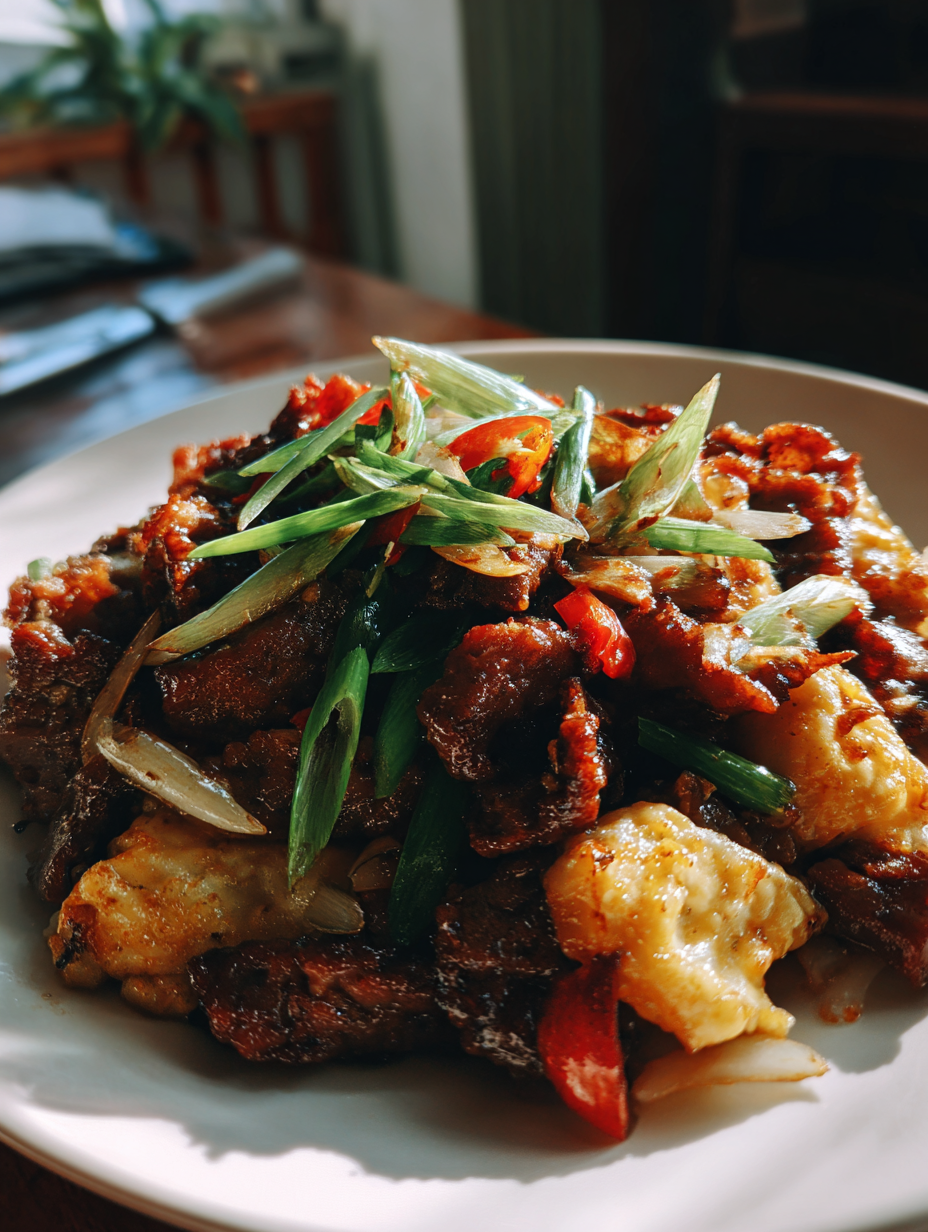
A Quick and Flavor-Packed Meal Perfect for Busy Weeknights
—
Introduction
There’s something magical about the sizzling sound of ingredients dancing in a hot pan—a sound that transports me back to evenings spent in my grandmother’s cozy kitchen. I remember the first time she let me assist her with her famous stir-fry. The kitchen was filled with the fragrant aroma of garlic and ginger, mingling with crisp vegetables and tender morsels of meat. As the vibrant colors of bell peppers, broccoli, and carrots splashed against the backdrop of a bubbling wok, I felt a sense of excitement wash over me.
The moment the first spoonful hit my tongue, I was hooked. The contrasting textures—the crunch of the vegetables against the tender, savory chicken—created a symphony of flavors that felt like a warm hug on a chilly night. This dish became my go-to for busy weeknights, a comforting reminder of the love and warmth that home-cooked meals can bring. As I grew older and began to experiment in the kitchen, I often found myself revisiting that simple yet unforgettable stir-fry recipe, adapting it to suit my changing tastes.
Now, I want to share with you a savory 30-minute stir-fry recipe that captures all those nostalgic flavors but is tailored for your busy lifestyle. It’s quick, convenient, and brimming with freshness—just what you need when you’re short on time but still crave a delicious home-cooked meal. So, grab your wok and let’s dive into a culinary adventure that promises to tantalize your taste buds and nourish your soul.
—
Why This Recipe Works
What makes this stir-fry extraordinary isn’t just the quick cooking time—it’s the way it perfectly balances flavors, textures, and colors. Central to its success is the harmony of key flavor combinations. Soy sauce, with its umami richness, pairs beautifully with the brightness of sesame oil and the subtle sweetness of honey. This trio creates a savory glaze that clings to your ingredients, ensuring every bite bursts with flavor.
Texture is another crucial element. You’ll want your vegetables to have a satisfying crunch, which is easily achieved by cooking them over high heat for a short time. This method not only maintains their fresh, vibrant colors but also locks in their nutrients. The contrast between the tender strips of protein—whether it’s succulent chicken, beef, or tofu—and the crisp vegetables adds depth to every mouthful.
Each ingredient plays a pivotal role: bell peppers add sweetness, broccoli brings earthiness, and the ginger provides a zesty kick that brightens the dish. What sets this stir-fry apart from the average takeout version is the customization you can achieve at home. You have the freedom to choose fresh, quality ingredients and adjust seasonings to your liking, creating a dish that’s uniquely yours.
—
What Makes It Special
This savory 30-minute stir-fry stands out for several compelling reasons:
– Fresh, Vibrant Ingredients: Unlike many restaurant or store-bought stir-fries that may use frozen, pre-cut veggies, this recipe showcases fresh vegetables that you can pick at your local market. The difference in flavor and texture is palpable, making each bite a celebration of freshness.
– Customizable to Your Preferences: You have the power to modify this dish based on your dietary needs or preferences. Whether you prefer to go vegetarian, gluten-free, or spice things up with different proteins, this stir-fry is a blank canvas waiting for your creativity.
– Quick and Convenient: In just 30 minutes, you can whip up a meal that rivals any restaurant dish while enjoying the satisfaction of making it yourself. This recipe is perfect for those hectic weeknights when time is of the essence, yet you still want a wholesome dinner.
– Surprising Flavors: Adding a touch of sriracha or a sprinkle of sesame seeds elevates the dish to new heights, bringing an unexpected kick and texture that you won’t find in typical versions. It’s these little surprises that keep you coming back for more.
—
Ingredient Breakdown
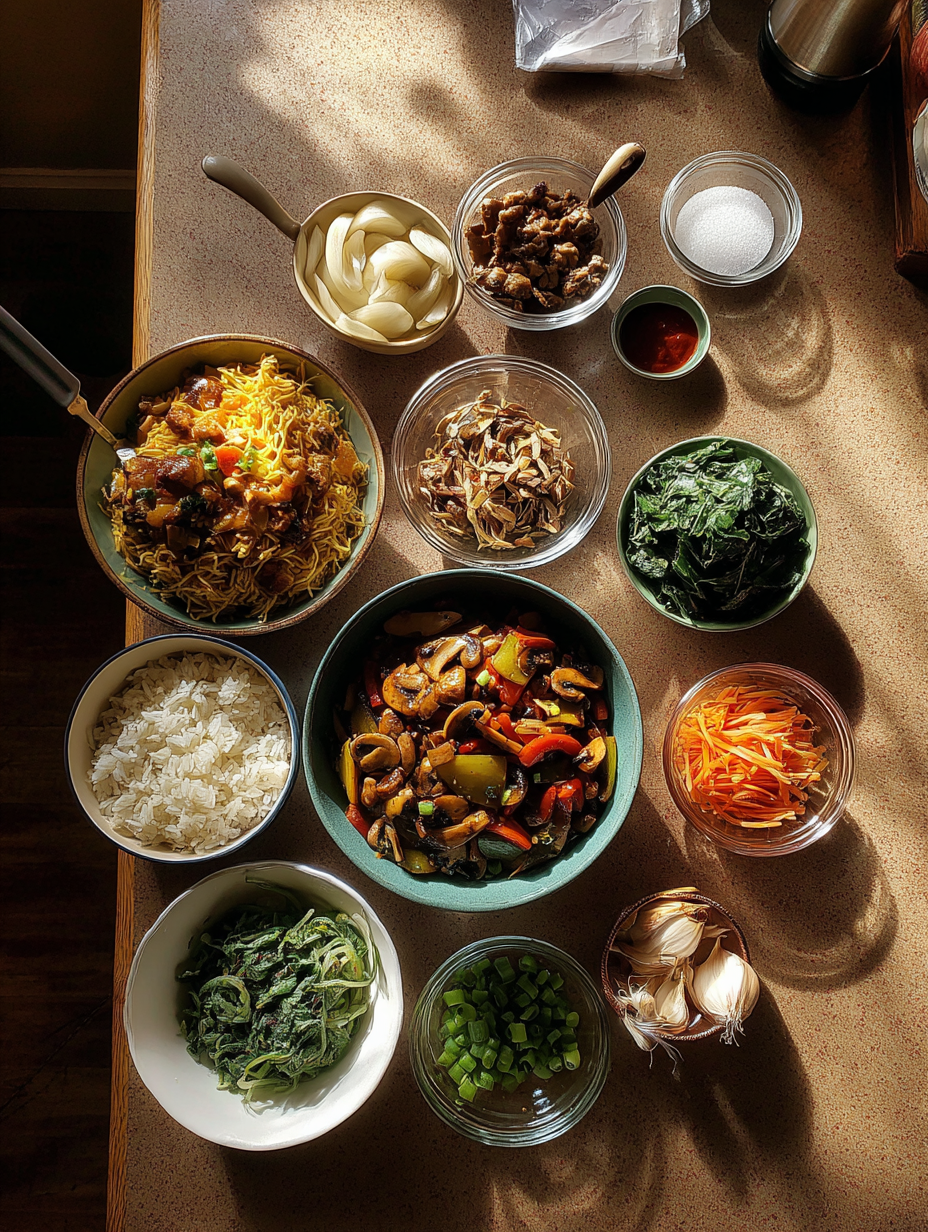
To create your savory stir-fry masterpiece, you’ll need a selection of vibrant ingredients, each playing a crucial role in achieving that authentic flavor and satisfying texture. Here’s a detailed breakdown:
1. Chicken Breast (or Tofu): The star protein of your stir-fry. Use about 1 pound, thinly sliced against the grain for tenderness. If you’re opting for a vegetarian version, firm tofu works beautifully. Press it to remove excess moisture, then cube it for even cooking.
2. Bell Peppers: Choose a mix of colors—red, yellow, and green—for visual appeal and varied sweetness. Aim for 2 cups, sliced into thin strips. Their crunch adds texture and a sweet contrast to the savory elements.
3. Broccoli Florets: About 1 cup will bring earthiness and nutrients to the dish. Cut the florets into bite-sized pieces to ensure even cooking and a delightful crunch.
4. Carrots: Use 1 cup, julienned or sliced thinly. Their natural sweetness balances the dish and adds a pop of color.
5. Garlic: 3 cloves, minced, for that aromatic base. Garlic enhances flavor depth and infuses the oil with a savory goodness.
6. Ginger: 1 tablespoon, freshly grated. Its zesty kick brightens the dish and complements the other flavors beautifully.
7. Soy Sauce: 1/4 cup for a savory, umami-rich sauce. Opt for low-sodium soy sauce if you’re watching your salt intake.
8. Sesame Oil: 2 tablespoons, used for stir-frying and drizzling at the end for a nutty aroma. A little goes a long way, so use it sparingly to avoid overpowering the dish.
9. Honey (or Maple Syrup): 1 tablespoon adds a touch of sweetness to balance the salty notes of soy sauce.
10. Cornstarch: 1 tablespoon, mixed with a bit of water. This will help thicken your sauce, giving it that glossy finish you love in takeout.
11. Sriracha (optional): For those who enjoy a bit of heat, add a teaspoon or more to taste.
Substitution Options
– Dairy-Free: This recipe is naturally dairy-free, so you can enjoy it without worry.
– Gluten-Free: Use gluten-free soy sauce or tamari, and ensure any additional sauces are gluten-free.
– Vegan: Substitute chicken with firm tofu or tempeh, and use maple syrup instead of honey.
Specialty Ingredients
Most ingredients can be found at your local grocery store, but if you’re looking for fresh, high-quality produce or specialty items like sriracha or sesame oil, consider visiting an Asian market or a well-stocked grocery store with an international aisle.
—
Equipment Needed
To whip up your savory stir-fry, you’ll need a few essential tools:
– Wok or Large Skillet: A wok is ideal for stir-frying due to its shape, allowing for even heat distribution. If you don’t have one, a large skillet works well too. Just ensure it’s non-stick to prevent sticking.
– Spatula or Wooden Spoon: A sturdy spatula will help you toss the ingredients quickly without breaking them apart. A wooden spoon is a great alternative, especially if you want to avoid scratching your cookware.
– Cutting Board and Sharp Knife: For prepping your ingredients. A sharp knife ensures clean cuts, making your vegetables more visually appealing.
– Measuring Cups and Spoons: Accurate measurements are crucial for achieving the right flavor balance, so keep these handy.
Optional Tools
– Mandoline Slicer: While not essential, a mandoline can help you achieve even, thin slices for your vegetables, elevating the presentation of your stir-fry.
– Rice Cooker: If you’re serving your stir-fry over rice, a rice cooker simplifies the process and ensures perfectly cooked rice every time. However, you can always make rice on the stove if necessary.
Now that you have the ingredients and equipment ready, you’re just steps away from a delightful meal that’ll impress your palate and nourish your body!
Step-by-Step Instructions
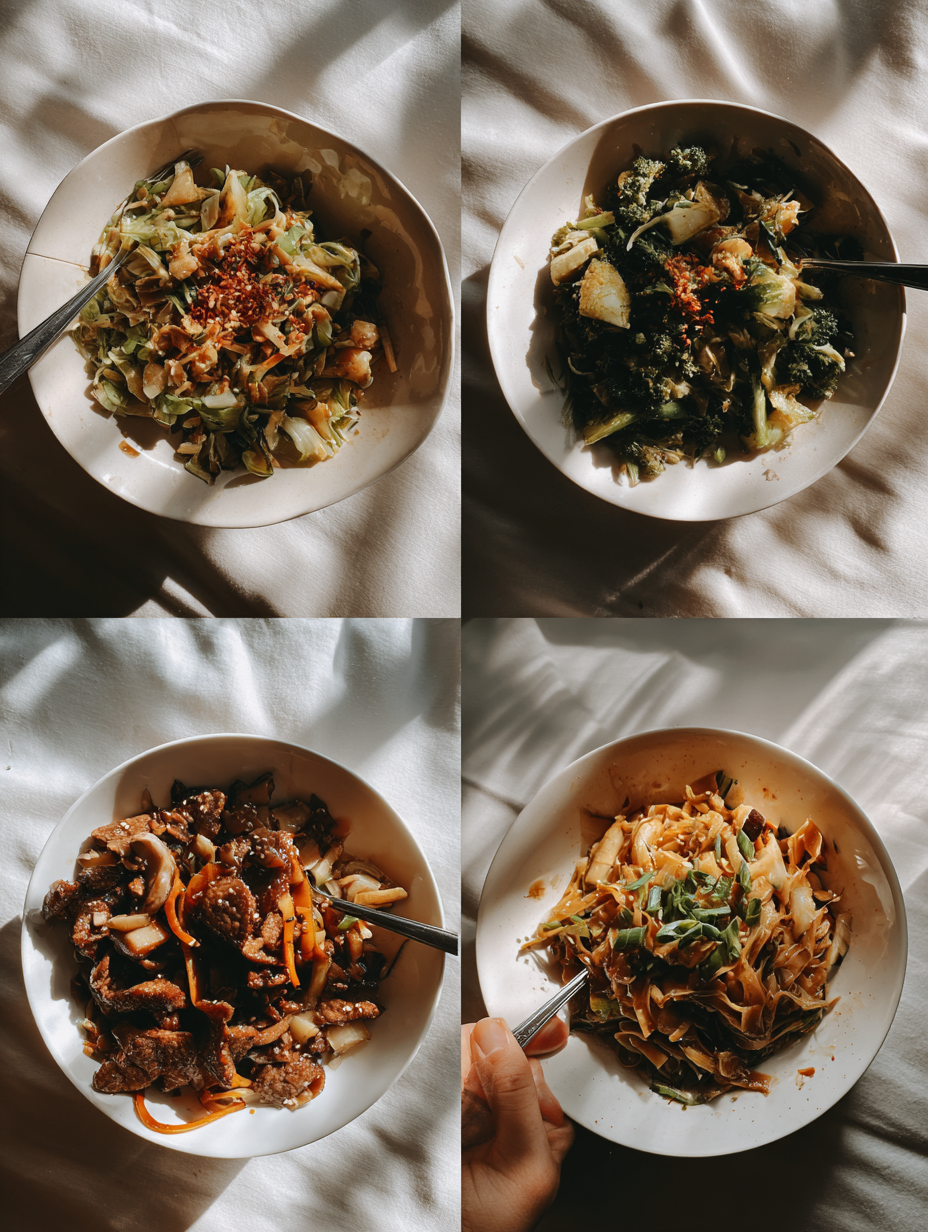
1. Prepare Your Ingredients
Start by washing and chopping your vegetables. You’ll want to cut them into uniform pieces to ensure even cooking. For this recipe, I recommend using bell peppers, broccoli, and snap peas. Aim for bite-sized pieces—about an inch in size. This way, they will cook quickly and retain a vibrant crunch. As you chop, take a moment to enjoy the fresh aromas that fill your kitchen.
2. Prep the Protein
If you’re using chicken or beef, slice your protein against the grain into thin strips, about ¼-inch thick. This technique tenderizes the meat. For tofu, press it to remove excess moisture, then cut it into cubes. Chef’s Note: If you’re using frozen protein, remember to fully thaw it beforehand; otherwise, it may not cook evenly.
3. Heat the Wok
Place your wok or large skillet on high heat. Allow it to preheat for about 2-3 minutes until it starts to shimmer. You want the surface to be hot enough for a quick sear, which is essential for locking in flavors. Listen for the sound of a gentle sizzle when you add your oil—this indicates that the pan is ready. Add about 2 tablespoons of oil (like canola or sesame) and let it heat for another minute.
4. Cook the Protein
Carefully add your protein to the hot oil in a single layer, ensuring not to overcrowd the pan. Allow it to sear without stirring for about 2-3 minutes, or until it turns golden brown. This step is crucial as it adds depth of flavor. Look for a nice caramelization; if it’s sticking to the pan, it’s not ready to flip. After 3 minutes, stir-fry for another minute until fully cooked, then remove from heat and set aside.
5. Stir-Fry the Vegetables
In the same hot wok, toss in your prepared vegetables. You’ll want to cook them for about 3-5 minutes, stirring constantly. The goal here is to achieve a tender-crisp texture. Smell the fresh aroma of the vegetables as they cook, and look for vibrant colors. If they start to wilt but still have a bit of crunch, they’re ready.
6. Create the Sauce
Mix together your sauce ingredients in a small bowl. A simple combination of soy sauce, garlic, and a splash of sesame oil works wonders. Once the veggies are cooked, pour in the sauce and add your protein back into the wok. Toss everything together for an additional 1-2 minutes to allow the flavors to meld. Chef’s Note: If you like it spicy, throw in some crushed red pepper flakes or fresh chili at this point.
7. Serve Immediately
Once everything is well combined, and the sauce coats the protein and veggies beautifully, remove the wok from heat. Serve your stir-fry over a bed of hot rice or noodles. Look for a glossy sheen on the dish, indicating that the sauce has enveloped everything perfectly. Enjoy the harmonious blend of flavors and textures!
Pro Tips for the Best Results
1. Choose the Right Oil
Use oils with high smoke points, like canola or peanut oil. These oils can withstand high heat without burning, which is essential for achieving that perfect stir-fry sear. This ensures that your proteins and veggies caramelize beautifully, enhancing the dish’s overall flavor.
2. Mise en Place is Key
Before you start cooking, have all your ingredients prepped and organized. This French culinary principle, meaning “everything in its place,” will streamline your cooking process. Stir-frying is fast-paced, and having everything ready allows you to focus on cooking without scrambling to chop or measure mid-recipe.
3. Don’t Overcrowd the Pan
When adding ingredients to your wok, avoid overcrowding. This can lower the pan’s temperature and cause steaming rather than frying. If you have a large amount of ingredients, consider cooking in batches to maintain that desired crisp-tender texture.
4. Control Your Heat
While high heat is essential for stir-frying, keep an eye on it. If you notice smoke rising excessively, turn down the heat slightly. A proper sear should create a beautiful golden-brown crust without burning.
5. Use Fresh Ingredients
The quality of your vegetables and protein directly affects the final taste of your stir-fry. Fresh, vibrant vegetables will enhance the dish’s flavor and texture, while fresh proteins ensure tenderness.
6. Add Ingredients in Stages
When stir-frying, add ingredients based on their cooking times. Start with denser vegetables like carrots and broccoli, and then add quicker-cooking options like bell peppers or snap peas later. This ensures everything is cooked perfectly without overcooking some ingredients.
7. Finish with a Splash of Acidity
Just before serving, consider adding a splash of rice vinegar or a squeeze of lime juice. This simple addition brightens the flavors and provides a lovely contrast to the savory richness of the dish, making every bite pop.
Common Mistakes to Avoid
1. Overcooking the Protein
Overcooked meat becomes tough and chewy. Always cook your protein until just done, allowing it to rest off the heat briefly before serving. Aim for a slight pink in the middle for chicken or beef, ensuring juiciness.
2. Using Cold Ingredients
Adding cold vegetables or protein to a hot pan can drastically decrease the temperature, leading to uneven cooking. Always ensure your ingredients are at room temperature before cooking, or warm them slightly in the microwave if necessary.
3. Not Prepping Ingredients in Advance
Stir-frying is a fast process. Failing to prep your ingredients beforehand can lead to overcooking some items while you chop others mid-cook. Always have everything ready to go for a seamless cooking experience.
4. Ignoring the Sauce
A bland sauce can ruin an otherwise delicious stir-fry. Don’t skimp on seasoning; taste your sauce before adding it to the dish. Adjust flavors with soy sauce, sugar, or spices as needed to create a balanced profile.
5. Not Letting the Wok Heat Properly
Skipping the preheating step can result in soggy vegetables. Always allow your wok or skillet to reach the right temperature before adding oil and ingredients. You should hear a sizzling sound when the oil hits the pan.
6. Using the Wrong Pan
Using a shallow skillet instead of a wok can hinder the cooking process. Woks are designed for high-heat cooking, with a large surface area that allows for even heat distribution and proper stirring. If you don’t have a wok, use the largest skillet you have.
7. Forgetting to Stir
Stir-frying requires constant movement to ensure even cooking and prevent burning. If you leave your ingredients unattended, they may stick and char. Keep the motion going for even cooking and to get that perfect texture!
Creative Variations
1. Seasonal Variation
For a seasonal twist, incorporate winter squash like butternut or delicata in the fall. Simply cube the squash and sauté it first until tender before adding your other vegetables. This adds a sweet, creamy element that balances the savory flavors.
2. Dietary-Friendly Version
Create a vegan stir-fry by replacing chicken or beef with tempeh or extra-firm tofu. Marinate the tofu in a mixture of soy sauce, ginger, and garlic for extra flavor. You can also use coconut aminos for a gluten-free option!
3. Gourmet Elevated Version
Upgrade to a gourmet stir-fry by using premium ingredients like filet mignon or duck breast. Sear the meat quickly in a hot wok, then add asparagus and shiitake mushrooms for a luxurious touch. Drizzle with a high-quality soy sauce or a truffle oil finish for an elegant flair.
4. Quick 15-Minute Version
For a quick 15-minute variant, use pre-chopped veggies and rotisserie chicken. This cuts down on prep time significantly. Simply toss everything in the wok and stir-fry, allowing you to enjoy a delicious meal in a flash!
5. Kid-Friendly Version
For a kid-friendly version, use carrots, corn, and chicken with a mild teriyaki sauce. Kids often appreciate sweeter profiles, so adding a bit of honey to your sauce can make it more appealing. You can also serve it on a bed of colorful rice to make it visually fun.
6. International Twist
Try a Thai-inspired stir-fry by including basil and a splash of coconut milk in the sauce. Substitute soy sauce for fish sauce and add bell peppers and snap peas. This version will offer a delightful balance of sweet and savory flavors, reminiscent of your favorite Thai dishes.
Serving Ideas
When it comes to plating your Savory 30-Minute Stir-Fry, the presentation can elevate your dish from simple to spectacular. Here are a few ideas to inspire you:
1. Layered Bowl: Start with a base of fluffy jasmine rice or quinoa. Pile your stir-fry in the center, allowing the colorful vegetables and protein to cascade over the grains. Garnish with fresh cilantro or sliced green onions for a vibrant touch.
2. Plate with a Twist: Use a large, shallow white plate to create a stunning contrast. Arrange your stir-fry artistically, using a ring mold to shape the rice on one side, and fan out the stir-fried veggies and proteins on the other. A drizzle of sesame oil on top and a sprinkle of toasted sesame seeds will add both flavor and visual appeal.
3. Skewered Delight: If you have leftover protein, thread it onto skewers alongside the stir-fried vegetables, creating a fun serving option. Serve it on a wooden board with a small bowl of soy sauce or sweet chili sauce for dipping.
4. Family Style: For a communal dining experience, serve the stir-fry in a large bowl at the center of the table. Surround it with small bowls of toppings—think crushed peanuts, lime wedges, and chili flakes—so everyone can customize their servings.
5. Garnish Galore: Top your stir-fry with a handful of microgreens or edible flowers for an elegant touch. They not only add a pop of color but also a fresh flavor that complements the dish wonderfully.
Aim for portion sizes of about one cup of stir-fry per person, and remember, presentation is key to making your meal memorable!
What to Serve With
To round out your meal, consider pairing your Savory 30-Minute Stir-Fry with these complementary dishes:
1. Chilled Cucumber Salad: The crispness and coolness of a cucumber salad provide a refreshing contrast to the warm, savory stir-fry. Toss cucumbers with a splash of rice vinegar and sesame oil for a delightful balance of flavors.
2. Garlic Naan: The soft, buttery texture of garlic naan adds a wonderful contrast to the crunch of your stir-fry. Plus, you can use it to scoop up any leftover sauce, making each bite a delightful experience.
3. Mango Lassi: A creamy mango lassi serves as a sweet counterpoint to the savory flavors of your dish. Its smooth texture and tropical sweetness will cleanse your palate in between bites.
4. Crispy Spring Rolls: These provide an enjoyable crunch that complements the tender vegetables in your stir-fry. Filled with fresh herbs and a hint of spice, they create a lovely flavor dynamic on your plate.
5. Sesame Green Beans: Lightly sautéed green beans tossed with sesame oil and seeds will echo the flavors in your stir-fry while adding a vibrant green color to your meal.
6. Chocolate Mousse: For dessert, a rich chocolate mousse offers a luxurious finish. Its silky texture and sweetness provide a lovely contrast to the savory and umami elements of your stir-fry.
Each of these dishes contributes unique textures and flavors that enhance the overall dining experience.
Storage Guide
To store any leftovers of your Savory 30-Minute Stir-Fry properly, follow these guidelines:
1. Container Type: Use airtight glass containers for storing your stir-fry. Glass is ideal as it won’t absorb odors and helps maintain the dish’s freshness.
2. Temperature: Place your leftovers in the refrigerator within two hours of cooking. Make sure your fridge is set to a temperature of 40°F (4°C) or lower to keep food safe.
3. Shelf Life: Your stir-fry will keep well for up to 3 days in the fridge. After that, the flavors may start to dull, and the freshness diminishes.
4. Signs of Spoilage: Look out for signs such as a sour smell, discoloration, or a slimy texture. If you notice any of these, it’s best to discard the leftovers.
5. Refreshing Before Serving: When you’re ready to enjoy your leftovers, consider adding a splash of vegetable broth or a drizzle of soy sauce while reheating to restore moisture and flavor. Sauté it in a pan for a few minutes, stirring gently, to bring back the dish’s original vibrancy.
Freezing Tips
This Savory 30-Minute Stir-Fry freezes well, making it a perfect candidate for meal prep. Here’s how to do it right:
1. Portioning: Divide the stir-fry into individual portions to make it easy to thaw just what you need.
2. Wrapping Method: Place each portion in a freezer-safe plastic container or heavy-duty freezer bag. Squeeze out as much air as possible before sealing to prevent freezer burn.
3. Labeling: Don’t forget to label each container with the date and contents to keep track of what’s inside your freezer.
4. Freezer Life: Your stir-fry will maintain its best quality for about 2-3 months in the freezer.
5. Quality Changes: After thawing, you may notice a slight change in texture, particularly with the vegetables, which can become softer. This is normal but can be minimized by not overcooking the veggies initially.
6. Best Thawing Method: The ideal method for thawing is to transfer the container from the freezer to the fridge a day before you plan to eat it. If you’re in a hurry, you can also use the microwave on the defrost setting until it’s fully thawed.
Reheating Guide
When it’s time to enjoy your leftovers, follow these methods for the best results:
– Microwave: Place your stir-fry in a microwave-safe bowl. Heat on medium power for about 2-3 minutes, stirring halfway through. To prevent dryness, add a tablespoon of water or broth before reheating.
– Oven: Preheat your oven to 350°F (175°C). Spread the stir-fry in a single layer on a baking sheet and cover with aluminum foil. Heat for 15-20 minutes, or until warmed through.
– Stovetop: Heat a pan over medium heat and add a splash of water or broth to the pan. Add your stir-fry and sauté for about 5-7 minutes, stirring occasionally, until heated through and flavorful.
To restore the original texture and flavor, consider adding a sprinkle of fresh herbs or a dash of soy sauce right before serving.
Nutrition Overview
Each serving of your Savory 30-Minute Stir-Fry is approximately:
– Calories: 350
– Protein: 20g
– Carbohydrates: 45g
– Fat: 12g
– Fiber: 5g
– Sugar: 4g
This dish is not only delicious but also packed with nutritious ingredients. For example, bell peppers are rich in vitamins A and C, promoting good eyesight and a robust immune system. Broccoli is high in fiber and antioxidants, which can aid digestion and reduce inflammation. Moreover, the combination of lean protein and colorful vegetables makes this stir-fry a balanced meal option that’s both satisfying and healthful.
Frequently Asked Questions
Q: Can I use frozen vegetables in the stir-fry?
A: Absolutely! Frozen vegetables are a convenient option and can save time. Just be sure to add them to the pan a little earlier in the cooking process since they may release extra moisture as they thaw.
Q: What can I substitute for soy sauce?
A: If you’re looking for a gluten-free option, try tamari or coconut aminos. For a low-sodium alternative, you can also use a mixture of balsamic vinegar and water for a different flavor profile.
Q: Can I make this dish vegetarian?
A: Definitely! Just swap out the protein for tofu, chickpeas, or your favorite plant-based meat alternative. Add a splash more soy sauce or seasoning to enhance the flavors.
Q: How do I make this stir-fry spicier?
A: To add heat, include sliced fresh chilies or a teaspoon of red pepper flakes during cooking. You can also drizzle some sriracha or chili oil over the finished dish for an extra kick.
Q: How long does it take to prepare the ingredients?
A: Preparation typically takes about 10-15 minutes. Having everything cut and ready to go will make your cooking process seamless and quick.
Q: Can I use other proteins in this stir-fry?
A: Yes, feel free to experiment with chicken, beef, shrimp, or even tempeh. Just adjust the cooking time based on the protein choice to ensure it’s fully cooked.
Q: What tools do I need for this recipe?
A: A large skillet or wok is ideal for stir-frying, along with a spatula or wooden spoon for tossing the ingredients. A sharp knife and cutting board for prep are essential too.
Q: Can I add more vegetables?
A: Absolutely! Feel free to add more of your favorites—carrots, snap peas, or mushrooms can all work beautifully. Just ensure that the total amount doesn’t overcrowd the pan to maintain a good stir-fry texture.
Final Thoughts
As you prepare your Savory 30-Minute Stir-Fry, remember that the key to a great dish lies in your choice of fresh ingredients and the joy you bring to the cooking process. Keep your vegetables vibrant and your proteins well-seasoned, and you’ll create a meal that’s not only satisfying but also bursting with flavor. I genuinely can’t wait for you to try this recipe—it’s a wonderful way to get a healthy meal on the table in no time. So gather your ingredients, embrace the vibrant colors of your stir-fry, and let your kitchen come alive with delicious aromas. Don’t forget to share your creation; I’d love to see how it turns out!