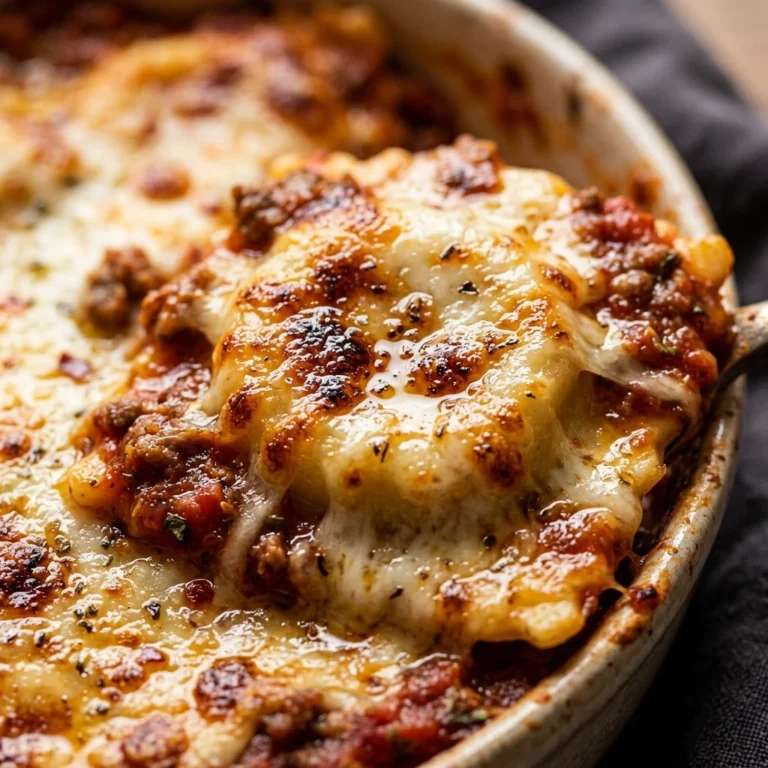
Follow Me On Pinterest!
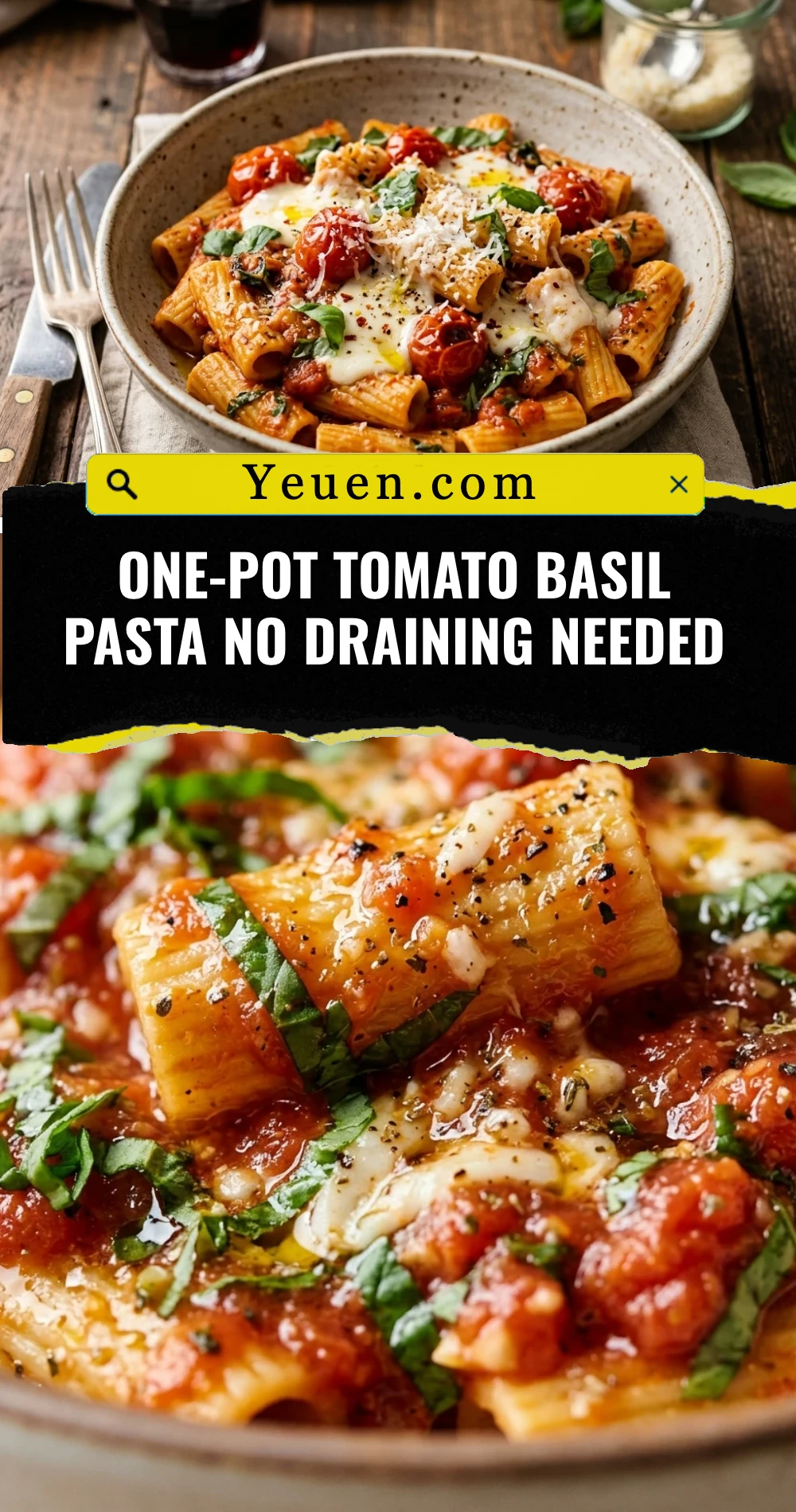
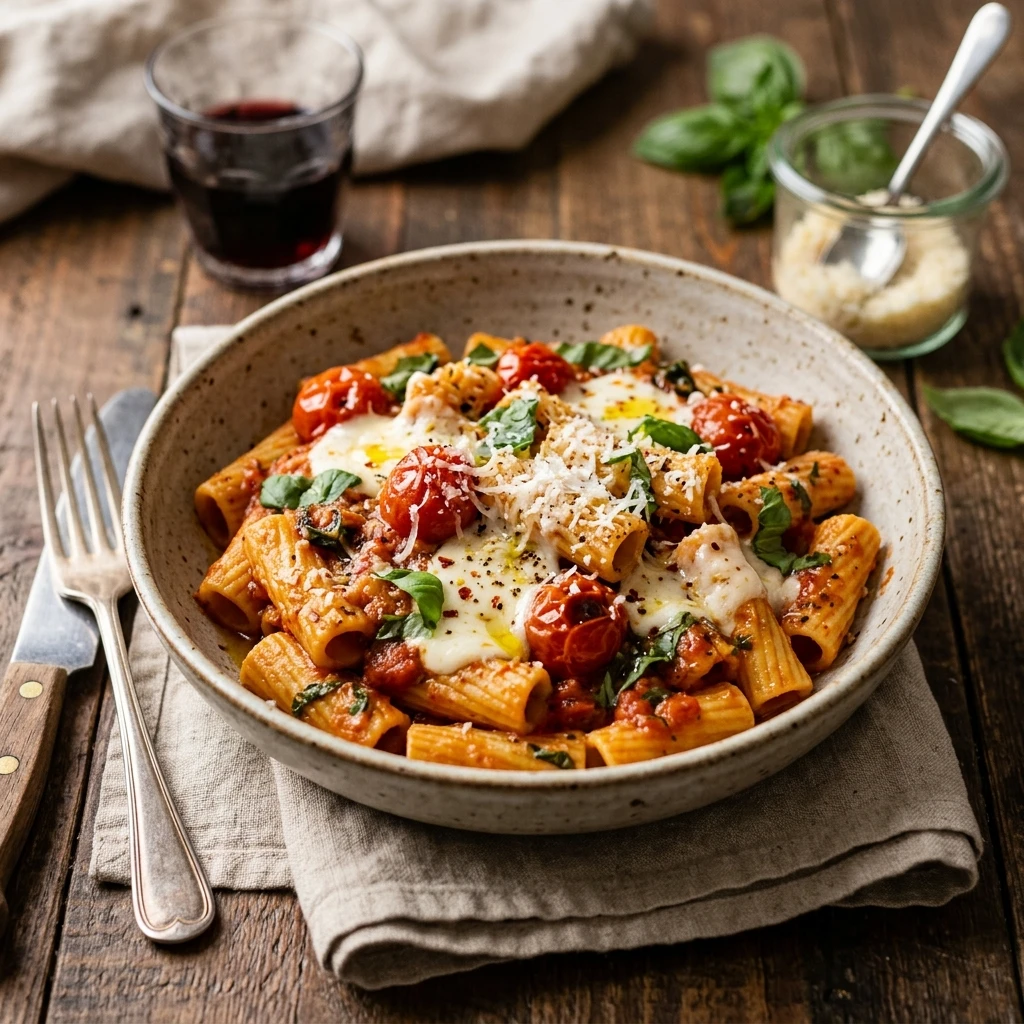
One-Pot Tomato Basil Pasta No Draining Needed
Imagine a world where you don’t have to wait for a massive pot of water to boil or struggle with a heavy strainer over a steaming sink. This One-Pot Tomato Basil Pasta turns that dream into a delicious reality. By cooking the pasta directly in a flavorful bath of tomatoes, aromatics, and just enough liquid, you create a silky, starch-enriched sauce that clings perfectly to every strand. It is the ultimate weeknight savior for busy families, tired students, or anyone who simply appreciates fresh Italian flavors without the mountain of dishes afterward. Grab your favorite deep skillet, and let’s get cooking!
Recipe Information
- Prep Time: 10 minutes
- Cook Time: 15 minutes
- Total Time: 25 minutes
- Servings: 4 servings
- Difficulty: Easy
Nutrition values
- Calories: 420 kcal
- Protein: 14g
- Carbs: 72g
Why Make This One-Pot Tomato Basil Pasta No Draining Needed
The beauty of this method lies in the chemistry of the cooking process. When you boil pasta and drain the water, you throw away all that precious starch. In this recipe, the starch stays in the pot, naturally thickening the liquid into a luxurious, velvety sauce. You get a deeper flavor profile because the noodles absorb the essence of the garlic, onions, and tomatoes as they soften. Plus, using only one pot means cleanup takes less than two minutes. It is efficient, economical, and tastes like it came straight from a Tuscan kitchen.
Ingredients
- 12 ounces linguine or spaghetti
- 1 pint cherry tomatoes, halved
- 1 medium yellow onion, thinly sliced
- 4 cloves garlic, thinly sliced
- 1/2 teaspoon red pepper flakes (optional)
- 2 sprigs fresh basil, plus more for garnish
- 2 tablespoons extra-virgin olive oil
- 4 1/2 cups water or vegetable broth
- 1 teaspoon kosher salt
- 1/2 teaspoon black pepper
- 1/2 cup freshly grated Parmesan cheese
Directions
Step 1: Assemble the Ingredients
Place the dry pasta, halved cherry tomatoes, sliced onion, garlic, and red pepper flakes into a large, wide skillet or a shallow Dutch oven. Ensure the skillet is wide enough for the pasta to lay flat, though you can snap the noodles in half if necessary. Drizzle the olive oil over the top and add the fresh basil sprigs, salt, and pepper.
Step 2: Simmer and Stir
Pour the water or vegetable broth over the ingredients. Turn the heat to high and bring the liquid to a rolling boil. Use a pair of tongs or a wooden spoon to frequently turn and move the pasta as it softens. This prevents the strands from sticking together and ensures the starch distributes evenly. Reduce the heat to a simmer and cook for about 9 to 12 minutes, or until the pasta is al dente and the liquid has reduced to a thick, creamy sauce.
Step 3: Finish and Plate
Once the pasta is cooked and the sauce has thickened, remove the pot from the heat. Discard the wilted basil sprigs. Stir in the freshly grated Parmesan cheese until it melts into the sauce, adding an extra splash of water if you prefer a thinner consistency. Divide the pasta into bowls, garnish with plenty of fresh torn basil leaves, and serve immediately while hot.
Expert Tips for Perfect One-Pot Tomato Basil Pasta No Draining Needed
To ensure success, use a wide, shallow pan rather than a deep, narrow pot; the increased surface area helps the liquid evaporate at the right speed. Don’t walk away from the stove! Stirring is essential in one-pot recipes to prevent the pasta from clumping or sticking to the bottom. Finally, always use high-quality Parmesan cheese and grate it yourself. Pre-shredded cheeses often contain anti-clumping agents that can make your sauce gritty rather than smooth.
Delicious Variations
You can easily customize this base recipe to suit your cravings. For a protein boost, stir in some sautéed shrimp or sliced grilled chicken at the very end. If you want a creamier texture, add two tablespoons of heavy cream or a dollop of mascarpone cheese once the pasta is finished. Veggie lovers can toss in a handful of baby spinach or frozen peas during the last two minutes of cooking. For a smoky kick, add a teaspoon of smoked paprika or some chopped sun-dried tomatoes.
Frequently Asked Questions
Does the pasta really get cooked through without a full pot of water?
Yes! Because the pasta is submerged in simmering liquid and stirred frequently, it cooks perfectly. The starch released actually helps the texture.
Can I use gluten-free pasta for this recipe?
You can, but be cautious. Gluten-free pastas (especially those made of rice) can be more fragile and may release more starch, requiring a slightly different liquid-to-pasta ratio. Check the pasta frequently to avoid mushiness.
Is it better to use water or broth?
While water works perfectly fine because the tomatoes and garlic provide plenty of flavor, using vegetable or chicken broth adds an extra layer of savory depth to the final dish.
Why is my sauce too thin?
If the sauce looks watery, simply let it simmer for another minute or two without a lid. The liquid will continue to reduce and thicken as the starch activates.
How do I store and reheat leftovers?
Store leftovers in an airtight container in the fridge for up to three days. When reheating, add a tiny splash of water or broth to loosen the sauce, as the pasta will continue to absorb moisture while sitting.
Conclusion
This One-Pot Tomato Basil Pasta is proof that you don’t need fancy techniques or a dozen pans to create a gourmet meal. It celebrates the simplicity of fresh ingredients and the magic of smart cooking. Whether you are looking for a quick lunch or a stress-free dinner, this recipe delivers maximum flavor with minimum effort. Give it a try tonight and reclaim your evening from the kitchen sink!