Follow Me On Pinterest!
Easy 30-Minute Veggie Stir-Fry

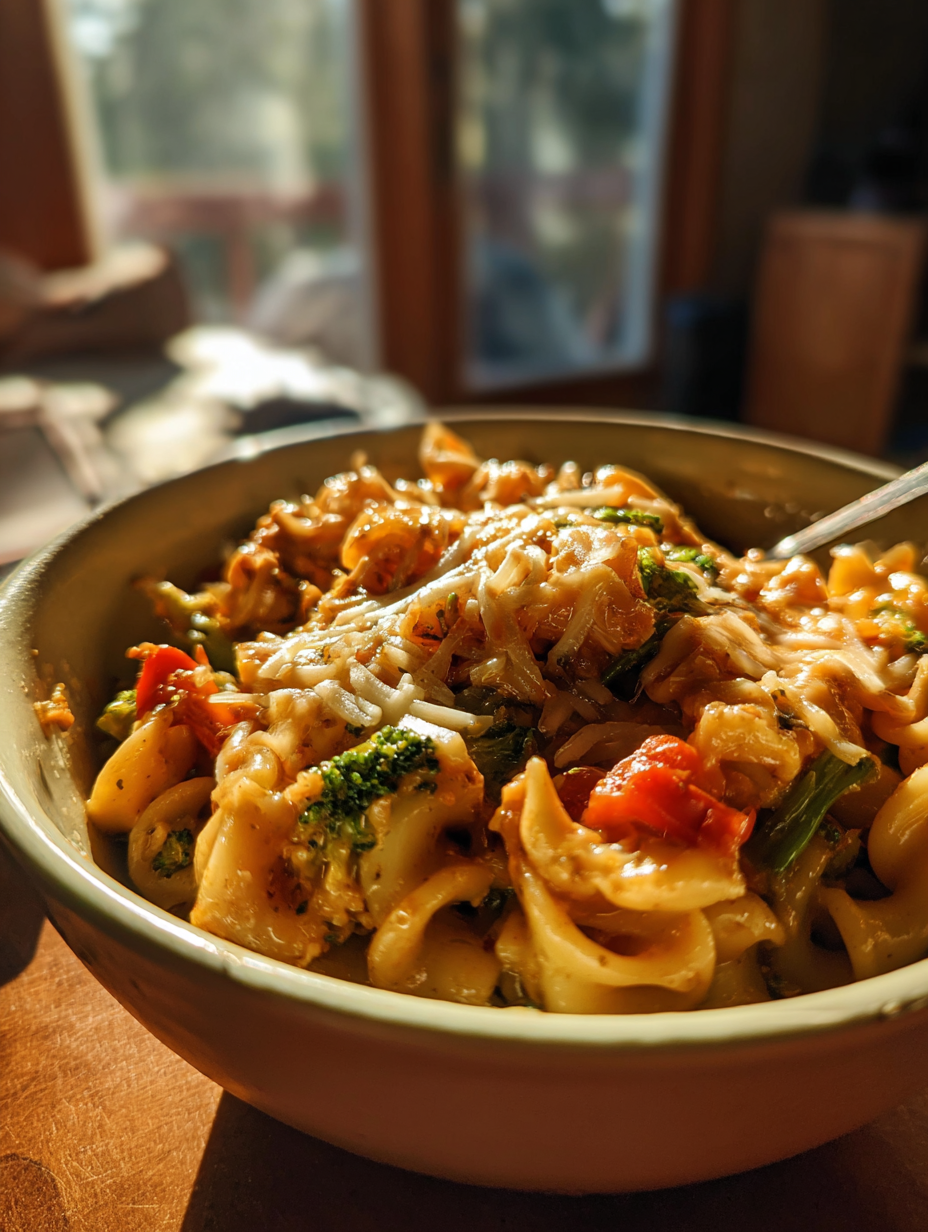
Quick, Colorful, and Packed with Flavor: Your Weeknight Hero for Healthy Eating
—
Introduction
There’s a certain magic that fills the air when a sizzling pan of veggies hits the stovetop, and for me, that memory is intricately tied to a chilly autumn evening in my tiny apartment kitchen. I remember the vibrant greens of zucchini and reds of bell peppers popping against the warm glow of the burner. As I tossed them into the hot oil, the sizzle echoed in my ears, mingling with the fragrant aroma of garlic and ginger that enveloped the room. It was a simple dish, one I often turned to during hectic weeks, yet it brought such a delightful burst of color and taste that it quickly became a favorite.
What I love most about this Easy 30-Minute Veggie Stir-Fry is how it transforms ordinary moments into something extraordinary. You can practically hear the crunch of fresh broccoli and snap peas as they dance in the pan, and the way the soy sauce clings to each piece creates a glossy sheen that is utterly inviting. Each bite offers a satisfying contrast of textures — the crispness of the veggies against the tender noodles or rice, with flavors that sing in harmony.
This dish isn’t just a meal; it’s a canvas for creativity. You can adapt it based on whatever you have in your fridge, making it a go-to for last-minute dinners. Over the years, it has become my go-to recipe for busy weeknights when I crave something wholesome, delicious, and quick. Now, let’s dive into how you can whip up your own platter of colorful goodness in just thirty minutes!
—
Why This Recipe Works
The secret to a delicious stir-fry lies not just in the ingredients, but in the technique. As you gather your fresh vegetables, the key flavor combinations will guide your choices. The balance of savory soy sauce with the sweetness of bell peppers and the earthiness of mushrooms creates a rich, layered taste that keeps your palate intrigued. Each element plays a role in crafting a delightful dish: the soy sauce brings depth, while the garlic and ginger add a zesty brightness that cuts through the richness.
Achieving the perfect texture is equally important. The quick cooking method of high heat ensures that your veggies remain crisp and vibrant. When you toss them into the pan, you’ll hear that satisfying sizzle — that’s the sound of moisture escaping, leaving you with perfectly cooked veggies that don’t turn mushy.
In this recipe, the contrast between the crunchy snap peas and the tender carrots offers a delightful mouthfeel, while the choice of a quick-cooking rice noodle or quinoa as the base rounds out the dish, making it hearty. What sets this stir-fry apart from the generic versions you might find in takeout is the freshness of the ingredients and the ability to customize every bite to your liking. When you cook it yourself, each element becomes a reflection of your tastes, making every forkful an intimate experience.
—
What Makes It Special
This stir-fry shines with a few unique qualities that elevate it far beyond your average weeknight meal.
– Freshness Over Takeout: Unlike many restaurant or store-bought stir-fries, this recipe uses fresh vegetables that you choose yourself, ensuring maximum flavor and nutrition. You can even source local, seasonal produce for an added touch of freshness.
– Cost-Effective Customization: Making your own stir-fry at home is not only cost-effective, but it also allows you to customize ingredients to cater to your dietary preferences. Want it spicier? Add more chili flakes. Prefer it vegan? Skip the oyster sauce and stick with soy or tamari.
– Surprising Ingredients: A splash of sesame oil at the end adds a nutty depth that transforms the entire dish. Instead of settling for a simple soy sauce, this little addition elevates the whole experience, creating a flavor profile that is rich and complex.
– Quick Cooking Time: The beauty of this recipe is the speed with which it comes together. In just thirty minutes, you can have a colorful, satisfying meal on the table, making it perfect for those busy weeknights when you need something fast yet nourishing.
—
Ingredient Breakdown
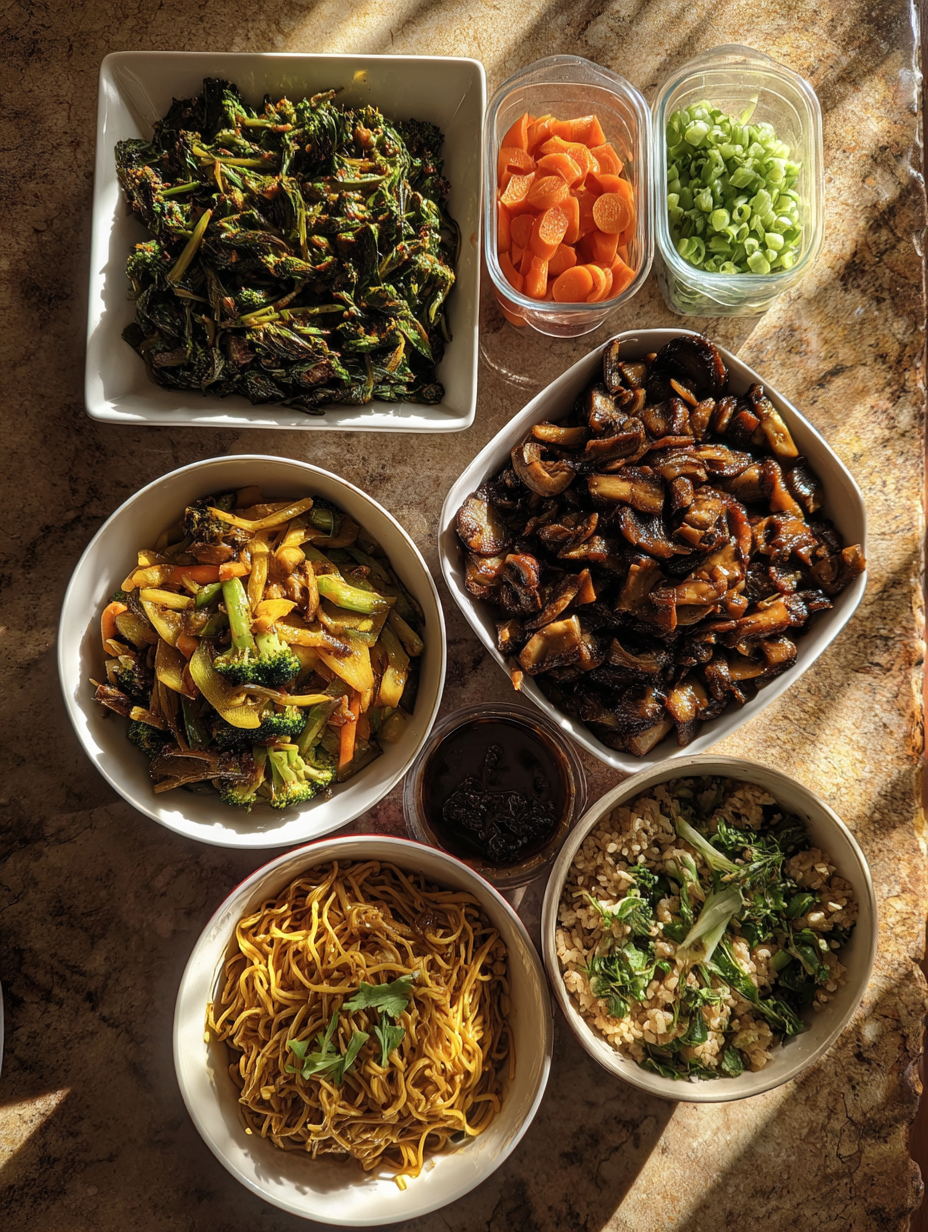
1. Bell Peppers (1 cup, sliced) — These add a sweet crunch and vibrant color. You can use any color you like (red, yellow, or green) to brighten up your dish.
2. Broccoli Florets (1 cup) — This vegetable not only adds a satisfying crunch but also packs a nutritional punch. The florets soak up the sauce beautifully.
3. Snap Peas (1 cup) — Their sweet, crisp bite makes them a fantastic addition. They cook quickly and retain their bright green color, adding to the visual appeal.
4. Carrots (1 medium, julienned) — Sweet and crunchy, they provide a lovely contrast in texture and color.
5. Garlic (2 cloves, minced) — Garlic lends an aromatic base flavor that enhances the overall dish. Fresh is best, but you can substitute with garlic powder in a pinch.
6. Ginger (1 tablespoon, grated) — Fresh ginger adds warmth and a hint of spice. If you can’t find fresh ginger, ground ginger can work, but use it sparingly.
7. Soy Sauce (3 tablespoons) — This is the primary seasoning for the stir-fry. You can substitute with tamari for a gluten-free option or coconut aminos for a soy-free alternative.
8. Sesame Oil (1 teaspoon) — This oil is added at the end for a nutty finish. For a different flavor, you can use olive oil, but it won’t have the same richness.
9. Rice Noodles or Quinoa (2 cups, cooked) — These serve as the base for your stir-fry. Choose noodles for a traditional approach or quinoa for a protein-packed option.
10. Green Onions (2, sliced) — Use these as a garnish for a fresh, oniony crunch on top of your dish.
11. Red Pepper Flakes (to taste) — For those who like a bit of heat, these can be adjusted based on your preference.
Substitution Options:
– Dairy-Free: This recipe is naturally dairy-free as it does not include dairy products.
– Gluten-Free: Use tamari or coconut aminos instead of soy sauce, and ensure your noodles are gluten-free.
– Vegan: All ingredients are vegan-friendly, making this dish a great choice for plant-based diets.
Where to Find Specialty Ingredients:
Look for fresh ginger and sesame oil in the international aisle of your grocery store or at an Asian market, where you’ll find a wider variety of options.
—
Equipment Needed
1. Wok or Large Skillet: This is essential for achieving the high heat needed for a proper stir-fry. If you don’t have a wok, any large pan will do, but a non-stick or stainless-steel skillet is preferable.
2. Spatula or Wooden Spoon: You need a sturdy tool for tossing the ingredients. A wooden spoon can help you avoid scratching your pan.
3. Cutting Board and Chef’s Knife: For prepping your vegetables, a sharp knife makes all the difference in slicing smoothly through your produce.
4. Measuring Cups and Spoons: Ensuring you have the right amounts of each ingredient is crucial for flavor balance.
Optional Tools:
– Mandoline Slicer: If you want to achieve perfectly even slices of carrots or bell peppers, this tool can save time, although it’s not necessary.
– Colander: If you’re using rice noodles, a colander will help you drain and rinse them before adding them to your stir-fry.
Affordable Alternatives: If you’re in need of budget-friendly options, consider borrowing from a friend or checking out local thrift stores for gently used kitchen gear.
Step-by-Step Instructions
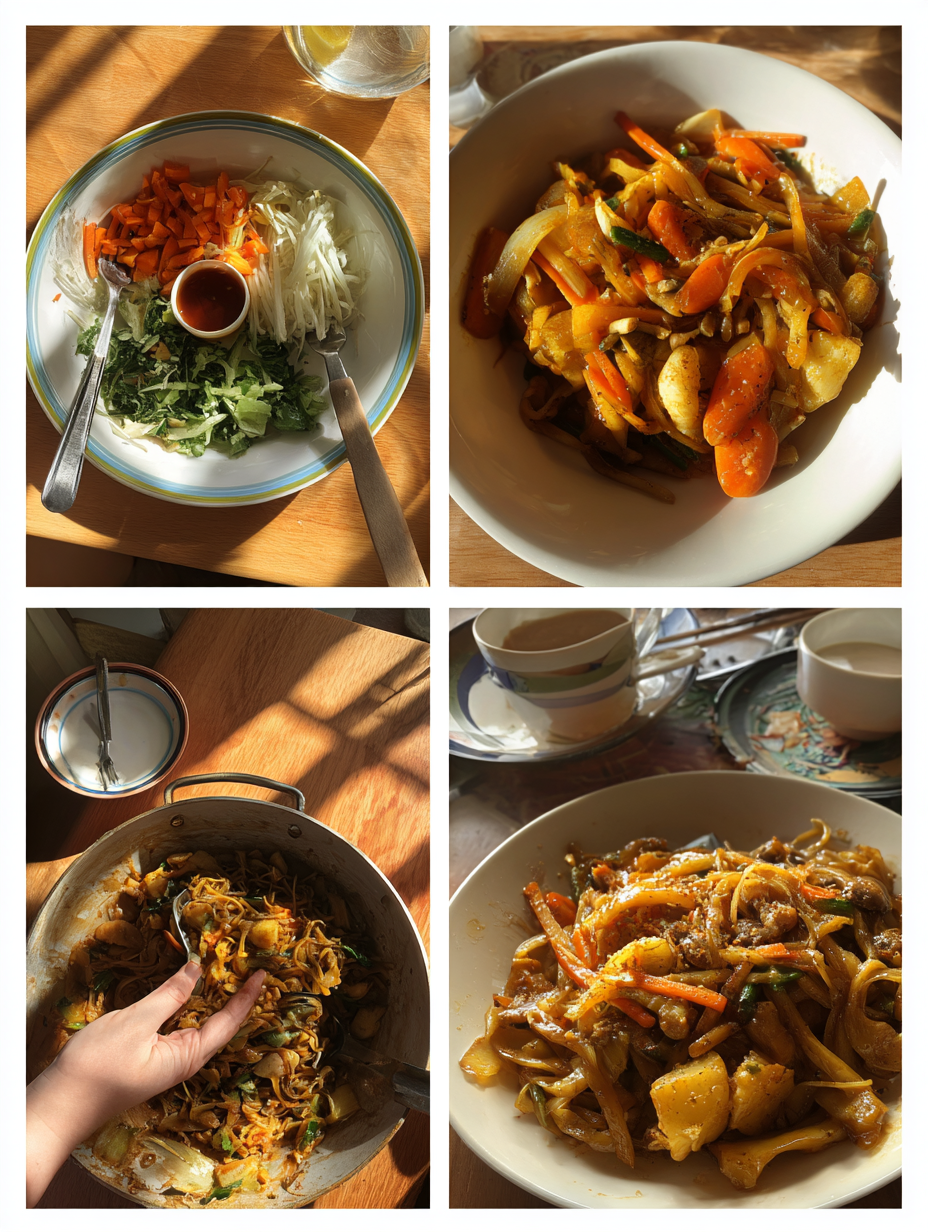
1. Prep Your Ingredients
Start by gathering all your vegetables and ingredients. Wash and chop your veggies—bell peppers, broccoli, carrots, and snap peas—into bite-sized pieces. Aim for uniform sizes so they cook evenly. The colors should pop, and fresh veggies should smell vibrant. If you have garlic and ginger, finely mince them and set them aside. This preparation will streamline your cooking process and ensure everything is ready when you need it.
2. Heat the Pan
Place a large wok or non-stick skillet over medium-high heat. Allow it to heat up for about 2 minutes. You want the pan to be hot enough that a drop of water sizzles upon contact. This is crucial for achieving that beautiful stir-fried texture. Chef’s Note: Preheating your pan is essential; it prevents sticking and helps in achieving that sought-after sear on your veggies.
3. Add Oil and Aromatics
Once the pan is hot, add two tablespoons of high-smoke point oil (like canola or peanut oil). Swirl the oil around the pan to coat it evenly. After the oil shimmers, toss in your minced garlic and ginger. Sauté for about 30 seconds until they become fragrant, but be careful not to let them burn—this will give a bitter taste to your dish. You should smell the aromatic blend filling the air.
4. Stir-Fry the Vegetables
Quickly add your chopped vegetables to the pan. Start with the firmer vegetables like carrots and broccoli, and then add the softer ones like bell peppers and snap peas after about 2 minutes. Stir continuously for about 5-7 minutes, ensuring even cooking. The veggies should be tender but still crisp—look for vibrant colors and a slight char for that perfect texture. Chef’s Note: If you like your veggies a bit more tender, you can cover the pan for a minute, but keep an eye on them to avoid overcooking.
5. Add the Sauce
In a small bowl, mix together soy sauce, a dash of sesame oil, and a pinch of sugar or honey. Once your vegetables are almost done, pour the sauce over the stir-fried veggies. Stir well to coat everything evenly and allow it to cook for another 2 minutes. The sauce should thicken slightly and cling to the vegetables, creating a glossy finish. If you hear sizzling and see steam rising, that’s a good sign!
6. Finish and Serve
Remove the pan from heat and let the residual heat finish cooking the veggies. They should be bright, colorful, and still have a crisp bite. Transfer the stir-fry to a serving plate and garnish with sesame seeds or chopped green onions if desired. The aroma of garlic, ginger, and soy sauce should be tantalizing. Serve immediately over rice or noodles for a complete meal.
Pro Tips for the Best Results
1. Use Fresh Ingredients
Fresh vegetables not only provide better flavor but also retain their nutrients and texture. Visit your local farmers’ market or grocery store to select the freshest produce available, and aim to use them within a few days for the best taste.
2. Master the Heat Control
Stir-frying requires a hot pan but be mindful of the heat level. If your veggies start to burn, your pan is too hot. Conversely, if they’re just wilting, increase the heat a bit. The ideal heat gives you that delicious sear without burning.
3. Prep Ahead of Time
To save time during cooking, prep all your ingredients before you start. This way, you can focus on the cooking process without stopping to chop or measure, resulting in a smoother workflow and less risk of overcooked veggies.
4. Don’t Crowd the Pan
Cooking too many vegetables at once can lead to steaming instead of stir-frying. If your pan is crowded, cook in batches. This allows each piece to sear properly, enhancing flavor and texture.
5. Use a Variety of Colors
Not only does a mix of colorful vegetables make your dish visually appealing, but different colors also provide different nutrients. Aim for a balance of greens, reds, yellows, and purples to create a healthy and delicious meal.
6. Experiment with Your Sauce
While soy sauce is a classic base, you can elevate your stir-fry by adding ingredients like oyster sauce, hoisin sauce, or even a splash of citrus juice. These variations can enhance flavor profiles and make each stir-fry unique.
7. Chill Your Ingredients Before Cooking
If you’re using proteins like tofu or chicken, chilling them in the fridge before cutting can make them firmer, allowing for a better texture in the final dish. This is especially helpful for tofu to help it hold its shape when cooking.
Common Mistakes to Avoid
1. Overcooking Vegetables
Mistake: Cooking your vegetables until they are mushy ruins their texture and flavor.
Correct Approach: Aim for crisp-tender vegetables by following timing closely and monitoring them visually. Remember, they will continue to cook slightly after being removed from heat.
2. Not Prepping Ingredients
Mistake: Failing to prep before cooking leads to hurried chopping and potential overcooking.
Correct Approach: Always have your ingredients washed, chopped, and ready to go before turning on the heat. This ensures a smooth cooking process.
3. Using Low-Quality Oil
Mistake: Using oils with lower smoke points can lead to burnt flavors in your dish.
Correct Approach: Choose oils like canola, peanut, or grapeseed oil that can withstand high cooking temperatures without smoking.
4. Ignoring Flavor Balance
Mistake: Not balancing the flavors (salty, sweet, and umami) can leave your stir-fry flat and uninteresting.
Correct Approach: Taste your sauce before adding it to the pan and adjust with more soy sauce, sugar, or vinegar as needed for a harmonious flavor.
5. Cooking on Low Heat
Mistake: Cooking on too low a heat leads to steaming rather than stir-frying.
Correct Approach: Ensure your pan is hot enough to create a sizzle when you add the ingredients. This high heat is crucial for that desirable stir-fry texture.
6. Using Frozen Vegetables
Mistake: Using frozen vegetables can result in a soggy stir-fry due to excess moisture.
Correct Approach: Always opt for fresh vegetables for the best texture and flavor. If you must use frozen, thaw them and pat dry before cooking.
7. Neglecting to Stir
Mistake: Leaving your vegetables unattended can lead to uneven cooking and burning.
Correct Approach: Continuously stir your ingredients while cooking to ensure even heat distribution and prevent any sticking or burning.
Creative Variations
1. Seasonal Variation
During the fall, swap in butternut squash and kale for a hearty twist. Roast the squash before adding it to the stir-fry for a sweet, caramelized flavor that pairs beautifully with the earthy kale.
2. Dietary-Friendly Version
For a vegan adaptation, replace any animal-based sauces with soy sauce or tamari and add tofu or chickpeas for protein. Marinate the tofu in soy sauce before cooking for added depth of flavor.
3. Gourmet Elevated Version
Upgrade your stir-fry by incorporating shiitake mushrooms and asparagus, finishing it off with a drizzle of truffle oil and a sprinkle of fresh herbs like cilantro or basil for an aromatic touch that feels restaurant-quality.
4. Quick 15-Minute Version
For a simplified option, use pre-cut frozen mixed vegetables and a premade sauce. In just 15 minutes, you can have a delicious stir-fry by heating your pan and sautéing the veggies, then adding the sauce for a quick meal.
5. Kid-Friendly Version
Make it more appealing for kids by using chicken strips and sweeter vegetables like carrots and bell peppers. Add a hint of honey to the sauce for a sweeter taste that children often prefer.
6. International Twist
Add an Asian twist by incorporating bok choy, snow peas, and a splash of rice vinegar. Top it off with sesame seeds and serve it over jasmine rice for a fragrant, flavorful experience.
Serving Ideas
Plating your Easy 30-Minute Veggie Stir-Fry can elevate the experience from a simple meal to an eye-catching dish that delights both the eyes and the palate. Here are some beautiful ideas to inspire you:
1. Bowl Presentation: Serve the stir-fry in shallow, wide bowls for a casual yet elegant touch. Top with a sprinkle of sesame seeds and finely chopped green onions for a pop of color. Consider adding a few cilantro leaves for freshness.
2. Layered in a Jar: For a fun twist, layer your stir-fry in clear jars, with the veggies at the bottom and a dollop of sauce on top. This not only looks appealing but also makes for a great meal prep option. Serve with a small fork or chopsticks sticking out for a whimsical effect.
3. Plate with Contrast: Use a deep-colored plate, like navy or charcoal, to make the vibrant colors of your veggies really stand out. Arranging the stir-fry in a circular pattern can provide a sense of harmony, and you can finish it with a drizzle of soy sauce or sriracha for a glossy finish.
4. Serve with a Side of Rice: If you like rice, create a small mound of jasmine or brown rice on one side of the plate, topped with a sprig of basil. Place the stir-fry on the other side, allowing the colors and textures to play off each other.
5. Garnish with Edible Flowers: For a truly stunning presentation, consider garnishing your dish with edible flowers like nasturtiums or pansies. These add a burst of unexpected color and a hint of peppery flavor that complements the veggies beautifully.
Aim for a portion size of about 1 to 1.5 cups of stir-fry per serving, keeping in mind that it’s always fun to have leftovers for a quick lunch the next day!
What to Serve With
Pairing your Easy 30-Minute Veggie Stir-Fry with complementary dishes can enhance your meal experience. Here are some suggestions that work beautifully together:
1. Crispy Spring Rolls: These crunchy delights contrast the tender veggies in your stir-fry. The crispy texture adds a delightful crunch, while the fresh herbs inside the spring rolls echo the fresh ingredients of your stir-fry.
2. Chilled Cucumber Salad: A light cucumber salad with a tangy vinaigrette provides a refreshing palate cleanser. The coolness of the cucumbers balances the warm stir-fry, creating a lovely contrast in both temperature and flavor.
3. Mango Lassi: This creamy yogurt-based drink adds a sweet and slightly tangy flavor that complements the savory notes of your stir-fry. The smooth texture of the lassi also contrasts nicely with the crunch of the vegetables.
4. Quinoa Salad: A protein-packed quinoa salad with roasted nuts and dried cranberries can bring an earthy sweetness to the meal. The nutty flavor of the quinoa will harmonize with the stir-fry while adding an interesting chewy texture.
5. Sesame Noodles: Serve your stir-fry alongside cold sesame noodles for a delightful pairing. The nutty sesame sauce on the noodles will echo the flavors in the stir-fry, creating a cohesive dish that’s satisfying and full of flavor.
6. Chocolate Avocado Mousse: End your meal with a rich chocolate avocado mousse. The creamy texture and deep chocolate flavor provide a delightful contrast to the fresh and vibrant stir-fry, making for a balanced and indulgent finish.
Storage Guide
Properly storing your leftovers from the Easy 30-Minute Veggie Stir-Fry ensures that you can enjoy them later without compromising flavor or texture. Here’s how to do it right:
– Container Type: Use an airtight glass container to keep your stir-fry fresh. Glass containers are ideal because they do not absorb odors and can be used for reheating.
– Refrigerator Temperature: Store your stir-fry in the fridge at a temperature of 40°F (4°C) or below. This helps prevent bacterial growth and keeps it safe to eat.
– Shelf Life: When stored properly, your stir-fry will last for 3 to 4 days in the refrigerator. Be sure to keep an eye on the freshness!
– Signs of Spoilage: Look out for any off smells, discoloration, or a slimy texture. If your veggies start to look wilted or mushy, it’s time to toss them.
– Refreshing Before Serving: To restore freshness, consider adding a splash of soy sauce or a squeeze of fresh lemon juice before reheating. You can also toss in some fresh herbs or greens to brighten the flavors.
Freezing Tips
If you want to save your Easy 30-Minute Veggie Stir-Fry for a later date, it’s good to know how to freeze it properly:
– Freezing Capability: This stir-fry does freeze well, but keep in mind that some vegetables may lose their crunchiness after thawing.
– Portioning: Divide the stir-fry into individual portions, which makes it easier to defrost only what you need.
– Wrapping Method: Use freezer-safe bags or airtight containers, ensuring you remove as much air as possible to prevent freezer burn. Label each bag with the date for easy tracking.
– Freezer Shelf Life: Your stir-fry can be stored in the freezer for up to 3 months.
– Quality Changes: Upon thawing, some vegetables may become softer, but the flavors should remain intact.
– Best Thawing Method: The safest way to thaw is to place it in the refrigerator overnight. If you’re in a hurry, you can also use the microwave on the defrost setting.
Reheating Guide
When it comes to reheating your Easy 30-Minute Veggie Stir-Fry, you want to ensure it retains its original flavor and texture. Here are some methods to consider:
– Microwave: Transfer your stir-fry to a microwave-safe dish and cover it with a damp paper towel. Heat it on medium power for about 2 to 3 minutes, stirring halfway through to prevent drying out.
– Oven: Preheat your oven to 350°F (175°C). Place your stir-fry in an oven-safe dish, cover it with aluminum foil, and heat for about 10 to 12 minutes. The foil helps keep moisture in.
– Stovetop: Heat a non-stick skillet over medium heat and add a splash of water or vegetable broth to help steam the stir-fry. Cook for about 5 minutes, stirring frequently until heated through.
– Restoring Texture and Flavor: If you find your stir-fry has dried out, a drizzle of soy sauce or sesame oil just before serving can rejuvenate its flavor and add moisture back.
Nutrition Overview
Eating your Easy 30-Minute Veggie Stir-Fry not only satisfies your taste buds but also offers a nutritious boost. Here’s a quick breakdown of the approximate nutritional values per serving:
– Calories: 250–300
– Protein: 8–10g
– Carbohydrates: 40g
– Fat: 10g
– Fiber: 5g
– Sugar: 4g
The combination of colorful veggies brings a wealth of health benefits to your plate. For instance:
– Bell Peppers are rich in vitamins A and C, supporting your immune system and skin health.
– Broccoli is a powerhouse of fiber and antioxidants, aiding in digestion and reducing inflammation.
– Carrots provide beta-carotene, which is great for eye health and maintaining optimal vision.
With this stir-fry, you enjoy a meal that’s not only quick and easy but also packed with nutrients to keep you energized and healthy.
Frequently Asked Questions
Q: Can I use frozen vegetables for this stir-fry?
A: Yes, frozen vegetables can be a convenient option for your stir-fry. They are typically flash-frozen at peak freshness, preserving nutrients. Just be aware that they may release more water during cooking, so you might need to adjust the cooking time slightly.
Q: What can I substitute for soy sauce?
A: If you need a soy sauce alternative, consider using tamari for a gluten-free option or coconut aminos for a sweeter flavor. Both will add a similar umami taste to your stir-fry.
Q: How can I make this dish vegan?
A: This stir-fry is inherently vegan, but if you’re using a sauce or broth that contains animal products, simply switch to plant-based versions. Ensure your sauces are labeled vegan to keep everything aligned with your dietary needs.
Q: How long does it take to prepare this stir-fry?
A: From start to finish, you can expect to spend about 30 minutes on this dish, including chopping the veggies and cooking. It’s a perfect quick meal for busy weeknights!
Q: Can I add protein to the stir-fry?
A: Absolutely! You can add tofu, tempeh, or seitan for a vegetarian protein boost. For non-vegetarians, chicken or shrimp would work wonderfully. Just make sure to adjust the cooking times accordingly.
Q: What cooking equipment do I need?
A: A large skillet or wok is ideal for stir-frying. Using a non-stick or well-seasoned cast iron skillet can help prevent sticking and ensure even cooking. A spatula or wooden spoon will also come in handy.
Q: How do I prevent my veggies from getting soggy?
A: To keep your veggies crisp, be sure not to overcrowd the pan. Stir-frying over high heat allows for quick cooking while retaining their texture. If necessary, cook in batches.
Q: How can I keep the leftovers fresh?
A: Store your stir-fry in an airtight glass container in the fridge at 40°F (4°C) or below. It should remain fresh for about 3 to 4 days. Be sure to check for any signs of spoilage before consuming.
Final Thoughts
As you prepare your Easy 30-Minute Veggie Stir-Fry, remember that the key to a delightful dish lies in the freshness of your ingredients and the balance of flavors. Don’t hesitate to experiment with different vegetables and sauces to make it your own; this dish is incredibly versatile!
I am genuinely excited for you to try this recipe. It’s not just a meal; it’s an opportunity to explore and create something delicious in your kitchen. So, gather your favorite veggies, fire up that stove, and get ready for a colorful culinary adventure! Make it tonight and let the vibrant flavors bring joy to your table.