Follow Me On Pinterest!
One Pan Teriyaki Salmon and Veggies

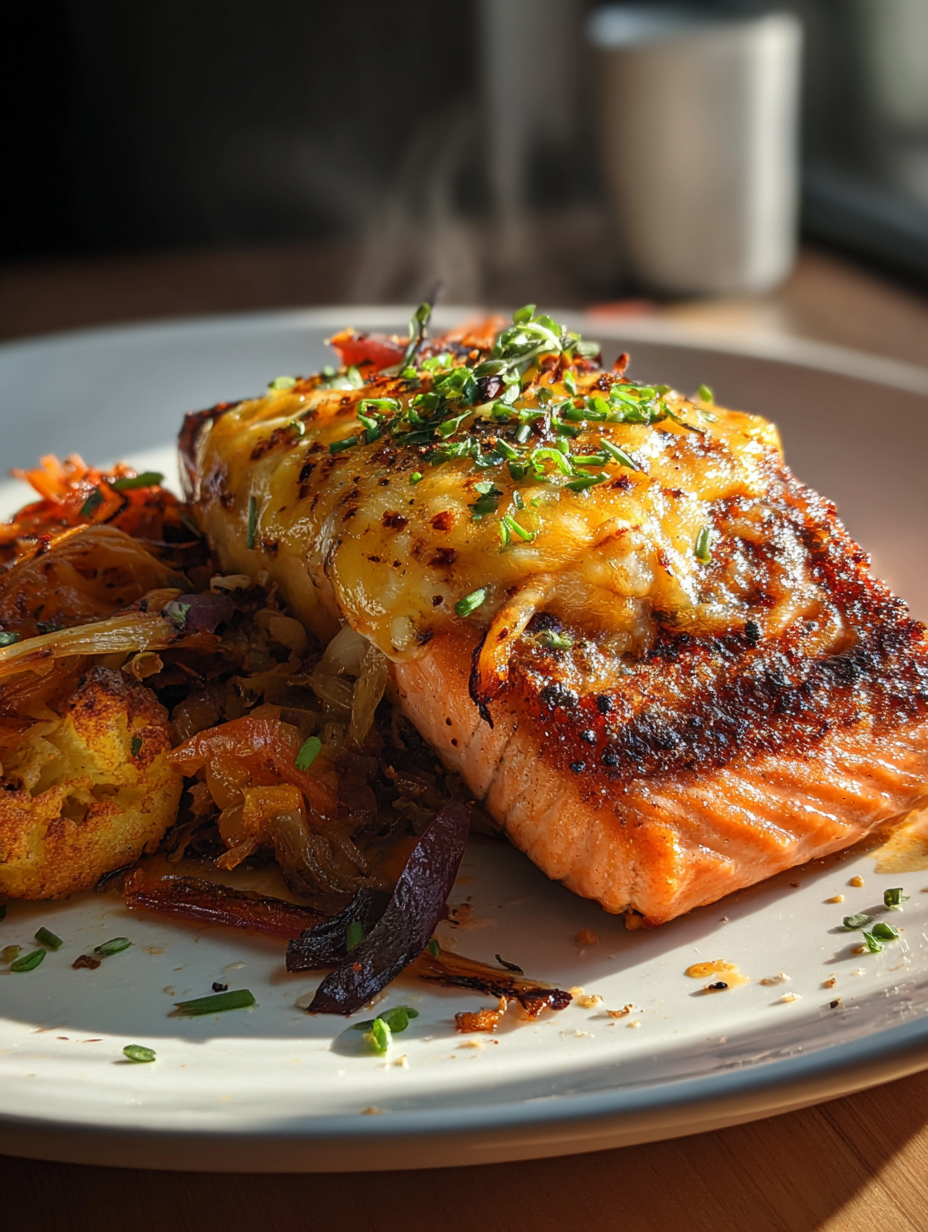
One Pan Teriyaki Salmon and Veggies: A Colorful, Flavor-Packed Dinner in Under 30 Minutes
Introduction
The first time I made One Pan Teriyaki Salmon and Veggies, I remember the kitchen filling with a tantalizing aroma that brought back memories of family dinners at my favorite Japanese restaurant. The sound of sizzling salmon and the crisp snap of fresh vegetables hitting the hot pan instantly transported me to those cozy evenings where the glow of paper lanterns danced softly in the dim light. My grandmother would always remind me to savor every bite, and that wise advice echoed in my mind as I prepared this dish.
As I arranged the vibrant assortment of bell peppers, broccoli, and carrots on my cutting board, their rich colors painted a picture of health and vitality. The soft pink of the salmon fillets glistened against the backdrop of the vegetables, promising a meal that would be as pleasing to the eye as it was to the palate. When the teriyaki sauce, with its luscious blend of sweet and savory, hit the pan, the sizzle was music to my ears, and the smell wafting through the air was simply irresistible.
This dish quickly became a staple in my kitchen, thanks to its simplicity and the way it brings together a medley of flavors that dance harmoniously on your tongue. The ease of preparation, combined with the joy of a single pan clean-up, allows you to focus on what truly matters – enjoying time with family and friends while indulging in a meal that feels both indulgent and wholesome. Whether you’re entertaining guests or simply looking for a quick weeknight dinner, this One Pan Teriyaki Salmon and Veggies is a recipe that will not only satisfy your cravings but also evoke fond memories of meals shared and laughter around the table.
Let’s dive into the recipe and unlock the secrets of making this vibrant dish that’s a feast for both the eyes and the taste buds.
Why This Recipe Works
At the heart of this One Pan Teriyaki Salmon and Veggies dish is the magical combination of umami, sweetness, and freshness, which coalesce to create a symphony of flavors. The teriyaki sauce, a harmonious blend of soy sauce, sugar, and ginger, infuses the salmon and vegetables with a deeply satisfying taste that feels both comforting and exotic. This recipe uses a balanced ratio of soy sauce and honey (or maple syrup if you prefer), ensuring that the sweetness enhances the natural flavors without overwhelming them.
The texture contrasts are equally essential to the success of this dish. The salmon, when cooked properly, has a delicate flakiness that practically melts in your mouth. In contrast, the vegetables retain a satisfying crunch, thanks to high heat cooking in a single pan. This method not only allows the veggies to maintain their vibrant colors but also enhances their natural sweetness, creating a delightful bite.
Each major ingredient plays a crucial role: the salmon provides a rich source of omega-3 fatty acids, while the vegetables contribute an array of vitamins and minerals, making this a wholesome dish. The use of seasonal produce not only enhances the flavors but also reflects a commitment to freshness that often gets lost in restaurant versions. Unlike generic take-out, this homemade variant lets you control the ingredients and flavors, ensuring you’re serving a dish that’s both delicious and nourishing.
What Makes It Special
What sets this One Pan Teriyaki Salmon and Veggies apart from the typical restaurant fare is the remarkable freshness and the ability to customize it to your liking. When you prepare this dish at home, you have the freedom to choose the freshest ingredients, ensuring that every bite bursts with flavor and vitality. You can also easily adjust the sweetness or spice levels to suit your palate, whether you’re a lover of bold flavors or prefer a milder approach.
Another unique quality of this recipe is its simplicity. In less than 30 minutes, you can have a complete meal on the table, which is a far cry from the time-consuming preparations often associated with Asian cuisine. The one-pan method not only minimizes the cleanup but also allows the ingredients to mingle and develop deeper flavors as they cook together.
Lastly, there’s the surprise element of adding toasted sesame seeds or a sprinkle of scallions just before serving. This final touch elevates the dish visually and adds an extra crunch that enhances the overall dining experience, making it a standout meal that you’ll want to share with friends and family.
Ingredient Breakdown
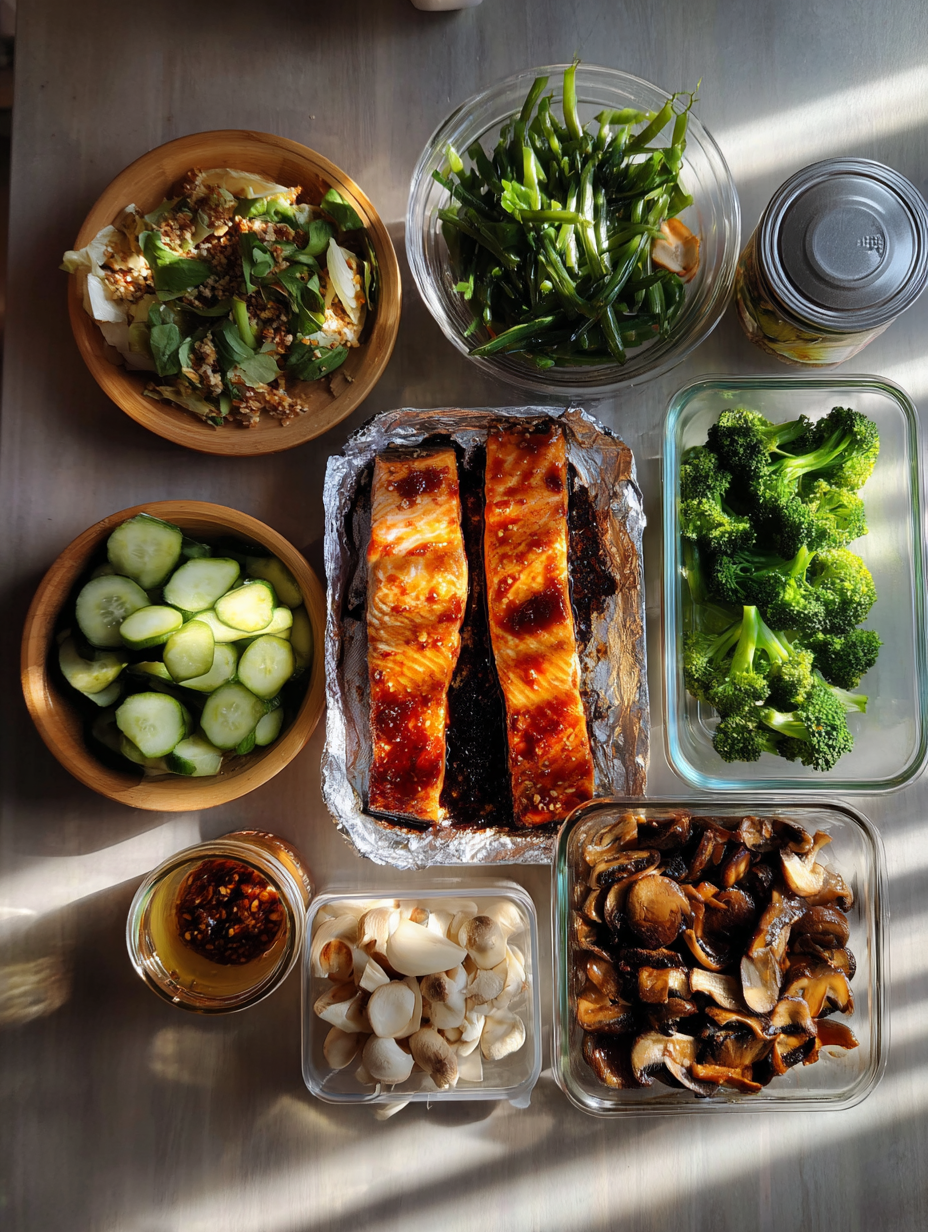
1. Salmon Fillets: The star of the show, salmon provides rich, buttery flavor while offering a healthy dose of omega-3 fatty acids. For this recipe, about 1 pound of salmon will feed two to four people, depending on appetites.
2. Bell Peppers: A colorful mix, these add sweetness and crunch. Aim for a variety of colors—red, yellow, and green—not just for aesthetics but to enjoy a range of flavors. Approximately 1 to 2 cups of chopped bell peppers will do.
3. Broccoli: With its earthy flavor and satisfying texture, broccoli complements the dish beautifully. Use around 1 cup, cut into florets, to ensure it cooks evenly with the salmon and peppers.
4. Carrots: Their natural sweetness and vibrant orange hue brighten the dish. Use 1 to 2 medium-sized carrots, sliced thinly to promote even cooking and enhance their sweetness.
5. Teriyaki Sauce: You can buy this pre-made or whip up a quick version at home with soy sauce, honey, ginger, and garlic. Using about 1/3 cup will coat the salmon and veggies perfectly.
6. Sesame Oil: A drizzle of sesame oil adds an extra layer of flavor. Just a tablespoon will enhance the overall richness of the dish.
7. Sesame Seeds: For garnish, toasted sesame seeds add a delightful crunch and nutty flavor. A tablespoon sprinkled on top before serving will elevate your dish.
8. Scallions: Sliced scallions provide a fresh, oniony bite. Use a few to sprinkle on top for color and flavor.
Substitutions:
– Dairy-free: This recipe is naturally dairy-free.
– Gluten-free: Use tamari instead of soy sauce to keep it gluten-free.
– Vegan: Substitute the salmon with tofu or tempeh, and use maple syrup in the teriyaki sauce for a vegan-friendly option.
Specialty Ingredients:
– For homemade teriyaki sauce, you may need to find mirin or sake in your local Asian grocery stores, or you can easily find them online.
Equipment Needed
To create your One Pan Teriyaki Salmon and Veggies, you’ll need a few essential tools to make the process seamless:
1. Large Skillet or Frying Pan: A wide, heavy-bottom skillet is essential for evenly cooking the salmon and vegetables. Look for one with a good non-stick surface to prevent sticking.
2. Spatula: A sturdy spatula will help you flip the salmon and toss the veggies with ease. Silicone spatulas are particularly useful as they won’t scratch your pan.
3. Cutting Board and Knife: A good quality cutting board and a sharp knife are crucial for prepping your vegetables and salmon. Opt for a non-porous surface to avoid cross-contamination.
4. Measuring Cups and Spoons: Precise measurements for your ingredients, especially for the teriyaki sauce, are important for achieving the right balance of flavors.
5. Serving Platter: While optional, having a beautiful serving platter can elevate your presentation, making the meal feel more special.
These tools will make your cooking experience more enjoyable and efficient, allowing you to focus on creating a delicious meal.
Step-by-Step Instructions
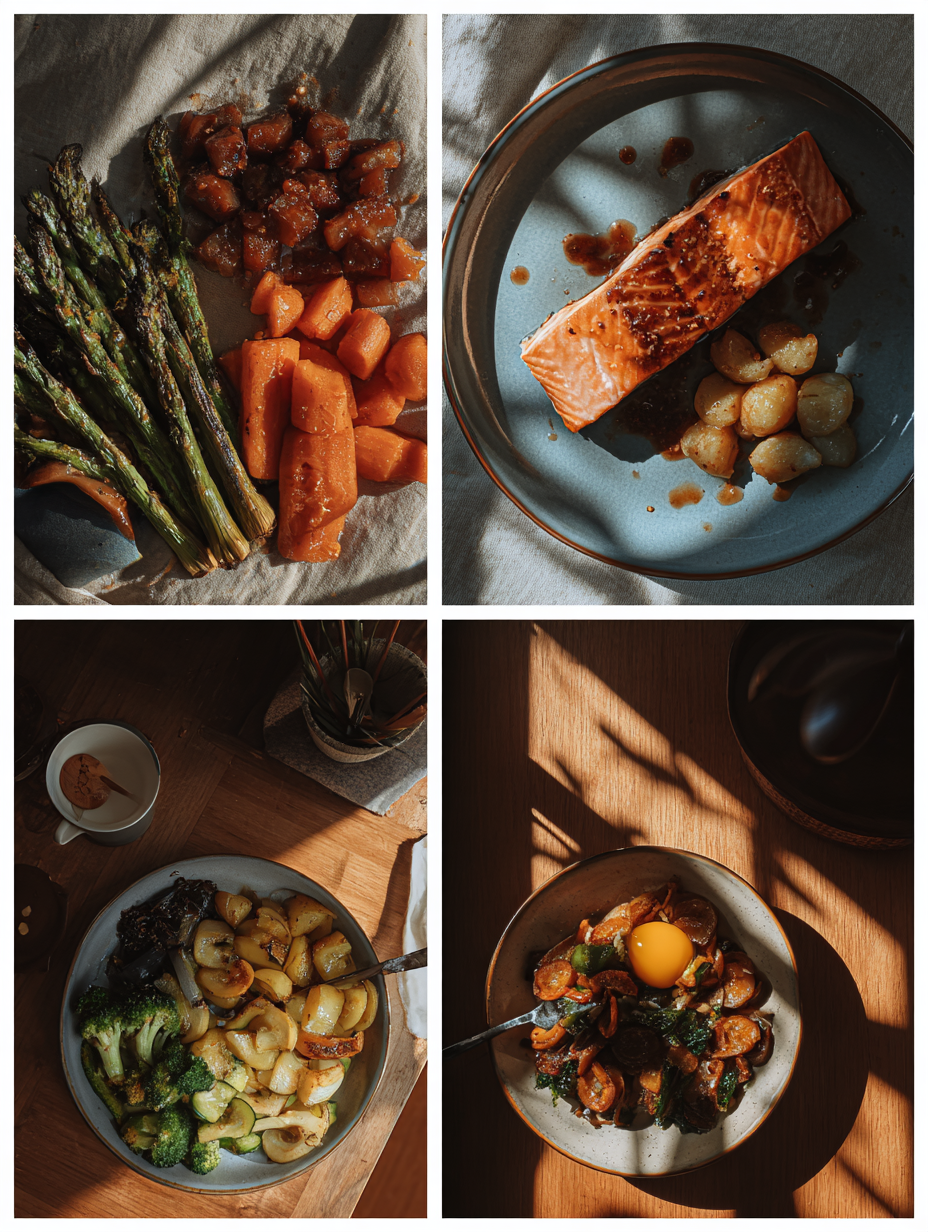
1. Preheat Your Oven
Begin by preheating your oven to 400°F (200°C). This temperature is perfect for roasting salmon and vegetables, allowing them to caramelize beautifully while keeping the fish tender. As the oven heats, the slight hiss of the heating element should reassure you that you’re on the right track.
2. Prepare the Salmon
While the oven is warming, take your salmon fillets (about 4 to 6 ounces each), and pat them dry with paper towels. This step is crucial because removing excess moisture helps the fillets develop a nice crust. Place them skin-side down on a cutting board or plate and season with salt and pepper. You should smell the freshness of the fish as you handle it, a good indicator of its quality.
3. Chop Your Veggies
Next, grab your assorted vegetables, such as bell peppers, broccoli, and snap peas. Aim for bite-sized pieces to ensure they cook evenly alongside the salmon. As you chop, you’ll want to listen for the satisfying crunch of fresh produce; this indicates freshness. Chef’s Note: Avoid overcooking; you want your veggies vibrant and slightly crisp.
4. Make the Teriyaki Sauce
In a small bowl, whisk together soy sauce, honey, minced garlic, and grated ginger until well combined. The aroma of garlic mingling with the sweetness of honey should fill the air, creating an enticing fragrance. This sauce will not only flavor your salmon but also glaze your vegetables. Be sure to taste-test it; it should be a balanced mix of salty, sweet, and umami.
5. Arrange the Ingredients in the Pan
Take a large sheet pan and line it with parchment paper or lightly grease it. Place your chopped vegetables in the center, then lay the salmon fillets on top, skin-side down. Drizzle the homemade teriyaki sauce generously over everything, making sure to coat the salmon and veggies evenly. As you arrange them, look for a colorful distribution; this adds visual appeal and ensures even cooking.
6. Bake the Dish
Place the sheet pan in your preheated oven and bake for 15-20 minutes. The salmon should cook until it flakes easily with a fork, and the veggies should be tender yet still vibrant. Halfway through, you can open the oven and give everything a gentle toss if you want to ensure even cooking. Listen for the gentle bubbling of the sauce; this is a sign that flavors are melding beautifully.
7. Serve and Garnish
Once the salmon is done, remove the pan from the oven and let it sit for a minute. This resting period allows the juices to redistribute, ensuring a moist bite. To elevate the dish, garnish with sesame seeds and chopped green onions. The contrast of textures from the seeds and the freshness from the onions will enhance your meal. Serve immediately, and revel in the delightful aroma wafting from your plate.
Pro Tips for the Best Results
1. Use Fresh Ingredients
Fresh salmon and seasonal vegetables not only enhance flavor but also improve texture. Look for fish that has a bright appearance and smells like the ocean — this guarantees a more delectable dish.
2. Don’t Overcrowd the Pan
If you have a lot of vegetables, consider using two pans. Overcrowding can lead to steaming rather than roasting, which prevents that delicious caramelization and texture you want from both the salmon and veggies.
3. Monitor Cooking Time Closely
Salmon cooks quickly; keep an eye on it after the 15-minute mark. If you have thicker fillets, they may require an extra few minutes. The fish is perfectly done when it reaches an internal temperature of 145°F (63°C).
4. Marinate for Flavor Depth
For extra flavor, marinate your salmon in the teriyaki sauce for 30 minutes before cooking. This allows the flavors to penetrate the fish, resulting in a more robust taste profile.
5. Use a Thermometer
Invest in a meat thermometer to check the doneness of the salmon accurately. This eliminates guesswork and ensures perfectly cooked fish every time.
6. Experiment with Vegetables
Don’t hesitate to mix up the vegetables based on what you have on hand or what’s in season. Carrots, asparagus, or zucchini can all be delicious additions, bringing new flavors and textures to the dish.
7. Rest the Salmon After Baking
Allowing the salmon to rest for a few minutes after it comes out of the oven is key. This step lets the juices settle, making each bite moist and flavorful. The aroma during this time will also build anticipation for the meal.
Common Mistakes to Avoid
1. Using Frozen Salmon
Mistake: Using frozen salmon without proper thawing can result in uneven cooking.
Correct Approach: Always thaw salmon in the refrigerator overnight or under cold running water before cooking. This ensures even cooking and helps retain moisture.
2. Ignoring Skin-on Fillets
Mistake: Cooking skin-on fillets without properly seasoning the skin can lead to a bland dish.
Correct Approach: Always season the skin with salt and pat it dry to ensure a crispy, flavorful crust during cooking.
3. Overcooking the Salmon
Mistake: Leaving salmon in the oven too long results in dry, rubbery fish.
Correct Approach: Start checking the salmon at the 15-minute mark and remove it as soon as it flakes easily with a fork. Remember, it will continue to cook slightly after you remove it from the oven.
4. Not Prepping Ingredients Ahead
Mistake: Not chopping vegetables before starting can lead to uneven cooking times.
Correct Approach: Prep all ingredients ahead of time. This ensures that everything goes into the oven together and cooks evenly.
5. Skipping the Sauce
Mistake: Not using the teriyaki sauce or only using it as a glaze can minimize flavor.
Correct Approach: Drizzle the sauce generously over both the salmon and vegetables before baking, letting it caramelize and infuse flavors during cooking.
6. Using Unevenly Sized Vegetables
Mistake: Cutting vegetables into different sizes causes uneven cooking.
Correct Approach: Aim for uniformity in size, ensuring that all pieces are similar to allow for even cooking and texture.
7. Not Letting Salmon Rest
Mistake: Serving salmon immediately after baking can lead to a dry result.
Correct Approach: Allow the salmon to rest for a few minutes after baking, which helps retain moisture and enhances the overall flavor.
Creative Variations
1. Seasonal Variation
For a seasonal twist, swap out the bell peppers and snap peas for roasted butternut squash and Brussels sprouts in the fall. Their natural sweetness pairs beautifully with the teriyaki sauce, creating a cozy autumn dish.
2. Dietary-Friendly Version
For a vegan adaptation, replace the salmon with tofu and use tamari instead of soy sauce for a gluten-free option. Marinate the tofu for at least an hour before baking to ensure it absorbs all the delightful flavors.
3. Gourmet Elevated Version
Upgrade your dish by using wild-caught salmon and adding a sprinkle of furikake (Japanese seasoning) on top just before serving. This adds a sophisticated umami flavor that elevates the entire experience.
4. Quick 15-Minute Version
For a quick weeknight meal, use pre-cut vegetables and smaller salmon fillets. Bake everything at 425°F (220°C) for about 10–12 minutes for a speedy dinner that doesn’t compromise on flavor.
5. Kid-Friendly Version
Make it kid-friendly by using mild white fish like cod or haddock instead of salmon, and serving the teriyaki sauce on the side for dipping. This way, kids can enjoy the flavors without being overwhelmed by the fishiness.
6. International Twist
Infuse your dish with a Korean-style twist by adding kimchi on the side and using gochujang (Korean chili paste) mixed into the teriyaki sauce. This adds a spicy kick and an exciting flavor profile that will tantalize your taste buds.
Serving Ideas
When you’re ready to serve your One Pan Teriyaki Salmon and Veggies, consider elevating the presentation to make it not just a meal, but an experience. Here are some plating ideas to inspire you:
1. Layered Presentation: Start with a bed of fluffy jasmine rice, then place the salmon fillet artfully on top. Arrange the vibrant veggies around the salmon, creating a rainbow of colors.
2. Garnish with Freshness: Sprinkle sesame seeds over the dish for a nutty crunch. Add a few sprigs of fresh cilantro or green onions for a pop of green. You can even place a slice of lime on the side for a zesty finish.
3. Use Contrast: Serve on a dark ceramic plate to enhance the vivid colors of the salmon and veggies. The shiny glaze of the teriyaki sauce will glisten beautifully against the dark backdrop.
4. Portion Control: Aim for a balanced plate with 4-6 ounces of salmon and a generous portion of veggies. This not only looks appealing but also promotes healthy eating habits.
5. Drizzle and Finish: Before serving, drizzle a bit of extra teriyaki sauce over the salmon for an enticing sheen. This adds a layer of allure and a burst of flavor right at the finish.
By focusing on color, texture, and fresh garnishes, your teriyaki salmon will not only taste delightful but also look like a masterpiece on your dinner table.
What to Serve With
To complement your One Pan Teriyaki Salmon and Veggies, think about adding dishes that enhance the flavors and textures of the meal. Here are some superb pairings:
1. Miso Soup: The umami-rich flavors of miso soup provide a warm contrast to the sweet teriyaki glaze. Its light, brothy texture balances the richness of the salmon.
2. Coconut Jasmine Rice: The slightly sweet and creamy texture of coconut jasmine rice harmonizes beautifully with the savory teriyaki. The coconut adds a gentle tropical note, enhancing the overall dining experience.
3. Pickled Vegetables: A side of quick-pickled cucumbers or radishes introduces a tangy crunch, cutting through the richness of the salmon and adding a refreshing twist to each bite.
4. Green Tea: The subtle bitterness of green tea complements the sweetness of the teriyaki sauce, creating a well-rounded palate experience. Its lightness helps cleanse your palate between bites.
5. Mango Sorbet: For dessert, a scoop of mango sorbet provides a refreshing finish. The fruity sweetness contrasts perfectly with the savory main dish while adding a beautiful pop of color to your plate.
6. Edamame: Lightly salted edamame pods not only offer a delightful texture but also contribute a protein boost. Enjoy them as a starter, setting the tone for an Asian-inspired meal.
These pairings are designed to create a cohesive dining experience that balances flavors, textures, and temperatures, making your meal truly memorable.
Storage Guide
To ensure your One Pan Teriyaki Salmon and Veggies remains fresh for later enjoyment, proper storage is essential.
– Container Type: Use an airtight glass container for storage. Glass is ideal as it preserves flavors without absorbing odors, and it’s microwave-safe for reheating.
– Temperature: Store leftovers in the refrigerator at 40°F (4°C) or below. This temperature helps inhibit bacterial growth and keeps your meal safe to eat.
– Shelf Life: Properly stored, your dish will keep for up to 3 days. After that, the quality may diminish, and it’s best to discard it.
– Signs of Spoilage: Look for signs like a sour smell, unusual color changes, or a slimy texture, which indicate that the food has gone bad. Trust your senses; if it doesn’t smell or look right, it’s better to err on the side of caution.
– Refreshing Before Serving: When you’re ready to enjoy the leftovers, enhance their freshness by steaming the veggies lightly and reheating the salmon in the oven at 350°F (175°C) for about 10 minutes. This method helps retain moisture and revitalizes the dish’s original flavors.
By following these storage guidelines, you can savor your delicious meal even after the initial serving.
Freezing Tips
Your One Pan Teriyaki Salmon and Veggies can be frozen, but with a few considerations:
– Freezing Quality: While this dish freezes well, be mindful that the texture of the vegetables may change after thawing. They can become softer, losing their crispness.
– Instructions: Portion the salmon and veggies into individual servings, wrapping them tightly in plastic wrap before sealing them in a freezer-safe bag. This prevents freezer burn and maintains quality.
– Labeling: Clearly label each bag with the date to keep track of freshness.
– Storage Time: It will keep well in the freezer for up to 3 months. Be sure to consume it within this timeframe for the best taste.
– Thawing Method: The best way to thaw is to move it to the refrigerator overnight. This gradual process helps preserve the texture.
With these freezing tips, you can enjoy a delicious meal on a busy day without sacrificing flavor or quality.
Reheating Guide
When it comes to reheating your One Pan Teriyaki Salmon and Veggies, you want to restore that delightful freshness. Here’s how to do it:
– Microwave: Place your serving in a microwave-safe dish. Heat on medium power for 1-2 minutes, checking every 30 seconds to prevent drying out. Adding a splash of water can help retain moisture.
– Oven: Preheat your oven to 350°F (175°C). Place the salmon and veggies in an oven-safe dish, covering it with foil to keep the moisture in. Heat for about 10-15 minutes, or until warmed through.
– Stovetop: In a skillet over medium heat, add a tablespoon of water or broth to help restore moisture. Add the salmon and veggies, stirring gently for about 5-7 minutes, until heated thoroughly.
– Restoring Texture and Flavor: To bring back the original flavors, consider drizzling a little extra teriyaki sauce over the reheated dish. This adds moisture and a flavor boost.
By following these reheating instructions, you can enjoy your meal as if it were just freshly made.
Nutrition Overview
Your One Pan Teriyaki Salmon and Veggies is not just delicious—it’s also nutritious! Here’s a quick look at the approximate nutritional values per serving:
– Calories: 400
– Protein: 30g
– Carbohydrates: 35g
– Fat: 15g
– Fiber: 4g
– Sugar: 8g
In particular, salmon is rich in omega-3 fatty acids, which can support heart health and brain function. The colorful vegetables not only provide essential vitamins and minerals but also offer antioxidants that combat oxidative stress. Furthermore, the combination of whole ingredients in this dish means you’re fueling your body with high-quality nutrition, making it as wholesome as it is delightful.
Frequently Asked Questions
Q: Can I use frozen salmon for this recipe?
A: Yes, you can use frozen salmon. Just ensure it’s fully thawed before cooking to allow for even cooking and optimal flavor.
Q: What can I substitute for teriyaki sauce?
A: If you don’t have teriyaki sauce, you can make a homemade version using soy sauce, honey, ginger, and garlic. This mix replicates the sweet and savory profile of teriyaki.
Q: Can I use different vegetables?
A: Absolutely! Feel free to swap in veggies like bell peppers, snap peas, or zucchini, depending on your preference or what you have on hand.
Q: How long do I need to cook the salmon?
A: Generally, salmon fillets take about 12-15 minutes to cook at 400°F (200°C). The fish is done when it flakes easily with a fork and is opaque in the center.
Q: Is this dish gluten-free?
A: To make it gluten-free, use tamari instead of regular soy sauce in your teriyaki sauce. This simple substitution caters to those with gluten sensitivities.
Q: Can I prepare this dish ahead of time?
A: Yes, you can marinate the salmon and chop the vegetables a day ahead. Just store everything separately in the refrigerator until you’re ready to cook.
Q: What equipment do I need for this recipe?
A: You’ll need a baking sheet or a large oven-safe skillet for cooking, a mixing bowl for marinating, and some measuring spoons for your sauce ingredients.
Q: How do I know when the salmon is fully cooked?
A: A food thermometer is the best way to check doneness. Salmon should reach an internal temperature of 145°F (63°C). Alternatively, look for it to flake easily and appear opaque.
Final Thoughts
As you embark on making your One Pan Teriyaki Salmon and Veggies, remember that the key to success lies in the freshness of your ingredients and the love you put into the preparation.
Make sure to take the time to enjoy the vibrant colors and aromas as you cook. This dish is not just about nourishment; it’s about creating a joyful experience around the dinner table.
I genuinely hope you enjoy every bite of this beautiful meal. Don’t forget to take a moment to admire your handiwork before diving in. Feel free to share your plating creations and any tweaks you’ve made to the recipe. Cooking is an art, and I can’t wait to see how you express yours!