Follow Me On Pinterest!
30-Minute Garlic Butter Shrimp Pasta

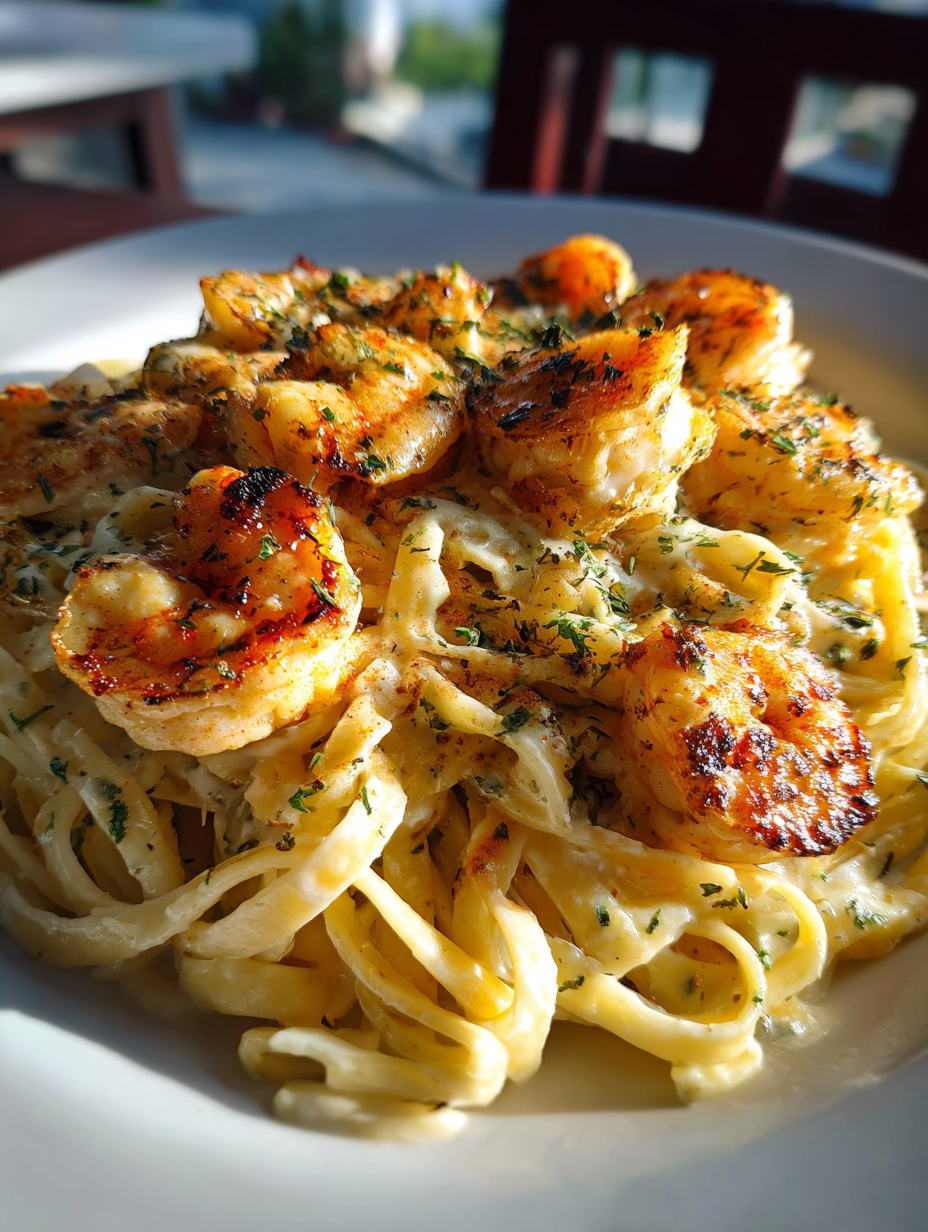
A Quick and Flavor-Packed Seafood Delight That Turns Your Weeknight Dinner into a Gourmet Experience
—
Introduction
Imagine stepping into your kitchen, a soft glow from the evening sun streaming through the window, carrying with it the mouthwatering aroma of garlic sizzling in butter. This is how I remember the first time I made 30-Minute Garlic Butter Shrimp Pasta. It was a cool autumn evening, and my family had gathered for dinner after a long week. The air was filled with laughter, the clinking of forks against plates, and the melodic sound of water boiling in a pot.
As I tossed plump, succulent shrimp into the pan, they danced and sizzled, quickly turning from translucent to a delicate pink, signaling their readiness. The vibrant colors of the dish, with bright green parsley and the golden hues of garlic-infused butter, painted a picture that was as delightful to the eyes as it was to the palate. I remember the first bite; the velvety pasta enveloped in a rich garlic butter sauce, complemented by the shrimp’s tender texture, created a symphony of flavors in my mouth.
This recipe quickly became a family favorite, not just for its rich taste but for the way it brought us together, transforming an ordinary weeknight into something special. The beauty of this dish lies not only in its flavor but in its simplicity. In just 30 minutes, you can create a restaurant-quality meal that warms the heart.
Let’s dive into this recipe that has become a staple in my home, bringing comfort and joy to countless dinners.
—
Why This Recipe Works
The magic behind 30-Minute Garlic Butter Shrimp Pasta lies in its harmonious balance of flavors and textures. The rich, buttery essence of garlic forms the foundation, creating a warm base that highlights the natural sweetness of the shrimp. When you combine these elements, you create an irresistible taste profile that makes each bite a pleasure.
The technique of cooking shrimp quickly over high heat ensures they remain tender and juicy without becoming rubbery, which can happen if they are overcooked. The al dente pasta adds a delightful chewiness that contrasts beautifully with the buttery sauce and the soft shrimp. This dish expertly combines the richness of butter, the sharpness of garlic, and the brightness of fresh herbs, all while allowing each ingredient to shine.
What sets this recipe apart from generic versions is the use of fresh ingredients and a careful attention to timing. Many store-bought shrimp pastas are laden with preservatives and artificial flavors, but making it at home means you control what goes into your dish. The choice of fresh herbs, a squeeze of lemon juice, and quality shrimp elevates the dish, imparting a freshness that pre-packaged meals simply cannot replicate.
—
What Makes It Special
What makes this 30-Minute Garlic Butter Shrimp Pasta truly special? Here are a few standout qualities:
– Restaurant-Quality at Home: Unlike many restaurant versions that can feel heavy and overly sauced, this recipe strikes a perfect balance, giving you that gourmet experience without leaving your kitchen.
– Freshness and Customization: When you make this dish yourself, you have the freedom to choose the freshest ingredients and customize it to your liking. Want to add a pinch of red pepper flakes for heat? Go for it!
– Quick and Easy Preparation: In just 30 minutes, you can whip up a meal that feels indulgent and looks impressive. Perfect for busy weeknights or when you want to impress guests without spending hours in the kitchen.
– Surprising Twist: A splash of white wine adds a subtle complexity to the dish that enhances the overall flavor profile. It’s a simple addition that makes a world of difference.
—
Ingredient Breakdown
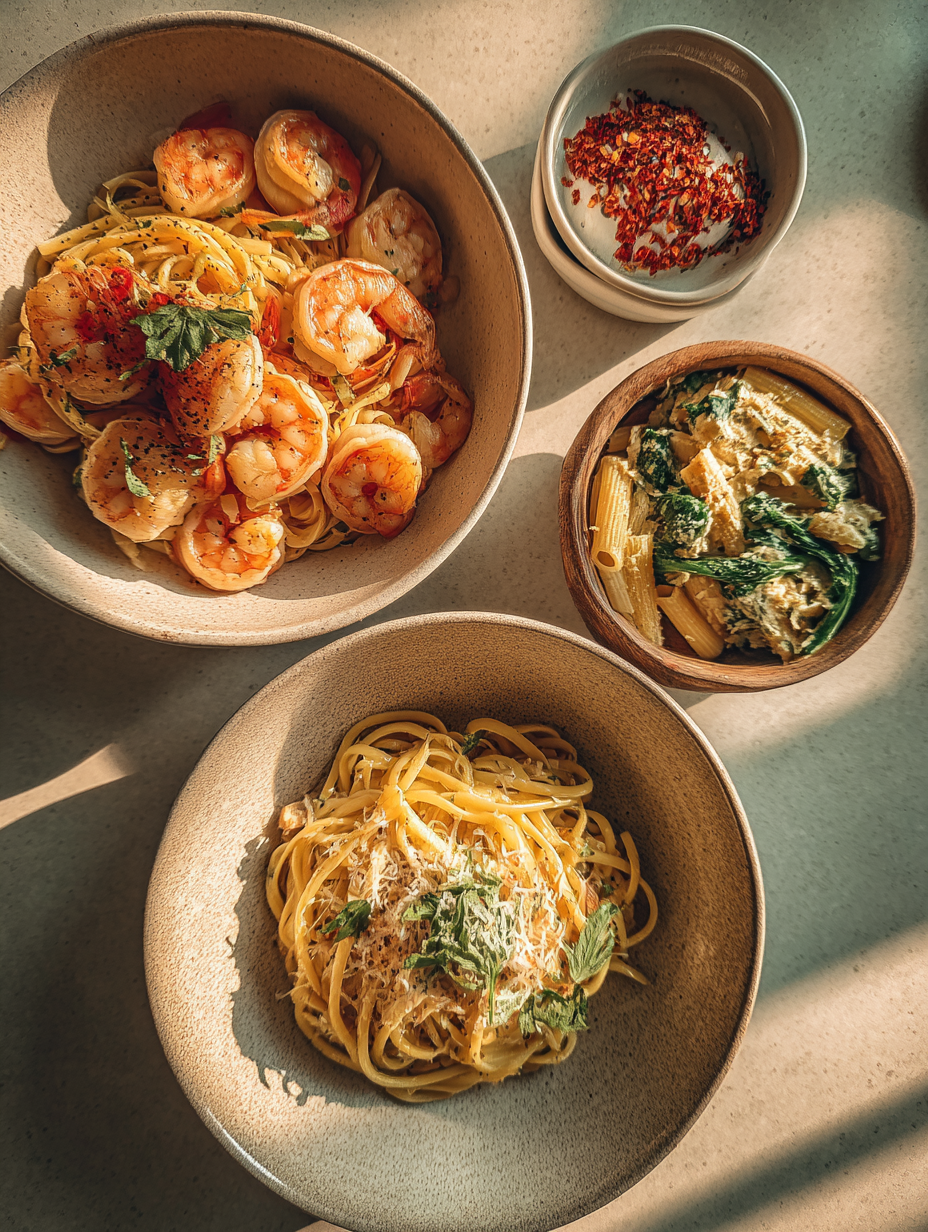
To create this delightful 30-Minute Garlic Butter Shrimp Pasta, you’ll need the following ingredients, each playing a vital role in crafting the flavors and textures of the dish:
1. Shrimp: The star of the show, you’ll want to use large, fresh shrimp (preferably peeled and deveined) for the best texture. Aim for about 1 pound, as this will provide enough for 4 servings.
– Tip: If you’re in a hurry, frozen shrimp will work too—just make sure to thaw them properly beforehand.
2. Pasta: Choose your favorite type of pasta; linguine or spaghetti works beautifully. You’ll need about 8 ounces. The pasta will carry the sauce and shrimp, absorbing all those delightful flavors.
3. Butter: A generous amount of unsalted butter (1/2 cup) provides the rich base of the sauce. You can substitute with olive oil if you prefer a lighter option.
4. Garlic: Use 4 cloves of fresh garlic, minced. Garlic not only brings flavor but also aromatic qualities that are essential to the dish.
5. Fresh Parsley: About 1/4 cup of chopped fresh parsley adds a pop of color and freshness. You can also substitute with basil for a different flavor profile.
6. Lemon Juice: A squeeze of fresh lemon juice brightens the dish and balances the richness of the butter.
7. White Wine: A splash of dry white wine (about 1/4 cup) complements the shrimp and adds depth to the sauce. If you prefer to skip it, you can replace it with additional lemon juice.
8. Salt and Pepper: Essential for seasoning, adjust according to taste.
Dietary Substitutions
– Dairy-Free: Use a plant-based butter or olive oil instead of butter for a dairy-free version.
– Gluten-Free: Substitute with gluten-free pasta to make it suitable for those with gluten sensitivities.
– Vegan: Use plant-based shrimp alternatives and a vegan butter substitute to create a vegan-friendly dish.
Specialty Ingredients
You can find fresh shrimp at your local seafood market or grocery store. Look for wild-caught shrimp as they often have superior flavor. For specialty pastas or fresh herbs, local farmers’ markets are a treasure trove of fresh produce.
—
Equipment Needed
To prepare your 30-Minute Garlic Butter Shrimp Pasta, you’ll need the following tools:
1. Large Pot: Essential for boiling your pasta. A pot with a lid speeds up the boiling process.
2. Colander: To drain the pasta once it’s cooked. This is crucial to avoid soggy noodles.
3. Large Skillet: A wide skillet is necessary for cooking the shrimp and making the sauce. A non-stick skillet is ideal for easy cleanup.
4. Wooden Spoon or Spatula: You’ll need this to stir the ingredients as they cook, ensuring even distribution of flavors and preventing sticking.
5. Measuring Cups and Spoons: Accurate measurements ensure you get the balance of flavors just right.
6. Garlic Press (Optional): If you want to save time on mincing garlic, a garlic press can be a handy tool.
7. Zester or Grater (Optional): For adding lemon zest, if desired, to intensify the citrus flavor.
Having these tools on hand will make your cooking experience smooth and enjoyable, allowing you to focus on creating a delicious meal.
Step-by-Step Instructions
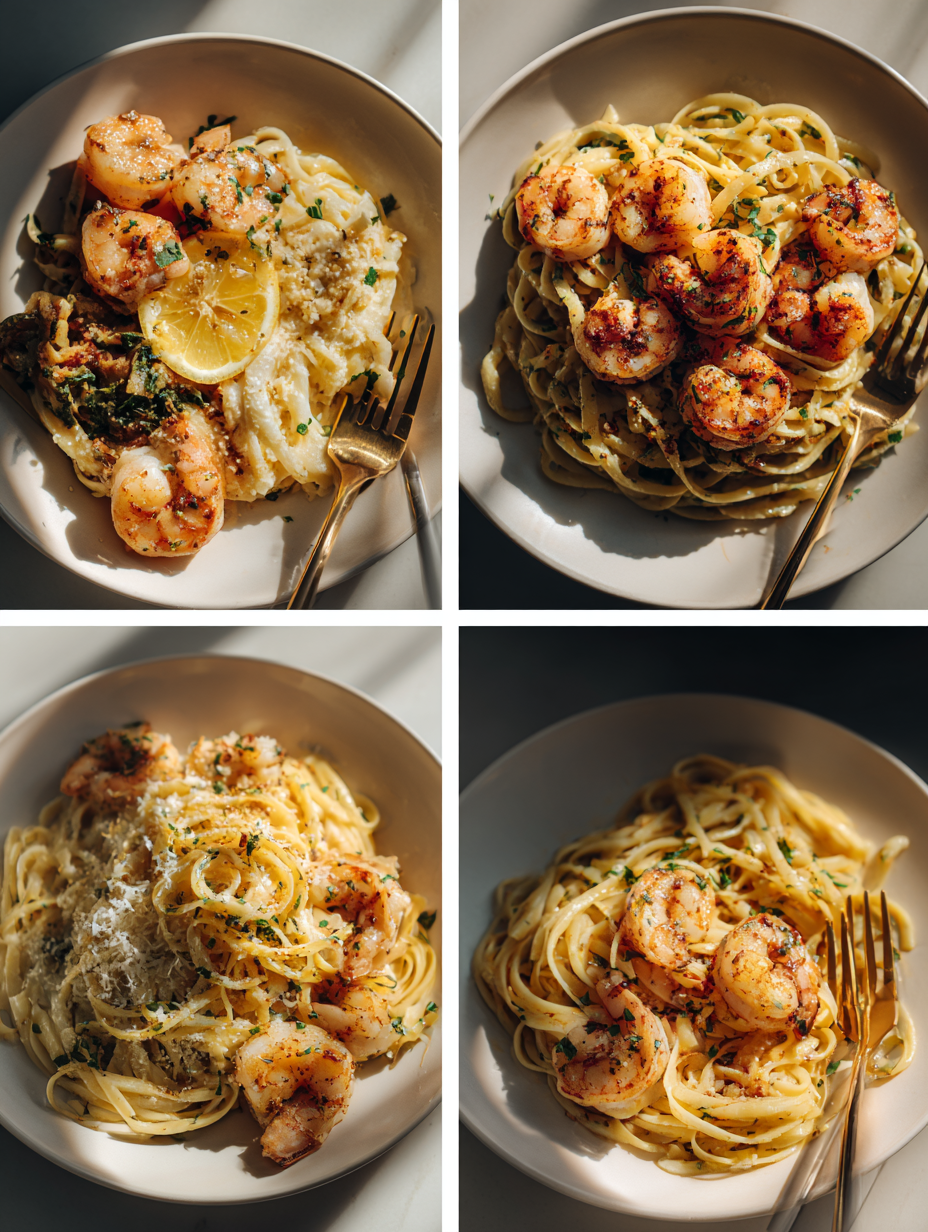
1. Prepare Your Ingredients: Begin by gathering all your ingredients — fresh shrimp, pasta, garlic, butter, and parsley — and set them on your countertop. This step is crucial as it allows for a smoother cooking experience. Make sure your shrimp is peeled and deveined, and your garlic is minced finely, as this will ensure they both cook evenly and impart their flavors fully. You should be able to smell the aroma of the garlic as you chop it.
2. Cook the Pasta: Fill a large pot with water and bring it to a rolling boil over high heat. Add a generous pinch of salt to the water; this is your chance to flavor the pasta itself. Once boiling, add your pasta and cook according to package instructions until al dente, usually around 8-10 minutes. Stir occasionally and keep an eye on it; you want it tender but with a slight bite. Taste a strand before draining to ensure it’s just right.
3. Sauté the Garlic: While the pasta is cooking, take a large skillet and melt 4 tablespoons of butter over medium heat. Add the minced garlic to the skillet and sauté for about 1-2 minutes. You want the garlic to become fragrant and turn a light golden color, but be careful not to let it burn, as burnt garlic will impart a bitter taste. The aroma should fill your kitchen with a delightful scent, hinting at the garlicky goodness to come.
4. Add the Shrimp: Once the garlic is ready, increase the heat to medium-high and add the shrimp to the skillet. Season them with salt and pepper. Cook for about 3-4 minutes, flipping them halfway through. You’ll know they are done when they turn pink and opaque. Keep an eye on them; overcooked shrimp can become rubbery. The sizzling sound is music to your ears, indicating that the shrimp are searing perfectly.
5. Combine the Pasta and Sauce: When the pasta is al dente, reserve about 1 cup of the pasta water and then drain the rest. Add the drained pasta directly to the skillet with the shrimp and garlic. Toss everything together gently using tongs, making sure the pasta is well-coated with the garlic butter sauce. If it seems a bit dry, add some reserved pasta water, a little at a time, to achieve your desired consistency. Look for a glossy coating on the pasta, which means it’s perfectly dressed.
6. Finish with Fresh Herbs: Remove the skillet from heat and sprinkle freshly chopped parsley over the pasta. Toss gently to combine, allowing the heat from the pasta to wilt the herbs slightly. This will add a fresh, vibrant flavor to your dish. Serve immediately, and don’t be surprised if the enticing aroma draws everyone to the table. A sprinkle of extra salt or a squeeze of lemon juice can enhance the flavor even more.
7. Serve and Enjoy: Plate the shrimp pasta in large bowls, ensuring each serving has a generous amount of shrimp and sauce. For an extra touch, you might want to grate some fresh Parmesan cheese on top. Enjoy your meal while it’s hot, savoring the rich flavors of garlic, butter, and succulent shrimp.
Chef’s Note: To make this dish extra special, consider adding a pinch of red pepper flakes during the sautéing of the garlic for a subtle kick, or a splash of white wine after adding the shrimp for added depth of flavor.
Pro Tips for the Best Results
1. Use Fresh Ingredients: Always opt for fresh shrimp rather than frozen. Fresh shrimp has a firmer texture and a sweeter flavor, which will elevate your dish significantly.
2. Perfect Pasta Cooking: Undercook your pasta by one minute compared to package instructions. It will continue to cook when mixed with the shrimp and sauce, ensuring you achieve that perfect al dente texture.
3. Warm Your Plates: Serve your pasta in warmed bowls or plates. This simple trick keeps your dish hot longer and enhances the overall dining experience.
4. Adjusting Seasoning: Remember to taste as you go. The amount of salt needed can vary based on the saltiness of the butter or the specific brand of pasta, so adjust seasonings to your liking.
5. The Right Butter Consistency: If you’re using salted butter, taste it first. You may want to reduce the amount of additional salt you add to the shrimp to avoid overpowering the dish.
6. Finishing Touch: A squeeze of fresh lemon juice right before serving adds brightness and balances the richness of the butter, making every bite more refreshing.
7. Resting Time for Shrimp: Let the shrimp sit for a minute after cooking in the skillet. This resting period allows the flavors to settle in, making them juicier when you bite into them.
8. Experiment with Pasta Types: While spaghetti is classic, feel free to experiment with other pasta shapes like linguine or fettuccine. Each shape will hold the sauce differently, giving your dish a unique twist.
Common Mistakes to Avoid
1. Using Frozen Shrimp without Thawing: Cooking shrimp directly from frozen leads to uneven cooking and a rubbery texture. Always thaw shrimp in the refrigerator overnight or place them in a bowl of cold water for quick thawing.
2. Overcooking the Garlic: Garlic burns quickly and can turn bitter, ruining the dish. Sauté it just until fragrant and lightly golden, then add other ingredients quickly to prevent burning.
3. Not Salting the Pasta Water: Skipping salt in the pasta water means you’re missing out on vital flavor. Use enough salt so that the water tastes like the ocean; this is your chance to infuse flavor into the pasta.
4. Rushing the Shrimp Cooking: Cook shrimp too quickly over high heat, and you risk them becoming tough and rubbery. Sauté them over medium to medium-high heat, allowing them to cook evenly and absorb flavors.
5. Not Reserving Pasta Water: Forgetting to save pasta water can leave your pasta dry. The starchy water is a magic ingredient that can help loosen the sauce and bind everything together.
6. Skipping the Fresh Herbs: Fresh herbs add brightness and life to your dish. If you skip them, your pasta may taste flat. Always finish with a sprinkle of parsley or basil for that fresh pop.
7. Overcooking the Pasta: Overcooked pasta becomes mushy and loses its ability to hold onto the sauce. Cook it al dente, so it has a little bite and texture to complement the shrimp.
Creative Variations
1. Seasonal Variation: Spring Garlic Butter Shrimp Pasta — Incorporate fresh asparagus and peas into the dish. Sauté them alongside the garlic for a seasonal touch, adding color and vibrant flavor that complements the shrimp beautifully.
2. Dietary-Friendly Version: Keto Garlic Butter Shrimp Zoodles — Replace traditional pasta with spiralized zucchini (zoodles). Sauté the zoodles for just a couple of minutes before adding the shrimp and sauce, keeping the dish light and low-carb without sacrificing flavor.
3. Gourmet Elevated Version: Truffle Garlic Butter Shrimp Pasta — Use high-quality truffle oil to drizzle over the finished dish. Add freshly shaved truffles or a sprinkle of truffle salt for a luxurious touch that transforms your pasta into a fine dining experience.
4. Quick 15-Minute Version: One-Pan Garlic Butter Shrimp Pasta — Use pre-cooked shrimp and cook everything in one pan. Start by sautéing garlic, then add pre-cooked shrimp, fresh spinach, and cooked pasta to the pan, tossing until heated through for a speedy weeknight meal.
5. Kid-Friendly Version: Cheesy Garlic Butter Shrimp Pasta — Add a cup of shredded cheese (like mozzarella or cheddar) to the pasta while it’s still hot, stirring until melted and creamy. This will appeal to kids while still keeping the dish flavorful.
6. International Twist: Mediterranean Garlic Butter Shrimp Pasta — Add Kalamata olives, sun-dried tomatoes, and capers to the dish. These ingredients will create a bright and tangy flavor profile reminiscent of Mediterranean cuisine, enhancing the richness of the garlic butter.
Serving Ideas
Plating your 30-Minute Garlic Butter Shrimp Pasta can transform a simple weeknight meal into an elegant dining experience. Here are some beautiful ways to serve this dish:
1. Rustic Bowl Presentation: Serve the pasta in deep, rustic bowls. Top each serving with a generous sprinkle of fresh parsley and a dusting of grated Parmesan. Let the garlic butter sauce pool at the bottom for a visually appealing contrast.
2. Plated Elegance: Use a large, white dinner plate for a sleek look. Twirl the pasta into a nest in the center, then artfully arrange the shrimp on top. Add a few lemon wedges on the side and place a sprig of basil or dill for a pop of color.
3. Family-Style Delight: For a communal feel, serve the pasta in a large, shallow serving dish. Scatter the shrimp around and garnish with chopped scallions and red pepper flakes for a touch of spice. Place extra lemon slices around the edge for guests to squeeze on their portions.
4. Garnished Greenery: Arrange your dish on a wooden cutting board for a cozy, rustic vibe. Before serving, sprinkle microgreens or arugula over the top for a peppery bite and a vibrant green finish.
5. Minimalist Charm: For a clean, modern look, serve the pasta on a slate board. Drizzle with a balsamic reduction for a touch of acidity and contrast. Finish with edible flowers for a stunning and unique presentation.
Aim for portion sizes of about one and a half cups of pasta per plate, ensuring everyone enjoys a hearty serving while leaving a bit of room for sides or dessert. Your guests will be captivated not only by the fragrant aroma but also by the beautiful presentation, setting the stage for a delightful meal.
What to Serve With
Pairing your Garlic Butter Shrimp Pasta with the right sides and beverages can elevate your dining experience. Consider these complementary dishes:
1. Crisp Caesar Salad: The crisp romaine and crunchy croutons balance the richness of the pasta, while the tangy dressing adds a refreshing contrast. The vibrant greens will brighten your plate visually.
2. Garlic Bread: A classic choice! The buttery, garlicky notes will echo the flavors in your pasta. Opt for a crunchy, toasted version to provide a satisfying texture that complements the softness of the shrimp and pasta.
3. Chardonnay: A chilled glass of oaked Chardonnay pairs beautifully with seafood. Its buttery notes complement the garlic butter sauce, while the acidity cuts through the richness, enhancing the overall flavor.
4. Roasted Asparagus: The slight bitterness and earthy flavor of roasted asparagus add a delightful contrast to the dish. Toss with a little lemon and Parmesan for an extra zing that harmonizes well with the shrimp.
5. Lemon Sorbet: For dessert, a light lemon sorbet cleanses the palate after the rich pasta. Its bright citrus flavor echoes the lemon in the dish while providing a refreshing, sweet finish.
6. Cucumber Mint Cooler: This refreshing mocktail or cocktail made with muddled cucumbers, mint, and sparkling water offers a cooling flavor that refreshes the palate between bites. Its lightness balances the richness of the garlic butter sauce.
These pairings will enhance the flavors of your meal, creating a well-rounded dining experience that delights the senses.
Storage Guide
Storing leftovers of your 30-Minute Garlic Butter Shrimp Pasta properly ensures you can enjoy the dish later without compromising flavor or safety.
1. Container Choice: Use an airtight container made of glass or BPA-free plastic to prevent moisture loss and preserve freshness. Avoid metal containers, as they may react with the acidity in the pasta.
2. Refrigerator Temperature: Store your pasta in the fridge at or below 40°F (4°C). Proper refrigeration is key to keeping your food safe from bacterial growth.
3. Shelf Life: Leftover pasta can be kept in the fridge for up to 3 days. After that, the quality may start to decline, and it’s best to discard it to avoid any food safety issues.
4. Signs of Spoilage: Look for off odors, changes in texture (such as excessive mushiness), or visible mold. If anything seems off, it’s best to err on the side of caution and throw it out.
5. Refreshing Before Serving: To restore your pasta to its glorious state, add a splash of water or broth before reheating. This will help revive the sauce and keep the pasta from drying out. Gently heat it in a skillet over low heat, stirring until warmed through.
By following these storage tips, you can savor the delicious flavors of your shrimp pasta even after the initial meal.
Freezing Tips
If you want to save your Garlic Butter Shrimp Pasta for later, freezing is an option, but there are some things to keep in mind.
1. Freezability: This recipe freezes reasonably well, but it’s best to enjoy it fresh for the best texture and flavor. The shrimp can become a bit rubbery after freezing.
2. Portioning: Before freezing, portion the pasta into individual servings. This makes it easier to defrost only what you need. Use freezer-safe, airtight containers or heavy-duty plastic freezer bags, removing as much air as possible to prevent freezer burn.
3. Labeling: Clearly label each container or bag with the date and contents. This will help you keep track of how long it has been stored.
4. Storage Duration: Your pasta will maintain optimal quality in the freezer for up to 2 months. After that, it may still be safe to eat but could lose its flavor and texture.
5. Thawing Method: The best way to thaw your pasta is overnight in the refrigerator. This gradual thawing helps maintain texture. If you’re short on time, you can thaw it in the microwave using the defrost setting, then finish heating on the stovetop.
While freezing is an option, you may prefer to enjoy the dish fresh for the best experience!
Reheating Guide
When it comes time to enjoy your leftover 30-Minute Garlic Butter Shrimp Pasta, reheating it properly will ensure it tastes just as good as when it was first made.
1. Microwave: Place your pasta in a microwave-safe dish. Add a splash of water or broth to help retain moisture. Cover with a microwave-safe lid or wrap. Heat on medium power for 1-2 minutes, stirring halfway through to prevent dry spots.
2. Oven: Preheat the oven to 350°F (175°C). Place the pasta in an oven-safe dish, add a bit of broth or water, and cover with foil. Heat for about 15-20 minutes, or until warmed through.
3. Stovetop: Heat a skillet over medium-low heat. Add the pasta along with a splash of water or broth. Stir gently and cook for about 5-7 minutes, or until the shrimp are heated through and the sauce is silky again.
4. Texture Restoration Tips: To restore the original texture and flavor, be cautious not to overheat. Gently stirring and adding moisture will help keep the pasta from becoming rubbery or dry.
With these reheating methods, you can enjoy your delicious shrimp pasta as if it were freshly made!
Nutrition Overview
A serving of your 30-Minute Garlic Butter Shrimp Pasta contains approximately:
– Calories: 450
– Protein: 25g
– Carbohydrates: 55g
– Fat: 15g
– Fiber: 3g
– Sugar: 3g
This dish is packed with benefits! The shrimp is an excellent source of lean protein, which can help with muscle building and repair. Garlic not only adds flavor but also has potential health benefits, including anti-inflammatory properties and the ability to boost immunity. Additionally, the use of whole grain pasta can provide more fiber, which aids in digestion and helps keep you feeling full longer.
Enjoy your meal knowing you’re fueling your body with tasty, wholesome ingredients!
Frequently Asked Questions
Q: Can I substitute the shrimp with another protein?
A: Absolutely! You can use chicken, scallops, or even tofu for a vegetarian option. Just adjust the cooking time as necessary to ensure the protein is fully cooked.
Q: Is there a gluten-free version of this recipe?
A: Yes! Simply swap out regular pasta for gluten-free pasta made from rice, quinoa, or chickpeas. The cooking time may vary slightly, so keep an eye on it.
Q: Can I make this dish dairy-free?
A: Yes! Substitute the butter with a dairy-free alternative, such as coconut oil or a vegan butter. Use nutritional yeast instead of Parmesan for a cheesy flavor without dairy.
Q: How can I make this recipe spicier?
A: If you enjoy a kick, add red pepper flakes or diced jalapeños when sautéing the garlic. You can also finish with a drizzle of hot sauce before serving.
Q: How long does it take to prepare this dish?
A: The total time for this dish is approximately 30 minutes. The key is to prep your ingredients beforehand, so everything is ready when you start cooking.
Q: What kind of pasta works best for this recipe?
A: While linguine or spaghetti is a classic choice, feel free to use any pasta you prefer, such as fettuccine, penne, or even whole wheat options. Just adjust the cooking time according to the package instructions.
Q: Can I add vegetables to this dish?
A: Absolutely! Vegetables like spinach, cherry tomatoes, or zucchini can be sautéed along with the garlic for added nutrition and flavor. Just be mindful not to overcrowd the pan.
Q: How do I know if my shrimp is cooked?
A: Cooked shrimp will turn a pinkish color and curl into a C shape. If they remain opaque and firm, they are done. Avoid overcooking, as shrimp can become rubbery.
Final Thoughts
As you embark on making your 30-Minute Garlic Butter Shrimp Pasta, remember that a little preparation goes a long way. Have your ingredients prepped and ready, and you’ll find that cooking can be a breeze. The rich, garlicky aroma that fills your kitchen will have everyone eagerly anticipating dinner.
I genuinely hope you enjoy this recipe as much as I do. It’s a delightful balance of flavors and textures that truly shines with each bite. Don’t forget to share your culinary creations with friends and family — they’ll be thrilled to join you at the table.
Now, gather your ingredients and get cooking; you’re only 30 minutes away from a heavenly meal!