Follow Me On Pinterest!
Easy 30-Minute Ratatouille

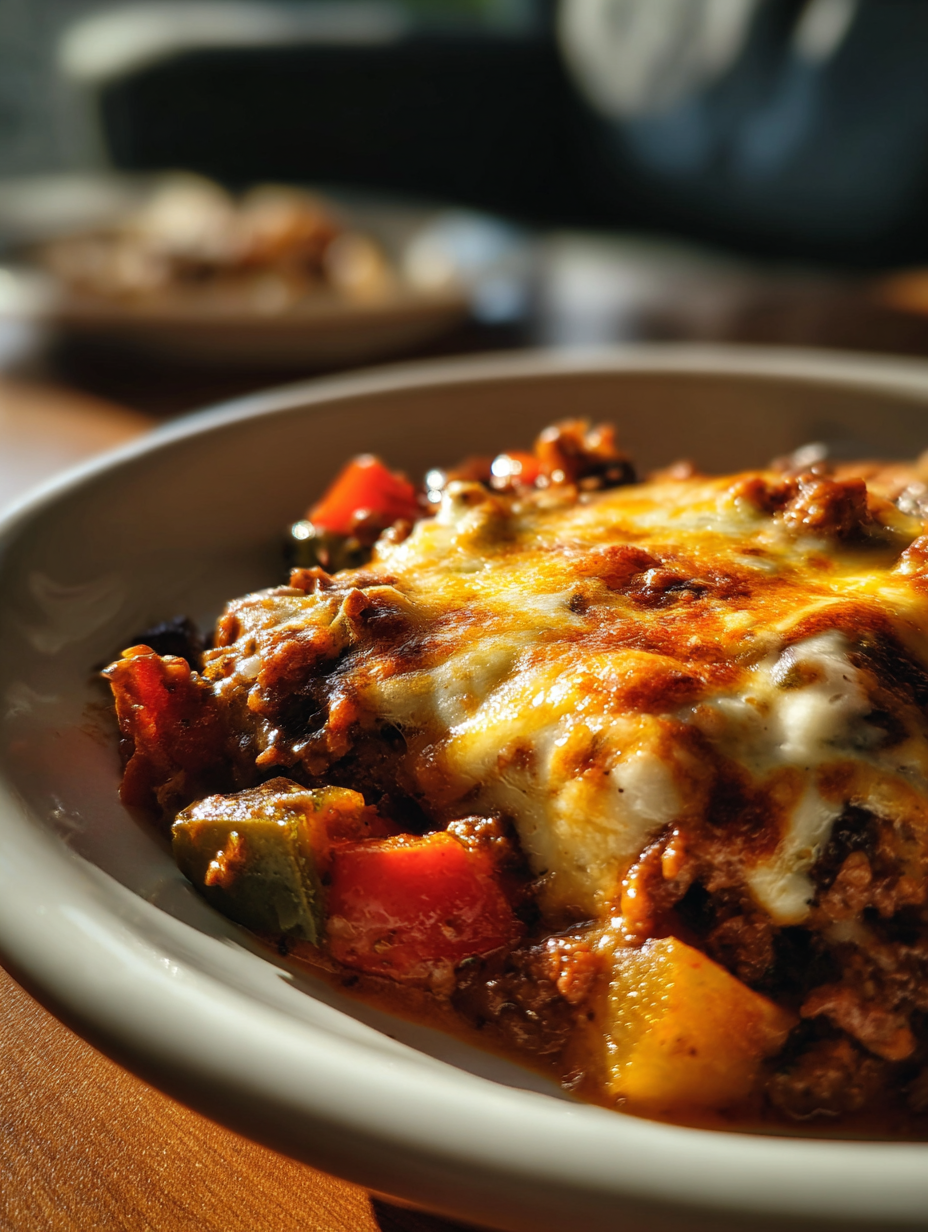
Embrace the Garden: A Quick and Colorful Take on a French Classic
—
Introduction
The first time you taste ratatouille, it feels like summer on a plate. I remember standing in my grandmother’s sun-drenched kitchen, where the air was thick with the aroma of fresh herbs and sizzling garlic. The vibrant colors of zucchini, eggplant, and bell peppers danced before me, each slice a testament to the bounty of her garden. As she stirred the bubbling pot, the rhythmic sound of vegetables softening in olive oil filled the room, creating a symphony of comfort. I was captivated not just by the smells, but by the very essence of the dish — a celebration of seasonal produce, lovingly transformed into a hearty meal.
Ratatouille became a cherished favorite for its depth of flavor and versatility. My grandmother taught me that this dish, while classic in its roots, could be adapted with whatever was on hand. You could eat it hot, straight from the pot, or let it chill in the fridge and enjoy it cold the next day. Each bite was a journey through the garden, rich in textures that ranged from the crispness of fresh vegetables to the velvety smoothness of a sun-ripened tomato sauce.
As I grew older and started my own culinary adventures, I realized that I could recreate this dish in my kitchen without spending hours over the stove. This Easy 30-Minute Ratatouille captures that same spirit of my grandmother’s kitchen, allowing you to enjoy all the freshness and flavor in a fraction of the time. So, roll up your sleeves and let’s dive into this quick and satisfying recipe that will transport you to a sunlit terrace in Provence.
—
Why This Recipe Works
Understanding the magic behind this Easy 30-Minute Ratatouille involves appreciating the harmonious dance of flavors and textures. At its core, ratatouille is a French Provençal dish that thrives on the vibrant flavors of fresh vegetables. Here’s why this version stands out:
1. Key Flavor Combinations: The classic trio of zucchini, eggplant, and bell peppers brings a balance of sweetness and earthiness. When sautéed with onions and garlic, you create a fragrant base that forms the heart of the dish. A splash of balsamic vinegar or a pinch of herbes de Provence adds an aromatic note that elevates the entire dish, making every bite feel like a celebration.
2. Texture Contrasts: This recipe focuses on achieving the right textures — the slight crunch of sautéed vegetables contrasts beautifully with the tender, melting consistency of the cooked tomatoes. By cooking the vegetables in a single pan, you preserve their individual textures without turning them into a mushy mix, ensuring that you experience a delightful bite in every forkful.
3. Ingredient Roles: Each ingredient plays a vital part in the final result. The eggplant absorbs flavors and adds a creamy texture, while the zucchini contributes moisture. The bell peppers add a sweet and slightly tangy element, and the tomatoes provide acidity, balancing the richness of the dish.
4. Unique Approach: Unlike traditional ratatouille, which often requires low and slow cooking to meld flavors, this recipe uses high heat for quick sautéing. This method not only saves time but also helps maintain the vibrant colors of the vegetables, making the dish visually appealing.
By combining these elements, you’re guaranteed a ratatouille that’s quick, delicious, and just as satisfying as the time-honored version!
—
What Makes It Special
This Easy 30-Minute Ratatouille isn’t just your average vegetable medley; it brings unique qualities that set it apart:
– Freshness Over Convenience: When you cook at home, you’re in full control of the ingredients, ensuring that everything is fresh and free from preservatives. Unlike store-bought versions, which often lack the vibrancy and depth of flavor, this dish bursts with the essence of freshly picked vegetables.
– Cost-Effective and Customizable: Making ratatouille at home is not only economical, but it also allows you to customize it to your tastes. You can swap in seasonal vegetables or adjust the herbs according to what you have on hand. Want to add a kick? Toss in some crushed red pepper for a hint of heat.
– Surprising Elements: The inclusion of balsamic vinegar adds an unexpected layer of complexity, enhancing the natural sweetness of the vegetables. Moreover, a sprinkle of fresh basil or a drizzle of olive oil just before serving brings a bright finish that rounds out the dish beautifully.
With these unique elements, your homemade ratatouille will not only be a quick and easy meal but also a delightful culinary experience that rivals any restaurant offering.
—
Ingredient Breakdown
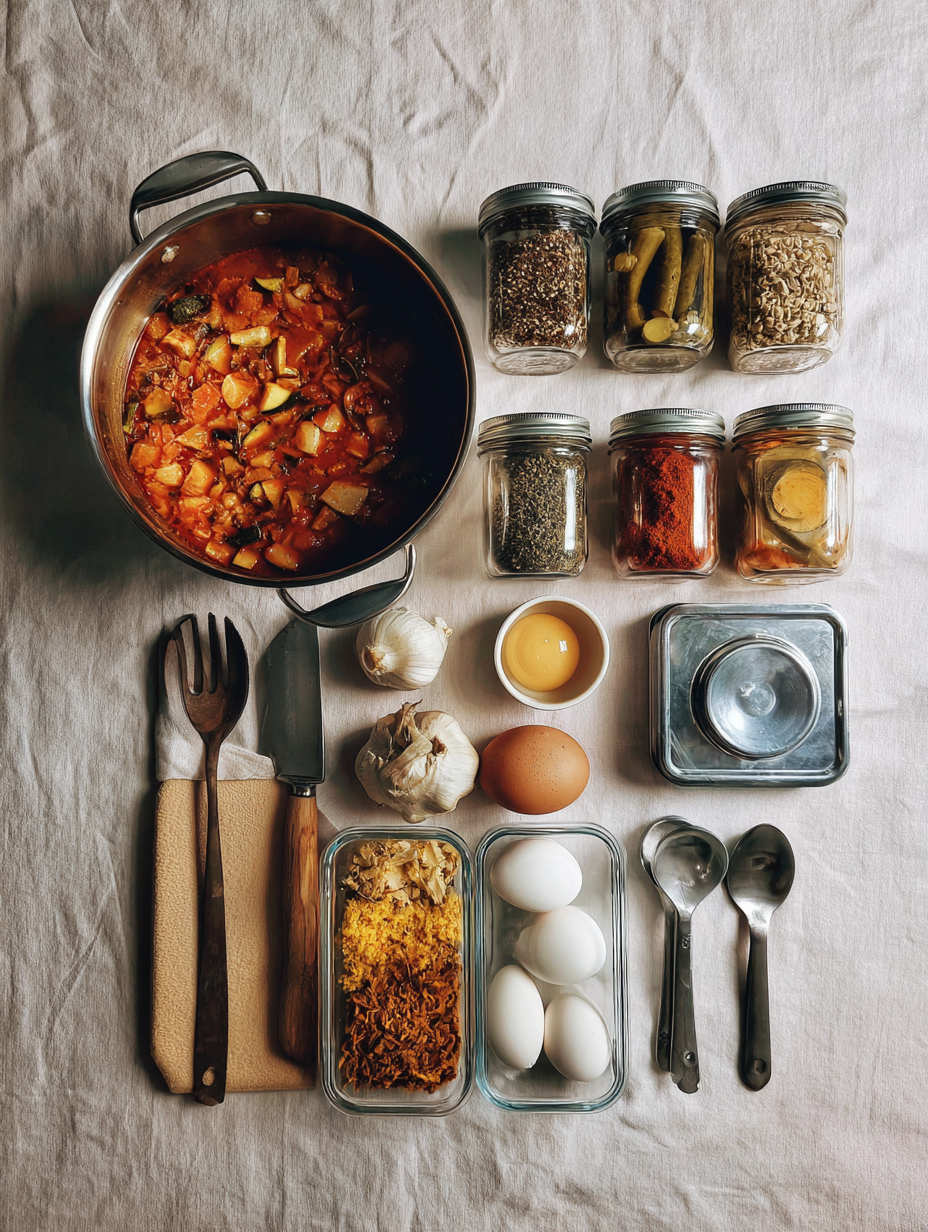
To create your delicious Easy 30-Minute Ratatouille, you’ll need the following ingredients, each carefully chosen for their role in the dish:
1. Eggplant (1 medium): This vegetable is essential for adding a creamy texture and absorbing the flavors of the other ingredients. Cut it into bite-sized cubes to help it cook evenly. If you prefer a milder flavor, you can lightly salt the eggplant and let it sit for 20 minutes before rinsing to reduce bitterness.
2. Zucchini (1 medium): The zucchini brings moisture and a tender bite to the dish. Slice it into half-moons, which will cook quickly and maintain a slight crunch.
3. Bell Peppers (1 red, 1 yellow): These provide sweetness and color. Feel free to mix and match colors for a more vibrant dish. Chop them into bite-sized pieces to ensure even cooking.
4. Onion (1 medium): A foundational flavor, the onion adds sweetness and depth. Dicing it finely will help it to caramelize quickly, contributing to the overall flavor of the ratatouille.
5. Garlic (3 cloves): Minced garlic infuses the oil with aromatic flavor and pairs perfectly with the vegetables. Adjust the amount based on your preference for garlic’s pungency.
6. Tomatoes (2 cups, diced): Fresh tomatoes are ideal for their vibrant acidity, but canned diced tomatoes can also be used in a pinch. They bring moisture to the dish and form the base of the sauce.
7. Olive Oil (3 tablespoons): This is the key fat for sautéing the vegetables, giving them a rich flavor. Use a high-quality extra virgin olive oil for the best taste.
8. Balsamic Vinegar (1 tablespoon): This adds a touch of sweetness and tang that enhances the flavor profile. It’s a surprising twist that makes this recipe special.
9. Herbes de Provence (1 teaspoon): A blend of dried herbs such as thyme, rosemary, and basil, this adds a fragrant touch that evokes the flavors of southern France.
10. Salt and Pepper: Essential for seasoning, they balance the flavors in the dish. Adjust according to your taste.
Substitutions
– Dairy-Free/Vegan: This recipe is inherently vegan, but if you wish to add a creamy element, consider cashew cream or a dollop of coconut yogurt.
– Gluten-Free: The recipe is naturally gluten-free, so no adjustments are necessary.
– Specialty Ingredients: Most ingredients can be found at your local grocery store. If you’re looking for Herbes de Provence, check the spice aisle or specialty stores for a fresh blend.
With this ingredient breakdown, you’re fully equipped to recreate a ratatouille that not only honors its traditional roots but also fits seamlessly into your busy lifestyle.
—
Equipment Needed
To whip up your Easy 30-Minute Ratatouille, you’ll need a few essential tools that make the cooking process efficient and enjoyable:
1. Large Skillet or Sauté Pan: A good-quality non-stick skillet is ideal for this recipe. It provides enough surface area to sauté the vegetables without overcrowding, allowing for even cooking and browning. If you don’t have a non-stick option, a stainless steel pan will work, but make sure to use a bit more oil to prevent sticking.
2. Cutting Board: A sturdy cutting board is crucial for chopping your vegetables. Choose one that’s large enough to accommodate all your ingredients without crowding.
3. Chef’s Knife: A sharp chef’s knife will make slicing through the vegetables effortless. A dull knife can lead to uneven cuts and frustration.
4. Wooden Spoon or Spatula: You’ll need something to stir the vegetables as they cook. A wooden spoon is perfect for this, as it won’t scratch your skillet and offers good control while sautéing.
5. Measuring Spoons: For accurate ingredient measurements, especially for the balsamic vinegar and herbs, having a set of measuring spoons on hand is helpful.
6. Optional – Lid for Skillet: While not essential, a lid can speed up the cooking process by trapping heat and moisture, especially when you first add the tomatoes.
By gathering these tools, you’ll set yourself up for a seamless cooking experience, allowing you to focus on creating a delightful ratatouille that’s bound to impress.
Step-by-Step Instructions
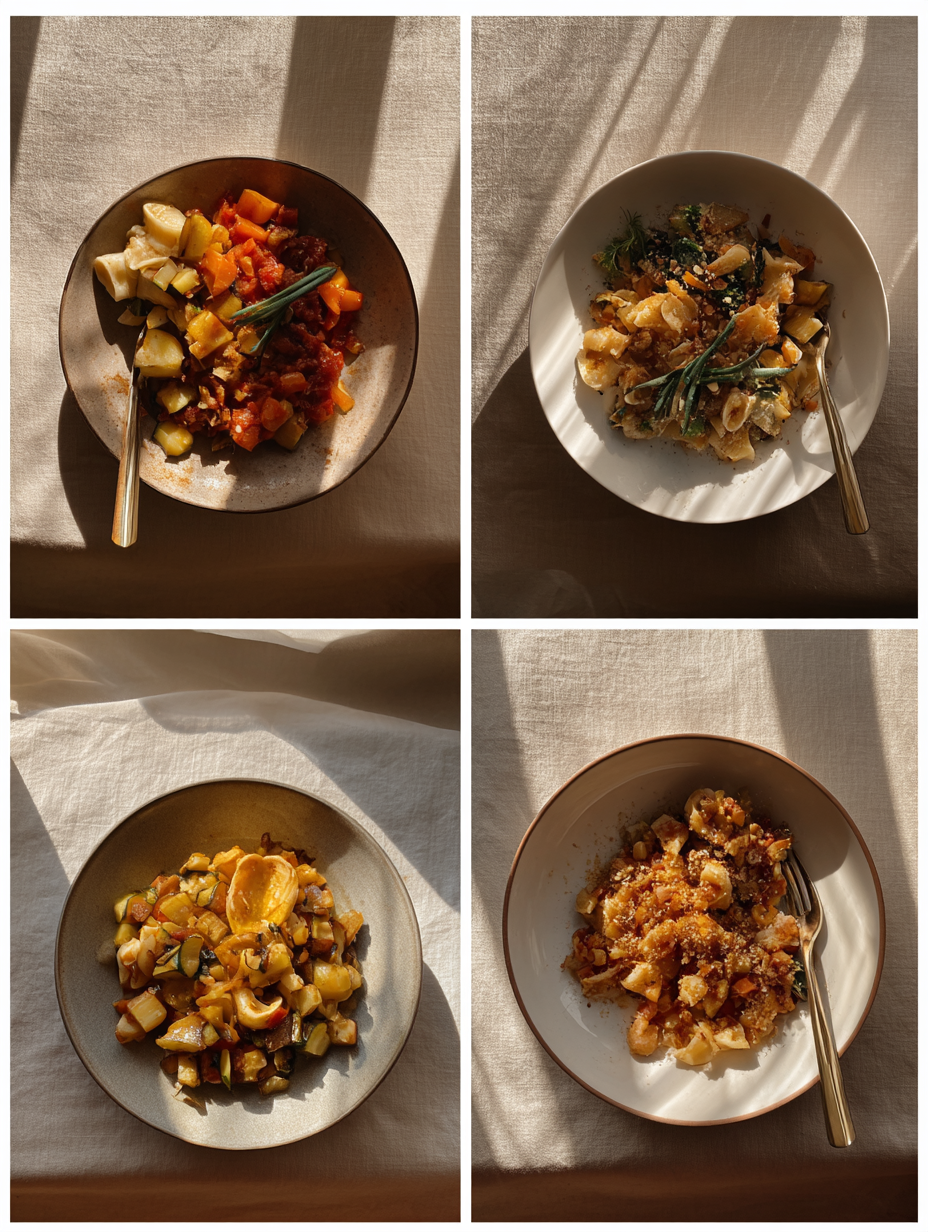
1. Prep Your Vegetables
Start by washing and drying your vegetables: 1 medium eggplant, 2 medium zucchini, 1 bell pepper, and 1 large onion. Dice them into uniform pieces (about 1-inch cubes) so they cook evenly. As you chop, take in the fresh, earthy aroma of the vegetables. This step should take around 10 minutes.
2. Sauté the Aromatics
In a large skillet, heat 3 tablespoons of olive oil over medium heat. Once the oil shimmers (about 2 minutes), add the diced onion and a pinch of salt, stirring occasionally. You want the onions to soften and become translucent, about 4-5 minutes. Chef’s Note: Adding salt at this stage helps to draw out moisture from the onions, enhancing their sweetness.
3. Add the Eggplant
Once the onions have softened, add the diced eggplant to the skillet. Stir well to coat the eggplant in the olive oil and onion mixture. Cook for about 5 minutes until the eggplant starts to soften and absorb the flavors. You’ll hear a gentle sizzling sound, and the eggplant will turn a lovely golden hue. Chef’s Note: Eggplant can soak up oil like a sponge; ensure it’s not too dry by adding a splash more oil if necessary.
4. Incorporate Zucchini and Bell Pepper
Next, add the diced zucchini and bell pepper to the skillet. Stir everything together and season with a pinch of freshly ground black pepper and another pinch of salt. Cook for an additional 4-5 minutes, stirring occasionally. You’ll notice the vibrant colors brightening as the vegetables begin to soften, and the aroma will become even more fragrant.
5. Add Tomatoes and Herbs
Now it’s time to introduce 2 cups of diced tomatoes (fresh or canned) and 2 cloves of minced garlic to the skillet. Stir to combine and let the mixture simmer for about 8-10 minutes. You want the tomatoes to break down slightly, becoming saucy and coating the vegetables. There should be a wonderful bubbling sound and a burst of tomato smell filling your kitchen.
6. Finish with Fresh Herbs
Near the end of the cooking time, stir in a handful of chopped fresh basil and a teaspoon of dried oregano. Cook for an additional 2 minutes to meld the flavors. Taste the ratatouille, adjusting salt and pepper as needed. You should smell the aromatic herbs coming through. Chef’s Note: Fresh herbs added at the end retain their bright flavors, elevating the dish.
Pro Tips for the Best Results
1. Use Quality Olive Oil
Opt for a good-quality extra virgin olive oil. This will impart a rich flavor to your ratatouille, enhancing the overall taste. The oil should be fresh and fruity to complement the vegetables.
2. Don’t Rush the Sautéing
Take your time with each step, especially sautéing the onions and eggplant. This builds depth of flavor. If the vegetables cook too quickly, they won’t develop the caramelization that makes this dish shine.
3. Uniform Vegetable Size is Key
Chop your vegetables into uniform sizes. This ensures even cooking and texture throughout the dish. If some pieces are larger, they may end up crunchy while others are mushy.
4. Taste and Adjust Seasoning
Always taste your dish at the end of cooking. Adjust salt and pepper to your preference; sometimes, a pinch more can elevate the flavors significantly. Trust your palate!
5. Fresh Ingredients Make a Difference
When possible, use fresh, seasonal ingredients. They will have more flavor and nutrition than their out-of-season counterparts. This is especially true for tomatoes, which can transform your ratatouille.
6. Let it Rest
Allow your ratatouille to sit for a few minutes before serving. This resting time lets the flavors meld together nicely. Serve it warm or at room temperature for a more pronounced flavor.
7. Use a Heavy-Bottomed Skillet
A good-quality, heavy-bottomed skillet retains heat better than a lightweight one. This helps to achieve that perfect sauté without burning, allowing for even cooking.
Common Mistakes to Avoid
1. Overcrowding the Pan
Mistake: Trying to cook too many vegetables at once.
Why it ruins the dish: Overcrowding leads to steaming instead of sautéing, resulting in soggy vegetables.
Correct approach: Cook in batches if necessary to allow for proper caramelization.
2. Skipping the Salt
Mistake: Not seasoning your vegetables early on.
Why it ruins the dish: Salt enhances the natural flavors of the vegetables; skipping it can lead to a bland dish.
Correct approach: Season at multiple stages of cooking, especially when starting with the onions.
3. Not Paying Attention to Texture
Mistake: Cooking vegetables until they are mushy.
Why it ruins the dish: Ratatouille should have a variety of textures, with some pieces retaining a bit of bite.
Correct approach: Keep an eye on cooking times and check for doneness regularly.
4. Using Old or Low-Quality Ingredients
Mistake: Using stale or low-quality produce.
Why it ruins the dish: Fresh ingredients are crucial for a vibrant and flavorful ratatouille.
Correct approach: Use the freshest, in-season vegetables you can find for the best results.
5. Ignoring Aromatics
Mistake: Skipping garlic or herbs.
Why it ruins the dish: Aromatics are key to building flavor. Omitting them leads to a flat-tasting ratatouille.
Correct approach: Always include fresh garlic and herbs for that aromatic punch.
6. Cooking at Too High a Heat
Mistake: Cranking up the heat to speed up cooking.
Why it ruins the dish: High heat can burn the vegetables on the outside while leaving them raw inside.
Correct approach: Use medium heat and be patient for even cooking.
Creative Variations
1. Seasonal Variation
For a Seasonal Variation, incorporate fresh asparagus or peas in late spring or butternut squash in the fall. Simply dice these veggies and add them in with the zucchini for a delightful twist that celebrates the season’s bounty.
2. Dietary-Friendly Version
A Vegan Ratatouille can be made by replacing the olive oil with avocado oil for a higher smoke point and omitting any cheese. You can also add chickpeas for a protein boost while keeping it completely plant-based.
3. Gourmet Elevated Version
For a Gourmet Elevated Version, consider adding a splash of balsamic vinegar or a sprinkle of truffle oil at the end. Use heirloom tomatoes for a richer flavor and garnish with microgreens for an elegant presentation.
4. Quick 15-Minute Version
To create a Quick 15-Minute Version, use frozen pre-chopped vegetables. Sauté them in a skillet, tossing in diced tomatoes and garlic, and cook on high heat. This method drastically reduces prep time while still delivering a comforting dish.
5. Kid-Friendly Version
For a Kid-Friendly Version, add a hint of sweetness by incorporating a handful of corn or a small amount of honey. You can also serve the ratatouille over pasta or rice to make it more appealing to children’s tastes.
6. International Twist
Try an Italian Twist by adding sliced olives and capers, along with a sprinkle of Italian seasoning. This will infuse the dish with a Mediterranean flair and create a delightful contrast with the usual flavors.
7. Spicy Kick Version
For a Spicy Kick Version, add chopped jalapeños or red pepper flakes when sautéing the onions. This will give your ratatouille a zesty edge that contrasts beautifully with the sweetness of the vegetables.
Serving Ideas
Plating your Easy 30-Minute Ratatouille can transform this rustic dish into an elegant centerpiece for any meal. Here are a few inspiring ways to present it beautifully:
1. Layered Presentation: Use a ring mold to create a stunning layered look. Start by spooning a base of ratatouille into the mold, then layer thinly sliced zucchini or eggplant on top. Gently lift the mold to reveal a beautiful tower of color, garnished with a drizzle of high-quality olive oil and a sprinkle of sea salt.
2. Rustic Bowl: Serve the ratatouille in a deep, rustic bowl. Top it with a generous handful of fresh basil leaves and a sprinkle of feta or goat cheese for a creamy contrast. A dollop of creamy yogurt on the side adds a refreshing touch.
3. Individual Portions: For a more elegant touch, serve ratatouille in small individual ramekins. Layer the vegetables in each ramekin, topping with breadcrumbs mixed with herbs. Bake until golden brown and serve with a sprig of fresh thyme on top.
4. Garnished Platter: Spread the ratatouille generously on a large, wooden serving board, allowing the vibrant colors to shine. Scatter freshly chopped parsley or basil around the edges, and serve with crusty bread alongside for a rustic appeal.
5. Colorful Sidecar: Plate a portion of ratatouille next to a scoop of creamy polenta or couscous. The creamy texture of the polenta will balance the roasted vegetables beautifully. Add a few slices of lemon as a garnish to brighten the dish visually and flavor-wise.
What to Serve With
Pairing your Easy 30-Minute Ratatouille with complementary dishes can elevate your dining experience. Here are some specific ideas:
1. Crispy Garlic Bread: The crunchiness of the garlic bread provides a delightful contrast to the soft vegetables in the ratatouille. The garlic butter flavor enhances the dish, making it an ideal companion.
2. Quinoa Salad with Citrus Vinaigrette: This light, refreshing salad brings a zesty contrast to the rich, savory flavors of the ratatouille. The nuttiness of quinoa adds texture and the citrus dressing brightens each bite.
3. Roasted Lemon Herb Chicken: The brightness of lemon and fragrant herbs in the chicken complements the earthy flavors of the ratatouille. This protein choice rounds out your meal with a satisfying balance.
4. Savory Goat Cheese Tart: The creamy tang of goat cheese in a flaky crust pairs beautifully with the deep, roasted flavors of the ratatouille. The tart adds a touch of elegance to your meal.
5. Chilled Rosé Wine: A crisp, chilled rosé perfectly complements the freshness of the vegetables while adding a subtle fruity note that brightens the palate.
6. Chocolate Mousse: For dessert, a light chocolate mousse offers a luxurious finish to your meal. Its richness contrasts harmoniously with the savory ratatouille and leaves you feeling satisfied without being overly full.
Storage Guide
To store your Easy 30-Minute Ratatouille properly and keep those vibrant flavors intact, follow these guidelines:
– Container Type: Use an airtight glass container to prevent moisture and odors from affecting the dish.
– Temperature: Store the ratatouille in the refrigerator at 32°F to 40°F (0°C to 4°C).
– Shelf Life: It will keep well for 3 to 5 days. After that, flavors may degrade, and freshness diminishes.
– Signs of Spoilage: Look for any off-smells, excessive moisture, or mold. If the ratatouille appears mushy or discolored, it’s best to discard it.
– Refreshing Before Serving: When ready to enjoy leftovers, add a splash of olive oil and a sprinkle of fresh herbs to restore its vibrant flavor. Gently heat it on the stovetop over low heat, stirring occasionally to prevent sticking.
Freezing Tips
Your Easy 30-Minute Ratatouille freezes well, making it a great meal prep option. Here’s how to do it right:
– Portioning: Divide the ratatouille into individual servings using airtight freezer bags or containers. This makes it easier to defrost only what you need.
– Wrapping Method: If using freezer bags, remove as much air as possible before sealing to prevent freezer burn. For containers, ensure they are labeled with the date.
– Labeling: Clearly mark each bag or container with the date to keep track of freshness.
– Freezer Duration: It will keep well in the freezer for about 2 to 3 months without significant loss of quality.
– Quality Changes: Expect minor texture changes upon thawing, as vegetables may become softer. However, the flavors will remain intact.
– Best Thawing Method: For best results, thaw overnight in the refrigerator before reheating. If you’re short on time, you can also thaw in the microwave on a low setting.
Reheating Guide
Reheating your Easy 30-Minute Ratatouille is simple and can be done in multiple ways:
– Microwave: Place the ratatouille in a microwave-safe dish, cover it with a damp paper towel to retain moisture, and heat for about 2-3 minutes on medium power, stirring halfway through to ensure even heating.
– Oven: Preheat your oven to 350°F (175°C). Transfer the ratatouille to an oven-safe dish, cover with aluminum foil, and heat for 15-20 minutes until warmed through. The foil will help prevent drying out.
– Stovetop: Heat a skillet over medium-low heat, add a splash of vegetable broth or water to prevent sticking, and warm the ratatouille for about 5-7 minutes, stirring occasionally.
– Texture and Flavor Restoration: To restore the original texture, consider adding a drizzle of olive oil or a splash of balsamic vinegar before reheating. This enhances the flavor and brings back some moisture.
Nutrition Overview
Your Easy 30-Minute Ratatouille is not only delicious but packed with nutrition. Here’s a quick overview of its approximate nutritional values per serving:
– Calories: 150
– Protein: 3g
– Carbohydrates: 15g
– Fat: 9g
– Fiber: 4g
– Sugar: 5g
The primary ingredients, such as zucchini and eggplant, are rich in fiber and low in calories, making them excellent for digestion and weight management. Tomatoes are packed with antioxidants, particularly lycopene, which may help reduce the risk of chronic diseases. Additionally, the inclusion of bell peppers provides a vitamin C boost, vital for immune health.
Frequently Asked Questions
Q: Can I substitute vegetables in the ratatouille recipe?
A: Absolutely! You can swap out vegetables based on your preferences or what you have on hand. Common substitutions include using yellow squash instead of zucchini or adding mushrooms for an umami flavor.
Q: Is this ratatouille recipe vegan?
A: Yes, this recipe is completely vegan, making it a great option for plant-based diets. All the ingredients are plant-derived and packed with nutrients.
Q: How long does it take to make ratatouille?
A: This recipe is designed to be quick and can be prepared in just 30 minutes from start to finish, making it perfect for busy weeknights.
Q: Can I make ratatouille ahead of time?
A: Yes, you can make ratatouille a day in advance. Preparing it ahead allows the flavors to meld beautifully. Just store it in the refrigerator and reheat before serving.
Q: What kitchen equipment do I need to make this dish?
A: You’ll need a good knife for chopping, a cutting board, and a large skillet for sautéing the vegetables. A spatula or wooden spoon for stirring is also helpful.
Q: How can I adjust the spice level?
A: To increase the spice level, consider adding a pinch of red pepper flakes while cooking. Alternatively, for a milder flavor, use sweet bell peppers or leave out any spicy ingredients.
Q: Can I serve ratatouille cold?
A: Yes, ratatouille can be enjoyed cold or at room temperature as part of a salad or appetizer spread. It’s versatile and delicious in any form.
Q: How can I enhance the flavors of my ratatouille?
A: Adding fresh herbs, such as basil or thyme, right before serving can enhance the flavors. A dash of balsamic vinegar or a drizzle of high-quality olive oil can also elevate the dish.
Final Thoughts
As you dive into making your Easy 30-Minute Ratatouille, remember that the secret lies in the quality of your ingredients and the love you pour into it. Don’t hesitate to experiment with different vegetables or herbs to make it your own. The vibrant colors and rich flavors are sure to impress anyone at your table.
I’m genuinely excited for you to try this recipe and share your results. Whether it’s a weeknight dinner or a special gathering, your ratatouille will be a delightful addition. So grab your favorite vegetables and get cooking—your culinary adventure starts now!