Follow Me On Pinterest!
One Pan Shrimp and Asparagus

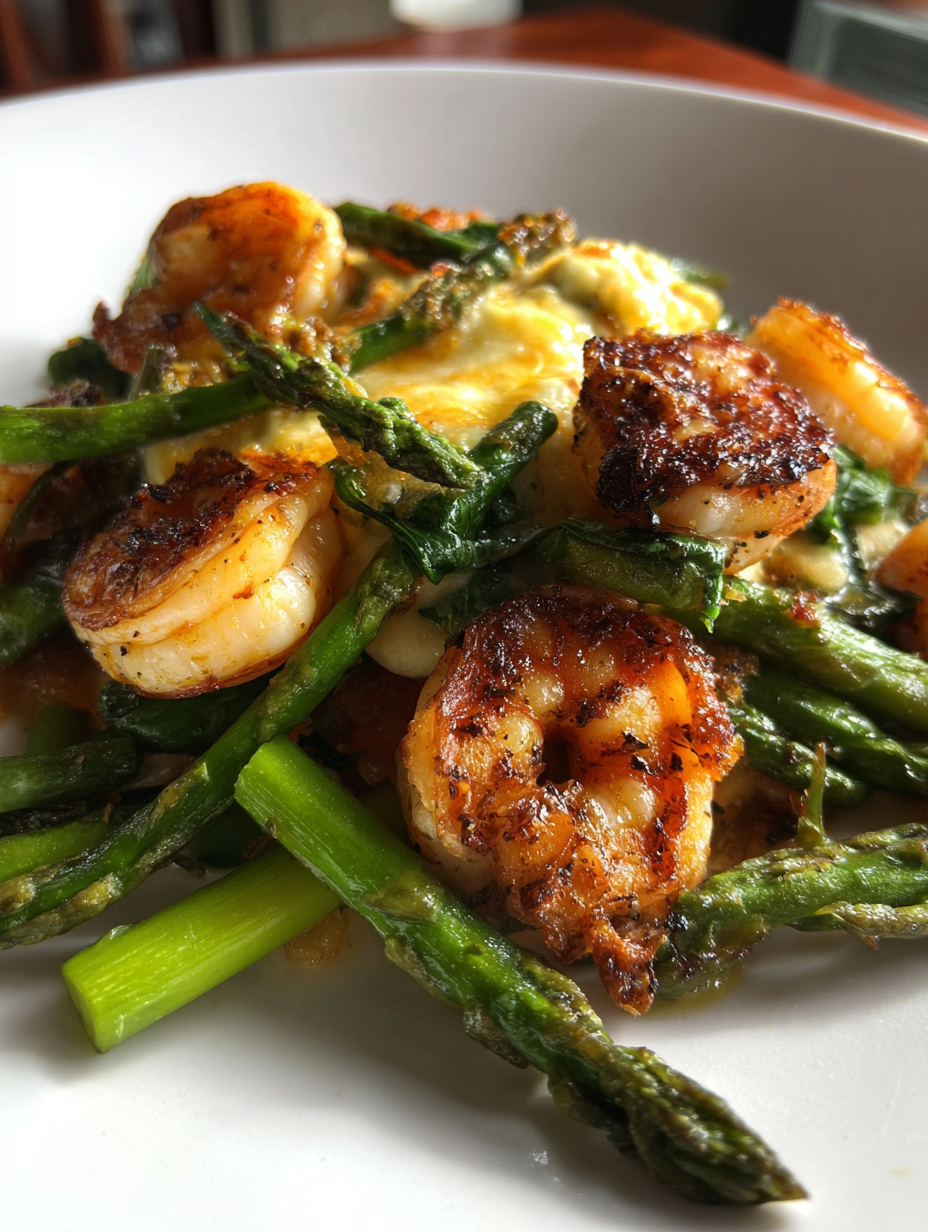
One Pan Shrimp and Asparagus: A Vibrant, Flavor-Packed Meal Ready in 30 Minutes
—
Introduction
There’s something magical about the scent of a meal cooking in the kitchen, especially when it’s a dish you’ve cooked countless times yet still manage to savor. I remember the first time I made One Pan Shrimp and Asparagus on a balmy summer evening. The sun hung low in the sky, casting a golden hue over everything. As I sautéed the shrimp, the aroma of garlic and butter danced around the room, mingling with the fresh, grassy scent of asparagus. That vibrant green, contrasting beautifully against the pinkish hue of the shrimp, made my heart race with anticipation.
The gentle sizzle of the shrimp hitting the hot pan created the perfect soundtrack, mingling with the distant laughter of children playing outside. As I tossed the asparagus with a sprinkle of lemon zest, the kitchen filled with a vibrant, refreshing scent that promised something delightful. Each bite was a burst of flavors: tender shrimp, crisp asparagus, and the zesty brightness from the lemon. It was one of those rare moments in cooking when everything came together seamlessly, and I felt like a culinary genius.
This dish quickly became a favorite not just because of its deliciousness, but also for its simplicity. It showcases how a few quality ingredients can shine when treated with care. You can whip it up in under 30 minutes, making it perfect for busy weeknights or a casual dinner party. As you gather around the table, the vibrant colors and rich aromas invite everyone to dig in. Now, let’s dive into the recipe and discover how you can recreate this enchanting experience in your own kitchen.
—
Why This Recipe Works
The brilliance of One Pan Shrimp and Asparagus lies not just in its simplicity, but in the harmonious balance of flavors and textures. The key flavor combinations at play here — the sweetness of shrimp, the earthy crunch of asparagus, and the bright acidity from lemon — work together effortlessly. Shrimp has a delicate sweetness that complements the slightly bitter undertones of the asparagus, creating a well-rounded bite that excites your palate.
When it comes to texture, the contrast is just as important. The shrimp, when cooked correctly, are tender and succulent, while the asparagus retains a satisfying crunch. This is achieved by cooking the shrimp just until they turn pink and opaque—usually around 2–3 minutes per side—while ensuring the asparagus is cooked but still vibrant and crisp. This careful timing is what sets this dish apart from more generic versions where vegetables might end up mushy or overcooked.
Each ingredient plays a crucial role: garlic adds depth and a savory note, while butter enriches the dish, giving it a luxurious mouthfeel. The lemon zest and juice elevate the flavors, cutting through the richness and providing a refreshing counterpoint. Unlike many restaurant versions that may rely on heavy sauces or overly complicated techniques, this recipe allows the natural flavors to shine, proving that simplicity can lead to extraordinary results.
—
What Makes It Special
What truly sets this One Pan Shrimp and Asparagus apart from restaurant or store-bought versions is its freshness and adaptability. When you make it at home, you have control over every ingredient, ensuring that everything is at peak freshness. This not only enhances the overall flavor but also allows you to customize it to suit your tastes. Whether you prefer a bit more zing from extra lemon juice or a hint of heat from crushed red pepper flakes, the choice is yours.
Another significant benefit of making this dish at home is the cost-effectiveness. Shrimp can be pricey when ordered out, but by purchasing it fresh or frozen from your local market, you can prepare this gourmet meal at a fraction of the price. Plus, you get the satisfaction of creating something delicious right in your own kitchen.
One surprising element that elevates this dish is the addition of toasted pine nuts. Their nutty flavor and crunchy texture add a delightful contrast to the dish, making it not just a meal, but an experience. This simple addition can often be overlooked in other recipes, but I assure you it transforms the dish from basic to breathtaking.
—
Ingredient Breakdown
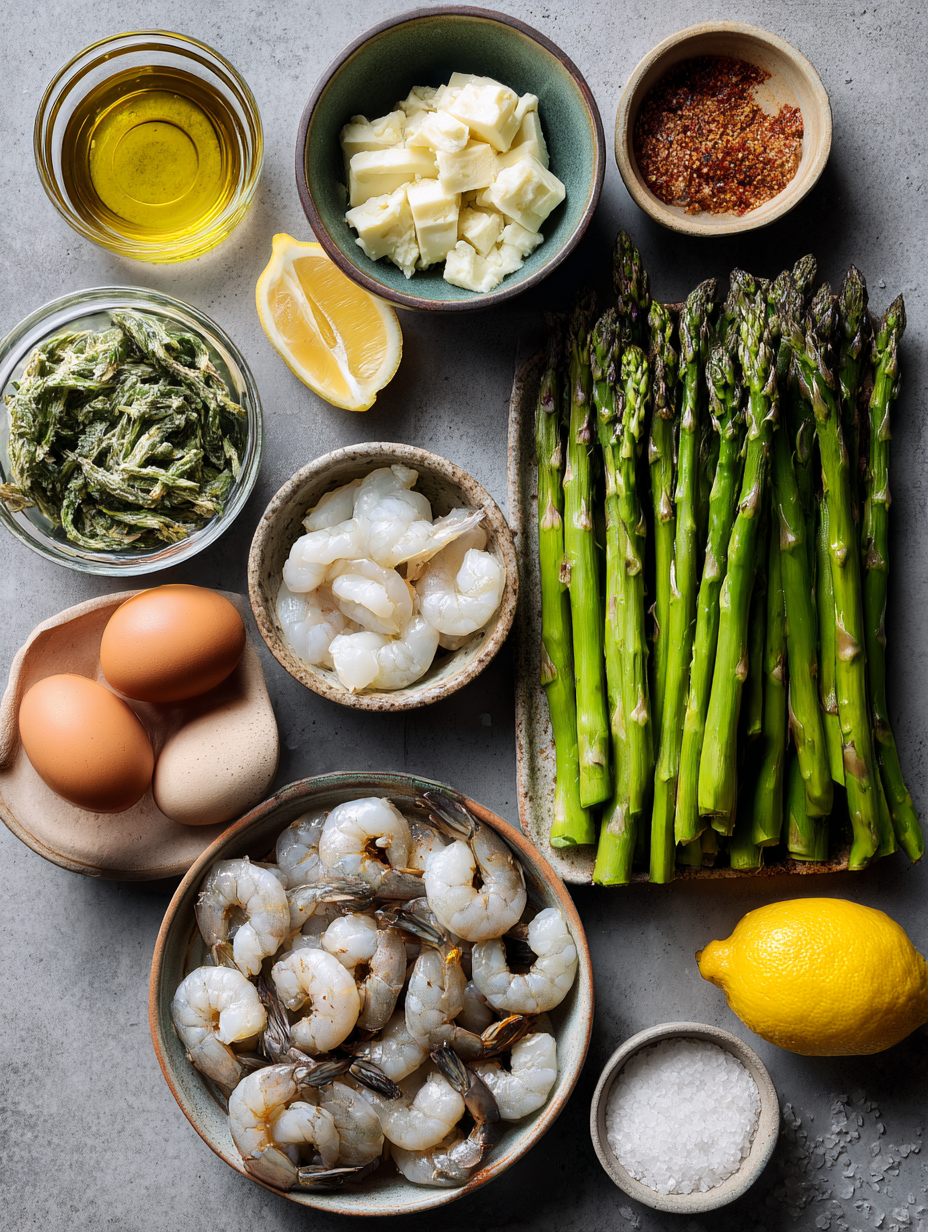
– Shrimp: The star of the dish! You’ll want around 1 pound of large, peeled, and deveined shrimp. Opt for wild-caught if you can, as it often has a superior texture and flavor. If you’re aiming for a specific diet, feel free to use smaller shrimp or even scallops for a twist.
– Asparagus: About 1 pound of fresh asparagus will add vibrant color and a satisfying crunch. Look for bright green stalks with firm tips. If asparagus isn’t in season, you can substitute with broccoli or snap peas for a similar texture.
– Garlic: 3 cloves of minced garlic will infuse the dish with aromatic warmth. Fresh garlic is always best, but you can use pre-minced in a pinch. Just be cautious of the amount, as pre-minced can be stronger.
– Butter: 2 tablespoons of unsalted butter will provide a rich base for sautéing the shrimp and vegetables. For a dairy-free option, you can use olive oil or coconut oil.
– Lemon: The zest and juice of 1 medium lemon will brighten the entire dish. If you prefer a milder citrus flavor, you might consider using lime instead, but the flavor will change.
– Olive Oil: A drizzle of extra virgin olive oil helps in sautéing and adds additional flavor. Alternatively, you could use any neutral oil if you want to keep it light.
– Salt and Pepper: Season to taste, but don’t skimp on this step. A pinch of salt enhances all the natural flavors, while freshly cracked pepper gives a nice kick.
– Pine Nuts: For a delightful crunch, 1/4 cup of toasted pine nuts (optional) can be added at the end. If you need a nut-free option, sunflower seeds are a great alternative.
When selecting ingredients, always aim for the freshest options available. Fresh shrimp should have a slightly sweet smell, not overly fishy. As for asparagus, choose stalks that are firm and snap easily when bent. If you’re looking for specialty ingredients like pine nuts, you can typically find them in the bulk section of health food stores or the international aisle of larger supermarkets.
For those with dietary restrictions, feel free to substitute the butter with dairy-free alternatives, and if you’re looking to make it gluten-free, this dish is naturally gluten-free as written.
—
Equipment Needed
– Large Skillet: A heavy-bottomed skillet is essential for even cooking and achieving a perfect sear on the shrimp. If you don’t have a non-stick option, a well-seasoned cast iron skillet works beautifully too.
– Spatula: A wooden or silicone spatula will help you gently toss the shrimp and asparagus without scratching your pan.
– Zester: A microplane zester is handy for extracting the zest from the lemon, ensuring you get just the bright outer layer without the bitter white pith.
– Measuring Cups and Spoons: Accurate measurements are crucial in cooking! Having a reliable set will ensure you get the right balance of flavors.
– Cutting Board and Knife: A sharp knife and a sturdy cutting board are necessary for chopping garlic and trimming asparagus.
Optional tools could include a food processor if you prefer to chop garlic in bulk or a digital scale for measuring shrimp precisely.
Step-by-Step Instructions
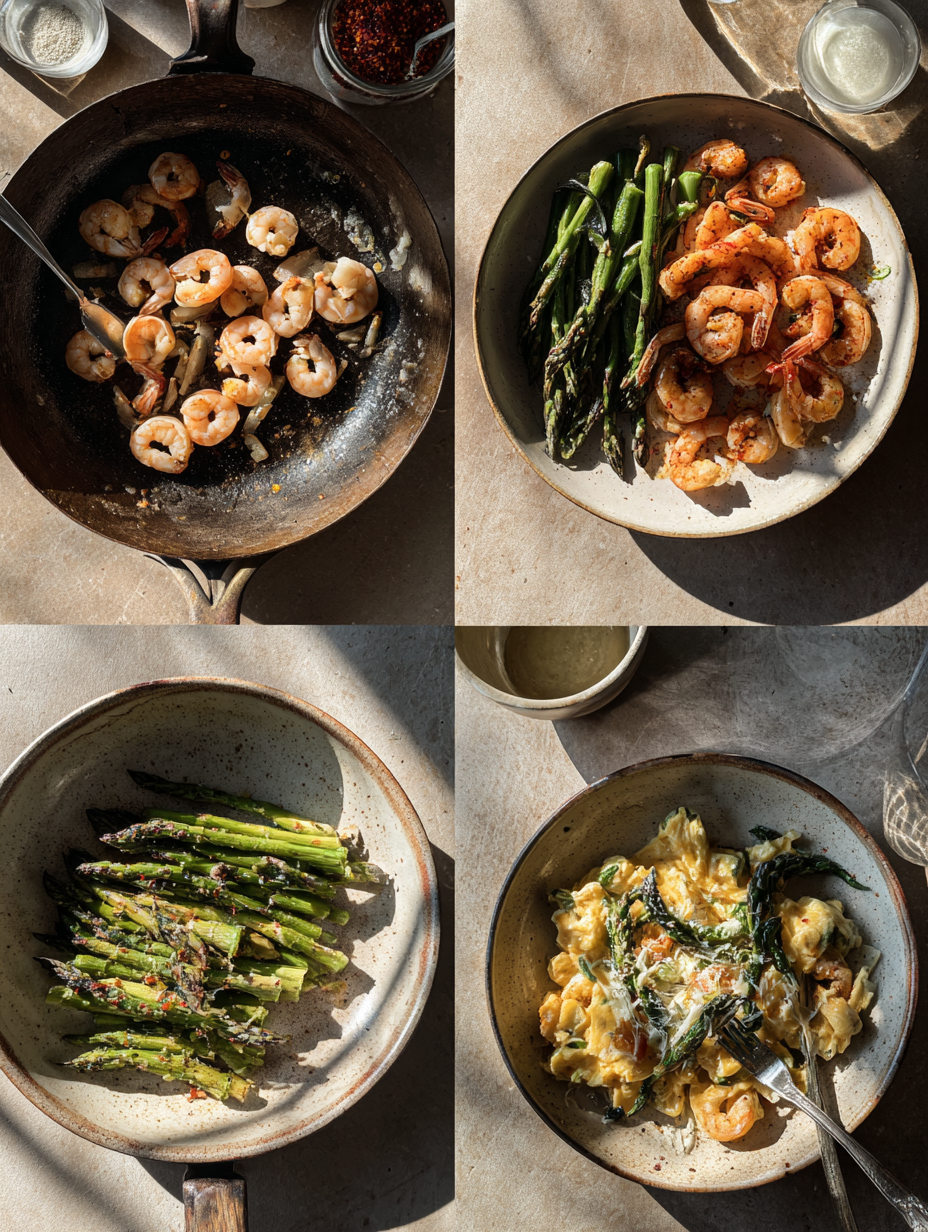
1. Prepare the Ingredients: Start by gathering all your ingredients to ensure a smooth cooking process. You’ll need peeled and deveined shrimp, fresh asparagus, olive oil, garlic, lemon juice, salt, and pepper. Chef’s Note: Use large shrimp for a more satisfying bite. If you buy frozen shrimp, thaw them overnight in the refrigerator or place them in a sealed bag and submerge in cold water for about 20 minutes.
2. Preheat the Oven: Preheat your oven to 400°F (200°C). This temperature will ensure that the shrimp cook evenly and the asparagus gets that nice, crisp-tender texture. Listen for the oven to beep, indicating it has reached the desired temperature before you proceed.
3. Prep the Asparagus: Wash the asparagus under cold water and trim the tough ends, about 1-2 inches from the bottom. You can do this by bending the asparagus gently until it snaps; it will naturally break where the tough part ends. Look for vibrant green stalks that are firm to the touch and free from blemishes.
4. Season the Shrimp and Asparagus: In a large bowl, combine the shrimp and asparagus. Drizzle with 2 tablespoons of olive oil, then add 3 minced garlic cloves, 1 tablespoon of lemon juice, salt, and pepper to taste. Toss until everything is well-coated. Chef’s Note: Make sure your shrimp are thoroughly coated so they absorb all the flavors. You should smell the aromatic garlic as you mix.
5. Arrange on a Baking Sheet: Spread the shrimp and asparagus mixture evenly on a large baking sheet. Ensure they are in a single layer — this will allow everything to roast rather than steam. You should hear a nice, light sizzling sound as the shrimp and asparagus hit the hot pan. Chef’s Note: Line your baking sheet with parchment paper for easier cleanup and to prevent sticking.
6. Roast in the Oven: Place the baking sheet in the preheated oven and roast for 10-12 minutes. The shrimp will turn pink and opaque, and the asparagus should be bright green yet tender. Look for a slight char on the edges of the asparagus, which gives a delightful flavor. Be careful not to overcook the shrimp, as they can become rubbery.
7. Finish and Serve: Once cooked, remove the pan from the oven. You should smell the wonderful aroma of garlic and lemon wafting through your kitchen. Squeeze additional lemon juice over the dish for brightness, and garnish with fresh herbs if desired. Serve immediately for the best texture and flavor.
Pro Tips for the Best Results
1. Use Fresh Ingredients: Fresh shrimp and asparagus yield the best flavor and texture. Fresh shrimp should smell like the ocean — a clean scent, while asparagus should snap when bent. Avoid any that have a fishy odor or wilted stalks.
2. Get the Right Pan: A large, heavy-duty baking sheet ensures even cooking. If your pan is too small, the ingredients may steam instead of roast, resulting in a soggy dish. Opt for a pan that allows space for heat circulation around the shrimp and asparagus.
3. Watch the Cooking Time: Shrimp cook quickly, and overcooking can lead to a rubbery texture. Keep a close eye on them and use a timer. You should see them turn bright pink and opaque within 10-12 minutes.
4. Experiment with Seasonings: While garlic and lemon are classic, don’t shy away from experimenting. Consider adding spices like paprika or cayenne for heat, or fresh herbs like dill or parsley for a flavor boost.
5. Let It Rest: After removing from the oven, let the dish sit for a couple of minutes. This resting period allows the juices to redistribute in the shrimp, ensuring each bite is juicy and full of flavor.
6. Double Up for Meal Prep: This dish holds up well for leftovers. Make a larger batch and store it in an airtight container in the fridge. Simply reheat in the oven or on the stove, but be careful not to overcook it again.
7. Use a Meat Thermometer: To ensure the shrimp are perfectly cooked, a meat thermometer can be a handy tool. The internal temperature should reach 145°F (63°C). This guarantees that your shrimp are safe to eat while still juicy.
Common Mistakes to Avoid
1. Overcrowding the Baking Sheet: When you pile shrimp and asparagus too closely, they can steam instead of roast. This leads to a mushy texture. Always use a large enough baking sheet and arrange the ingredients in a single layer.
2. Not Thawing Shrimp Properly: If you use frozen shrimp straight from the freezer, they may cook unevenly. Always thaw shrimp correctly by leaving them in the refrigerator overnight or using the cold water method for about 20 minutes.
3. Ignoring the Freshness of Ingredients: Using old or wilted asparagus can result in a disappointing dish. Always inspect your vegetables for freshness and snapiness, and choose vibrant, firm asparagus.
4. Not Preheating the Oven: Skipping this step means your dish won’t cook evenly, resulting in undercooked shrimp and soggy asparagus. Always ensure your oven is preheated before placing your pan inside.
5. Overcooking the Shrimp: Shrimp cook very quickly, and leaving them in the oven for too long can make them rubbery. Pay close attention to the color change and remove them from the oven as soon as they turn pink.
6. Skipping the Seasoning: Shrimp and asparagus can be quite bland without proper seasoning. Don’t be shy with your salt, pepper, and lemon juice; these enhance the natural flavors of your ingredients.
7. Not Adjusting for Personal Taste: Everyone’s palate is different, so feel free to adjust the garlic, lemon, and spice levels to your liking. Taste as you go, and make it your own!
Creative Variations
1. Seasonal Variation: Spring Pea and Mint Shrimp – Add fresh peas and chopped mint to the dish during the last 5 minutes of roasting. This brightens the dish and adds a pop of freshness, perfect for spring dining.
2. Dietary-Friendly Version: Keto Shrimp and Asparagus – Replace the standard olive oil with avocado oil for a higher fat content. You can also add some grated parmesan cheese on top before baking for a richer flavor without adding carbs.
3. Gourmet Elevated Version: Lemon Butter Shrimp and Asparagus – Before serving, drizzle melted butter infused with lemon zest and fresh herbs over the dish. This adds a luxurious touch and a depth of flavor that will impress any dinner guest.
4. Quick 15-Minute Version: 15-Minute Sheet Pan Shrimp and Asparagus – Use pre-cooked shrimp and add them to the asparagus after 5 minutes of roasting. This cuts down the cooking time significantly while still delivering a delicious meal.
5. Kid-Friendly Version: Shrimp Tacos with Asparagus – Instead of serving the shrimp and asparagus as is, chop everything into bite-sized pieces and place them in warm tortillas. Offer taco toppings like cheese, sour cream, or salsa for a fun and interactive meal.
6. International Twist: Mediterranean Shrimp and Asparagus – Add olives, sun-dried tomatoes, and feta cheese to the mix before roasting. This variation introduces a wonderful Mediterranean flair, enhancing the flavor profile with briny and tangy elements.
Serving Ideas
When it comes to plating your One Pan Shrimp and Asparagus, presentation is everything. Here are some beautiful ways to serve this dish that will not only taste great but also impress your guests:
1. Layered Elegance: Start by creating a bed of fluffy quinoa or couscous on a large, shallow bowl. Arrange the shrimp and asparagus on top, ensuring the vibrant green of the asparagus and the pink of the shrimp are well-displayed. Garnish with a sprinkle of fresh parsley or chopped chives for a pop of color.
2. Rustic Charm: Serve the dish directly in the skillet for a cozy, rustic feel. Just before serving, drizzle a bit of extra virgin olive oil and a squeeze of fresh lemon juice over the top. Place a few lemon wedges around the skillet for that extra touch.
3. Individual Portions: For an elegant dinner party, plate the shrimp and asparagus on individual white plates. Use a ring mold to create a circle of saffron-infused rice in the center, then arrange the shrimp and asparagus around it. Top with a microgreen salad and a light vinaigrette for an upscale look.
4. Color Contrast: To create visual interest, serve the shrimp and asparagus on a vibrant blue or green plate. Add a garnish of toasted sesame seeds and thinly sliced red chili for a pop of color and a hint of heat. This contrast not only looks stunning but will also entice your guests.
5. Herbaceous Delight: Finish your dish with a generous sprinkle of fresh herbs like dill or basil right before serving. This not only enhances the visual appeal but also adds freshness to each bite. Pair it with a side of crusty bread for sopping up any delicious juices left on the plate.
What to Serve With
To elevate your One Pan Shrimp and Asparagus, consider pairing it with these complementary dishes:
1. Garlic Bread: The buttery, garlicky flavor of this classic starter beautifully contrasts with the lightness of the shrimp and asparagus, making it a beloved choice.
2. Lemon Basil Pasta Salad: This refreshing salad with its tangy lemon dressing and fresh basil adds a cool, creamy texture that balances the sautéed shrimp and crisp asparagus perfectly.
3. Chilled White Wine: A glass of Sauvignon Blanc offers a zesty acidity that complements the dish’s flavors, enhancing the natural sweetness of the shrimp while cutting through the richness of the olive oil.
4. Caprese Salad: The bright flavors of fresh tomatoes, mozzarella, and basil contrast beautifully with the savory shrimp. It adds a refreshing touch with its juicy bites and creamy texture.
5. Coconut Rice Pudding: To finish off the meal, this creamy and subtly sweet dessert provides a delightful textural contrast, soothing the palate after the savory main course.
6. Grilled Corn on the Cob: The sweet and smoky flavors of charred corn add a delightful crunch that complements the tenderness of the shrimp and asparagus, while the bright yellow color adds visual appeal.
Storage Guide
Storing your leftovers properly is crucial to maintaining the flavors and textures of your One Pan Shrimp and Asparagus. Follow these steps for optimal preservation:
– Container Type: Use an airtight glass container to store your leftovers. Glass is ideal as it doesn’t retain odors and is safe for reheating.
– Temperature: Place the container in your refrigerator, which should be at or below 40°F (4°C).
– Duration: Your leftovers can be stored for up to 3 days. Beyond this, the shrimp may begin to lose its freshness, and the asparagus could become mushy.
– Signs of Spoilage: If you notice an off smell, slimy texture, or discoloration, it’s time to discard the leftovers.
– Refreshing Before Serving: To bring the dish back to life, consider adding a splash of fresh lemon juice or a drizzle of olive oil before reheating. This will help restore moisture and flavor, making it as delightful as the first time you served it.
Freezing Tips
If you’re looking to extend the life of your One Pan Shrimp and Asparagus, here’s how to freeze it properly:
– Freezing Capability: While this dish can be frozen, be aware that shrimp may lose some texture upon thawing. If you don’t mind this, go ahead!
– Portioning: Divide the dish into single-serving portions. This makes it easier to thaw just what you need later.
– Wrapping Method: Use freezer-safe bags or airtight containers to prevent freezer burn. Remove as much air as possible to maintain quality.
– Labeling: Don’t forget to label each bag or container with the date and contents. This way, you’ll easily remember what you have on hand.
– Storage Time: Properly stored, it will keep for up to 3 months in the freezer.
– Quality Changes: Expect a slight change in texture after thawing, but the flavors should still be intact.
– Best Thawing Method: The best way to thaw is in the refrigerator overnight. If you’re in a hurry, you can use the microwave on the defrost setting, but be cautious to avoid cooking the shrimp.
Reheating Guide
When it’s time to enjoy your leftovers, here’s how to reheat your One Pan Shrimp and Asparagus while keeping it fresh:
– Microwave: Place your serving in a microwave-safe dish, cover it with a damp paper towel, and heat on medium power for about 1-2 minutes. This helps to maintain moisture and prevents the shrimp from drying out.
– Oven: Preheat your oven to 350°F (175°C). Place the dish in an oven-safe container, cover it with aluminum foil to keep the moisture in, and heat for about 10-15 minutes until warmed through.
– Stovetop: Heat a skillet over medium heat and add a splash of olive oil or broth to prevent sticking. Gently warm the shrimp and asparagus for about 3-5 minutes, stirring occasionally, until heated through.
– Texture Restoration: Adding a little extra olive oil or a splash of lemon juice while reheating can help revive the dish’s original flavors and textures, making it a delightful second serving.
Nutrition Overview
Each serving of your One Pan Shrimp and Asparagus is not only delicious but also nutritious. Here’s a breakdown of the approximate nutritional values per serving:
– Calories: 300
– Protein: 25g
– Carbohydrates: 20g
– Fat: 12g
– Fiber: 4g
– Sugar: 3g
Key ingredients like shrimp provide an excellent source of lean protein, while asparagus is rich in vitamins A, C, E, and K, promoting healthy skin and vision. The addition of olive oil offers healthy fats that support heart health, making this dish not just a meal but a nourishing choice for your body.
Frequently Asked Questions
Q: Can I use frozen shrimp for this recipe?
A: Yes, you can use frozen shrimp. Just make sure to thaw them completely before cooking for even cooking and better texture. You can thaw them overnight in the refrigerator or place them in a bowl of cold water for quicker results.
Q: What can I use instead of asparagus?
A: If asparagus isn’t available, consider using broccoli, green beans, or even zucchini. These vegetables will also cook well in the same timeframe and add a lovely crunch to your dish.
Q: How do I make this dish gluten-free?
A: The recipe is naturally gluten-free, but be sure to check the labels on any sauces or seasonings you use. For additional flavor, you can add gluten-free soy sauce or tamari.
Q: Can I prepare this dish ahead of time?
A: Yes, you can prep the shrimp and vegetables a few hours ahead. Just store them separately in the refrigerator. When you’re ready to cook, just toss them together and follow the cooking instructions.
Q: How can I make this dish dairy-free?
A: This recipe is already dairy-free, but if you’re adding any sauces or toppings, ensure they are dairy-free as well. You can enhance the flavor with additional herbs or spices instead.
Q: How long does it take to cook shrimp?
A: Shrimp cook very quickly, usually in about 3-5 minutes on medium heat. Keep an eye on them; they’re done when they turn pink and opaque. Overcooking can lead to rubbery shrimp.
Q: What equipment do I need for this recipe?
A: You’ll need a large skillet or sauté pan for cooking. A spatula or tongs will be helpful for flipping the shrimp. If you’re using a lid, it can help speed up cooking by trapping heat.
Q: Can I add other proteins to this dish?
A: Absolutely! Feel free to mix in chicken or tofu for added protein. Just be mindful of the cooking times, as they may vary depending on the protein used.
Final Thoughts
As you dive into making your One Pan Shrimp and Asparagus, remember to keep an eye on the shrimp to avoid overcooking and ensure it stays tender and juicy. This dish is not only quick and easy but also a stunning centerpiece for any meal. I genuinely hope you enjoy every bite and feel inspired by the vibrant colors and flavors.
I invite you to whip this up for your next dinner, and don’t forget to share your results — I’d love to see how your dish turns out! Cook with joy and savor the moments around the table.