Follow Me On Pinterest!
Easy 30-Minute Veggie Stir-Fry

Quick, Colorful, and Packed with Flavor: Your Go-To Veggie Solution
—
Introduction
As the sun dipped below the horizon, casting a warm golden glow through your kitchen window, the scents of garlic and ginger began to swirl in the air. You stood by the stove, the comforting sound of sizzling vegetables filling the room. This was your 30-Minute Veggie Stir-Fry, a dish you had come to rely on during busy weeknights and lazy weekends alike.
You fondly recall the first time you made it — a spontaneous decision driven by a crisper drawer overflowing with vibrant produce. You chopped the bell peppers into bright, cheerful strips, the broccoli florets bursting with a rich green hue, and the carrots, their orange tones almost radiant. Each slice, each crunch, was a reminder of how simple ingredients could come together to create something extraordinary.
As the vegetables danced in the pan, you added just the right amount of soy sauce, and the aroma enveloped you like a warm hug, making your mouth water in anticipation. The texture was a delightful medley — tender yet crisp, every bite bursting with freshness. This dish was not just a meal; it was a celebration of colors, flavors, and the joy of cooking.
Over time, this veggie stir-fry became more than just a quick fix; it became a canvas for your creativity. You began experimenting with different vegetables, sauces, and spices, each time transforming the dish into something new yet comfortingly familiar. It was a reminder that cooking could be both easy and fulfilling, no matter how hectic life got. And now, I want to share this recipe with you, so you can also experience the joy of creating something deliciously wholesome in just thirty minutes.
—
Why This Recipe Works
The magic behind this Easy 30-Minute Veggie Stir-Fry lies in the balance of flavors and textures that come together in a symphony of deliciousness. You’ve got your umami kick from the soy sauce, the subtle sweetness of bell peppers, and the earthy undertones of broccoli and carrots. This combination creates a mouthwatering experience that is both satisfying and nutritious.
Key Flavor Combinations
The interplay of ingredients is vital. Using fresh garlic and ginger not only enhances the dish’s aroma but also adds depth. These aromatics serve as a base, infusing the vegetables with a rich flavor profile that elevates the overall dish. The addition of a splash of sesame oil at the end provides a nutty finish that lingers on your palate, making each bite memorable.
Texture Contrasts
Achieving the right textures is equally crucial. You want the stir-fried vegetables to retain a delightful crunch while being cooked through. This is where the technique of high-heat cooking shines. The quick sautéing ensures that the veggies keep their vibrant colors and crispness, avoiding the mushiness that often plagues stir-fries.
Role of Each Ingredient
Every ingredient plays a specific role in this dish. The bell peppers add sweetness and color, while the broccoli contributes not only nutrients but also a sturdy bite. The carrots bring a slight earthiness and natural sweetness, harmonizing beautifully with the savory sauce. What sets your version apart from generic stir-fries is the attention to freshness and balanced proportions that allow each flavor to shine.
—
What Makes It Special
This Easy 30-Minute Veggie Stir-Fry isn’t just another quick recipe; it’s a celebration of freshness and customization that far surpasses anything you’d find in a takeout container or a frozen meal. Here are a few standout qualities of this dish:
– Freshness at Your Fingertips: When you make it at home, you control the quality of your ingredients. You can use the freshest seasonal produce, ensuring vibrant colors and maximum flavor, unlike the oftentimes wilted vegetables in takeout.
– Cost-Effective: Preparing this stir-fry at home is not only a healthier choice but also a more economical one. You can whip up a hearty meal for a fraction of the cost of ordering takeout, especially when you buy ingredients in bulk.
– Customization: One of the most exciting aspects of this dish is its versatility. Whether you’re in the mood for a spicy kick or a hint of sweetness, you can easily adjust the flavors to suit your palate. Want to add some tofu or chicken? Go for it! The possibilities are endless.
– Surprising Elevation: The addition of a splash of lime juice or a sprinkle of sesame seeds at the end can transform this dish into something truly special, adding brightness and a hint of crunch that takes it from ordinary to extraordinary.
—
Ingredient Breakdown
1. Bell Peppers (1-2, sliced): These colorful gems add sweetness and a satisfying crunch to your stir-fry. You can choose any color you prefer — red, yellow, or green. Each offers a slightly different flavor profile, but all are delicious!
2. Broccoli (1 cup, chopped): This cruciferous vegetable is not only nutrient-dense but also provides a hearty texture that holds up well during cooking. Make sure to chop it into bite-sized florets for even cooking.
3. Carrots (1 cup, julienned or sliced): Carrots add a natural sweetness and vibrant color. Their firm texture makes them a perfect candidate for quick stir-frying. You can cut them into thin strips or matchsticks for a beautiful presentation.
4. Garlic (2-3 cloves, minced): One of the stars of this dish, fresh garlic adds a bold flavor that complements the vegetables perfectly. Minced garlic releases its oils, infusing the stir-fry with a rich aroma.
5. Ginger (1 tablespoon, minced): Fresh ginger provides warmth and a slight zing that brightens the dish. It pairs beautifully with garlic, enhancing the overall flavor.
6. Soy Sauce (3 tablespoons): This is your umami powerhouse, tying all the flavors together. Opt for low-sodium soy sauce if you prefer to control the saltiness.
7. Sesame Oil (1 tablespoon): A drizzle of sesame oil at the end brings a nutty depth that elevates the entire dish. It’s a finishing touch that makes a world of difference.
8. Optional Proteins (like tofu or chicken): If you want to add protein to your stir-fry, diced tofu or chicken breast can be incorporated easily. They both absorb the stir-fry sauce beautifully, enhancing the flavor.
Substitution Options:
– Dairy-Free/Vegan: This recipe is naturally dairy-free. Simply omit any cheese or cream.
– Gluten-Free: Use tamari instead of soy sauce.
– Customizable: Feel free to swap out any vegetables based on what’s in season or what you have on hand. Just remember to adjust cooking times for different textures!
Specialty Ingredients:
Most of these ingredients can be found at your local grocery store, but if you’re looking for fresh ginger or high-quality soy sauce, consider visiting an Asian market for the best selection.
—
Equipment Needed
To whip up your Easy 30-Minute Veggie Stir-Fry, you’ll need a few essential tools:
1. Wok or Large Skillet: A wok is ideal for stir-frying due to its high sides and even heat distribution, allowing you to toss your vegetables without spilling. However, a large skillet works just as well if that’s what you have on hand.
2. Spatula or Wooden Spoon: A sturdy spatula is essential for stirring and tossing the vegetables as they cook, ensuring they get evenly coated with the sauce and don’t stick to the pan.
3. Cutting Board and Sharp Knife: A good knife makes quick work of chopping your vegetables, while a sturdy cutting board provides a safe surface.
4. Measuring Cups and Spoons: Precision is key, especially when it comes to sauces and oils. Having these on hand ensures you get the right flavors.
5. Optional: Steamer Basket: If you prefer to steam your broccoli slightly before adding it to the stir-fry, a steamer basket can be a great addition.
Using these basic tools will help you create a perfectly balanced stir-fry, allowing you to focus on the joy of cooking and the delightful aromas wafting through your kitchen.
Step-by-Step Instructions
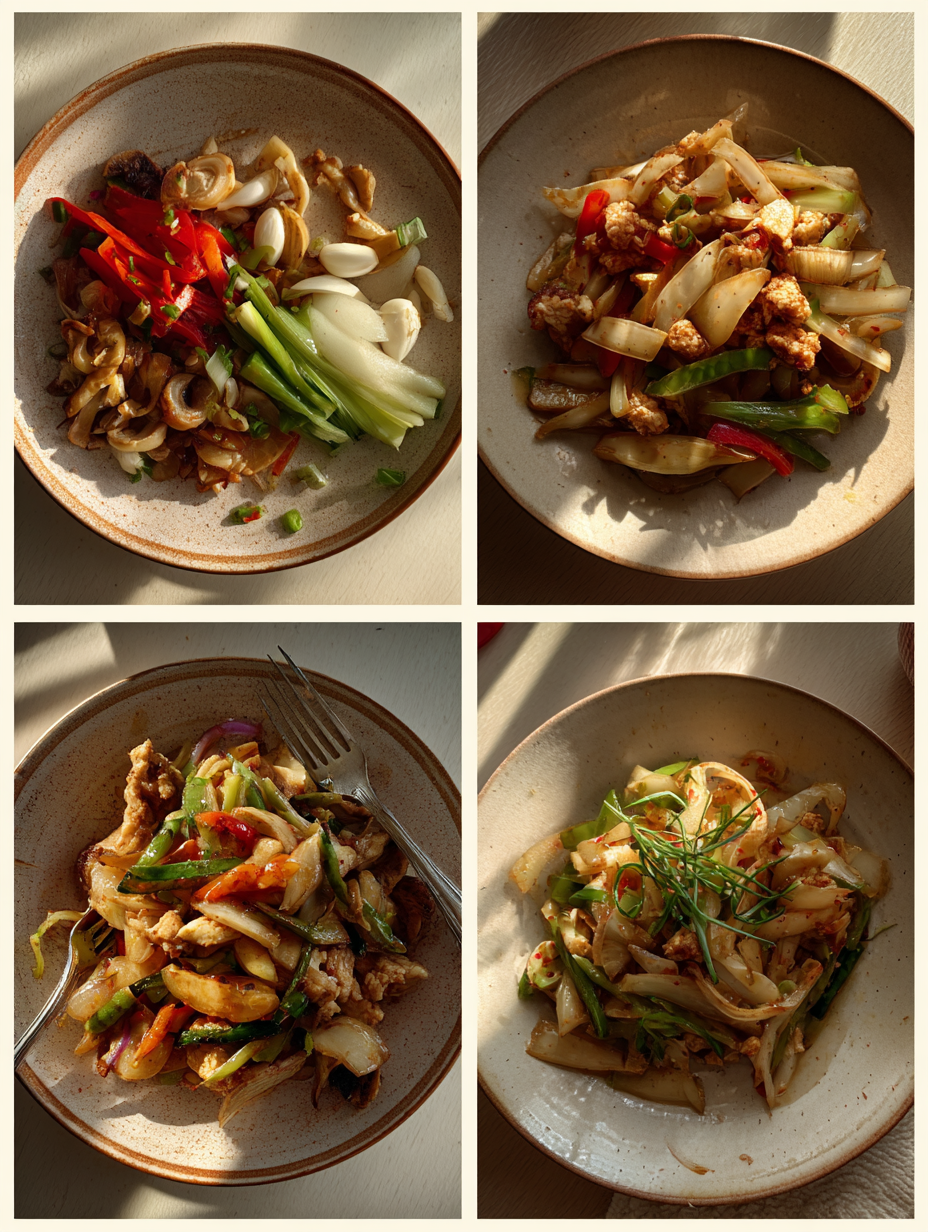
1. Prepare Your Ingredients
Begin by washing and chopping your vegetables into uniform pieces. Aim for bite-sized chunks for even cooking; this usually means 1-inch pieces for most vegetables. As you chop, take a moment to smell the fresh produce — the crispness of bell peppers and the earthiness of carrots should awaken your senses. Set aside your chopped veggies in a large bowl. Chef’s Note: Having everything prepped before you start cooking is essential since stir-frying is a quick process.
2. Heat the Pan
Place a wok or a large skillet over medium-high heat and allow it to warm up for about 2 minutes. As the pan heats, drizzle in a tablespoon of neutral oil (like canola or vegetable oil). You’ll know it’s ready when the oil shimmers and begins to swirl easily across the surface of the pan. If you see a slight wisp of smoke, that’s your cue to add the vegetables. Chef’s Note: A hot pan is crucial for achieving that desirable stir-fry char.
3. Add the Aromatics
Once your oil is shimmering, toss in minced garlic and ginger (about 1 tablespoon each). Stir them quickly for 30 seconds, allowing them to infuse the oil. You should hear a sizzle as they hit the hot pan, and the smell of garlic and ginger should fill your kitchen, creating a warm aroma. Be careful not to burn them—you’re aiming for a golden hue, not brown, as burnt aromatics can make your dish bitter.
4. Stir-Fry the Vegetables
Add your chopped vegetables to the pan all at once. Use a spatula to stir-fry them vigorously for 3-5 minutes. The key here is to keep the veggies moving constantly to prevent them from sticking. You want to hear that satisfying sizzling sound while they cook. The vegetables should become vibrant in color and tender-crisp; they should still have a slight crunch when bitten into. Chef’s Note: If you’re using heartier vegetables like broccoli or carrots, add them first and give them a head start for a minute or so before adding softer ones like bell peppers or zucchini.
5. Incorporate Sauce and Seasoning
Once the veggies are cooked to your liking, lower the heat slightly and add your stir-fry sauce (about 1/4 cup). This could be a mix of soy sauce, sesame oil, and a splash of rice vinegar. Stir well to coat all the vegetables, ensuring they absorb the flavors while cooking for an additional 1-2 minutes. You should hear a gentle sizzle as the sauce caramelizes slightly. The aroma should become more pronounced, with a sweet and savory scent mingling together.
6. Finish with Fresh Herbs and Serve
Just before removing from heat, toss in a handful of freshly chopped herbs (such as cilantro or green onions) for brightness. Give everything a final stir and remove from heat immediately to prevent overcooking. The vegetables should glisten with sauce and look inviting. Serve your stir-fry over steamed rice or noodles, and enjoy the vibrant colors and enticing aromas.
Pro Tips for the Best Results
1. Use High Heat
Cooking on high heat ensures that your vegetables cook quickly while retaining their crispness. This method prevents them from becoming soggy and allows for the characteristic stir-fry sear that enhances flavor.
2. Prep Veggies in Advance
Since stir-frying is a fast-paced cooking method, having your ingredients chopped and ready will keep the cooking process smooth. The quicker you can get everything into the pan, the better your results will be.
3. Vary Your Oils
While neutral oils are great for a classic stir-fry, experimenting with oils—like sesame or avocado—can add unique flavors. Just be cautious of the smoke point; oils with lower smoke points should be added later in the cooking process.
4. Layer Flavors
Start with aromatics (garlic, ginger), then build layers of flavor by adding sauces gradually. This allows each ingredient to shine and gives the dish depth.
5. Don’t Crowd the Pan
If you have a lot of vegetables, cook them in batches. Overcrowding will trap steam and lead to soggy veggies instead of a beautiful stir-fry.
6. Invest in a Good Wok
A carbon steel wok is ideal for stir-frying, as it heats evenly and quickly. The shape allows for easy tossing of ingredients, ensuring everything cooks uniformly.
7. Use Fresh Ingredients
Fresh, seasonal vegetables not only taste better but also provide more nutrients. When shopping, look for vibrant colors and firm textures to ensure freshness.
8. Adjust Cooking Times by Vegetable
Different vegetables have different cooking times; start with harder vegetables (like broccoli and carrots) before adding softer ones (like bell peppers and snap peas) to ensure everything is cooked perfectly.
Common Mistakes to Avoid
1. Overcrowding the Pan
When you add too many ingredients at once, they steam instead of sear. This results in a mushy stir-fry. The correct approach is to cook in batches if necessary, allowing the vegetables enough space to breathe.
2. Using Low Heat
Cooking on low heat can lead to soggy vegetables that lack the desired char. Always use medium-high heat to get that perfect sear and texture.
3. Adding Sauce Too Early
Adding sauce at the beginning can cause it to burn and stick to the pan. Instead, wait until the vegetables are nearly cooked through before incorporating the sauce for the best flavor and texture.
4. Not Prepping Ingredients First
Stir-frying is a fast process. If you don’t prep your ingredients first, you risk burning the garlic or overcooking the vegetables while you chop. Take the time to prepare your ingredients beforehand.
5. Ignoring Cooking Times
Different vegetables require different cooking times. If you add soft and hard vegetables simultaneously, you’ll end up with unevenly cooked results. Start with harder veggies and add softer ones later.
6. Using Old Oil
Old or rancid oil can impart undesirable flavors to your dish. Always use fresh oil, and pay attention to its smell. If it smells off, discard it.
7. Skipping Fresh Herbs
Fresh herbs brighten up the dish and elevate the flavors, providing a contrast to the cooked ingredients. Don’t skip this step; add them just before serving for the best impact.
Creative Variations
1. Seasonal Variation
In the spring, try using fresh asparagus and snap peas for a vibrant twist. Simply substitute these seasonal favorites into your stir-fry for a fresh crunch and a burst of color.
2. Dietary-Friendly Version
To make this recipe vegan, replace the soy sauce with tamari or coconut aminos and use vegetable broth instead of any meat-based sauces. This retains the depth of flavor while ensuring it’s plant-based and gluten-free.
3. Gourmet Elevated Version
For a restaurant-quality upgrade, add sliced shiitake mushrooms and finish with a drizzle of truffle oil before serving. This brings an earthy richness that elevates the dish to gourmet status.
4. Quick 15-Minute Version
Simplify your stir-fry by using pre-cut frozen mixed vegetables. Sauté them in a hot pan for about 5-7 minutes, then add your sauce for a quick and easy meal that’s ready in no time.
5. Kid-Friendly Version
To appeal to children, use sweet bell peppers, baby corn, and broccoli, and serve with a mild teriyaki sauce. You can also cut the veggies into fun shapes to make it more visually appealing.
6. International Twist
For a Thai-inspired version, add a tablespoon of red curry paste and coconut milk to your sauce. This creamy addition transforms your stir-fry into a delicious fusion that’s packed with flavor.
Serving Ideas
When it comes to presenting your Easy 30-Minute Veggie Stir-Fry, you have a world of options to make it truly stunning. Here are a few beautiful ways to plate and serve this colorful dish:
1. Colorful Layers: Start with a base of fluffy jasmine rice or quinoa. Gently mound your stir-fry on top, allowing the vibrant colors of the veggies to cascade down the sides. Drizzle with a touch of soy sauce or sesame oil for a glossy finish.
2. Bowl Bliss: Use a deep, wide bowl to showcase the stir-fry. Layer the bottom with crunchy salad greens, then add the stir-fry on top. Finish with a sprinkle of toasted sesame seeds and a few slices of fresh avocado for a creamy contrast.
3. Lively Platter: Serve your stir-fry on a large, white serving platter. Arrange the veggies in a circular pattern, and place some vibrant edible flowers like nasturtiums or pansies for a pop of color. This makes a striking centerpiece for a casual dinner.
4. Garnish Galore: Don’t forget to garnish! Chopped green onions, fresh cilantro, or a wedge of lime can brighten the dish visually and add a burst of flavor. For an extra crunch, toss on some crushed peanuts or cashews right before serving.
5. Individual Portions: For a more elegant touch, serve the stir-fry in small, individual bowls. This allows guests to appreciate the colors and textures up close. You can also add a small side of sriracha or chili paste for those who crave heat.
With these plating ideas, you’ll not only create a delightful meal but also inspire your family and friends to dig in eagerly.
What to Serve With
Pairing the Easy 30-Minute Veggie Stir-Fry with complementary dishes can elevate your meal to the next level. Here are some delightful suggestions:
1. Crispy Spring Rolls: These light, crunchy bites contrast beautifully with the tender veggies in your stir-fry. Their crispy exterior offers a satisfying texture that balances the softness of the stir-fried vegetables.
2. Mango Lassi: This creamy, fruity drink brings a refreshing sweetness to your meal. The coolness of the yogurt-based lassi contrasts with the savory stir-fry, making each bite and sip a delightful experience.
3. Sesame Garlic Noodles: These noodles, tossed in a garlicky sesame sauce, harmonize perfectly with your veggie stir-fry. Their richness complements the lighter veggies, and the added texture enhances the overall meal.
4. Thai Coconut Soup: Serve a small bowl of this fragrant soup as a starter. The creamy coconut and aromatic spices create a warm, inviting contrast to the fresh stir-fry, bringing together the essence of Thai cuisine beautifully.
5. Pineapple Fried Rice: The sweetness of pineapple in fried rice balances the savory flavors of your stir-fry. Plus, the vibrant colors of the rice dish make for a visually stunning plate.
6. Coconut Sorbet: End your meal on a refreshing note with a scoop of coconut sorbet. Its lightness and tropical flavor provide a clean finish to the rich stir-fry, leaving your palate refreshed.
With these pairings, you’ll create a well-rounded meal that delights the senses.
Storage Guide
To store your Easy 30-Minute Veggie Stir-Fry properly, follow these guidelines to maintain its freshness:
– Container Type: Use an airtight glass container for storage. Glass is non-reactive and helps preserve the flavors without any unwanted leaching.
– Temperature: Store your stir-fry in the refrigerator at 40°F (4°C) or below. This helps inhibit bacterial growth and keeps your meal safe to eat.
– Shelf Life: Your stir-fry will keep well for up to 3 days in the fridge. After this, the flavors can start to deteriorate and the veggies may lose their crunch.
– Signs of Spoilage: Check for any off odors, a slimy texture, or discoloration of vegetables. If any of these signs are present, it’s best to discard the stir-fry.
– Refreshing Before Serving: When you’re ready to enjoy leftovers, consider adding a splash of vegetable broth or a few drops of soy sauce while reheating. This will help restore moisture and enhance the flavors, making it taste freshly made.
By following these storage tips, you can enjoy your stir-fry multiple times without sacrificing quality.
Freezing Tips
Yes, your Easy 30-Minute Veggie Stir-Fry does freeze well, making it an excellent option for meal prep. Here’s how to do it right:
– Portioning: Divide the stir-fry into suitable meal-sized portions. This way, you can thaw only what you need.
– Wrapping Method: Use freezer-safe plastic containers or heavy-duty freezer bags. If using bags, squeeze out as much air as possible before sealing to prevent freezer burn.
– Labeling: Don’t forget to label your containers with the date and contents, so you know what you have on hand.
– Storage Duration: The stir-fry will keep well in the freezer for up to 3 months.
– Quality Changes: While the flavor remains intact, you may notice a slight change in texture after thawing due to the water content in the veggies.
– Best Thawing Method: The ideal way to thaw is by placing the container in the fridge overnight. If you’re short on time, you can also use the microwave’s defrost setting, but be cautious to avoid cooking the vegetables in the process.
By following these tips, you can enjoy your stir-fry even on busy days.
Reheating Guide
Reheating your Easy 30-Minute Veggie Stir-Fry properly will help restore its delightful texture and flavor. Here are some specific reheating instructions:
– Microwave: Place the stir-fry in a microwave-safe dish and cover it with a damp paper towel to prevent drying out. Heat on high for 2-3 minutes, stirring halfway through, until hot.
– Oven: Preheat your oven to 350°F (175°C). Spread the stir-fry in an even layer on a baking sheet and cover with foil. Heat for about 10-15 minutes, checking frequently, until warmed through.
– Stovetop: Heat a skillet over medium heat and add a splash of vegetable broth or a bit of oil to prevent sticking. Add the stir-fry and cook for about 5-7 minutes, stirring occasionally, until heated through.
– Texture and Flavor Tips: To refresh the flavors, consider adding a splash of soy sauce or a sprinkle of fresh herbs during reheating. This will help to bring the dish back to life.
These methods will ensure your stir-fry tastes just as good as it did when you first made it.
Nutrition Overview
Your Easy 30-Minute Veggie Stir-Fry is not just a feast for the eyes but also a nutritious powerhouse. Here’s a rough breakdown of its nutritional values per serving:
– Calories: Approximately 250
– Protein: 8g
– Carbohydrates: 40g
– Fat: 6g
– Fiber: 5g
– Sugar: 5g
Key ingredients like broccoli and bell peppers offer significant health benefits. Broccoli is packed with vitamins C and K, supporting immune function and bone health, while bell peppers are rich in antioxidants and vitamins A and C, promoting healthy skin and vision.
By choosing this stir-fry, you’re not just treating your taste buds; you’re also giving your body a nutritious boost!
Frequently Asked Questions
Q: Can I substitute different vegetables in this stir-fry?
A: Absolutely! Feel free to swap in your favorite veggies such as zucchini, asparagus, or snap peas. Just keep in mind that cooking times may vary, so add harder vegetables first and softer ones later.
Q: Is this stir-fry suitable for vegan diets?
A: Yes, this recipe is fully vegan! You can enhance flavor with plant-based sauces like tamari or coconut aminos for a gluten-free option.
Q: How can I make this stir-fry gluten-free?
A: To make your stir-fry gluten-free, simply use tamari instead of regular soy sauce. Additionally, ensure any added sauces or condiments are labeled gluten-free.
Q: How long does it take to prepare the ingredients?
A: You can expect to spend about 10-15 minutes prepping your vegetables. Having everything chopped and ready before you start cooking will streamline the process.
Q: What type of pan is best for stir-frying?
A: A wok is ideal for stir-frying due to its shape and high sides, allowing for even cooking and easy tossing. If you don’t have one, a large skillet will work just fine.
Q: Can I add protein to this stir-fry?
A: Definitely! You can include tofu, tempeh, or even cooked chicken or shrimp for added protein. Just make sure to adjust the cooking time accordingly.
Q: How do I prevent my vegetables from getting soggy?
A: To maintain crispiness, avoid overcrowding the pan and cook over high heat. Stir-fry in batches if necessary, and add a splash of liquid only when needed.
Q: Can I use frozen vegetables instead of fresh?
A: Yes, although fresh vegetables typically have a better texture. If using frozen, be sure to thaw and drain excess moisture to avoid a watery stir-fry.
Final Thoughts
As you embark on making your Easy 30-Minute Veggie Stir-Fry, remember to prep all your ingredients beforehand to ensure a smooth cooking experience. This dish isn’t just quick; it’s also a canvas for your creativity and a fantastic way to incorporate seasonal vegetables into your meals.
I genuinely hope you enjoy preparing and savoring this delightful stir-fry as much as I do. Don’t hesitate to make it your own by adding your favorite veggies or proteins. After you whip it up, I would love to see your version — share your culinary creation and let’s celebrate delicious home cooking together!
Now, go grab those vibrant veggies and get cooking!