Follow Me On Pinterest!
One Pan Teriyaki Salmon and Veggies

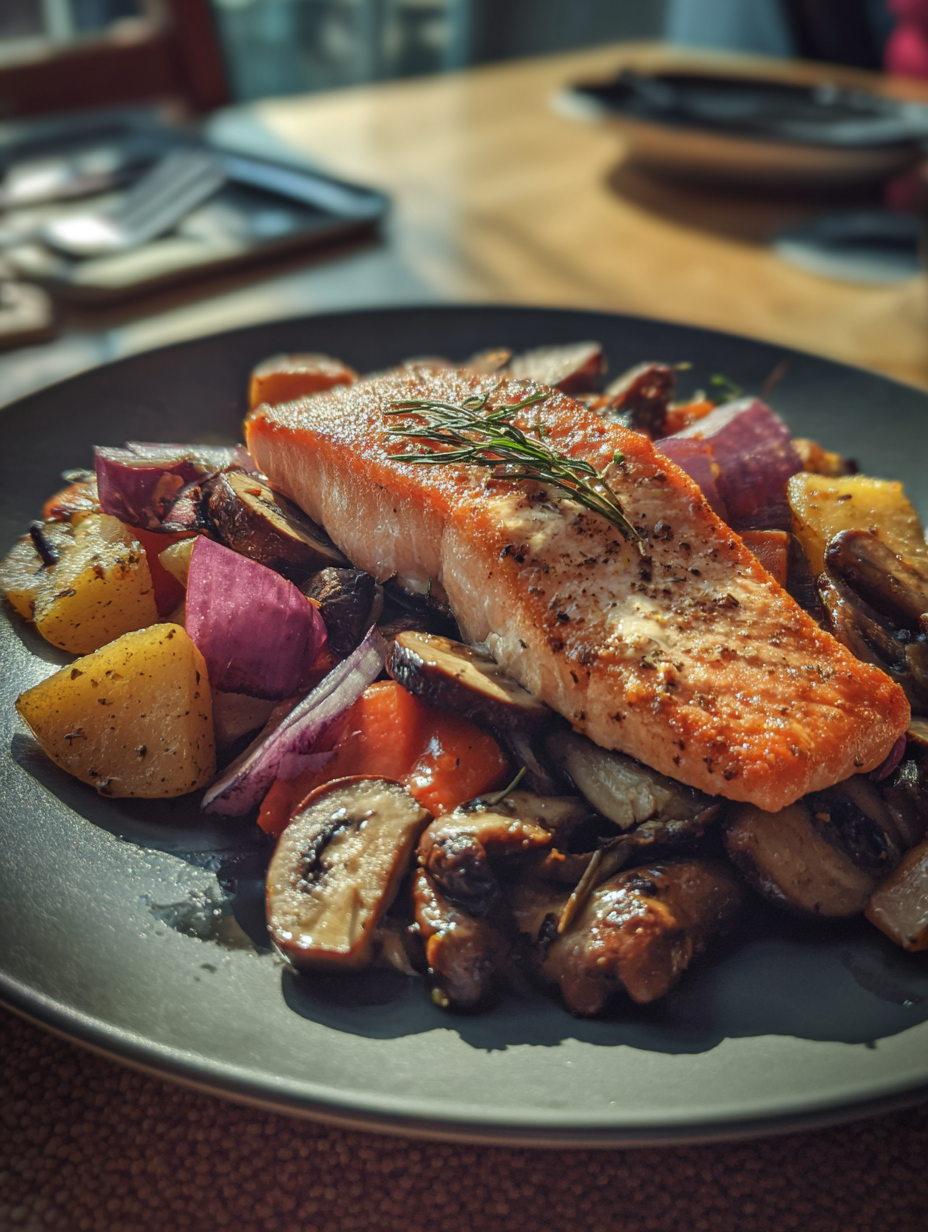
A Simple, Flavor-Packed Meal That Comes Together in Minutes
—
Introduction
There’s something magical about meals that bring back vivid memories, and for me, One Pan Teriyaki Salmon and Veggies is one of those dishes. I can still recall the evening I first cooked it — the sun was setting, casting a golden hue through the kitchen window as I hurriedly prepared dinner after a long day. The aroma of sweet teriyaki sauce mingling with the earthy scent of roasted vegetables filled the air, instantly lifting my spirits. As the salmon sizzled in the pan, the sound of it gently bubbling was music to my ears, promising a feast that would be both hearty and satisfying.
The colors of this dish are as vibrant as the memories it evokes. The vivid orange of the salmon fillets contrasted beautifully with the bright greens of broccoli and snap peas, while the deep brown of the teriyaki glaze added an inviting sheen. As I plated the meal, the glossy finish of the salmon glistened under the kitchen light, making it hard to resist diving right in.
This recipe quickly became a favorite in my household not just for its delightful flavors, but for the ease with which it comes together. With minimal cleanup thanks to the one-pan method, it’s perfect for busy weeknights or when you want to impress guests without spending hours in the kitchen. Plus, the balance of salty, sweet, and umami flavors creates a dish that’s both comforting and exciting. As you read on, you’ll discover how to bring this sensational meal to your table, filling your home with delightful aromas and colors that will surely captivate your family and friends.
—
Why This Recipe Works
The beauty of One Pan Teriyaki Salmon and Veggies lies in its harmonious blend of flavors and textures, which come together effortlessly. At the heart of the dish is the teriyaki sauce, a rich amalgamation of soy sauce, mirin, and sugar that adds a layer of sweetness and umami depth to the salmon. This combination creates a glaze that caramelizes beautifully, giving the fish a sticky, shiny finish that’s both visually appealing and incredibly tasty.
Texture contrast is another critical element that makes this dish shine. The salmon provides a tender, flaky structure that melts in your mouth, while the vegetables—from crunchy snap peas to tender broccoli—offer a satisfying bite. When roasted together, the veggies not only maintain their vibrant colors but also soak up the flavors of the teriyaki sauce, making each bite a delightful blend of savory and sweet.
Each ingredient plays a vital role in the overall experience. The salmon is not only rich in omega-3 fatty acids, adding a nutritional punch, but its natural oils help to keep the dish moist during cooking. The vegetables not only add nutrition but also a variety of textures to keep your palate engaged. What sets this version apart from generic teriyaki dishes is the one-pan technique that allows for the ingredients to cook evenly, without losing flavor or moisture—creating a complete meal that’s both wholesome and satisfying.
—
What Makes It Special
What makes this One Pan Teriyaki Salmon and Veggies truly special are the unique qualities that elevate it above typical restaurant or store-bought options.
– Freshness and Quality: When you make this dish at home, you have control over the ingredients. You can choose the freshest salmon and seasonal vegetables, ensuring every bite is bursting with flavor and nutrients. This level of freshness is often lost in takeout versions, which can sit for long periods before reaching your table.
– Customization: One of the greatest joys of home cooking is the ability to tailor recipes to your taste. Don’t like broccoli? Swap it for Brussels sprouts or asparagus. Want more heat? Add some red pepper flakes to the teriyaki sauce. This recipe is a blank canvas, allowing you to play with flavors and ingredients.
– Surprising Elements: The addition of sesame seeds and green onions as garnishes not only enhances the visual appeal but also introduces an unexpected crunch and a fresh pop of flavor that elevates the dish from simple to spectacular.
– Cost-Effective: Making this dish at home is also a budget-friendly option compared to restaurant meals. You can prepare a healthy, delicious feast without breaking the bank, allowing for greater enjoyment without the guilt of overspending.
—
Ingredient Breakdown
To craft your One Pan Teriyaki Salmon and Veggies, you’ll need a carefully curated selection of ingredients. Here’s a detailed breakdown of each component and its role in creating this delightful dish:
1. Salmon Fillets (4 pieces):
– Role: The star of the dish, providing a rich source of protein and omega-3 fatty acids.
– Why Quantity Matters: Four fillets ensure a balanced meal for a family of four, but feel free to adjust depending on your needs.
– Substitutions: If you prefer a different protein, consider chicken breast or tofu for a vegetarian option.
2. Broccoli (2 cups, chopped):
– Role: Adds vibrant color and a crunchy texture to the dish while being rich in vitamins and fiber.
– Why Quantity Matters: The amount balances well with the salmon, ensuring you’re getting a good mix of fish and veggies in every serving.
– Substitutions: Cauliflower or green beans work well if you’re looking for alternatives.
3. Snap Peas (1 cup):
– Role: Offers a sweet crunch that pairs beautifully with the savory teriyaki sauce.
– Why Quantity Matters: Their crispness contrasts well with the tender salmon, providing variety.
– Substitutions: You could use bell peppers or zucchini for a different texture and flavor.
4. Teriyaki Sauce (½ cup):
– Role: The key flavor component, infusing the fish and vegetables with sweet, salty goodness.
– Why Quantity Matters: Using too little could leave the dish bland, while too much could overwhelm the other flavors.
– Substitutions: Look for gluten-free soy sauce if needed, or make your own using soy sauce, honey, and ginger.
5. Olive Oil (2 tablespoons):
– Role: Helps to sauté the vegetables and prevents sticking, while also enhancing flavor.
– Why Quantity Matters: Too little oil can lead to dry vegetables, while too much can create a greasy dish.
– Substitutions: Avocado oil or sesame oil can also be used for a different flavor profile.
6. Sesame Seeds and Green Onions (for garnish):
– Role: Adds a final touch of flavor and visual appeal.
– Why Quantity Matters: A sprinkle elevates the presentation and texture of the dish.
– Substitutions: Chopped cilantro can be a fresh alternative for garnish.
By carefully selecting and measuring these ingredients, you ensure a meal that is not only delicious but also visually stunning. If you’re looking for specialty ingredients like mirin or authentic teriyaki sauce, check your local Asian grocery store or the international aisle of your supermarket for the best options.
—
Equipment Needed
To bring your One Pan Teriyaki Salmon and Veggies to life, you’ll need a few essential tools. Each one plays a crucial role in ensuring the dish cooks evenly and efficiently:
1. Large Skillet or Frying Pan (12 inches):
– Why It Matters: A spacious skillet allows for even cooking and easy tossing of the salmon and vegetables.
– Affordable Alternatives: If you don’t have a non-stick skillet, a stainless-steel pan works just as well, though you may need to use more oil to prevent sticking.
2. Spatula or Tongs:
– Why It Matters: These tools help you flip the salmon and stir the vegetables without damaging them.
– Affordable Alternatives: If you have a large wooden spoon, it can also work for stirring, though it’s less effective for flipping the salmon.
3. Measuring Cups and Spoons:
– Why It Matters: Accurate measurements of ingredients are essential for creating the perfect balance of flavors.
– Affordable Alternatives: If you don’t have measuring cups, you can use a regular coffee mug or glass, keeping track of approximate quantities.
4. Cutting Board and Chef’s Knife:
– Why It Matters: A sturdy cutting board and a sharp knife make chopping vegetables quick and easy.
– Affordable Alternatives: A plastic cutting board can be a budget-friendly option if you don’t have a wooden one.
5. Serving Platter:
– Why It Matters: For a beautiful presentation, a large serving platter allows you to display the meal attractively.
– Optional: You could also serve directly from the skillet for a more casual dining experience.
With these tools on hand, you’ll be well-equipped to create a delicious and visually appealing One Pan Teriyaki Salmon and Veggies that will impress everyone at your table.
Step-by-Step Instructions
1. Preheat Your Oven: Start by preheating your oven to 425°F (220°C). This high temperature will help to caramelize the veggies and cook the salmon perfectly while keeping it moist. You’ll want to hear the oven click to life, and soon after, you should catch a hint of warmth as it heats up.
2. Prepare the Vegetables: While the oven is heating, wash and chop your veggies. You can use broccoli, bell peppers, and snap peas for this recipe. Aim for bite-sized pieces to ensure even cooking. Chef’s Note: If you’re using tougher vegetables like carrots, slice them thinner so they cook at the same rate as the others. You should hear a satisfying crunch as you chop.
3. Make the Teriyaki Sauce: In a small bowl, whisk together soy sauce, honey, rice vinegar, and sesame oil. For a little heat, add a pinch of red pepper flakes. Chef’s Note: Taste your sauce as you mix; it should have a balance of sweet, salty, and umami flavors. You’ll know it’s ready when the honey is fully dissolved and the sauce is smooth with a glossy sheen.
4. Arrange the Ingredients: On a large, rimmed baking sheet, spread out the chopped vegetables in an even layer. Place the salmon fillets in the center, skin-side down. Drizzle half of the teriyaki sauce over the salmon and veggies. Chef’s Note: Make sure the salmon is not touching the veggies too much to allow for proper heat circulation. You should see a vibrant medley of colors on your sheet.
5. Bake the Dish: Slide the baking sheet into the preheated oven and let it bake for about 12-15 minutes. Keep an ear out for the gentle sizzling as the salmon cooks; it’s a sign that the flavors are melding together. The salmon is done when it flakes easily with a fork and has turned a lovely pink hue.
6. Finish with a Broil: For a crispy finish, turn on the broiler for the last 2-3 minutes of cooking. Keep an eye on it — you want a nice, caramelized crust on the salmon and slightly charred edges on the veggies. Chef’s Note: Be cautious with the broiler; it can go from golden brown to burnt very quickly. The smell of toasty salmon will fill your kitchen, signaling it’s time to take it out.
7. Serve and Garnish: Once done, remove the pan from the oven and let it sit for a minute. Drizzle the remaining teriyaki sauce over the top and sprinkle with sesame seeds and chopped scallions for added texture and flavor. Chef’s Note: The sesame seeds will add a nutty crunch, and the scallions will bring a fresh, oniony zing. You should see the sauce glistening, making your dish look even more appetizing.
Pro Tips for the Best Results
1. Use Fresh Ingredients: Fresh, high-quality salmon will make a world of difference in flavor and texture. Look for fillets that are bright in color and have a slight sheen. Avoid any pieces with brown spots or a dull appearance.
2. Cut Uniformly: When preparing your veggies, be sure to cut them into uniform sizes. This ensures they cook evenly. If you have larger pieces alongside smaller ones, the smaller pieces will overcook and become mushy while the larger ones remain raw.
3. Marinate for Extra Flavor: If you have a little extra time, marinate the salmon in the teriyaki sauce for 30 minutes before baking. This allows the flavors to penetrate the fish deeply, making for a more flavorful meal.
4. Cook to Temperature: Instead of relying solely on time, use a meat thermometer to check the doneness of the salmon. It should reach an internal temperature of 145°F (63°C). This ensures it’s perfectly cooked and safe to eat.
5. Experiment with Veggies: Don’t be afraid to switch up the veggies! Seasonal vegetables like zucchini or asparagus can add a new dimension to the dish. Just ensure that they have similar cook times to the broccoli and bell peppers.
6. Avoid Overcrowding: If your baking sheet is too crowded, the vegetables will steam instead of roast. Use two sheets if necessary, to give everything room to brown beautifully. You’ll want to hear the sizzling and see that beautiful caramelization happening.
7. Let it Rest: After removing the pan from the oven, allow the dish to rest for a couple of minutes. This helps the juices redistribute in the salmon, ensuring it stays moist and flaky upon serving.
Common Mistakes to Avoid
1. Using Frozen Salmon: Many beginners use frozen salmon without thawing it properly, which can lead to uneven cooking. Why it ruins the dish: The exterior may cook too fast while the inside remains raw. The correct approach: Always thaw your salmon in the refrigerator overnight or under cold running water before cooking.
2. Overcooking the Veggies: Cooking the vegetables for too long can result in a mushy texture, which detracts from the dish. Why it ruins the dish: Overcooked veggies lose their vibrant color and crunch. The correct approach: Keep an eye on the time and use a fork to check for tenderness; they should still have a slight bite.
3. Ignoring Sauce Balance: Some cooks neglect the balance of flavors in the teriyaki sauce, making it too salty or too sweet. Why it ruins the dish: An unbalanced sauce can overpower the salmon and veggies. The correct approach: Always taste your sauce before using it; adjust with a splash more vinegar if it’s too sweet or a pinch more sugar if it’s too salty.
4. Skipping the Broil Step: Not using the broiler can lead to a lack of texture in your salmon. Why it ruins the dish: Without that crispy top, the dish can feel flat. The correct approach: Use the broiler for a few minutes at the end to achieve that beautiful caramelization.
5. Rushing the Marination: Some may think a quick drizzle of sauce is enough, skipping the marination step. Why it ruins the dish: The flavors won’t penetrate the fish adequately. The correct approach: If you have time, marinate for at least 30 minutes to an hour for maximum flavor infusion.
6. Not Checking the Oven Temperature: Ovens can sometimes be inaccurate, leading to over or undercooked food. Why it ruins the dish: An oven that’s too hot can burn the food, while one that’s too cool can leave it raw. The correct approach: Use an oven thermometer to ensure your oven is running at the right temperature before cooking.
Creative Variations
1. Seasonal Variation: For a Spring Veggie Delight, swap out the broccoli for tender asparagus and add snap peas. These vegetables shine in the spring season, and their vibrant colors will make your dish pop.
2. Dietary-Friendly Version: Create a Keto Teriyaki Salmon by using coconut aminos instead of soy sauce and omit honey, substituting with a keto-friendly sweetener. This keeps the flavors intact while lowering the carb count, perfect for those on a keto diet.
3. Gourmet Elevated Version: Upgrade to a Maple-Miso Glazed Salmon by adding white miso paste to your teriyaki sauce and a drizzle of pure maple syrup. This will elevate the dish with deeper umami notes and a luxurious sweetness that feels restaurant-quality.
4. Quick 15-Minute Version: For a speedy meal, use pre-cut vegetables and thin salmon fillets. Cook everything at 450°F (232°C) for just 10-12 minutes. This version is perfect for busy weeknights when you crave a healthy meal but are short on time.
5. Kid-Friendly Version: Make a Teriyaki Salmon Bowl by serving the salmon and veggies over cooked white rice. Add a sprinkle of sesame seeds and a drizzle of the sauce over the top. Kids love the sweet sauce, and the rice adds a comforting base to the meal.
6. International Twist: Give your dish a Thai Twist by adding Thai basil and a splash of lime juice to the teriyaki sauce. Serve with jasmine rice to complement the bold flavors, creating a fusion dish that transports your taste buds to Southeast Asia.
Serving Ideas
To plate your One Pan Teriyaki Salmon and Veggies beautifully, start with a large, shallow white plate to let the vibrant colors pop. Here are a few inspiring ways to serve it:
1. Layering Technique: Arrange the salmon fillet at the center, surrounded by a colorful medley of stir-fried veggies. Use a mix of snap peas, bell peppers, and carrots for a rainbow effect, creating a feast for the eyes.
2. Garnishing: Sprinkle toasted sesame seeds and finely sliced green onions over the salmon to add texture and a burst of fresh flavor. You can also add a few cilantro leaves or a lime wedge for a zesty finish.
3. Portion Control: For a family-style meal, serve the dish directly from the pan, allowing everyone to help themselves. If plating individually, aim for a serving size of about 4-6 ounces of salmon paired with a generous scoop of veggies.
4. Sauce Drizzle: Drizzle extra teriyaki sauce over the top before serving for a glossy finish. This not only enhances the visual appeal but also intensifies the flavors.
5. Contrast with Rice: Serve over a bed of fluffy jasmine or brown rice, allowing the grains to soak up the savory sauce. Use a ring mold for a neat presentation, adding height and sophistication to your dish.
With these plating ideas, your One Pan Teriyaki Salmon and Veggies will look as amazing as it tastes!
What to Serve With
Pairing dishes is an art, and here are some delightful accompaniments to elevate your meal:
1. Coconut Rice: The creaminess of coconut rice complements the umami flavors of the teriyaki sauce, enhancing the overall flavor profile while providing a lovely contrast in texture.
2. Miso Soup: Start your meal with a warm bowl of miso soup. Its light, savory broth acts as a gentle prelude to the richer flavors of the salmon, balancing the meal beautifully.
3. Sake: For a refreshing beverage, serve chilled sake. Its subtle sweetness and smooth finish create a perfect harmony with the salty-sweet notes of the teriyaki sauce.
4. Roasted Brussels Sprouts: Add some roasted Brussels sprouts tossed in olive oil and sea salt. Their slightly charred bitterness adds depth and a crunchy texture that plays well against the tender salmon.
5. Green Salad with Citrus Vinaigrette: A crisp salad featuring mixed greens, avocado, and segments of orange or grapefruit dressed in a light citrus vinaigrette offers a refreshing contrast to the heavier salmon and veggies.
6. Mango Sticky Rice: For dessert, indulge in mango sticky rice. The sweetness of ripe mango against the creamy coconut rice echoes the flavors of the teriyaki dish, leaving a delightful, tropical finish to your meal.
These pairings will not only complement your One Pan Teriyaki Salmon and Veggies but will also create a memorable dining experience.
Storage Guide
Proper storage of your One Pan Teriyaki Salmon and Veggies leftovers is essential to maintaining their quality and freshness. Follow these steps:
– Containers: Use glass or BPA-free plastic containers that are airtight to prevent moisture from ruining your food. Glass containers are particularly great because they won’t absorb odors or stains.
– Temperature: Store your leftovers in the fridge at a temperature of below 40°F (4°C). This ensures that the food remains safe to eat.
– Shelf Life: Your dish will keep well in the refrigerator for up to 3 days. Be sure to label your containers with the date to keep track of freshness.
– Signs of Spoilage: Look for signs like an off smell, discoloration, or a slimy texture, which indicate that the food has gone bad. If in doubt, it’s best to err on the side of caution and discard it.
– Refreshing Before Serving: To restore freshness, you can reheat the dish gently in a pan over low heat. Add a splash of water or extra soy sauce to keep it moist and prevent drying out. Stir occasionally until heated through, and enjoy a meal that tastes nearly as good as the first serving.
Freezing Tips
If you want to keep your One Pan Teriyaki Salmon and Veggies for a longer period, know that this dish freezes well! Here’s how to do it right:
– Portioning: Divide the leftovers into individual portions. This makes it easy to thaw only what you need later without having to refreeze.
– Wrapping Method: Wrap each portion tightly in plastic wrap, then place it in an airtight freezer bag or container. This prevents freezer burn and keeps flavors intact.
– Labeling: Clearly label each bag with the date and contents, so you can easily keep track of what you have.
– Freezer Life: Your dish will maintain its best quality for about 2-3 months in the freezer.
– Quality Changes: While it will still be safe to eat beyond this time, expect some texture changes after thawing, especially with the veggies, as they may become softer.
– Thawing Method: The best way to thaw is in the refrigerator overnight. If you’re short on time, you can use the microwave’s defrost function, but be cautious not to start cooking the salmon.
Reheating Guide
To enjoy your leftover One Pan Teriyaki Salmon and Veggies as if it were freshly made, here are some specific reheating methods:
– Microwave: Place your portion in a microwave-safe dish. Cover it with a damp paper towel to retain moisture and heat on medium power for about 1-2 minutes, stirring halfway through. This prevents drying out and keeps the dish flavorful.
– Oven: Preheat your oven to 350°F (175°C). Place the salmon and veggies in an oven-safe dish, cover with foil to keep moisture in, and heat for about 10-15 minutes or until warmed through.
– Stovetop: Heat a skillet over medium-low heat and add a splash of water or broth. Add the salmon and veggies, cover, and heat for about 5-7 minutes, stirring occasionally. This method helps retain the original texture and flavor.
These reheating tips will ensure your leftovers are just as delightful as when you first prepared them!
Nutrition Overview
Each serving of your One Pan Teriyaki Salmon and Veggies is not just delicious but also provides a nourishing balance of nutrients. Here’s a general breakdown:
– Calories: Approximately 350-400 calories
– Protein: About 30 grams, primarily from the salmon, making it an excellent source of lean protein.
– Carbohydrates: Roughly 25 grams, thanks to the veggies and any rice you serve with it.
– Fat: Around 15 grams, mostly from healthy omega-3 fatty acids in the salmon.
– Fiber: About 5 grams, contributed by the veggies, promoting digestive health.
– Sugar: Minimal, primarily from the teriyaki sauce.
Salmon is renowned for its heart-healthy omega-3 fatty acids, which support brain function and reduce inflammation. The vegetables provide a wealth of vitamins, antioxidants, and fiber, making this dish not just a meal but a step toward a healthier lifestyle.
Frequently Asked Questions
Q: Can I use a different type of fish for this recipe?
A: Absolutely! While salmon is a great choice for its rich flavor and healthy fats, you can also use trout, cod, or tilapia. Just adjust the cooking time depending on the thickness of the fish.
Q: What if I don’t have teriyaki sauce?
A: You can easily make a simple substitute by mixing soy sauce with honey (or brown sugar), garlic, and ginger. This will mimic the sweet and savory notes of teriyaki sauce.
Q: How can I make this dish gluten-free?
A: Use a gluten-free soy sauce or tamari instead of regular soy sauce. Additionally, check the teriyaki sauce for any gluten-containing ingredients or make your own version.
Q: Can I make this ahead of time?
A: Yes! You can prep the veggies and marinate the salmon in the teriyaki sauce a few hours in advance. Just store them separately in the refrigerator until you’re ready to cook.
Q: How do I know when the salmon is cooked through?
A: The salmon should flake easily with a fork and reach an internal temperature of 145°F (63°C). If you have a meat thermometer, it’s a great tool for precision.
Q: What can I substitute for the vegetables?
A: Feel free to use any seasonal veggies you have on hand. Broccoli, zucchini, or asparagus all work wonderfully and add different textures and flavors.
Q: Is this recipe suitable for meal prep?
A: Yes! It’s excellent for meal prepping. Just store the salmon and veggies in separate airtight containers to keep everything fresh, and reheat as needed.
Q: Can I add more vegetables to this dish?
A: Certainly! The more, the merrier. You can include bell peppers, snow peas, or even sweet corn for added sweetness and crunch.
Final Thoughts
As you dive into making this One Pan Teriyaki Salmon and Veggies, keep in mind that the key is to balance the flavors and textures. Don’t rush the marinating process—it’s where the magic happens! I’m genuinely excited for you to try this recipe; it’s not only simple but also a crowd-pleaser that looks gorgeous on the table.
This dish is perfect for a weeknight dinner or a special occasion. Once you make it, I’d love to