Follow Me On Pinterest!
One Pan Shrimp and Asparagus

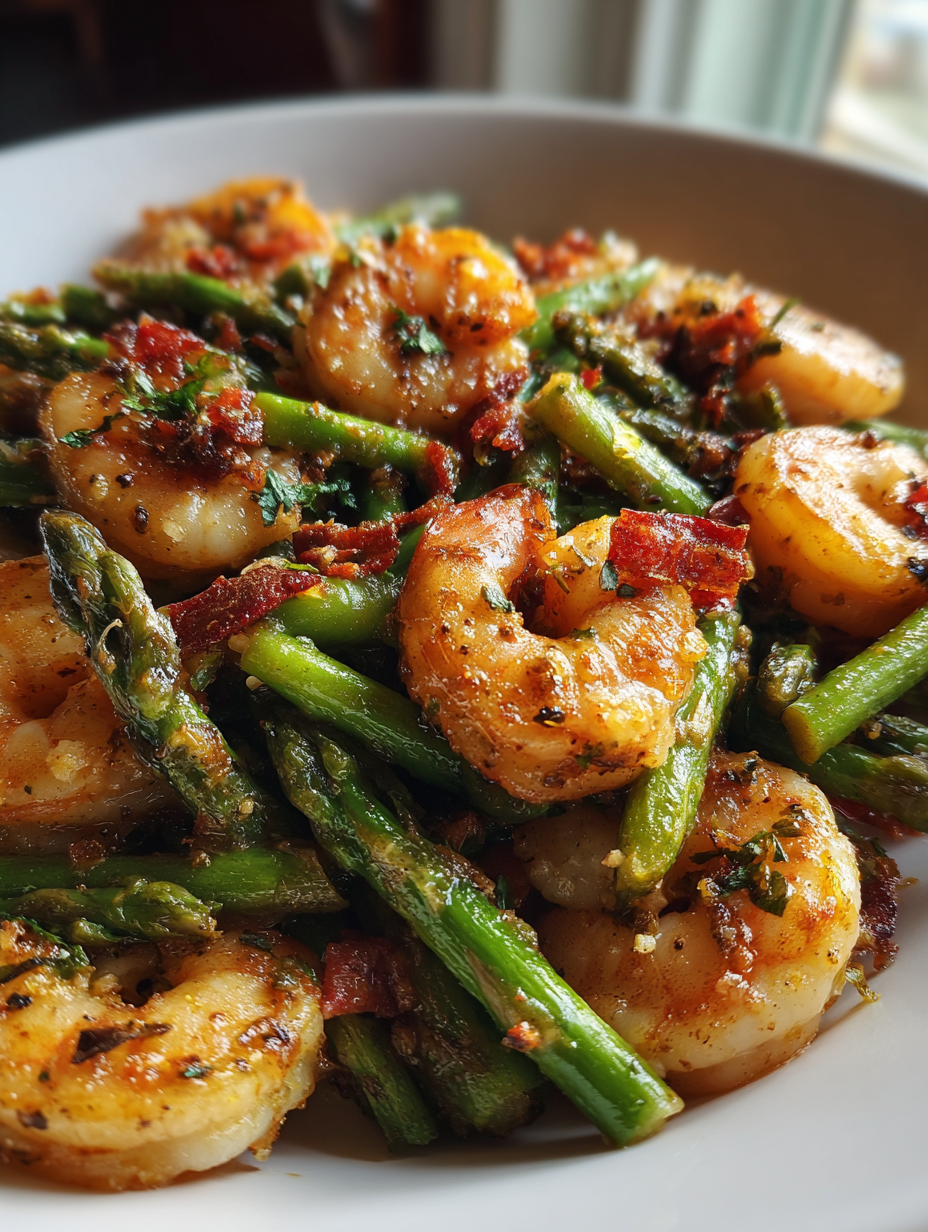
One Pan Shrimp and Asparagus: A Symphony of Freshness and Flavor in Every Bite
—
Introduction
There’s something magical about the way the kitchen fills with the aroma of sizzling shrimp, mingling with the grassy scent of fresh asparagus. I still remember the summer evening when I first made this dish. The sun was setting, casting a golden glow through my kitchen window as I prepped for dinner. The shrimp, plump and glistening, sat in a bowl, waiting for their transformation. The bright green asparagus spears, trimmed to perfection, whispered promises of crunch and color, a vibrant contrast to the soft, delicate seafood.
As I tossed the shrimp in a mix of olive oil, garlic, and a squeeze of lemon, the sounds of the sizzling skillet filled the air, creating a melody that danced through my home. Each pop and crackle seemed to hum with anticipation, and I could already picture the spectacular plate that would emerge from this one pan. When the dish was finally plated, the vivid green of the asparagus paired with the rosy pinks of the shrimp created a feast for the eyes. A sprinkle of fresh parsley added the finishing touch, and I couldn’t wait to dig in.
This recipe became a favorite not only for its ease but also for its ability to bring people together. It’s the kind of meal you can whip up on a busy weeknight yet still feel like you’ve indulged in something special. The combination of flavors is simple yet profound, and it’s truly a celebration of fresh ingredients. So, if you’re ready to dive into a dish that’s as delightful to make as it is to eat, let’s explore how to create this One Pan Shrimp and Asparagus that will elevate your next dinner.
—
Why This Recipe Works
At the heart of this One Pan Shrimp and Asparagus recipe lies a harmonious combination of flavors and textures that make each bite an experience to savor. The shrimp are naturally sweet, and when paired with the slightly nutty, earthy taste of asparagus, you create a balance that is both refreshing and satisfying. The bright acidity from the lemon not only enhances the flavors but also cuts through the richness of the shrimp, providing a zesty finish that lingers on your palate.
The technique of cooking everything in one pan allows the ingredients to share their flavors, creating a rich, cohesive dish. You start by sautéing the garlic until it’s fragrant, infusing the oil with its aromatic essence. Then, the shrimp and asparagus are added in quick succession, ensuring that the shrimp cook just until they turn pink and opaque, while the asparagus maintains its vibrant green and slight crunch. This contrast in textures — the tender shrimp against the crisp-tender asparagus — is what truly elevates the dish.
What sets this version apart from generic shrimp and vegetable combinations is the care taken with ingredient selection and preparation. Fresh, high-quality shrimp make all the difference in taste, while seasonal asparagus adds that perfect pop of color and flavor. By choosing to sauté rather than boil or steam, you lock in the natural juices, creating a dish that is not only visually appealing but also packed with robust flavor.
—
What Makes It Special
This One Pan Shrimp and Asparagus dish shines for several unique reasons that make it stand out in a sea of other seafood recipes. First and foremost, the freshness of the ingredients cannot be overstated. Unlike restaurant offerings that may rely on frozen or pre-packaged seafood, you have the opportunity to choose the best shrimp and freshest asparagus available, allowing for a burst of flavor that simply can’t be replicated in store-bought versions.
Another benefit of making this dish at home is the customization factor. You can adjust the seasonings to suit your personal taste, whether that means adding a pinch of red pepper flakes for heat or incorporating your favorite herbs for a unique twist. This level of personalization ensures that you can enjoy a dish that feels tailored just for you.
Finally, one surprising element that elevates this dish is the use of garlic not just for flavor, but as a foundational element that enhances the overall taste of the shrimp and asparagus. Sautéing garlic until it’s golden adds a depth that is often missing in faster preparations. Pair that with a drizzle of high-quality olive oil to finish, and you’ve created a dish that celebrates each ingredient rather than overshadowing them.
—
Ingredient Breakdown
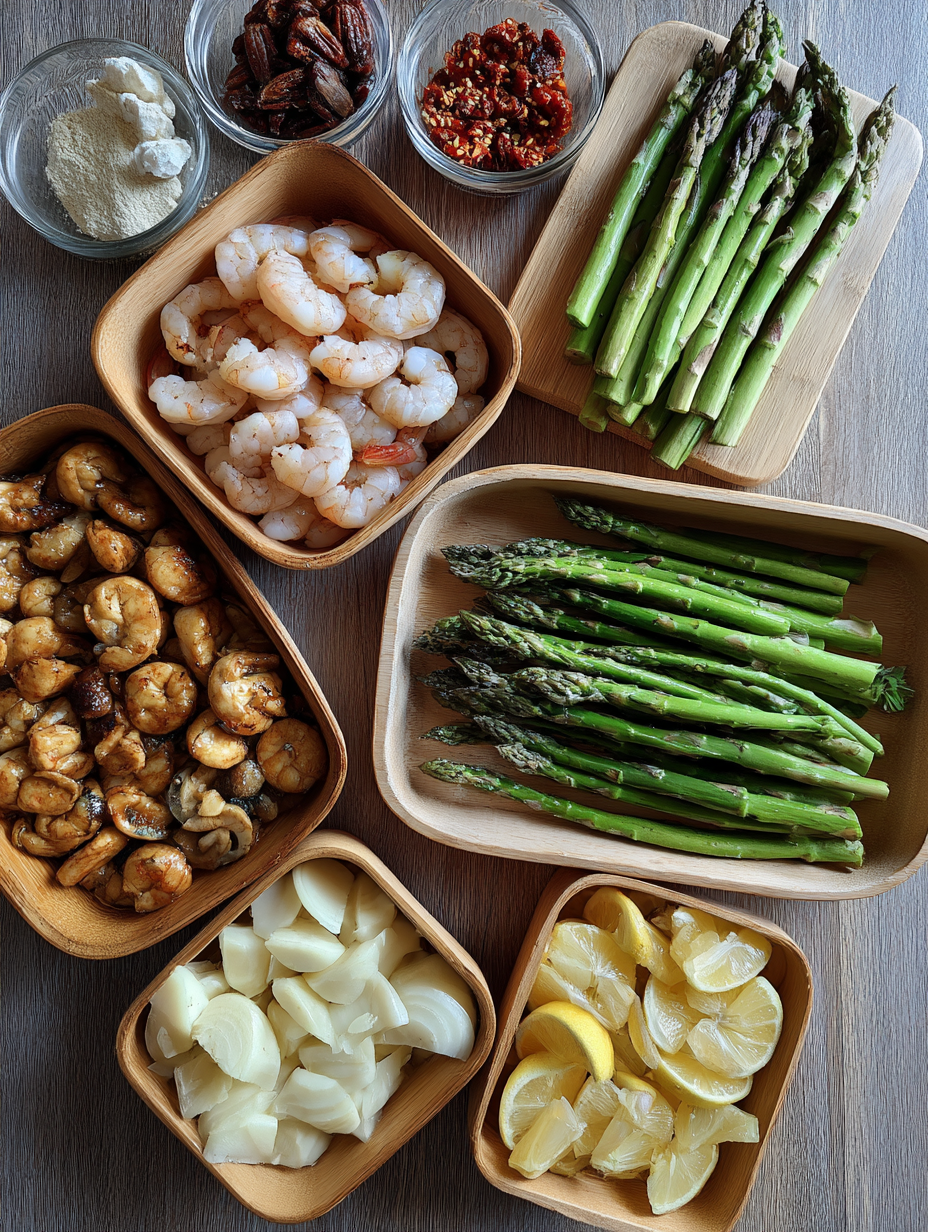
1. Shrimp: The star of the show! Use raw, large shrimp, preferably peeled and deveined for convenience. This recipe calls for about 1 pound, which serves 4, but feel free to adjust based on your appetite or the number of guests. Fresh shrimp will provide the sweetest flavor, but frozen works in a pinch—just make sure to thaw them properly before cooking.
2. Asparagus: Bright green and crisp, the asparagus adds not only color but also a satisfying crunch to the dish. You’ll want to use about 1 pound of asparagus, trimmed to about 2-3 inches in length. Look for firm spears that snap easily when bent, indicating freshness. If you can’t find asparagus, green beans or broccolini are great substitutes.
3. Olive Oil: This acts as both a cooking medium and a flavor enhancer. Use about 2 tablespoons to sauté the garlic and toss with the shrimp and asparagus. A good quality extra virgin olive oil will impart a rich, fruity note to the dish. If you need a substitute, avocado oil works well due to its high smoke point.
4. Garlic: About 4 cloves, minced, provides an aromatic punch that complements the shrimp beautifully. Fresh garlic is key here; jarred or pre-minced garlic lacks the depth of flavor needed for this dish. If you’re pressed for time, you can use garlic powder, but fresh is always better.
5. Lemon: The juice and zest of one lemon not only brighten the dish but also enhance the flavors of the shrimp and asparagus. Choose a juicy lemon for the best results. If you need a substitute, lime juice can work, but the flavor will differ slightly.
6. Parsley: Fresh parsley is a finishing touch that adds not just color but a hint of herbal freshness. Roughly a quarter cup, chopped, will do. If you don’t have parsley, basil or cilantro can be delightful alternatives.
7. Salt and Pepper: Essential for seasoning, these simple ingredients enhance the flavors without overpowering them. Start with about ½ teaspoon of salt and freshly cracked black pepper, adjusting to taste.
Substitution Options
– For a dairy-free version, this recipe is naturally dairy-free as written.
– For those on a gluten-free diet, rest assured, this dish contains no gluten ingredients.
– If you’re looking for a vegan option, substitute shrimp with firm tofu or tempeh, and follow the same cooking steps for a delicious plant-based meal.
Specialty Ingredients
All ingredients can be found at your local grocery store, but for the best freshness, consider visiting a farmer’s market for produce, especially the shrimp, which you might find at a seafood counter. Look for wild-caught shrimp for optimal flavor and sustainability.
—
Equipment Needed
1. Large Skillet: An essential tool for this recipe. A heavy-bottom skillet ensures even heat distribution, allowing the shrimp to cook perfectly while preventing burning. A non-stick surface will make for easier cleanup and prevent sticking.
2. Tongs: Perfect for flipping the shrimp without breaking them and for tossing the asparagus. They provide a secure grip and enable you to maneuver ingredients easily in the pan.
3. Cutting Board: A sturdy cutting board is necessary for prepping your garlic, asparagus, and parsley. Choose one that’s easy to clean and large enough to accommodate all your chopping.
4. Chef’s Knife: A good sharp knife is crucial for slicing through the shrimp shells and chopping vegetables cleanly. If you don’t have a chef’s knife, a paring knife will work but may take a bit longer.
5. Measuring Spoons: While it’s possible to eyeball ingredients, measuring spoons will help you achieve consistent results, especially with the olive oil, lemon juice, and seasonings.
6. Optional: Zester: If you have one, a zester will help you extract lemon zest easily, adding an extra layer of flavor to the dish. However, a regular grater will work in a pinch.
Each of these tools contributes to a seamless cooking experience, allowing you to focus on the joy of preparing your meal rather than struggling with inadequate equipment.
Step-by-Step Instructions
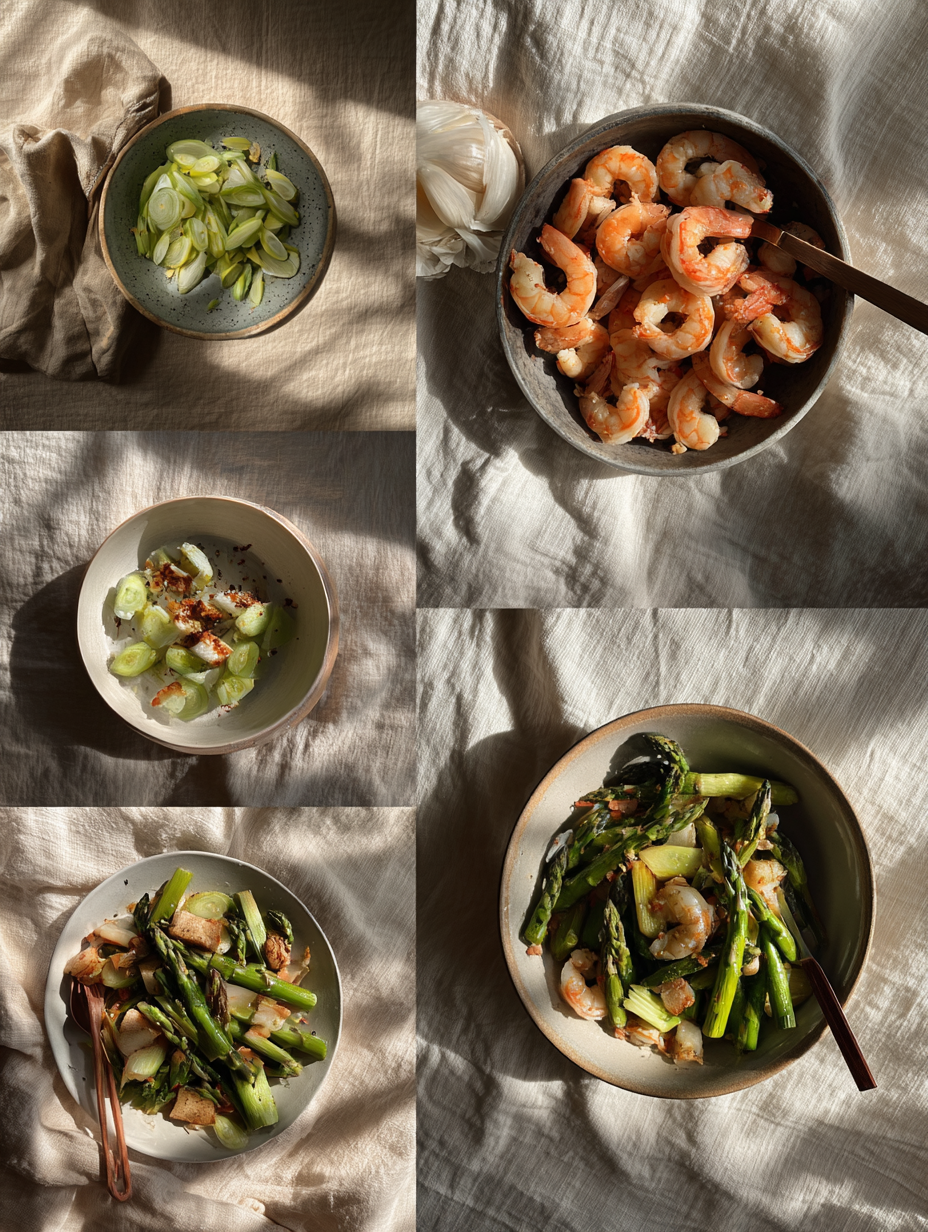
1. Prep the Ingredients: Begin by gathering your ingredients—1 pound of fresh shrimp, 1 bunch of asparagus, 3 tablespoons of olive oil, 4 cloves of garlic, 1 teaspoon of lemon zest, and salt and pepper. Rinse the shrimp under cold water and pat them dry with paper towels. For the asparagus, trim the tough ends by bending each stalk until it snaps naturally, which ensures you’re discarding the woody part. You’ll want your shrimp to be plump and shiny, and your asparagus should be vibrant green with no yellowing.
2. Season the Shrimp: In a medium bowl, combine the cleaned shrimp with 2 tablespoons of olive oil, lemon zest, and a generous pinch of salt and pepper. Toss the shrimp gently to ensure they are evenly coated. As you mix, you should smell the fresh citrus from the lemon zest. Set the bowl aside to allow the shrimp to marinate for about 10 minutes, which enhances their flavor.
3. Sauté the Asparagus: In a large skillet, heat the remaining 1 tablespoon of olive oil over medium-high heat. Once the oil is shimmering but not smoking (this takes about 1-2 minutes), add the trimmed asparagus spears. Sauté for about 3-4 minutes, stirring occasionally. Look for the asparagus to turn bright green and start to become tender-crisp. You’ll hear a satisfying sizzle as they hit the pan—this is your cue that you’re on the right track.
4. Add Garlic: Once the asparagus has reached the perfect tender-crisp stage, add the minced garlic to the skillet. Cook for about 1 minute, stirring constantly to avoid burning. You should smell the aromatic garlic filling the kitchen. When it’s done, the garlic will be fragrant and just starting to turn golden.
5. Combine Shrimp and Asparagus: Now it’s time to incorporate the shrimp into the skillet. Carefully add the marinated shrimp to the pan with the asparagus. Cook for about 2-3 minutes, or until the shrimp turn pink and opaque. Stir gently to ensure even cooking. You’ll notice the shrimp will start to curl as they cook, a sign they’re almost ready.
6. Finish and Serve: Once the shrimp are fully cooked, remove the skillet from heat immediately. This is crucial as overcooked shrimp can become rubbery. Sprinkle a little more salt, freshly cracked black pepper, and a squeeze of lemon juice over the top for brightness. Give everything a gentle stir to combine, and present the dish warm. The vibrant colors of the shrimp and asparagus, paired with the aromatic garlic, will make it irresistible.
—
Pro Tips for the Best Results
1. Use Fresh Shrimp: Fresh shrimp will elevate your dish significantly. If possible, buy shrimp that is still in the shell, as they retain moisture and flavor better than pre-peeled options. Look for shrimp that are firm and have a slight sheen.
2. Don’t Crowd the Pan: When sautéing the asparagus and shrimp, avoid overcrowding the skillet. This ensures that each ingredient gets the necessary heat for proper caramelization, leading to enhanced flavors and textures. If you have a large batch, consider cooking in two batches.
3. Preheat Your Skillet: Always preheat your skillet before adding oil. A hot pan helps seal in moisture and creates a nice sear on the shrimp and vegetables. You can test it by adding a drop of water; it should sizzle immediately.
4. Use a Meat Thermometer: If you’re unsure about the doneness of the shrimp, use a meat thermometer. Shrimp should reach an internal temperature of 120°F. This will help you avoid overcooking and ensure they remain tender.
5. Add Flavor with Acidity: A squeeze of fresh lemon juice not only brightens the dish but balances the richness of the shrimp. You can also experiment with other acids like lime juice or a splash of white wine at the end for added depth.
6. Experiment with Herbs: Fresh herbs can significantly enhance the dish’s flavor. Try adding chopped parsley or basil at the end for a burst of freshness. Remember to use herbs sparingly to avoid overpowering the delicate shrimp.
7. Serve Immediately: This dish is best served fresh. If you let it sit, the shrimp can become tough, and the asparagus may lose its crispness. Plate it right away to enjoy the vibrant colors and flavors at their peak.
—
Common Mistakes to Avoid
1. Overcooking the Shrimp: Overcooked shrimp transform from tender and plump to chewy and rubbery. Always keep an eye on them, as they only take a few minutes to cook. Remove them from heat as soon as they turn pink and opaque.
2. Using Frozen Shrimp Incorrectly: If using frozen shrimp, ensure they are fully thawed before cooking. Cooking them while still frozen leads to uneven cooking and a watery dish. Thaw them overnight in the fridge or place them in a bowl of cold water for quicker thawing.
3. Not Trimming Asparagus Properly: Ignoring the woody ends of asparagus can lead to a tough eating experience. Always snap the stalks at their natural breaking point or trim about an inch off the bottom to ensure tenderness.
4. Skipping the Marination: If you skip marinating the shrimp, you miss out on the flavor infusion. The short marination time enhances the shrimp’s taste and can make a significant difference in the overall dish.
5. Adding Garlic Too Early: Adding garlic too soon can result in a burnt flavor, which can ruin the dish. Sauté it just until fragrant and lightly golden—about a minute—at the end of cooking the asparagus.
6. Ignoring Seasoning: Under-seasoning can result in a bland dish. Be generous with salt, pepper, and citrus. Taste before serving and adjust as necessary; a little extra seasoning can elevate the entire dish.
7. Not Using a Large Enough Skillet: Using a small skillet can lead to steaming rather than sautéing, causing the shrimp and asparagus to cook unevenly. A larger skillet allows for proper browning and caramelization, enhancing the flavors.
—
Creative Variations
1. Seasonal Variation: Spring Vegetable Medley — In addition to asparagus, add other seasonal vegetables like peas and baby carrots. Sauté them together with the asparagus for a vibrant color and flavor contrast that celebrates the spring harvest.
2. Dietary-Friendly Version: Vegan Shrimp and Asparagus — Substitute shrimp with marinated tofu or tempeh, and use nutritional yeast for a cheesy flavor. Sauté the tofu until crispy before adding the asparagus, creating a satisfying texture.
3. Gourmet Elevated Version: Lemon Butter Shrimp — Use 2 tablespoons of butter instead of olive oil and finish with a splash of white wine and a sprinkle of capers. This creates a luxurious sauce that coats the shrimp and asparagus beautifully, adding depth and richness.
4. Quick 15-Minute Version: Shrimp and Asparagus Stir-Fry — Pre-cooked shrimp can save time. Sauté asparagus with garlic, then add pre-cooked shrimp just to heat through. Serve over instant rice or noodles for a quick, satisfying meal.
5. Kid-Friendly Version: Shrimp and Asparagus Pasta — Toss cooked pasta with the sautéed shrimp and asparagus, adding a creamy sauce made of heavy cream and parmesan cheese. The creamy texture makes it appealing to kids while still being nutritious.
6. International Twist: Thai Shrimp and Asparagus — Add coconut milk, red curry paste, and basil for an Asian-inspired dish. Serve over jasmine rice for a fragrant meal that’s both exotic and comforting.
Serving Ideas
When it comes to plating your One Pan Shrimp and Asparagus, presentation is key to elevating this delightful dish. Here are some stunning ways to serve it:
1. Colorful Layering: Start with a base of fluffy white rice or creamy quinoa. Crown it with the vibrant shrimp and asparagus, and use a squeeze of fresh lemon juice to add a zesty pop. Sprinkle finely chopped parsley or cilantro on top for a burst of green.
2. Rustic Charm: Serve the dish in a shallow, rustic bowl. Arrange the shrimp and asparagus artfully, letting them spill over the sides. Drizzle with a light garlic butter sauce and finish with grated Parmesan and crushed red pepper flakes for a hint of heat.
3. Elegant Platter: For a family-style approach, lay the shrimp and asparagus on a large, oval platter. Garnish with lemon wedges and a sprinkle of edible flowers for a touch of elegance. This presentation invites everyone to dig in!
4. Individual Portions: For a more refined touch, serve the shrimp and asparagus in small, individual cast-iron skillets. This not only keeps the dish warm but also adds a charming rustic aesthetic. Top with a dollop of herbed yogurt or a drizzle of balsamic glaze.
5. Garnished Delight: Finish your plating with a light dusting of zest from a lemon or lime, and a few whole shrimp arranged artfully on top. Consider adding toasted pine nuts or sliced almonds for a delightful crunch.
Aim for a portion size of about 4-6 shrimp per person, complemented by a generous serving of asparagus. These plating ideas not only make the dish visually stunning but also create an inviting atmosphere for your dining experience.
What to Serve With
To create a harmonious meal around your One Pan Shrimp and Asparagus, consider these complementary dishes:
1. Garlic Bread: The buttery, garlicky goodness of garlic bread provides a comforting contrast to the bright flavors of shrimp and asparagus. The crunchy exterior and soft interior are perfect for sopping up extra sauce.
2. Crisp Green Salad: A simple arugula salad with a lemon vinaigrette will balance the richness of the shrimp dish. The peppery notes of arugula, combined with ripe cherry tomatoes and cucumber, add freshness and crunch.
3. Chilled White Wine: A glass of chilled Sauvignon Blanc or a light Pinot Grigio enhances the seafood’s flavors perfectly. Their crisp acidity and fruity notes will brighten your palate between bites.
4. Herbed Couscous: Fluffy couscous tossed with fresh herbs like mint and parsley provides a light, refreshing side that complements the savory shrimp. It absorbs the dish’s flavors beautifully, making each bite delightful.
5. Roasted Potatoes: Crispy, seasoned roasted potatoes offer a satisfying texture contrast. Their comforting heartiness pairs well with the lighter shrimp, creating a well-rounded meal.
6. Lemon Sorbet: For dessert, serve a light and refreshing lemon sorbet. Its icy, tangy flavor cleanses the palate and provides a sweet finish without overwhelming the meal.
These pairings not only enhance the overall dining experience but also ensure a delightful balance of flavors and textures.
Storage Guide
To properly store your One Pan Shrimp and Asparagus leftovers, follow these guidelines:
– Container Type: Use an airtight glass container for best results. Glass is not only durable but also does not absorb odors like plastic can.
– Temperature: Store your leftovers in the refrigerator at a temperature of 40°F or below. This will help prevent bacterial growth and keep your dish fresh.
– Shelf Life: Your dish will keep well for up to 3 days in the fridge. Be sure to consume it within this timeframe for the best taste and quality.
– Signs of Spoilage: Look for any off smells, changes in color, or a slimy texture. If any of these signs are present, it’s best to discard the dish.
– Refreshing Before Serving: To revive your leftovers, gently reheat them in a pan on low heat. Add a splash of chicken broth or a drizzle of olive oil to restore moisture and flavor, stirring until heated through. This will help to maintain the original texture and taste of the dish.
By following these storage tips, you can enjoy your flavorful shrimp and asparagus meal more than once!
Freezing Tips
Your One Pan Shrimp and Asparagus does freeze well, making it a great option for meal prep. Here’s how to go about it:
– Portioning: Divide the dish into individual servings to make thawing easier. This way, you can defrost only what you need.
– Wrapping Method: Place the shrimp and asparagus in freezer-safe bags or containers, ensuring to remove as much air as possible before sealing. You can also wrap it tightly in plastic wrap followed by aluminum foil for extra protection.
– Labeling: Don’t forget to label each container or bag with the date and contents. This way, you’ll always know what’s inside.
– Freezer Life: Your dish will keep well in the freezer for about 2-3 months. However, for the best flavor and texture, aim to consume it sooner rather than later.
– Quality Changes: After thawing, you may notice a slight change in texture, particularly with the asparagus. To minimize this, avoid overcooking the asparagus when preparing the dish for freezing.
– Thawing Method: The best way to thaw your meal is in the refrigerator overnight. If you’re in a hurry, you can use the microwave’s defrost function, but be cautious to avoid cooking the shrimp.
By following these freezing tips, you can enjoy a comforting meal anytime!
Reheating Guide
When it comes to reheating your One Pan Shrimp and Asparagus, here are three efficient methods to ensure optimal flavor and texture:
– Microwave: Place your leftovers in a microwave-safe bowl, add a splash of water or broth to keep it moist, and cover with a damp paper towel. Heat on medium power (50%) for 2-3 minutes, checking every minute to ensure even heating. This method helps prevent the shrimp from becoming rubbery.
– Oven: Preheat your oven to 350°F. Spread the dish in a baking dish and cover it loosely with aluminum foil to retain moisture. Heat for about 10-15 minutes, or until warmed through. This method will help maintain the dish’s original texture.
– Stovetop: Heat a skillet over medium heat and add a splash of olive oil or broth. Add the shrimp and asparagus, stirring gently for about 5-7 minutes until heated through. This method crisps up the asparagus while keeping the shrimp succulent.
To restore the original texture and flavor, consider adding a little more seasoning or a squeeze of fresh lemon juice right before serving. Enjoy every bite!
Nutrition Overview
Your One Pan Shrimp and Asparagus meal is not only delicious but also packed with nutrition. Here’s a breakdown of the approximate nutritional values per serving:
– Calories: 300
– Protein: 25g
– Carbohydrates: 15g
– Fat: 18g
– Fiber: 4g
– Sugar: 2g
This dish shines with health benefits, thanks to its key ingredients. Shrimp is an excellent source of lean protein, which is crucial for muscle repair and growth. Additionally, it’s rich in omega-3 fatty acids, crucial for heart health. Meanwhile, asparagus is low in calories yet high in fiber and vitamins A, C, and K, which support a healthy immune system. Together, these components make for a meal that’s not only satisfying but also nourishing.
Frequently Asked Questions
Q: Can I substitute the shrimp with chicken or tofu?
A: Absolutely! You can substitute shrimp with chicken breast cut into bite-sized pieces or firm tofu for a vegetarian option. Adjust cooking times accordingly, as chicken will take longer to cook through.
Q: How can I make this dish gluten-free?
A: This recipe is naturally gluten-free. However, if you are using any sauces or seasonings, ensure they are labeled gluten-free to avoid any hidden gluten ingredients.
Q: What’s the best way to thaw frozen shrimp?
A: The best way to thaw frozen shrimp is overnight in the refrigerator. If you’re short on time, place the shrimp in a sealed bag and submerge it in cold water for about 20-30 minutes.
Q: How do I know when the shrimp is fully cooked?
A: Cooked shrimp will turn a pinkish color and firm up. To be safe, it should reach an internal temperature of 145°F. Overcooked shrimp will become tough and rubbery, so keep an eye on them!
Q: Can I make this dish ahead of time?
A: Yes, you can prepare the shrimp and asparagus ahead of time and store them separately until ready to cook. However, it’s best to cook it fresh for optimal flavor and texture.
Q: Is there a way to make this dish spicy?
A: Definitely! You can add red pepper flakes, diced jalapeños, or a dash of hot sauce to the shrimp while cooking to spice things up. Adjust to your heat preference!
Q: What equipment do I need to make this recipe?
A: You will need a large skillet or sauté pan and a spatula for stirring. If serving in individual portions, consider using small cast-iron skillets or ramekins for presentation.
Q: Can I add other vegetables?
A: Yes! Feel free to mix in other vegetables like bell peppers, snap peas, or cherry tomatoes for added flavor and nutrition. Just keep in mind that different vegetables may require different cooking times.
Final Thoughts
As you prepare your One Pan Shrimp and Asparagus, remember that the key to a delicious meal lies in not overcooking your shrimp and ensuring your asparagus is perfectly tender yet crisp. This recipe is not only simple but also incredibly versatile, allowing you to adapt it to your taste preferences and dietary needs.
I am genuinely excited for you to try this dish, as it embodies the joy of fresh ingredients coming together in a harmonious and delightful way. Whether you’re serving it for a weeknight family dinner or a special occasion, it’s bound to impress.
Now, gather your ingredients and let the aroma of garlic and shrimp fill your kitchen. You won’t regret making this dish — I can’t wait to