Follow Me On Pinterest!
Quick and Easy Chicken Stir-Fry

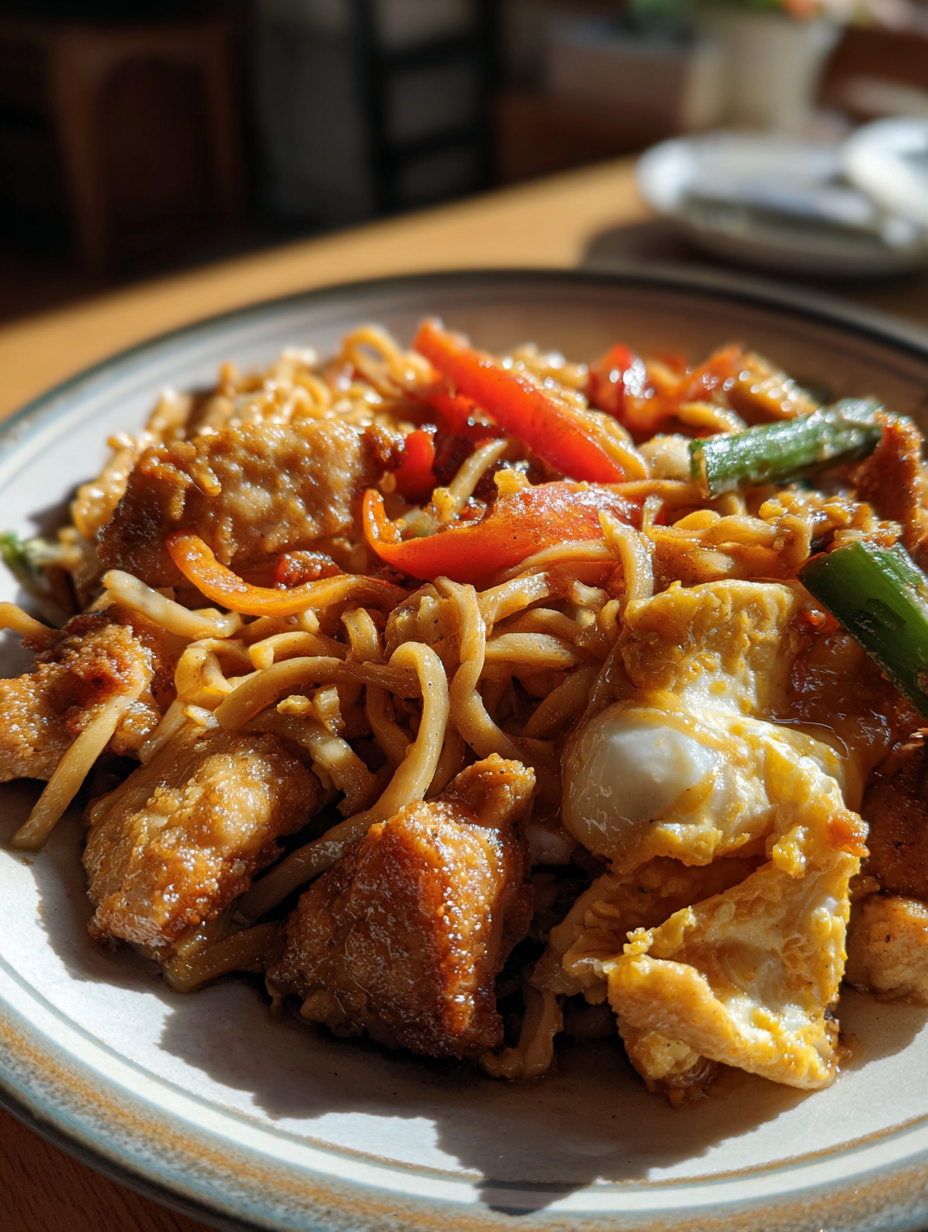
A Whirlwind of Flavor: Whip Up a Restaurant-Quality Dish in Just 30 Minutes
—
Introduction
There’s a particular evening etched in my memory, one that perfectly encapsulates the essence of quick and easy chicken stir-fry. It was a chilly autumn night, the kind where the leaves crackled underfoot, and the air was tinged with a crispness that beckoned warmth. I had just come home from a long day at work, famished and tired, when the aroma of sautéed garlic and ginger wafted through my kitchen. My roommate was at the stove, a vibrant medley of colors dancing in the skillet: bright green broccoli florets, vivid red bell peppers, and the golden-brown pieces of chicken sizzling away, whispering promises of comfort.
As I watched her work, the sounds of the spatula scraping against the pan mingled with the gentle hiss of chicken meeting heat, creating a symphony that made my stomach rumble in anticipation. The textures of the crisp vegetables and tender chicken mingled seamlessly, and I could already taste the savory soy sauce, the subtle sweetness of honey, and the warmth of the sesame oil. It was a moment of pure culinary harmony, one that brought us together, sharing laughter and stories over a meal that felt both effortless and indulgent.
This dish quickly became a staple in my kitchen, a go-to for weeknights when time was short, but the desire for something delicious was not. It’s not just a meal; it’s a canvas for creativity, allowing you to mix and match your favorite vegetables and proteins. In just a few simple steps, you can recreate that sense of warmth and satisfaction, all while savoring each bite. Let’s dive into the recipe and explore how you can bring this vibrant stir-fry to your dinner table tonight.
—
Why This Recipe Works
At the heart of any successful stir-fry lies a marriage of flavors and textures that create a delightful eating experience. This quick and easy chicken stir-fry excels in both areas, thanks to its careful selection of ingredients and cooking techniques.
Key Flavor Combinations
The soy sauce provides umami—a fundamental taste that deepens the overall flavor profile. When combined with the sweet notes of honey and the nutty undertones of sesame oil, you create a balanced sauce that enhances the chicken without overpowering it. The garlic and ginger infuse the dish with aromatic warmth, making each bite both fragrant and satisfying.
Texture Contrasts
In terms of textures, achieving that delightful crunch is vital. The quick cooking method ensures that the vegetables remain crisp, while the chicken turns tender and juicy. The secret lies in cooking over high heat, allowing for quick caramelization without losing moisture. By staggering the addition of ingredients, you ensure that each component reaches its peak doneness—cooked yet vibrant, tender yet crunchy.
Role of Each Ingredient
Every ingredient plays a crucial role in this recipe. The chicken breast is lean, providing protein, while the colorful vegetables not only add nutritional value but also visual appeal. Using a variety of vegetables introduces even more flavor profiles and textures. The cornstarch used to coat the chicken helps achieve a delightful crust, locking in juices and creating that satisfying bite.
What truly sets this stir-fry apart from generic versions is the freshness of the ingredients and the freedom to customize. In a restaurant, you often receive a one-size-fits-all dish, but here, you can tailor your stir-fry to your specific tastes and dietary needs, ensuring every ingredient excites your palate.
—
What Makes It Special
This quick and easy chicken stir-fry stands out for several reasons, each contributing to its reputation as a kitchen favorite.
– Freshness Over Convenience: Unlike store-bought options that can often be laden with preservatives, this recipe allows you to use fresh vegetables and high-quality chicken. The vibrant colors and crisp textures are a testament to that freshness, making every bite a joy.
– Cost-Effective Customization: Preparing this dish at home not only saves money but also gives you the freedom to swap out ingredients based on what’s in season or what you have on hand. Feeling adventurous? Toss in some snap peas or swap the chicken for tofu for a vegetarian version.
– Elevated Flavors: The incorporation of sesame oil and honey adds a depth that many restaurant dishes lack. These two ingredients elevate the flavor profile, providing a hint of sweetness and richness that’s hard to resist.
– Speed Without Sacrifice: In just thirty minutes, you can have a dish that rivals your favorite takeout. This recipe is a lifesaver on busy weeknights, allowing you to enjoy a restaurant-quality meal at home without the wait.
—
Ingredient Breakdown
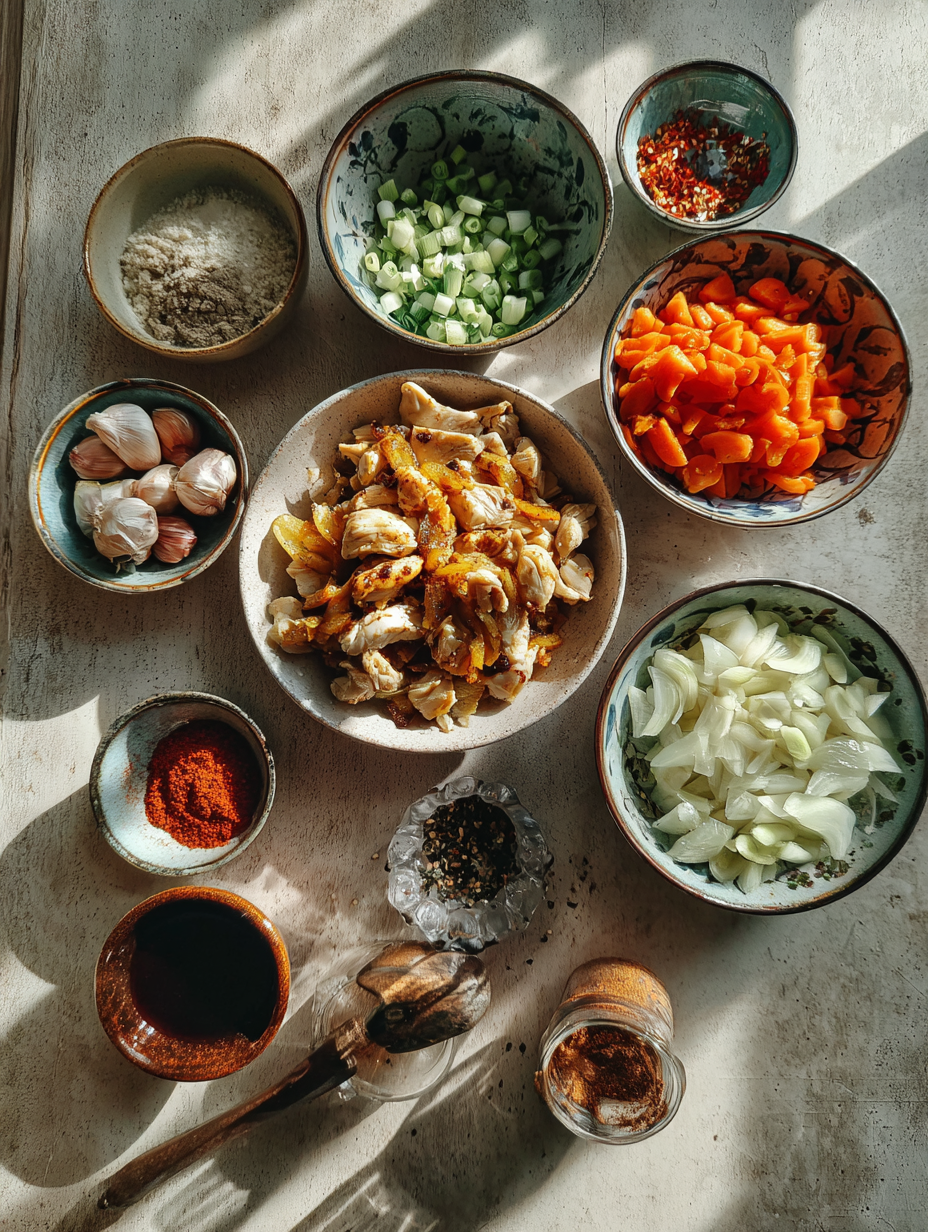
To create your quick and easy chicken stir-fry, you’ll need the following ingredients, each playing a vital role in the final dish:
1. Chicken Breast (1 pound): The star of the show, boneless, skinless chicken breast is lean and quick to cook. Thinly slicing the chicken helps it cook evenly and absorb flavors better. You can substitute with chicken thighs for a richer taste or use tofu for a vegetarian option.
2. Broccoli (1 cup): Rich in vitamins and minerals, broccoli adds a delightful crunch and vibrant green color. If you prefer, you can replace it with snap peas or bell peppers for a different flavor.
3. Bell Peppers (1 cup): Use a mix of red, yellow, and green for a colorful presentation. Their sweetness balances the saltiness of the soy sauce. You can also use carrots or zucchini for variation.
4. Soy Sauce (1/4 cup): This salty, umami-packed sauce is essential for flavor. If you’re looking for a gluten-free option, use tamari instead.
5. Honey (2 tablespoons): Honey adds a touch of sweetness that cuts through the saltiness of the soy sauce. For a vegan alternative, use maple syrup or agave nectar.
6. Garlic (2 cloves): Fresh garlic brings a pungent aroma and flavor that’s irreplaceable. Feel free to adjust the amount based on your preference.
7. Ginger (1 tablespoon): Fresh ginger adds warmth and a slight spiciness that complements the garlic beautifully. Ground ginger can be used in a pinch, though fresh is always best.
8. Sesame Oil (1 tablespoon): This oil imparts a nutty richness that enhances the overall flavor. For a lighter option, use olive oil, though it will alter the taste slightly.
9. Cornstarch (1 tablespoon): Coating the chicken in cornstarch before cooking helps achieve a crispy texture and locks in moisture.
10. Salt and Pepper: Essential for seasoning, these two simple ingredients can make a profound difference. Adjust according to taste.
When preparing this dish, quantity matters—too much soy sauce can overpower the meal, while too little might leave it bland. Feel free to experiment with the ratios to suit your taste preferences.
For those with dietary restrictions, most of these ingredients can be easily substituted, allowing you to create a dish that suits your needs perfectly. Fresh ingredients can usually be found at any grocery store, while specialty items like sesame oil may be available in the international aisle or at an Asian market.
—
Equipment Needed
To whip up your quick and easy chicken stir-fry, you’ll need a few essential tools:
1. Wok or Large Skillet: A wok is ideal for stir-frying due to its high sides and ability to distribute heat evenly. However, a large skillet will work just as well. The key is to have a surface that allows for quick cooking.
2. Spatula or Wooden Spoon: You’ll need something sturdy to stir your ingredients without scratching your pan. A wooden spoon is a great choice, as it won’t conduct heat or scratch surfaces.
3. Cutting Board and Knife: A good cutting board and a sharp knife are necessary for chopping your vegetables and slicing the chicken. A chef’s knife is versatile and can handle all your cutting needs.
4. Measuring Cups and Spoons: Precision matters, especially with sauces and seasonings. Having these tools on hand ensures you get the right balance of flavors.
5. Mixing Bowl: Use this for coating the chicken in cornstarch and mixing your sauce. A medium-sized bowl will do the trick.
6. Optional: A steamer basket can be useful if you choose to steam some of your vegetables instead of stir-frying them. It’s not essential but can add another layer of cooking technique to your stir-fry.
By having these tools ready, you’ll streamline the cooking process and make your stir-fry experience even more enjoyable. Affordable alternatives can often be found at local kitchen supply stores, and many of these items you may already have at home, making it easy to start cooking your delicious chicken stir-fry!
Step-by-Step Instructions
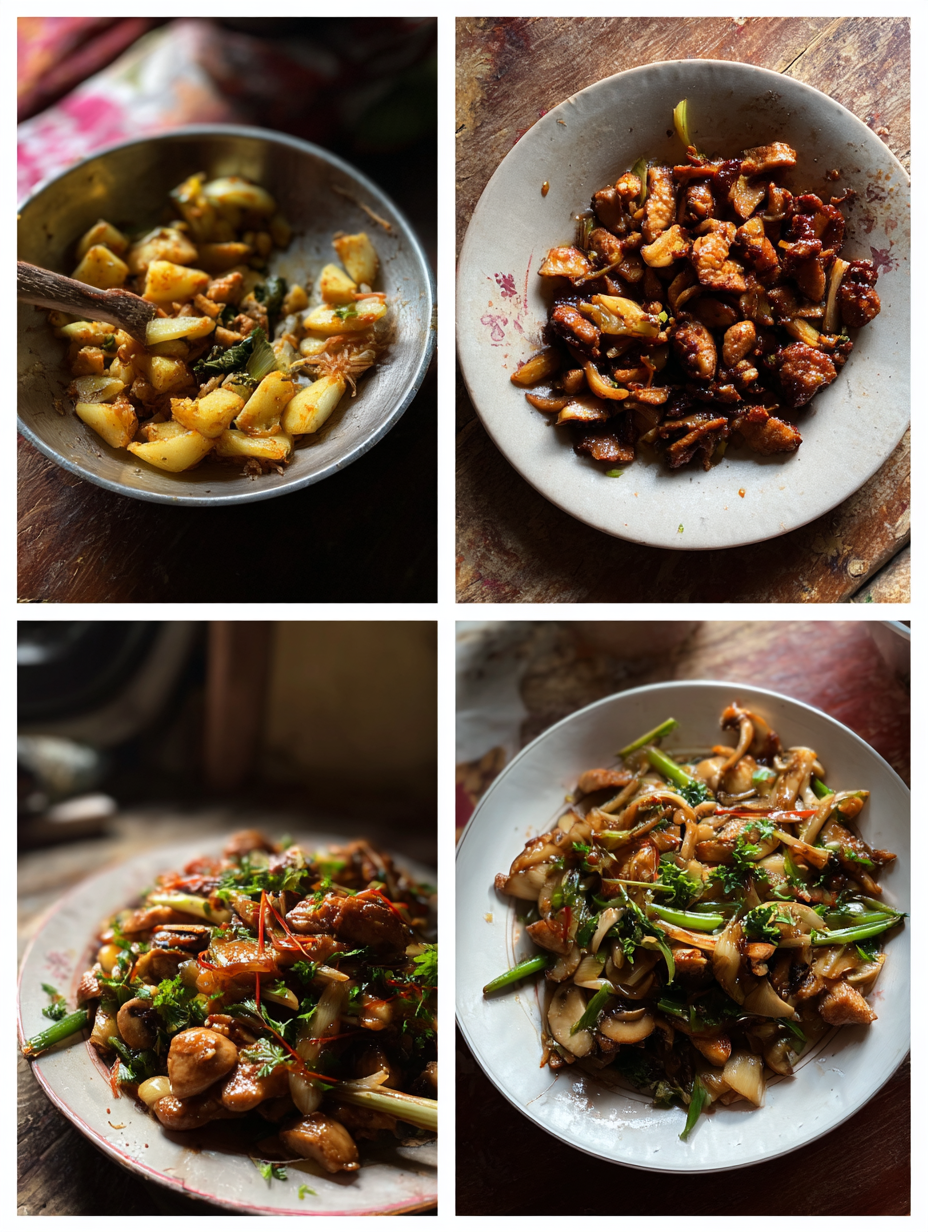
1. Prepare Your Ingredients: Start by gathering all your ingredients and chopping them. Dice your chicken breast into bite-sized pieces, about 1-inch cubes, for even cooking. Slice your bell peppers, carrots, and onions into thin strips. This ensures that they cook quickly and evenly in the stir-fry. Chef’s Note: You can use pre-cut vegetables if you’re short on time, but fresh ones offer the best flavor and texture.
2. Heat the Pan: Place a large skillet or wok over medium-high heat and add about 2 tablespoons of vegetable oil. Allow the oil to heat until it shimmers but isn’t smoking — this usually takes about 1-2 minutes. You’ll know it’s ready when you see small rippling waves on the surface of the oil. Chef’s Note: A hot pan ensures a good sear on the chicken, making it juicy on the inside and slightly crispy on the outside.
3. Cook the Chicken: Carefully add the diced chicken to the hot skillet in a single layer. Sear the chicken for about 4-5 minutes without stirring. You want to hear a satisfying sizzle as it cooks. Once the underside is golden brown, use a spatula to flip the pieces and cook for another 2-3 minutes until fully cooked, with no pink in the middle. Chef’s Note: Overcrowding the pan can lead to steaming instead of searing, so make sure to leave enough space between the pieces.
4. Add Aromatics: Once the chicken is cooked, push it to the side of the pan and add your sliced onions and garlic (about 2-3 cloves, minced) to the empty side. Sauté for about 1 minute until fragrant and translucent. You’ll notice the wonderful aroma filling your kitchen — that’s your cue to move on. Chef’s Note: Garlic can burn quickly, so keep an eye on it to avoid bitterness.
5. Incorporate Vegetables: Add your bell peppers and carrots to the skillet. Stir everything together and sauté for an additional 3-4 minutes, or until the vegetables are tender but still crisp. You want to retain some bite for texture. Look for vibrant colors and a slight gloss on the vegetables as they cook. Chef’s Note: If you like your vegetables softer, you can cover the pan for a minute to steam them slightly.
6. Add Sauce and Serve: Pour in your stir-fry sauce (a mix of soy sauce, sesame oil, and a dash of sugar works beautifully) over the chicken and vegetables. Stir everything to coat well and cook for another 1-2 minutes until the sauce thickens slightly. You’ll see the sauce glistening as it clings to the chicken and veggies. Chef’s Note: If you prefer a spicier kick, add a pinch of red pepper flakes at this stage.
7. Garnish and Serve: Remove the skillet from heat and garnish with sliced green onions or sesame seeds. Serve your stir-fry over steamed rice or noodles. Look for a harmonious blend of colors and aromas on your plate — it should look as good as it tastes! Chef’s Note: Drizzling a touch of lime juice over the dish just before serving can elevate the flavors even further.
Pro Tips for the Best Results
1. Prep Ahead: Chop all your ingredients before starting to cook. The quick cooking time of stir-frying means there’s little room to pause and chop during the process. This also helps maintain a steady flow in the kitchen.
2. High Heat is Key: Use medium-high to high heat when cooking your stir-fry. This temperature allows the ingredients to cook quickly while developing a wonderful char. Cooking on lower heat can lead to a soggy stir-fry.
3. Don’t Overcrowd the Pan: If you have a lot of ingredients, consider cooking in batches. Overcrowding the pan can trap steam and prevent the chicken from browning properly. Cook in smaller batches for a more evenly cooked dish.
4. Use the Right Oil: Choose an oil with a high smoke point, like canola, peanut, or avocado oil. These oils can withstand the high heat of stir-frying without burning, allowing for that lovely golden-brown finish.
5. Customize Your Sauce: Experiment with your sauce by adding ingredients like ginger, hoisin sauce, or oyster sauce. Each option can introduce new flavor dimensions to your dish. Don’t hesitate to balance flavors with a bit of acidity or sweetness!
6. Keep Ingredients Uniform: Cut your vegetables and proteins into uniform sizes. This ensures they cook at the same rate, avoiding the risk of some pieces being undercooked while others are overcooked.
7. Rest Your Chicken: Allow your chicken to rest for a minute after cooking but before adding the sauce. This helps to lock in the juices and keeps your chicken tender, preventing it from becoming dry during the cooking process.
8. Finish with Fresh Herbs: Adding fresh herbs like cilantro or basil just before serving can brighten up your stir-fry. These herbs add a layer of freshness that complements the rich flavors of the dish.
Common Mistakes to Avoid
1. Cooking on Low Heat: Cooking your stir-fry on low heat leads to steaming rather than sautéing. Correct Approach: Always use medium-high to high heat to achieve that signature sear and vibrant color.
2. Cutting Ingredients Unevenly: If your chicken and vegetables are cut into various sizes, they will cook unevenly. Correct Approach: Aim for a uniform size, around 1-inch pieces for proteins and similar widths for vegetables.
3. Using Too Much Sauce: Overdoing it with the sauce can result in a soggy stir-fry. Correct Approach: Start with a small amount and add more as needed. The sauce should coat the ingredients lightly without drowning them.
4. Not Prepping Ingredients: Stir-frying is fast-paced; if you haven’t prepped your ingredients, you’ll be scrambling. Correct Approach: Chop and measure everything before you start cooking to maintain a steady rhythm.
5. Ignoring the Resting Period: Cutting into the chicken immediately after cooking can cause all the juices to run out. Correct Approach: Let it rest for a minute or two to retain moisture and flavor.
6. Using the Wrong Pan: A non-stick or small skillet can prevent proper browning and lead to uneven cooking. Correct Approach: Use a large wok or a wide skillet that allows for quick movement and even exposure to the heat.
7. Skipping the Searing Step: Not allowing the chicken to brown properly can lead to a lack of flavor. Correct Approach: Give the chicken a chance to sear without stirring for the first few minutes to develop a rich, savory crust.
Creative Variations
1. Seasonal Variation: Fall Harvest Chicken Stir-Fry – Substitute your usual vegetables with seasonal ingredients like butternut squash, Brussels sprouts, and kale. Add a touch of maple syrup to your sauce for a sweet autumn twist.
2. Dietary-Friendly Version: Vegan Chickpea Stir-Fry – Replace the chicken with canned chickpeas for a protein-packed, vegan option. Use tofu for a firmer texture and make sure to use soy sauce that is gluten-free if necessary.
3. Gourmet Elevated Version: Lemon Herb Chicken Stir-Fry – Use organic, free-range chicken and add fresh herbs like thyme and rosemary. Top with a drizzle of lemon-infused olive oil and some shaved Parmigiano-Reggiano for a gourmet touch.
4. Quick 15-Minute Version: Fast and Furious Chicken Stir-Fry – Use pre-cooked rotisserie chicken and frozen mixed vegetables. Sauté for just 5 minutes, add your sauce, and serve over instant rice for a super-fast meal.
5. Kid-Friendly Version: Sweet and Sour Chicken Stir-Fry – Create a mild sweet and sour sauce using ketchup, vinegar, and brown sugar. Toss in pineapple chunks and serve with colorful bell peppers to appeal to young taste buds.
6. International Twist: Thai Basil Chicken Stir-Fry – Swap out the traditional soy sauce for a combination of fish sauce, soy sauce, and a handful of fresh Thai basil. This will impart a fragrant and slightly spicy flavor, making it a lively dish.
Serving Ideas
When it comes to plating your Quick and Easy Chicken Stir-Fry, presentation is key to making your dish truly inviting. Here are some beautiful ideas to elevate your serving game:
1. Layered Bowl: Start with a base of fluffy jasmine rice or quinoa in a deep bowl. Pile your colorful stir-fry on top, allowing the vibrant greens and reds of bell peppers, broccoli, and carrots to cascade over the rice. Garnish with a sprinkle of sesame seeds and a handful of fresh cilantro for a pop of color.
2. Platter Style: Use a large serving platter to artfully arrange your chicken stir-fry. Create a colorful mosaic with the vegetables, and drizzle a bit of soy sauce or a homemade sauce around the edge to frame the dish. Top with sliced green onions for a fresh finish.
3. Mason Jar Meal: For a fun, portable option, layer your stir-fry in a mason jar, starting with the heavier ingredients (like chicken and broccoli) at the bottom and finishing with rice at the top. Once ready to eat, shake it up! This not only looks appealing but also makes for a quick lunch.
4. Bento Box: If you want to serve it in a more traditional style, consider using a bento box. Divide the stir-fry into sections, pairing it with a small serving of pickled vegetables and a few slices of fresh mango for a sweet contrast.
5. Garnished Plate: For an elegant touch, use a round, white plate. Spoon a portion of stir-fry in the center and garnish with thinly sliced red chili for heat and a sprinkle of lime zest for brightness. Add a wedge of lime on the side for a burst of citrus just before eating.
Each of these plating methods not only enhances the visual appeal but also allows the vibrant colors and textures of your dish to shine, ensuring your family and friends are excited to dig in.
What to Serve With
To create a well-rounded meal, consider these delightful pairings that complement your Quick and Easy Chicken Stir-Fry beautifully:
1. Cucumber and Sesame Salad: This fresh, crunchy salad adds a refreshing contrast to the warm, savory stir-fry. The crisp cucumber and sesame dressing provide a light texture that balances the rich flavors of the chicken.
2. Jasmine Rice: A classic choice, fluffy jasmine rice absorbs the stir-fry’s sauce, making each bite delightful. Its subtle floral aroma enhances the overall dining experience, while its softness complements the chewy chicken pieces.
3. Spring Rolls: Light and crispy, these rolls filled with shrimp or fresh veggies provide a delightful crunch. Pairing these with a spicy peanut dipping sauce introduces new flavors and textures that are sure to impress your guests.
4. Chardonnay: A chilled glass of Chardonnay works wonders, as its fruity notes and slight acidity cut through the richness of the stir-fry. This crisp wine elevates the entire meal, making it feel more upscale.
5. Mango Sticky Rice: For dessert, this sweet and creamy dish provides a perfect ending. The sweetness of the mango pairs well with the savory notes of the stir-fry, and the sticky rice brings a comforting element to the table.
6. Steamed Edamame: These protein-packed pods offer a fun appetizer or side. Their salty goodness complements the stir-fry without overwhelming the palate, and the vibrant green color adds a fresh touch to your meal.
These pairings not only enhance the flavors of your chicken stir-fry but also provide a delightful variety of textures and colors that will make your meal unforgettable.
Storage Guide
To ensure your Quick and Easy Chicken Stir-Fry stays fresh and safe for future meals, proper storage is essential. Follow these guidelines for optimal results:
1. Container Type: Use a glass or BPA-free plastic airtight container to store your leftovers. These materials help prevent moisture loss and keep odors at bay.
2. Refrigeration Temperature: Place your stir-fry in the fridge at a temperature of 40°F (4°C) or lower. This will slow down the growth of bacteria and maintain the quality of your food.
3. Shelf Life: Your stir-fry can be safely stored in the refrigerator for up to 3–4 days. After this period, it’s better to discard it to avoid foodborne illness.
4. Signs of Spoilage: Before eating, check for any off smells, unusual textures, or discoloration. If the stir-fry has developed an odd odor or looks slimy, it’s best to throw it away.
5. Refreshing Before Serving: To bring back the fresh flavors before serving again, add a splash of water or a drizzle of soy sauce while reheating. This will help restore moisture and enhance the dish’s flavor profile.
By following these simple steps, you can enjoy your delicious chicken stir-fry for days to come without compromising on taste or safety.
Freezing Tips
Yes, your Quick and Easy Chicken Stir-Fry freezes beautifully! To ensure the best quality and flavor, follow these detailed instructions:
1. Portioning: Divide your stir-fry into individual portions. This makes it easier to thaw only what you need and prevents waste.
2. Wrapping Method: Use freezer-safe, airtight containers or freezer bags to store each portion. If using bags, squeeze out as much air as possible before sealing.
3. Labeling: Clearly label each container with the date and contents. This will help you keep track of how long it’s been in the freezer.
4. Freezer Life: Your stir-fry can be safely stored in the freezer for up to 3 months. After this time, the quality may diminish, but it will still be safe to eat.
5. Quality Changes: Expect a slight change in texture after thawing due to the moisture loss from the vegetables. However, the flavors will still be intact.
6. Best Thawing Method: For the best results, thaw your stir-fry overnight in the refrigerator. This gradual thawing helps preserve texture. If you’re in a hurry, you can use the microwave’s defrost function, but be cautious not to start cooking it.
By following these freezing tips, you can enjoy your chicken stir-fry even weeks later, all while preserving its delightful flavors.
Reheating Guide
Reheating your Quick and Easy Chicken Stir-Fry properly is key to retaining its deliciousness. Here are specific methods to ensure your meal tastes just as good as when it was first made:
1. Microwave: Place your stir-fry in a microwave-safe dish and cover it with a microwave-safe lid or damp paper towel to prevent drying out. Heat on medium power for 2-3 minutes or until heated through, stirring halfway for even warming.
2. Oven: Preheat your oven to 350°F (175°C). Place the stir-fry in an oven-safe dish, cover it with foil to trap moisture, and heat for about 10-15 minutes or until warmed through. This method helps maintain the texture of the chicken and vegetables.
3. Stovetop: Heat a non-stick skillet over medium heat and add a splash of water or chicken broth to help rehydrate the stir-fry. Cook for about 5-7 minutes, stirring frequently until heated through. This method not only warms your dish but keeps it juicy.
4. Restoring Texture and Flavor: To bring back that fresh taste, consider adding a bit of freshly squeezed lime juice or a dash of soy sauce right before serving. This enhances the flavors and gives your stir-fry a lively kick.
By following these reheating guidelines, you’ll enjoy your chicken stir-fry as if it were freshly made, with all the original textures and flavors intact.
Nutrition Overview
Each serving of your Quick and Easy Chicken Stir-Fry is not just tasty but also nutritious. Here’s a quick breakdown of its approximate nutritional values:
– Calories: 350
– Protein: 28g
– Carbohydrates: 30g
– Fat: 10g
– Fiber: 4g
– Sugar: 6g
The chicken breast is an excellent source of lean protein, which is essential for muscle repair and growth. The vibrant bell peppers not only add color but are also high in vitamin C, boosting your immune system. Meanwhile, the broccoli contributes fiber and vital antioxidants, supporting overall health.
With this balanced combination of ingredients, your stir-fry not only satisfies your taste buds but also supports your wellness goals, making it a guilt-free delight.
Frequently Asked Questions
Q: Can I use frozen chicken for stir-fry?
A: Yes, you can use frozen chicken for stir-fry, but it’s best to thaw it in the fridge overnight before cooking. This ensures even cooking and prevents the chicken from becoming rubbery.
Q: What vegetables can I substitute in this stir-fry?
A: You can swap out vegetables based on your preferences or what’s in season. Great alternatives include sugar snap peas, zucchini, or mushrooms. Just keep in mind that cooking times may vary with different veggies.
Q: How can I make this stir-fry gluten-free?
A: To make your stir-fry gluten-free, use tamari instead of soy sauce, and ensure all other sauces and ingredients are labeled gluten-free. This adjustment retains the savory flavor without any gluten.
Q: How long does the stir-fry take to cook?
A: The cooking time for the stir-fry is relatively quick, typically around 10-15 minutes once the chicken is cut into pieces. The key is to maintain high heat for a quick cook that retains texture.
Q: Can I add more protein to the dish?
A: Absolutely! You can easily add tofu, shrimp, or even beef to the stir-fry. Just adjust the cooking time accordingly to ensure everything is cooked through.
Q: Do I need a wok to make stir-fry?
A: While a wok is traditional, it’s not necessary. A large skillet or frying pan works just as well. The important part is ensuring your pan is hot enough to quickly cook the ingredients without steaming them.
Q: How do I ensure my stir-fry isn’t soggy?
A: To avoid sogginess, make sure to cook your chicken and vegetables in batches if necessary. This prevents overcrowding in the pan, allowing for quick, high-heat cooking that promotes browning.
Q: Can this recipe be made vegetarian?
A: Yes! Simply replace the chicken with tofu or tempeh, and use vegetable broth instead of chicken broth if needed. This keeps the dish hearty and satisfying while accommodating a vegetarian diet.
Final Thoughts
As you prepare your Quick and Easy Chicken Stir-Fry, remember that the key to a vibrant dish lies in the quality of your ingredients and the freshness of your vegetables. Don’t hesitate to experiment with different veggies or proteins to make this dish uniquely yours!
I genuinely hope this recipe brings joy to your table, whether it’s a cozy family dinner or a quick meal on a busy weeknight. The colors, textures, and flavors combine to create an experience that is as delightful to eat as it is to prepare.
Now, it’s your turn: gather your ingredients and let the cooking adventure begin!