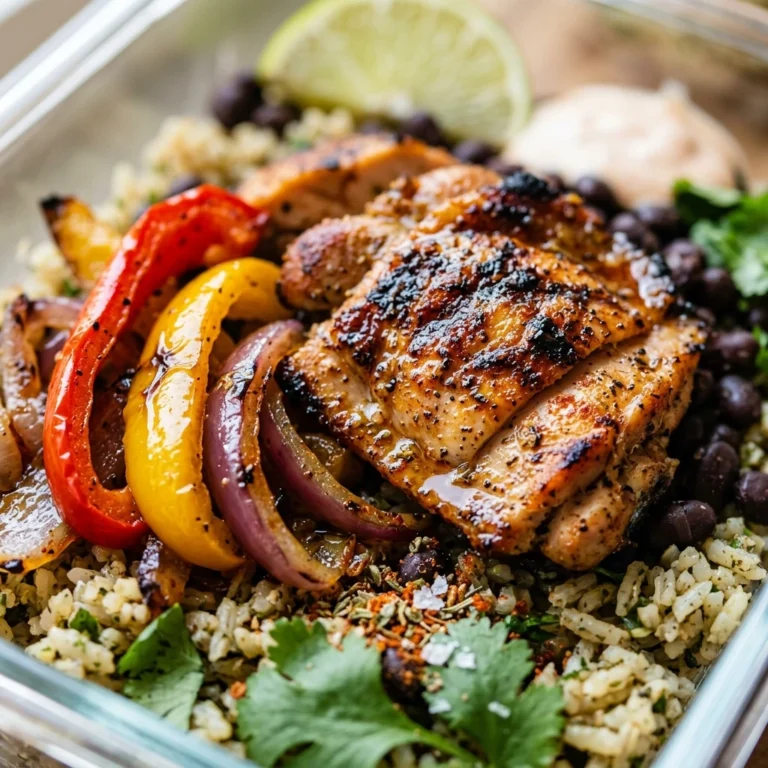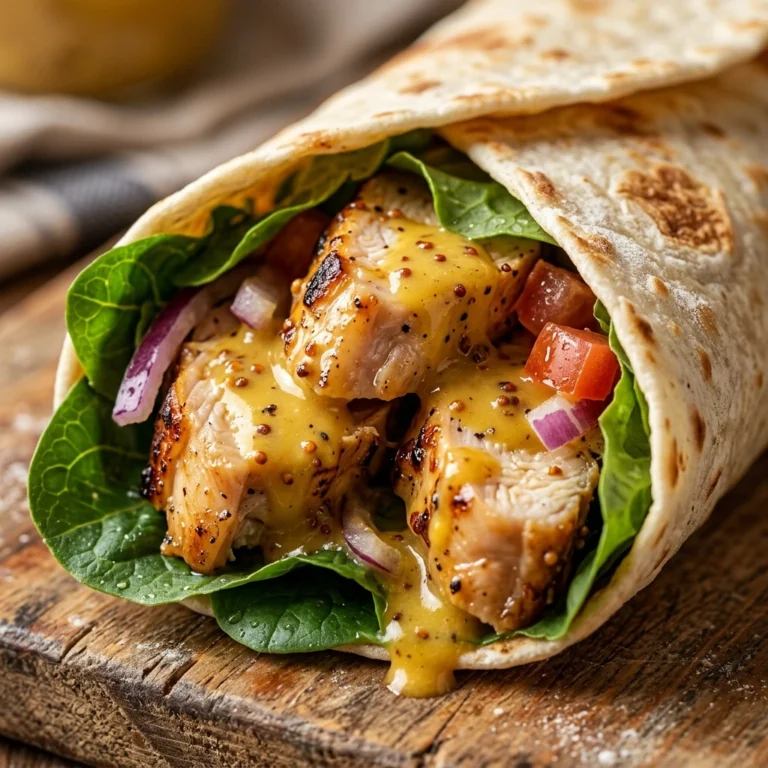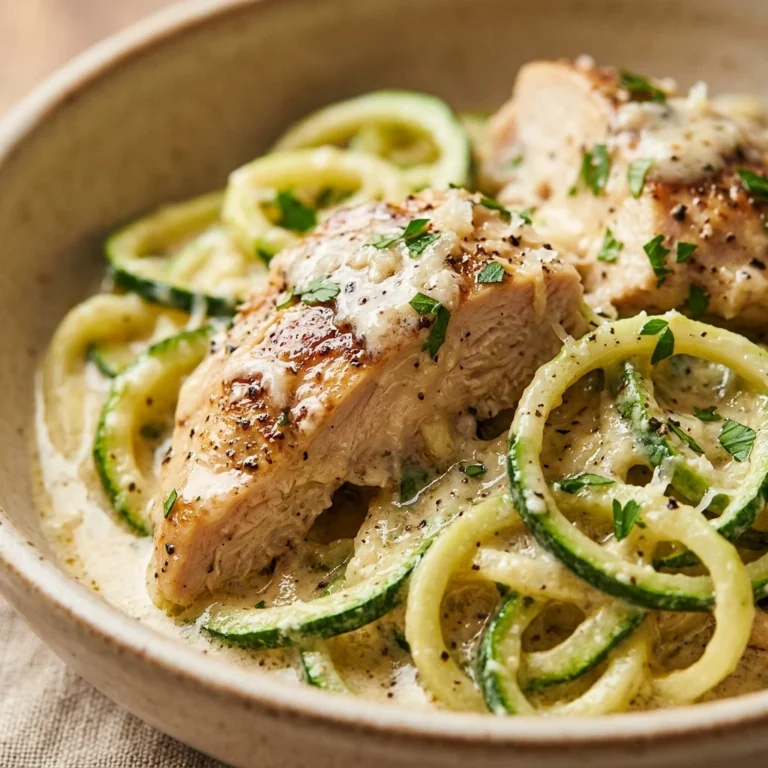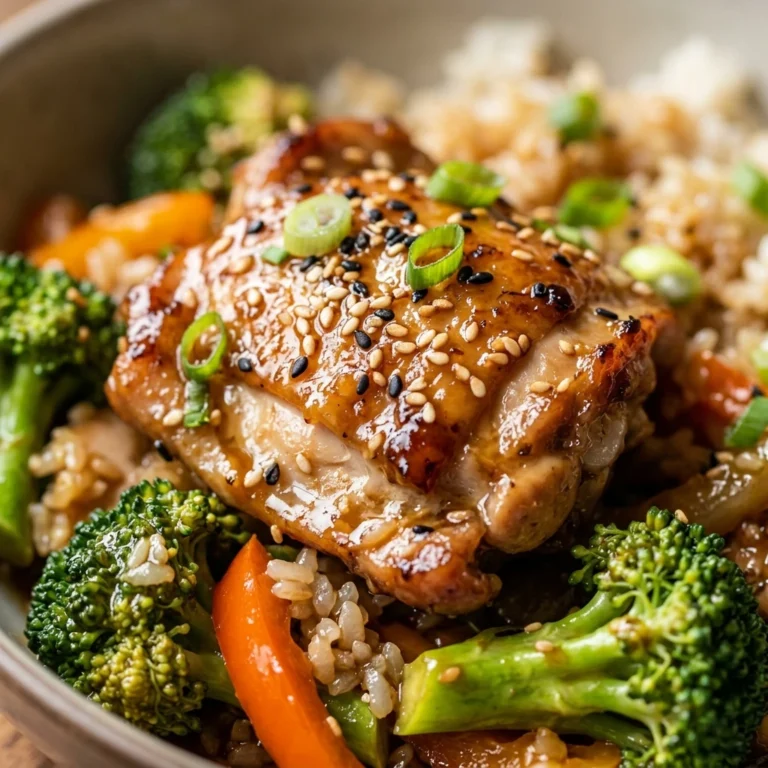
Follow Me On Pinterest!
One Pan Lemon Garlic Chicken

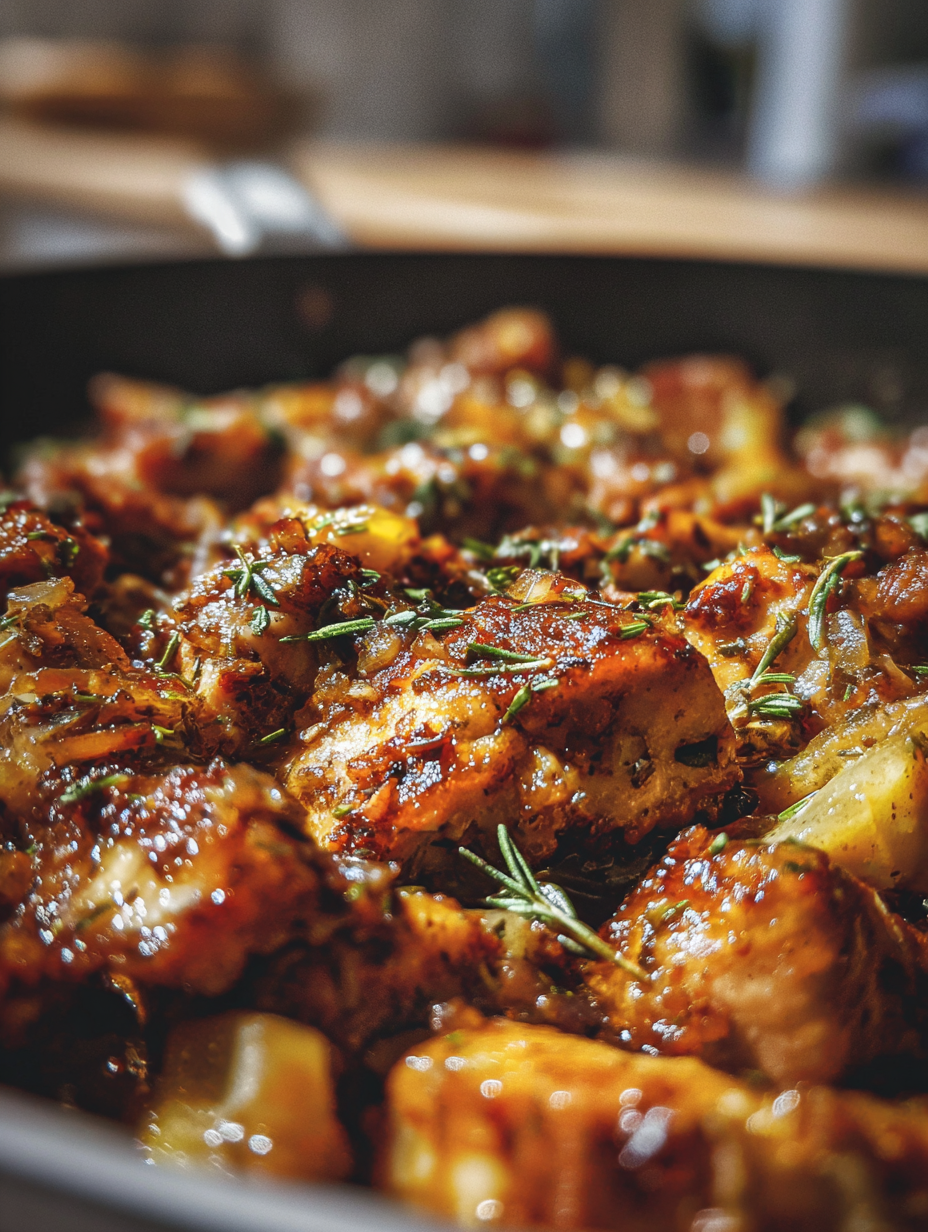
One Pan Lemon Garlic Chicken: Effortless Flavor in Every Bite
—
Introduction
There’s a particular evening that stands out in my mind, a moment when the simple act of cooking transformed into something wonderfully memorable. I remember the golden hour light streaming through the kitchen window as I prepared my first batch of One Pan Lemon Garlic Chicken. The vibrant colors of fresh produce scattered across the counter—bright yellow lemons, deep green herbs, and golden-brown chicken—created a palette that was both inviting and energizing. The air was filled with the warm, buttery aroma of garlic sizzling in olive oil, mingling beautifully with the zesty tang of lemon juice. It was as if the kitchen itself was encouraging me to dive into this culinary adventure.
As I tossed the chicken pieces in the aromatic marinade, the delightful clinking of utensils and the soft bubbling sounds from the pan became a comforting backdrop. I could hardly wait for the moment when the chicken would emerge from the oven, perfectly cooked, surrounded by tender vegetables glistening with the flavorful drippings. When I finally pulled the pan out, the sight was mesmerizing—golden-brown chicken, its skin crisp and inviting, paired with vibrant veggies, all infused with that unmistakable lemon garlic aroma.
This dish quickly became a staple in my home, not just for its ease but for the way it brought everyone to the table. It feels like a warm hug on a busy weeknight, and every bite bursts with flavor that reminds you of sun-soaked afternoons. With the ease of a one-pan recipe and the explosion of flavors, you’ll understand why this dish has captured my heart. Now, let’s dive into the details of crafting your own delightful One Pan Lemon Garlic Chicken.
—
Why This Recipe Works
The One Pan Lemon Garlic Chicken recipe shines brightly due to its harmonious blend of flavors and textures. At the heart of this dish are the key flavor combinations: the bright acidity of fresh lemons, the robust aroma of garlic, and the earthy undertones of herbs. When combined, these ingredients create a perfect balance, lifting the chicken’s natural flavors while adding a refreshing twist that keeps each bite exciting.
Texture contrasts play a crucial role here as well. The chicken is seared to achieve a crispy, golden skin while remaining juicy and tender on the inside. This contrast is crafted through a two-step cooking process—first, searing the chicken in a hot pan to lock in moisture, followed by roasting in the oven to finish cooking and meld the flavors. The vegetables, roasted alongside the chicken, offer a satisfying tenderness with a slight caramelization that enhances their natural sweetness.
Each major ingredient serves a purpose: chicken provides protein and a hearty base, garlic adds depth and warmth, and lemons bring brightness. This version stands apart from generic recipes thanks to its emphasis on fresh, quality ingredients and a technique that ensures every component shines. You’re not just preparing a meal; you’re crafting an experience that is both delicious and nourishing.
—
What Makes It Special
There are a few standout qualities that elevate this One Pan Lemon Garlic Chicken above the rest. First, the freshness of home-cooked meals cannot be overstated. Unlike store-bought options that can be laden with preservatives, this dish allows you to handpick every ingredient, ensuring peak freshness and flavor. With each bite, you’ll savor the vibrant notes of lemon and garlic, rather than the muted flavors often found in restaurant versions.
Moreover, making this dish at home is not only cost-effective but also customizable. You can adjust the seasoning, add your favorite vegetables, or tweak the garlic-to-lemon ratio to suit your palate. Want it spicier? A pinch of red pepper flakes will do the trick.
Perhaps the most surprising element is the addition of fresh herbs. A sprinkle of parsley or thyme not only brightens the dish visually but also enhances the flavor profile, making it feel like a gourmet meal with minimal effort. These simple yet thoughtful touches transform a straightforward recipe into something truly special that your family and friends will rave about.
—
Ingredient Breakdown
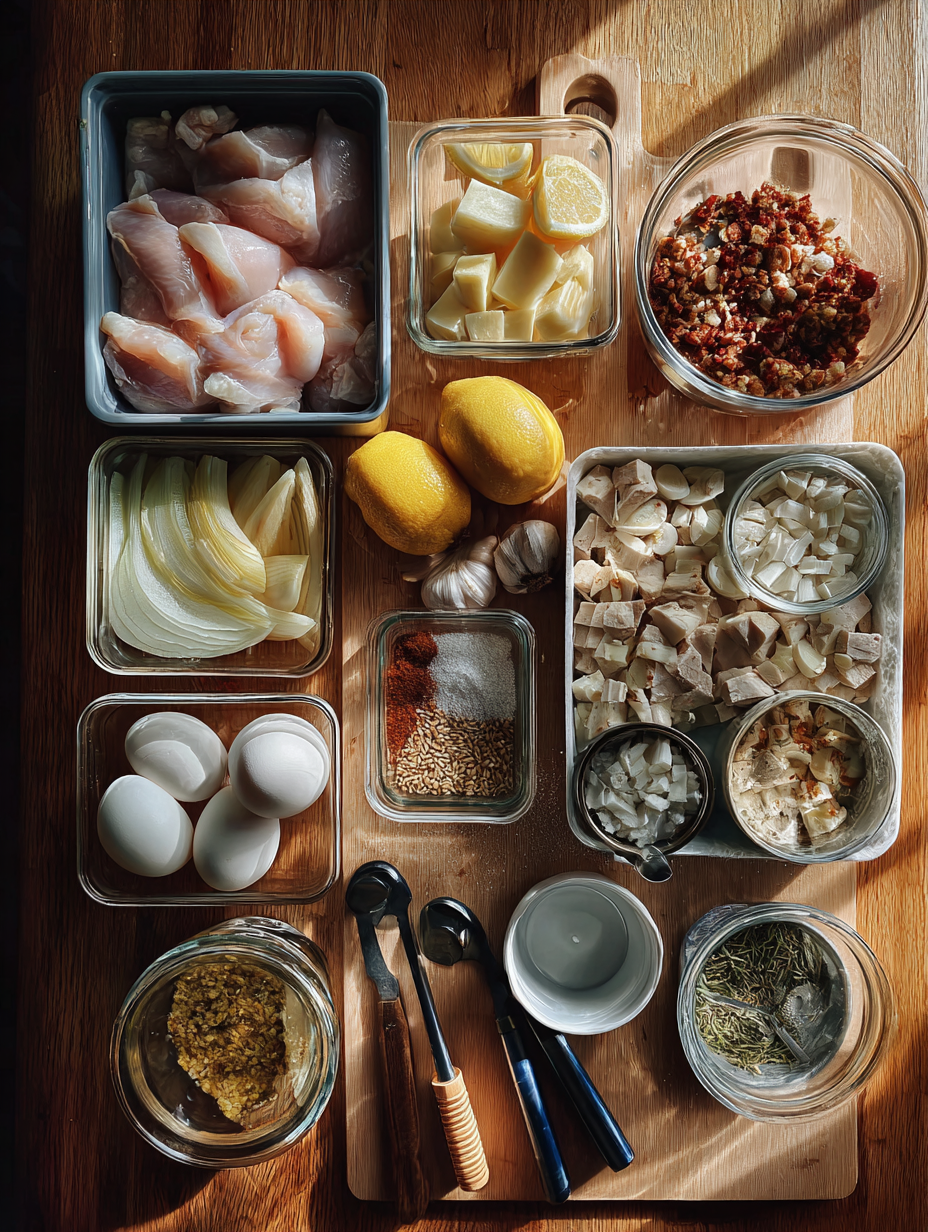
To achieve the best results with your One Pan Lemon Garlic Chicken, let’s break down the ingredients and understand their roles:
1. Bone-in Chicken Thighs: These are the stars of the dish. Their higher fat content keeps them juicy during cooking, while the bone adds flavor. You can substitute with chicken breasts if you prefer, but thighs are recommended for their tenderness.
2. Fresh Lemons: You’ll need both the juice and zest. The juice brings acidity, which brightens the dish, while the zest adds aromatic oils that enhance the overall flavor. If lemons aren’t available, limes can serve as a substitute.
3. Garlic: Fresh, minced garlic is essential for that deep, savory flavor. It caramelizes beautifully in the oven, adding a rich aroma. You can use garlic powder in a pinch, but fresh is always best.
4. Olive Oil: This not only helps in cooking but also helps in achieving that crispy skin. Extra virgin olive oil is recommended for its robust flavor, but any high-quality oil will work.
5. Vegetables (such as carrots and potatoes): These add substance and nutrition. They absorb the chicken’s flavors while roasting. Feel free to substitute with other root vegetables like parsnips or sweet potatoes.
6. Fresh Herbs (like thyme or parsley): These add a burst of freshness and color. You can swap them out based on what you have on hand; rosemary or oregano also work wonderfully.
7. Salt and Pepper: These are crucial for enhancing all the flavors. Don’t skimp on seasoning; it’s what brings everything together.
For those with dietary restrictions, here are some substitution options:
– Dairy-Free: This recipe contains no dairy, so it’s naturally dairy-free.
– Gluten-Free: The ingredients are all gluten-free, so you’re in the clear here.
– Vegan: For a plant-based version, substitute the chicken with tofu or tempeh, adjusting the cooking time accordingly.
You can find most of these ingredients at your local grocery store, but consider visiting a farmer’s market for the freshest produce, especially for the herbs and lemons.
—
Equipment Needed
To create your One Pan Lemon Garlic Chicken, you’ll need a few essential tools:
1. Large Skillet or Oven-Safe Pan: A heavy-bottomed skillet ensures even heating and is essential for achieving the crispy skin on the chicken. If you don’t have an oven-safe option, transfer to a baking dish later.
2. Tongs: These are critical for flipping the chicken and moving the vegetables around without damaging them. If you don’t have tongs, a spatula will work in a pinch.
3. Sharp Knife: A good knife is essential for chopping vegetables and mincing garlic efficiently.
4. Cutting Board: This provides a safe surface for all your chopping and slicing. Look for one that’s easy to clean and sturdy.
5. Mixing Bowl: You’ll use this to combine the marinade for the chicken. Any medium-sized bowl will do.
6. Baking Sheet (optional): If you choose to roast vegetables separately or want to prepare extra sides, a baking sheet can come in handy.
You can find these tools at any home goods store or online. Investing in a quality skillet and knife will elevate your cooking experience; however, if you’re on a budget, there are plenty of affordable options that can get the job done just as well.
Step-by-Step Instructions
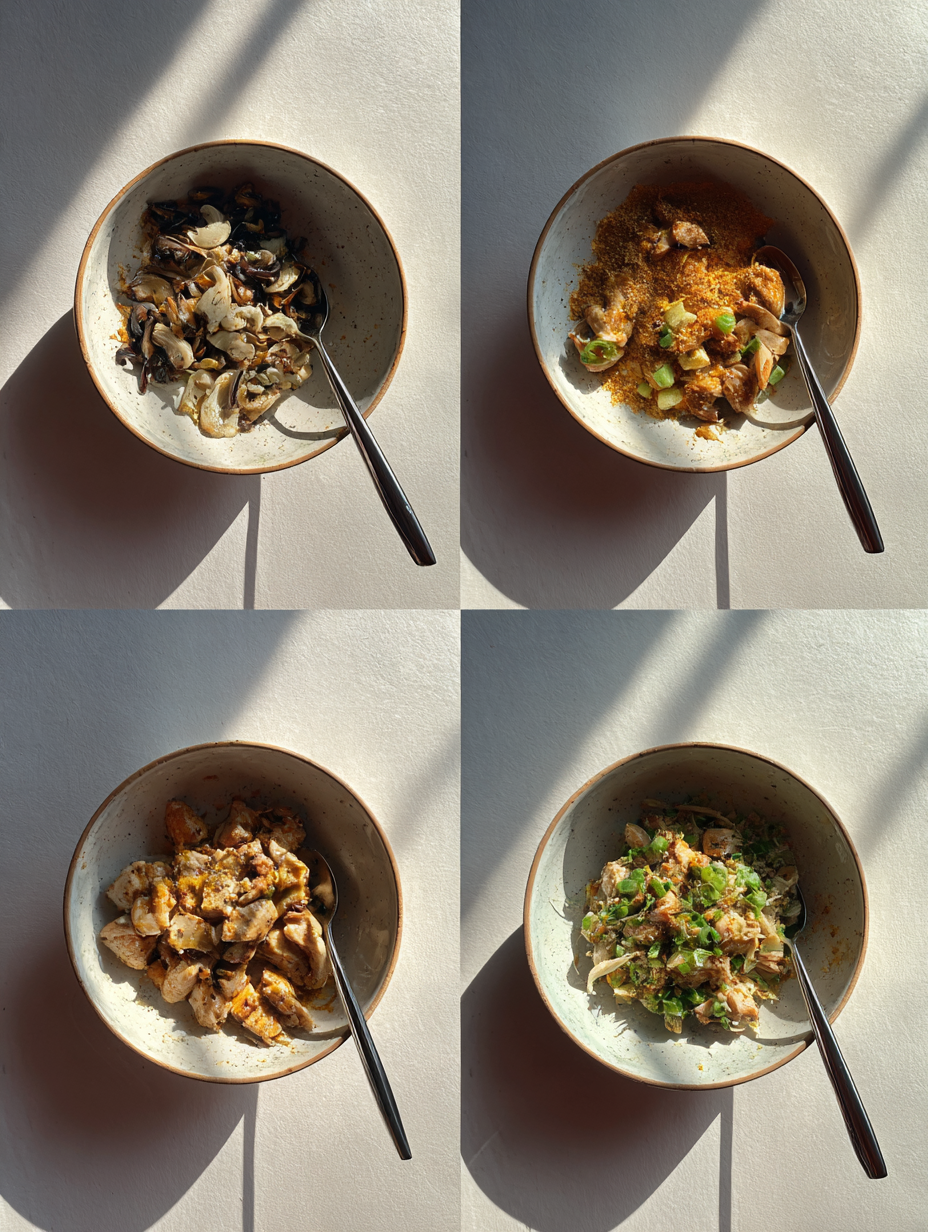
1. Preheat Your Oven: Start by preheating your oven to 425°F (220°C). This temperature is essential for achieving that golden, crispy chicken skin you desire. While it heats up, you can prepare your chicken and vegetables. A good visual cue is to see your oven light turn on, indicating it’s warming up.
2. Prepare the Chicken: Take 4 bone-in, skin-on chicken thighs (or breasts) and pat them dry with paper towels. Drying the chicken is a critical step; it helps the skin crisp up beautifully in the oven. Season both sides generously with salt and pepper, and let them sit at room temperature for about 10-15 minutes. This not only enhances flavor but allows for more even cooking.
3. Sauté Aromatics: In a large, oven-proof skillet, heat 2 tablespoons of olive oil over medium-high heat. Once the oil is shimmering and you can see tiny bubbles forming, add 4 minced garlic cloves. Listen for a light sizzle and smell the fragrant garlic wafting through your kitchen. Sauté for about 1 minute, until the garlic is golden but not burnt. Chef’s Note: Burnt garlic can turn bitter, impacting the overall flavor of your dish.
4. Brown the Chicken: Carefully place the chicken in the skillet, skin-side down. You should hear a satisfying sizzle as the chicken makes contact with the hot oil. Cook for about 5-7 minutes, or until the skin is crispy and a deep golden color. Do not move the chicken during this time; let it develop that beautiful crust. After browning, flip the chicken over and cook for an additional 2-3 minutes.
5. Add Lemon and Herbs: Once the chicken is browned, squeeze the juice of one lemon directly over the chicken, making sure to avoid the seeds. Add in fresh rosemary and thyme (about 2 sprigs of each), and pour in 1 cup of low-sodium chicken broth around the sides of the chicken, avoiding the skin. You should see the mixture bubbling slightly. The bright, zesty aroma will fill your kitchen, signaling it’s time for the next step.
6. Roast in the Oven: Transfer the skillet to the preheated oven and roast for 25-30 minutes. You’re looking for an internal temperature of 165°F (74°C) when poked at the thickest part of the chicken. The skin should be a beautiful golden-brown, and the broth should be bubbling. Chef’s Note: You can use an instant-read thermometer to ensure accuracy, as undercooked chicken can be unsafe.
7. Serve and Garnish: Once done, carefully remove the skillet from the oven (it will be hot!). Let the chicken rest for about 5 minutes before serving; this helps the juices redistribute. You can garnish with additional lemon slices and fresh herbs for a pop of color and flavor. As you plate, take a moment to admire the golden, crispy skin and the vibrant broth surrounding the chicken.
Pro Tips for the Best Results
1. Use Bone-In Chicken: Opting for bone-in cuts instead of boneless will yield juicier, more flavorful results. The bone helps retain moisture, ensuring your chicken remains succulent throughout the cooking process.
2. High-Quality Olive Oil: Invest in a quality extra virgin olive oil for sautéing. This not only enhances flavor but also has a higher smoke point, allowing for better browning without burning.
3. Let the Chicken Rest: Always rest the chicken after cooking. This crucial step allows the juices to redistribute, making for a more tender and flavorful bite. Aim for at least 5 minutes of resting time.
4. Adjusting Cooking Time: If you are using larger chicken pieces, be prepared to adjust the cooking time. Always rely on a meat thermometer to ensure your chicken reaches the safe internal temperature of 165°F.
5. Herb Variations: Don’t be afraid to mix up your herbs. If you have fresh tarragon or oregano on hand, they can add unique flavor twists. Always use fresh herbs for the best aroma and taste.
6. Infuse the Broth: For a richer broth flavor, add a splash of white wine or a tablespoon of Dijon mustard to the chicken broth before pouring it into the skillet. This adds depth and a gourmet touch.
7. Prepping Ahead: You can marinate the chicken in lemon juice, garlic, and herbs for a few hours or overnight. This not only enhances the flavors but also saves you time on the day of cooking.
Common Mistakes to Avoid
1. Not Drying the Chicken: Failing to pat the chicken dry can lead to soggy skin. Moisture prevents browning, so dry it well to achieve that crispy texture you crave.
2. Overcrowding the Pan: Placing too much chicken in the skillet can steam the meat instead of browning it. Cook in batches if necessary, allowing enough space for proper heat circulation.
3. Skipping the Resting Period: Cutting into the chicken immediately after cooking will release its juices, leaving you with dry meat. Always let it rest to ensure maximum juiciness.
4. Not Monitoring Temperature: Relying solely on cooking times can lead to undercooked or overcooked chicken. Use a meat thermometer to check for doneness accurately.
5. Ignoring Aromatics: Overlooking the garlic and herbs can result in a bland dish. Don’t skip the sautéing step; it builds a flavor base that enhances the entire recipe.
6. Using Cold Chicken: Cooking chicken straight from the fridge can lead to uneven cooking. Let it sit at room temperature for about 15 minutes before cooking to ensure more consistent results.
7. Not Tasting the Broth: Failing to taste the broth before serving can leave you with an unseasoned dish. Always check for seasoning and adjust with salt, pepper, or a splash of lemon juice as needed.
Creative Variations
1. Seasonal Variation: Lemon Garlic Chicken with Asparagus — In spring, add a handful of asparagus spears to the skillet before roasting. The asparagus will soak up the lemony garlic flavor while adding a delightful crunch.
2. Dietary-Friendly Version: Keto Lemon Garlic Chicken — Replace the chicken broth with cauliflower broth and serve alongside sautéed spinach instead of traditional sides. This keeps it low-carb while still delivering on flavor.
3. Gourmet Elevated Version: Herb-Crusted Lemon Garlic Chicken — Before browning, coat the chicken skin with a mixture of panko breadcrumbs, lemon zest, and finely chopped fresh herbs. This adds a crunchy texture and a burst of herbal brightness.
4. Quick 15-Minute Version: Skillet Lemon Garlic Chicken — Use boneless, skinless chicken breasts and cut them into strips. Sauté them rapidly in the skillet for about 5-7 minutes, then add the garlic and lemon juice, finishing with a quick toss.
5. Kid-Friendly Version: Lemon Garlic Chicken Tenders — Cut chicken breasts into tenders, dip them in egg wash, and coat with breadcrumbs mixed with lemon zest. Bake until golden and serve with a side of honey mustard for dipping.
6. International Twist: Mediterranean Lemon Garlic Chicken — Add sliced Kalamata olives and artichoke hearts to the skillet along with the broth. This gives your dish a Mediterranean flair, complete with briny and tangy notes that beautifully complement the chicken.
Serving Ideas
When it comes to serving your One Pan Lemon Garlic Chicken, presentation can elevate this dish from a weeknight meal to a showstopper for guests. Here are some beautiful plating ideas to inspire you:
1. Rustic Plate Arrangement: Use a large, shallow bowl to create a rustic feel. Start with a bed of fluffy, lemon-scented couscous or fluffy rice. Nestle your chicken pieces on top, allowing the juices to mingle with the grains. Scatter fresh parsley and lemon zest over everything for a vibrant pop of color.
2. Elegant Platter: Serve the chicken on a sleek white platter, drizzling the pan sauce over the top. Accompany with roasted seasonal vegetables, such as asparagus and cherry tomatoes, arranged artfully around the chicken. Garnish with lemon wedges and a sprinkle of chopped thyme for a fresh touch.
3. Individual Serving Bowls: For a more intimate dining experience, plate each serving in a small bowl. Layer the chicken with sautéed spinach and garlic mashed potatoes. Finish with a drizzle of the lemon-garlic sauce and a sprinkle of cracked black pepper for sophistication.
4. Citrus-Focused Assembly: Create a citrus-themed plate by slicing oranges and lemons and placing them around the chicken. This not only enhances the flavor profile but also adds a beautiful, colorful contrast. Top with microgreens or edible flowers for an added touch of elegance.
5. Casual Family Style: For a cozy family meal, serve everything right in the pan. Just before bringing it to the table, sprinkle freshly chopped herbs and an extra squeeze of lemon over the top. This approach encourages sharing and adds a homey feel to your dining experience.
What to Serve With
Pairing your One Pan Lemon Garlic Chicken with complementary side dishes can create a well-rounded meal. Here are some suggestions that will enhance your dining experience:
1. Garlic Herb Rice Pilaf: This fragrant rice dish, with its toasty nuts and herbs, complements the lemony chicken without overshadowing it. The nutty notes balance the bright acidity of the chicken, making for a harmonious plate.
2. Crispy Roasted Broccoli: The slight bitterness of roasted broccoli provides a lovely contrast to the savory, tangy chicken. Toss the broccoli with olive oil, garlic, and a sprinkle of parmesan before roasting for added flavor and crunch.
3. Lemon Basil Quinoa Salad: A refreshing quinoa salad with cherry tomatoes, cucumber, and a zesty lemon-basil vinaigrette will not only enhance the lemon notes in your chicken but also add a delightful texture. The bright colors make for an inviting presentation.
4. Chilled White Wine: A crisp, chilled Sauvignon Blanc or Pinot Grigio elevates the meal beautifully. The wine’s acidity pairs perfectly with the lemon and garlic flavors, creating a refreshing sip between bites.
5. Garlic Bread: Soft, buttery garlic bread makes for a delightful addition, perfect for soaking up any remaining sauce. The contrasting textures — crisp on the outside and soft on the inside — harmonize well with the tender chicken.
6. Lemon Tart: For dessert, a delicate lemon tart with a buttery crust provides a sweet finish that echoes the meal’s bright flavors. The tartness of the lemon will leave your palate refreshed and satisfied.
Storage Guide
To properly store any leftover One Pan Lemon Garlic Chicken, you’ll want to ensure that it retains its delicious flavor and texture. Here’s how to do it:
– Containers: Use airtight glass containers for storing leftovers. These help maintain moisture and prevent absorption of odors from other foods in the fridge.
– Temperature: Store your chicken in the refrigerator at or below 40°F (4°C). This will keep it safe to eat for several days.
– Shelf Life: Leftover chicken should be consumed within 3 to 4 days. After this time, its safety and quality may decline.
– Signs of Spoilage: If you notice any off smells, changes in texture, or discoloration, these are signs that the chicken has gone bad and should be discarded.
– Refreshing Before Serving: To restore freshness, consider reheating the chicken gently on the stovetop with a splash of chicken broth or water. This will help revive its juiciness and flavor without drying it out.
Freezing Tips
If you’ve got more than you can eat, you’ll be pleased to know that One Pan Lemon Garlic Chicken freezes quite well with the right approach:
– Portioning: Divide the chicken into meal-sized portions before freezing. This makes it easy to thaw only what you need.
– Wrapping: Wrap each portion tightly in plastic wrap, then place it in a freezer-safe bag or container. Be sure to remove as much air as possible to prevent freezer burn.
– Labeling: Clearly label each bag or container with the date so you can keep track of freshness.
– Freezer Life: Properly stored, the chicken can last in the freezer for about 2 to 3 months.
– Quality Expectation: After thawing, the texture might be slightly softer but should still taste delicious.
– Thawing Method: The best way to thaw is in the refrigerator overnight, which allows for a gradual temperature change and helps maintain texture.
Reheating Guide
Once you’re ready to enjoy your leftover One Pan Lemon Garlic Chicken, here’s how to reheat it effectively:
– Microwave: Place the chicken on a microwave-safe plate and cover it with a damp paper towel to prevent it from drying out. Heat on medium power for about 2-3 minutes, checking halfway through to ensure even warming.
– Oven: Preheat your oven to 350°F (175°C). Place the chicken in an oven-safe dish, cover it with aluminum foil to retain moisture, and heat for about 15-20 minutes, or until warmed through.
– Stovetop: Heat a skillet over medium-low heat. Add a tablespoon of chicken broth or water, then add the chicken. Cover and warm for about 5-7 minutes, turning occasionally to ensure even heating.
– Texture Tips: Adding a little liquid while reheating will help revive the chicken’s original moisture and flavor, keeping it tender and juicy.
Nutrition Overview
Each serving of One Pan Lemon Garlic Chicken delivers an approximate nutritional profile, which includes:
– Calories: 350
– Protein: 30g
– Carbohydrates: 10g
– Fat: 20g
– Fiber: 1g
– Sugar: 2g
This dish is not only delicious but also packed with health benefits, particularly from the garlic and lemon. Garlic is known for its immune-boosting properties and cardiovascular benefits, while lemon provides a dose of vitamin C, aiding in digestion and enhancing skin health. Enjoying this meal can be both satisfying and nourishing for you and your loved ones.
Frequently Asked Questions
Q: Can I substitute chicken thighs for chicken breasts?
A: Yes! Chicken thighs are a great substitute and will add more moisture and flavor to the dish. They may require a slightly longer cooking time, so ensure they reach an internal temperature of 165°F (75°C).
Q: What if I don’t have fresh garlic?
A: You can use garlic powder in a pinch. About 1/8 teaspoon of garlic powder equals one clove of garlic, but fresh garlic will provide a more robust flavor.
Q: Can I make this dish ahead of time?
A: Absolutely! You can marinate the chicken in the lemon-garlic mixture up to 24 hours in advance. Just be wary of over-marinating, as the lemon juice can start to “cook” the chicken if left too long.
Q: Is there a gluten-free option for this recipe?
A: Yes! This dish is naturally gluten-free as long as you ensure the sides and any broth used are gluten-free. You can serve it with quinoa or gluten-free grains.
Q: How do I know when the chicken is fully cooked?
A: The best way to check is by using an instant-read thermometer. The internal temperature should reach 165°F (75°C). Alternatively, make a small cut in the thickest part of the chicken; the juices should run clear if it’s done.
Q: Can I add vegetables to the pan?
A: Absolutely! Adding vegetables like bell peppers, zucchini, or asparagus during the cooking process will enhance the dish’s flavor and nutrition. Just adjust cooking times accordingly.
Q: How can I make this dish dairy-free?
A: This recipe is already dairy-free! Just ensure any sides you serve are also free of dairy products to keep the entire meal dairy-free.
Q: What kitchen tools do I need to make this recipe?
A: You’ll need a large skillet or sauté pan, a cutting board, a sharp knife, and measuring spoons for the ingredients. A meat thermometer is also helpful for ensuring perfectly cooked chicken.
Final Thoughts
As you prepare your One Pan Lemon Garlic Chicken, remember that the key lies in the balance of flavors — the bright lemon, the aromatic garlic, and the succulent chicken all come together to create a dish that is both comforting and refined. One of the most important tips is to allow the chicken to marinate for at least an hour to fully absorb those delightful flavors.
I genuinely hope you find joy in making this dish — it’s not just about the meal but the memories you create around it. Share your culinary creation with friends or family, and don’t hesitate to experiment with your favorite vegetables or sides to make it your own. Now, gather your ingredients and start cooking — you won’t regret it!