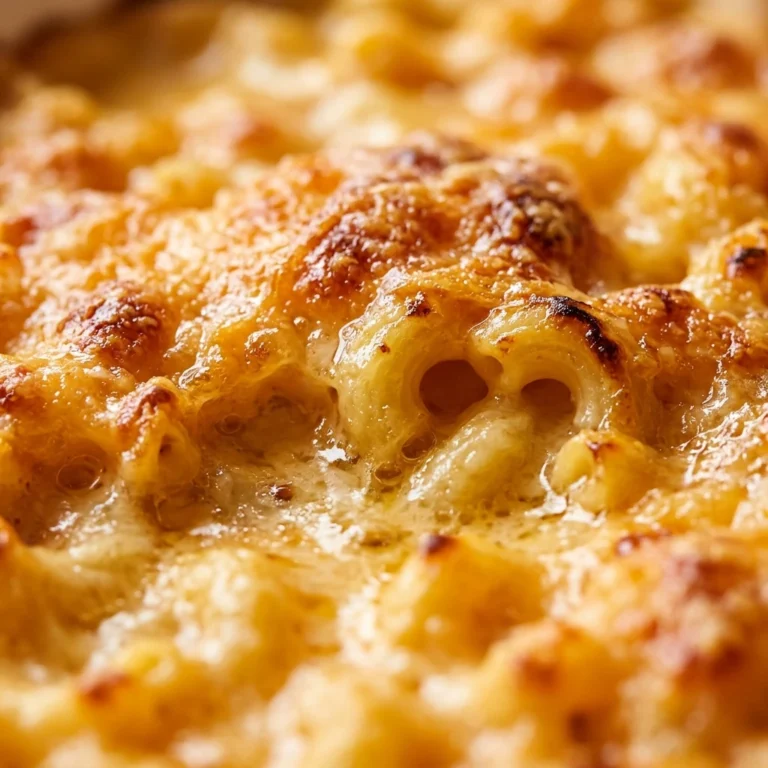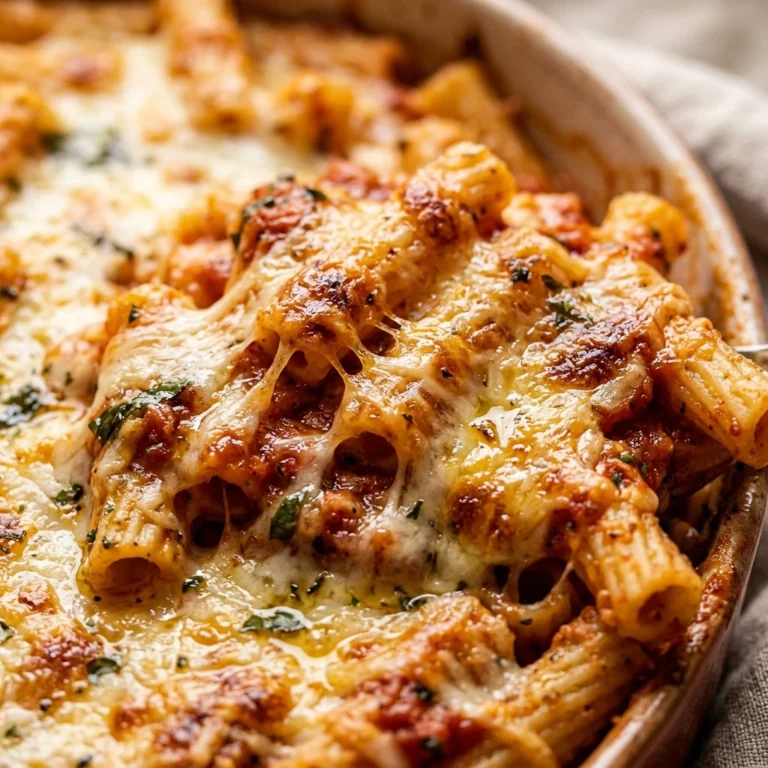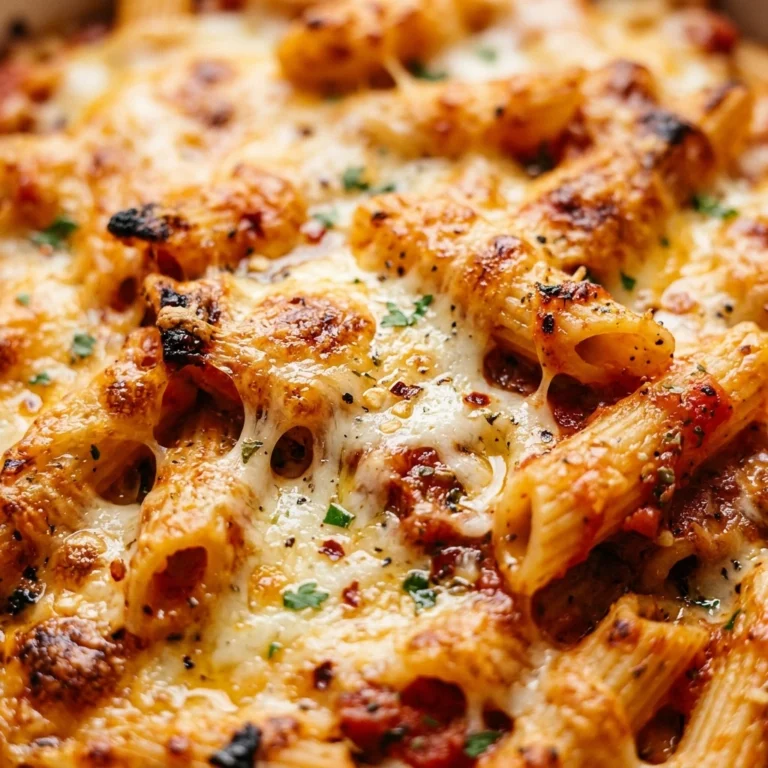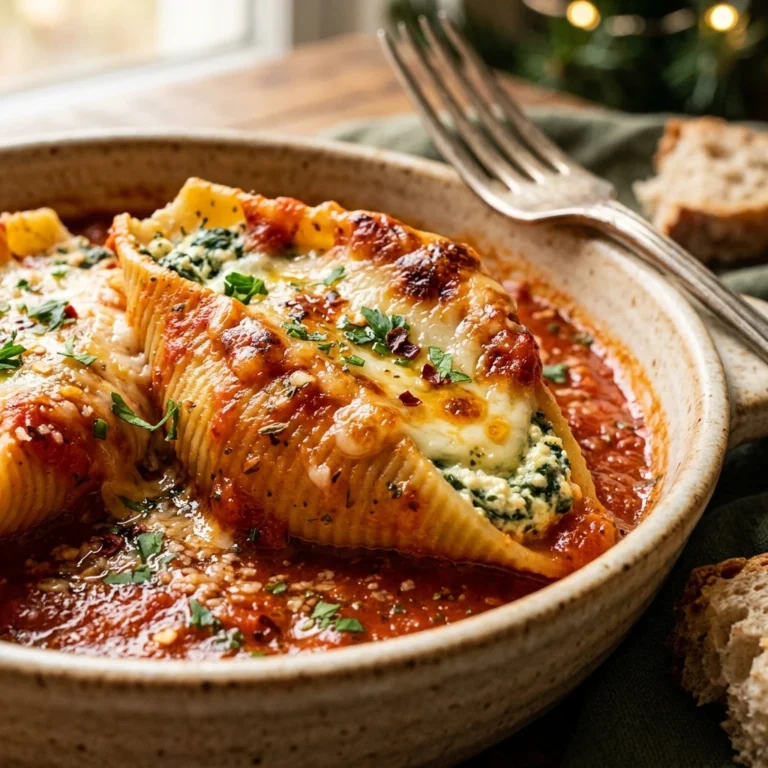
Follow Me On Pinterest!
30-Minute Family-Friendly Pasta Dish

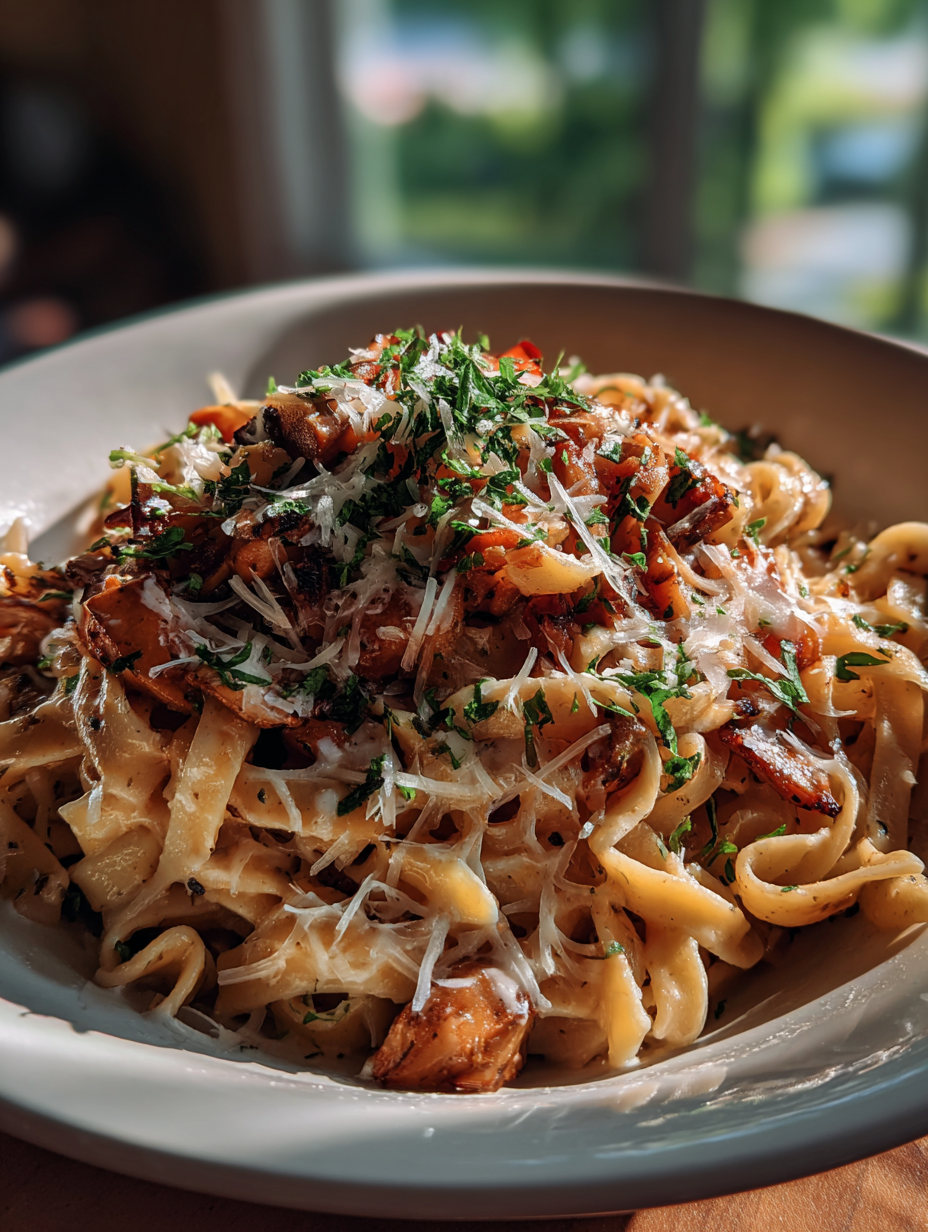
A Quick and Delicious Way to Bring Your Family Together at the Dinner Table
—
Introduction
There’s something magical about the aroma of pasta bubbling away on the stove, mingling with the savory scent of sautéed garlic and fresh herbs. I can vividly remember the evenings in my childhood home, the sun gently setting outside while the golden light poured through the kitchen window. My mother would often whip up her famous pasta dish, a comforting blend of spaghetti, zucchini, and sweet cherry tomatoes. The sound of the water boiling, the rhythmic clinking of pots and pans, and the soft sizzle of vegetables hitting the pan seemed to create a symphony of warmth and love.
As the pasta danced in the pot, I would help by chopping the vegetables, the bright green of the zucchini and the burst of red from the tomatoes adding a splash of color to our busy kitchen. With each ingredient that went in, the anticipation grew—finally, the moment came to toss everything together in one big, steaming bowl. The vibrant colors mixed with the alluring aroma felt like a hug in a dish, comforting and inviting. It became our family’s go-to recipe, a meal that turned chaotic weeknights into cherished moments around the dinner table.
This 30-Minute Family-Friendly Pasta Dish is not just a recipe; it’s a reminder of those special evenings, where food brought us together, laughter flowed freely, and everyone left the table with full bellies and happy hearts. If you’re looking for a quick yet satisfying meal to share with your loved ones, this dish checks all the boxes. Let’s dive into this beloved recipe that promises to bring a taste of home-cooked comfort to your weeknight dinners.
—
Why This Recipe Works
At the heart of this 30-Minute Family-Friendly Pasta Dish lies the beauty of simplicity and the power of flavor. The combination of fresh vegetables, al dente pasta, and a light sauce creates a symphony of tastes that are both familiar and comforting. The key flavor profiles—sweetness from the cherry tomatoes, earthiness from the zucchini, and a hint of warmth from the garlic—work harmoniously together to create a dish that feels indulgent yet wholesome.
The contrast of textures is equally important. The tender pasta provides a delightful base, while the sautéed vegetables add a satisfying crunch, ensuring that each bite is an explosion of flavor and sensation. To achieve this, it’s essential to cook the vegetables just enough to retain their structure but not so long that they lose their vibrant colors and nutrients. This balance enhances the overall experience, making every mouthful an adventure.
Each ingredient plays a crucial role in the final outcome. The spaghetti serves as a canvas, perfectly holding onto the sauce and supporting the vegetables. Olive oil adds richness and depth, while Parmesan cheese brings a salty umami kick that elevates the dish. What sets this version apart from generic offerings is the freshness of the ingredients and the ability to customize the recipe based on your family’s preferences. You can easily swap out vegetables or adjust seasonings, making it a versatile staple for any weeknight meal.
—
What Makes It Special
This 30-Minute Family-Friendly Pasta Dish isn’t just your run-of-the-mill pasta; it has several unique qualities that elevate it above typical restaurant or store-bought versions.
– Freshness: Making this dish at home means you can use the freshest ingredients available, resulting in flavors that simply cannot be matched by pre-packaged meals. The vibrant colors and aromas of the produce shine through, making each bite a delight.
– Cost-Effective: Preparing this dish at home not only saves you money but also allows you to control the quality of each ingredient. You’ll find that a few fresh vegetables and pantry staples can create a meal that feels luxurious without breaking the bank.
– Customization: Want to throw in some spinach or swap out the zucchini for bell peppers? Go for it! This recipe is highly adaptable, allowing you to cater to your family’s tastes or even sneak in some extra veggies.
– Surprising Elements: The addition of lemon zest at the end adds a refreshing brightness that elevates the dish, while a sprinkle of red pepper flakes delivers a subtle kick, surprising your taste buds with an unexpected depth of flavor.
—
Ingredient Breakdown
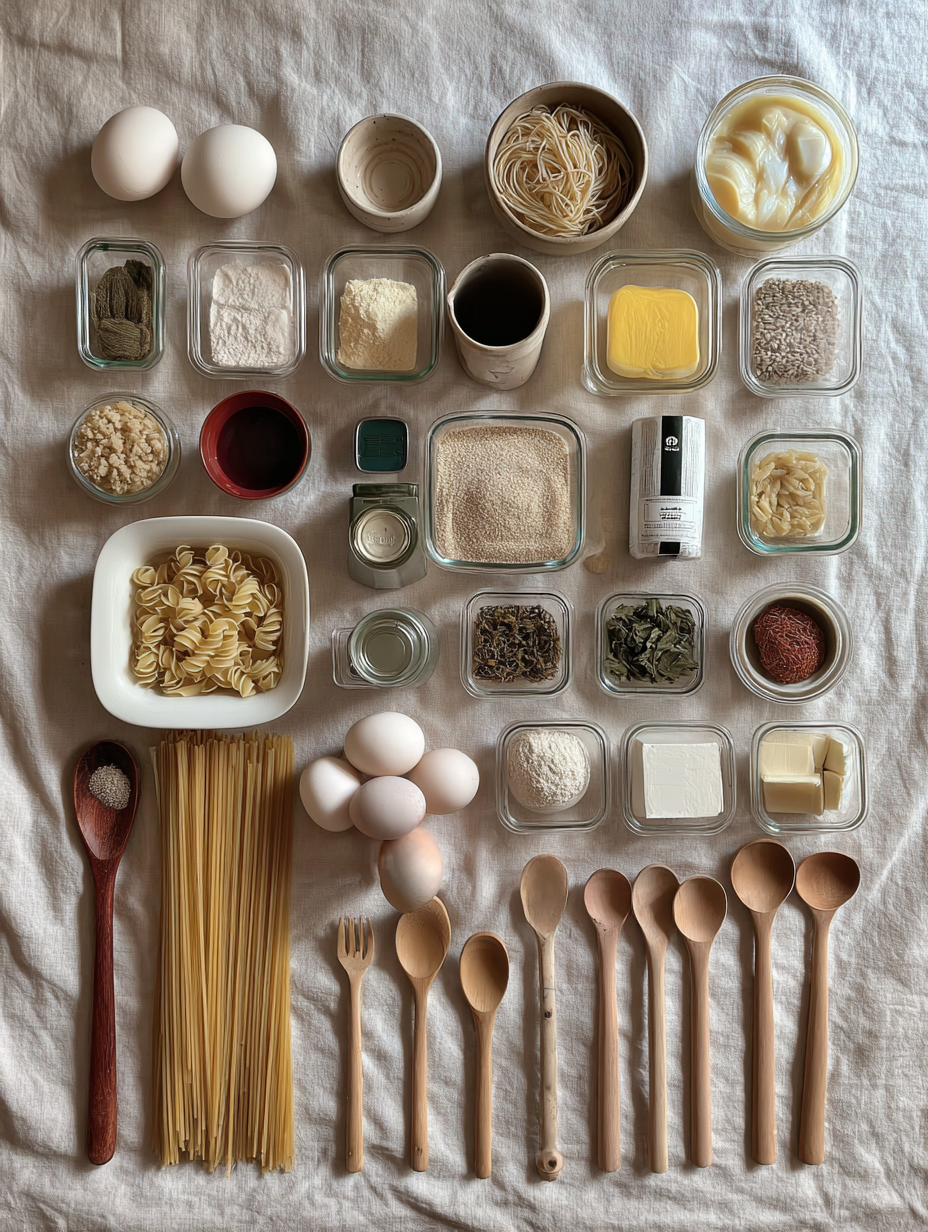
1. Spaghetti: The star of the show! Use about 12 ounces for four servings. Opt for whole wheat or gluten-free pasta if preferred.
2. Zucchini: About one medium zucchini adds a fresh, earthy flavor and a satisfying crunch. Slice it into half-moons for even cooking.
3. Cherry Tomatoes: Use one pint of these sweet gems. Their natural sweetness will burst in your mouth, adding a juicy element that balances the dish.
4. Garlic: Three cloves of minced garlic will infuse the oil with a fragrant aroma, creating a savory base that enhances the entire dish. Fresh garlic is always best, but you can substitute with garlic powder in a pinch.
5. Olive Oil: About three tablespoons of extra virgin olive oil will help sauté the vegetables and create a luscious sauce. It’s rich in healthy fats and adds a lovely flavor.
6. Parmesan Cheese: A half-cup of freshly grated Parmesan provides a salty, creamy finish that ties the dish together beautifully. If you’re looking for a dairy-free option, use nutritional yeast for a similar cheesy flavor.
7. Lemon Zest: The zest of one lemon brightens the dish and adds a pop of flavor. Make sure to zest before juicing for the best results!
8. Red Pepper Flakes: A pinch of these spicy flakes adds an unexpected warmth that can be adjusted based on your family’s preference for heat.
Substitutions
– Dairy-Free/Vegan: Swap out the Parmesan for a plant-based alternative or nutritional yeast.
– Gluten-Free: Use gluten-free pasta options like brown rice or chickpea pasta.
– Vegetable Variations: Feel free to add spinach, bell peppers, or whatever you have on hand.
Specialty Ingredients
– Look for high-quality olive oil and fresh herbs at local farmers’ markets or specialty grocery stores for the best flavor.
—
Equipment Needed
1. Large Pot: Essential for boiling the spaghetti to perfection. A heavy-bottomed pot will help distribute heat evenly.
2. Colander: Necessary for draining the cooked pasta. A fine mesh colander is ideal, but any will do.
3. Large Skillet: You’ll need a good-quality skillet for sautéing the vegetables. A non-stick or cast iron skillet works best to prevent sticking.
4. Wooden Spoon: Perfect for stirring your pasta and veggies without scratching your cookware.
5. Knife and Cutting Board: A sharp knife will make chopping the vegetables a breeze, and a sturdy cutting board provides a safe surface to work on.
6. Microplane or Zester: Handy for grating garlic and zesting lemon, ensuring you get maximum flavor without the hassle.
Optional: If you want to emulsify the sauce, a small food processor or blender can help combine the ingredients smoothly, but it’s not essential for this dish.
By ensuring you have these tools ready, you’ll streamline the cooking process and enjoy a stress-free experience in the kitchen!
Step-by-Step Instructions
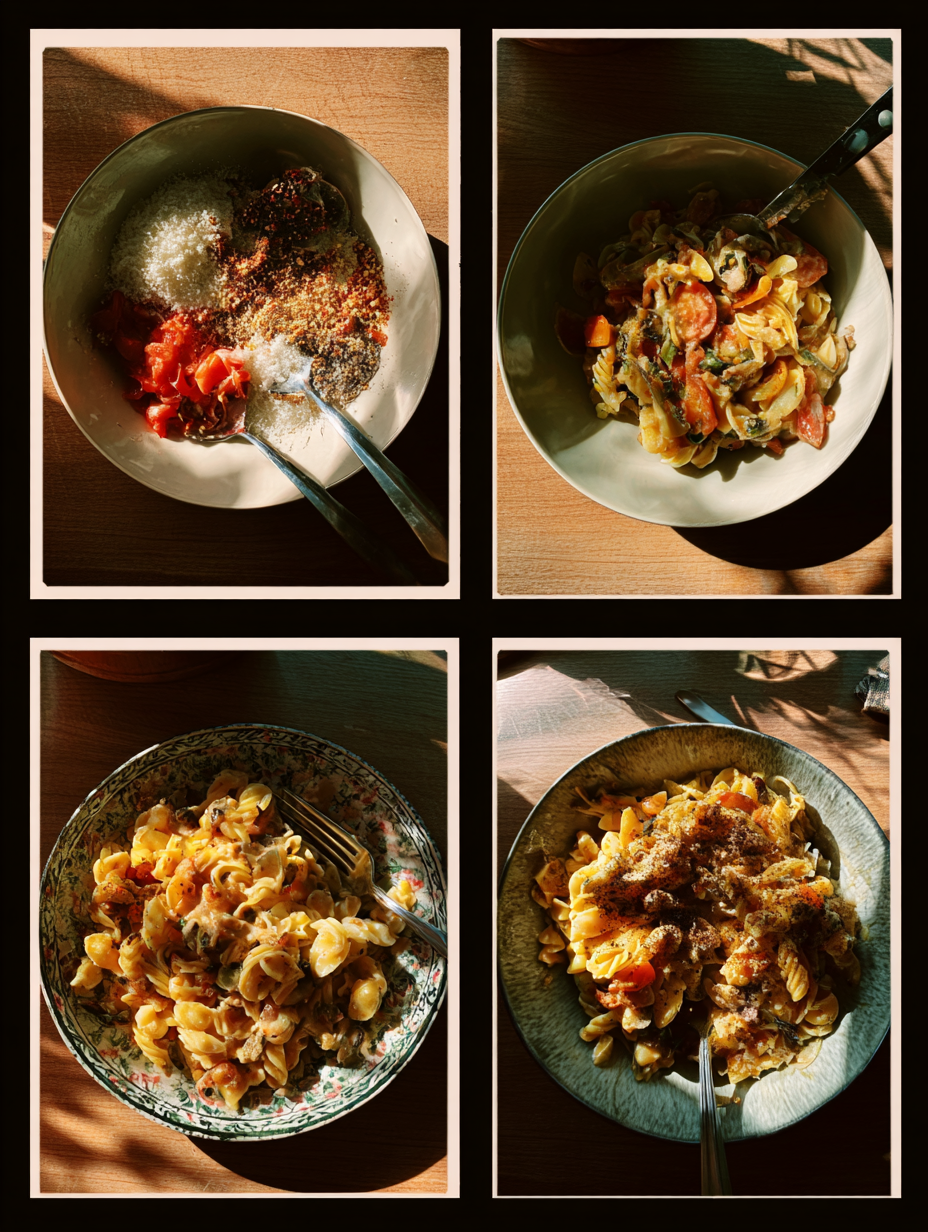
1. Boil the Pasta: Start by bringing a large pot of salted water to a rapid boil. Add a generous amount of salt—about 1 tablespoon per quart of water. This will season the pasta as it cooks. Add your pasta of choice to the boiling water. You want it to cook until it’s al dente, typically about 8-10 minutes depending on the type. Stir occasionally to prevent sticking and keep an ear out for the bubbling sound of boiling water. When your pasta is done, reserve a cup of pasta water, then drain it in a colander.
2. Sauté the Aromatics: In a large skillet, heat 2 tablespoons of olive oil over medium heat. Add minced garlic (about 3-4 cloves) and finely chopped onions. You’re looking for the onions to become translucent and the garlic to be fragrant, which should take about 2-3 minutes. Be careful not to burn the garlic, as it can turn bitter. Stir frequently, keeping an eye on the color; it should be a lovely golden hue.
3. Add the Vegetables: Once the garlic and onions are aromatic, add in your choice of diced bell peppers and zucchini. If you’re feeling adventurous, throw in some cherry tomatoes halved. Cook these for about 5 minutes until they soften, stirring occasionally. You want to hear a gentle sizzle and see the vibrant colors come alive. The vegetables should be tender yet still have a slight crunch.
4. Incorporate the Sauce: Pour in a 14-ounce can of diced tomatoes, including the juice, along with any fresh herbs you’re using (like basil or oregano). Bring the mixture to a low simmer, and let it cook for about 5 minutes. Watch for the sauce to thicken slightly, and you should be able to smell the herbs wafting through your kitchen. If it seems too thick, add a splash of the reserved pasta water to loosen it.
5. Combine Everything: Add the drained pasta to the skillet with the sauce. Toss it gently to combine, so every piece of pasta is coated with that delicious sauce. This should take about 1-2 minutes. Be careful not to overmix; you want the pasta to remain intact. You can add more reserved pasta water here if the mixture seems dry.
6. Finish with Cheese: Remove the skillet from the heat and stir in a generous handful of grated Parmesan cheese. Fold gently to incorporate the cheese without clumping. The heat from the pasta will melt the cheese, creating a creamy texture. You should hear a satisfying squeak of the cheese against the pasta as you mix.
7. Garnish and Serve: Finally, plate your pasta and sprinkle with freshly chopped parsley for a pop of color and freshness. Serve immediately while it’s hot, optionally drizzling with extra olive oil or a sprinkle of red pepper flakes for a kick. Listen for the crunch of the parsley as you sprinkle it over your dish, and enjoy the vibrant colors on your plate.
Pro Tips for the Best Results
1. Use Salt in Pasta Water: Salting your pasta water is essential for flavor. It helps to season the pasta from the inside out, enhancing the overall taste of your dish. Don’t skimp on the salt; it should taste like the sea.
2. Reserve Pasta Water: Always save some pasta water before draining. It’s like liquid gold! The starchy water can help to emulsify your sauce, giving it a silky texture and helping it cling to the pasta.
3. Fresh Herbs Are Key: Whenever possible, use fresh herbs instead of dried ones. Fresh herbs have a brighter flavor profile that can elevate your dish and make it taste more vibrant. Add them at the end to retain their freshness.
4. Mind Your Heat: When sautéing aromatics, keep the heat at medium to avoid burning them. If they cook too quickly, the garlic can become bitter and ruin the flavor of your sauce.
5. Don’t Overcook the Vegetables: Aim for a slight crunch in your vegetables to provide texture. Overcooked veggies can turn mushy, losing their fresh flavor and color. You want them to retain some bite for a delightful contrast with the pasta.
6. Use Quality Olive Oil: Opt for a good quality extra virgin olive oil for sautéing. It adds depth of flavor that enhances your dish. You can also drizzle a little more on top when serving for an extra touch of richness.
7. Experiment with Cheese: While Parmesan is classic, consider mixing in other cheeses like pecorino or a bit of mozzarella for a creamier texture. Each cheese brings a unique flavor and can transform your dish into something special.
8. Taste as You Go: Always taste your food at various stages of cooking. This allows you to adjust flavors and seasonings as needed, ensuring a perfectly balanced dish when you serve it.
Common Mistakes to Avoid
1. Not Salting the Pasta Water: If you skip salting your pasta water, the pasta can taste bland. Salt enhances flavor and helps the pasta absorb it as it cooks. Always make it a habit to season the water generously.
2. Overcooking the Pasta: Cooking pasta too long can lead to mushy noodles, which won’t hold up against the sauce. Always check for al dente doneness a couple of minutes before the package suggests.
3. Burning the Garlic: Garlic cooks quickly and can turn bitter if overcooked. To avoid this, add it to the pan only when the oil is hot, and keep stirring to ensure even cooking. If it starts to brown, remove it immediately.
4. Ignoring the Texture of Vegetables: Overcooked vegetables can lose their vibrant color and become mushy. Aim for a tender-crisp texture; they should be colorful and appealing. Remember, they’ll continue to cook slightly after you remove them from the heat.
5. Not Using Enough Sauce: If the sauce is too sparse, you’ll end up with dry pasta. Make sure everything is generously coated and if necessary, add a splash of reserved pasta water to achieve a desired consistency.
6. Using Cold Cheese: Adding cold cheese to hot pasta can lead to clumping. Allow your cheese to come to room temperature before mixing it in, so it melts evenly and integrates well into the dish.
7. Skipping the Tasting Step: If you don’t taste your dish while cooking, you risk serving something that is under-seasoned or unbalanced. Take the time to taste during cooking, adjusting as necessary to achieve a well-rounded flavor.
Creative Variations
1. Seasonal Variation: For a Fall Harvest Pasta, incorporate roasted butternut squash and kale. Toss them in with the pasta and sauce for a hearty, seasonal twist that adds a touch of sweetness and earthiness.
2. Dietary-Friendly Version: Create a Vegan Pasta Dish by swapping out the cheese for nutritional yeast or a cashew cream sauce. Use vegetable broth instead of water for cooking the pasta and enhance the flavor with garlic and lemon juice.
3. Gourmet Elevated Version: Upgrade to a Truffle Mushroom Pasta by adding sautéed wild mushrooms and a drizzle of truffle oil just before serving. Finish with a sprinkle of freshly shaved truffle or a high-quality Parmigiano-Reggiano for a luxurious touch.
4. Quick 15-Minute Version: For a 15-Minute Pasta, use pre-cooked pasta and a jarred marinara sauce. Just heat the sauce, toss in any quick-cooking veggies like spinach or arugula, and combine with the pasta for a speedy dinner.
5. Kid-Friendly Version: Craft a Cheesy Chicken Pasta by adding cooked chicken pieces and a generous amount of cheddar cheese. You can also use fun-shaped pasta to make it visually appealing for kids, and add a hint of mild spices for flavor without heat.
6. International Twist: Try a Mediterranean Pasta by adding olives, capers, and feta cheese. Toss in some sun-dried tomatoes and fresh basil to infuse your dish with bold Mediterranean flavors, making it fresh and vibrant.
Serving Ideas
When it comes to serving your 30-Minute Family-Friendly Pasta Dish, presentation can elevate the meal from simple to spectacular. Here are a few beautiful plating ideas to inspire you:
1. Layered Elegance: Use a large, shallow bowl for a rustic touch. Start by placing a generous serving of pasta in the center and then artfully twirl a few strands around a fork for a dramatic effect. Scatter fresh basil leaves and a sprinkle of grated Parmesan over the top for a pop of color.
2. Colorful Contrast: Serve the pasta in divided plates to highlight its vibrant colors. Add a side of steamed broccoli or roasted cherry tomatoes to one section for a fresh contrast. Garnish with edible flowers or microgreens for a sophisticated flair.
3. Family Style: Present your pasta in a large serving dish right at the center of the table. Drizzle with olive oil and a squeeze of lemon before serving. Allow everyone to help themselves, creating a warm and inviting atmosphere.
4. Individual Bowls: Serve in individual bowls, topped with a dollop of ricotta or a sprinkle of crushed red pepper flakes for an inviting touch. Finish with a drizzle of balsamic reduction for a touch of sweetness and a glossy finish.
5. Rustic Charm: For a more casual approach, serve the pasta in a cast iron skillet, allowing guests to scoop their portions directly. Add a sprinkle of toasted pine nuts and garnish with sprigs of fresh thyme for aroma and taste.
Portion sizes can vary, but aim for about 1 to 1.5 cups per person, leaving room for seconds. With these plating ideas, you’ll not only nourish your family but create a meal that looks as good as it tastes!
What to Serve With
Pairing your pasta dish with complementary foods enhances the overall dining experience. Here are some delightful suggestions:
1. Garlic Bread: The crunchy, buttery goodness of garlic bread provides a satisfying texture contrast. Its savory flavor echoes the pasta’s richness, making it a classic pairing.
2. Caesar Salad: With its crisp romaine, creamy dressing, and salty Parmesan, a Caesar salad adds a refreshing bite to balance the heartiness of the pasta. The crunchy croutons deliver added texture.
3. Lemonade or Iced Tea: A glass of refreshing lemonade or iced tea can cleanse the palate between bites. The acidity in lemonade complements the pasta dish, while iced tea offers a cooling effect.
4. Roasted Vegetables: A side of roasted seasonal vegetables, such as zucchini, bell peppers, and carrots, not only adds color to your plate but also brings out the dish’s natural flavors with its caramelized sweetness.
5. Chocolate Mousse: For dessert, a silky chocolate mousse provides a rich conclusion to the meal. Its creamy texture and deep chocolate flavor create a delightful contrast to the savory pasta.
6. Fruit Salad: A light and vibrant fruit salad can provide a refreshing end to the meal. The sweetness of the fruits complements the savory notes of the pasta while adding a healthy touch.
These pairings will not only enhance the flavors of your pasta but also create a well-rounded and satisfying meal for your family.
Storage Guide
Proper storage of your leftovers ensures that you can enjoy your delicious pasta dish later without compromising its quality. Here’s how to do it:
– Containers: Use airtight glass containers for the best preservation. Glass keeps food fresh and prevents odors from seeping in.
– Temperature: Store your pasta in the refrigerator at 40°F (4°C) or lower. This temperature helps prevent bacterial growth.
– Duration: Leftovers can be safely kept for 3 to 5 days. Make sure to consume them within this time frame for the best taste and quality.
– Signs of Spoilage: Watch for any off-smells, visible mold, or a change in texture. If the pasta looks dry or has an odd odor, it’s best to discard it.
– Refreshing Before Serving: To bring your leftovers back to life, add a splash of broth or a drizzle of olive oil while reheating. This infusion of moisture will help restore the original flavors and texture.
Following these guidelines will allow you to enjoy your pasta dish just as much on day two (or three) as you did on day one!
Freezing Tips
If you want to save your 30-Minute Family-Friendly Pasta Dish for later, here’s how to freeze it effectively:
– Freezing Suitability: This pasta dish freezes quite well, especially if it’s not mixed with heavy sauces or cheese beforehand.
– Portioning: Divide the pasta into individual or family-sized portions. This way, you can easily thaw only what you need.
– Wrapping Method: Wrap each portion tightly in plastic wrap and then place it in a freezer-safe bag or container. Squeeze out as much air as possible to prevent freezer burn.
– Labeling: Clearly label each container with the date and contents. This will help you keep track of what you have in the freezer.
– Duration: The pasta can be kept in the freezer for up to 3 months without significant loss of quality.
– Quality Changes: Expect some changes in texture, especially if the dish contains creamy sauces. However, the flavors should remain intact.
– Thawing Method: The best way to thaw is overnight in the refrigerator. For quicker defrosting, you can use the microwave on a low setting, but this may affect texture slightly.
With these tips, you can enjoy your pasta dish weeks after you make it!
Reheating Guide
Reheating your pasta without losing its delightful taste and texture is key. Here’s how to do it using different methods:
– Microwave: Place your portion in a microwave-safe bowl, cover it with a damp paper towel to retain moisture, and heat on medium power for 2-3 minutes, stirring halfway through. This helps prevent the pasta from drying out.
– Oven: Preheat your oven to 350°F (175°C). Spread the pasta in an oven-safe dish and cover with aluminum foil to trap steam. Bake for about 15-20 minutes or until heated through, checking at intervals.
– Stovetop: Heat a non-stick skillet over medium-low heat and add a splash of water or broth to the pan. Add the pasta, cover, and heat for 5-7 minutes, stirring occasionally. This method helps revive the original texture.
– Restoring Flavor and Texture: Regardless of the method, a drizzle of fresh olive oil or a sprinkle of additional herbs can help enhance the flavor profile and bring your dish back to life.
With these methods, you’ll find that your reheated pasta can taste nearly as good as when it was freshly made!
Nutrition Overview
Your 30-Minute Family-Friendly Pasta Dish not only satisfies the palate but also packs a nutritional punch. Here’s an approximate breakdown per serving:
– Calories: 450
– Protein: 18g
– Carbohydrates: 60g
– Fat: 15g
– Fiber: 4g
– Sugar: 6g
Key Ingredients:
– Whole Wheat Pasta: Rich in fiber, whole wheat pasta supports digestion and provides a slow release of energy.
– Tomatoes: Packed with vitamins C and K, tomatoes are also a great source of antioxidants, which promote heart health.
– Spinach: This leafy green is a powerhouse of nutrients, including iron, calcium, and vitamins A and C, contributing to overall health.
By enjoying this vibrant dish, you’re not just feeding your family; you’re nourishing them with wholesome ingredients that support a balanced diet.
Frequently Asked Questions
Q: Can I use a different type of pasta?
A: Absolutely! Feel free to swap in whole wheat, gluten-free, or even legume-based pasta. Just keep an eye on cooking times, as different pasta types may require varying amounts of time to become al dente.
Q: How can I make this dish vegetarian?
A: To make your pasta dish vegetarian, simply omit any meat and increase the amount of vegetables. You can also add extra protein by incorporating beans or lentils for a hearty boost.
Q: Can I prepare this dish ahead of time?
A: Yes! You can cook the pasta and sauce separately, then combine them just before serving. This keeps the pasta from becoming mushy and allows you to enjoy a fresh meal in a hurry.
Q: How do I store pasta that has sauce on it?
A: Store pasta with sauce in an airtight container in the fridge. It’s advisable to keep the sauce and pasta together, as they will help maintain each other’s moisture.
Q: What kitchen equipment do I need?
A: You will need a large pot for boiling pasta, a skillet for the sauce, and a strainer for draining the pasta. Having a wooden spoon or spatula on hand will also help with stirring.
Q: Can I freeze this pasta dish?
A: Yes, this dish freezes well! Just follow the proper freezing tips outlined earlier, and you can enjoy it for up to three months.
Q: How can I ensure my pasta doesn’t stick together after cooking?
A: To prevent sticking, make sure to add salt to your boiling water and stir the pasta occasionally while it cooks. Additionally, coating the drained pasta with a little olive oil can help keep it separate.
Q: What can I do if my pasta turns mushy?
A: If your pasta is overcooked and mushy, you can try adding it to a skillet with a little olive oil and sautéing it briefly to restore some texture. Adding a sprinkle of cheese or fresh herbs can also enhance its flavor.
Final Thoughts
As you prepare your 30-Minute Family-Friendly Pasta Dish, remember that the key to a great meal lies in the details — whether it’s the quality of your ingredients or the love you pour into the cooking process. Don’t hesitate to customize the dish to fit your family’s preferences, and don’t forget to have fun with the presentation!
I’m genuinely excited for you to try this recipe; it’s perfect for busy nights yet still feels special. Once you’ve made it, I invite you to share your results and any personal twists you decided to add.
Dive into those flavors and create lasting memories around your dinner table!