Follow Me On Pinterest!
30-Minute Chicken Fettuccine Alfredo

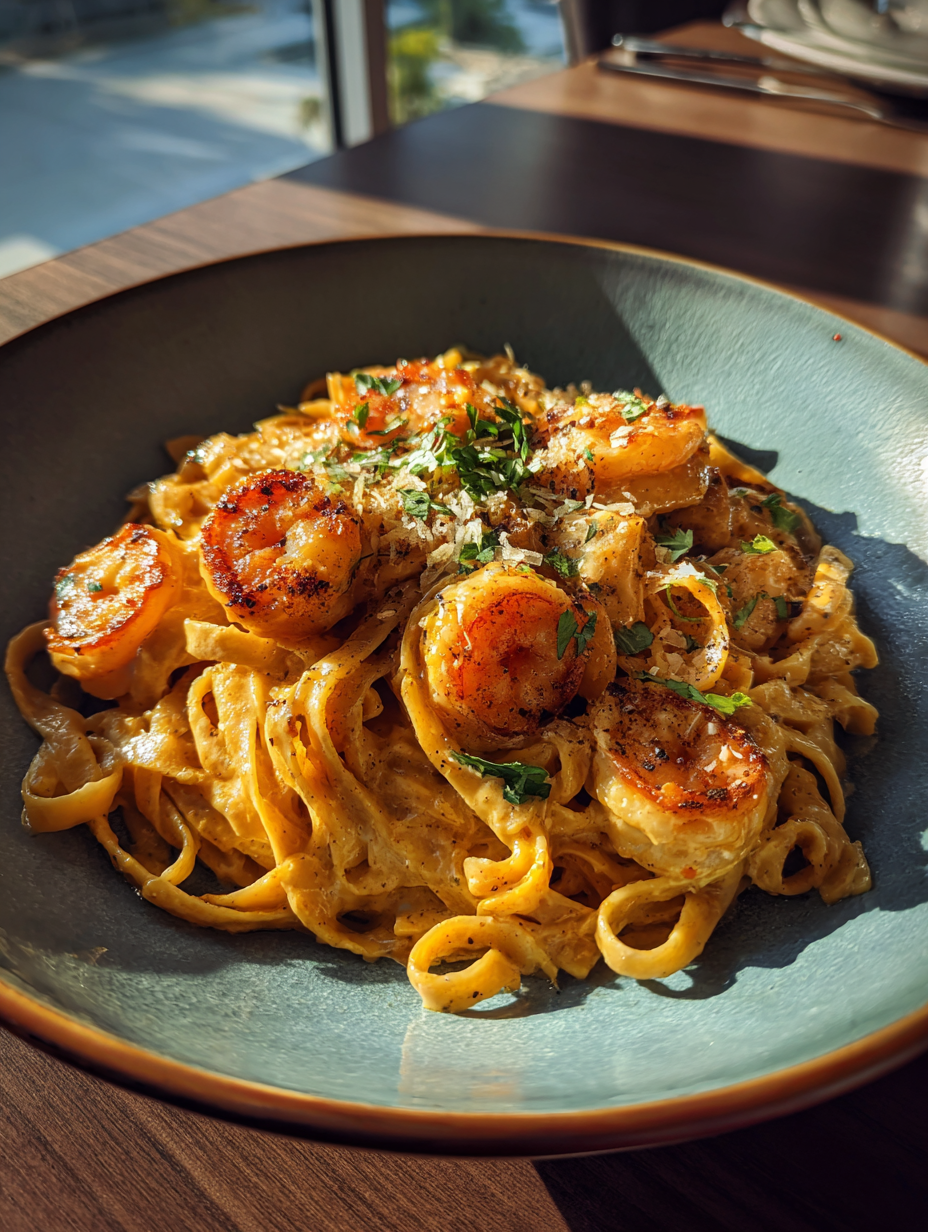
A Creamy, Dreamy Delight That Comes Together in No Time
—
Introduction
Imagine the comforting aroma of garlic and butter swirling through your kitchen as you prepare a meal that feels like a warm embrace. I still remember the first time I made Chicken Fettuccine Alfredo—a bustling Friday evening during my college years, when life felt chaotic and dinner was often an afterthought. I had invited a few friends over, hoping to impress them with something beyond the usual takeout. The moment I opened that carton of heavy cream and let its rich, velvety texture spill into the pan, I felt like I was transforming our small kitchen into a fine dining establishment. The sound of the fettuccine bubbling away in the pot created a symphony that perfectly matched the sizzling of the chicken in the skillet.
As the creamy sauce thickened, I tossed in the freshly cooked pasta, watching in delight as the noodles glistened in the Alfredo sauce, clinging to them with a silky embrace. Each bite was a balance of flavors—savory, buttery, and just the right amount of nutty from the grated Parmesan that crowned the dish. The colors of the meal—golden chicken, pale cream sauce, and the occasional sprinkle of parsley—made it feel truly special.
That evening, laughter and clinking glasses echoed through the air as we devoured every last bite, declaring it a new favorite. This 30-Minute Chicken Fettuccine Alfredo recipe isn’t just about feeding your body; it’s about creating moments of joy and connection, sparked by the simple art of home cooking. So, let’s dive into this easy, delectable dish that can transform your weeknight dinners into something extraordinary.
—
Why This Recipe Works
At the heart of any great Chicken Fettuccine Alfredo lies a harmonious blend of flavors and textures. This recipe is designed to be both quick and delicious, making it perfect for busy weeknights without sacrificing taste.
1. Flavor Foundations: The combination of butter, garlic, and heavy cream creates a rich, luscious base. The garlic adds a subtle warmth and depth, while the heavy cream envelops everything in a smooth, creamy texture. Adding freshly grated Parmesan cheese not only enhances the flavor but also thickens the sauce, giving it that signature Alfredo richness.
2. Texture Contrast: The beauty of this dish is the balance between the creamy sauce and the tender fettuccine. When you cook the pasta just right—al dente—it gives a satisfying chew that contrasts beautifully with the silky sauce. The seared chicken breast, with its golden crust, introduces an additional layer of texture.
3. Ingredient Roles: Each ingredient has its purpose. The chicken provides protein, making the dish heartier and more filling, while the parsley adds a fresh brightness to cut through the richness of the sauce. The careful balance of seasoning, particularly with salt and black pepper, elevates the flavors without overpowering them.
4. What Sets It Apart: Unlike many store-bought versions, this homemade Alfredo is free from additives and preservatives, allowing you to control the quality of ingredients. Plus, the fact that you can whip it up in just half an hour means you won’t miss out on that cozy, homemade feel.
—
What Makes It Special
1. Restaurant Quality at Home: This Chicken Fettuccine Alfredo rivals anything you’d find in a cozy Italian restaurant, but you get to enjoy it in the comfort of your home. The rich flavors and creamy texture are just as indulgent but without the hefty price tag.
2. Freshness You Can Taste: When you make this dish at home, you’re embracing the freshness of each ingredient. The cream, Parmesan, and herbs are at their peak, creating a flavor profile that is often lost in prepackaged versions.
3. Customization Potential: One of the joys of home cooking is the ability to tweak recipes to suit your personal preferences. Want to add some spinach for a pop of color and nutrition? Go for it! Craving a bit of heat? A pinch of red pepper flakes can elevate the dish wonderfully.
4. Surprising Elements: This recipe includes a secret ingredient—lemon juice. Just a squeeze at the end brightens the entire dish and enhances the flavors, making it feel fresh and lively, even amidst the creaminess.
—
Ingredient Breakdown
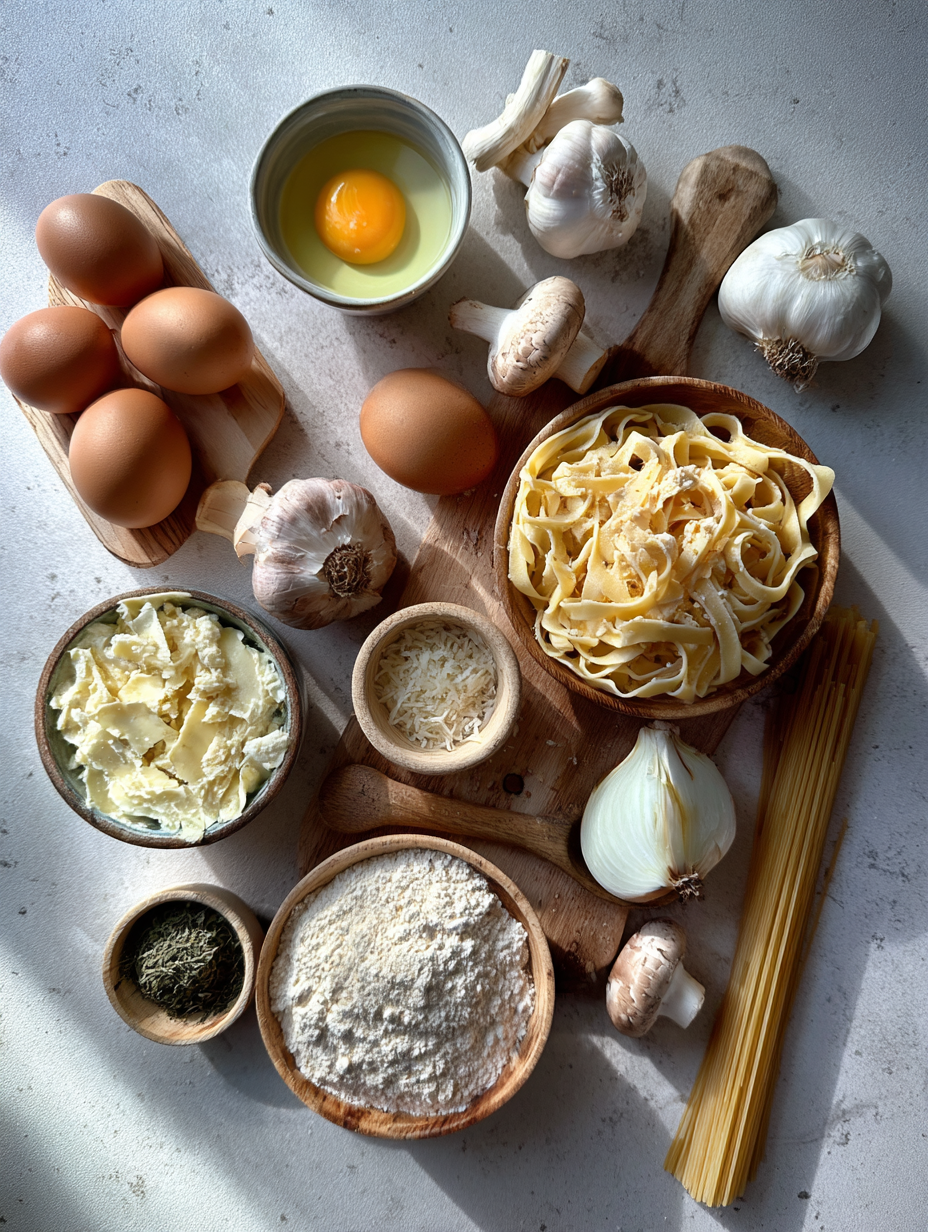
1. Fettuccine Pasta: The star of the show, this wide noodle is perfect for clinging to the Alfredo sauce. You’ll want about 8 ounces—this quantity ensures a generous serving for four, but feel free to adjust based on appetite.
2. Chicken Breast: Two boneless, skinless chicken breasts (approximately 1 pound) provide the protein needed to make this dish hearty. Searing the chicken creates a wonderful crust that adds depth to each bite.
3. Butter: You’ll need 4 tablespoons of unsalted butter to create the base of your sauce. Unsalted lets you control the saltiness of the final dish. It’s essential for that creamy texture!
4. Garlic: Two cloves, minced, bring aromatic warmth to the sauce. Garlic is key here; it enhances the overall flavor without dominating it.
5. Heavy Cream: The richness of the sauce comes from 1 cup of heavy cream. This is what gives that signature Alfredo creaminess. For a lighter option, you could substitute half-and-half, but it won’t be quite as decadent.
6. Grated Parmesan Cheese: About 1 cup of freshly grated Parmesan melts beautifully into the sauce, imparting that nutty flavor that makes Alfredo so irresistible. Avoid pre-grated options if possible, as they often contain anti-caking agents that affect melting.
7. Fresh Parsley: A handful, chopped, adds not just a pop of color but also a fresh flavor that contrasts nicely with the creaminess. It’s a simple yet effective way to elevate your dish.
8. Salt and Black Pepper: Essential for seasoning, you’ll want to salt your pasta water generously and add freshly cracked black pepper to taste in the sauce.
Substitution Options
– Dairy-Free: Use coconut cream or a nut-based cream alternative, and replace Parmesan with a vegan cheese.
– Gluten-Free: Substitute regular fettuccine with gluten-free pasta, which is widely available at grocery stores.
– Vegan: Use a plant-based cream and cheese alternative, and substitute the chicken with sautéed mushrooms or chickpeas for protein.
Specialty Ingredients
You can find fresh Parmesan cheese and unsalted butter at your local grocery store, but for the best quality, consider visiting a specialty cheese shop. They often carry artisanal options that can elevate your dish to the next level.
—
Equipment Needed
1. Large Pot: Essential for boiling the fettuccine. A pot that holds at least 4 quarts is ideal, giving plenty of room for the pasta to move freely while cooking.
2. Skillet: A large skillet (ideally 12 inches) is necessary for sautéing the chicken and creating the sauce. A non-stick or stainless steel skillet works well, but avoid cast iron as it can react with acidic ingredients.
3. Colander: You’ll need this for draining the pasta once it’s cooked. A good colander allows for quick drainage without losing any precious noodles.
4. Measuring Cups and Spoons: Precision is key in cooking, especially with ingredients like cream and cheese. Accurate measurements ensure consistency in your sauce.
5. Tongs: Perfect for tossing the fettuccine with the sauce, ensuring that each strand is coated evenly.
6. Sharp Knife and Cutting Board: For slicing the chicken and chopping garlic and parsley. A sharp knife makes prep work quick and safe.
7. Grater: A microplane or box grater is essential for getting that fresh Parmesan cheese. Freshly grated cheese melts better and enhances flavor.
Optional tools include a food processor if you plan to make large batches of sauce or mince garlic and herbs quickly, but these are not necessary for this straightforward recipe.
Step-by-Step Instructions
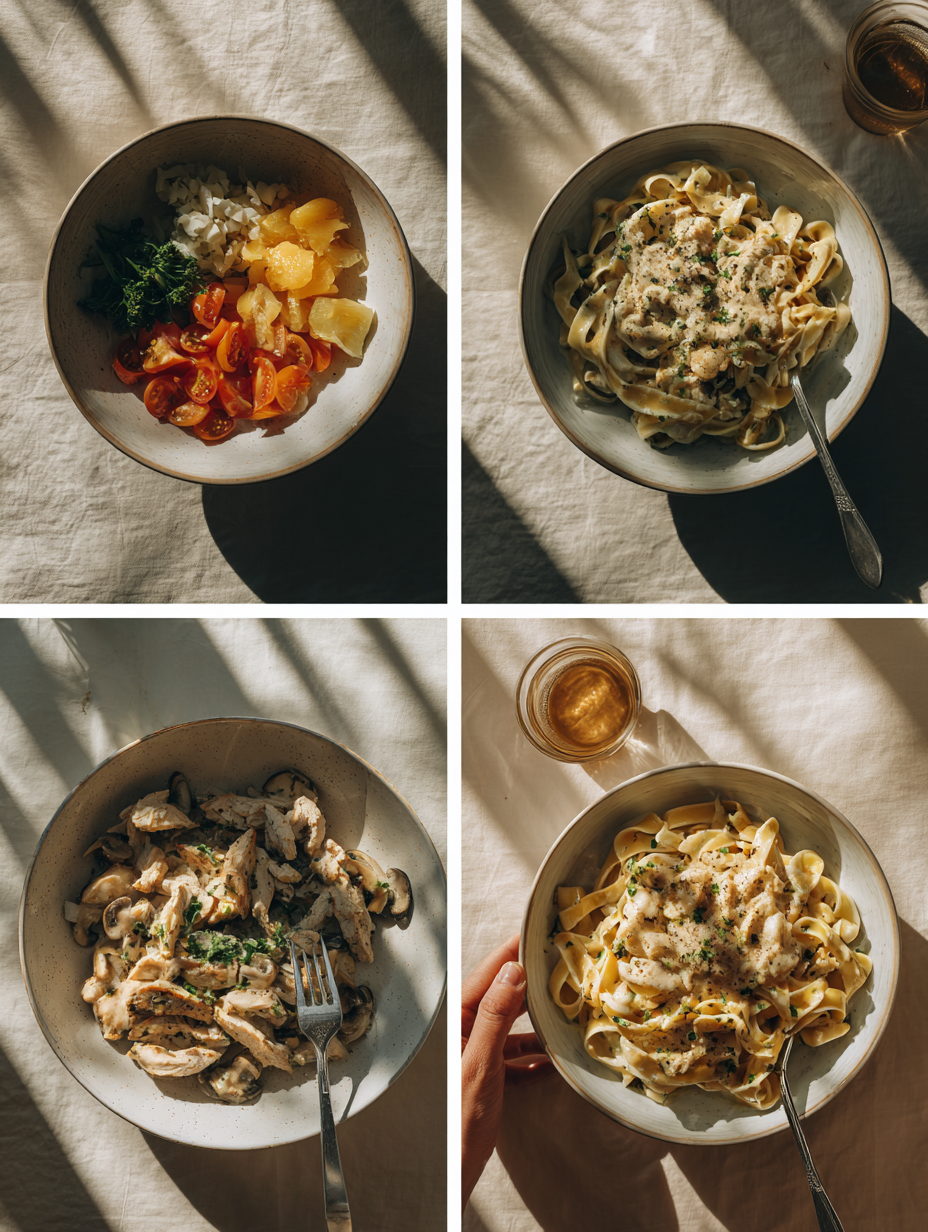
1. Cook the Fettuccine: Begin by bringing a large pot of salted water to a rolling boil over high heat. Once boiling, add the fettuccine and cook according to the package instructions until al dente, usually around 8-10 minutes. Chef’s Note: A good rule of thumb is to taste a piece of pasta a minute or two before the suggested cooking time to ensure you catch it at the perfect texture. Once cooked, reserve about a cup of the pasta water, then drain the noodles but do not rinse them; this helps the sauce cling better.
2. Prepare the Chicken: While the pasta cooks, season your chicken breasts with salt and pepper. Heat a tablespoon of olive oil in a large skillet over medium-high heat. Once the oil is shimmering, add the chicken breasts. Sear them for about 5-7 minutes on one side until they develop a golden-brown crust. Look for a nice caramelization before flipping, which adds depth of flavor. Flip the chicken and cook for another 5-7 minutes until the internal temperature reaches 165°F (75°C).
3. Make the Sauce Base: Once the chicken is done, remove it from the skillet and let it rest on a cutting board. In the same skillet, reduce the heat to medium and add two tablespoons of butter. Allow the butter to melt, swirling it around to pick up the flavorful bits left from the chicken. Listen for a gentle sizzle as you add 3-4 minced garlic cloves, sautéing them for about 30 seconds until fragrant but not browned.
4. Add Cream and Cheese: Slowly pour in 1 cup of heavy cream while stirring constantly. This will create a luscious base for your Alfredo sauce. Allow the mixture to simmer gently for about 3-4 minutes, stirring frequently. Watch for bubbling; if it starts to boil vigorously, reduce the heat immediately. After that, stir in 1 cup of freshly grated Parmesan cheese gradually, allowing it to melt completely into the sauce. The sauce should now be thick and creamy.
5. Combine Pasta and Sauce: Add the drained fettuccine to the skillet with the sauce, tossing gently to coat all the noodles evenly with the creamy goodness. If the sauce is too thick, add a splash of the reserved pasta water until you reach your desired consistency. Chef’s Note: This reserved water is starchy and will help the sauce adhere beautifully to the pasta.
6. Slice and Serve: While you toss the pasta, slice the rested chicken into strips. Add the chicken back to the skillet and gently fold it into the fettuccine Alfredo. This is the moment where you should taste and adjust seasoning, adding more salt, pepper, or even a pinch of nutmeg if you like. Serve immediately, garnished with extra Parmesan and freshly cracked black pepper.
Pro Tips for the Best Results
1. Use Fresh Ingredients: Freshly grated Parmesan cheese is crucial for a rich, creamy sauce. Pre-grated cheese often contains anti-caking agents that can affect the texture and flavor of your dish.
2. Timing is Key: Start cooking your pasta and chicken simultaneously. This method ensures that everything is ready at the same time, allowing you to serve the dish fresh and hot.
3. Control the Heat: Keeping your heat at medium during the sauce-making process is essential. Too high a temperature can cause the cream to scorch, ruining the sauce’s smooth texture.
4. Don’t Overcook Your Chicken: Use an instant-read thermometer to check the doneness of the chicken. Overcooked chicken can turn dry and chewy, while perfectly cooked chicken remains juicy and tender.
5. Incorporate the Pasta Water: Always reserve the pasta water. It’s the secret weapon to achieving the right sauce consistency. The starch helps bind the sauce to the pasta, enhancing the overall texture.
6. Rest the Chicken: Allowing the chicken to rest for a few minutes before slicing allows the juices to redistribute, ensuring that each bite is juicy and flavorful.
7. Add Fresh Herbs at the End: For an aromatic finish, consider tossing in fresh parsley or basil just before serving. The herbs add a fresh note that brightens the richness of the Alfredo sauce.
8. Experiment with Flavor: Don’t hesitate to add a pinch of red pepper flakes for a subtle heat or a squeeze of lemon juice to brighten the dish. Small tweaks can elevate your Alfredo to new heights.
Common Mistakes to Avoid
1. Not Salting the Pasta Water: Skipping this crucial step leads to bland pasta, which can ruin the entire dish. Salt your water generously; it should taste like the sea. This is your chance to flavor the pasta itself.
2. Overcooking the Fettuccine: Cooking pasta too long results in mushy noodles that won’t hold up in the sauce. Always aim for al dente, which provides a firm bite and enhances the overall texture.
3. Skipping the Resting Time for Chicken: Cutting into the chicken immediately after cooking lets the juices run out, leading to dry meat. Always let it rest for at least 5 minutes to keep it juicy.
4. Using Low-Quality Cream: Using low-fat cream or substitutes can lead to a watery sauce that lacks richness. Always opt for heavy cream to achieve that signature Alfredo texture and flavor.
5. Neglecting to Taste and Adjust: Failing to taste your dish before serving can result in a lack of seasoning. Always taste your sauce before combining it with the pasta and adjust as needed to ensure balanced flavors.
6. Forgetting to Toss the Pasta: If you simply add the pasta to the sauce without tossing, you might find that not all noodles get coated evenly. Toss gently to ensure every strand is enveloped in the creamy sauce.
7. Using Pre-Grated Cheese: Pre-grated cheese often contains additives that prevent it from melting smoothly. Always grate your cheese fresh for the best texture and flavor in your sauce.
Creative Variations
1. Seasonal Variation: Spring Vegetable Alfredo: Add blanched asparagus and peas to your fettuccine Alfredo for a burst of color and flavor. Simply toss them in with the pasta during the last two minutes of cooking for a fresh, spring touch.
2. Dietary-Friendly Version: Vegan Alfredo: Swap out the chicken and dairy for plant-based alternatives. Use cashew cream or coconut cream for the sauce and sauté mushrooms instead of chicken. Nutritional yeast can mimic the cheesy flavor without dairy.
3. Gourmet Elevated Version: Truffle Chicken Fettuccine Alfredo: After creating your sauce, add a drizzle of truffle oil and finish with shaved truffles or high-quality truffle salt. This luxurious twist elevates your dish to restaurant quality.
4. Quick 15-Minute Version: One-Pan Alfredo: Use pre-cooked rotisserie chicken and quick-cooking pasta. Combine everything in one pan with the sauce and let it simmer together for a quick meal that’s ready in under 15 minutes.
5. Kid-Friendly Version: Mac and Cheese Alfredo: Replace fettuccine with elbow macaroni, and mix in some steamed broccoli for a colorful, kid-friendly spin. You can also add a sprinkle of breadcrumbs on top for crunch.
6. International Twist: Thai-inspired Alfredo: Infuse your sauce with a touch of coconut milk and lime juice. Add cooked shrimp and sprinkle with chopped cilantro and crushed peanuts for an exciting twist that combines creamy Alfredo with vibrant Thai flavors.
Serving Ideas
Plating your 30-Minute Chicken Fettuccine Alfredo is an opportunity to showcase not just the dish, but your culinary flair. Here are some inspiring ideas to elevate your presentation:
1. Classic Twirl: Use a fork to gently twirl a portion of fettuccine onto a wide, shallow bowl. This creates a beautiful nest-like shape. Drizzle the Alfredo sauce generously over the top, then artfully scatter some freshly cracked black pepper and a sprinkle of parsley for a pop of vibrant green.
2. Layered Elegance: Start with a base of sautéed spinach or arugula on a plate, then place your fettuccine on top. This not only adds color but also a fresh contrast to the creamy pasta. Garnish with shaved Parmesan and a slice of lemon on the side for a bright finish.
3. Rustic Charm: Serve in a rustic wooden bowl for a cozy, homey feel. Top with grilled chicken slices arranged in a fan, and finish with a generous dusting of smoked paprika for a hint of color and warmth. A sprinkle of pine nuts can add a delightful crunch.
4. Garnished Delight: Use a small handful of microgreens or edible flowers on top for a delicate touch. These add not only aesthetic appeal but also elevate the dish’s flavor profile. Pair with a side of roasted asparagus, lightly drizzled with olive oil and lemon zest.
5. Family Style: Present the fettuccine Alfredo in a large, shallow serving dish, allowing guests to help themselves. Surround the dish with small bowls of additional garnishes like crushed red pepper flakes, fresh herbs, and extra Parmesan to encourage customization.
When considering portion sizes, aim for about 1 to 1.5 cups of pasta per serving, ensuring everyone has a delightful experience without overwhelming their plates. Make each dish a feast for the eyes, and your guests will be just as excited to dig in.
What to Serve With
To create a well-rounded meal, consider pairing your Chicken Fettuccine Alfredo with dishes that enhance its creamy richness without overpowering it. Here are a few delicious suggestions:
1. Caesar Salad: The crisp romaine, tangy dressing, and crunchy croutons provide a refreshing contrast to the creamy Alfredo. The addition of anchovy fillets can deepen the flavor profile, creating a satisfying balance.
2. Garlic Bread: A classic companion, garlic bread complements the fettuccine perfectly. Its buttery, garlicky flavor enhances the richness of the Alfredo sauce while offering a delightful crunch that contrasts with the soft pasta.
3. Roasted Broccoli: This vibrant side dish not only adds a pop of color but also a satisfying crunch. The slight bitterness of roasted broccoli contrasts beautifully with the creamy sauce, making each bite more dynamic and enjoyable.
4. White Wine: Pairing your meal with a chilled glass of Chardonnay or Sauvignon Blanc can elevate the dining experience. The wine’s acidity cuts through the richness of the Alfredo, refreshing your palate with each sip.
5. Lemon Sorbet: For dessert, a light lemon sorbet can cleanse your palate after the creamy fettuccine. Its bright, citrusy flavor provides a delightful contrast, leaving you feeling refreshed and satisfied.
6. Caprese Skewers: Start your meal with these vibrant skewers featuring cherry tomatoes, fresh basil, and mozzarella balls drizzled with balsamic glaze. This appetizer offers a refreshing bite that sets the tone for the rich pasta to come.
Each of these pairings complements the flavors of your Chicken Fettuccine Alfredo beautifully, creating a well-rounded and delightful dining experience.
Storage Guide
When it comes to storing your Chicken Fettuccine Alfredo leftovers, proper handling is key to maintaining freshness. Follow these steps for best results:
– Container Type: Use an airtight glass container to keep your pasta fresh. Glass helps prevent any unwanted odors and is easy to clean.
– Refrigeration Temperature: Place the container in the fridge at or below 40°F (4°C). This ensures that bacteria won’t grow and your meal remains safe to eat.
– Shelf Life: Properly stored, your Chicken Fettuccine Alfredo will last for about 3 to 4 days in the refrigerator.
– Signs of Spoilage: Look for off-smells, changes in texture, or the presence of mold. If the sauce has separated significantly or appears curdled, it’s best to discard it.
– Refreshing Before Serving: When you’re ready to enjoy your leftovers, add a splash of milk or cream before reheating. This will help restore the creamy texture of the sauce. Stir gently as you heat it in a pan over low heat, allowing it to come back to life without becoming overly thick.
By following these tips, you’ll ensure your fettuccine remains as delicious as the first time you served it.
Freezing Tips
If you find yourself with extra Chicken Fettuccine Alfredo, you might be wondering whether it can be frozen. Here’s what you need to know:
– Freezing Capability: This recipe does freeze relatively well, although the texture of the pasta may change slightly upon thawing.
– Portioning: Divide the dish into individual servings before freezing. This makes it easier to thaw only what you need later.
– Wrapping Method: Use freezer-safe, airtight containers or heavy-duty freezer bags to minimize air exposure. Be sure to remove as much air as possible to prevent freezer burn.
– Labeling: Write the date and contents on each container or bag. This will help you keep track of how long they have been in the freezer.
– Freezer Life: You can expect your fettuccine to keep well for about 2 to 3 months in the freezer.
– Quality Changes: After thawing, you may notice a slight change in texture, with the pasta being a bit softer. However, the flavors should remain intact.
– Best Thawing Method: For the best results, transfer the container to the refrigerator to thaw overnight before reheating. If you need to thaw it quickly, you can place the sealed bag in cold water for about 30 minutes.
Following these freezing tips will help you enjoy your Chicken Fettuccine Alfredo even after the initial meal!
Reheating Guide
Reheating your Chicken Fettuccine Alfredo can be done effectively to ensure it tastes just as good as when it was freshly prepared. Here are your options:
– Microwave: Place your serving in a microwave-safe bowl. Heat on medium power for about 1 to 2 minutes, stirring halfway through to promote even heating. To prevent drying out, add a splash of milk or cream before heating.
– Oven: Preheat your oven to 350°F (175°C). Place the fettuccine in an oven-safe dish and cover it with aluminum foil to retain moisture. Heat for about 15-20 minutes or until warmed through.
– Stovetop: In a non-stick skillet over low heat, add your fettuccine with a splash of chicken broth or cream to help revive the sauce. Stir frequently for about 5 to 7 minutes, until heated through.
– Restoring Texture and Flavor: Adding a bit of fresh cream or butter during reheating can help restore the creaminess of the Alfredo sauce. Stir gently to combine and enjoy!
By following these reheating methods, you can savor your Chicken Fettuccine Alfredo just as much as you did on the first day.
Nutrition Overview
Understanding the nutritional profile of your 30-Minute Chicken Fettuccine Alfredo can help you enjoy it mindfully. Here’s a breakdown of approximate values per serving:
– Calories: 550
– Protein: 30 grams
– Carbohydrates: 60 grams
– Fat: 25 grams
– Fiber: 2 grams
– Sugar: 2 grams
Key ingredients like chicken provide lean protein, essential for muscle repair and overall health. The cream adds richness and contributes calcium for strong bones, while fettuccine offers a comforting source of carbohydrates, fueling your body with energy.
Enjoy this dish as part of a balanced diet, and don’t hesitate to incorporate fresh vegetables or a side salad to boost your fiber intake!
Frequently Asked Questions
Q: Can I substitute heavy cream with a lighter option?
A: Yes! You can use half-and-half or whole milk to reduce the richness of the sauce. However, keep in mind that the texture may be slightly thinner. To maintain creaminess, consider adding a bit of cream cheese to the mix.
Q: How can I make this dish gluten-free?
A: To make a gluten-free version, simply substitute regular fettuccine with gluten-free pasta made from rice or chickpeas. Ensure that other ingredients, like chicken broth and Parmesan cheese, are also certified gluten-free.
Q: How long does it take to cook the chicken?
A: Chicken breasts typically take about 6 to 7 minutes per side over medium-high heat until they reach an internal temperature of 165°F (75°C). Remember to let them rest before slicing for the juiciest results.
Q: Can I use pre-cooked chicken?
A: Absolutely! Pre-cooked chicken can save you time. Simply add it to the sauce at the end to warm it through, ensuring you don’t overcook it.
Q: Is there a dairy-free alternative for this recipe?
A: You can create a dairy-free Alfredo by using coconut cream or cashew cream as a base. Nutritional yeast can be added for a cheesy flavor without dairy.
Q: How can I thicken the sauce if it’s too thin?
A: If your sauce is too thin, you can add a cornstarch slurry (1 tablespoon of cornstarch mixed with 2 tablespoons of cold water) and simmer it gently until thickened. Alternatively, let it cook down for a few more minutes.
Q: Can I add vegetables to the fettuccine?
A: Yes! Sautéed mushrooms, spinach, or peppers make excellent additions. Just cook them alongside the chicken to infuse their flavors into the dish.
Q: Is it okay to reheat fettuccine Alfredo multiple times?
A: It’s best to reheat only once to maintain quality and safety. Repeated reheating can cause bacteria to grow and alter the texture of the dish.
Final Thoughts
As you prepare your 30-Minute Chicken Fettuccine Alfredo, remember that the key to success lies in the balance of flavors and textures. A few freshly cracked peppercorns and a sprinkle of parsley can elevate your dish from simple to sublime. I genuinely hope you enjoy this comforting recipe as much as I do!
Invite your family and friends to gather around the table, and don’t forget to share your delicious creations. Cook with love, and let every bite reflect the joy of homemade meals. So, grab your apron and let the culinary magic happen!