Follow Me On Pinterest!
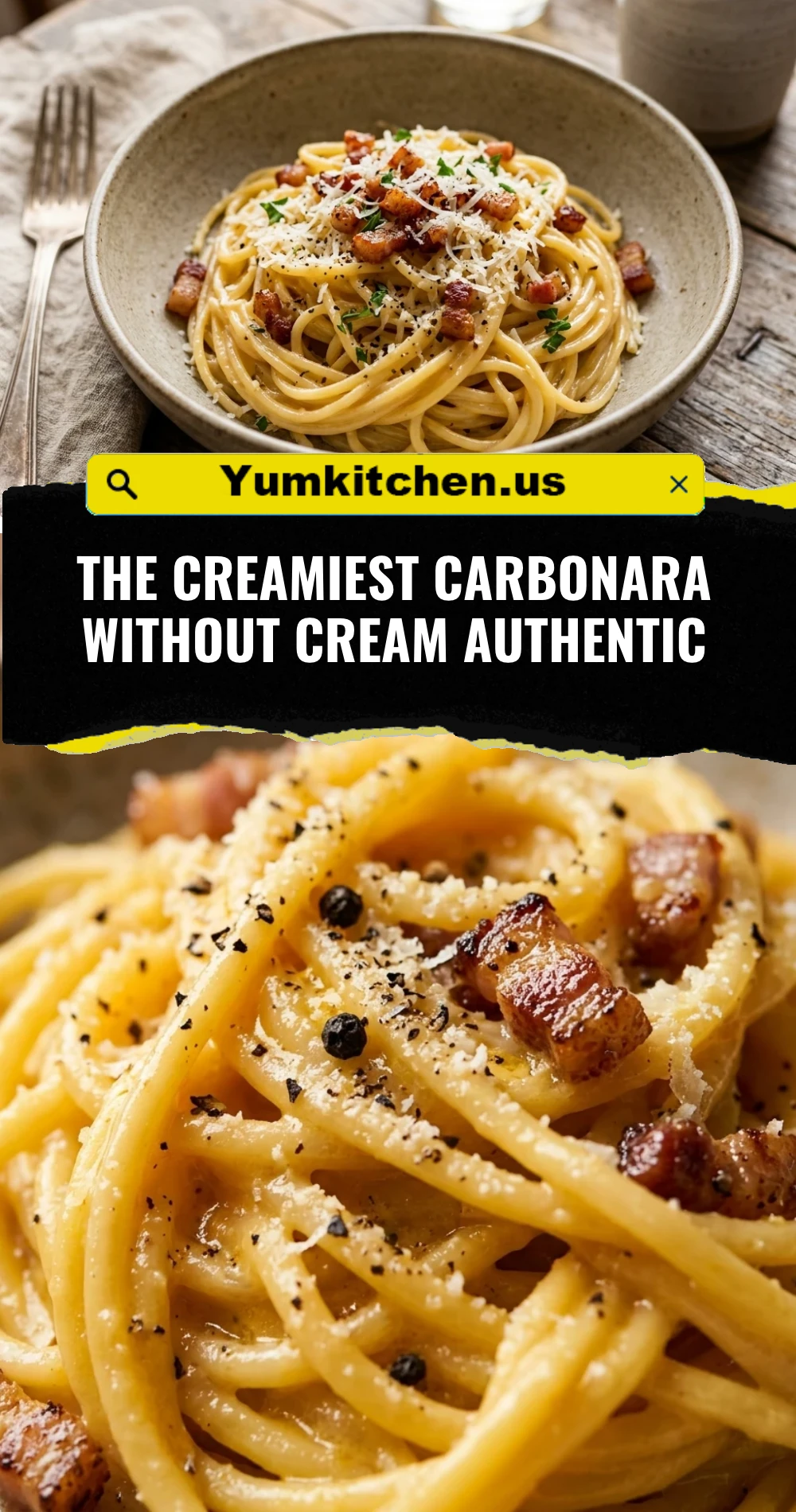
The Creamiest Carbonara Without Cream Authentic
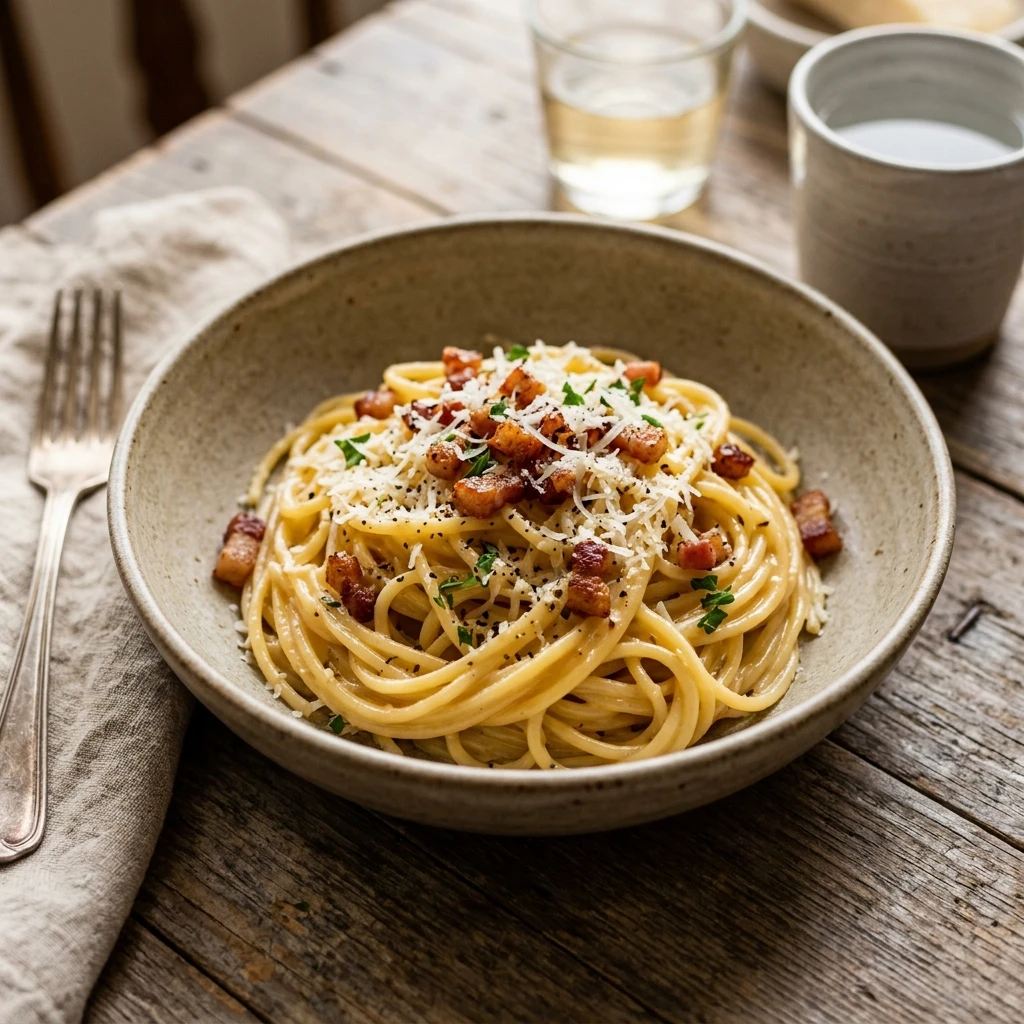
There is a common misconception that you need a heavy pour of cream to achieve that signature velvety sauce we all love in a classic pasta dish. True Roman carbonara relies on the emulsification of high-quality fats, aged cheese, and fresh eggs to create a decadent coating. This recipe for the creamiest carbonara without cream authentic will show you how to master the technique of using pasta water and residual heat to create a glossy, rich masterpiece that puts the bottled sauce versions to shame. Get ready to transform five simple ingredients into a five-star dinner.
Recipe Information
- Prep Time: 10 minutes
- Cook Time: 15 minutes
- Total Time: 25 minutes
- Servings: 4
- Difficulty: Medium
Nutrition values
- Calories: 580 kcal
- Protein: 25g
- Carbs: 68g
Why Make This The Creamiest Carbonara Without Cream Authentic
Making this version of carbonara is a rite of passage for any home cook. It focuses on the purity of flavor and the chemistry of cooking. By skipping the cream, you allow the sharp, salty notes of the Pecorino Romano and the funky, savory richness of the guanciale to shine. It is surprisingly fast to make, taking less time than it does to order takeout. Plus, mastering the “no-scramble” egg technique will give you a major boost in kitchen confidence. It is the ultimate comfort food that feels sophisticated yet remains incredibly humble.
Ingredients
- 1 lb (450g) Spaghetti or Rigatoni
- 5 oz (150g) Guanciale (cured pork cheek) or high-quality Pancetta, diced
- 4 Large Egg Yolks + 1 Whole Egg
- 1.5 cups Freshly Grated Pecorino Romano cheese
- 1 tablespoon Whole Black Peppercorns, toasted and coarsely crushed
- Salt (for the pasta water)
Directions
Step 1: Prepare the Egg and Cheese Mixture
In a medium mixing bowl, whisk together the four egg yolks and the one whole egg. Gradually fold in the grated Pecorino Romano cheese and about half of your crushed black pepper. The mixture should form a thick, pale yellow paste. Set this aside at room temperature so it is not ice-cold when it hits the hot pasta later.
Step 2: Render the Guanciale
Place the diced guanciale in a large skillet over medium heat. Do not add oil; the pork will release its own flavorful fat. Cook the guanciale until the fat has rendered out and the edges become crispy and golden brown. Once crisp, turn off the heat but leave the pork and the rendered fat in the pan. This fat is the secret to a smooth sauce.
Step 3: Boil the Pasta
Bring a large pot of water to a boil. Add a pinch of salt, but be careful—the cheese and pork are already very salty. Cook the spaghetti until it is “al dente” (about 1-2 minutes less than the package instructions). Before draining, reserve at least 1 cup of the starchy pasta water. This water is liquid gold for creating your emulsion.
Step 4: The Magic Emulsion
Use tongs to transfer the hot pasta directly into the skillet with the guanciale. Toss the pasta to coat every strand in the pork fat. Now, move the skillet away from any heat source. Pour in the egg and cheese mixture while tossing the pasta constantly with your tongs or a pasta fork. Slowly drizzle in small splashes of the reserved pasta water. The heat from the pasta will cook the eggs gently, turning them into a creamy, glossy sauce rather than scrambled eggs.
Step 5: Final Seasoning and Plating
Continue tossing for about 60 seconds until the sauce thickens and clings to the pasta. If it looks too dry, add another tablespoon of pasta water. Taste and add the remaining black pepper. Serve immediately in warmed bowls, topped with an extra sprinkle of Pecorino Romano.
Expert Tips for Perfect The Creamiest Carbonara Without Cream Authentic
- Use Room Temperature Eggs: Cold eggs are more likely to clump. Let them sit on the counter for 30 minutes before starting.
- Toast Your Pepper: Briefly toast whole peppercorns in a dry pan before crushing them. This releases essential oils that provide a much deeper flavor than pre-ground pepper.
- Kill the Heat: The most common mistake is leaving the burner on while adding the eggs. The residual heat of the pasta and the pan is more than enough to cook the eggs safely while keeping them creamy.
- Pecorino is Key: While Parmesan works, Pecorino Romano provides the authentic tang and saltiness essential for this dish.
Delicious Variations
- Spicy Twist: Add a pinch of red chili flakes to the guanciale while it renders for a subtle background heat.
- Smoky Style: If you cannot find guanciale or pancetta, use thick-cut smoked bacon for a different, woodsy flavor profile.
- Vegetarian Option: Swap the pork for roasted artichokes or sun-dried tomatoes and use a drop of liquid smoke to mimic the savoriness.
- Garlic Infusion: While not strictly traditional, you can smash a garlic clove and brown it in the pork fat, removing it before adding the pasta.
Frequently Asked Questions
Why did my eggs scramble?
This usually happens because the pan was too hot or the pasta was added to the eggs instead of the other way around. Always remove the pan from the heat source and let it cool for 30 seconds before adding the egg mixture. Constantly tossing the pasta prevents the eggs from sitting still long enough to scramble.
Can I use Parmesan instead of Pecorino?
Yes, you can use Parmigiano-Reggiano, but the flavor will be milder and less salty. Many chefs actually use a 50/50 mix of both cheeses to balance the sharpness of the Pecorino with the nuttiness of the Parmesan.
Is guanciale necessary?
Guanciale is the traditional choice because it has a higher fat-to-meat ratio and a unique cure. However, pancetta is an excellent substitute. If you use bacon, try to find an unsmoked variety to keep the flavor profile closer to the original.
How do I reheat leftovers?
Carbonara is best eaten immediately. If you must reheat it, do so very gently on the stovetop with a splash of water or milk over low heat. Be careful not to overheat it, or the eggs will definitely scramble during the second cook.
How much salt should I add to the water?
Use less salt than you normally would for other pasta dishes. The guanciale and Pecorino Romano are both very high in sodium, and since you are using the pasta water in the sauce, the salt will concentrate.
Conclusion
Mastering the creamiest carbonara without cream authentic is a game-changer for any pasta lover. By focusing on technique and quality ingredients, you create a dish that is far superior to any cream-based imitation. It is a testament to the beauty of Italian cooking: simple, fresh, and incredibly satisfying. Plate it up, crack some extra pepper on top, and enjoy the rich, silky texture that only traditional methods can provide.