Follow Me On Pinterest!
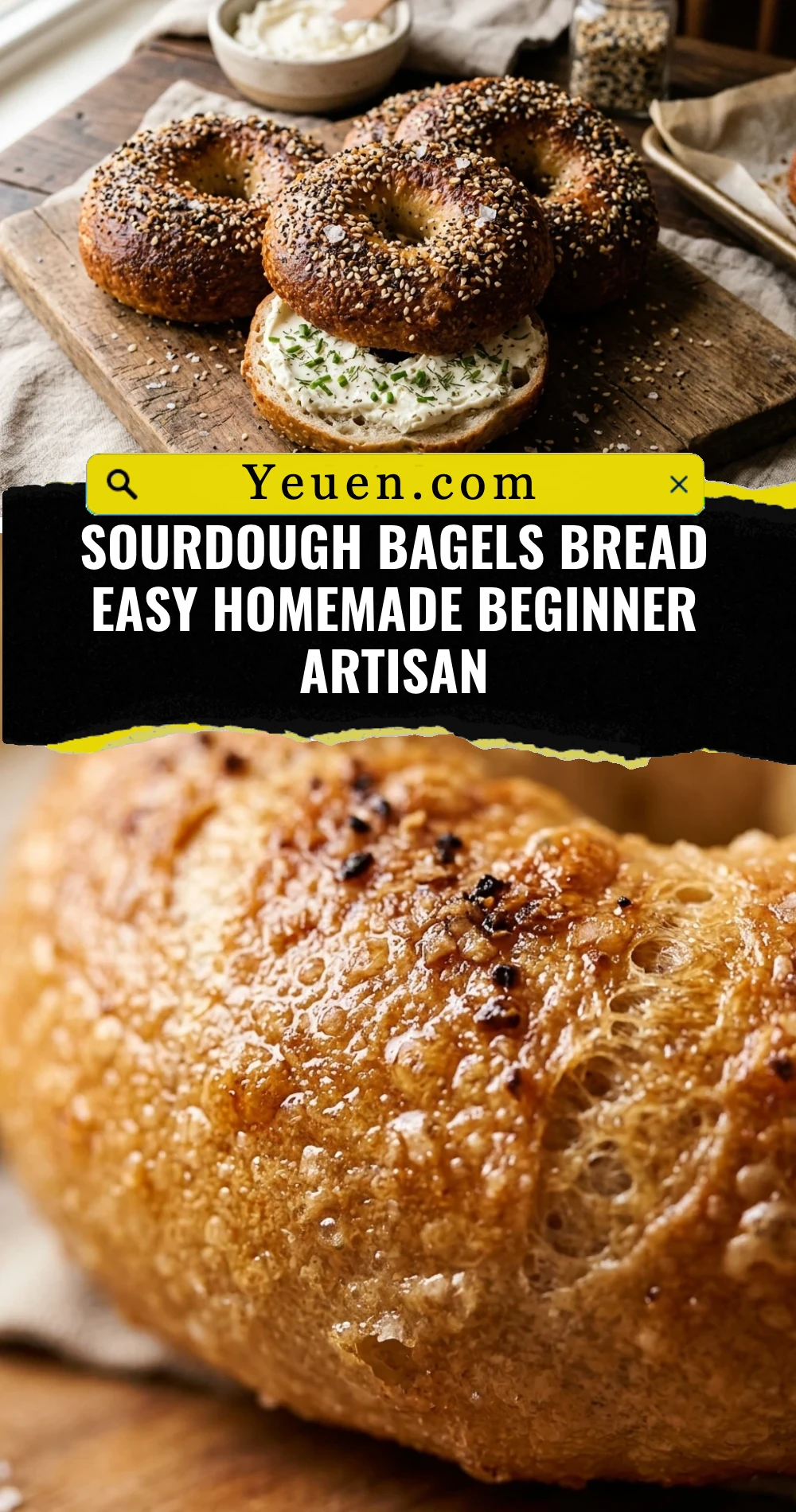
Sourdough Bagels Bread Easy Homemade Beginner Artisan
There is nothing quite like the aroma of fresh, chewy bagels wafting through your kitchen on a slow weekend morning. If you have been nurturing a sourdough starter and feel intimidated by the complex world of artisan bread, these sourdough bagels are your perfect entry point. They offer that iconic New York-style pull and a glossy, golden crust without requiring a professional bakery setup. This recipe strips away the mystery of bagel making, providing a straightforward path to achieving professional-grade results right in your home kitchen. Get ready to ditch the grocery store sleeves for good and embrace the tang and texture that only a slow-fermented sourdough bagel can provide.
Recipe Information
- Prep Time: 30 minutes (plus 12-18 hours fermentation)
- Cook Time: 25 minutes
- Total Time: 18 hours 55 minutes
- Servings: 8 Bagels
- Difficulty: Easy
Nutrition values
- Calories: 285 kcal
- Protein: 9g
- Carbs: 58g
Why Make This Sourdough Bagels Bread Easy Homemade Beginner Artisan
This recipe is a game-changer for anyone looking to master sourdough. Unlike standard bread loaves that require intense scoring techniques and steam-injected ovens, bagels are incredibly forgiving. The slow fermentation process breaks down gluten and phytic acid, making these bagels easier on your digestion and deeper in flavor than quick-yeast versions. Plus, you get to control the ingredients, ensuring no preservatives or artificial softeners enter your breakfast. Whether you are a beginner or a seasoned baker, the satisfaction of seeing your hand-shaped rings float in a boiling pot and then puff up in the oven is unmatched.
Ingredients
- 100g active sourdough starter (bubbly and fed)
- 250g warm water
- 20g honey or maple syrup
- 500g high-protein bread flour
- 10g fine sea salt
- 1 tablespoon barley malt syrup or brown sugar (for boiling water)
- 1 teaspoon baking soda (for boiling water)
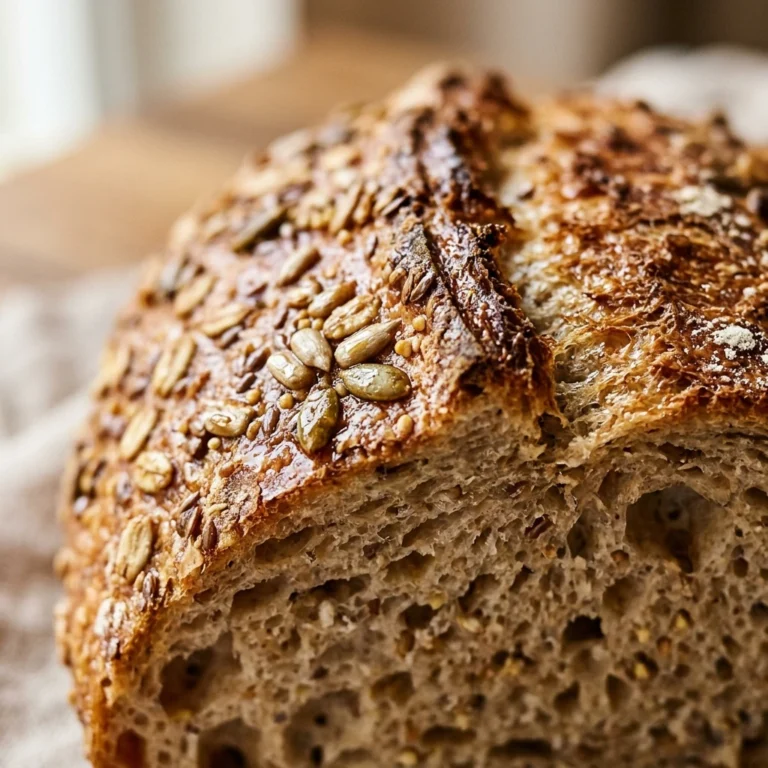
- Optional toppings: Everything bagel seasoning, sesame seeds, poppy seeds, or coarse salt
Directions
Step 1: Mixing the Dough
In a large mixing bowl, whisk together your active sourdough starter, warm water, and honey until the starter is mostly dissolved. Add the bread flour and salt. Mix by hand or with a sturdy spoon until a shaggy dough forms and no dry flour remains. Let the dough rest for about 20 minutes to allow the flour to hydrate.
Step 2: Kneading and Bulk Fermentation
Knead the dough on a lightly floured surface for about 8-10 minutes. Sourdough bagel dough is much stiffer than typical bread dough, so expect a bit of a workout. The dough should become smooth and elastic. Place the dough in a lightly oiled bowl, cover it with a damp cloth or plastic wrap, and let it rise at room temperature for 8 to 12 hours (overnight works best) until it has increased in size by about 50%.
Step 3: Shaping the Bagels
Gently turn the dough onto a clean surface. Divide the dough into 8 equal pieces (approx 110g each). Roll each piece into a smooth ball. To create the bagel shape, push your thumb through the center of a ball and gently stretch the hole until it is about 2 inches wide. Place the shaped bagels on a parchment-lined baking sheet dusted with cornmeal or flour.
Step 4: The Second Rise
Cover the shaped bagels and let them rest for 30 to 60 minutes. They won’t double in size, but they should look slightly puffed. While they rest, preheat your oven to 425°F (220°C) and bring a large pot of water to a boil.
Step 5: The Water Bath
Add the barley malt syrup (or brown sugar) and baking soda to the boiling water. Carefully drop 2-3 bagels into the water at a time. Boil for 45 seconds per side. The longer you boil, the chewier the crust will be. Use a slotted spoon to remove the bagels and place them back on the baking sheet. Add your toppings immediately while the surface is still wet and sticky.
Step 6: Baking
Slide the baking sheet into the center rack of the oven. Bake for 20-25 minutes, or until the bagels are a deep golden brown. If you prefer a softer bagel, aim for 20 minutes; for a crunchier artisan crust, go the full 25. Transfer to a wire rack to cool completely before slicing. This allows the internal crumb to set perfectly.
Expert Tips for Perfect Sourdough Bagels Bread Easy Homemade Beginner Artisan
To achieve that professional artisan look, always use bread flour rather than all-purpose flour. The higher protein content is essential for the “chew” that defines a bagel. If your dough feels too sticky to shape, don’t be afraid to add a tiny bit more flour; bagel dough should be quite stiff. For the best flavor development, do the bulk fermentation in a cool spot or even the fridge if you have more time. Finally, the barley malt syrup in the boiling water is the “secret ingredient” that provides that distinct malted flavor and deep mahogany shine found in traditional New York bagels.
Delicious Variations
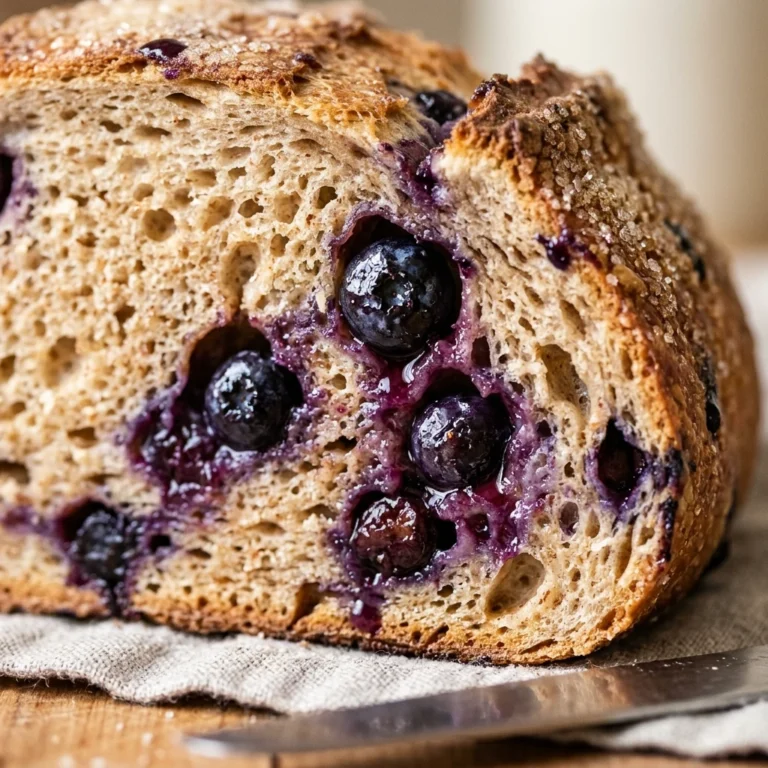
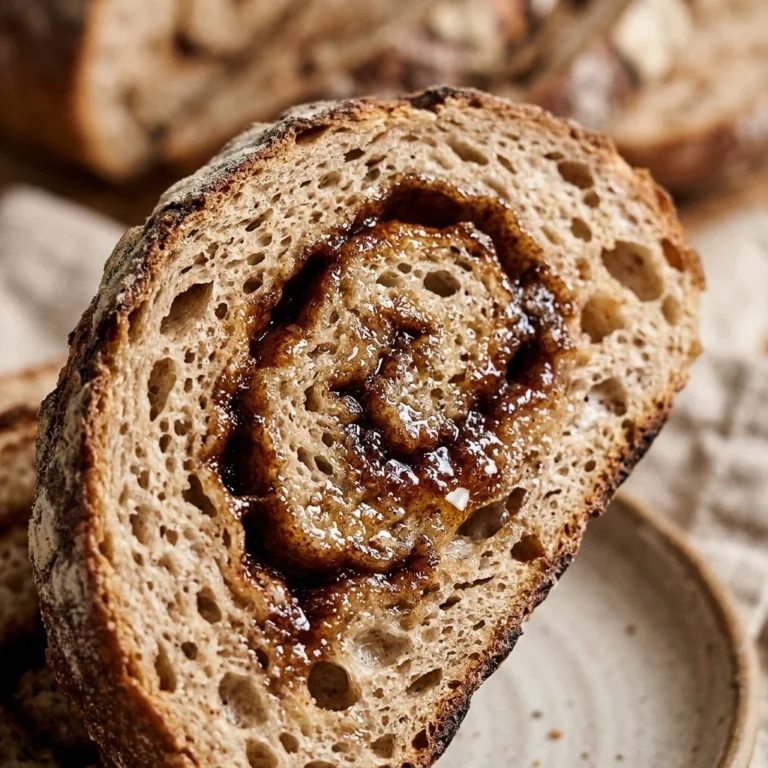
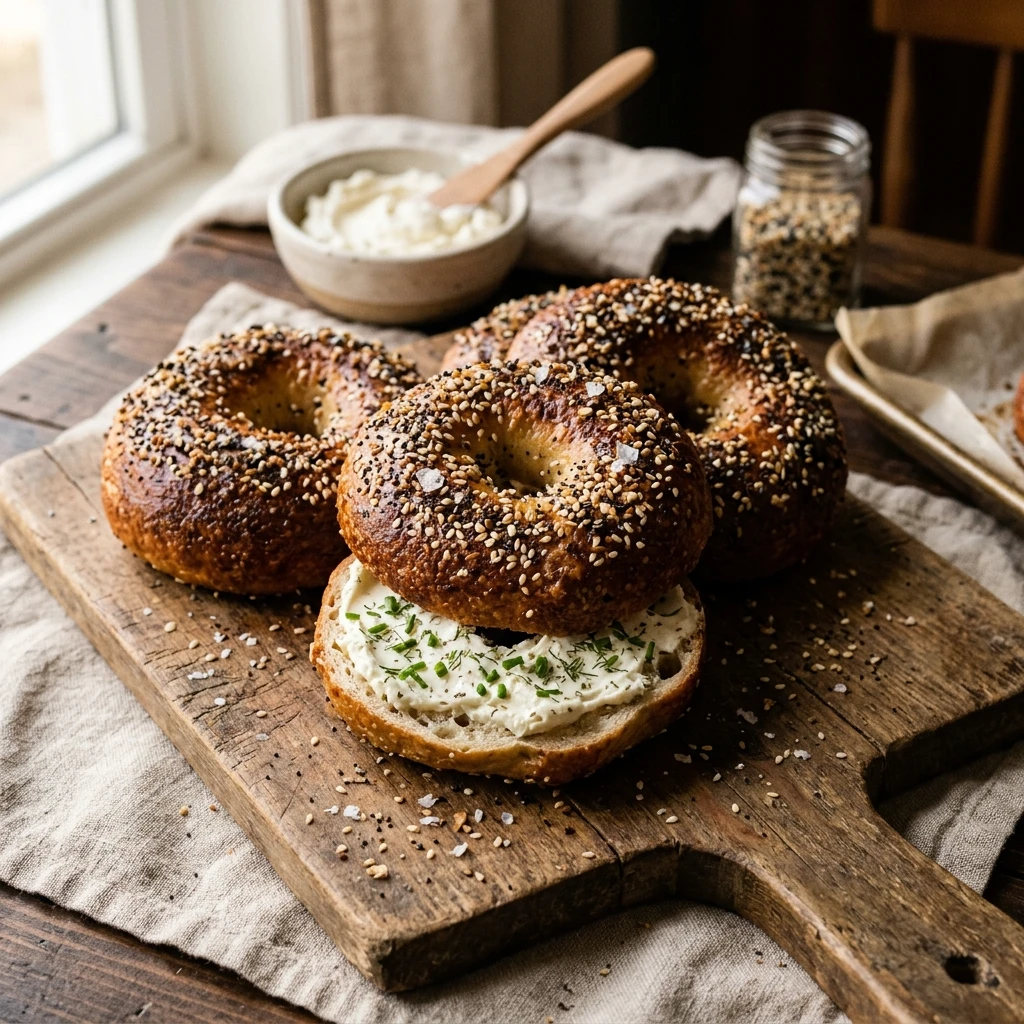
The beauty of this base recipe is its versatility. For Everything Bagels, generously coat the boiled rings in a mix of dried garlic, onion, poppy seeds, and sesame seeds. If you prefer something sweet, add 1 tablespoon of cinnamon and 100g of raisins to the dough during the initial mixing phase for Cinnamon Raisin Bagels. For a savory twist, press thin slices of jalapeño and a sprinkle of sharp cheddar cheese onto the bagels right before they hit the oven. You can even make Blueberry Sourdough Bagels by folding in fresh or frozen berries during the final kneading stages.
Frequently Asked Questions
Can I use a sourdough discard instead of an active starter?
For this specific recipe, an active, bubbly starter is recommended to ensure the bagels rise properly during the long fermentation. If you use discard, the bagels will be much denser and may not achieve the desired airy crumb, though the flavor will still be excellent.
Why do I need to boil the bagels before baking?
Boiling is what sets the crust and gives bagels their signature chewy texture. The hot water gelatinizes the starches on the outside of the dough, preventing the bagel from rising too much in the oven and creating a thick, shiny exterior.
How do I know when the bulk fermentation is finished?
The dough should look slightly swollen, feel aerated when you poke it, and have a pleasant, slightly sour aroma. It won’t necessarily double in size like a standard yeast dough because bagel dough is lower in hydration and higher in density.
Can I freeze these bagels?
Yes! These bagels freeze beautifully. Let them cool completely, slice them in half, and store them in a freezer-safe bag for up to 3 months. You can toast them directly from the freezer for a quick and easy artisan breakfast.
What if my bagels sink when I put them in the boiling water?
If your bagels sink and don’t float within a few seconds, they might be under-proofed. Let the remaining shaped bagels rest for another 15-20 minutes before boiling. If they float immediately, they are ready to go!
Conclusion
Mastering the sourdough bagel is a rewarding journey that brings the bakery experience straight into your home. With a little patience and this beginner-friendly artisan approach, you can create bagels that surpass any store-bought variety in both flavor and nutrition. Remember that sourdough is a living ingredient, and every batch will have its own unique character. Don’t be afraid to experiment with fermentation times and toppings to find your perfect bake. Grab your starter, clear your counter, and start boiling—your new favorite breakfast tradition starts here!