Follow Me On Pinterest!
Jiggly Sourdough Focaccia With Olive Oil And Sea Salt No Knead
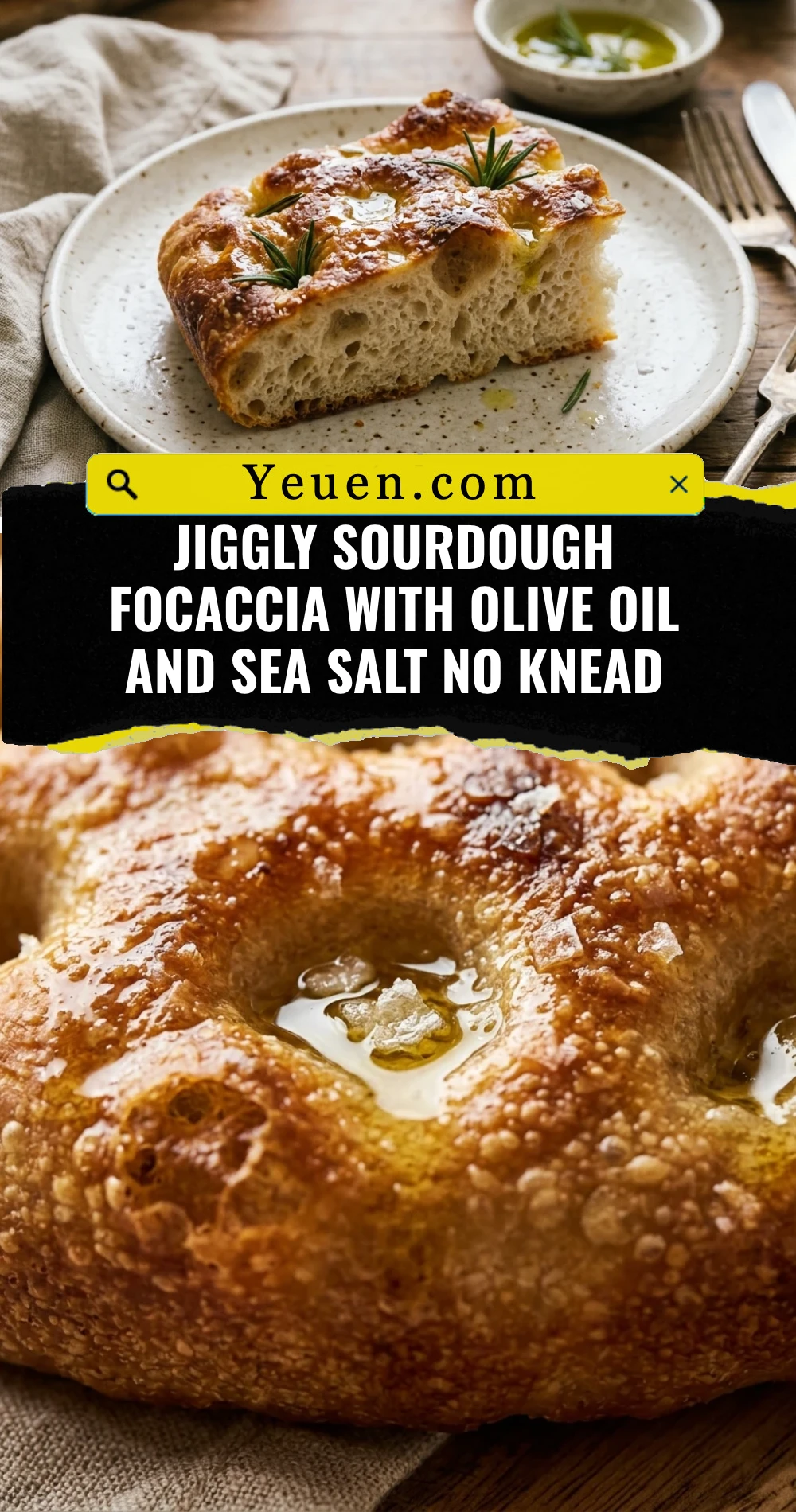
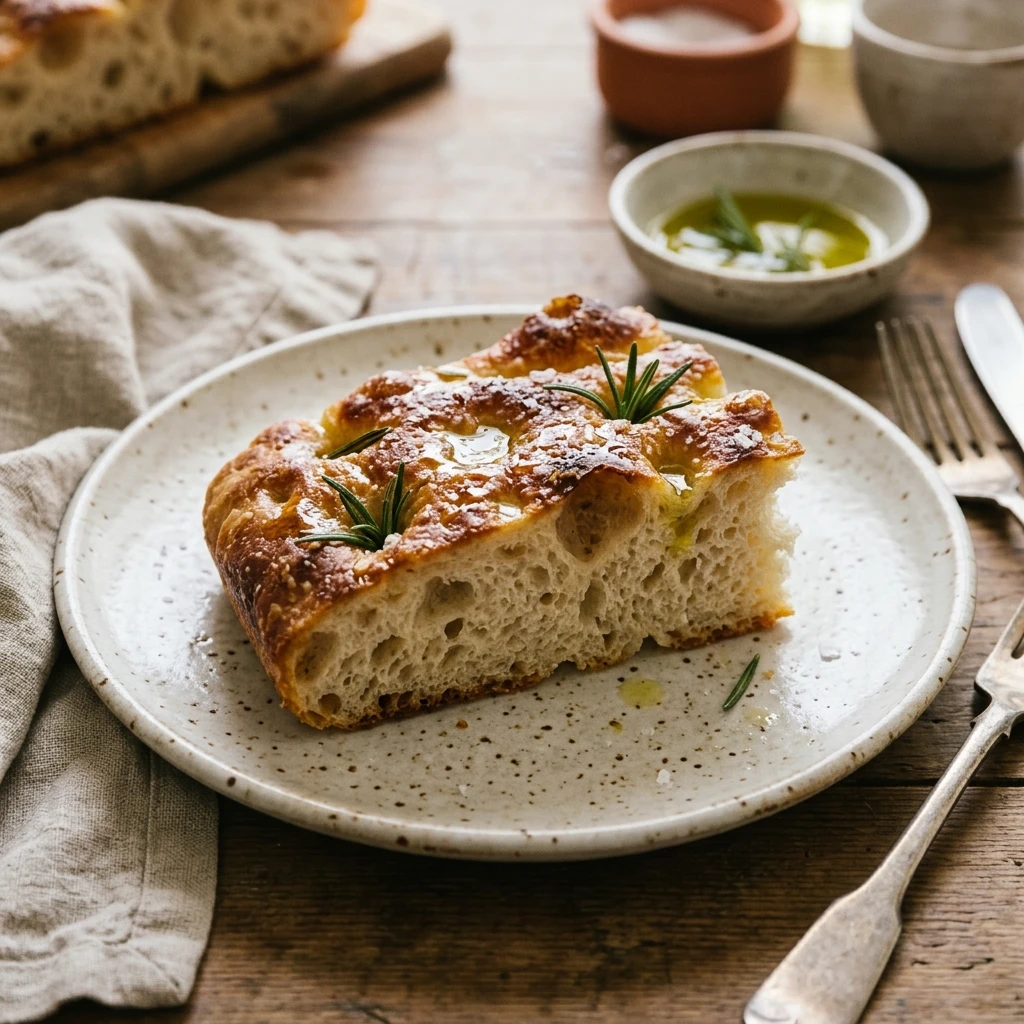
There is nothing quite as satisfying as a loaf of bread that literally wobbles when you shake the pan. This jiggly sourdough focaccia is the ultimate crowd-pleaser, boasting a marshmallow-soft interior and a shatteringly crisp, golden-brown crust. If you have been intimidated by sourdough before, this no-knead method is your gateway to success. By letting time and high hydration do the heavy lifting, you end up with a focaccia that features those iconic deep dimples and massive air bubbles. Drizzled with pool of high-quality olive oil and sprinkled with crunchy sea salt, it is a sensory experience that beats any bakery find.
Recipe Information
- Prep Time: 24 hours (includes fermentation)
- Cook Time: 25 minutes
- Total Time: 24 hours 25 minutes
- Servings: 8 servings
- Difficulty: Easy
Nutrition values
- Calories: 280 kcal per serving
- Protein: 7g per serving
- Carbs: 42g per serving
Why Make This Jiggly Sourdough Focaccia With Olive Oil And Sea Salt No Knead
This recipe is perfect for busy bakers because it requires zero kneading. You simply mix the ingredients and let the natural yeast do its magic overnight. The high water content creates that sought-after “jiggly” texture that makes the bread incredibly light and airy. Because it uses a sourdough starter, the bread is easier on the gut and develops a complex, tangy flavor that commercial yeast simply cannot replicate. Plus, it is incredibly versatile—it works as a side dish, a sandwich base, or a standalone snack.
Ingredients
- 100g active sourdough starter (bubbly and fed)
- 375g warm water
- 500g bread flour (or all-purpose flour)
- 10g fine sea salt
- 20g extra virgin olive oil (for the dough)
- 3-4 tablespoons extra virgin olive oil (for the pan and drizzling)
- Flaky sea salt (for finishing)
- Optional: Fresh rosemary or garlic cloves
Directions
Step 1: Mixing the Dough
In a large mixing bowl, whisk together your active sourdough starter and warm water until the starter is mostly dissolved. Add the flour and sea salt. Use a sturdy spatula or your hands to mix until a shaggy dough forms and no dry flour remains. Drizzle 20g of olive oil over the dough and turn it once to coat. Cover the bowl with a damp cloth or plastic wrap and let it rest for 30 minutes.
Step 2: Stretch and Folds
After the rest, perform one set of “stretch and folds.” Reach under one side of the dough, pull it up, and fold it over the center. Rotate the bowl and repeat this 4 times until the dough feels slightly tighter. Cover and let it sit at room temperature for about 4 to 6 hours. During this time, the dough should grow in size and show some bubbles on the surface.
Step 3: Cold Fermentation
Transfer the covered bowl to the refrigerator for 12 to 18 hours. This cold ferment is the secret to the flavor and the jiggly texture. It allows the gluten to relax and the gases to build up slowly, creating those beautiful interior holes.
Step 4: Pan Proofing
Generously grease a 9×13 inch baking pan with olive oil. Gently tip the cold dough into the pan. Do not force it to the corners yet. Flip the dough once so it is coated in oil. Let it rise in a warm, draft-free spot for 2 to 4 hours. The dough is ready when it has filled the pan and looks very wobbly and full of air bubbles.
Step 5: Dimpling and Baking
Preheat your oven to 425°F (220°C). Drizzle the top of the dough with more olive oil. Grease your fingers and press them straight down into the dough to create deep dimples, reaching all the way to the bottom of the pan. Sprinkle generously with flaky sea salt. Bake for 20 to 25 minutes until the top is deep golden brown and the edges are crispy. Transfer to a wire rack immediately to keep the bottom from getting soggy.
Expert Tips for Perfect Jiggly Sourdough Focaccia With Olive Oil And Sea Salt No Knead
The biggest secret to success is patience. If the dough does not want to stretch to the corners of the pan during the final rise, let it rest for 15 minutes and try again. Use a metal pan if you want a crispier bottom crust, as glass conducts heat differently. Always ensure your starter is at its peak activity—if it does not pass the “float test” in water, wait a few more hours before mixing your dough. Finally, do not be shy with the olive oil; it is what “fries” the bottom of the bread and gives it that incredible crunch.
Delicious Variations
While sea salt is a classic, you can get creative with toppings. Try pressing halved cherry tomatoes and fresh basil leaves into the dimples before baking. For a savory twist, add caramelized onions and crumbled feta cheese. If you love herbs, rosemary and roasted garlic cloves are a match made in heaven. You can even go sweet by topping the dough with sliced grapes, a drizzle of honey, and a pinch of coarse sugar.
Frequently Asked Questions
Can I use discarded starter for this recipe?
For the best “jiggly” rise, it is highly recommended to use an active, fed starter. Discard may result in a denser bread that does not have the same airy structure.
What if I don’t have bread flour?
All-purpose flour works well, but bread flour has a higher protein content which helps support the large air bubbles. If using all-purpose, your dough might feel a bit wetter.
How do I know when the focaccia is done?
The top should be a dark golden brown, and the edges should be pulling away slightly from the pan. You can also lift a corner with a spatula to check if the bottom is golden and crisp.
Why is my dough sticking to the pan?
This usually happens if there isn’t enough olive oil in the pan or if the pan isn’t non-stick. Be generous with the oil; the dough should almost be “frying” in it.
How should I store leftovers?
Focaccia is best on day one. However, you can store it in an airtight container at room temperature for 2 days. To revive the crunch, toast it in a 350°F oven for 5 minutes.
Conclusion
Mastering this jiggly sourdough focaccia is a rewarding journey that fills your kitchen with the most incredible aroma. With its simple no-knead technique and minimal active work, it is a recipe you will return to time and again. Whether you serve it alongside a hearty pasta dish or enjoy it plain while it is still warm from the oven, this bread is a testament to the power of slow fermentation. Grab your starter, get your olive oil ready, and prepare to bake the most impressive loaf of bread you have ever made.