Follow Me On Pinterest!
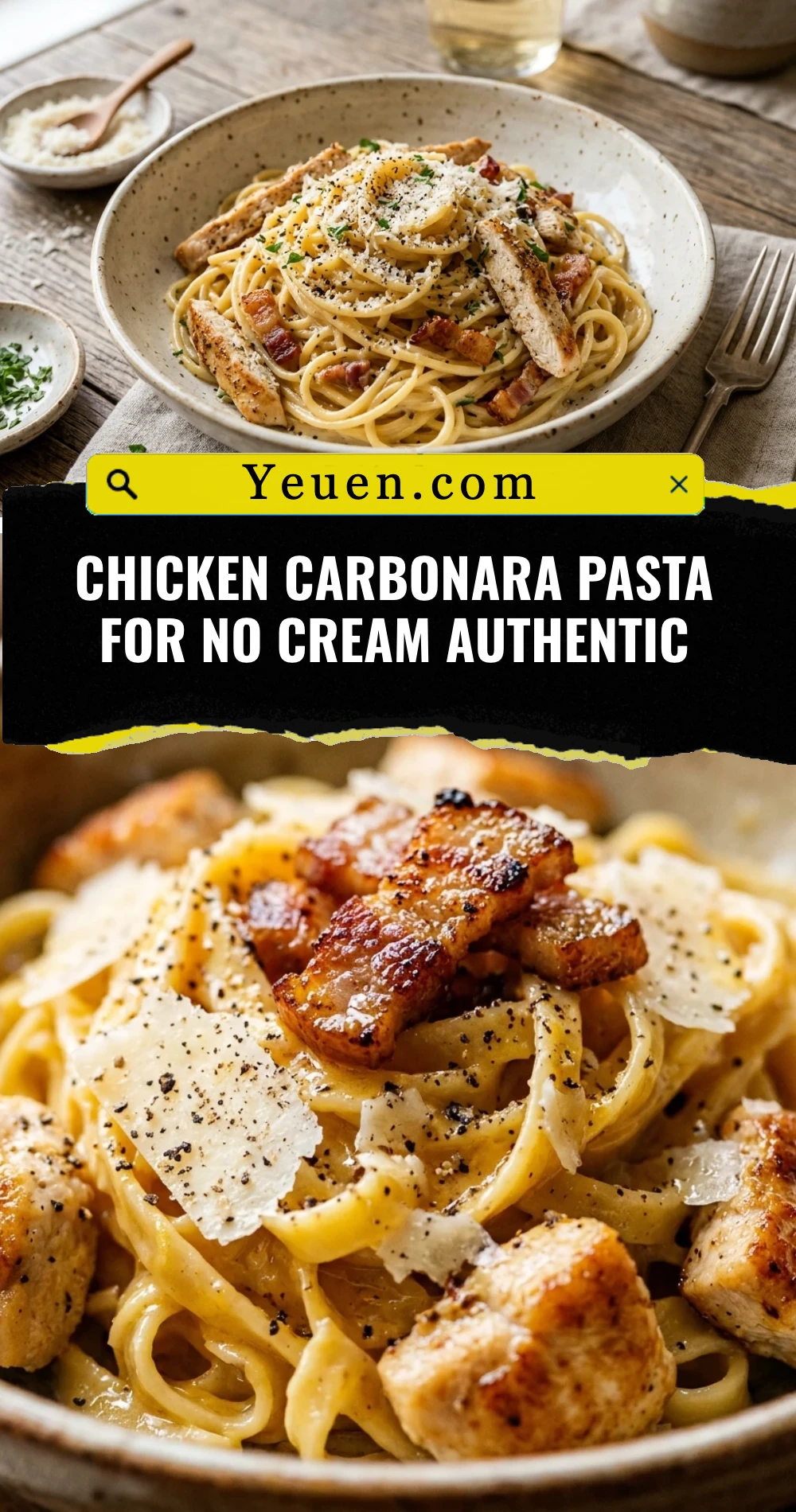
Chicken Carbonara Pasta For No Cream Authentic
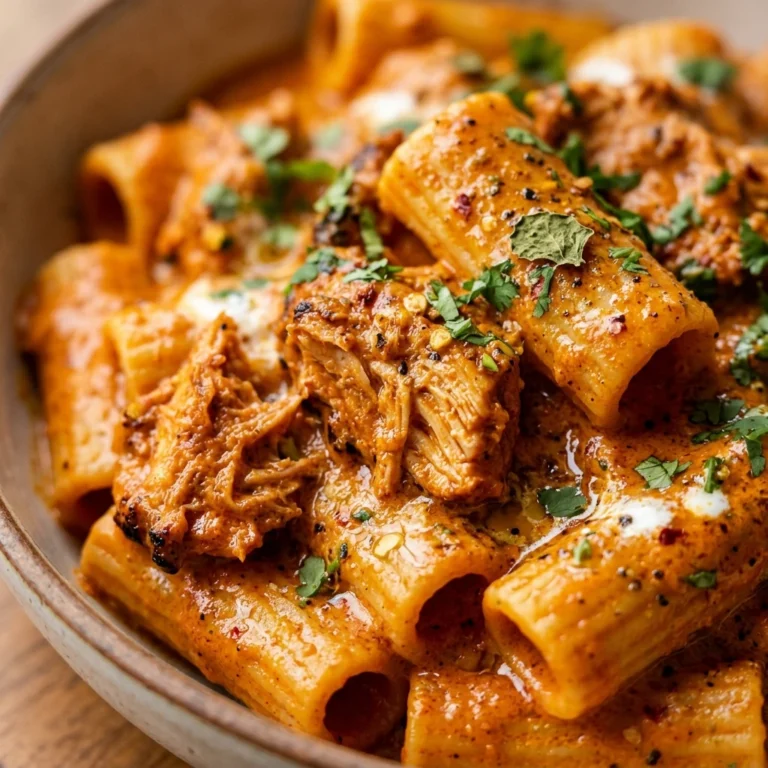
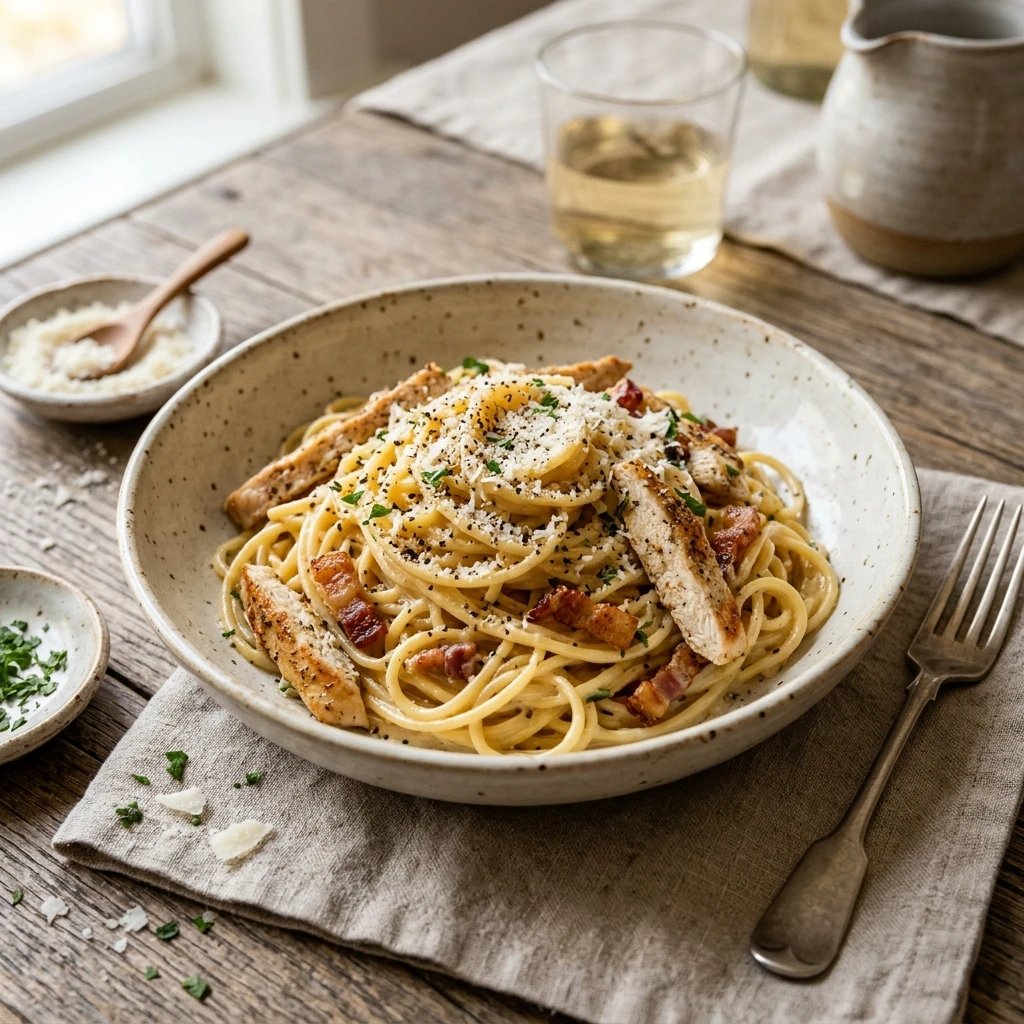
Forget everything you know about heavy, store-bought cream sauces. Authentic Italian carbonara relies on the culinary magic of eggs, aged cheese, and starchy pasta water to create a velvety coating that is both rich and light. While traditional Roman carbonara doesn’t usually include chicken, adding golden-seared chicken breast turns this classic into a high-protein, one-bowl meal that satisfies every craving. You get all the smoky flavor of pancetta and the sharp tang of Pecorino Romano without the heaviness of dairy cream.
Recipe Information
- Prep Time: 15 minutes
- Cook Time: 20 minutes
- Total Time: 35 minutes
- Servings: 4
- Difficulty: Medium
Nutrition values
- Calories: 640 kcal
- Protein: 48g
- Carbs: 58g
Why Make This Chicken Carbonara Pasta For No Cream Authentic
This recipe is a game-changer for anyone who wants restaurant-quality pasta at home. By skipping the cream, you experience the true flavors of the ingredients. The eggs create a silky emulsion that clings to every strand of spaghetti, while the black pepper provides a sharp bite that cuts through the richness. It is a sophisticated dish that uses pantry staples, making it perfect for a quick weeknight dinner or an impressive date-night meal. Plus, it is much closer to what you would find in a traditional trattoria in Rome.
Ingredients
- 1 lb Spaghetti or Rigatoni
- 2 Large chicken breasts, thinly sliced
- 5 oz Pancetta or Guanciale, diced (Bacon works as a substitute)
- 3 Large eggs + 1 Egg yolk (room temperature)
- 1.5 cups Freshly grated Pecorino Romano (or a mix of Parmesan and Pecorino)
- 2 tsp Freshly cracked black pepper
- 2 cloves Garlic, smashed (optional for aromatics)
- Sea salt (for pasta water)
- 2 tbsp Olive oil
Directions
Step 1: Prepare the Egg Base
In a medium mixing bowl, whisk together the three whole eggs and the extra egg yolk. Stir in the grated Pecorino Romano and the cracked black pepper until the mixture forms a thick, pale paste. Set this aside and let it come to room temperature while you cook the other components.
Step 2: Sear the Chicken
Heat olive oil in a large skillet over medium-high heat. Season the chicken slices lightly with salt and pepper. Add them to the skillet and cook until golden brown and fully cooked through, about 5-7 minutes. Remove the chicken from the pan and set it aside on a plate, keeping it warm.
Step 3: Crisp the Pancetta and Boil Pasta
Bring a large pot of heavily salted water to a boil. Add the pasta and cook until it is “al dente” (usually 1-2 minutes less than the package instructions). While the pasta boils, add the diced pancetta to the same skillet used for the chicken. Render the fat over medium heat until the pancetta is crispy and golden. If using garlic, add the smashed cloves now and remove them once they turn brown.
Step 4: Combine the Pasta and Fats
Reserve at least one cup of the starchy pasta water before draining the noodles. Once drained, add the hot pasta directly into the skillet with the crispy pancetta and the rendered fat. Toss the pasta to coat every strand in the savory oil. Add the cooked chicken back into the skillet and turn off the heat completely.
Step 5: Create the Creamy Emulsion
This is the most critical step. With the pan off the heat (to prevent scrambling the eggs), pour the egg and cheese mixture over the pasta. Immediately begin tossing the pasta vigorously with tongs. Slowly drizzle in small amounts of the reserved pasta water while tossing. The heat from the pasta will cook the eggs gently, creating a glossy, creamy sauce that coats everything. Serve immediately with extra cheese and pepper.
Expert Tips for Perfect Chicken Carbonara Pasta For No Cream Authentic
- Use Room Temp Eggs: Cold eggs can shock the pasta and lead to a clumpy sauce. Take them out of the fridge 30 minutes before cooking.
- Control the Heat: Never add the egg mixture while the skillet is still on the burner. Residual heat is plenty to cook the eggs into a sauce; active heat will turn them into breakfast scrambles.
- Pasta Water is Gold: The starch in the water is the secret ingredient that binds the oil and cheese into a creamy sauce. Never skip reserving it.
- Freshly Grated Cheese: Avoid pre-shredded cheese in plastic containers. They contain anti-clumping agents that prevent the cheese from melting smoothly into the sauce.
Delicious Variations
- Vegetable Boost: Add frozen peas or sautéed spinach during the final tossing phase for a pop of color and nutrients.
- Spicy Kick: Infuse the oil with red chili flakes while crisping the pancetta for a “Carbonara Arrabbiata” twist.
- Mushroom Carbonara: Swap the chicken for sliced Cremini or Shiitake mushrooms for an earthy, umami-rich version.
- Gluten-Free: Use a high-quality brown rice or corn-based spaghetti. Ensure you use slightly more pasta water as GF pasta releases less starch.
Frequently Asked Questions
Why is my Carbonara sauce clumpy?
Clumping usually happens if the pan is too hot when you add the eggs. The proteins in the eggs coagulate too quickly, creating scrambled eggs. Always remove the pan from the heat source and let it cool for 30 seconds before adding the egg mixture.
Can I use Parmesan instead of Pecorino Romano?
Yes, you can. However, Pecorino is saltier and tangier. If you use only Parmesan, you may need to add a pinch more salt to the final dish to achieve the same flavor profile.
Is it safe to eat the “raw” egg sauce?
The eggs are not actually raw. The heat from the boiling pasta and the hot pancetta fat pasteurizes the eggs as you toss them, cooking them sufficiently to be safe while maintaining a liquid, creamy texture.
What type of chicken works best?
Chicken breast is standard for its lean profile, but chicken thighs offer more flavor and stay juicier. Ensure you cut the chicken into bite-sized pieces so it integrates well with the pasta strands.
How do I reheat leftovers?
Carbonara is best eaten fresh. If you must reheat it, do so very gently in a pan with a splash of water or milk on low heat. Microwave heating will almost certainly scramble the eggs in the sauce.
Conclusion
Mastering an authentic Chicken Carbonara without cream is a badge of honor for any home cook. It proves that simple, high-quality ingredients can produce a result far superior to heavy, processed alternatives. By focusing on the technique of the egg-cheese emulsion, you create a dish that is elegant, comforting, and incredibly delicious. Grab your whisk and your favorite pasta, and enjoy this timeless Italian classic tonight!