Follow Me On Pinterest!
Easy 30-Minute Ratatouille

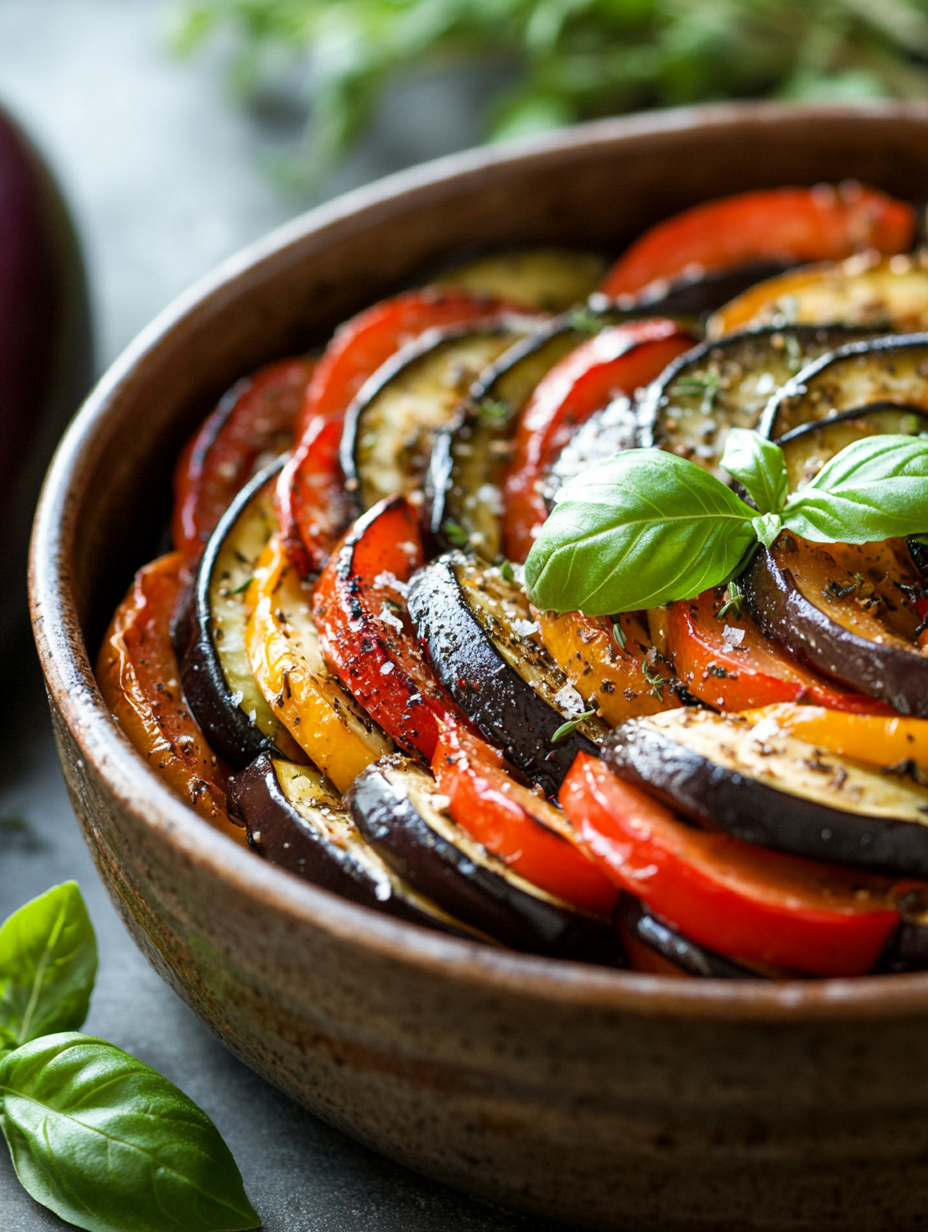
Easy 30-Minute Ratatouille: A Quick Taste of France at Home
Introduction
There’s something undeniably comforting about the aromas that waft through the kitchen when you’re preparing a dish like ratatouille. I remember the first time I made it; I was in my tiny New York City apartment, surrounded by pots and pans, with the sun setting outside my window. The vibrant colors of eggplant, zucchini, and bell peppers danced around my cutting board as I chopped them with care. As I sautéed the onions and garlic, the sweet and savory scents enveloped me, instantly transporting me to a bustling market in Provence, where freshly harvested vegetables are piled high and the essence of summer lingers in the air.
In just thirty minutes, I was able to create a dish that tasted as if it had simmered for hours. Each bite was a celebration of flavor, with the tender vegetables melded together, enhanced by fragrant herbs. This dish became a staple in my kitchen, a go-to recipe for busy weeknights and casual gatherings with friends. It embodies that perfect balance of simplicity and sophistication that French cuisine is known for. Plus, it’s incredibly versatile; you can serve it as a main course, a side dish, or even atop a creamy polenta for a delightful twist.
The best part? You don’t need to be an experienced chef to master this recipe. With just a few fresh ingredients and a bit of love, you can recreate this classic French dish in no time.
Why This Recipe Works
This 30-minute ratatouille recipe is not just about plopping a bunch of veggies in a pot; it’s about understanding the technique that brings out the best flavors in each ingredient. The magic lies in the sautéing process. By cooking the onions and garlic first, you allow their natural sweetness to emerge, creating a flavor base that permeates the entire dish.
Eggplant is a key player here—when sautéed, it absorbs neighboring flavors, becoming tender and rich. It’s essential to cut it into bite-sized pieces so it cooks evenly and melds perfectly with the other vegetables. Following that, you add the zucchini and bell pepper, which not only add vibrant color but also a refreshing crunch.
The can of diced tomatoes is crucial for adding moisture and acidity, balancing out the sweetness of the vegetables. The addition of dried basil and oregano introduces an aromatic layer that’s quintessential to Mediterranean cooking, enhancing the dish without overwhelming it.
Simply put, this recipe is reliable because it respects the cooking times and methods for each vegetable, allowing them to shine in their own right while still harmonizing beautifully. In just a short while, you’ll have a dish that’s both hearty and healthy, embodying the essence of fresh, seasonal eating.
What Makes It Special
What sets this 30-minute ratatouille apart from versions you might find in restaurants or grocery stores? Here are a few unique qualities:
– Freshness: This recipe emphasizes using fresh, seasonal vegetables, which not only enhances the flavor but also brings a nutritional punch. The vibrant colors and textures of freshly chopped veggies contribute to the dish’s overall appeal.
– Speed: Unlike traditional ratatouille that may require hours of slow cooking, this version allows you to enjoy the rich flavors in just 30 minutes. Perfect for a weeknight meal when you want something delicious but don’t have the time for extensive preparation.
– Customizability: This dish is incredibly versatile. You can easily swap out vegetables based on what you have on hand or your dietary preferences. Want to make it vegan? It’s already plant-based! Add some chickpeas for protein or sprinkle some feta on top for a Mediterranean twist.
– Simplicity: The beauty of ratatouille lies in its uncomplicated preparation. With minimal ingredients and straightforward techniques, it’s an approachable recipe for cooks of all levels. You can impress your family or guests with a dish that feels gourmet without breaking a sweat.
Ingredient Breakdown

Understanding the role of each ingredient in your 30-minute ratatouille will help you appreciate the dish even more and give you the confidence to make adjustments as needed. Here’s a closer look:
– Eggplant: This versatile vegetable has a meaty texture and is the backbone of any ratatouille. It absorbs flavors beautifully, so make sure to choose a firm eggplant with glossy skin. If you’re looking for a substitute, zucchini can also work, although it will alter the dish’s flavor profile slightly.
– Zucchini: Adding a mild sweetness and a nice crunch, zucchini is an essential component. It cooks quickly and should be sliced evenly to ensure uniform cooking. If you’re aiming for a low-carb option, you might consider using yellow squash or even cauliflower as a substitute.
– Bell Pepper: The bell pepper adds a colorful visual appeal and a subtle sweetness. You can use any color you prefer—red, yellow, or green. If you’re sensitive to bell peppers, consider using carrots or mushrooms for a different flavor dynamic.
– Onion: A classic base for many dishes, the onion brings depth of flavor. Sweet onions like Vidalia work wonderfully, but any onion will suffice. If you’re looking for a milder taste, try using shallots or green onions instead.
– Garlic: An essential flavor booster, garlic adds a pungent aroma and enhances the overall taste. If you prefer a milder flavor, you can reduce the amount or roast the garlic before adding it to the dish.
– Canned Diced Tomatoes: This is a shortcut that adds both acidity and moisture to the dish. When selecting canned tomatoes, look for those without added sugars or preservatives. You can substitute fresh tomatoes if you have them on hand, but be sure to chop them finely.
– Olive Oil: A staple in Mediterranean cooking, olive oil adds richness and helps with sautéing the vegetables. If you’re looking for a lighter option, avocado oil is a great alternative.
– Dried Herbs (Basil and Oregano): These fragrant herbs are crucial for bringing that classic ratatouille flavor to life. Fresh herbs can be used instead if you have them, but adjust the amounts since fresh herbs are more potent.
– Salt and Black Pepper: These are essential for enhancing flavors. Always taste as you go and adjust according to your preferences.
– Fresh Parsley: This herb adds a bright finish and a pop of freshness. Feel free to replace it with fresh basil or even cilantro for a unique twist!
Equipment Needed
To whip up your 30-minute ratatouille, you’ll need a few essential kitchen tools:
– Large Skillet: A good-quality skillet is vital for sautéing vegetables evenly. If you have a non-stick or cast iron skillet, both work wonderfully. Look for one with a lid, as covering it can help steam the veggies toward the end of cooking.
– Cutting Board and Knife: A sharp knife and a sturdy cutting board are necessary for chopping your vegetables. Investing in a good chef’s knife will make your prep work much easier and safer.
– Measuring Spoons: To accurately measure your herbs and seasonings, a set of measuring spoons is indispensable. This ensures that you achieve the perfect balance of flavors in your dish.
– Wooden Spoon: A sturdy wooden spoon is perfect for stirring and scraping the bottom of your skillet while cooking, allowing you to bring all those delicious brown bits into the mix.
– Can Opener: If you’re using canned tomatoes, a reliable can opener is essential. It’s worth investing in a high-quality one that makes the job quick and easy.
With these tools at your disposal, you’re ready to create a dish that’s not only delicious but also a delightful nod to the heart of French cuisine!
Step-by-Step Instructions
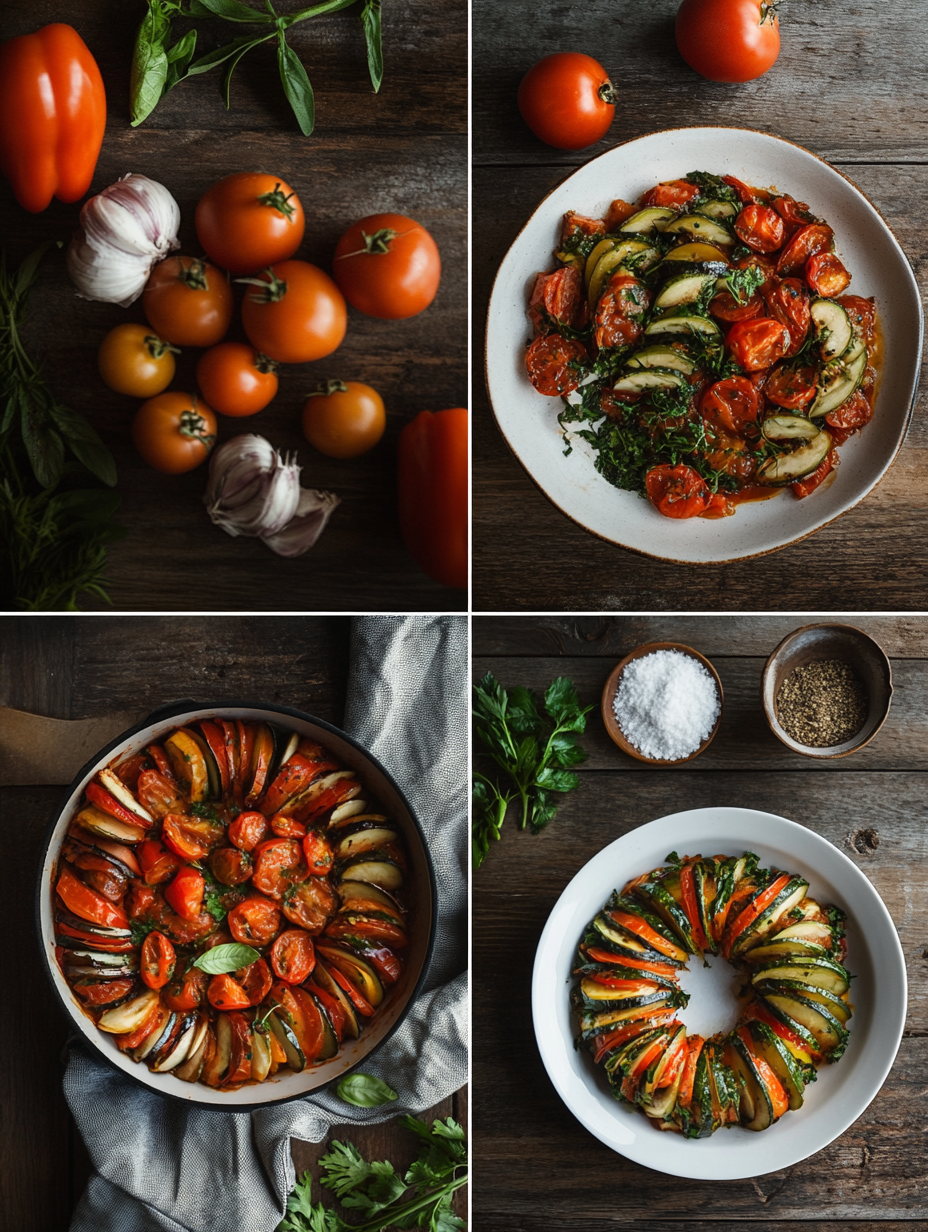
1. Prepare Your Ingredients
– What: Start by washing and chopping your vegetables. Dice the eggplant, slice the zucchini, chop the bell pepper, and finely chop the onion and garlic.
– How: Use a sharp knife for precision. Aim for uniform sizes to ensure even cooking.
– What to look/smell/hear: As you chop, your kitchen will fill with the fresh, earthy aroma of the vegetables, particularly the strong scent of garlic.
2. Sauté Onions and Garlic
– What: Heat olive oil in a large skillet over medium heat.
– How: Once the oil is shimmering, add the diced onion and minced garlic. Sauté them together.
– What to look/smell/hear: You’ll know it’s time to add more ingredients when the onions turn translucent (about 3 minutes). You’ll hear a gentle sizzling sound, and the garlic will begin to release a fragrant aroma.
3. Cook the Eggplant
– What: Add the diced eggplant to the skillet.
– How: Stir it in, ensuring it’s coated with the oil. Let it cook for about 5 minutes, stirring occasionally.
– What to look/smell/hear: The eggplant will begin to soften and absorb the flavors. You’ll notice a slight browning around the edges, and the cooking will bring out a slightly sweet scent.
4. Incorporate Zucchini and Bell Pepper
– What: Next, add the sliced zucchini and chopped bell pepper.
– How: Stir everything together and allow to cook for another 4 minutes, until the vegetables are tender.
– What to look/smell/hear: You’ll hear the sizzling continue as the vegetables cook down. The vibrant colors of the zucchini and bell pepper will brighten the dish, and their scents will mingle beautifully.
5. Add Tomatoes and Seasonings
– What: Pour in the drained canned diced tomatoes and stir in the dried basil, oregano, salt, and black pepper.
– How: Mix well, ensuring all the vegetables are evenly coated with the seasonings.
– What to look/smell/hear: As you stir, the mixture will become saucy, and you’ll smell the rich combination of tomatoes and herbs. It’s a delightful aroma that signals the dish’s French roots.
6. Simmer Until Tender
– What: Let the ratatouille simmer for about 5-7 minutes.
– How: Keep the heat on medium-low and stir occasionally to prevent sticking.
– What to look/smell/hear: The vegetables will continue to soften, and you’ll hear a soft bubbling sound as the flavors meld together. The dish will take on a luscious, inviting appearance.
7. Finish and Garnish
– What: Once the vegetables are tender, stir in the fresh parsley before serving.
– How: Add it right at the end for a bright, fresh pop of flavor.
– What to look/smell/hear: The fresh parsley will add a vibrant green touch. You’ll notice an uplift in aroma as it releases its oils, enhancing the dish.
Chef’s Note: Feel free to adjust the seasoning to your taste. Don’t rush the sautéing process; letting the onions and garlic develop flavor is crucial for a delicious ratatouille.
Pro Tips for the Best Results
– Choose Fresh Vegetables: Always select the freshest produce you can find for the best flavor. Look for firm eggplants and vibrant peppers.
– Salt the Eggplant: Consider salting the diced eggplant and letting it sit for about 15 minutes before cooking. This process helps draw out excess moisture and bitterness.
– Adjust Cooking Times: Keep in mind that different stovetops and skillets can affect cooking times. Always rely on visual cues rather than just the clock.
– Experiment with Herbs: While dried herbs are great, try replacing them with fresh herbs for a more intense flavor. Fresh basil and thyme can elevate your ratatouille.
– Use a Non-Stick Skillet: This can help prevent sticking, especially with softer vegetables like eggplant. A well-seasoned cast-iron skillet can also work wonders.
– Keep It Colorful: Don’t hesitate to incorporate a variety of colorful vegetables. Adding carrots or cherry tomatoes can give your dish a more vibrant look and taste.
– Taste as You Go: Always taste your ratatouille throughout the cooking process. Adjust salt and seasoning to suit your preference.
– Let It Rest: Allowing the ratatouille to sit for a few minutes before serving can help the flavors meld together even more.
Common Mistakes to Avoid
1. Not Salting the Eggplant: Skipping this step can result in a bitter flavor and a watery texture. Always salt and drain your eggplant to enhance its taste and texture.
2. Overcrowding the Pan: Adding too many vegetables at once can lower the skillet’s temperature, leading to steaming instead of sautéing. Cook in batches if necessary to ensure even cooking.
3. Using Low-Quality Olive Oil: Not all olive oils are created equal. A low-quality oil can affect the flavor of your dish. Opt for good quality extra virgin olive oil for the best taste.
4. Skipping Fresh Herbs: Using only dried herbs may lead to a less aromatic dish. Fresh herbs brighten the flavor and add complexity, so don’t skip them!
5. Not Letting It Simmer Long Enough: Rushing this step can prevent the flavors from fully developing. Give it a good simmer to allow the ingredients to meld beautifully.
6. Forgetting to Adjust Seasoning: Taste the dish before serving. If it feels flat, a pinch more salt or a sprinkle of fresh herbs can elevate it significantly.
7. Serving Immediately: While it’s tempting to dig in right away, letting the ratatouille sit for a few minutes enhances its flavor even more.
Creative Variations
1. Seasonal Ratatouille: Adapt this recipe to the seasons by swapping in vegetables that are in season, such as butternut squash in the fall or asparagus in the spring. This keeps the dish fresh and exciting throughout the year.
2. Dietary-Friendly: For a gluten-free option, this ratatouille is naturally gluten-free. Pair it with a side of quinoa or serve over zoodles (zucchini noodles) for a low-carb meal!
3. Gourmet Elevated: To elevate your ratatouille, consider adding a splash of balsamic vinegar or a drizzle of truffle oil right before serving. This adds layers of complexity and richness.
4. Quick 15-Minute: If you’re in a hurry, use a mix of frozen vegetables like bell peppers, zucchini, and carrots. Sauté them with the onions and garlic, and you’ll have a delicious ratatouille in just 15 minutes.
5. Kid-Friendly: Make it more appealing to children by adding a bit of grated cheese on top before serving. Melting some mozzarella or cheddar can turn this dish into a fun, cheesy delight.
6. International Twist: Give your ratatouille an international flair by adding curry powder or smoked paprika. This will transform the basic flavors and make it an exciting fusion dish.
7. Ratatouille Bake: Layer your sautéed vegetables in a baking dish with pasta or rice, top with cheese, and bake until bubbly for a comforting casserole-style meal.
8. Stuffed Peppers: Use your ratatouille as a filling for bell peppers. Hollow out the peppers, fill them with the ratatouille mixture, and bake until the peppers are tender for a heartier dish.
Serving Ideas
When it comes to serving your Easy 30-Minute Ratatouille, the presentation can elevate the dish from simple to spectacular. Here are some delightful plating ideas to consider:
1. Rustic Bowl: Serve the ratatouille in a deep bowl, garnished with a sprinkle of fresh parsley and a drizzle of high-quality olive oil. This gives it a rustic, homestyle feel.
2. Over Polenta: For a creamy twist, spoon the ratatouille over a bed of creamy polenta. The smooth texture complements the chunky vegetables beautifully.
3. Stuffed Bell Peppers: Hollow out some bell peppers and fill them with the ratatouille mixture. Bake for 10-15 minutes until the peppers are tender for a fun and colorful presentation.
4. With Crusty Bread: Serve the ratatouille alongside slices of crusty baguette or focaccia. It’s perfect for scooping and adds a wonderful crunch to the meal.
5. As a Side Dish: If you’re serving a protein, consider dish plating the ratatouille as a vibrant side. The colorful veggies are a feast for the eyes and add a healthy balance to your plate.
Make sure to portion generously, as you’ll want everyone to enjoy the medley of flavors in this classic French dish!
What to Serve With
Pairing your Easy 30-Minute Ratatouille with complementary dishes can enhance your meal experience. Here are some fantastic options:
1. Grilled Chicken: The smoky flavor of grilled chicken pairs beautifully with the fresh vegetables in ratatouille, adding protein without overpowering the dish.
2. Baked Fish: A light, flaky fish like cod or tilapia works well, providing a delicate balance to the robust flavors of the ratatouille.
3. Quinoa or Couscous: These grain options are excellent for soaking up the tasty juices from the ratatouille, adding a nutty flavor and extra texture.
4. Fresh Salad: A simple arugula or mixed greens salad drizzled with lemon vinaigrette adds a refreshing contrast to the warm, savory ratatouille.
5. Pasta: Tossing the ratatouille with pasta creates a hearty meal. The vegetables meld perfectly with the noodles, making for a satisfying dish.
6. Cheese Plate: For a lighter meal, serve the ratatouille alongside a selection of cheeses. The creaminess of cheeses like goat or feta complements the acidity of the tomatoes.
These pairings not only complement the ratatouille but also enhance your culinary experience with diverse flavors and textures.
Storage Guide
To keep your Easy 30-Minute Ratatouille fresh and delicious for days to come, proper storage is essential. Here’s how to do it:
– Container Type: Use an airtight container to store your ratatouille in the refrigerator. Glass containers are ideal as they do not absorb odors and are microwave-safe.
– Temperature: Store the ratatouille in the refrigerator at a temperature of 40°F (4°C) or lower.
– Days It Keeps: The ratatouille can stay fresh for up to 4-5 days in the fridge.
– Signs Gone Bad: If you notice any off smells, discoloration, or mold, it’s best to discard the dish to ensure safety.
To refresh the flavors before serving again, consider adding a splash of olive oil and a sprinkle of fresh herbs to revive the taste and brightness of the vegetables.
Freezing Tips
If you want to save your Easy 30-Minute Ratatouille for later, you’ll be pleased to know it freezes well! Here’s how to do it right:
– Portioning: Divide the ratatouille into individual portions in freezer-safe containers or resealable plastic bags. This makes it easy to thaw only what you need.
– How Long: When properly stored, ratatouille can be frozen for up to 3 months.
– Thawing Method: For best results, thaw the ratatouille overnight in the refrigerator. If you’re in a hurry, you can use the microwave’s defrost setting or reheat from frozen on the stovetop over low heat. Just be sure to stir occasionally for even heating.
These tips will help you enjoy this vibrant dish even when you’re short on time!
Reheating Guide
When it’s time to enjoy your stored Easy 30-Minute Ratatouille again, here’s how to reheat it for maximum flavor:
– Microwave: Place a portion of ratatouille in a microwave-safe bowl, cover it loosely with a microwave-safe lid or wrap, and heat on high for about 2-3 minutes, stirring halfway through. Adjust the time based on your microwave’s power.
– Oven: Preheat the oven to 350°F (175°C). Transfer the ratatouille to an oven-safe dish, cover with foil, and heat for about 15-20 minutes, or until warmed through.
– Stovetop: Heat a skillet over medium heat. Add the ratatouille and cook for about 5-7 minutes, stirring occasionally, until heated through. You can add a splash of water or olive oil to prevent sticking.
These methods will help you bring back the wonderful flavors and textures of your ratatouille.
Nutrition Overview
Indulging in your Easy 30-Minute Ratatouille not only delights your taste buds but also offers some nutritional perks. Here’s a quick overview:
– Calories: Each serving contains approximately 150 calories.
– Macros: You can expect around 6g of protein, 8g of carbohydrates, and 10g of fat, making it a balanced option.
Key ingredients like eggplant and zucchini are rich in vitamins and minerals. Eggplant is a great source of fiber and antioxidants, helping to support heart health, while zucchini offers valuable vitamin C and potassium, promoting a healthy immune system.
Enjoying this dish is a delicious way to incorporate more vegetables into your diet!
Frequently Asked Questions
Q: Can I use fresh tomatoes instead of canned?
A: Absolutely! If you prefer fresh tomatoes, you can use about 3 cups of diced ripe tomatoes. Just be sure to remove the seeds for a less watery dish.
Q: Is this ratatouille vegan?
A: Yes, this recipe is entirely vegan as it contains no animal products, making it suitable for anyone following a plant-based diet.
Q: Can I add other vegetables?
A: Definitely! Feel free to experiment with other veggies like mushrooms, asparagus, or carrots. Just adjust the cooking times as needed based on their texture.
Q: How can I make this dish spicier?
A: To add some heat, consider incorporating a pinch of red pepper flakes or diced jalapeños while sautéing the onions and garlic.
Q: Can I make this ratatouille ahead of time?
A: Yes! Ratatouille can be prepared a day in advance. In fact, the flavors often deepen and improve after a day in the fridge.
Q: What type of olive oil should I use?
A: For cooking, a good quality extra virgin olive oil is ideal. It provides a rich flavor and health benefits. Reserve a nicer one for drizzling over the finished dish.
Q: Can I serve ratatouille cold?
A: Absolutely! Ratatouille can be enjoyed warm, at room temperature, or cold, making it a versatile dish for any occasion.
Q: How do I know when the vegetables are done cooking?
A: The vegetables are done when they are fork-tender and have a slight caramelization. They should be soft but still hold their shape.
Final Thoughts
Your Easy 30-Minute Ratatouille is a delightful way to celebrate fresh vegetables while enjoying the essence of French cooking. One key tip: don’t rush through the sautéing step! Allowing the onions and garlic to caramelize slightly will deepen the overall flavor of the dish.
I hope you’re as enthusiastic about cooking this dish as I am! It’s not just a meal; it’s an opportunity to savor the colors and flavors of summer vegetables, all in one pot. So gather your ingredients, channel your inner French chef, and get ready to impress your family and friends with this quick and delicious dish! Enjoy every bite!