
Follow Me On Pinterest!
Easy Sourdough Focaccia With 4 Ingredients For Beginners
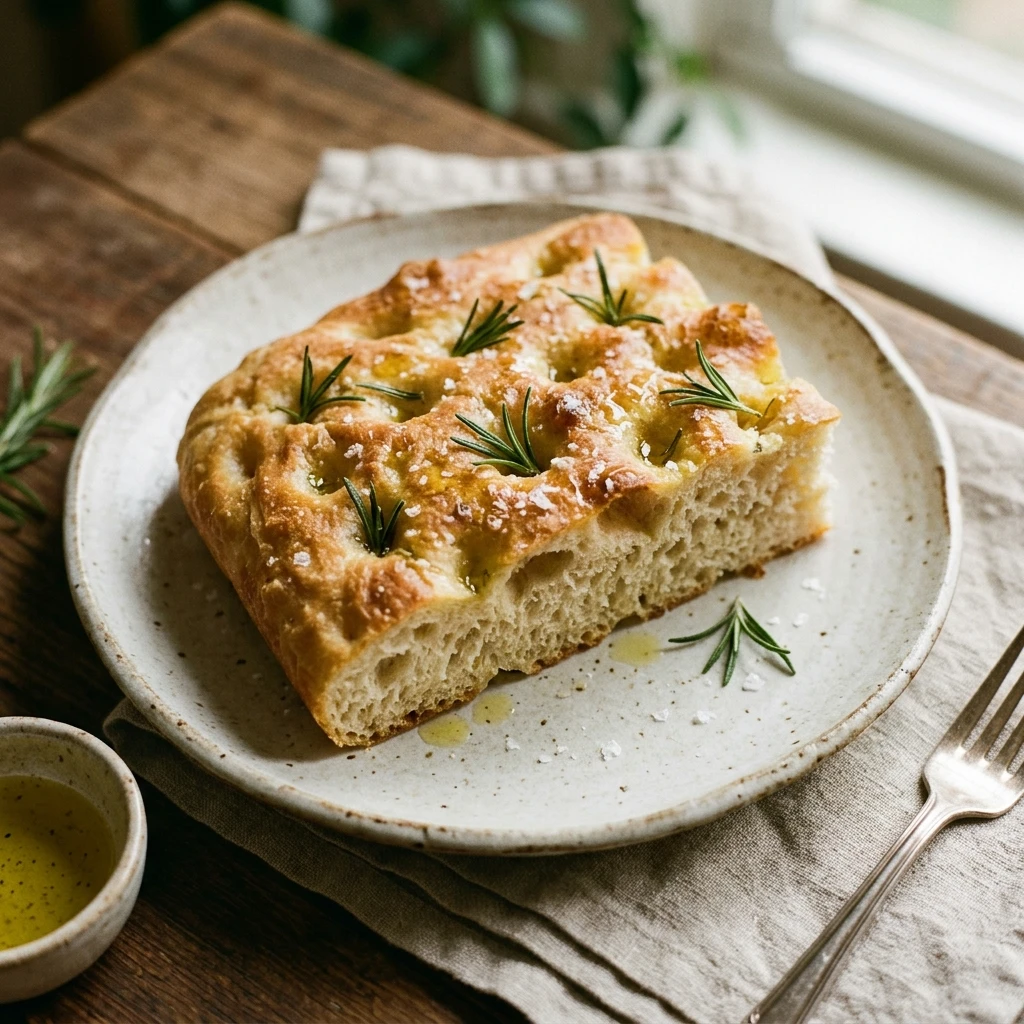
There is nothing quite like the smell of fresh bread wafting through your kitchen, especially when that bread is a golden, bubbly, and salt-flecked sourdough focaccia. If you have been intimidated by sourdough in the past, this is the perfect recipe to start your journey. We have stripped away the complexity to bring you a foolproof method that requires only four basic pantry staples. This bread features a crisp, olive oil-fried bottom and a pillowy, airy center that will make you feel like a professional baker with minimal effort. Whether you are serving it alongside dinner or using it for the ultimate sandwich, this beginner-friendly focaccia is about to become your new favorite obsession.
Recipe Information
- Prep Time: 20 minutes (active time)
- Cook Time: 25 minutes
- Total Time: 18 hours 45 minutes (includes fermentation)
- Servings: 8 servings
- Difficulty: Easy
Nutrition values
- Calories: 210 kcal per serving
- Protein: 6g
- Carbs: 42g
Why Make This Easy Sourdough Focaccia With 4 Ingredients For Beginners
This recipe is a game-changer for anyone who wants high-quality artisan bread without the stress of complex shaping or folding techniques. Because focaccia is baked in a pan, you do not have to worry about the dough holding its shape or mastering the perfect “oven spring.” The high hydration of the dough creates those iconic large air bubbles naturally during the long fermentation process. Plus, by using only four ingredients, you allow the natural, tangy flavor of the sourdough to shine. It is budget-friendly, incredibly versatile, and almost impossible to mess up.
Ingredients
- 100g active sourdough starter (fed and bubbly)
- 375g warm water
- 500g bread flour (or all-purpose flour)
- 10g sea salt
- Note: Extra olive oil is used for coating the pan and drizzling, but the dough itself relies on these four core ingredients.
Directions
Step 1: Mix the Dough
In a large mixing bowl, whisk together your active sourdough starter and warm water until the starter mostly dissolves. Add the flour and sea salt to the liquid. Use a sturdy spoon or your hands to mix until a shaggy dough forms and no dry flour remains. Cover the bowl with a damp cloth or plastic wrap and let it rest for 30 minutes to allow the flour to hydrate.
Step 2: Stretch and Fold
With wet hands, reach under one side of the dough, pull it up, and fold it over the center. Rotate the bowl and repeat this 4 times until the dough feels slightly more cohesive. This replaces heavy kneading. Cover the bowl and let the dough sit at room temperature for 8 to 12 hours (overnight) for the bulk fermentation. The dough should double in size and look bubbly.
Step 3: Transfer to Pan
Generously coat a 9×13 inch baking pan with olive oil. Gently tip the fermented dough into the pan. Do not force it to the corners yet. Flip the dough once so it is coated in oil. Let it rest uncovered for 2 to 4 hours. During this time, the dough will naturally spread out to fill the pan and become very jiggly and light.
Step 4: Dimpling and Topping
Preheat your oven to 425°F (220°C). Drizzle a little more olive oil over the top of the dough. Grease your fingers and press them straight down into the dough to create deep dimples all over the surface. This is the best part! You should see large bubbles forming. Sprinkle a little extra sea salt over the top for crunch.
Step 5: Baking
Place the pan on the middle rack of the oven. Bake for 20 to 25 minutes, or until the top is deeply golden brown and the edges are crispy. Remove from the oven and let it cool in the pan for 5 minutes before transferring it to a wire rack. This prevents the bottom from getting soggy. Slice and enjoy while warm.
Expert Tips for Perfect Easy Sourdough Focaccia With 4 Ingredients For Beginners
For the best results, always use a starter that is at its peak—meaning it has doubled in size and is full of bubbles. If your kitchen is cold, your fermentation might take longer; look for the dough to be jiggly rather than following a strict timer. When dimpling the dough, make sure your fingers reach the bottom of the pan to create those deep pockets that hold the oil. Finally, do not skimp on the olive oil in the pan! The oil essentially “fries” the bottom of the crust, giving it an incredible texture and flavor.
Delicious Variations
Once you master the base recipe, you can get creative with toppings. Try pushing fresh rosemary sprigs and minced garlic into the dimples before baking. For a colorful twist, add halved cherry tomatoes and fresh basil. If you prefer something savory and salty, top the dough with sliced olives and feta cheese. You can even make a sweet version by topping the dough with thinly sliced apples, cinnamon, and a drizzle of honey after it comes out of the oven.
Frequently Asked Questions
Can I use sourdough discard instead of active starter?
For this specific “no-yeast” version, it is best to use an active, bubbly starter to ensure the bread rises properly. Discard may result in a very flat, dense focaccia unless you add a pinch of commercial yeast to help it along.
How do I know when the bulk fermentation is finished?
The dough should have at least doubled in size, and you should see visible bubbles on the surface and sides of the bowl. It should look airy and feel “alive” when you gently shake the bowl.
What type of pan is best for baking focaccia?
A metal baking pan or a cast iron skillet works best because they conduct heat efficiently, resulting in a crispier bottom crust. Glass pans can work but may not produce the same level of crunch.
Can I let the dough rise in the fridge?
Yes! You can put the dough in the fridge for 24 to 48 hours during the bulk fermentation stage. This actually develops a deeper, more sour flavor. Just let it come to room temperature and finish its rise in the pan before baking.
How should I store leftover focaccia?
Store leftovers in an airtight container at room temperature for up to 2 days. To revive the crispy texture, reheat slices in a toaster oven or a dry skillet for a few minutes before serving.
Conclusion
Making sourdough doesn’t have to be a complicated science experiment. With this easy 4-ingredient focaccia, you can enjoy the artisan quality of fermented bread with very little active work. It is the perfect entry point for beginners and a reliable staple for seasoned bakers alike. Once you pull that golden, bubbly loaf out of the oven, you will never want to go back to store-bought bread again. Happy baking!