Follow Me On Pinterest!
Lemon Asparagus Pasta – Spring Favorite
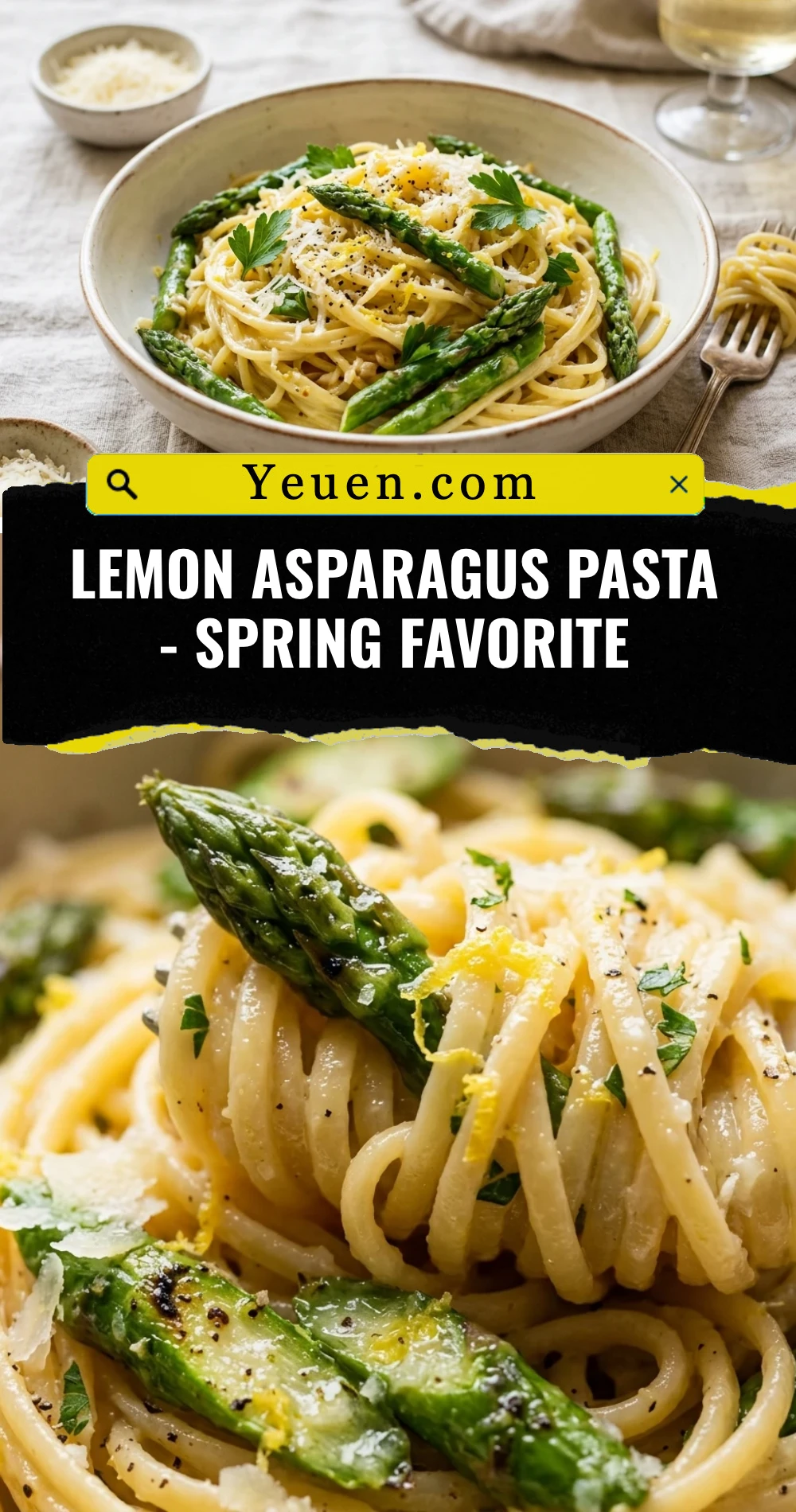
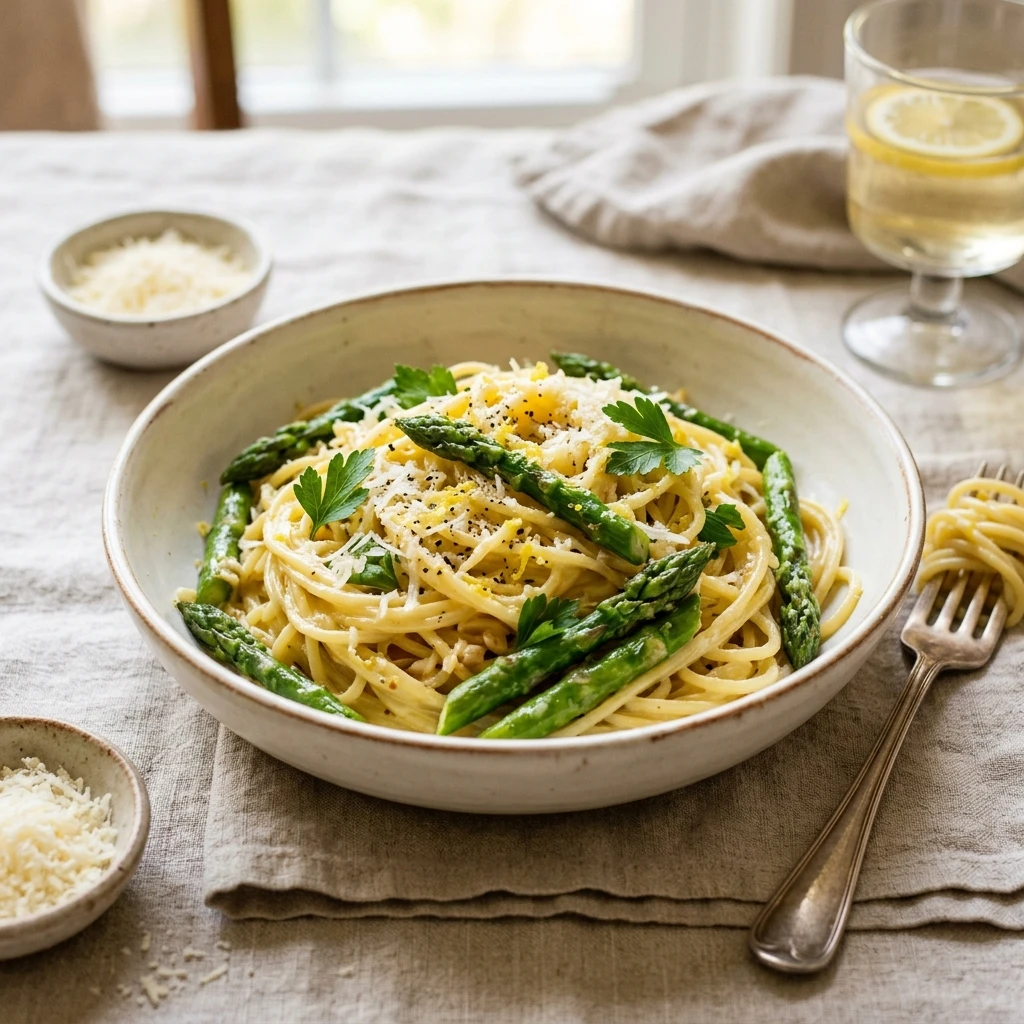
Spring is finally here, and there is no better way to celebrate the season than with a bowl of this Lemon Asparagus Pasta. It is light, vibrant, and incredibly refreshing. When the weather warms up, heavy sauces feel too weighed down. Instead, this recipe relies on high-quality olive oil, fresh lemon zest, and the snap of tender-crisp asparagus. You can have this entire meal on the table in under thirty minutes, making it the ultimate solution for busy weeknights. The combination of citrus and garlic creates a bright flavor profile that everyone in your family will love. Grab a bunch of fresh asparagus from the market and let’s get cooking!
Recipe Information
- Prep Time: 10 minutes
- Cook Time: 15 minutes
- Total Time: 25 minutes
- Servings: 4 servings
- Difficulty: Easy
Nutrition values
- Calories: 415 kcal
- Protein: 14g
- Carbs: 62g
Why Make This Lemon Asparagus Pasta – Spring Favorite
This dish is the epitome of seasonal cooking. Asparagus is at its peak during the spring months, offering a natural sweetness and crunch that pairs perfectly with pasta. It is also a highly customizable meal. You can keep it vegetarian or easily add a protein of your choice. Because it uses simple pantry staples like garlic and olive oil, you likely already have most of the ingredients on hand. It is light enough for a lunch but satisfying enough for a main dinner course. Plus, the cleanup is minimal since you only need a pot for the pasta and a large skillet for the sauce.
Ingredients
- 12 ounces linguine or spaghetti
- 1 pound fresh asparagus, woody ends trimmed and cut into 2-inch pieces
- 3 tablespoons extra virgin olive oil
- 4 cloves garlic, minced
- 1 teaspoon red pepper flakes (optional)
- 1 large lemon, zested and juiced
- 1/2 cup freshly grated Parmesan cheese
- 1/2 cup reserved pasta water
- Salt and black pepper to taste
- Fresh parsley for garnish
Directions
Step 1: Boil the Pasta
Bring a large pot of salted water to a boil. Add the linguine and cook according to the package instructions until it reaches al dente texture. About two minutes before the pasta is finished, add the chopped asparagus directly into the boiling pasta water. This blanches the asparagus and ensures it stays bright green. Before draining, carefully scoop out at least one cup of the starchy pasta water and set it aside.
Step 2: Sauté the Aromatics
While the pasta drains, place a large skillet over medium heat and add the olive oil. Once the oil is shimmering, add the minced garlic and red pepper flakes. Sauté for about one minute until the garlic is fragrant, but be careful not to let it brown or burn. The goal is to infuse the oil with a gentle garlic flavor that will coat every strand of pasta.
Step 3: Emulsify the Sauce
Add the cooked pasta and asparagus into the skillet with the garlic oil. Pour in half of the reserved pasta water along with the lemon juice and lemon zest. Toss everything together vigorously with tongs. The starch in the water combines with the oil and lemon to create a light, silky sauce. If the pasta looks too dry, add a little more of the reserved water until you reach your desired consistency.
Step 4: Finish and Season
Remove the skillet from the heat. Sprinkle the grated Parmesan cheese over the pasta and toss again until the cheese melts into the sauce. Season generously with salt and freshly cracked black pepper. Transfer the pasta to a serving bowl or individual plates. Garnish with fresh parsley and an extra sprinkle of Parmesan if desired. Serve immediately while the flavors are bright and the pasta is hot.
Expert Tips for Perfect Lemon Asparagus Pasta – Spring Favorite
For the best results, always use fresh lemon juice rather than the bottled kind. The bottled juice often has a bitter aftertaste that can ruin the delicate balance of this dish. When prepping your asparagus, look for stalks that are firm and have tight tips. If you have very thick asparagus, you might want to slice them in half lengthwise so they cook at the same rate as the pasta. Lastly, do not skip the pasta water! That starchy liquid is the secret ingredient that turns a dry bowl of noodles into a restaurant-quality meal by helping the sauce cling to the pasta.
Delicious Variations
This recipe serves as a fantastic base for many different variations. For a boost of protein, try adding grilled shrimp, seared scallops, or sliced chicken breast. If you want to make this dish vegan, simply omit the Parmesan cheese and use nutritional yeast or a vegan cheese alternative instead. You can also swap the asparagus for other spring vegetables like snap peas, baby spinach, or leeks. For a crunchier texture, top the finished dish with toasted pine nuts or golden breadcrumbs toasted in butter.
Frequently Asked Questions
Can I use gluten-free pasta for this recipe?
Yes, you can absolutely use gluten-free pasta. Just be sure to monitor the cooking time closely as gluten-free varieties can go from al dente to mushy very quickly. Ensure you still save the pasta water, though it may be slightly less starchy than traditional wheat pasta water.
What if I don’t have a lemon zester?
If you don’t have a microplane or a zester, you can use the smallest holes on a box grater. Just be careful to only grate the yellow part of the skin. Avoid the white pith underneath, as it is very bitter and will change the flavor of the sauce.
How should I store leftovers?
Store any leftovers in an airtight container in the refrigerator for up to three days. To reheat, add a small splash of water or olive oil to the pasta before microwaving or heating on the stove. This helps loosen the sauce and prevents the noodles from drying out.
Is this dish good served cold?
While it is designed to be a hot meal, this recipe actually makes a wonderful cold pasta salad. If you plan to serve it cold, add a little extra olive oil and lemon juice before serving to refresh the flavors.
Can I use frozen asparagus?
You can use frozen asparagus in a pinch, but the texture will be significantly softer than fresh. If using frozen, do not boil it with the pasta. Instead, sauté it briefly in the skillet with the garlic to help evaporate any excess moisture.
Conclusion
This Lemon Asparagus Pasta is the perfect way to welcome the change of seasons. It is fast, fresh, and full of bright citrus notes that make every bite feel like a celebration. Whether you are cooking for a quiet night in or hosting a spring brunch, this dish is sure to impress. Give it a try this week and enjoy the simple beauty of fresh ingredients handled with care. Happy cooking!