Follow Me On Pinterest!
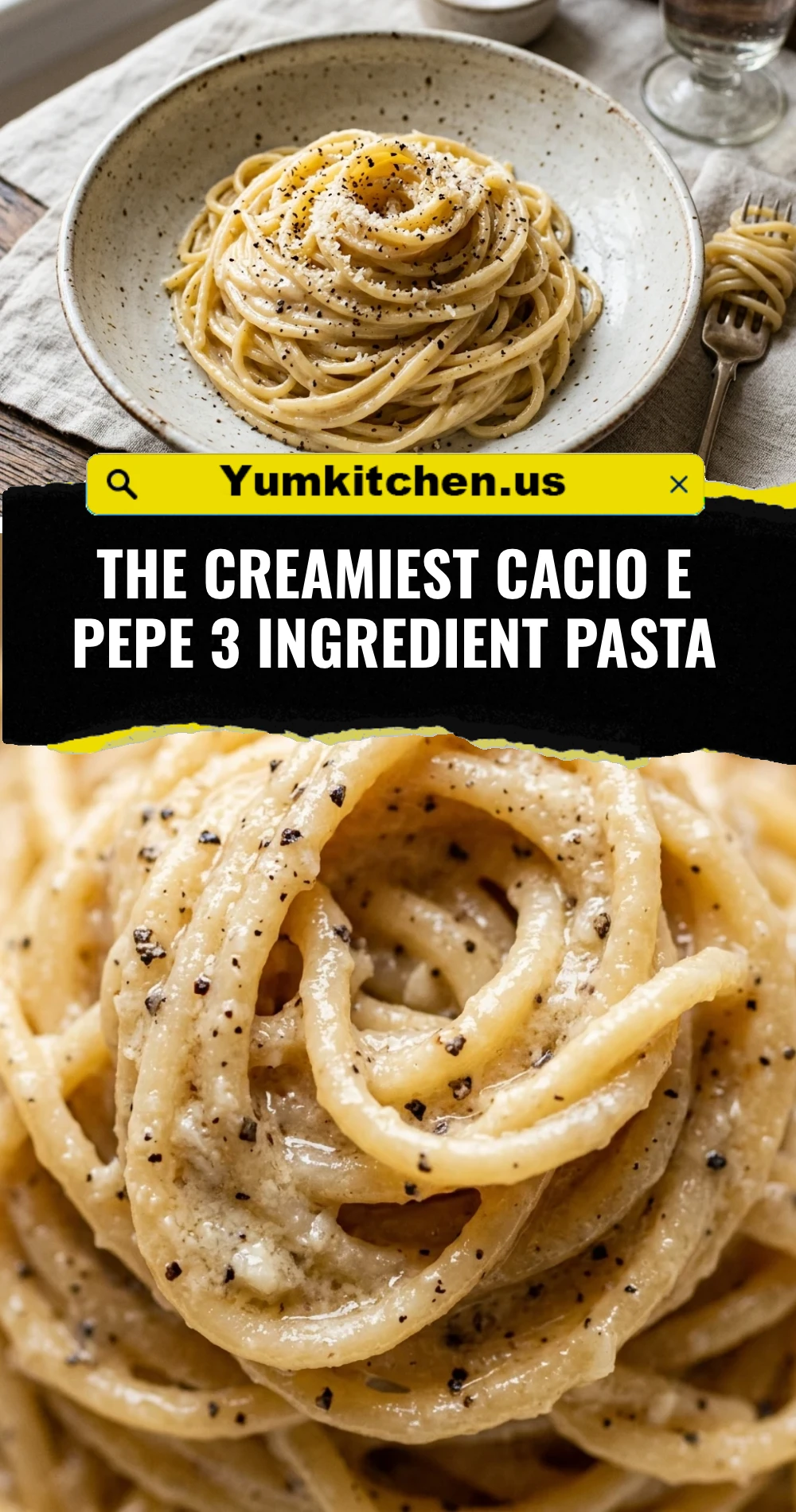
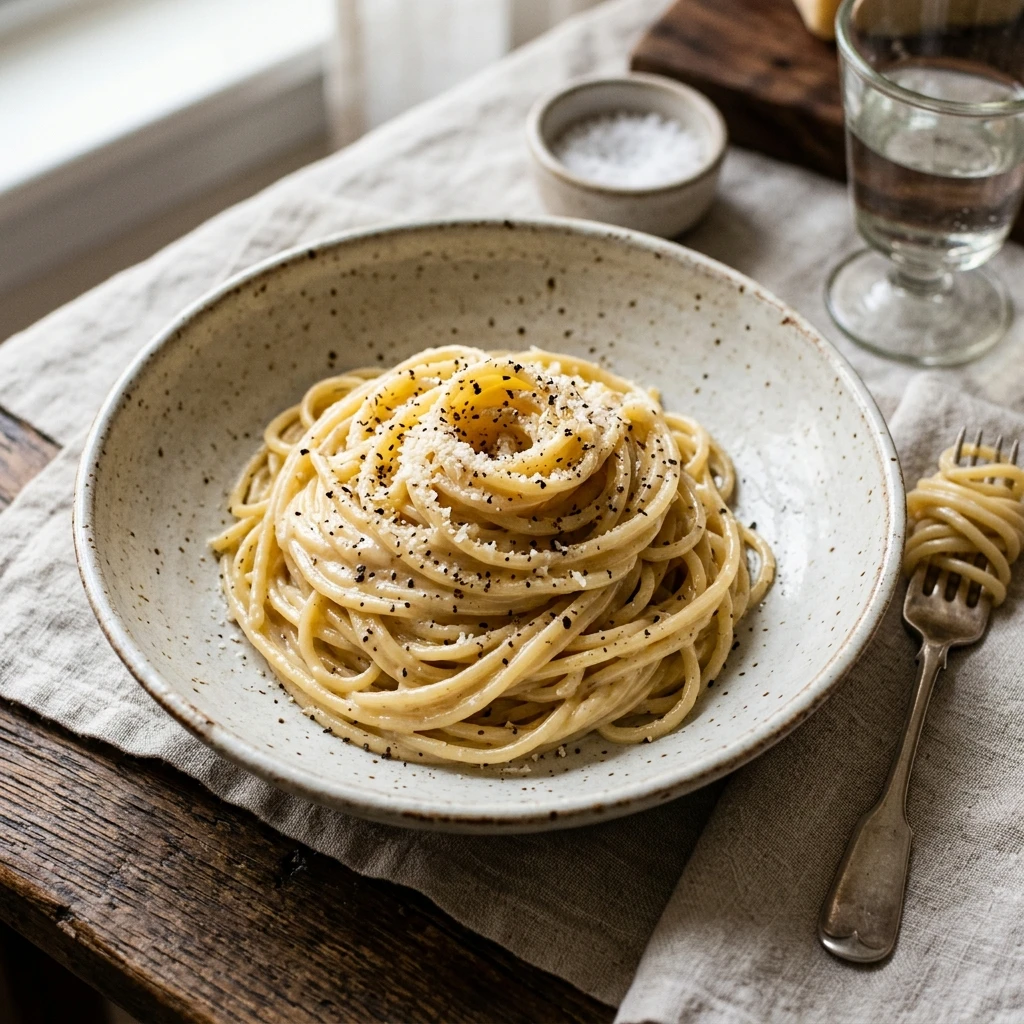
The Creamiest Cacio e Pepe 3 Ingredient Pasta
Imagine sitting in a sun-drenched Roman trattoria, the smell of freshly cracked pepper and sharp cheese wafting through the air. That is exactly what this recipe brings to your kitchen. Cacio e Pepe is the ultimate testament to Italian culinary philosophy: high-quality ingredients treated with respect produce a meal far greater than the sum of its parts. You only need three humble ingredients to create a silky, peppery sauce that coats every strand of pasta perfectly. Forget heavy cream or complicated techniques; this authentic method relies on the magic of starchy pasta water and emulsion to deliver a luxurious, gourmet experience in under fifteen minutes.
Recipe Information
- Prep Time: 5 minutes
- Cook Time: 10 minutes
- Total Time: 15 minutes
- Servings: 2 servings
- Difficulty: Easy
Nutrition values
- Calories: 485 kcal
- Protein: 18g
- Carbs: 62g
Why Make This The Creamiest Cacio e Pepe 3 Ingredient Pasta
This recipe is a lifesaver for busy weeknights when you want a five-star meal without the grocery haul. It teaches you the foundational skill of emulsification, turning simple water and cheese into a velvety sauce. It is naturally vegetarian, incredibly budget-friendly, and tastes like it came straight from a professional kitchen. Plus, the bold kick of freshly toasted black pepper provides a sophisticated flavor profile that satisfies every time.
Ingredients
- Pasta: 200g (7oz) Spaghetti, Tonnarelli, or Bucatini.
- Cheese: 1.5 cups Pecorino Romano, very finely grated (authentic sheep’s milk cheese is key).
- Black Pepper: 1 tablespoon whole black peppercorns, freshly toasted and coarsely crushed.
- Pasta Water: Reserved from the cooking pot (this is the secret fourth “ingredient”).
Directions
Step 1: Toasting the Pepper
Place your whole peppercorns in a dry skillet over medium heat. Toast them for 1-2 minutes until they become fragrant. Remove them from the heat and crush them coarsely using a mortar and pestle or the bottom of a heavy pan. This process releases the essential oils, making the pepper much more aromatic and flavorful than pre-ground varieties.
Step 2: Cooking the Pasta
Bring a large pot of water to a boil. Use less water than usual; you want a high concentration of starch. Add a small pinch of salt (the cheese is already very salty, so be careful). Cook the pasta until it is two minutes away from being “al dente.” It should still have a firm bite in the center, as it will finish cooking in the skillet.
Step 3: Creating the Creamy Emulsion
While the pasta cooks, put the finely grated Pecorino Romano in a small bowl. Add a splash of the hot pasta water and whisk it with a fork until it forms a thick, smooth paste. In the skillet with the toasted pepper, add half a cup of pasta water and bring it to a simmer. Transfer the pasta directly into the skillet. Stir vigorously. Remove the skillet from the heat entirely—this is crucial to prevent the cheese from clumping. Add the cheese paste and another splash of pasta water. Toss and stir rapidly until the cheese melts into a glossy, creamy sauce that clings to the noodles.
Step 4: Plating
Twirl the pasta into deep bowls using a carving fork or tongs. Drizzle any remaining sauce from the pan over the top. Garnish with a final dusting of Pecorino Romano and a tiny sprinkle of crushed pepper. Serve immediately while the sauce is at its creamiest consistency.
Expert Tips for Perfect The Creamiest Cacio e Pepe 3 Ingredient Pasta
The most common mistake is using pre-shredded cheese from a tub. These contain anti-clumping agents that will ruin your sauce. Always grate your Pecorino Romano by hand using the finest side of your grater. Also, ensure your pasta water is cloudy with starch; this acts as the “glue” that binds the cheese and pepper together. If the sauce looks too dry, add more water one tablespoon at a time. If it looks too thin, keep tossing; the starch will naturally thicken as it cools slightly.
Delicious Variations
While the traditional version is hard to beat, you can add a modern twist. Stir in some fresh lemon zest at the end for a bright, citrusy lift. If you prefer a bit more funk, use a mix of 70% Pecorino Romano and 30% Parmigiano Reggiano. For a spicy kick, add a pinch of red chili flakes to the toasted pepper. You can also toss in some lightly sautéed asparagus or peas for a pop of color and extra nutrients.
Frequently Asked Questions
Can I use Parmesan instead of Pecorino?
You can, but the flavor will be milder and less salty. Pecorino Romano is the traditional choice for its sharp, tangy profile. If you use Parmesan, you may need to add a bit more salt to the pasta water.
Why did my cheese turn into a clump?
Clumping usually happens because the heat was too high. Never add the cheese while the pan is still over active heat. Residual heat from the pasta and the water is enough to melt the cheese into a cream.
What is the best pasta shape for this?
Long, thin noodles like Spaghetti or Linguine are best because they provide a large surface area for the sauce to coat. Bucatini is also excellent as the hollow center traps the sauce.
Is this recipe gluten-free?
You can easily make this gluten-free by using high-quality gluten-free spaghetti. Just ensure the pasta is sturdy enough to withstand the vigorous tossing required for the emulsion.
Can I store leftovers?
Cacio e Pepe is best enjoyed immediately. As it cools, the cheese sets and the emulsion can break. If you must reheat it, do so very gently with an extra splash of water to loosen the sauce.
Conclusion
Mastering The Creamiest Cacio e Pepe 3 Ingredient Pasta is a rite of passage for any home cook. It proves that you don’t need a pantry full of items to create a meal that feels like luxury. By focusing on technique—toasting the pepper, reserving the starch, and controlling the heat—you transform basic pantry staples into a masterpiece. Give this recipe a try tonight and enjoy the authentic taste of Rome in your own dining room!